
-2.png)
-2.png)
.png)
.webp)
.png)
.png)




-1.webp)
-1.webp)

.webp)
-1-1.webp)


-2.webp)
-1-1.webp)
-2-1.png)
-1-1.webp)
-1-1.webp)
-1-1.png)


What is Inbound Marketing for B2B?
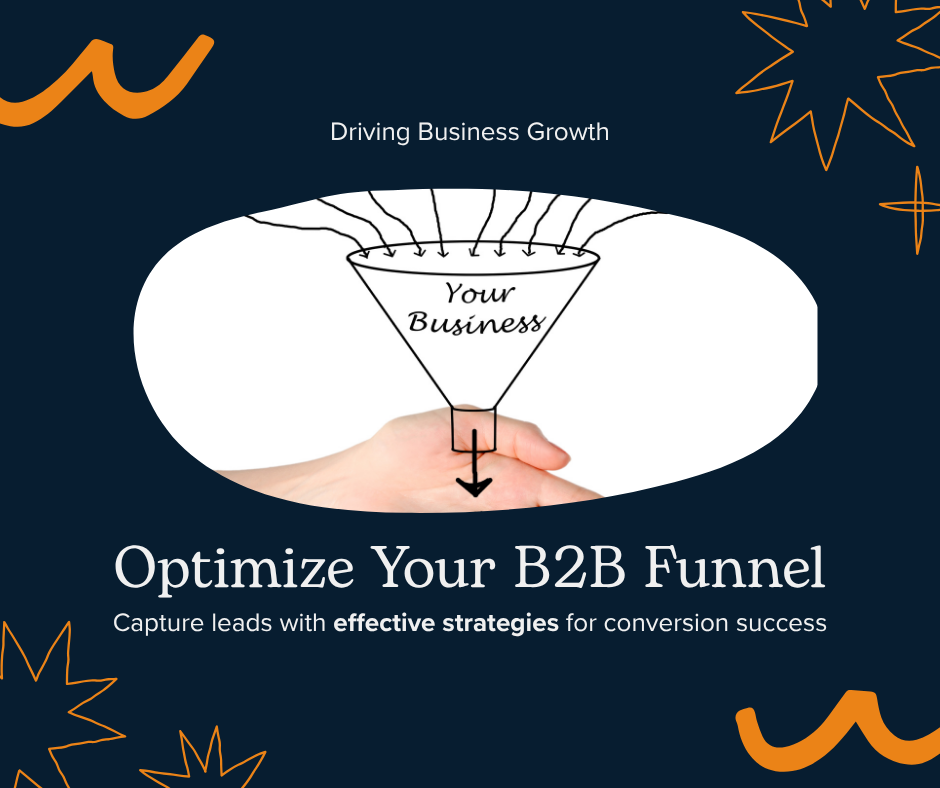
Have you ever wondered how businesses connect with other businesses in a way that feels authentic? Inbound marketing for B2B is a strategy that attracts potential clients by creating content—such as blogs, whitepapers, webinars, or case studies—that addresses their pain points and needs. It’s about drawing prospects to your brand rather than pushing messages through cold calls or ads. The methodology, popularised by HubSpot, follows three stages:
- Attract: Draw in prospects with valuable content like blog posts or SEO-optimised resources.
- Engage: Build relationships through personalised emails, webinars, or social media interactions.
- Delight: Support clients post-purchase with ongoing resources to foster loyalty.
For example, a B2B software company might publish a whitepaper on “Top 5 Cybersecurity Challenges for Enterprises” to attract IT managers. Why do you think providing solutions to specific problems is more effective than generic advertising for B2B audiences?
Why Inbound Marketing Works for B2B
What makes inbound marketing a game-changer for B2B companies? Its effectiveness lies in aligning with the B2B buyer’s journey, which is often complex and involves multiple stakeholders. Here are key reasons it works:
- Builds Trust and Credibility: B2B buyers value expertise. A 2024 study found that 70% of B2B buyers conduct online research before contacting vendors (Forrester). Thought leadership content, like industry reports, positions your brand as a trusted advisor.
- Cost-Effective: Inbound leads cost 61% less than outbound leads on average (HubSpot, 2023). Why might creating a blog post be more cost-effective than a trade show booth?
- Targets Specific Audiences: Detailed buyer personas ensure content speaks directly to decision-makers, such as CFOs or operations managers.
- Drives Long-Term Results: Content like evergreen blogs or gated assets continues to generate leads over time, unlike one-off ad campaigns.
The B2B Buyer’s Journey
How do B2B buyers make purchasing decisions? Unlike B2C, B2B sales cycles are longer, often involving 6–10 stakeholders (Gartner, 2023). The buyer’s journey typically includes:
- Awareness Stage: Buyers identify a problem (e.g., inefficient workflows) and seek educational content like blogs or infographics.
- Consideration Stage: Buyers evaluate solutions through webinars, case studies, or comparison guides.
- Decision Stage: Buyers choose a vendor based on demos, proposals, or free trials.
What types of content would you create for each stage to guide a buyer toward choosing your company? For instance, a logistics company might offer a free eBook on supply chain optimization in the awareness stage, followed by a webinar in the consideration stage.
Key Strategies for B2B Inbound Marketing
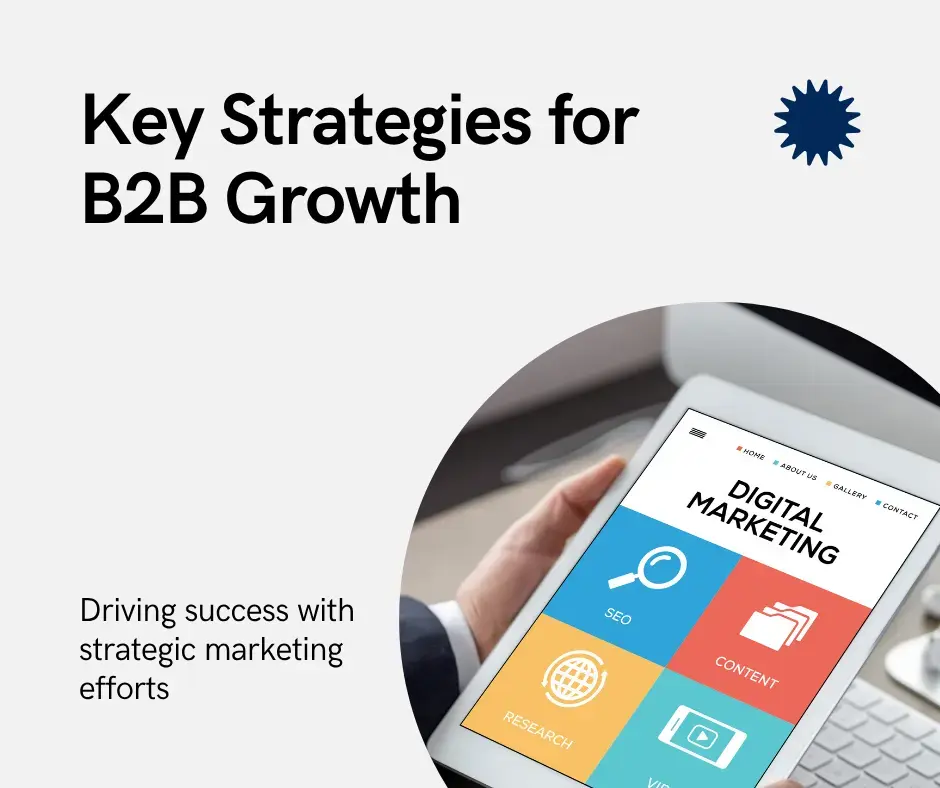
What steps can a business take to implement inbound marketing effectively? Here are proven strategies:
- Develop Buyer Personas: Create detailed profiles of your ideal clients, including their roles, challenges, and goals. For example, a persona for a CFO might focus on cost-saving solutions. How would you identify the pain points of your target audience?
- Content Marketing: Produce high-quality content like:
- Blogs: Address industry trends or challenges (e.g., “How to Streamline B2B Payments”).
- Whitepapers: Offer in-depth analyses of specific issues.
- Case Studies: Showcase success stories to build credibility.
- Webinars: Provide interactive learning opportunities.
- Search Engine Optimisation (SEO): Optimise content with keywords to rank higher on search engines. A 2024 study found that 68% of B2B buyers start their journey with a Google search (BrightEdge). What keywords might your clients search for?
- Email Marketing: Nurture leads with personalised email sequences. For example, Marketo’s drip campaigns increased engagement by 40% (Marketo, 2023).
- Social Media Engagement: Use LinkedIn to share thought leadership content and engage with prospects. LinkedIn reports that 80% of B2B leads come from their platform (LinkedIn, 2024).
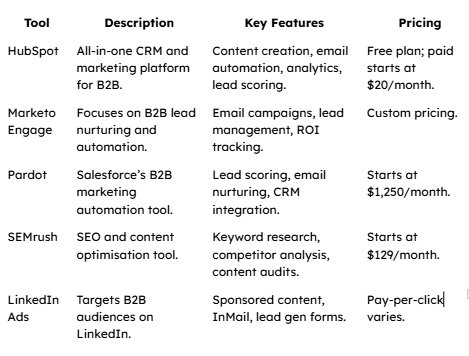
Tools for B2B Inbound Marketing
Measuring Success in B2B Inbound Marketing
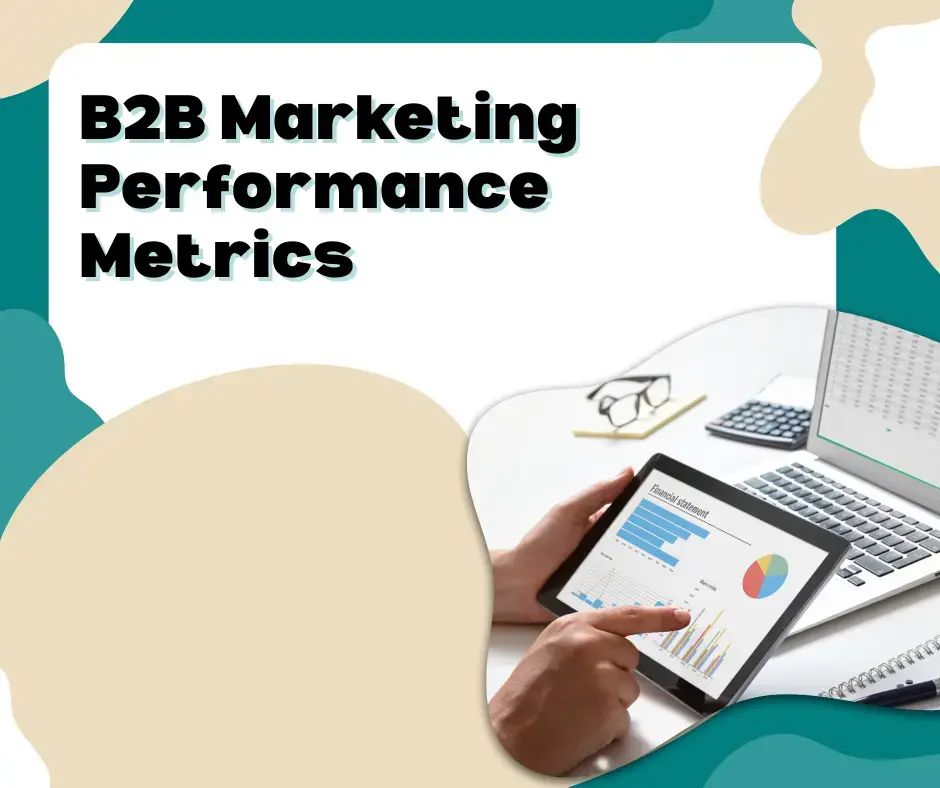
How do you know if your inbound efforts are paying off? Key metrics include:
- Website Traffic: Track organic visits using Google Analytics.
- Lead Generation: Measure the number of marketing-qualified leads (MQLs) and sales-qualified leads (SQLs).
- Conversion Rates: Monitor how many leads convert to customers.
- Cost Per Lead: Compare inbound costs to outbound to assess efficiency.
- Customer Lifetime Value (CLV): Evaluate long-term revenue from acquired clients.
Conclusion

Founder & CEO @ Hubxpert. My goal is to make every company using HubSpot succeed in their marketing organisation and automation.

Ratul Rahman
Table of Contents:

Subscribe to our newsletter
Do You Need a Healthcare-Specific CRM, or HubSpot?
Some practices outgrow HubSpot. Most don't. Here is the real threshold test, and where a healthcare-specific CRM actually wins.
Referral Tracking Software or Your CRM? A Healthcare Guide
HubSpot has no native referral object. Here is how referral tracking actually gets built inside a CRM, and when you need dedicated software instead.
HubSpot at Enterprise Scale: Fix Pipeline Velocity First
Slow pipeline velocity often gets blamed on HubSpot outgrowing enterprise needs. Here's how to diagnose the real cause before a costly Salesforce migration.
Syncing Invoices Between HubSpot & Your Accounting Software
A healthcare CRM tracks inquiries as records, moves them through a visible pipeline, and automates the follow-up. Here is how.
CRM for Healthcare: How It Actually Works Day to Day
A healthcare CRM tracks inquiries as records, moves them through a visible pipeline, and automates the follow-up. Here is how.
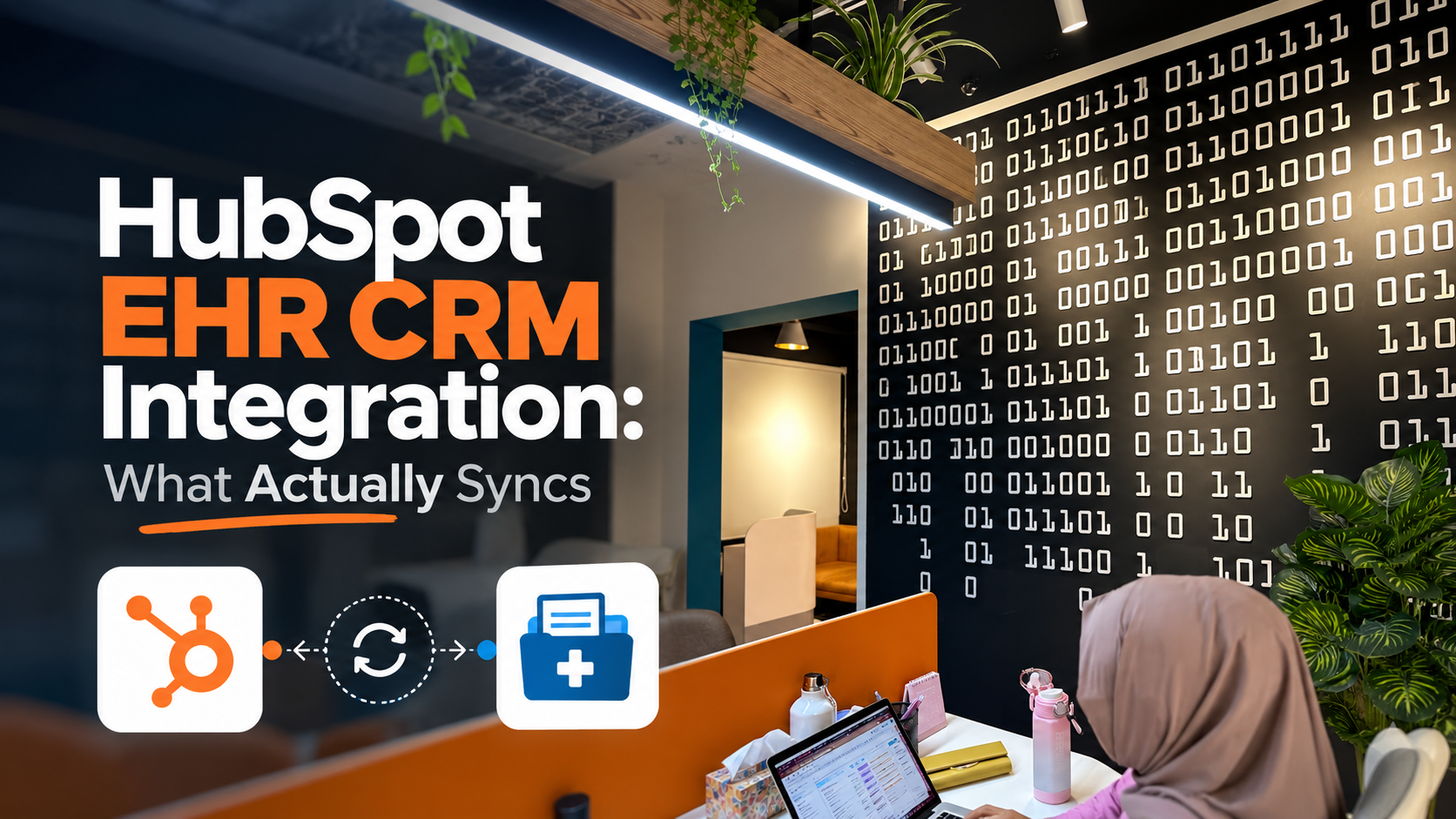
HubSpot EHR CRM Integration: What Actually Syncs
No native HubSpot EHR connector exists yet. Here is how EHR CRM integration really works, and what should never sync.
-
Do You Need a Healthcare-Specific CRM, or HubSpot?
hello
-
Referral Tracking Software or Your CRM? A Healthcare Guide
hello
-
HubSpot at Enterprise Scale: Fix Pipeline Velocity First
hello
-
Syncing Invoices Between HubSpot & Your Accounting Software
hello
-
CRM for Healthcare: How It Actually Works Day to Day
hello
-
HubSpot EHR CRM Integration: What Actually Syncs
hello