


-2.png)

-2.png)

.png)

.webp)
.png)





.png)






-1.webp)
-1.webp)

.webp)
-1-1.webp)

-2.webp)
-1-1.webp)
-2-1.png)
-1-1.webp)
-1-1.webp)
-1-1.png)





Audit and mapping
Mapped the existing support operation across Trengo and the legacy systems, and defined the service categories the new structure would need.

200,000+
Tickets migrated
15+
Service pipelines built
50+
Automation rules created
20 weeks
Delivery timeline
Two hundred thousand tickets is not a number a support operation reaches by accident. Pinkcube was handling real volume and handling it manually, which meant every additional customer added load rather than being absorbed by the system.
Support ran through Trengo and other tools at the same time, which produced delayed responses, incomplete visibility and duplicated work on the same customer.
Every incoming inquiry had to be read and assigned by a person. At this volume that is a full-time job that produces no value and introduces inconsistency into the customer experience.
A bulk corporate order and a single consumer purchase need different handling, different urgency and different people, and nothing in the process reflected that.
Service metrics, agent performance and customer satisfaction could not be tracked across the operation, so leadership had no way to see where time was going or where customers were being lost.
Service history is the context that makes the next conversation useful. Starting fresh in a new system would have meant every agent losing everything a customer had ever told them.
"Before HubSpot, we were living kind of in chaos with Post-it notes. Every lead, every patient type, and every renewal had to be tracked manually, and our front desk was spending more time managing spreadsheets than focusing on patients."

The migration moved the whole operation rather than a part of it, then rebuilt it around how Pinkcube actually supports two different customer bases.
Every ticket from Trengo and the legacy systems moved into Service Hub with its history intact, so agents opened the new system with the full record of every customer already in it.
Rather than one queue, pipelines were built per service category across the B2B and B2C operations, so each kind of request follows a path designed for it.
Incoming tickets route automatically by channel, query type and urgency, so every inquiry reaches the correct team on arrival instead of waiting for someone to triage it.
Workflows move tickets between pipelines as their status changes, which removes the stagnation that happens when a ticket needs a different team and nobody notices.
Order status, support confirmations and post-resolution updates send automatically, which removes a large share of the inbound contacts that exist only because the customer did not know what was happening.
Satisfaction surveys trigger when a ticket closes, turning service quality from an impression into a tracked number.
Agent performance, first-response times and satisfaction scores are visible in real time, so operational efficiency is measurable rather than assumed.
Sales Hub Professional features were integrated so the two teams share visibility, which improves handoffs and account management on the B2B side in particular.
Our front desk team used to spend hours each week manually logging leads and chasing renewal calls. With HubSpot handling confirmations, reminders, and renewal nudges automatically, that time now goes straight into patient care. The dashboards also mean we stop guessing which campaigns are actually working.

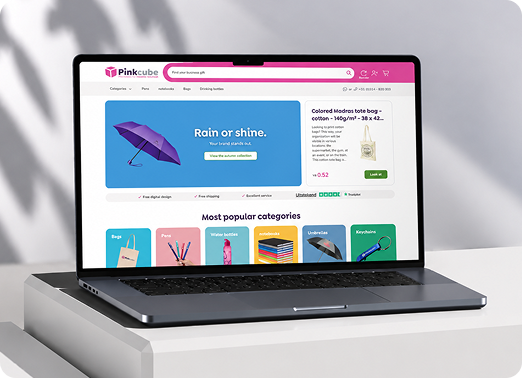
Pinkcube now runs all customer service inside HubSpot Service Hub. Tickets arrive, route themselves to the right team, move between pipelines as they progress, and produce a satisfaction score when they close.
200,000+
Tickets migrated
15+
Service pipelines built
50+
Automation rules created
20 weeks
Delivery timeline
200,000+ tickets migrated successfully. The full service history moved into Service Hub, so agents work with the complete record of every customer rather than starting from nothing.
Manual handling reduced by over 60%. Automated workflows and intelligent routing took the triage and assignment work off the team, which is time that returns directly to customers.
Every inquiry reaches the right team on arrival. 50+ routing rules place tickets by channel, query type and urgency rather than by whoever picks them up first.
Customer satisfaction became measurable. CSAT surveys trigger on closure, giving a consistent and quantifiable read on service quality for the first time.
Leadership has full real-time visibility. Dashboards replaced fragmented data with centralized metrics on agent performance, response times and satisfaction.
Service and sales share a view. Sales Hub integration improved handoffs and account management, which matters most on the B2B side where the same customer is both a support case and an account.
"We enjoy working with HubSpot because they have an allround team. They are communicative and helpful. Their strength lies in execution; creating content, api's, workflows ..they can do it all. Give them an assignment and they start flying. Sometimes this eagerness makes them start working when they don't exactly understand what they need to do yet. Most likely due to cultural differences."
Ready to Build the Engine Behind Your Growth?
We build the systems underneath growth. CRM, website, search, outbound, and automation, connected so your team stops doing the work software should do.
 Takes 30 minutes
Delivered by certified HubSpot expert
Takes 30 minutes
Delivered by certified HubSpot expert