







Data mapping
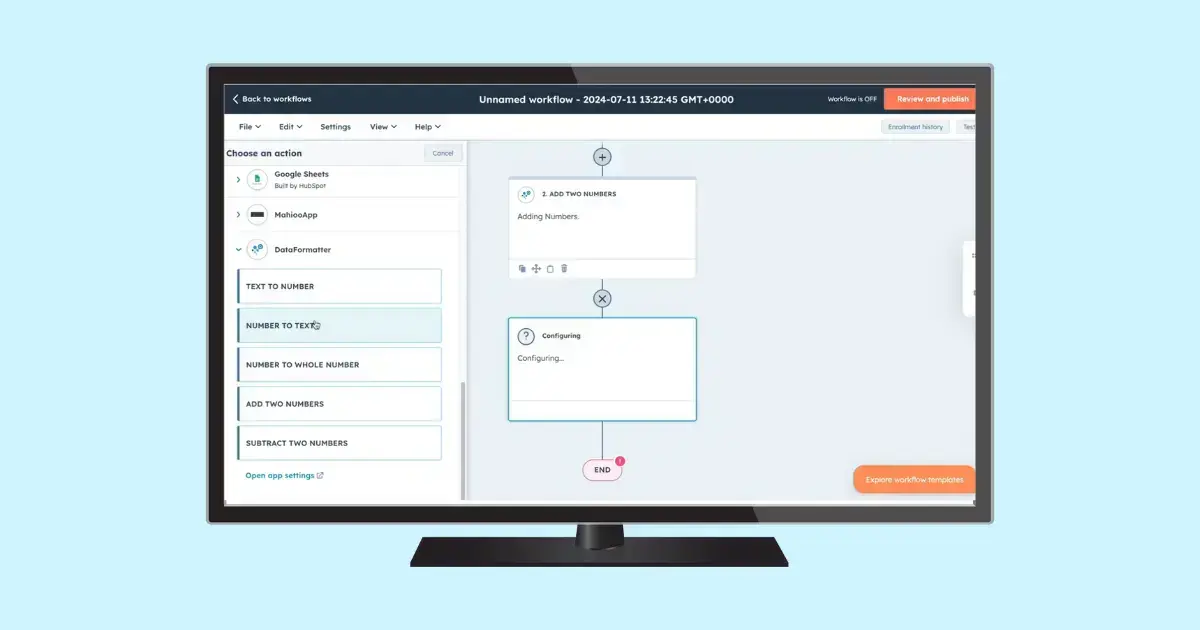
Mapped trial, subscription and usage events to the HubSpot object model and defined what each signal means commercially.

98%
Data accuracy across trial, subscription and usage records
70%
Less manual work
2,000+
Contacts mapped to diagnostics and subscriptions
6 months
Delivery timeline
Lyrebird Health builds AI-powered scribe and diagnostic tools for clinics and hospitals. The purpose is straightforward: give healthcare professionals their attention back by taking the paperwork off them.
The company sells the way modern software sells. A clinician signs up for a trial, uses the product, and decides. Nobody is talked into it before they have tried it, which means the product itself is doing most of the selling and the signals that matter are behavioral rather than demographic.
That model only works if the behavior reaches the people responsible for revenue. Lyrebird had the usage data and no route from it into the CRM. Sales could not see which trials were active, marketing optimized for clicks because clicks were what it could measure, and leadership had no view of the trial-to-revenue journey at all.
Every signal Lyrebird needed already existed. It was being generated by the product, several times a day, by people actively deciding whether to buy. None of it was reaching the systems where anyone could act on it.
Without usage data in the CRM there was no way to tell an engaged trial from a dormant one, so effort was distributed by guesswork while active trials went unworked.
Campaigns were measured on what was visible, which was engagement rather than conversion, so lead generation and actual revenue drifted apart.
Logins, feature adoption and milestones were captured and never connected to a customer record, which meant no proactive guidance and patchy engagement across the base.
Without the journey visible end to end, there was no way to identify where trials were stalling, which made the bottlenecks impossible to fix.
From trial signup to subscription the process was fragmented and unsynchronized, which put a hard ceiling on how many trials the team could run without adding people.
HubSpot became a real-time map of account health. Trial, subscription and usage data land on the record, lifecycle communication responds to what a user actually does, and the pipeline moves itself as accounts progress.
Every trial signup creates a contact and a deal, so a trial is a tracked opportunity from the first day rather than a user in a product database nobody in revenue can see.
Payment, subscription start and renewal are mapped as properties, so commercial state is visible on the same record as the behavior that produced it.
Logins, feature adoption and milestones flow into the portal, which turns HubSpot into a live view of account health rather than a record of what someone last typed into it.
Trial start triggers onboarding, low usage triggers nudges toward unused features, high usage notifies sales immediately, trial expiry triggers a personalized upgrade offer, and a lapsing subscription triggers renewal reminders.
Deals progress automatically with lifecycle events, active trials are flagged hot and dormant ones deprioritized, so the pipeline reflects reality without anyone maintaining it.
Leads are routed to reps as they qualify, so an engaged trial reaches a person while the engagement is still happening.
Managers can see which accounts have stalled and why, which turns a pipeline review into a diagnosis rather than a status update.
Formatting and enrichment work underneath the automation, because behavior-driven workflows are only as reliable as the records they run against.
Nothing could be automated until product behavior was reliably on the record. The data layer came first, then the communication that responds to it, then the pipeline automation on top.
Mapped trial, subscription and usage events to the HubSpot object model and defined what each signal means commercially.

Synced trial signups, payment and subscription state and product usage data into the portal.
Cleaned and enriched the existing database, mapping over 2,000 contacts to their diagnostics and subscriptions.
Built the behavior-triggered communication from onboarding through low-usage nudges, upgrade offers and renewal reminders.
Built automatic deal progression, trial scoring, hot and dormant flagging, and real-time lead rotation.
Built the trial-to-revenue visibility for leadership and handed the system to the team.
Lyrebird now runs its trial-to-revenue motion on product behavior. Usage reaches the CRM, communication responds to it, and the pipeline reflects what accounts are actually doing.
98%
Data accuracy across trial, subscription and usage records
70%
Less manual work
2,000+
Contacts mapped to diagnostics and subscriptions
98% data accuracy across trial, subscription and usage records. A reliable foundation for every report and workflow built on top, which removed manual error and gave the organization one source of truth.
70% less manual work. Automating the key workflows and the data synchronization freed the team from repetitive administration and returned that time to higher-value work.
2,000+ contacts mapped to diagnostics and subscriptions. The database was both cleaned and made useful, which made targeted communication and personalized outreach possible.
Sales works engaged trials, not cold lists. Active trials are flagged and routed in real time, so effort follows the accounts that are actually deciding.
Leadership can see trial to revenue. The journey is visible end to end, which turns a stalled account from an unknown into a diagnosable problem.
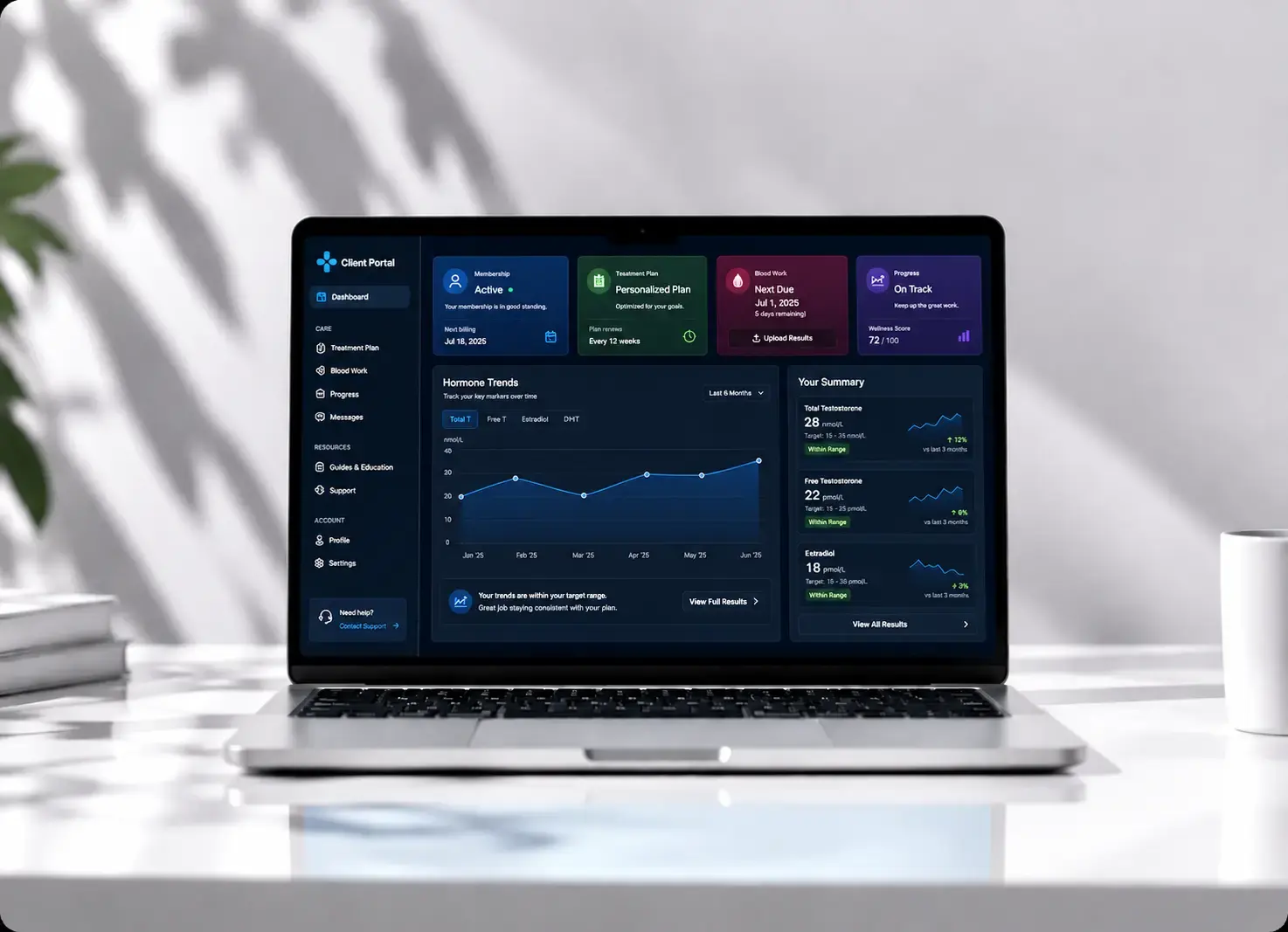
A contact or deal record carrying trial, subscription and usage data together.
The behavior-triggered lifecycle map, from trial start through low-usage nudge to upgrade offer and renewal.
The trial scoring and hot or dormant flagging in the pipeline.
The trial-to-revenue view leadership uses to find stalled accounts.
For a product-led business it is the most predictive data available. Logins, feature adoption and milestones tell you who is deciding to buy, which no demographic field can.
Six months for Lyrebird, across data mapping, integration, data quality, lifecycle automation, pipeline automation and reporting.
Lyrebird runs on Marketing Hub Professional, Sales Hub Enterprise and Operations Hub Professional. Operations Hub carries the data synchronization the rest depends on.
User behavior rather than a schedule. Trial start, low usage, high usage, trial expiry and a lapsing subscription each trigger their own sequence.
Effort moves to accounts that are actively engaged. Active trials are flagged and rotated to reps in real time while dormant ones are deprioritized.
Want a Custom
Quote?
If Meditech is managing your clinical operations but your teams lack visibility, automation, or connected reporting, it may be time to integrate! A structured Meditech and HubSpot integration can help align patient data, engagement, and revenue tracking in one connected ecosystem. ?