Custom HubSpot App Development
Create powerful applications that extend HubSpot capabilities.
- Private and public app development
- Custom API integrations
- CRM extensions
- Custom functionality development
Custom HubSpot applications, CMS themes, modules, and digital experiences that extend the platform beyond standard capabilities. Solutions designed around your business requirements, not workarounds. Theme builds start at $5,000, separate from your HubSpot subscription.
DEFINITION
HubSpot app and theme development means building on the platform directly, not around it. CMS themes, custom modules, private apps, and API integrations get built with HubL, the CMS CLI, and HubSpot's developer platform to do things the standard portal and off-the-shelf themes cannot.
We build every solution to be maintained, not just shipped. What you get back is documented, editor-friendly where it needs to be, and built against the current supported platform version so it does not break the next time HubSpot ships an update.
A theme build moves faster than a custom application, but the process behind it stays the same: audit, architect, build, test, deploy.
HubSpot is powerful out of the box, but many businesses reach a point where standard features are no longer enough.
Your business processes may require custom tools, objects, or workflows that are not available through HubSpot's standard features.
Data spread across CRMs, ERPs, payment platforms, or internal tools creates manual work and inaccurate reporting.
Teams waste time managing repetitive tasks that could be automated through custom apps and integrations.
Pre-built themes and templates may limit your ability to create unique experiences that match your brand and conversion goals.
OUTCOMES
The right custom build turns a HubSpot limitation into a permanent advantage, not a one-off workaround.
Custom objects, cards, and workflows get built around how your business actually operates, not the closest default feature HubSpot happens to ship.
Editor-friendly modules and drag-and-drop components mean a campaign or page change ships without opening a developer ticket.
API integrations keep data consistent across your CRM, ERP, and payment platforms instead of someone re-entering it by hand.
Version-aware development and documented handoffs mean a platform update does not quietly break something you paid to build.
Create powerful applications that extend HubSpot capabilities.
Build flexible website experiences designed specifically for HubSpot CMS.
Create tailored website components that give teams more flexibility.
Improve your CRM experience with custom tools built around your processes.
Connect HubSpot with your existing systems and applications.
Develop scalable solutions for HubSpot users.
|
|
Freelance / In-House | |
|---|---|---|
| Who builds it | Team with HubSpot platform experience | Often a generalist developer learning HubL |
| Platform version | Built on the current supported version | Whatever was current when they started |
| Tier requirements | Confirmed before scoping | Discovered mid-build |
| Testing | Developer test account and sandbox portal | Tested in the live portal |
| API rate limits | Batching and retry handling built in | Hit in production |
| Editor experience | Modules built for marketers to edit | Layout hardcoded |
| Documentation | Delivered before handoff | Often none |
| Marketplace readiness | Built to App Card Review standards | Rework needed before submission |
| Version migrations | Handled as HubSpot deprecates versions | Ends with the contract |
| HubSpot tier limits | Same limits apply either way | Same limits apply either way |
UI extensions and HubSpot-hosted serverless functions require an Enterprise subscription. HubDB requires Content Hub Professional. Custom objects require Enterprise. Those limits apply regardless of who builds it.
Timeline: 8 to 12 weeks from kickoff to launch.
We start with a kickoff and discovery call, followed by a full audit of your website requirements. From there we plan your custom HubSpot CMS theme architecture before any design or development work begins.
Page templates and drag-and-drop modules are built so your team can assemble and update pages without touching code.
The theme is built responsive from the start, with global style settings so brand changes apply consistently across every page.
Templates are wired to your CRM data where needed and structured for clean, crawlable SEO out of the box.
The finished theme is tested across browsers and devices, then handed off with a walkthrough for your team.
Timeline: 10 to 16 weeks from kickoff to launch.
Includes every deliverable from HubSpot Theme Development (kickoff, theme architecture, templates, modules, responsive design, CRM integration, testing, and handoff) as its foundation, plus the additions below for more advanced, custom-built functionality.
Interactive modules and advanced theme logic go beyond static layouts to support richer on-page experiences.
A private app, CRM card extensions, or API integrations are built to connect HubSpot to the tools your team already runs on.
HubDB-driven content and personalization rules let pages adapt to the visitor without a manual rebuild per segment.
A longer QA pass and fuller documentation set cover the added complexity of the custom app and integration work.
Timeline: Based on project complexity and technical requirements.
Includes every deliverable from Advanced App & Theme Development (advanced theme functionality, custom apps, CRM extensions, API integrations, HubDB, personalization, and extended testing) as its foundation, plus the additions below for enterprise-scale, complex builds.
Multi-app and multi-template architecture is planned up front for organizations running HubSpot at enterprise scale.
Multiple systems are connected with data sync built to hold up under enterprise data volumes.
Custom backend workflows and deeper CRM extensions support processes standard automation cannot cover.
Serverless functions on HubSpot's developer platform handle logic that does not belong in a browser or a workflow action.
A dedicated point of contact and roadmap planning keep the build evolving with your business after launch.
Timeline: Based on project requirements.
We build new custom modules for your CMS pages and add feature enhancements to what's already live, on an hourly basis so you only pay for the specific work each request needs.
Existing themes get updated, debugged, and kept running as HubSpot and your requirements change.
API work and CMS performance optimization are scoped and billed per request rather than as a fixed project.
Technical consultation and version-migration support are available whenever a platform change affects your build.
A curated selection of HubSpot implementations and digital marketing campaigns that moved the needle for our clients.
DEVOPS
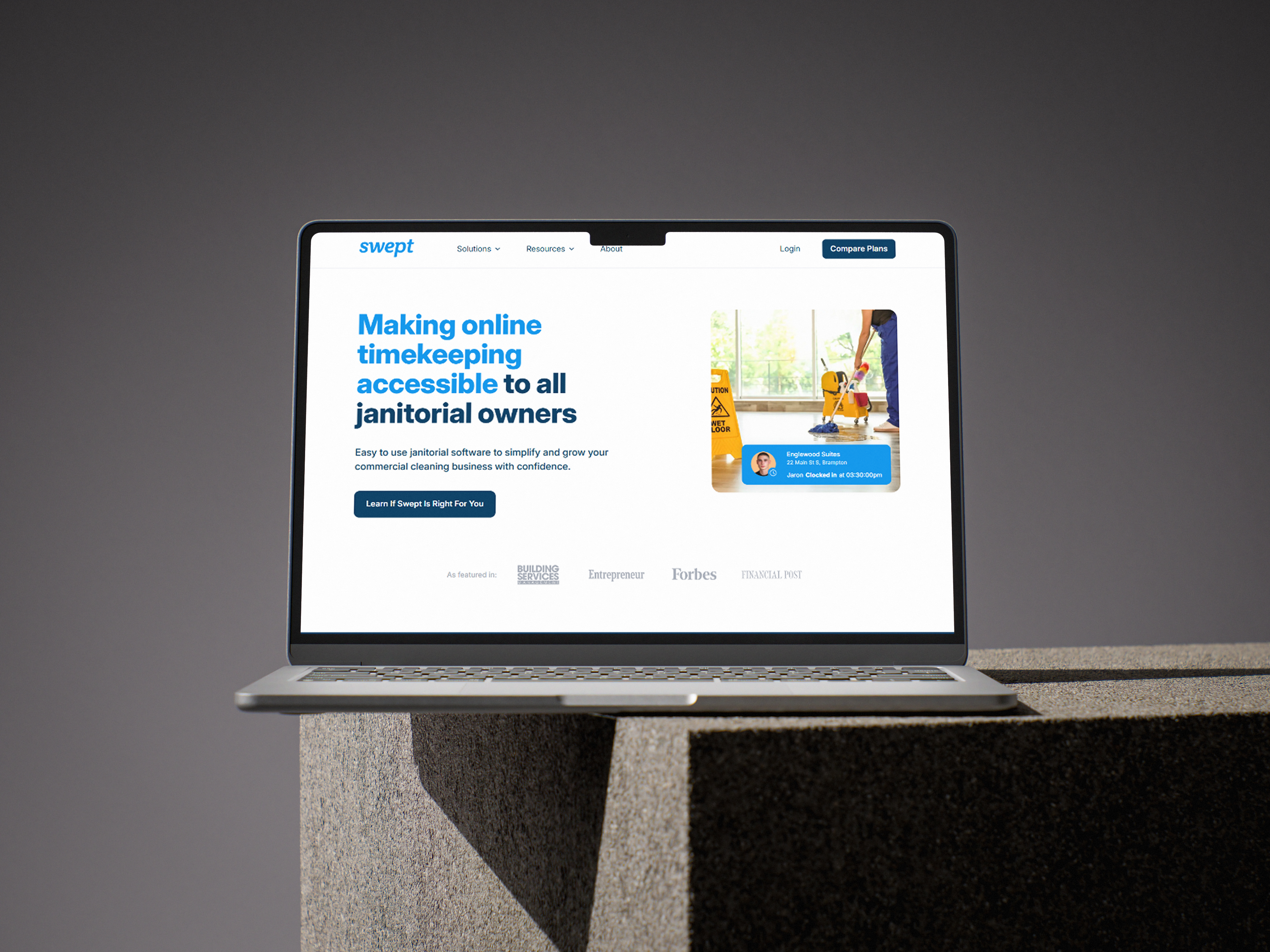
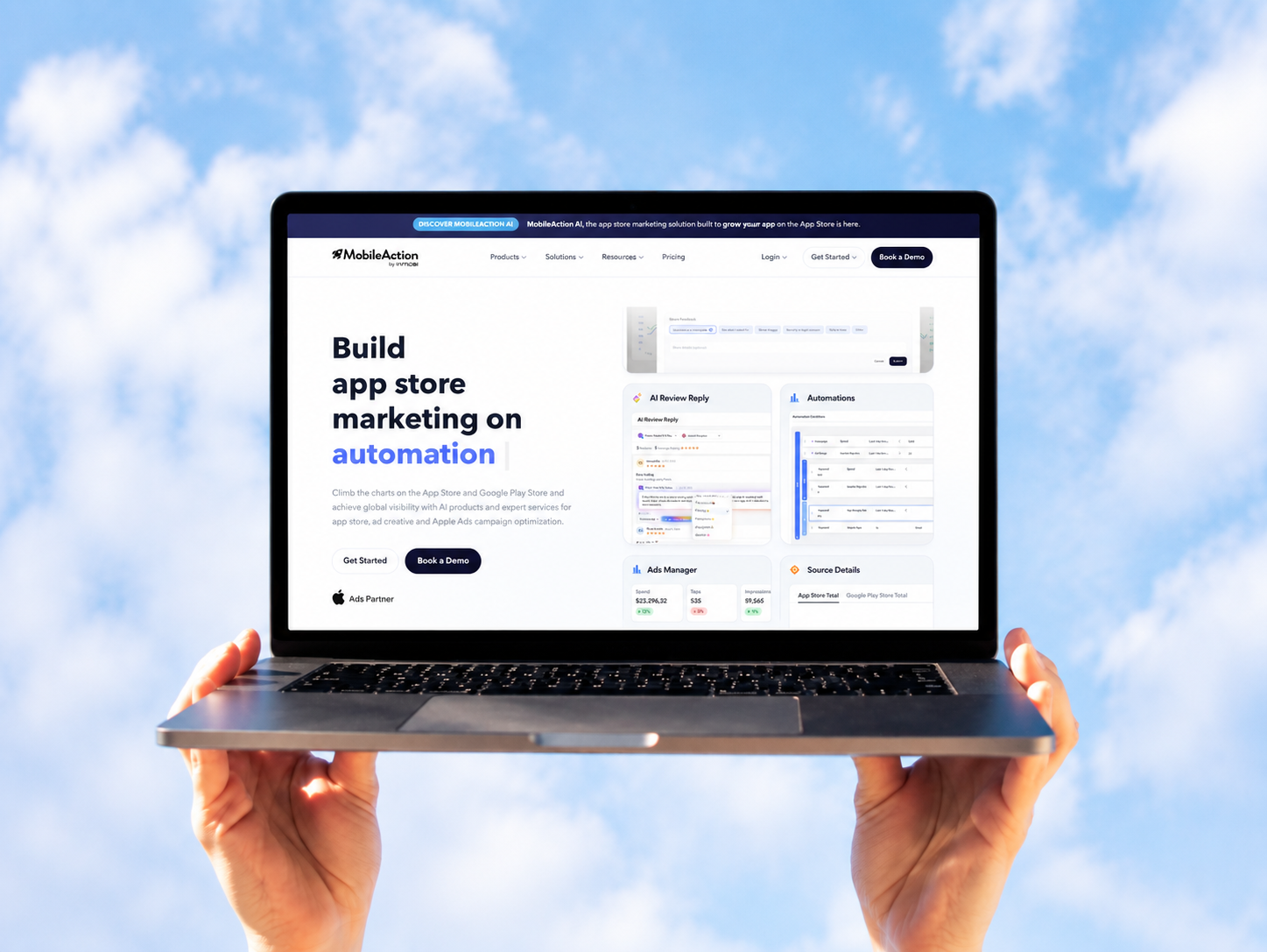
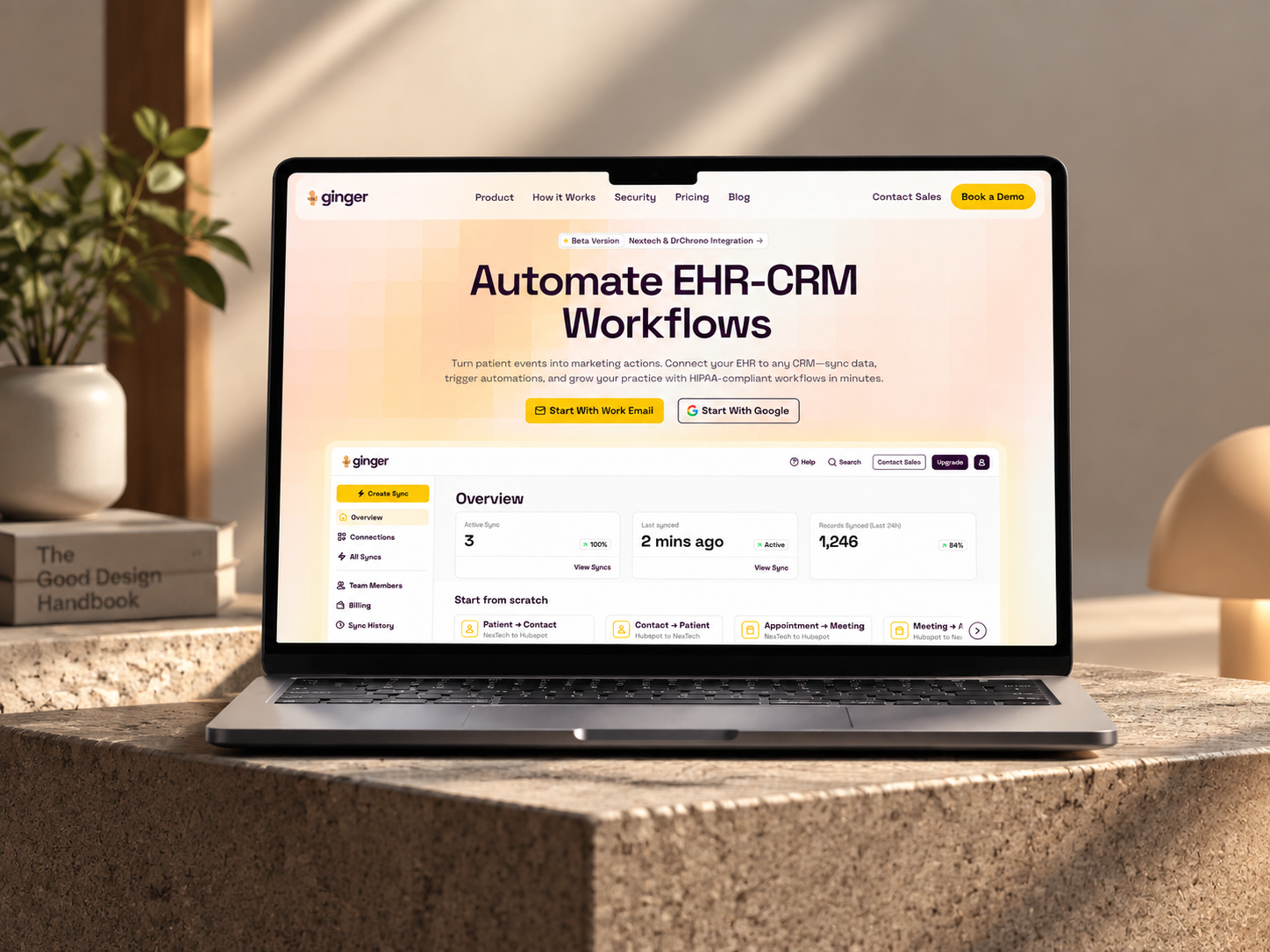
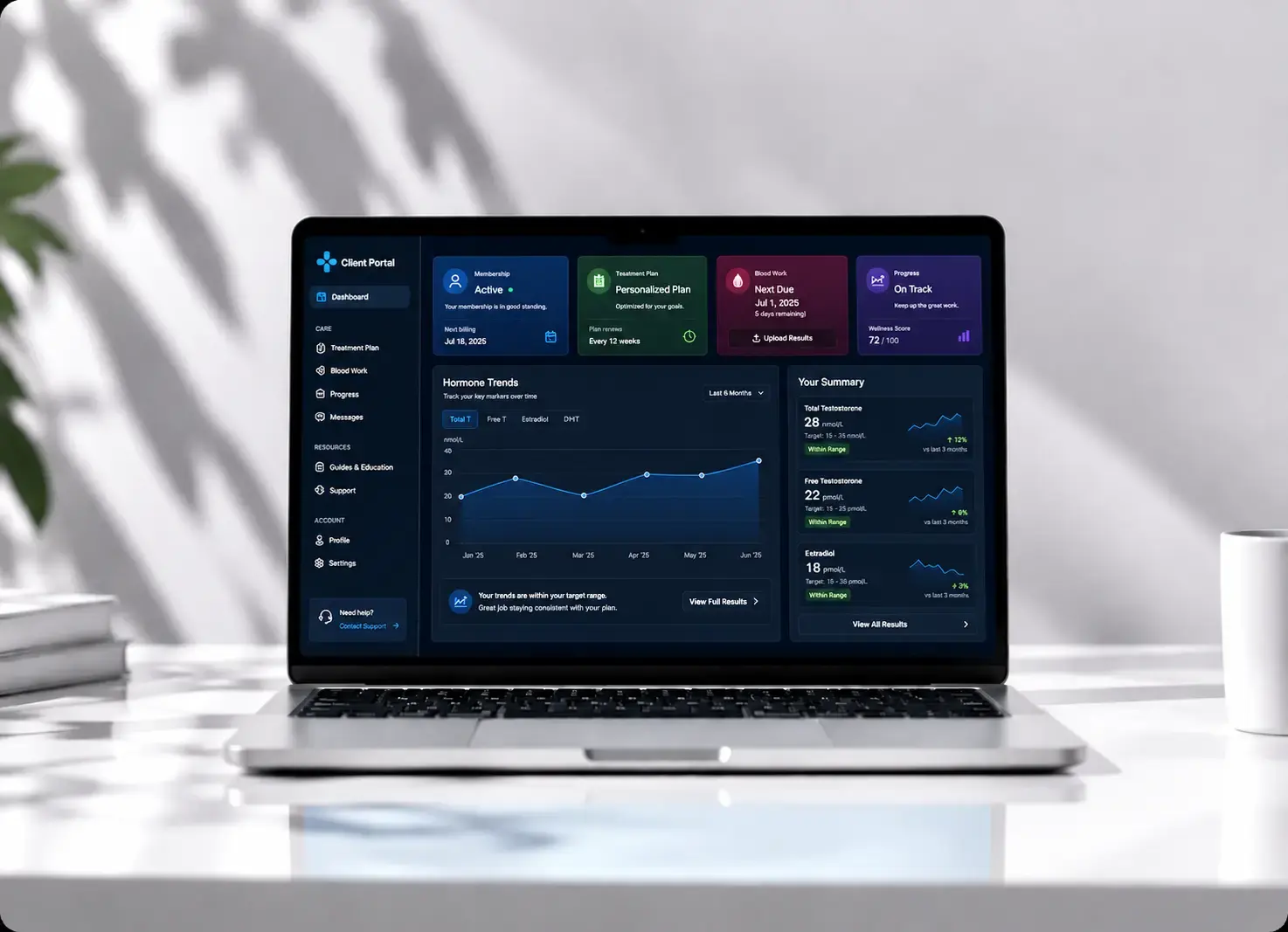
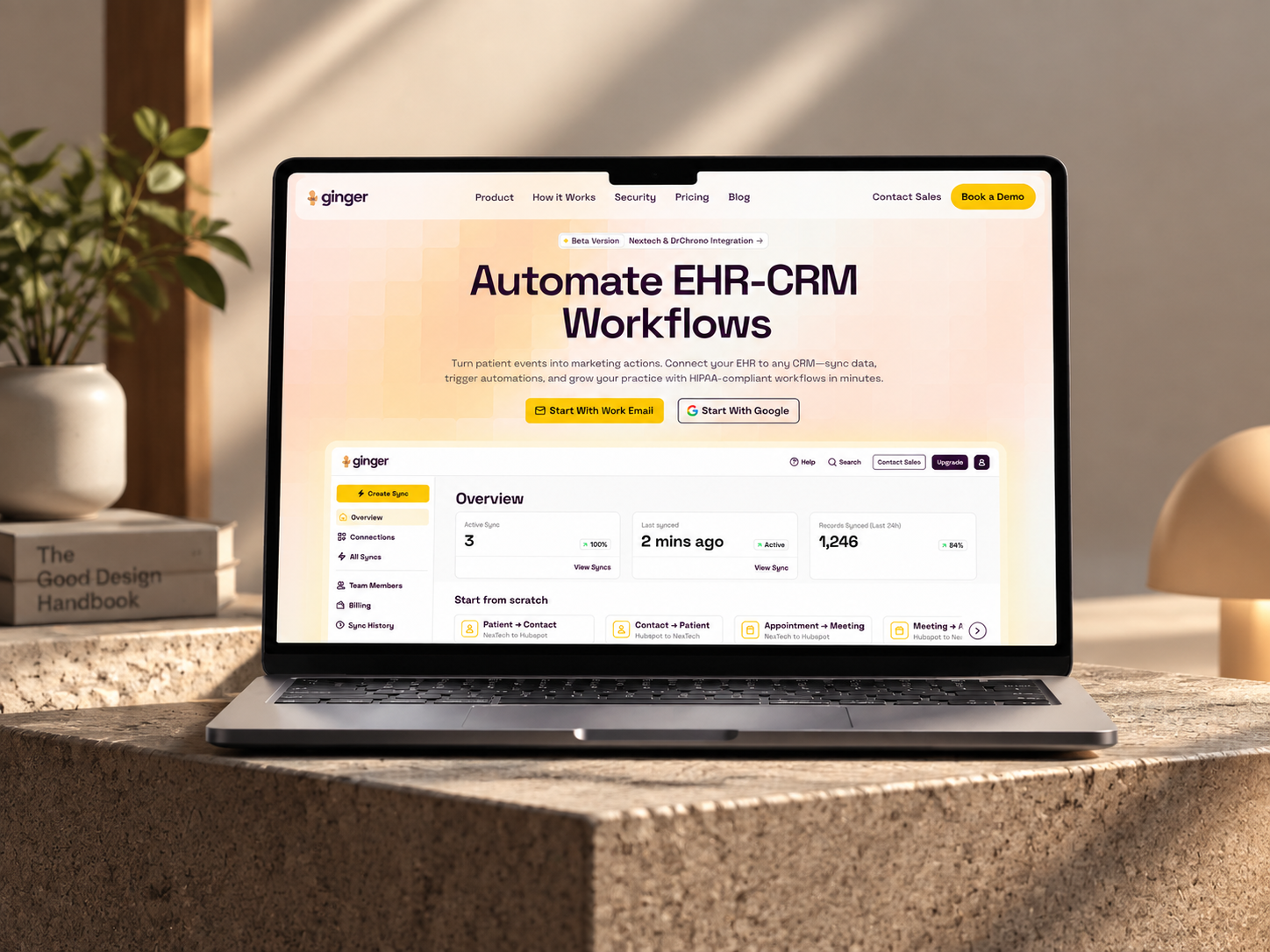
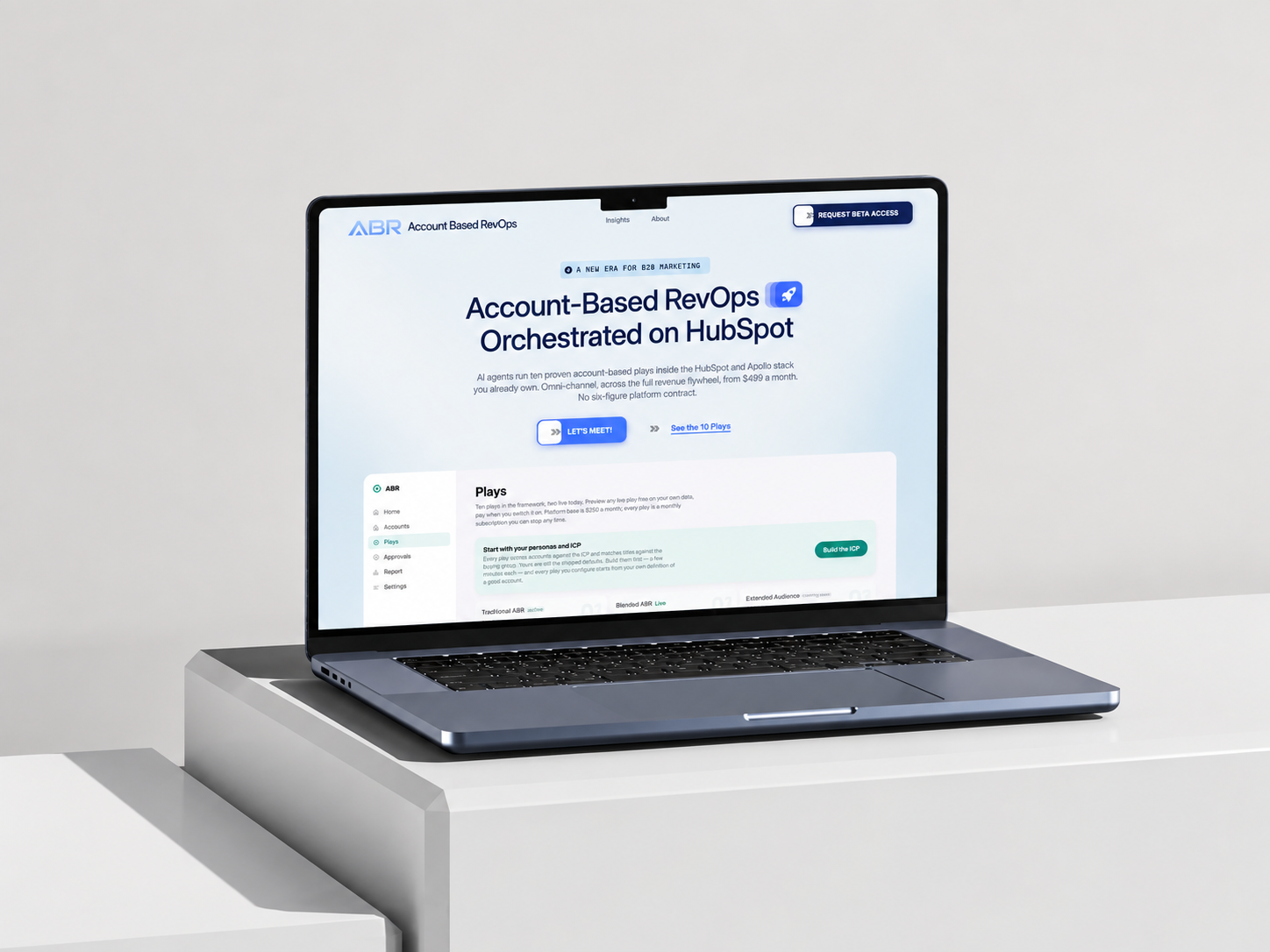
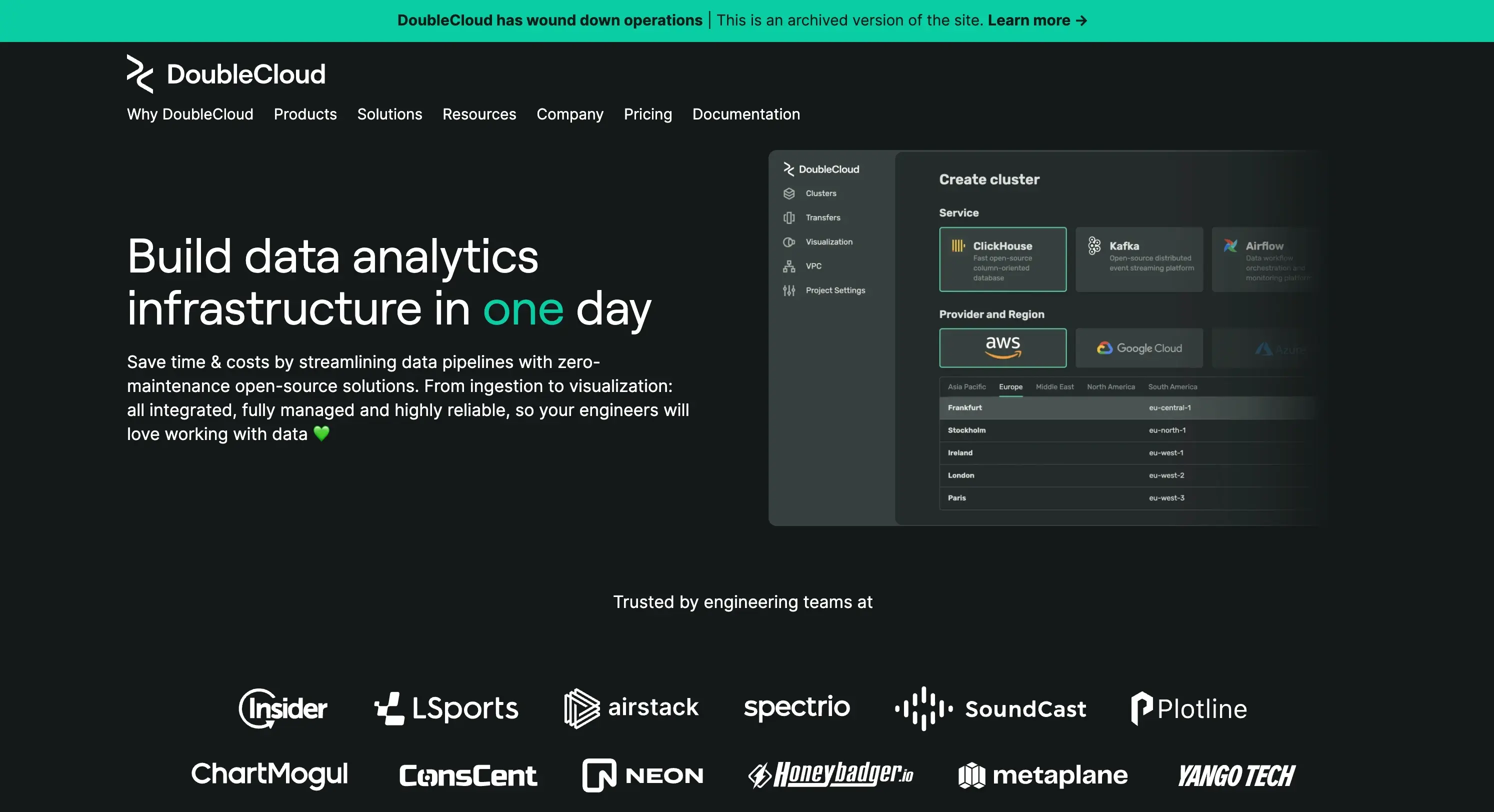
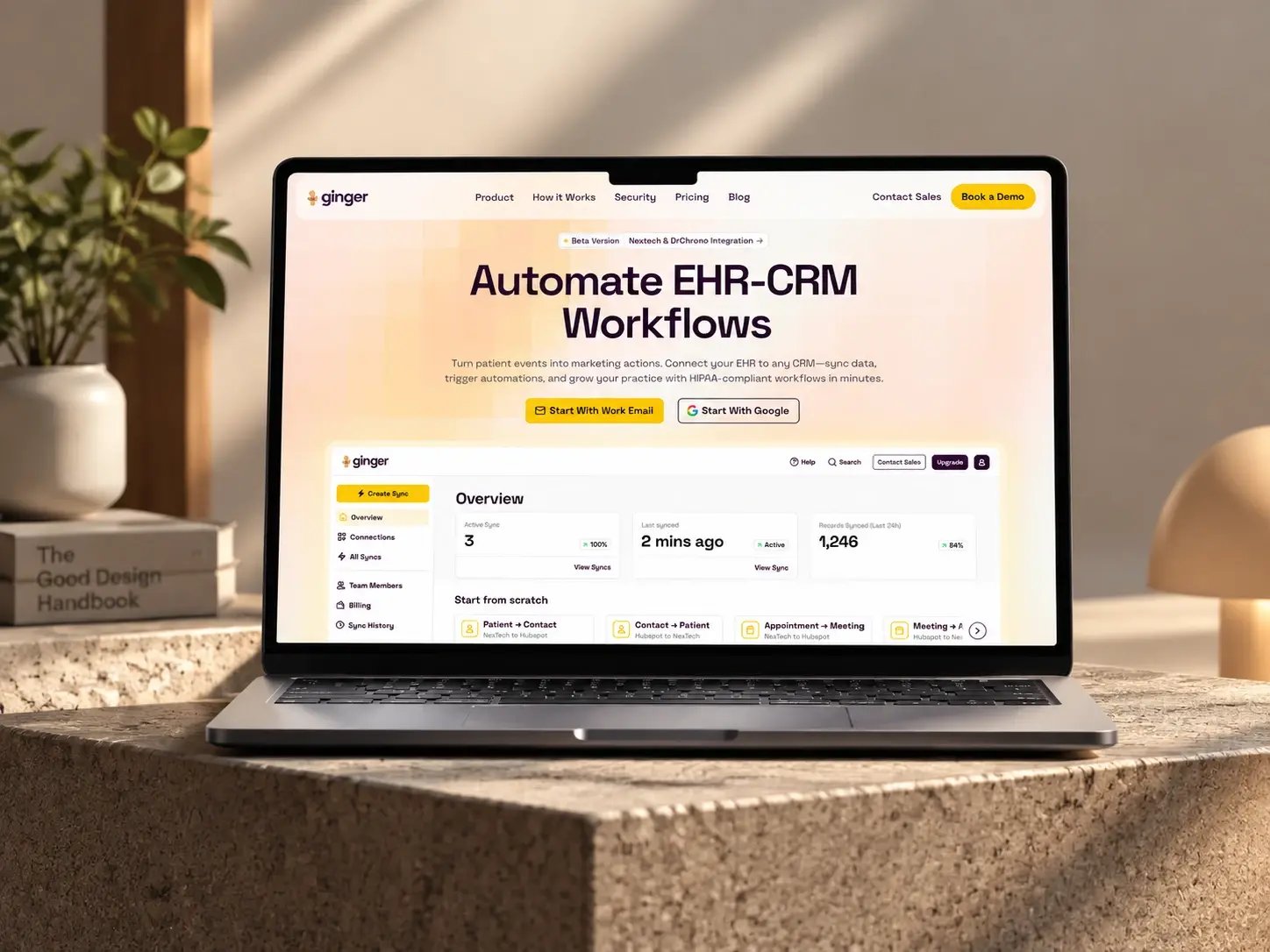
An EHR runs the clinic and knows nothing about revenue. HubSpot runs the growth side and knows nothing about the patient. HubXpert built Ginger to hold the two together: a real-time, two-way sync across patients, appointments, and deals, built to handle protected health information safely rather than pass it through a general-purpose connector.
WEBOPS
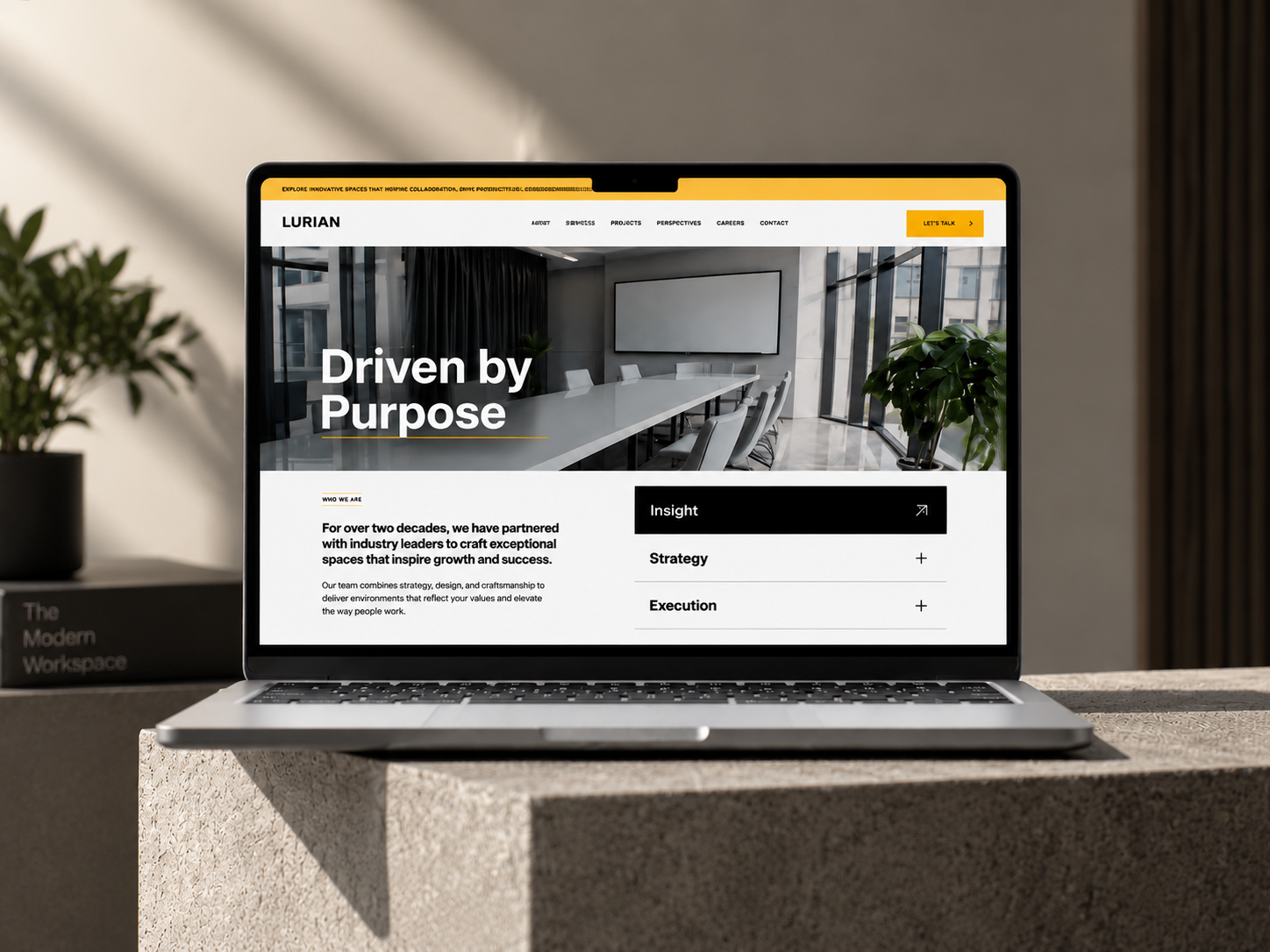
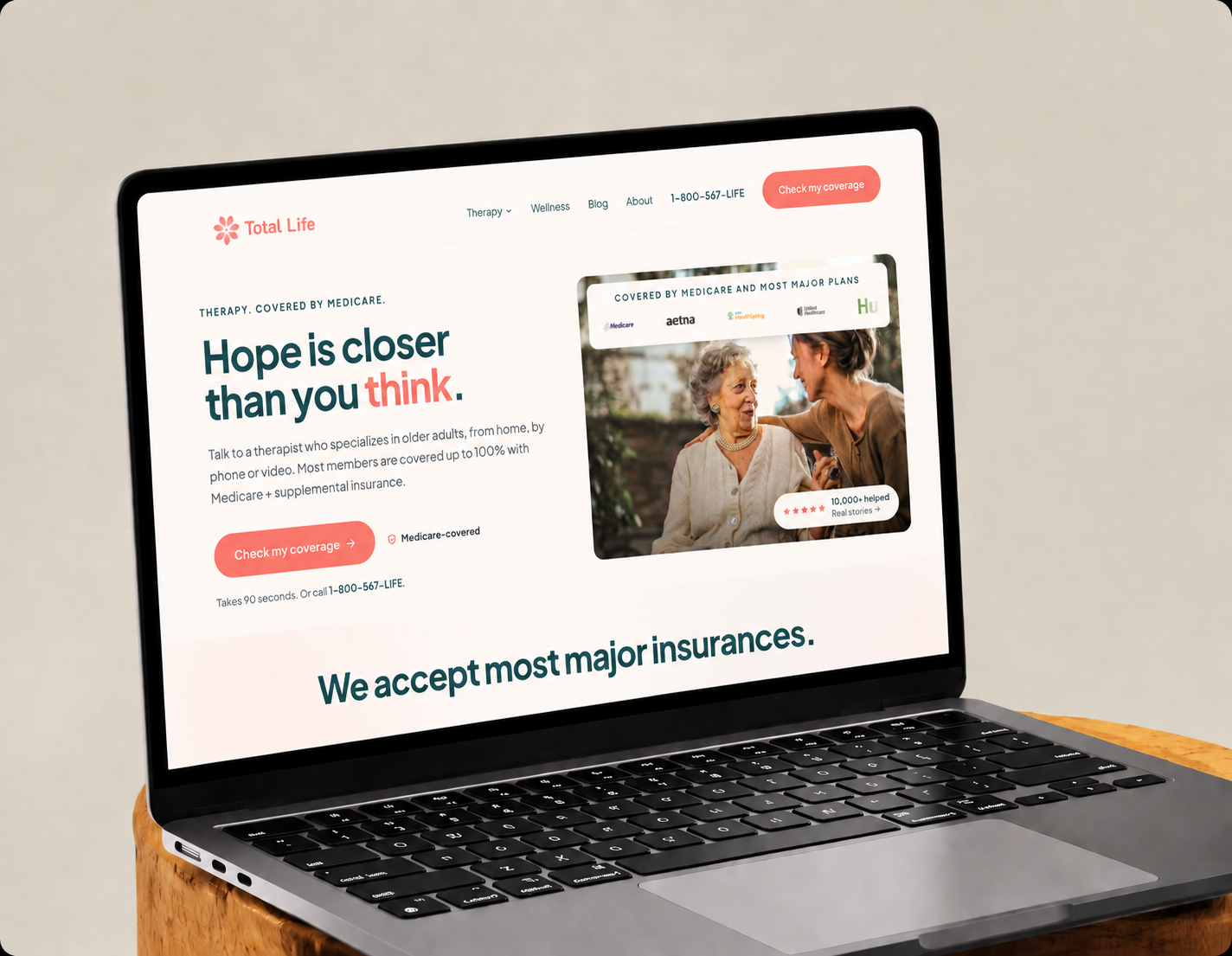
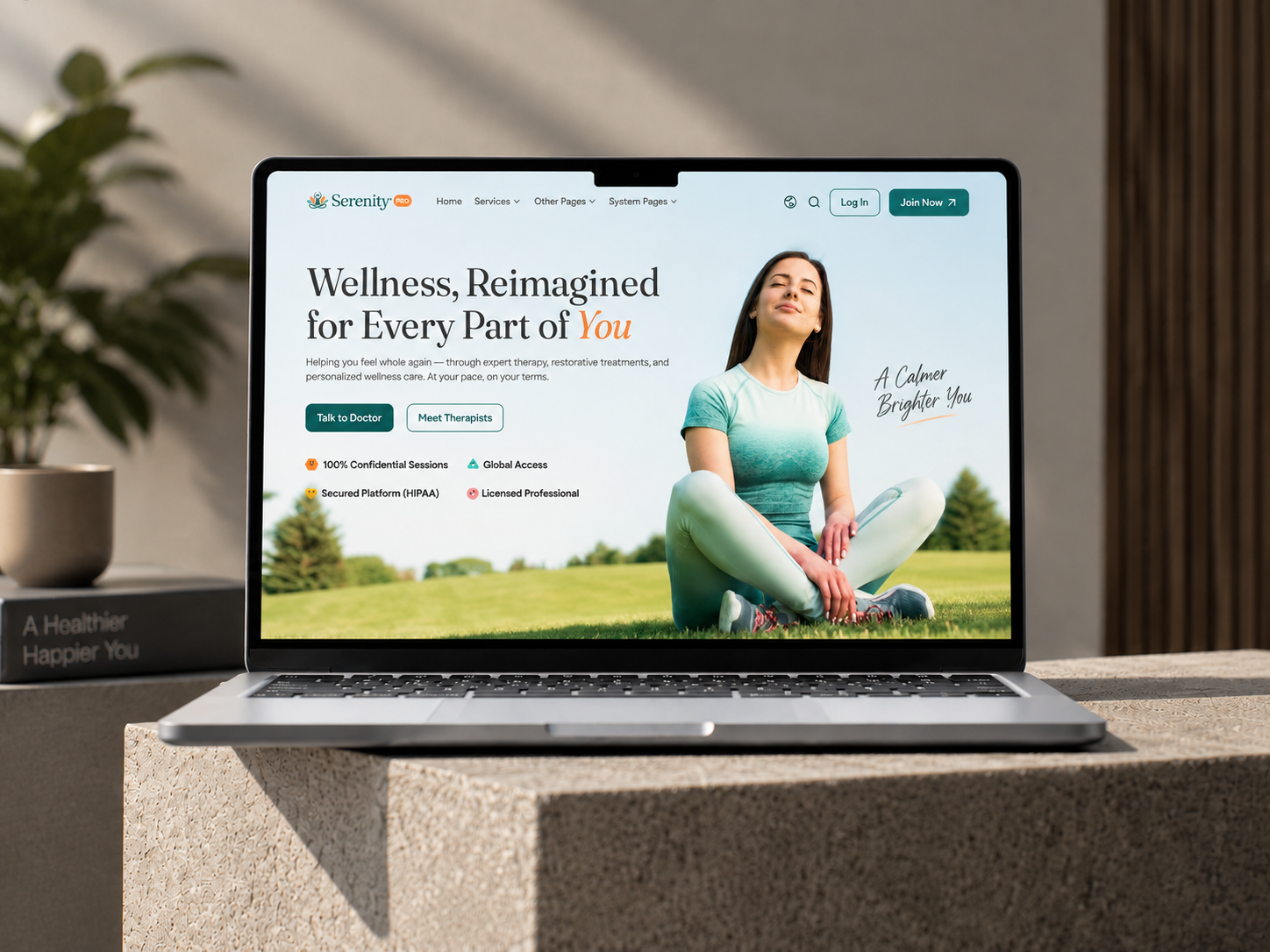
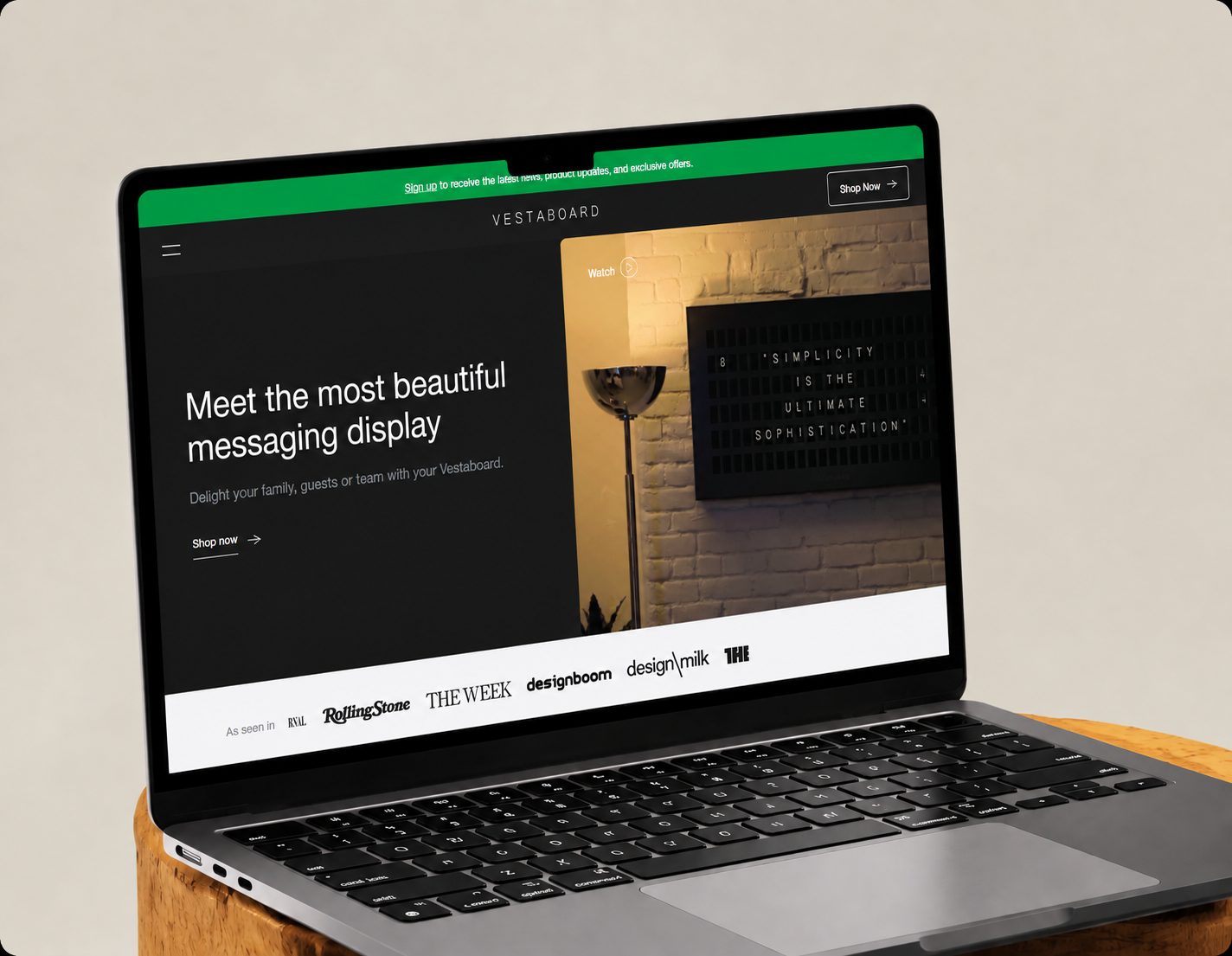
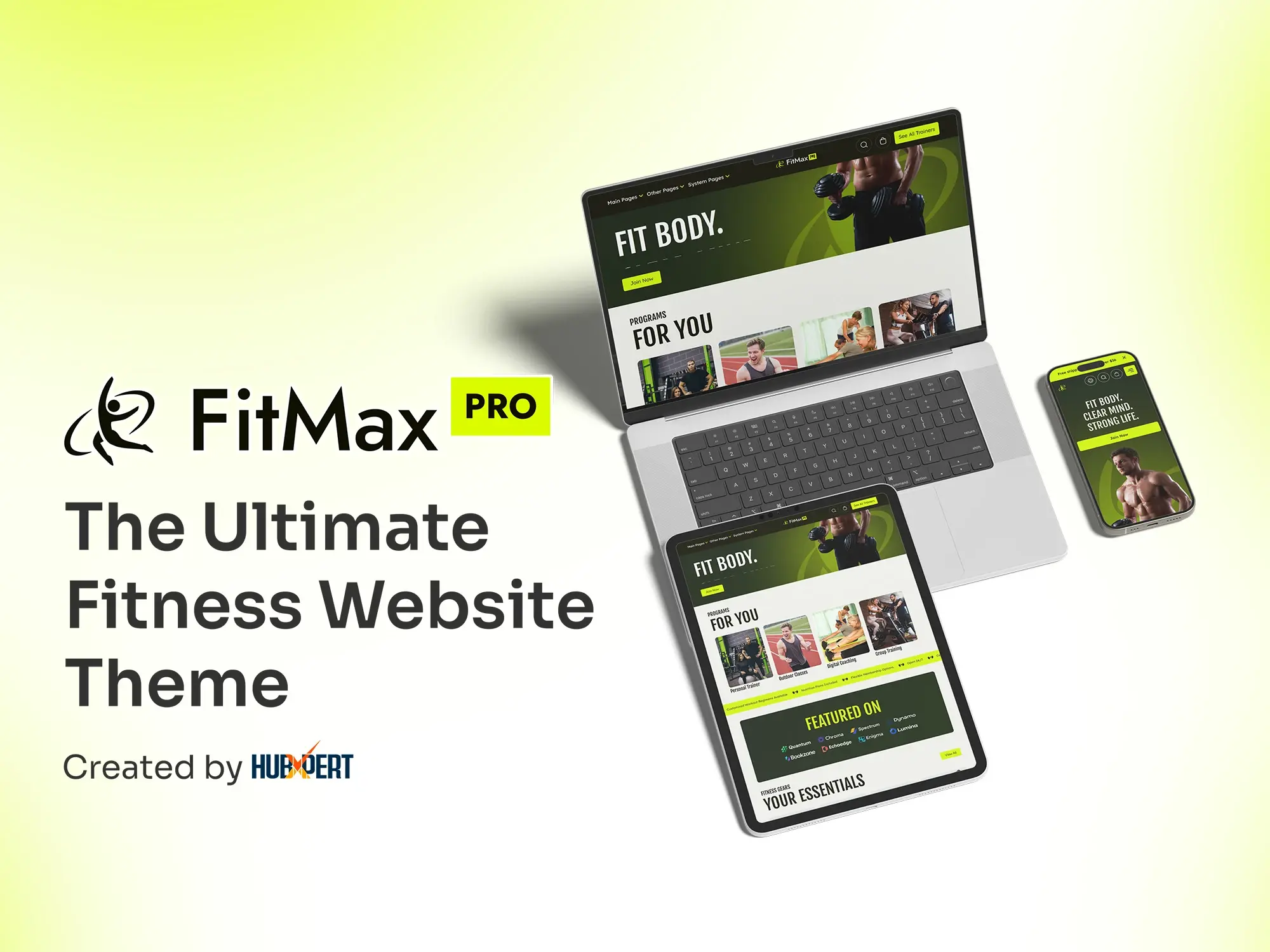
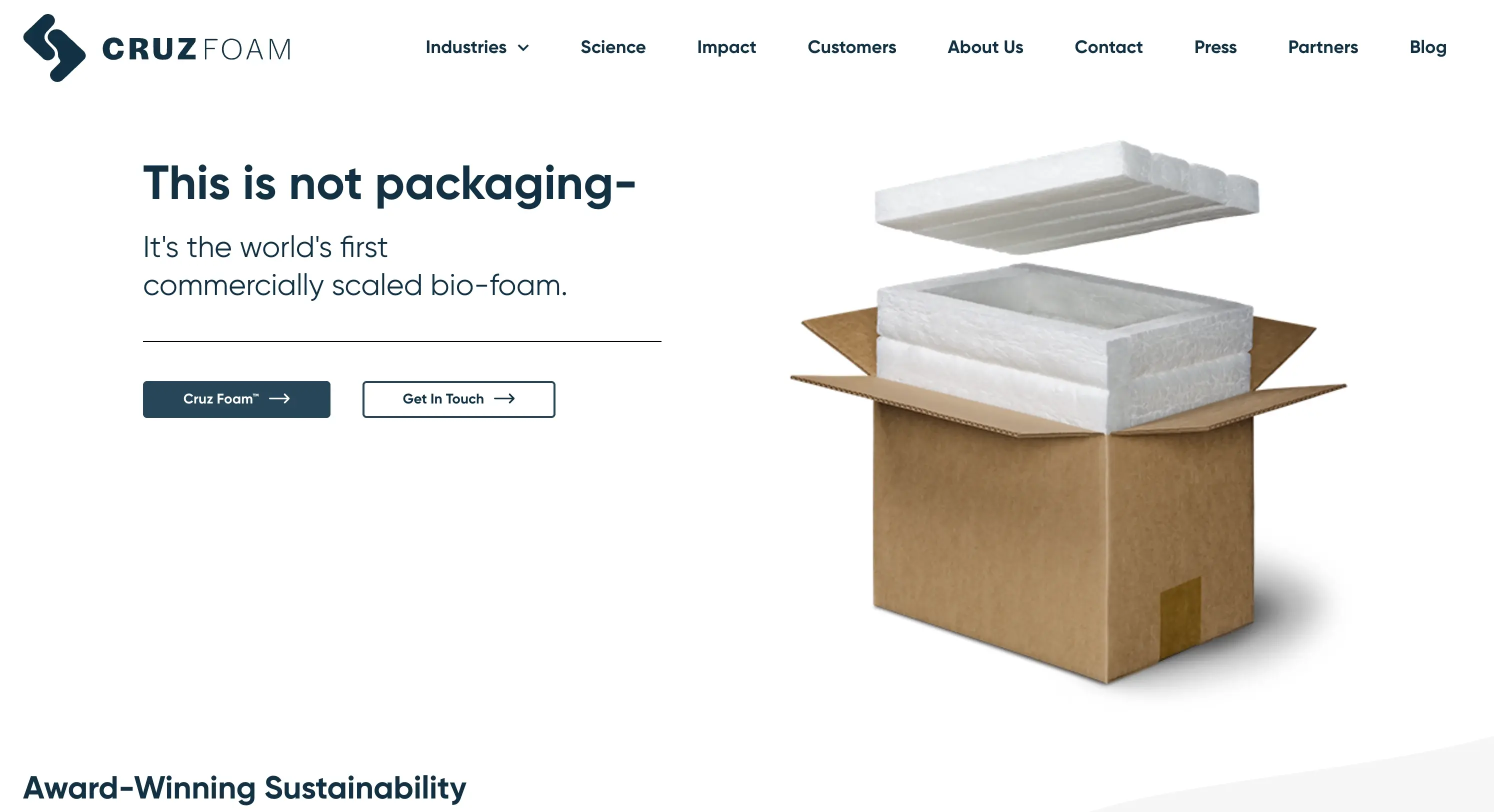
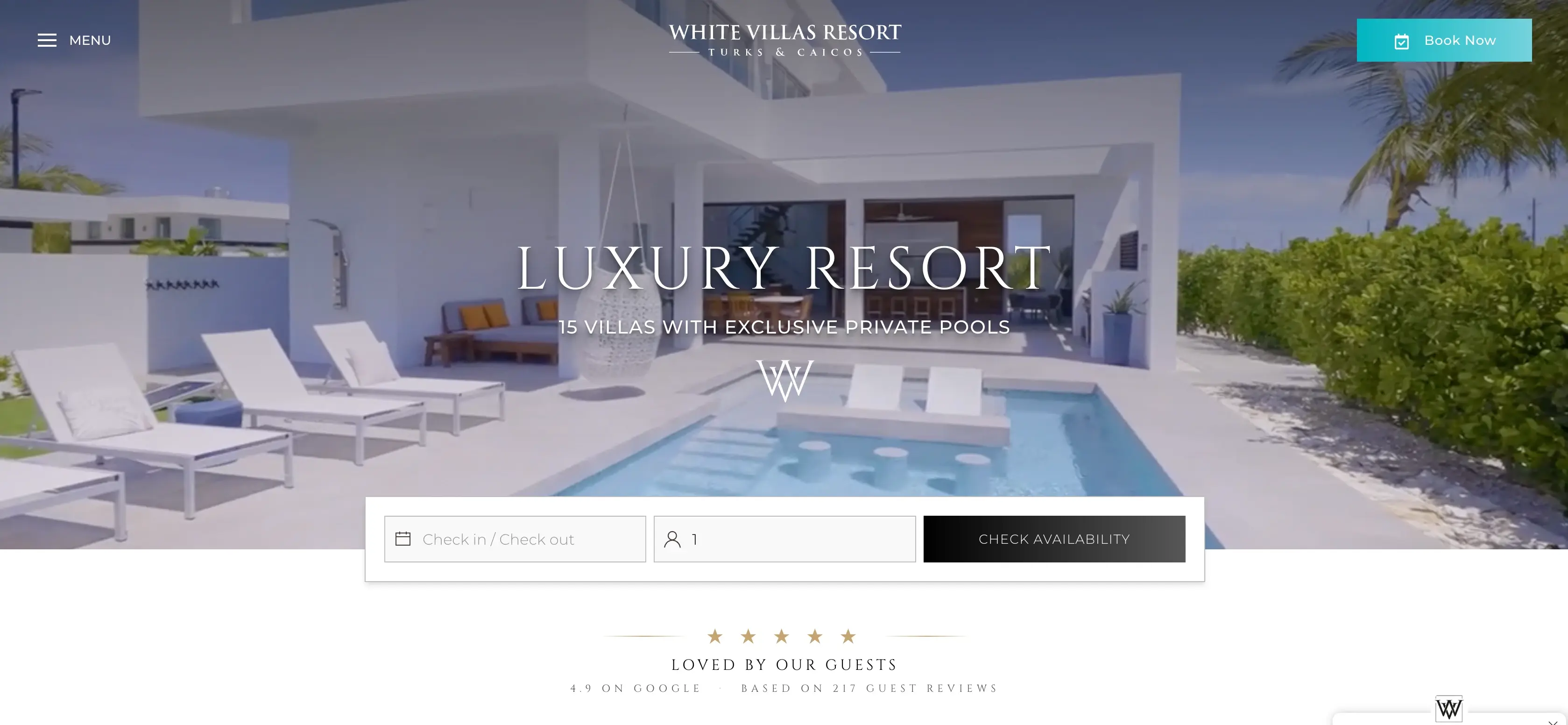
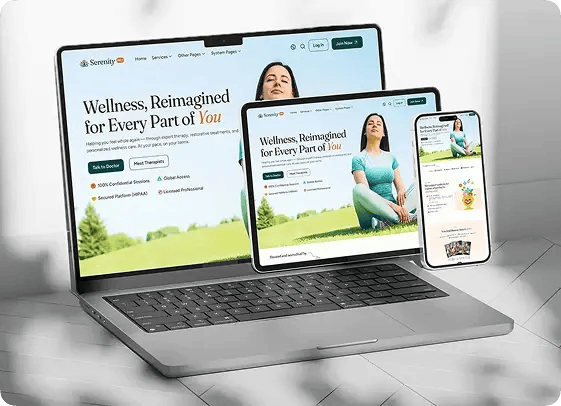
Designed to evoke calm and safety, it provides a comprehensive digital storefront that highlights expert therapy, restorative treatments, and personalized wellness care.
WEBOPS
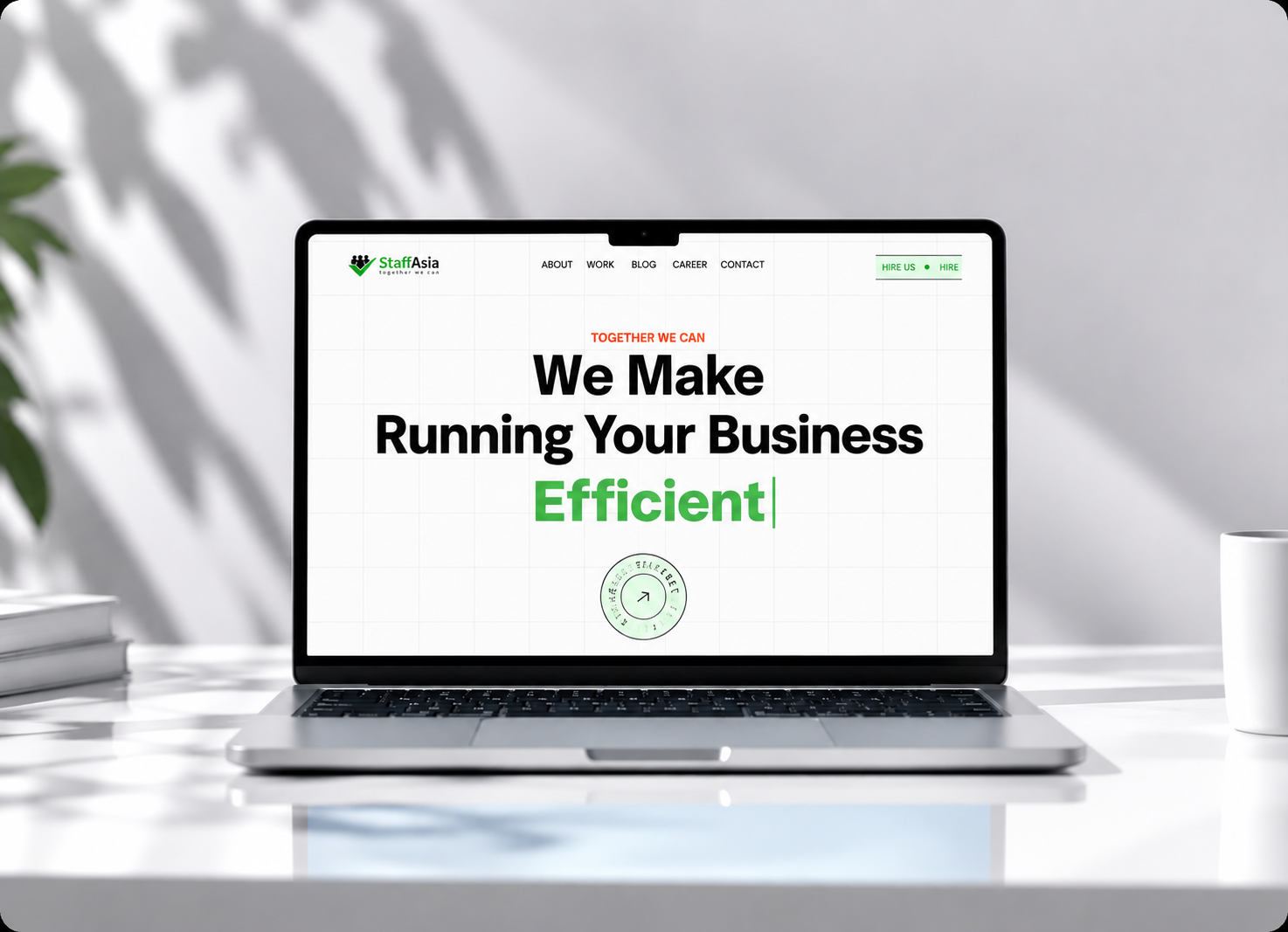
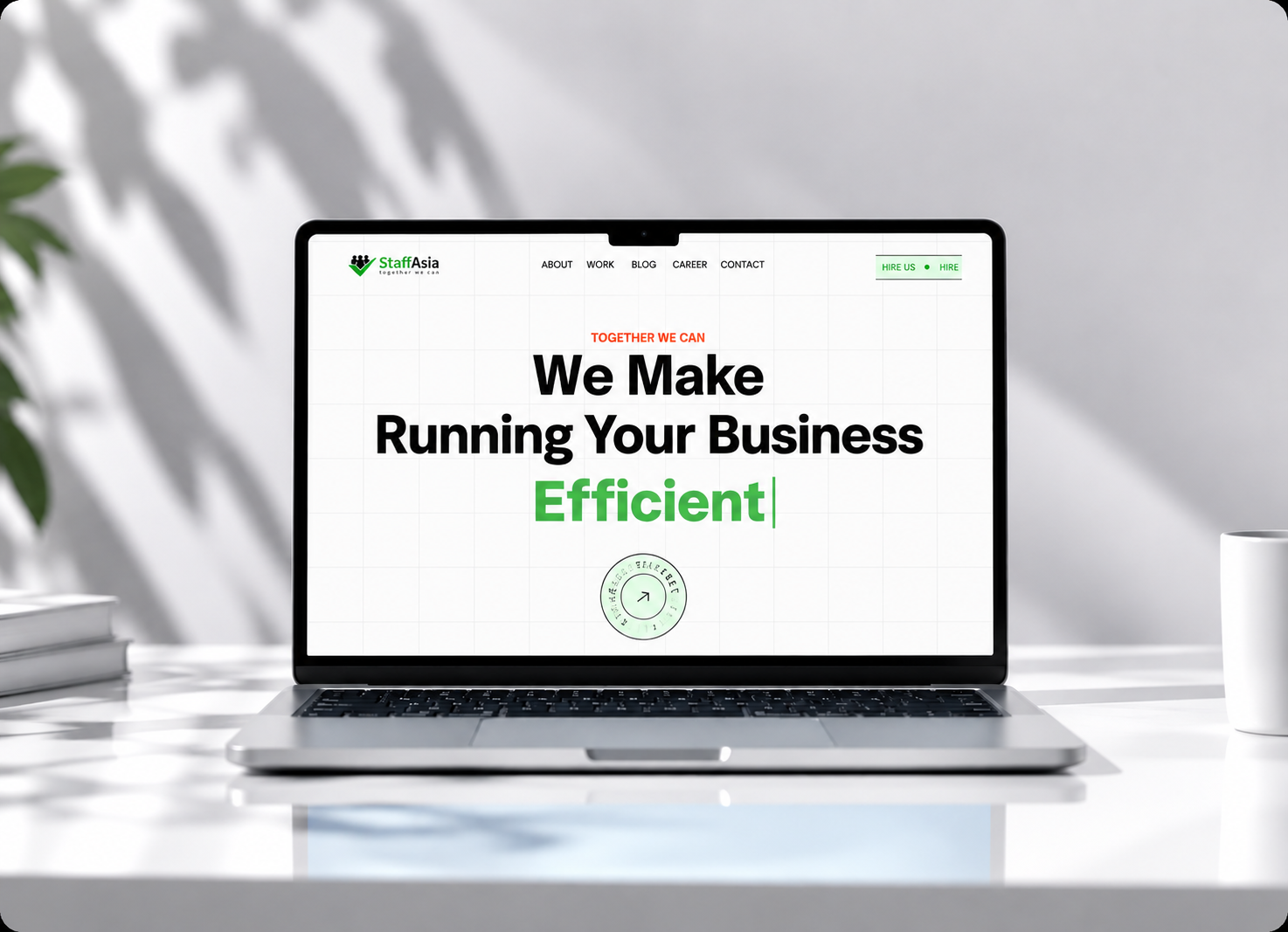
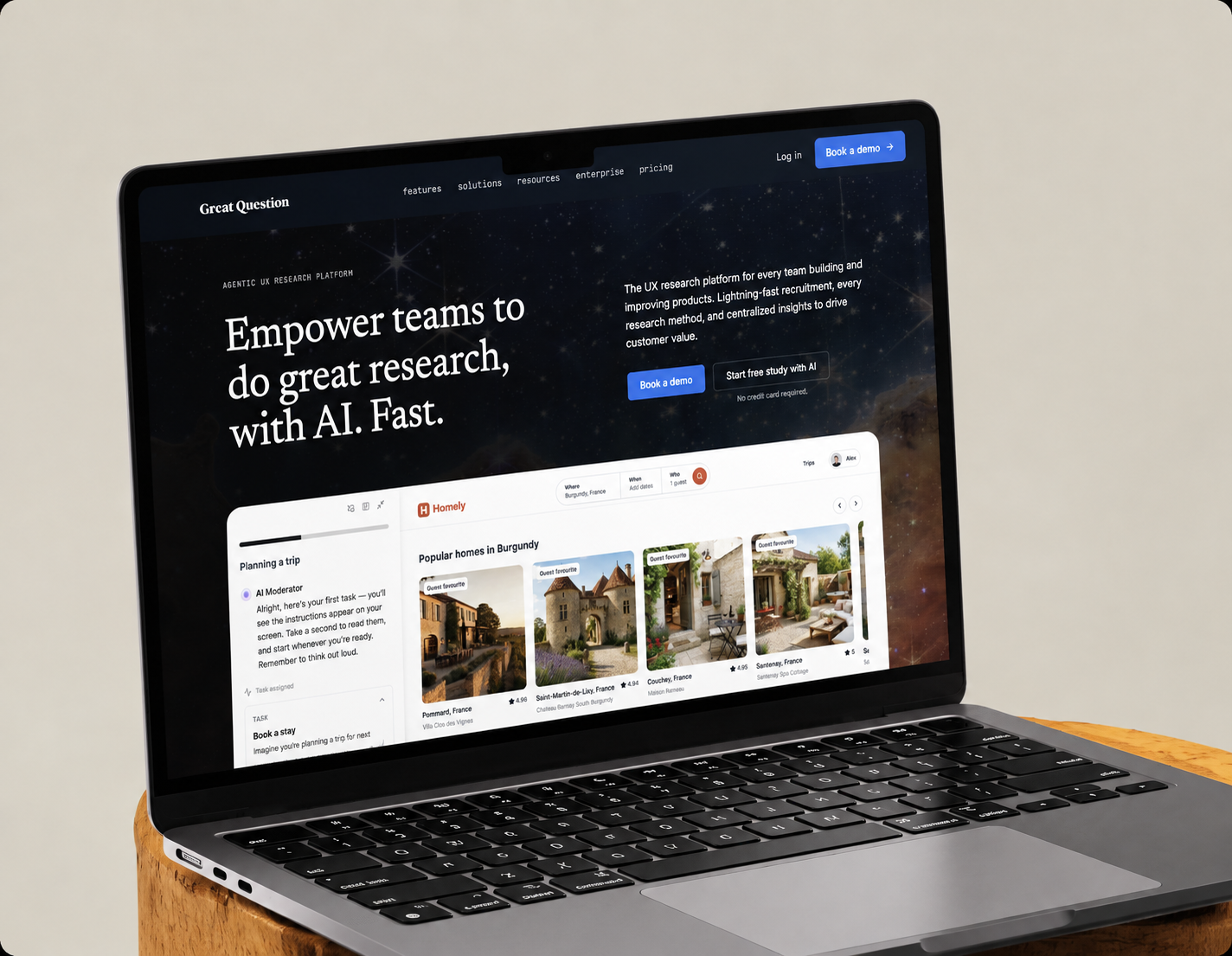
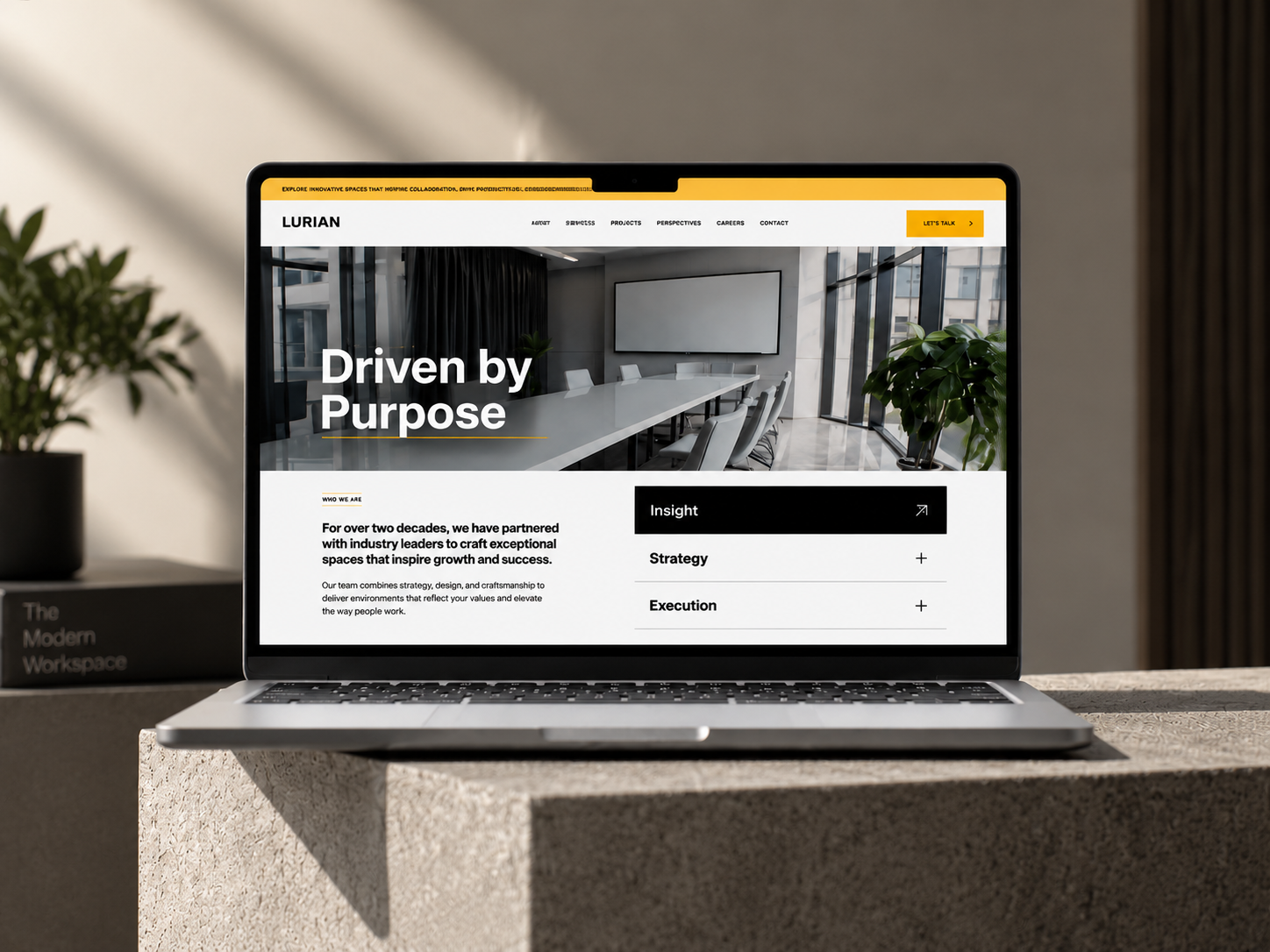
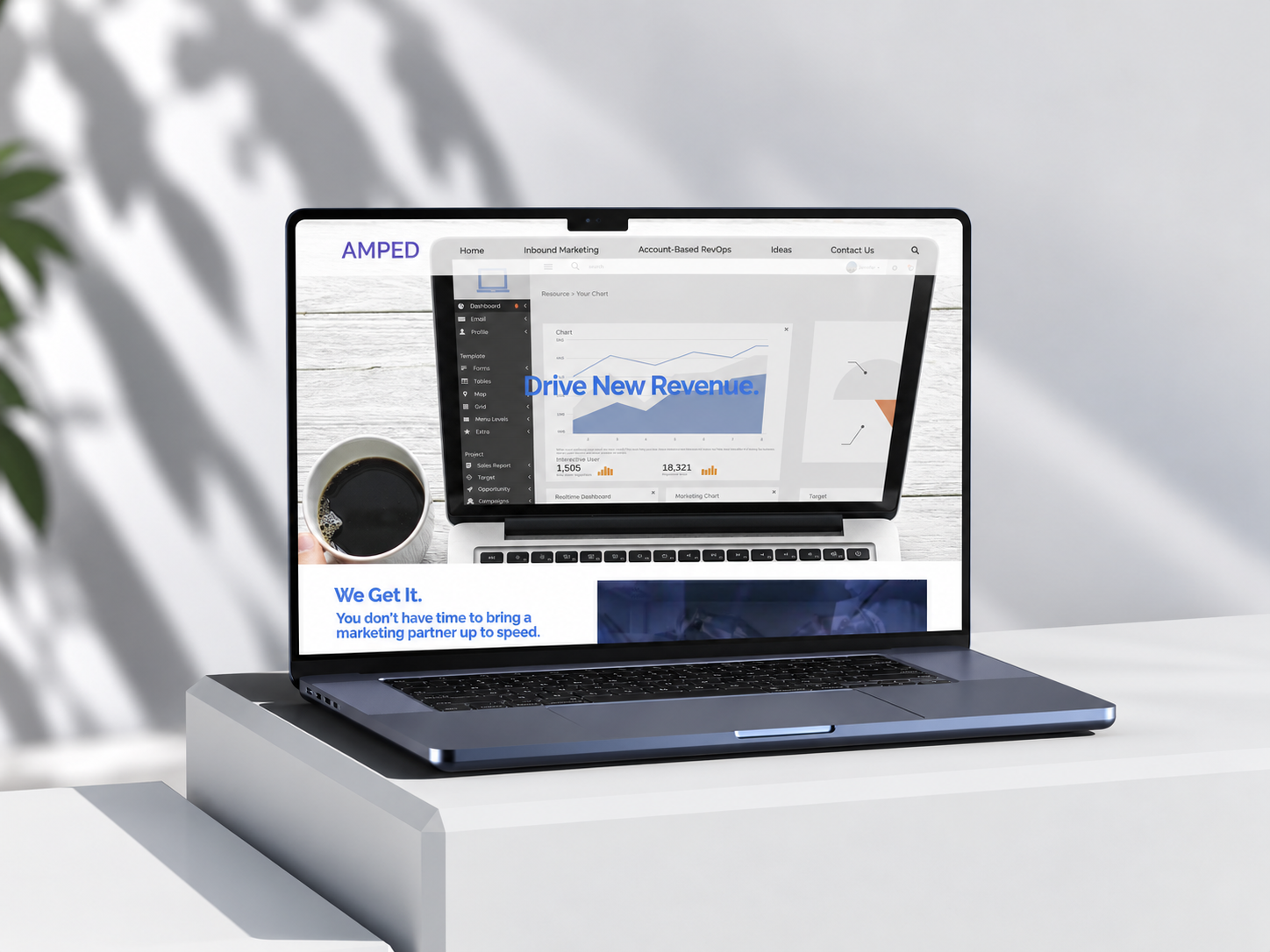
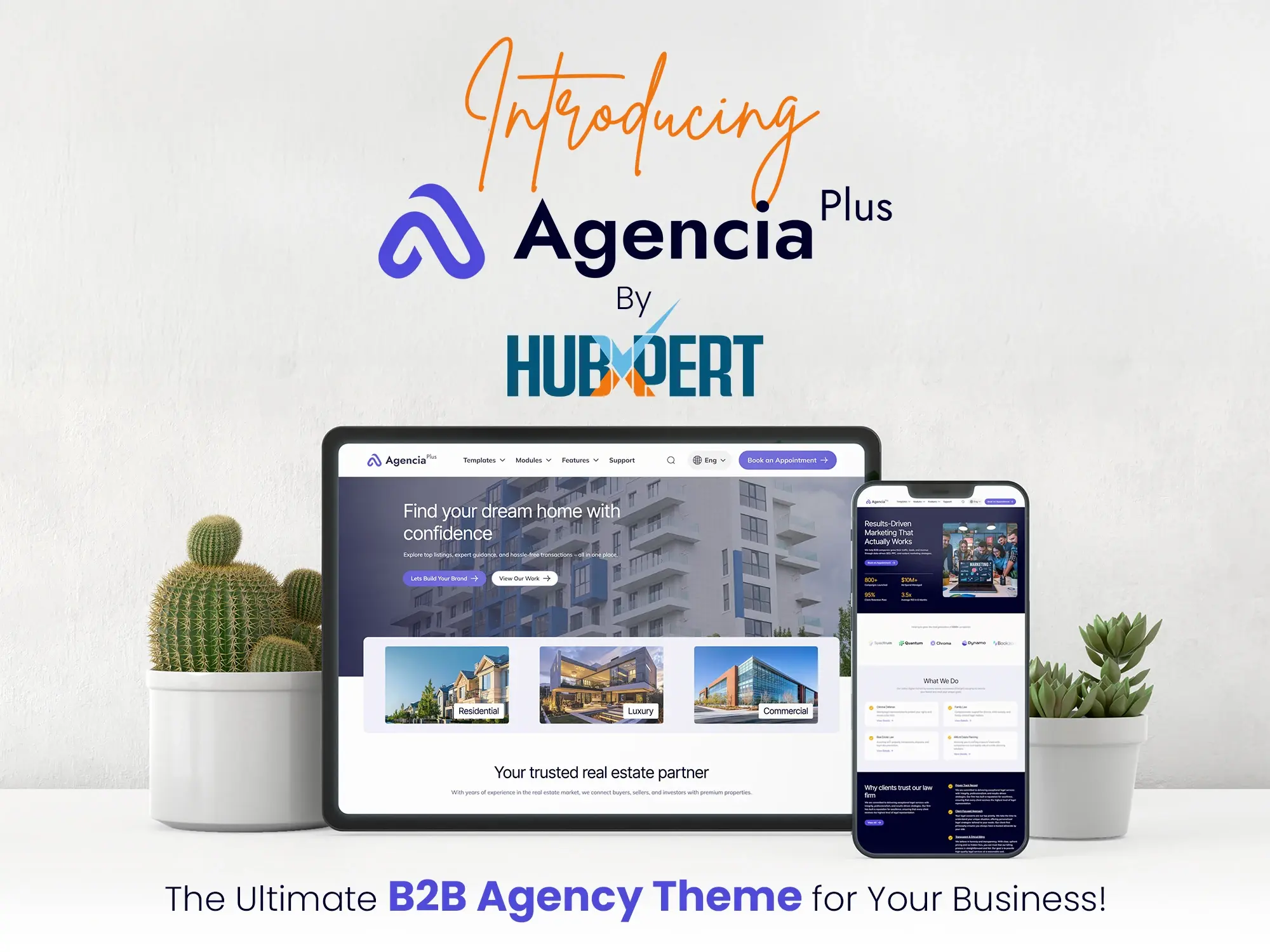
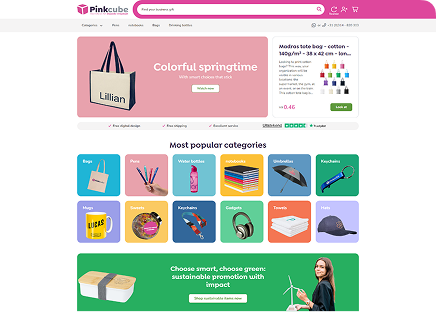
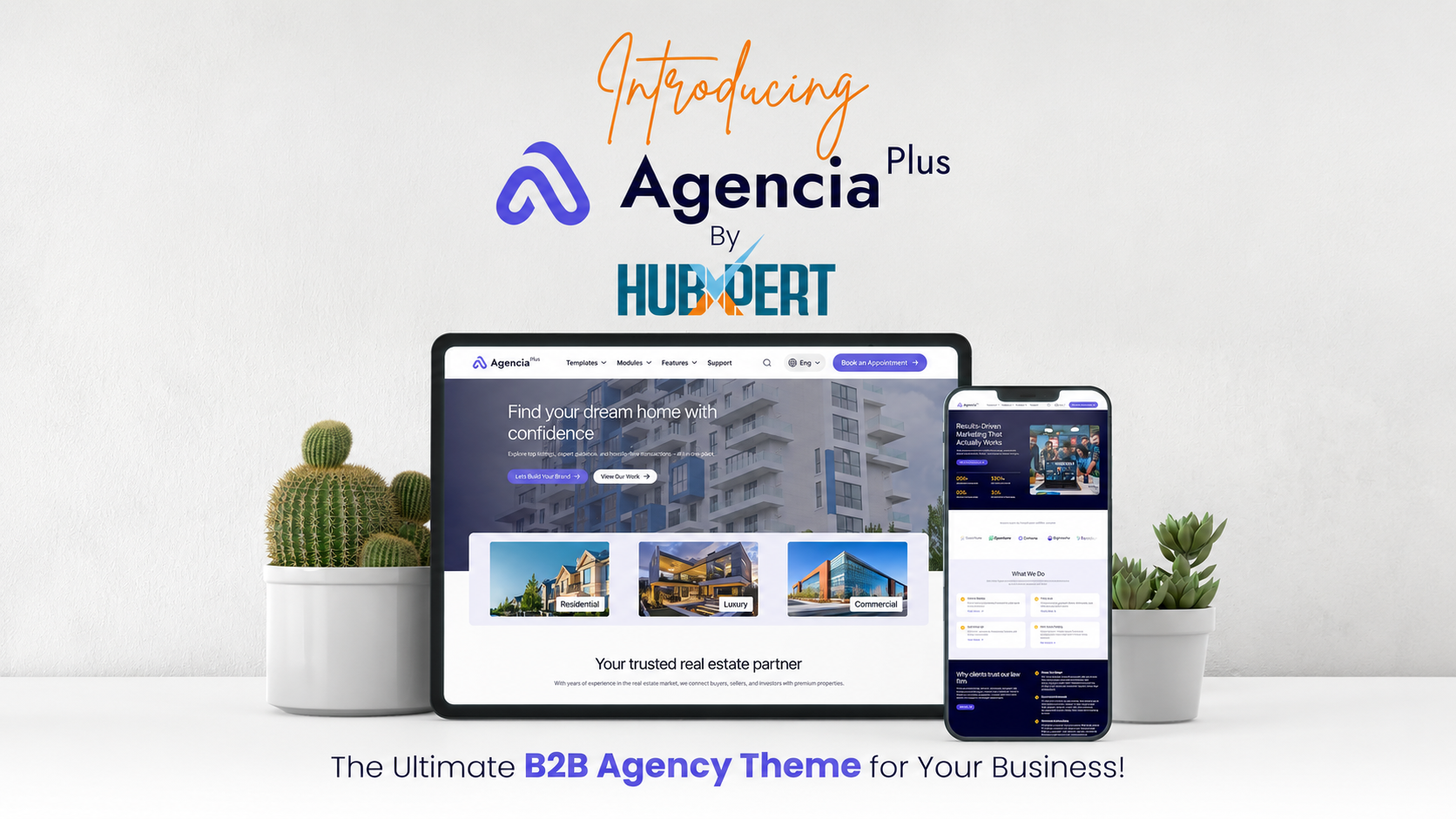
A B2B based pro theme for HubSpot, focusing on business of multiple sectors.
We help businesses extend HubSpot beyond its default features through custom apps, CMS themes, and modules.
Each project is designed to meet unique business needs, helping clients maximize the value of their HubSpot investment.
Start by planning your design system and page templates, then build modular components and test responsiveness. Ensure modules are editor-friendly, then QA for cross-browser and mobile compatibility.
Use version control and staging environments, avoid modifying live templates without testing, and document dependencies. Test in sandbox portals and follow HubSpot best practices for API usage.
Meet HubSpot technical standards, include reusable modules, and follow accessibility and responsive design best practices. Provide documentation and demo content, since reviewers focus on performance.
Keep the module flexible and configurable with clear field labels, styling options, and dynamic content inputs. Avoid hardcoding layout decisions and document the module usage for editors.
Test in a private or sandbox portal first. Simulate real user actions, validate API calls, check error handling, and monitor logs. Verify backend logic and frontend experience before going live.
A theme fits consistent look and reusable layout across multiple pages. Custom templates suit a few specialized pages with unique designs. Consider scalability, maintainability, and editing needs.
Common mistakes include skipping thorough testing, hardcoding data or layout, ignoring API limits, overcomplicating modules, and poor documentation. Not planning for scalability makes updates harder.
An integration moves data between HubSpot and another system. An app is the packaged thing that does it, plus anything else you build. Private apps stay in one portal; public apps go to the marketplace.
Yes. Custom objects let you model records HubSpot does not ship natively, such as properties, subscriptions, shipments, or courses. Custom objects require Enterprise, confirmed before scoping.
Yes. We move sites from WordPress, Webflow, Wix, Squarespace, Drupal, and custom platforms, rebuilding templates as reusable themes and modules. Redirects and metadata are mapped so rankings hold.
Theme builds start at $5,000, combined app and theme work at $10,000, and enterprise application architecture is quoted after technical discovery. Ongoing development support is $65 per hour.
Start with the HubSpot API and CMS structure, then learn HubL and the CMS CLI. Begin with small modules or private apps before moving to complex applications or marketplace submissions.
Ready to Build Something
Custom With HubSpot?
Your business should not be limited by standard platform features. Create a custom HubSpot solution that improves functionality, enhances customer experiences, and supports your long term growth.