


-2.png)
-2.png)

.png)

.webp)
.png)


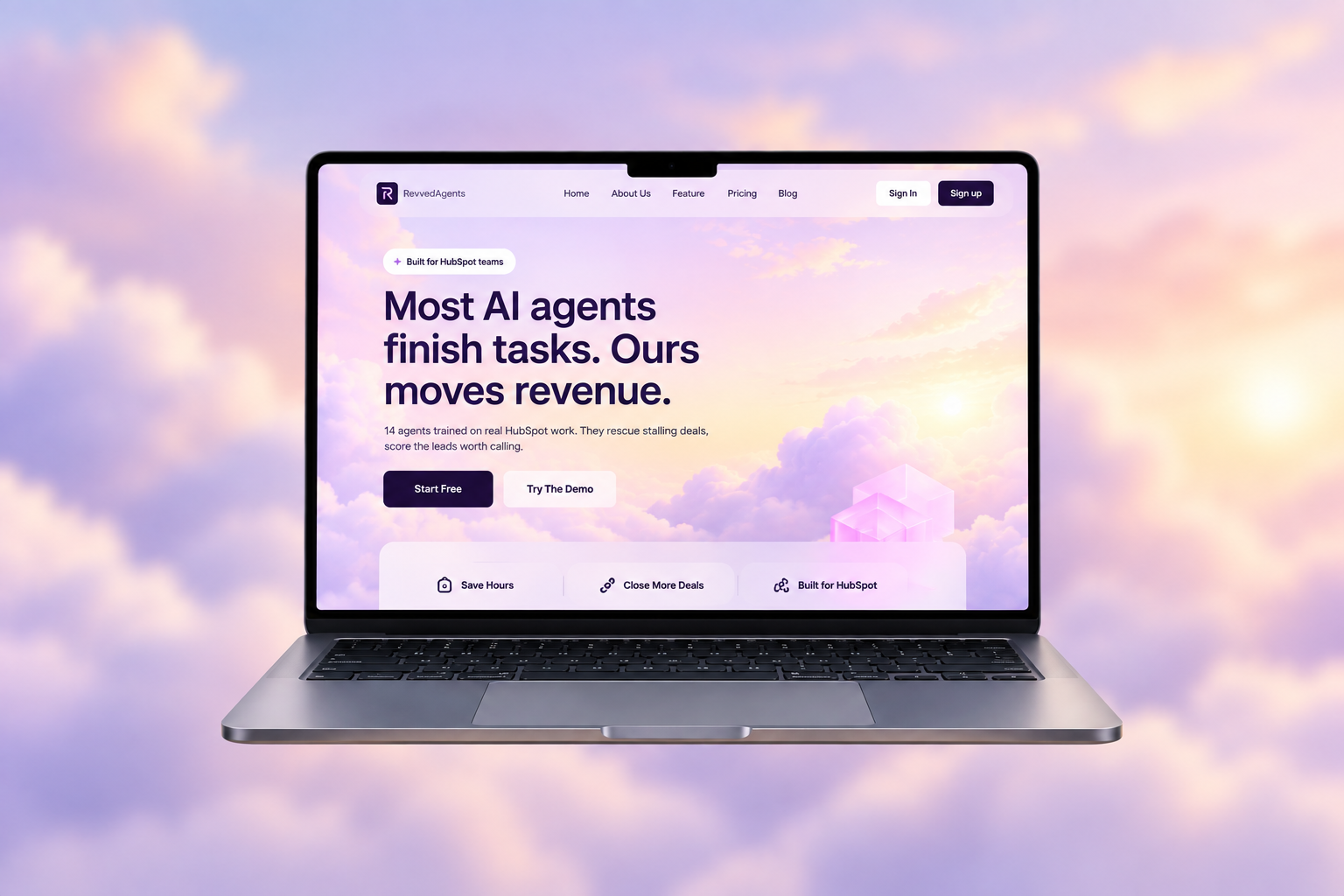
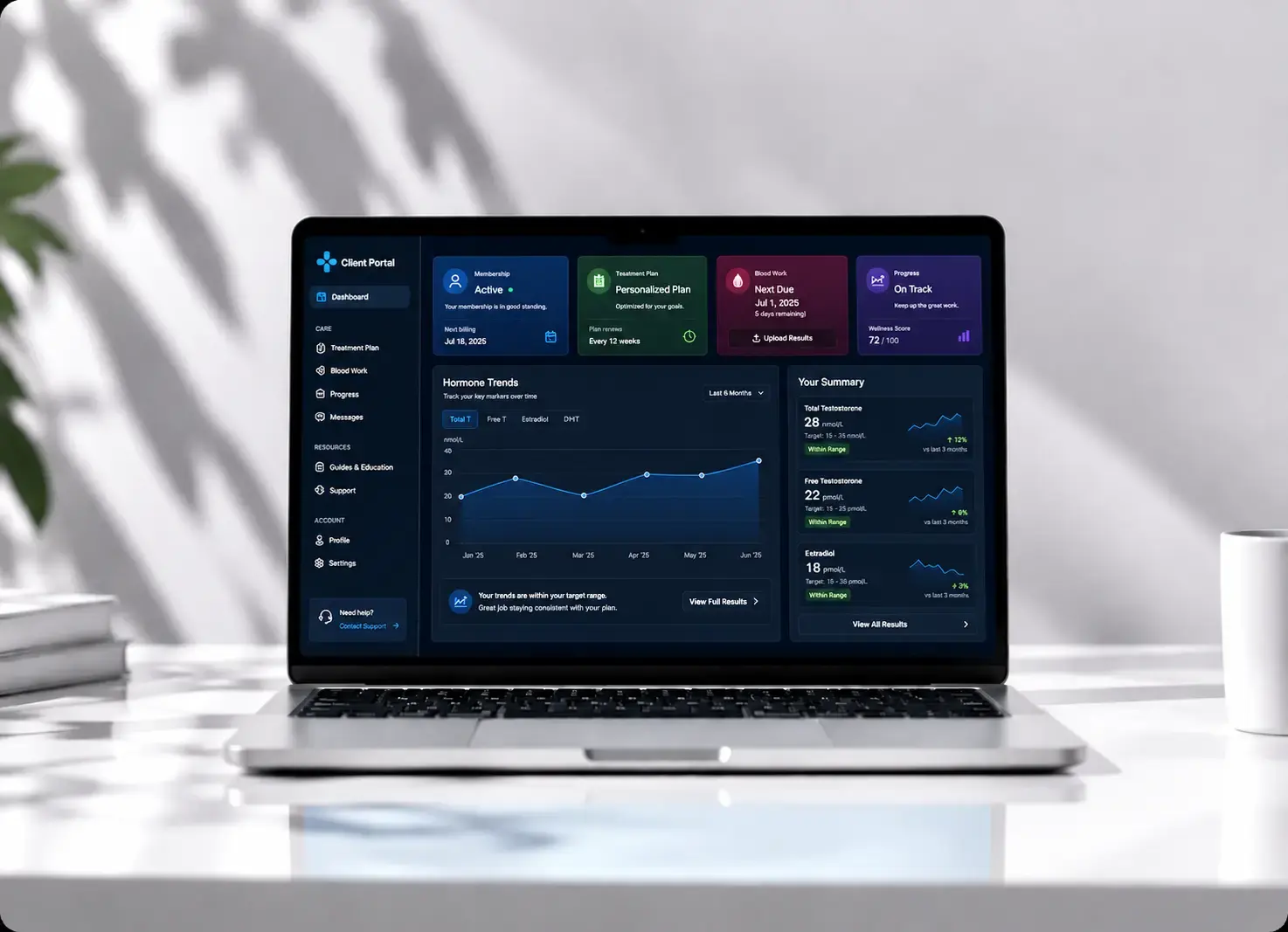
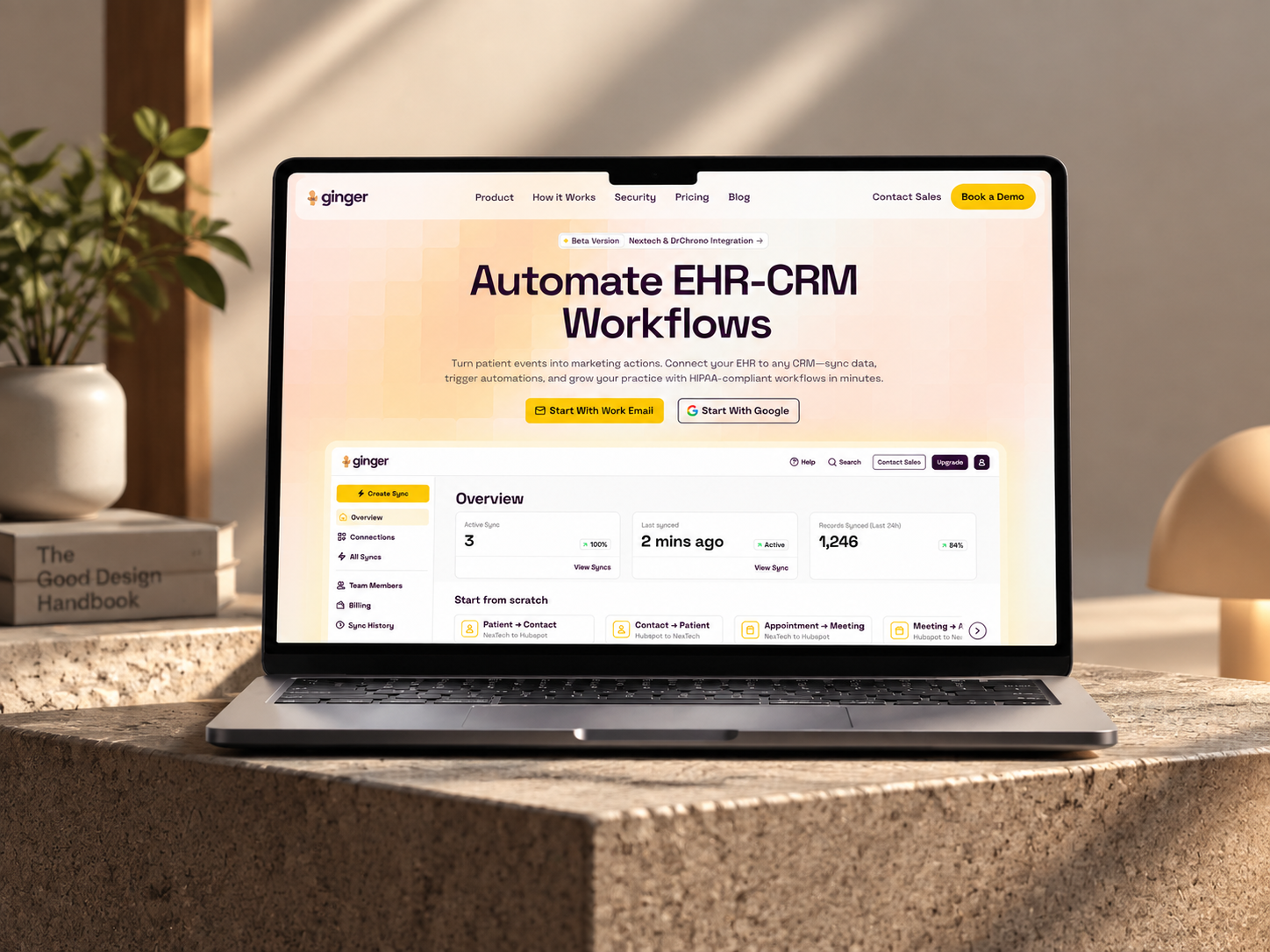
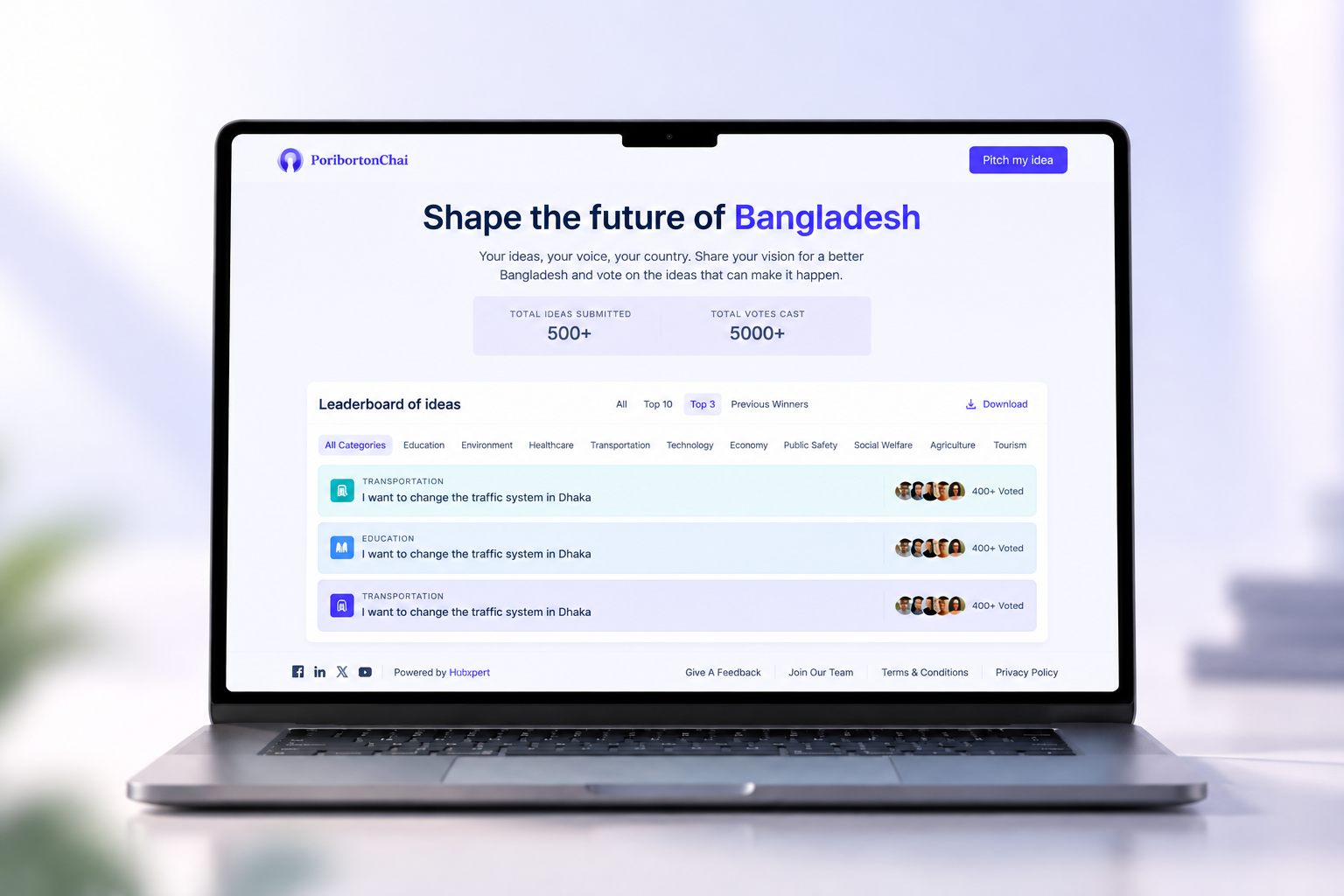


.png)




-1.webp)
-1.webp)

.webp)

-1-1.webp)


-2.webp)
-1-1.webp)
-2-1.png)
-1-1.webp)
-1-1.webp)
-1-1.png)



Problem definition
Identified the delivery work that repeats across every portal and decided which of it could be productized.

-1.webp)
14
Agents shipped
4
Agent modes
0
Writes to a CRM without human approval
The hard part was never generating a recommendation. Models do that easily. The hard part was building something a RevOps team would actually connect to the portal their forecast depends on, and that meant every design decision had to answer an objection first.
The moment a model can merge records or send email from a live portal, the risk stops being theoretical. That objection kills most AI CRM tools before a feature list matters, so it had to be answered in the architecture rather than in the pitch.
Duplicates, drifted properties and dead workflows accumulate in every portal that has been running for a few years. Nothing surfaces them, because nothing is watching, and a manual audit is weeks of work nobody can bill for.
A deal that slips past its close date with no next step is a known pattern and an avoidable loss. Spotting it depends on someone reviewing the pipeline at the right moment, which is exactly what gets skipped in a busy week.
A partner running a dozen client portals ends up copying the same automation into each one by hand. Nothing in the market treated multiple portals as the normal case rather than an edge case.
Most AI capability in the ecosystem requires the top tier, which excludes the Starter and Professional customers who need the help most and have the least operations headcount.
Procurement rules, existing vendor positions and internal AI policies all constrain which providers a company can use. A platform that hard-codes one provider is unusable for a meaningful share of buyers.
“Every portal I walk into has the same thing underneath it. Contacts from four different sources going back years, workflows nobody has opened since the person who built them left, and no one whose actual job it is to look. Teams are not ignoring it because they do not care. They are ignoring it because auditing it by hand is two weeks of work nobody can bill for.”
.png)
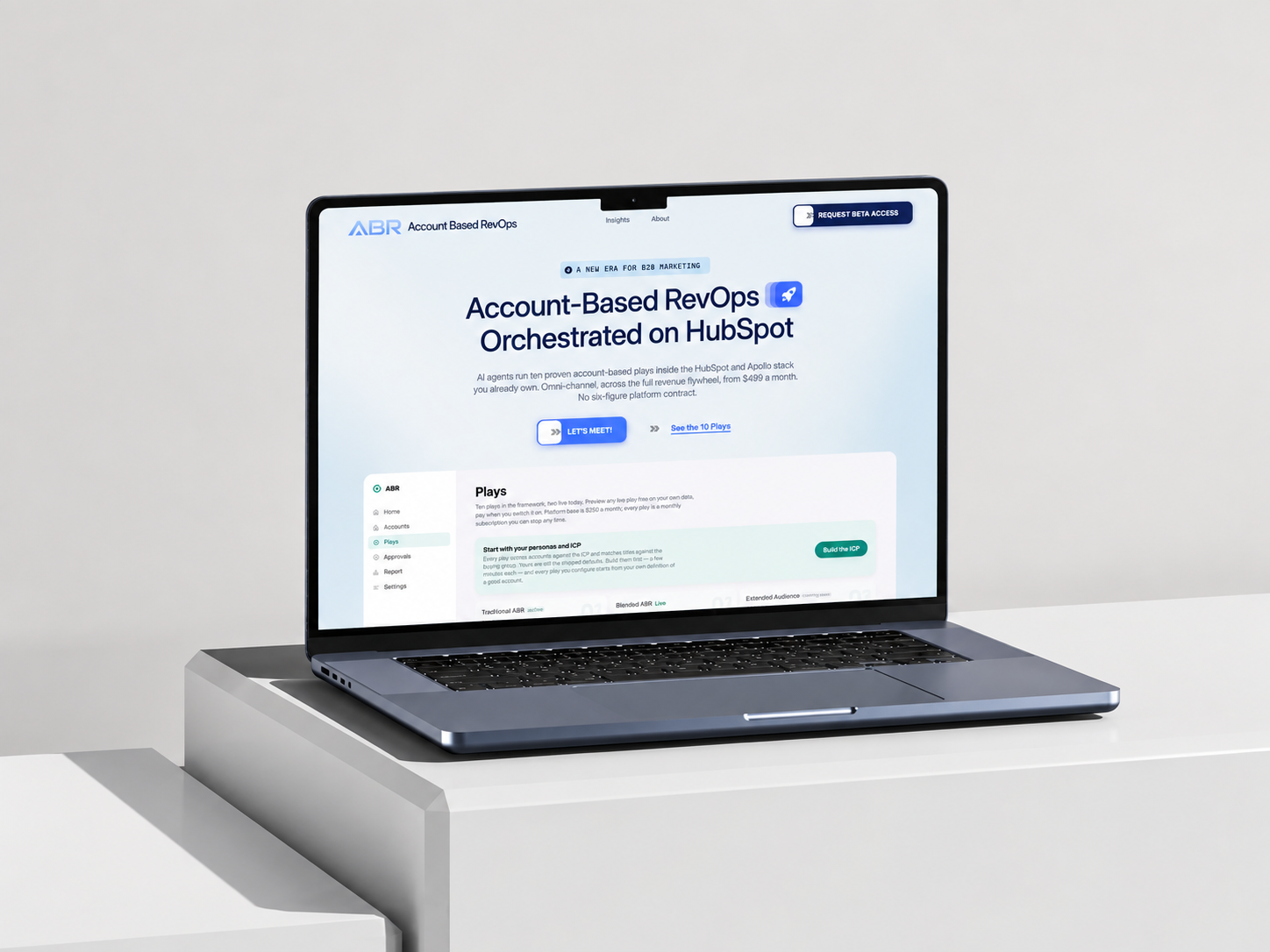
Agents read the portal, decide what matters, and hand the work back. The person stays the last step before anything changes. That sequence is the product rather than a feature inside it, and the rest of the platform is built around it.
Every write an agent proposes, including merges, property updates, emails and tasks, queues for review. The user sees the reasoning, can edit the payload, and approves or rejects in one click. Read-only actions can be auto-approved.
Autopilot handles the pipeline work of deal risk, lead scoring and gap detection. Audit and Cleanup runs six deep scans for duplicates, dead workflows and bad data. Creative drafts landing pages. Build Your Own covers what is not shipped yet.
Stage changes and new contacts trigger agents automatically rather than waiting for someone to run a report. Work arrives before anyone thinks to go looking for it, which is the difference between catching a stalling deal and reviewing it afterwards.
Rather than every new use case waiting on a release, users configure their own agents against the same approval architecture. It removes the roadmap as a bottleneck for anything the platform has not anticipated.
Portals can be grouped, one agent can be broadcast across all of them, and a white-label report can be published per client. This is the layer that makes the platform usable by an agency rather than only by a single company.
The platform connects through OAuth in about a minute with nothing installed inside the portal, and works identically on Free, Starter, Professional and Enterprise. Capability is not gated by what the customer pays HubSpot.
Teams supply their own model key rather than inheriting whichever provider the platform chose. That keeps the product usable for buyers with an existing vendor position or a procurement constraint on AI providers.
Findings carry a health score, recommendations and charts, and export as a shareable report. An audit that cannot be forwarded to the person approving the budget does not get acted on.
“The approval inbox is why I would point this at a portal that matters. I have seen tools that promise to clean a database and I would not run one against a client without watching it. This one shows you the list, tells you why each record is on it, and then waits for someone to say yes. That is the difference between a tool I would use and a tool I would recommend.”

Ready to Build the Engine Behind Your Growth?
We build the systems underneath growth. CRM, website, search, outbound, and automation, connected so your team stops doing the work software should do.
 Takes 30 minutes
Delivered by certified HubSpot expert
Takes 30 minutes
Delivered by certified HubSpot expert