



Lead attribution for a Medicare therapy providerInside Total Life's patient lifecycle build

Total Life was spending on ads without being able to say which ones produced patients. Contact sources were inconsistent, there was no lead scoring, and follow-up depended on someone remembering. HubXpert rebuilt attribution, scoring and lifecycle automation in HubSpot across three months.
Lifecycle

4

Workstreams delivered

2

HubSpot Hubs implemented

4

Reporting areas built

3 months

Delivery timeline

ABOUT THE CLIENT

Mental Health Care for Seniors, Delivered Online

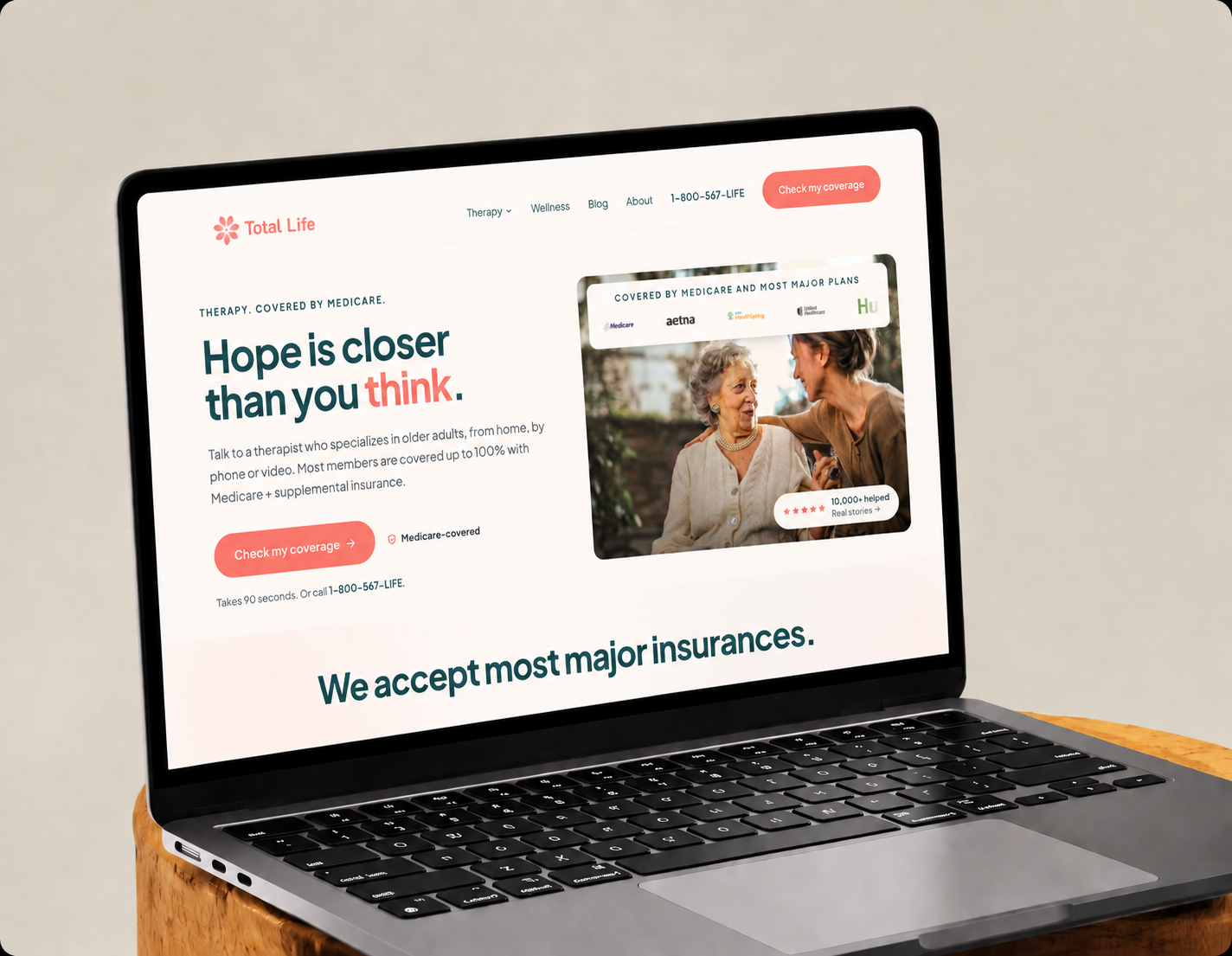
Total Life Online Therapy provides mental health services for seniors dealing with anxiety, depression, cognitive decline and chronic pain. Its team of Medicare psychologists delivers insurance-covered online counseling, which makes care reachable for people who would struggle to attend in person.

That model puts unusual weight on marketing. Patients arrive through paid advertising rather than through referral networks, so the cost of acquiring one is a real and visible line in the business. Knowing which campaigns produce patients is not a reporting nicety, it is the basis on which the budget is set.

Total Life could see the spend. What it could not see was the connection between a campaign and a patient. Contact sources were recorded inconsistently, ad conversions were not tied back to the portal, and nothing scored or prioritized the leads that arrived. Every downstream decision was being made on incomplete information.

What You Will Learn

  • 1 How to connect ad conversions to contacts so channel performance is measurable
  • 2 How lifecycle and lead stages make a marketing database reportable
  • 3 How to automate follow-up so re-engagement does not depend on memory
THE CHALLENGES

Spending on Ads Without Seeing the Return

The marketing was running. What was missing was the layer underneath it that turns activity into information: a reliable record of where a contact came from, a way to rank them, and automation to work them consistently.

  1. 1

    Ad conversions were not connected.

    Without conversions tied back into the portal, campaign performance could not be measured against patients acquired. Budget decisions were being made on platform metrics rather than on outcomes.

  2. 2

    Contact sourcing was inconsistent.

    The source of a contact was recorded differently depending on how it arrived, which made attribution unreliable and any channel comparison an estimate rather than a measurement.

  3. 3

    There was no lead scoring.

    Every lead entered the same undifferentiated pool. Nothing distinguished a person ready to book from a person browsing, so the team worked the list in whatever order it appeared.

  4. 4

    Follow-up depended on people remembering.

    Nurture and re-engagement happened when someone had time to do it, which meant inconsistently, and the leads that went cold did so quietly.

  5. 5

    Reporting could not answer the question that mattered.

    There was no view connecting a source to a lifecycle stage to a booked patient, so the most important question in the business had no report behind it.

WHAT WE BUILT

Attribution First, Then Automation on Top of It

The work ran across four areas: connecting the data, automating the lifecycle communication, segmenting and scoring the database, and building the reporting that makes the first three legible.

  1. 1

    Platform connectivity into HubSpot.

    Total Life's other platforms were integrated so data sources feed one portal, which is the precondition for any attribution question having a reliable answer.

  2. 2

    Data migration and cleanup.

    Existing records from several platforms were imported and organized, so the reporting was built on a database that could be trusted rather than on whatever had accumulated.

  3. 3

    Original source tracking.

    Contact sources were captured consistently at the point of creation, which is what makes channel comparison a measurement rather than a guess.

  4. 4

    A custom lead scoring system.

    Leads are scored so the team works the highest-intent contacts first, rather than working the list in arrival order.

  5. 5

    Lifecycle and lead stage segmentation.

    Clear lifecycle and lead stages were defined so contacts progress as they act, which makes the funnel visible and every downstream report trustworthy.

  6. 6

    Automated nurture and follow-up.

    Email sequences nurture cold and warm leads separately, drip campaigns build trust with prospective patients, and follow-ups trigger on user interaction rather than on someone remembering.

  7. 7

    Automated task allocation.

    Workflows assign tasks to team members based on lead interactions, so follow-up lands with a named person and a deadline instead of a shared intention.

  8. 8

    A custom reporting dashboard.

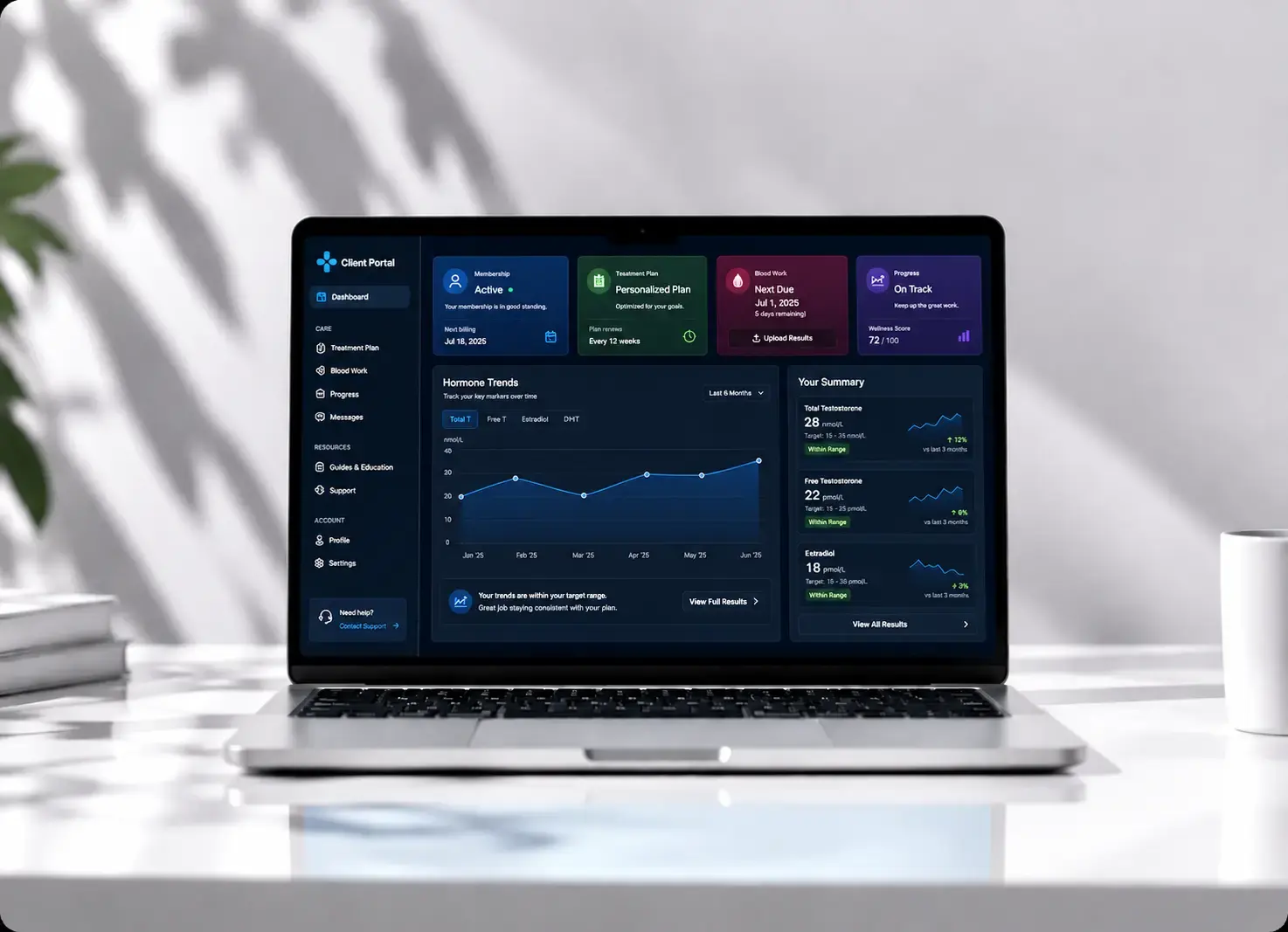
    Four areas in one place: original source, ad performance, lifecycle stage analysis and sales metrics, so marketing spend can be read against what it produced.

HOW WE GOT THERE

Connect, Clean, Automate, Report

Attribution had to come before automation. Building scoring and nurture on top of an unreliable source record would have produced automation nobody could evaluate.

Phase 1

Audit and mapping

Reviewed the existing HubSpot setup, the connected platforms and how contacts were being created and sourced.

Phase 2

Integration and data cleanup

Connected the platforms into HubSpot and migrated and organized existing records from the previous systems.

Phase 3

Source tracking

Implemented consistent original source capture so attribution could be reported on reliably.

Phase 4

Segmentation and scoring

Defined lifecycle and lead stages and built the custom lead scoring model.

Phase 5

Automation

Built the nurture sequences, drip campaigns, interaction-triggered follow-up and automated task allocation.

Phase 6

Reporting and handover

Built the reporting dashboard across source, ad performance, lifecycle and sales metrics, and handed over to the team.

THE OUTCOMES

Decisions Made on Data Instead of Instinct

Total Life now runs marketing on a connected portal. Contacts carry their source, leads arrive ranked, follow-up runs without anyone remembering it, and the reporting connects spend to stage to outcome.

4

Workstreams delivered

2

HubSpot Hubs implemented

3 months

Delivery timeline

Campaign performance became measurable. Ad conversions and contact sources feed the portal consistently, so channels can be compared on what they produced rather than on platform metrics.

The database became legible. Lifecycle and lead stages mean the shape of the funnel is visible at any moment, which is what makes every downstream report trustworthy.

The team works the right leads first. Lead scoring ranks contacts by intent, so time goes to the people most likely to book rather than to whoever arrived most recently.

Follow-up stopped depending on memory. Nurture, drip and interaction-triggered sequences run automatically, and tasks are assigned to named people by workflow.

Reporting answers the budget question. Source, ad performance, lifecycle stage and sales metrics sit in one dashboard, so marketing decisions are made against evidence.

Before

  • Ad conversions disconnected from the portal
  • Contact sources recorded inconsistently
  • Every lead treated the same
  • Follow-up when someone had time
  • No report connecting spend to patients
  • Tasks assigned by whoever noticed

After

  • Conversions and sources feeding one portal
  • Consistent original source capture
  • Leads ranked by a custom scoring model
  • Nurture and follow-up triggered by behavior
  • One dashboard across source, ads, lifecycle and sales
  • Tasks assigned automatically by workflow
What providers ask before a lifecycle build

Frequently asked questions

  • Total Life's build runs on Marketing Hub Professional and Sales Hub Professional. Attribution and nurture sit in Marketing, while scoring, task allocation and pipeline sit in Sales, and the reporting draws on both.

  • Three months for Total Life, covering integration and cleanup, source tracking, segmentation and scoring, automation and reporting.

  • The model is built for the specific practice rather than taken from a template. It weights the behaviors that indicate intent for that business, then ranks contacts so the team works the highest first.

  • That is the point of connecting conversions and capturing source consistently. Channel performance is reported against lifecycle progression and sales metrics rather than against platform-side conversions.

  • No. The other platforms were integrated into HubSpot rather than replaced, so the portal became the place the data comes together.

bOOK CONSULTATION

Spending on Ads Without Knowing What Works?

If you can't trace a campaign to a booked patient, your budget is a guess. We'll build the attribution, lead scoring, and lifecycle automation that turns ad spend into a measurable pipeline.

Icon-Apr-08-2026-10-02-31-8097-AM Takes 30 minutes
Ratul-Rahman