


Inside SemiProbe's WooCommerce and HubSpot automation

SemiProbe builds probing equipment for semiconductor testing, and every purchase required a sales rep to walk the customer through it. HubXpert automated the store, connected it to HubSpot, and built the marketing and reporting layer so the shop runs without manual intervention.
image 104 (3)-2

3

Workstreams: store, HubSpot, reporting

3

Automated marketing campaign types

Retainer

Ongoing engagement

PRECISION INSTRUMENTS, SOLD LIKE PRECISION INSTRUMENTS

About the client

SemiProbe provides advanced probing solutions for the semiconductor industry. Its equipment supports wafer testing, electrical probing and measurement for universities, research laboratories and high-technology companies worldwide.

Selling scientific instruments has traditionally meant selling them by hand. The product is technical, the buyer is technical, and the assumption is that every purchase needs a conversation. That assumption holds for the largest configurations and stops holding for everything below them, which is where a manual-only process starts costing money.

SemiProbe was running the manual process for all of it. Every purchase required a sales representative, there was no automated handling of inquiries, payments or order processing, HubSpot was not connected to the store, and there was no reporting on sales performance or customer activity.

What You Will Learn

  • 1 Why technical products still benefit from automated purchasing
  • 2 How a WooCommerce store connects to HubSpot for lifecycle marketing
  • 3 What abandoned cart and post-purchase automation do for a considered purchase
EVERY PURCHASE NEEDED A PERSON

The Challenges

The sales team was the checkout. That works while volume is low and becomes the constraint on growth the moment it is not, because the only way to sell more is to hire more.

  1. 1

    No sales automation.

    The sales team manually assisted customers on every purchase, which slowed the buying process for the customer and consumed the team's time on transactions that did not need them.

  2. 2

    No automated workflow for inquiries, payments or orders.

    Each of those steps waited on a person, so the buying process moved at the speed of whoever was available.

  3. 3

    HubSpot was not connected to the store.

    Sales data sat disorganized because purchases and customer interactions were not logged against the CRM record.

  4. 4

    No marketing automation.

    Nothing nurtured leads or re-engaged buyers who had shown interest and not purchased, which for a considered technical purchase is most of them.

  5. 5

    No reporting.

    There were no dashboards for sales performance or customer activity, so trends were not visible and marketing could not be optimized against evidence.

"Before HubSpot, we were living kind of in chaos with Post-it notes. Every lead, every patient type, and every renewal had to be tracked manually, and our front desk was spending more time managing spreadsheets than focusing on patients."

Dr. Jean-Paul Leva
Dr. Jean-Paul Leva Board-Certified Cosmetic & General Surgeon, FACS
A STORE THAT SELLS WITHOUT A REP

What We Built

Three workstreams: automate the purchase path, connect the store to HubSpot so every interaction lands on a record, and build the reporting that shows what is happening.

  1. 1

    Automated order processing

    A fully automated e-commerce path lets customers buy without a sales representative involved, which frees the team for the sales that genuinely need them.

  2. 2

    An improved checkout and payment flow

    The purchase path was rebuilt so a buyer can complete an order without friction, which matters most for the smaller configurations that never justified a call.

  3. 3

    Automated customer notifications

    Order confirmations, shipping updates and follow-ups send automatically, which removes the inbound contacts that exist only because the customer does not know what is happening.

  4. 4

    Store and HubSpot synced

    Customer interactions, purchases and inquiries log automatically against the CRM record, so sales data is organized by default rather than assembled later.

  5. 5

    Abandoned cart recovery

    Campaigns recover sales that were started and not completed, which for a technical considered purchase often means the buyer left to check something rather than lost interest.

  6. 6

    Lead nurturing and post-purchase engagement

    Nurture workflows work prospective buyers, and post-purchase emails encourage repeat business from customers who have already bought.

  7. 7

    Customer segmentation

    A custom segmentation system categorizes high-value customers, repeat buyers and prospects so marketing is targeted rather than uniform.

  8. 8

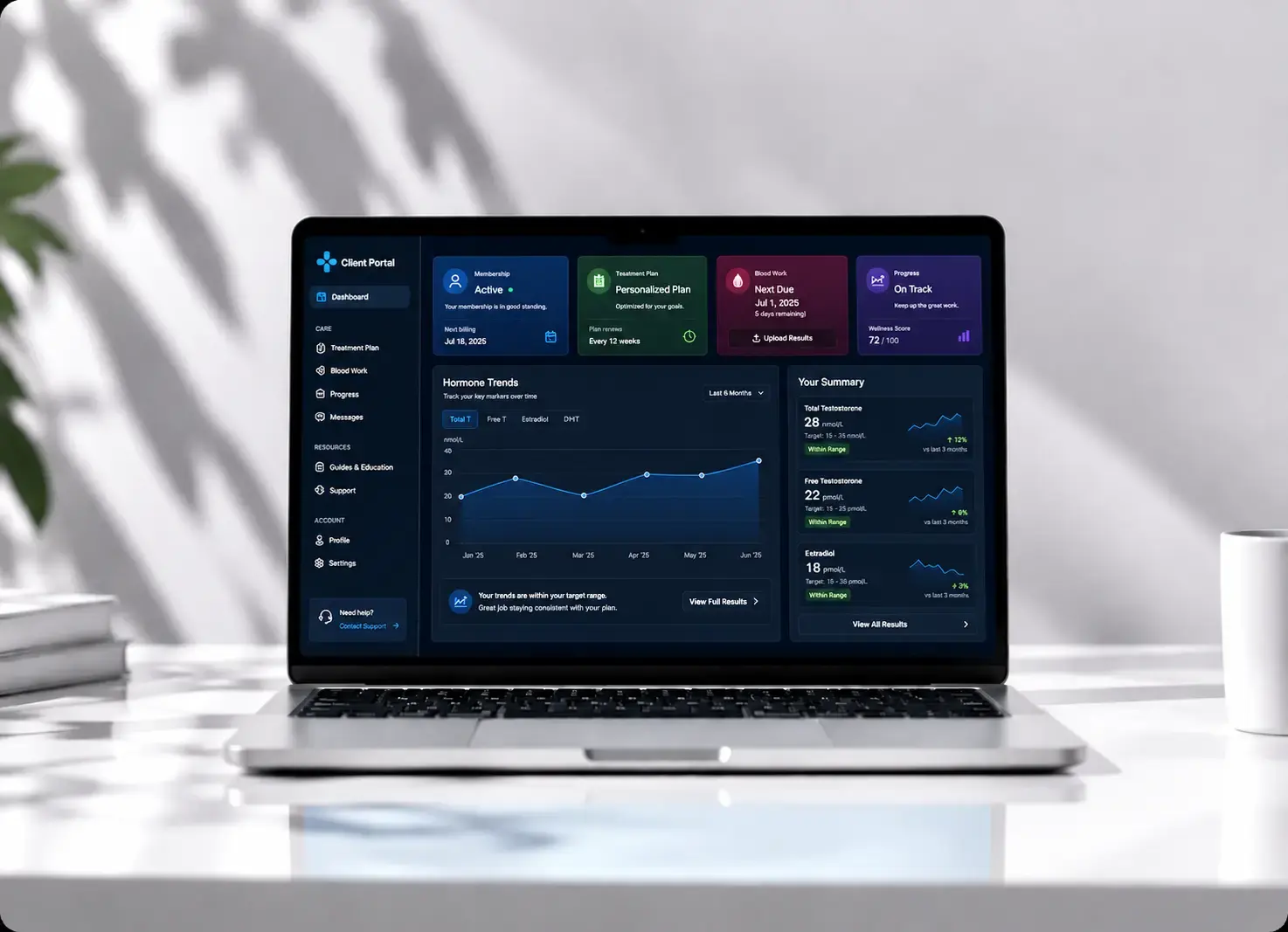
    Dashboards and pipeline tracking

    Real-time dashboards cover sales trends, revenue growth, customer behavior and campaign performance, alongside pipeline tracking for order status, stock availability and fulfillment.

Our front desk team used to spend hours each week manually logging leads and chasing renewal calls. With HubSpot handling confirmations, reminders, and renewal nudges automatically, that time now goes straight into patient care. The dashboards also mean we stop guessing which campaigns are actually working.

Dr. Jean-Paul Leva Board-Certified Cosmetic & General Surgeon, FACS
Dr. Jean-Paul Leva
AUTOMATE THE SALE, THEN MARKET TO IT

How We Got There

The store had to work without a representative before the marketing layer had anything to drive traffic toward, and both had to be connected before reporting could describe either.

Phase 1

Process review

Mapped the existing manual purchase path and where the sales team was required.

Phase 2

Store automation

Built automated order processing and rebuilt the checkout and payment experience.

Phase 3

Notifications

Set up automated order confirmation, shipping update and follow-up email.

Phase 4

HubSpot integration

Connected the store to HubSpot so interactions, purchases and inquiries log against the record.

Phase 5

Marketing automation

Built abandoned cart recovery, lead nurturing and post-purchase engagement, plus the segmentation behind them.

Phase 6

Reporting

Built the sales and customer dashboards plus pipeline, stock and fulfillment tracking.

THE SHOP RUNS ITSELF

The Outcomes

SemiProbe now sells through an automated store connected to HubSpot, with marketing running against segmented customers and reporting over the top. The engagement continues on retainer.

3

Workstreams: store, HubSpot, reporting

3

Automated marketing campaign types

Retainer

Ongoing engagement

Purchases no longer need a sales rep. The automated store handles the transaction, so the team is freed for the sales that genuinely require a conversation.

The store generates revenue on its own. A working automated shop means buying is possible outside the hours and availability of the sales team.

Customer interactions log automatically. Purchases and inquiries land against the HubSpot record, so sales data is organized rather than reconstructed.

Lost sales get recovered. Abandoned cart campaigns re-engage buyers who started and did not finish, which is common on a considered technical purchase.

Marketing is targeted by segment. High-value customers, repeat buyers and prospects are treated differently rather than receiving the same message.

Leadership has reporting. Dashboards cover sales trends, customer behavior and campaign performance, with pipeline, stock and fulfillment tracking alongside.

Before

Manual
  • A sales rep required on every purchase
  • No automated handling of inquiries, payments or orders
  • Store disconnected from HubSpot
  • No lead nurturing or re-engagement
  • No segmentation across the customer base
  • No dashboards for sales or customer activity

After

Automatic
  • Automated order processing end to end
  • Automated confirmations, shipping updates and follow-ups
  • Store and HubSpot synced, interactions logged
  • Abandoned cart, nurture and post-purchase campaigns
  • Segmentation across high-value, repeat and prospect
  • Real-time dashboards plus pipeline and stock tracking
WHAT MANUFACTURERS ASK ABOUT E-COMMERCE AUTOMATION

Frequently asked questions

  • For the larger configurations, often not. For everything below them, requiring a conversation adds delay the buyer did not ask for. SemiProbe automated the path so the team is freed for the sales that need them.

  • Yes. SemiProbe's store is synced so customer interactions, purchases and inquiries log automatically against the CRM record.

  • More than on a consumer one. A buyer who leaves a technical purchase usually left to check a specification rather than losing interest, so a well-timed follow-up often recovers it.

  • Order status, stock availability and fulfillment efficiency, so the commercial and operational views sit together.

  • A retainer. E-commerce automation needs continuing attention as the catalog, campaigns and reporting requirements change.

bOOK CONSULTATION

Ready to Build the Engine Behind Your Growth?

We connect your CRM, website, search, outbound, and automation into one system. So your team spends less time on manual work and more time on growth.

Icon-Apr-08-2026-10-02-31-8097-AM Takes 30 minutes
Ratul-Rahman