





Audit and mapping
Reviewed the existing stack, the lead sources and how customers were being grouped.

50%+
Email open rate achieved
5
Custom reporting dashboards built
5
HubSpot Hubs implemented
6 months
Delivery timeline
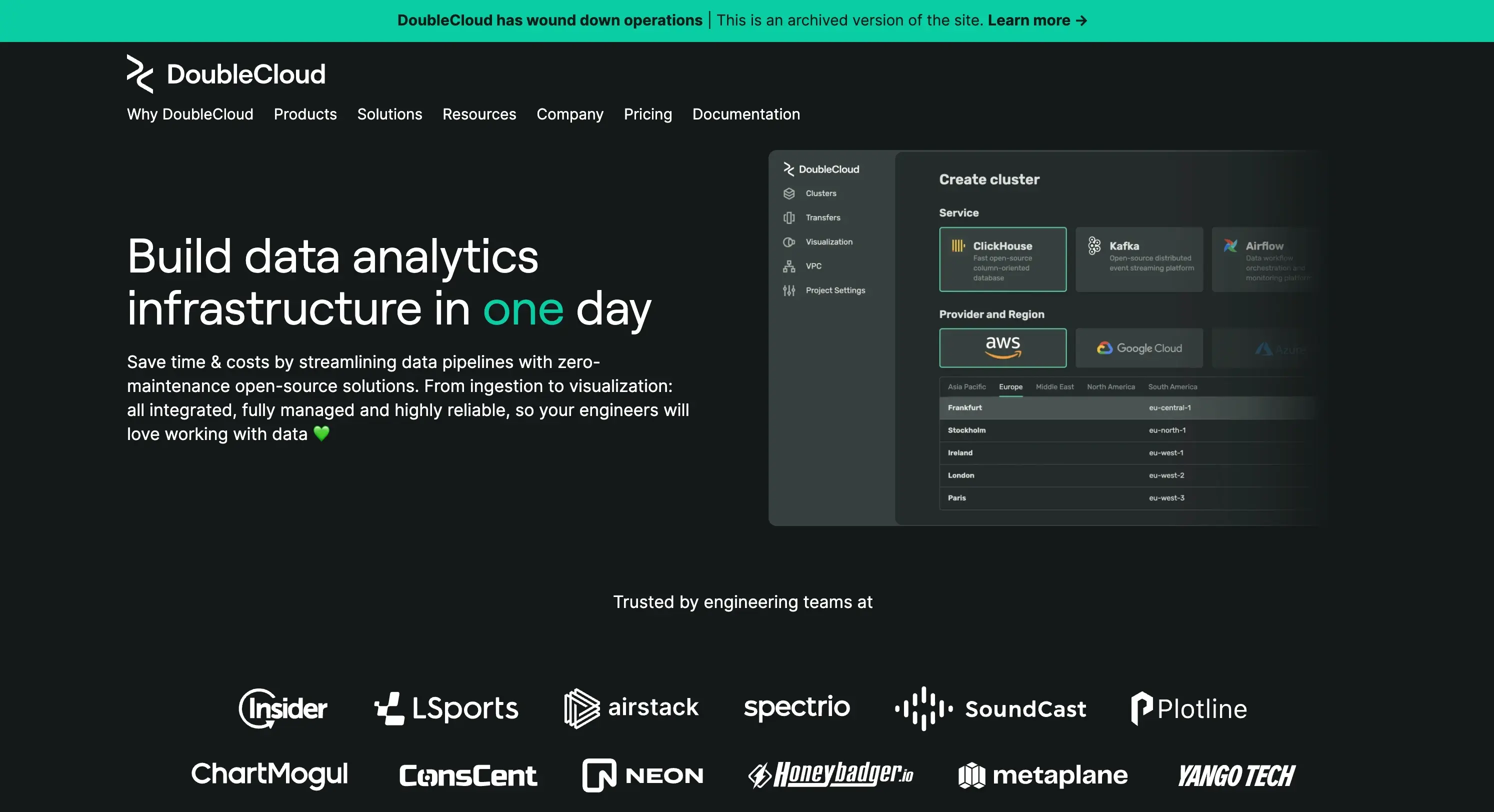
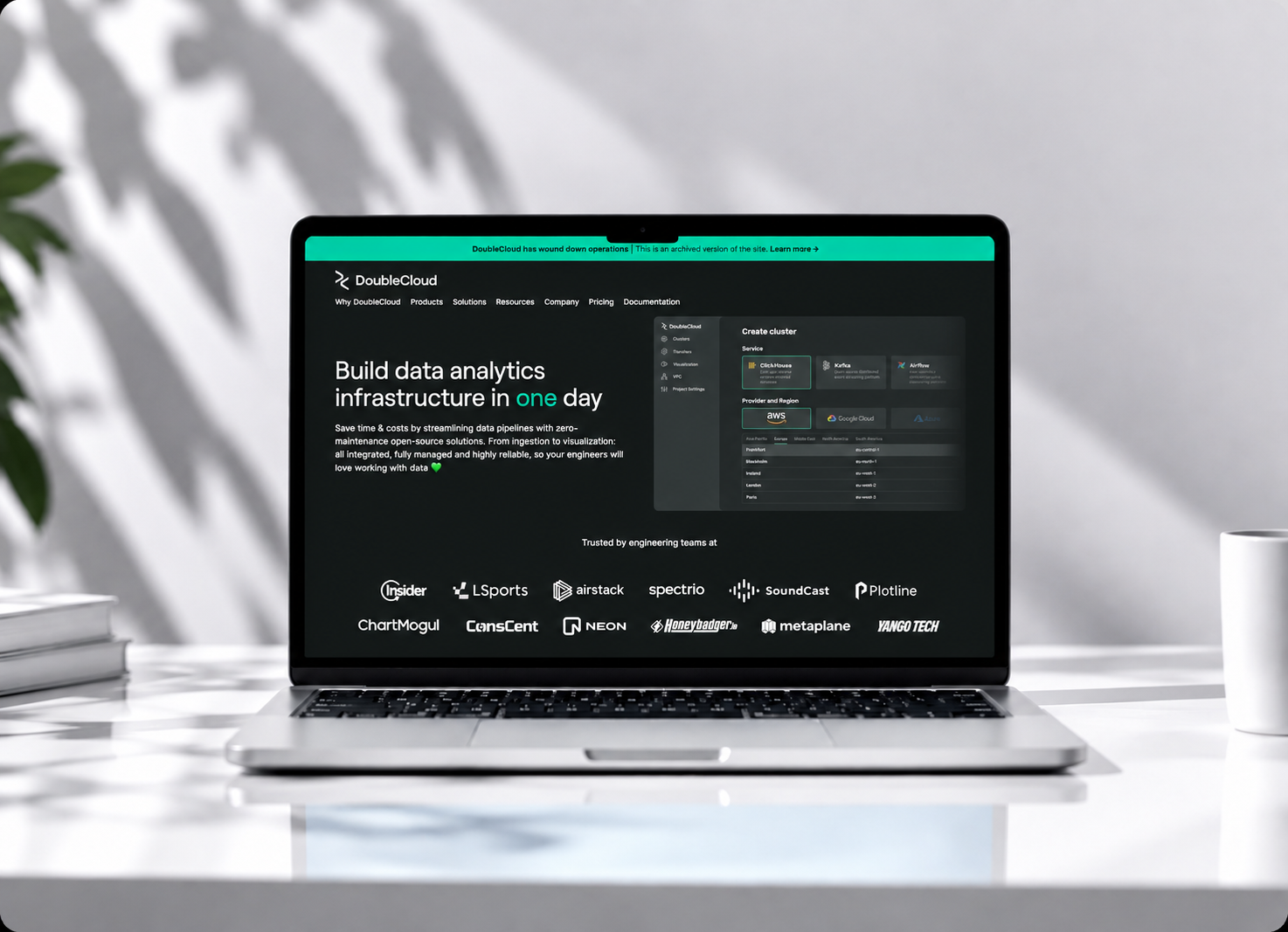
Double Cloud builds managed open-source data infrastructure for real-time analytics, working with both startups and established organizations. The proposition is to take the technical complexity off data engineers so they can spend their time on the product instead of the platform underneath it.
Selling infrastructure to engineers is a long, specific, multi-touch motion. The buyer is technical, skeptical of marketing, and researches thoroughly before speaking to anyone. That makes segmentation and message relevance unusually important, because a generic email to a data engineer is worse than no email.
Double Cloud was already generating leads by scraping, so the top of the funnel existed. What did not exist was anything underneath it: no structure to collect leads into, no segmentation of the existing customer base, no connection between the apps in the stack, and no reporting to tell anyone what was working.
The company had the harder half solved. It was generating leads. What it lacked was every part of the system that turns a lead into a tracked, segmented, worked opportunity.
Existing clients were not grouped in any way that allowed different customer types to be engaged differently, which made every campaign a broadcast.
Leads were being scraped without a structured system to collect and manage them, so the work of sourcing them produced less than it should have.
Multiple applications needed to be integrated into one system, and until they were, every tool held a fragment of the same prospect.
Without a reporting mechanism, decisions about campaigns, spend and team focus were being made without evidence.
Nothing ranked prospects by engagement or intent, so sales worked whatever was in front of them.
The build connected the lead sources into HubSpot, gave the leads somewhere structured to live, automated the communication against segments, and put five dashboards over all of it.
LinkedIn, Crunchbase and Amplemarket were integrated so warm lead data centralizes in the portal instead of arriving through separate tools the sales team has to check.
Incoming leads are collected, managed and tracked in one place, which turns scraping from an activity into a pipeline.
Prospects are ranked on engagement and intent, so the sales team works the list in order of likelihood rather than in order of arrival.
Email templates were designed per customer segment, which matters disproportionately when the audience is technical and dismisses anything generic.
The calling stack was connected to HubSpot so conversations are captured against the record rather than living in a separate log.
Automated email triggers and workflows run at each stage of the customer journey, so the follow-up happens without anyone scheduling it.
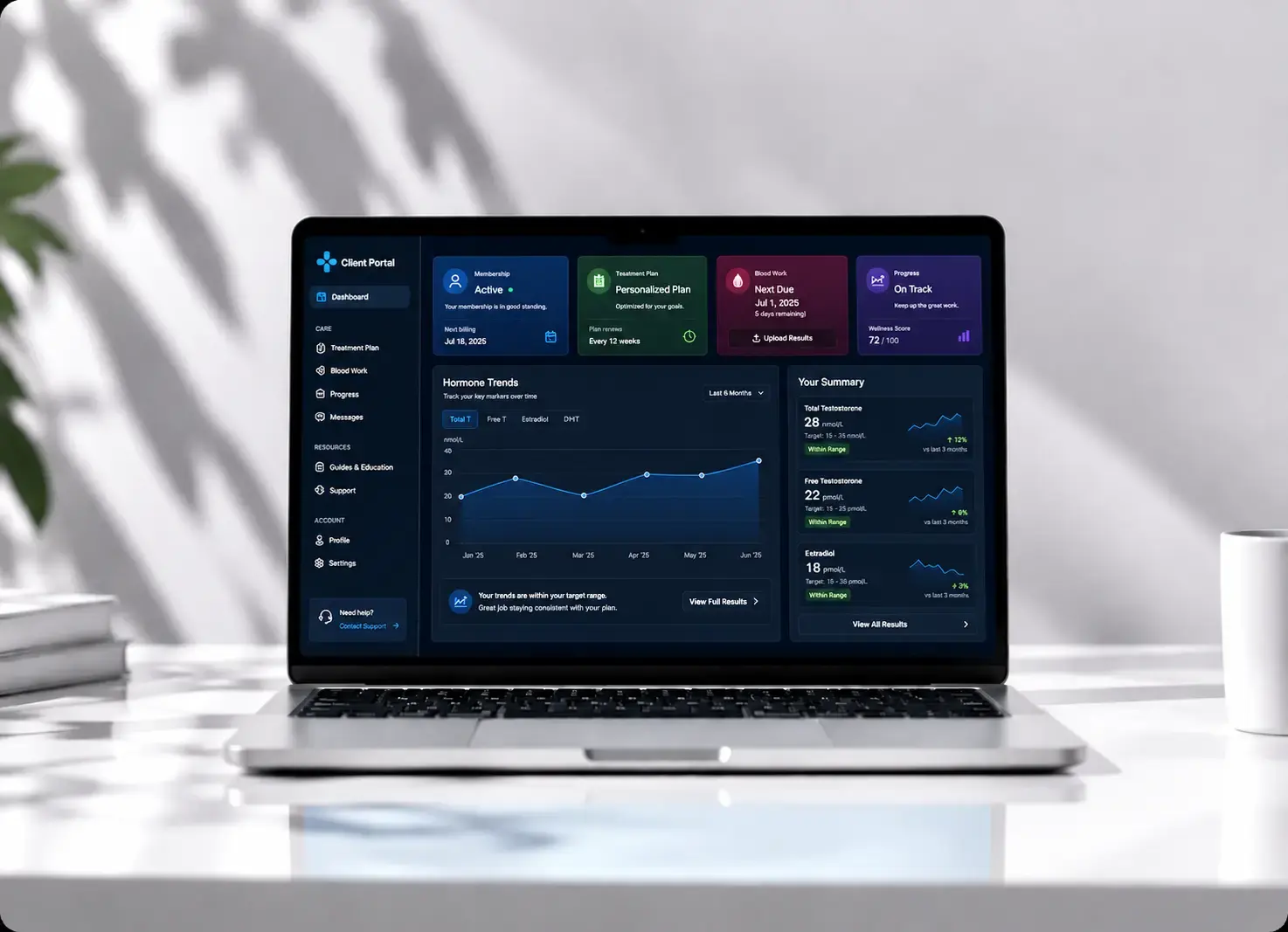
Campaign performance, sales metrics, team performance, lifecycle stage analysis and conversion rates, each built to answer a question leadership was previously guessing at.
The lead sources had to reach the portal before anything could be structured around them, and segmentation had to exist before automation could target anything.
Reviewed the existing stack, the lead sources and how customers were being grouped.
Connected LinkedIn, Crunchbase and Amplemarket to centralize lead data in HubSpot.
Built the lead accumulation system and the custom lead scoring model.
Built the client segmentation structure and designed targeted email templates per segment.
Set up lifecycle email triggers and workflows, and integrated the calling tools.
Built the five dashboards and handed the system to the team.
Double Cloud now runs marketing on one connected portal. Leads arrive from three sources into a structured system, get scored, receive segment-appropriate communication, and appear in reporting leadership can act on.
50%+
Email open rate achieved
5
Custom reporting dashboards built
5
HubSpot Hubs implemented
50%+ email open rates. Campaigns achieved an open rate above 50% with a 5% increase in click-through, which is what segmentation and relevance produce with a technical audience.
Leads have somewhere to land. Scraped and sourced leads collect into a structured accumulation system rather than into a list somebody has to process.
Prospects are ranked before they are worked. Custom lead scoring orders the list by engagement and intent instead of by arrival.
Manual effort dropped. Automation took the repetitive work off the team, moving that time to higher-value activity.
Leadership can see performance. Five dashboards cover campaign performance, sales metrics, team performance, lifecycle stages and conversion rates.
The stack became one system. Lead sources, calling tools and the hubs run together, so marketing and sales activity is managed in one place.
Lead data from LinkedIn, Crunchbase and Amplemarket landing in one portal.
The lead accumulation system with custom scoring by engagement and intent.
Segment-specific email templates and the lifecycle workflows behind them.
The five dashboards covering campaign performance, sales metrics, team performance, lifecycle stages and conversion rates.
Because sourcing leads produces nothing until they are collected, scored and worked. Connecting LinkedIn, Crunchbase and Amplemarket turns lead generation activity into a managed pipeline.
It comes from segmentation and relevance. Templates were designed per customer segment rather than sent broadly, which matters most with technical audiences who dismiss generic email immediately.
Double Cloud runs Marketing, Sales, Service, Operations and CMS Hub Professional. Operations Hub in particular carries the data synchronization that the reporting layer depends on.
Six months for Double Cloud, across audit, source integration, lead structure and scoring, segmentation and design, automation, and reporting.
Campaign performance, sales metrics, team performance, lifecycle stage analysis and conversion rates are five different questions. One dashboard trying to answer all of them answers none of them well.