





Send the Brief
The client, the portal, and the outcome required, in whatever format you already use. Most partner engagements begin with a client request one step outside strategy.
You were hired for strategy, not to spend Tuesday building workflows in somebody else's portal. HubXpert works quietly as your technical execution arm and white label build partner, so five client engagements run at once without you touching a single build, workflow, or landing page.

Teams that leveled up their growth with HubXpert
Every portal you build yourself is an hour not spent on the strategy the client is actually paying for. A fractional day rate is expensive when it is spent building workflows.
A sixth client arrives before the fifth is stable, and the only options are hiring or declining.
A workflow that misfires in a client's portal is your name on the failure, not the contractor's.
A landing page, a lifecycle campaign, a migration. The request arrives whether or not the scope allowed for it. The roster grows whether or not the delivery capacity does.
A senior HubSpot specialist takes three months to hire and a month to onboard, and the pipeline will not wait.
A retainer that grew because the build finally worked gets credited to whichever deck you presented that quarter.
An execution partner either protects your margin or becomes your problem.
Builders when you need them.
Committed start dates.
Extra hands for a launch.
Hours bought against hours used.
Tested in a sandbox first.
So anybody can maintain them.
One person accountable.
Issues caught before launch.
Delivered as your team.
Scoped and logged.
Signed before access.
What the client sees.
What can be sold under your name.
Quoted in advance.
Reused per engagement. Segment by engagement.
Clients who added build work.
A careful setup with role-based access.
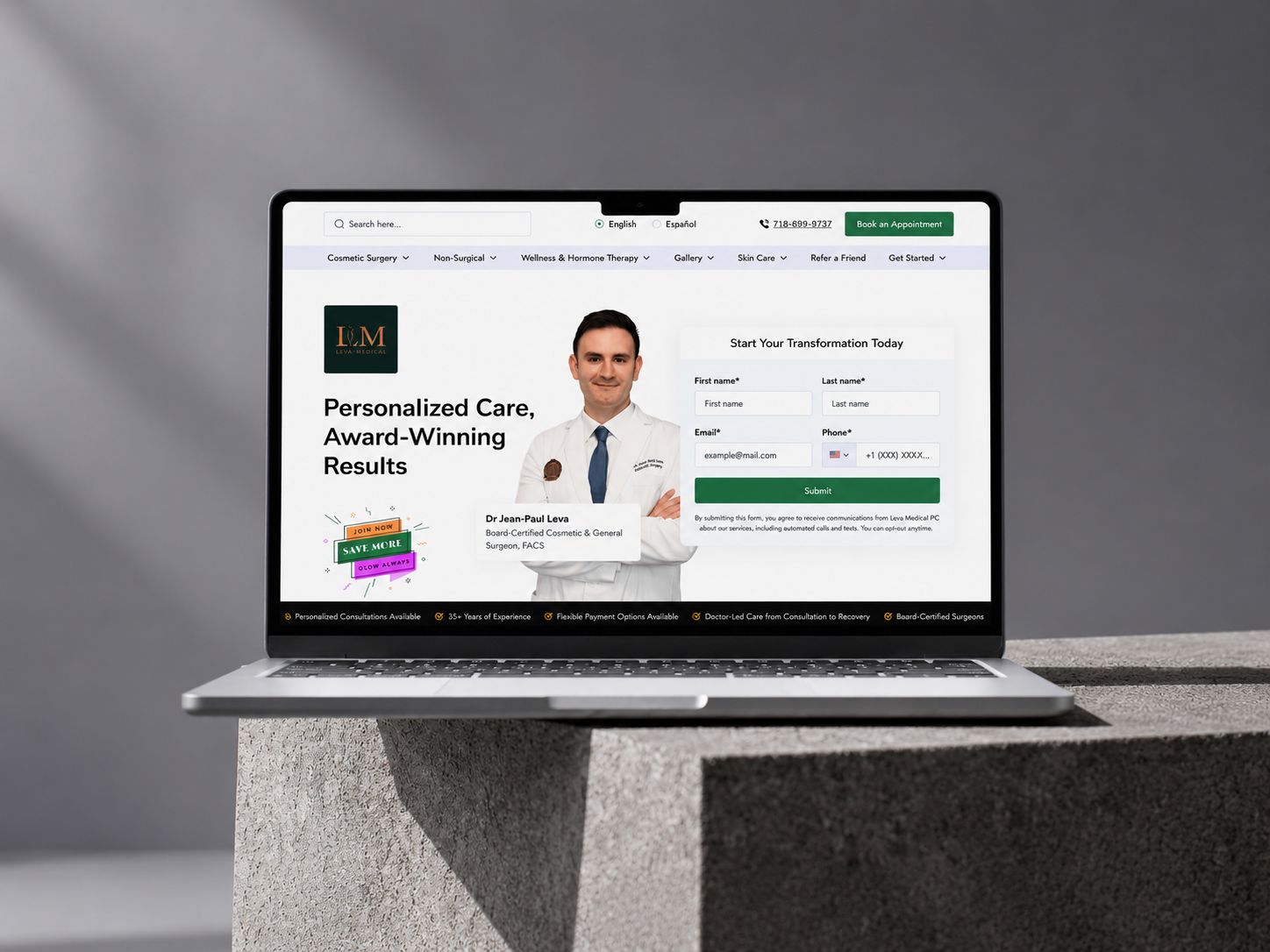
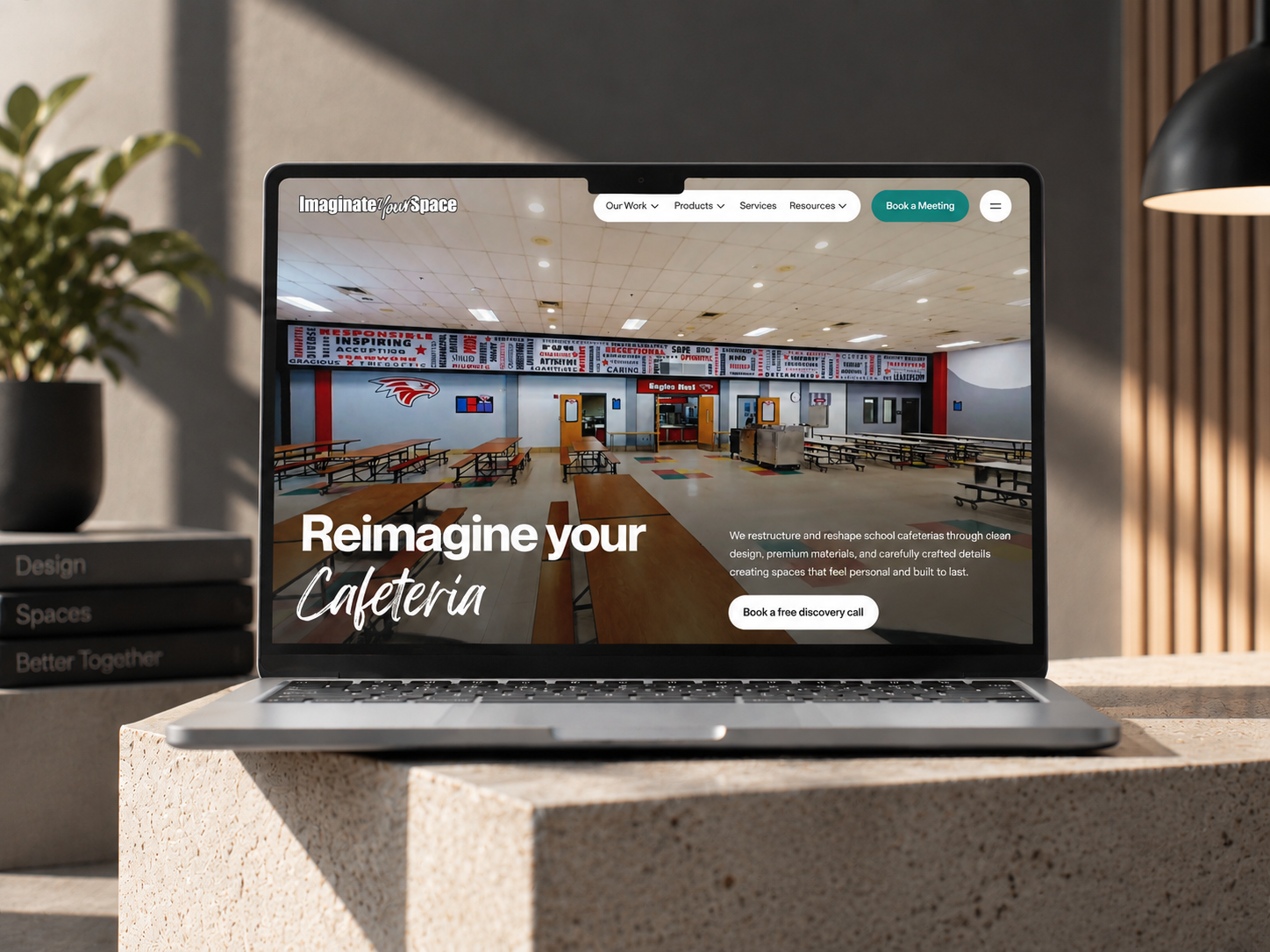
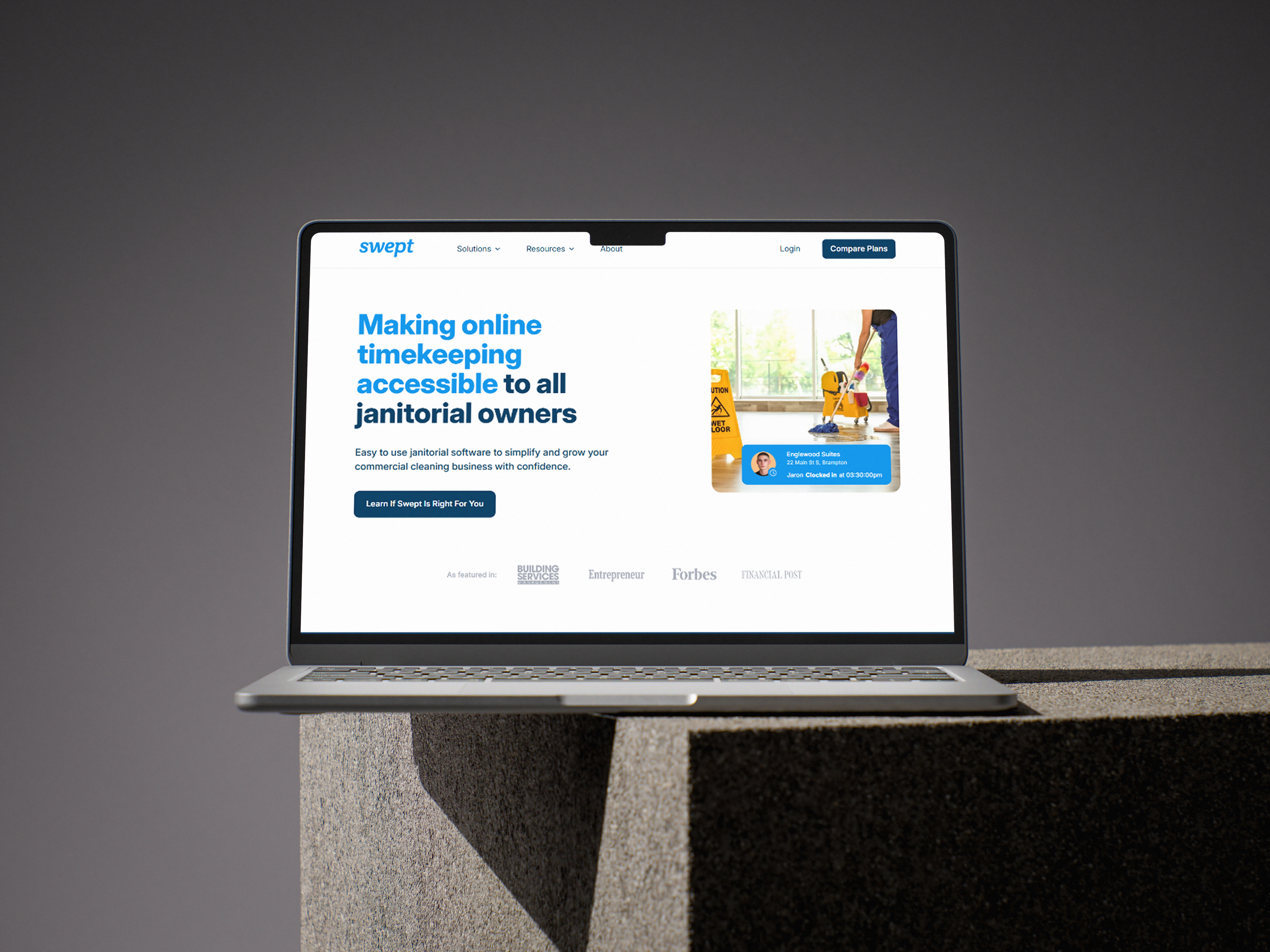
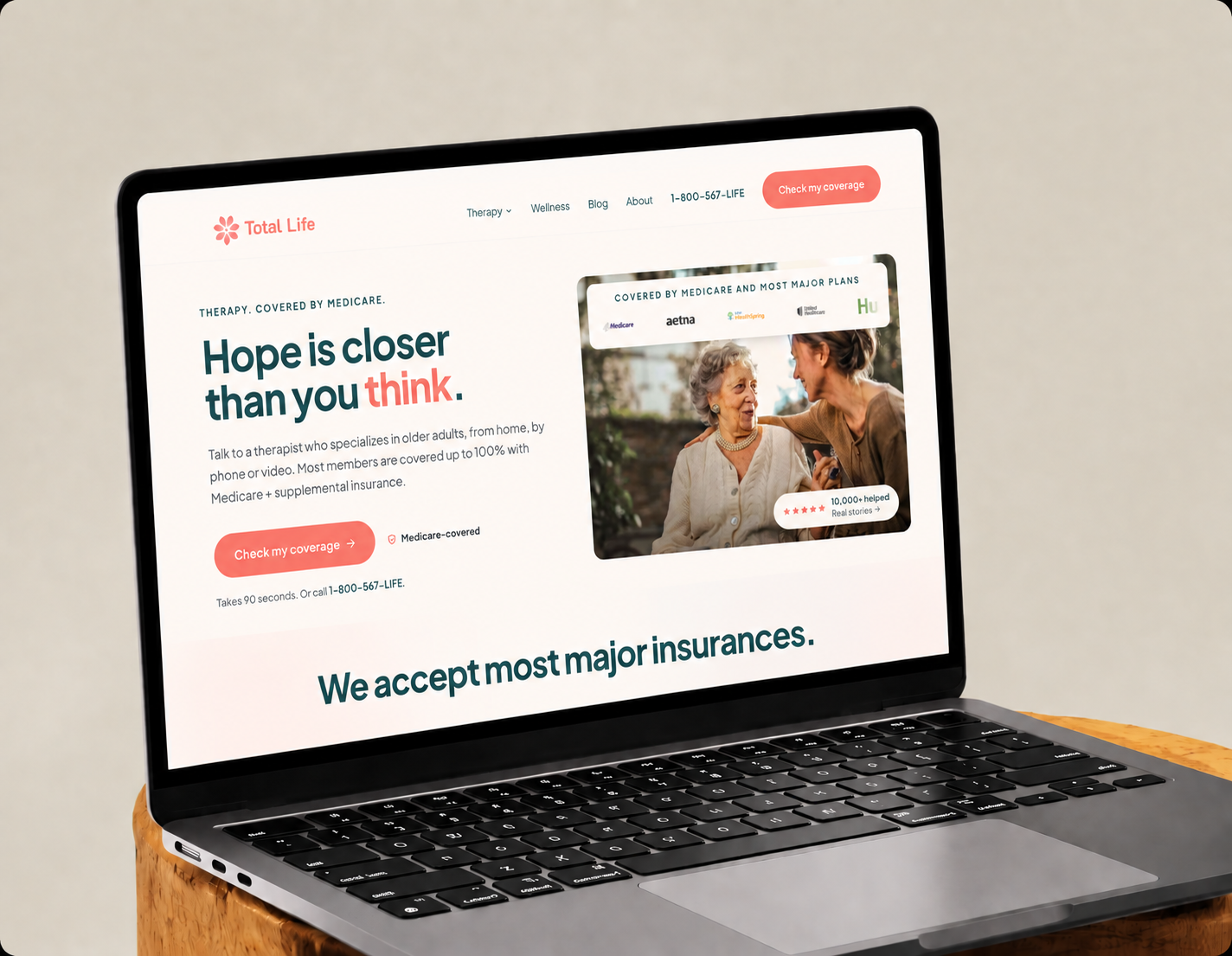
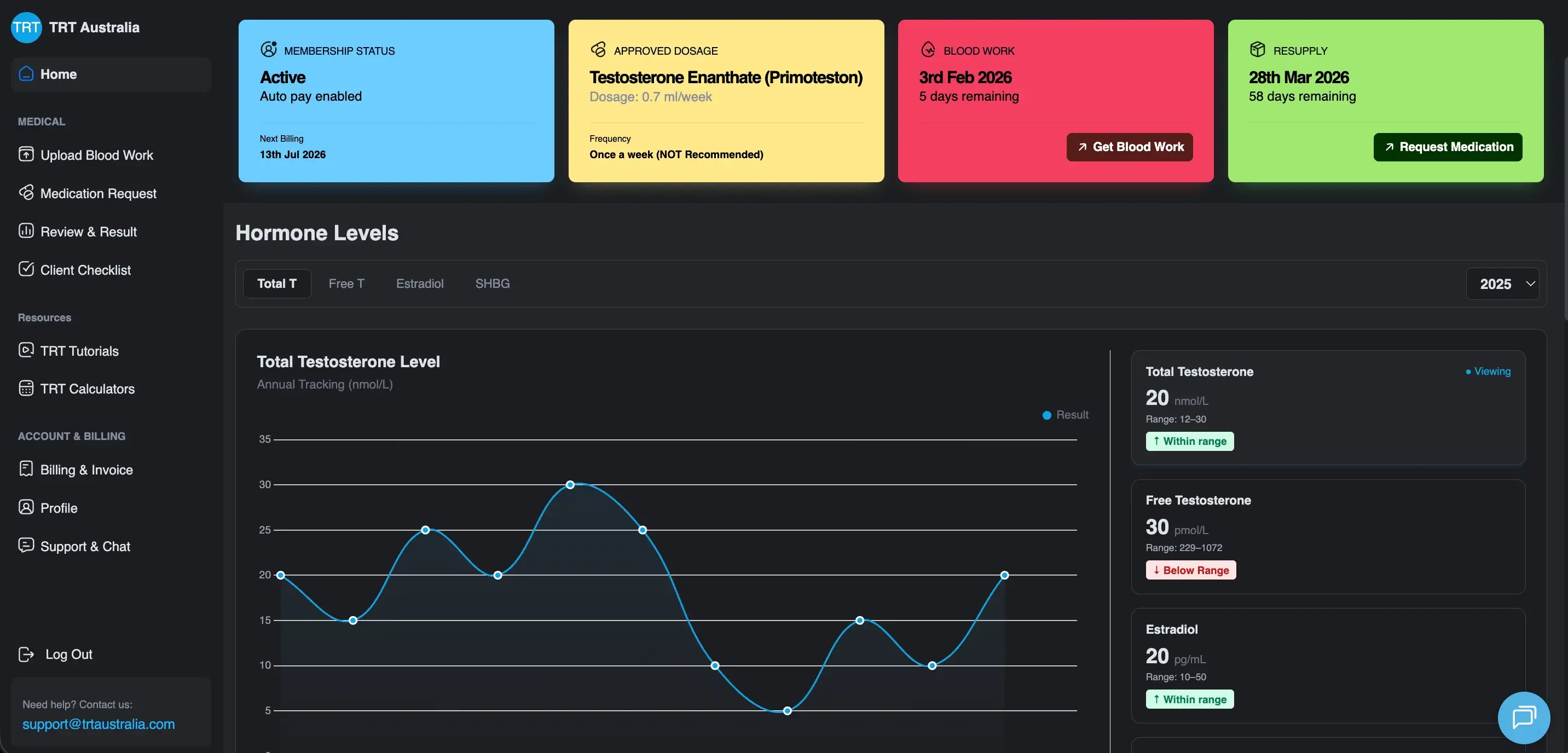
A curated selection of HubSpot implementations and digital marketing campaigns that moved the needle for our clients.
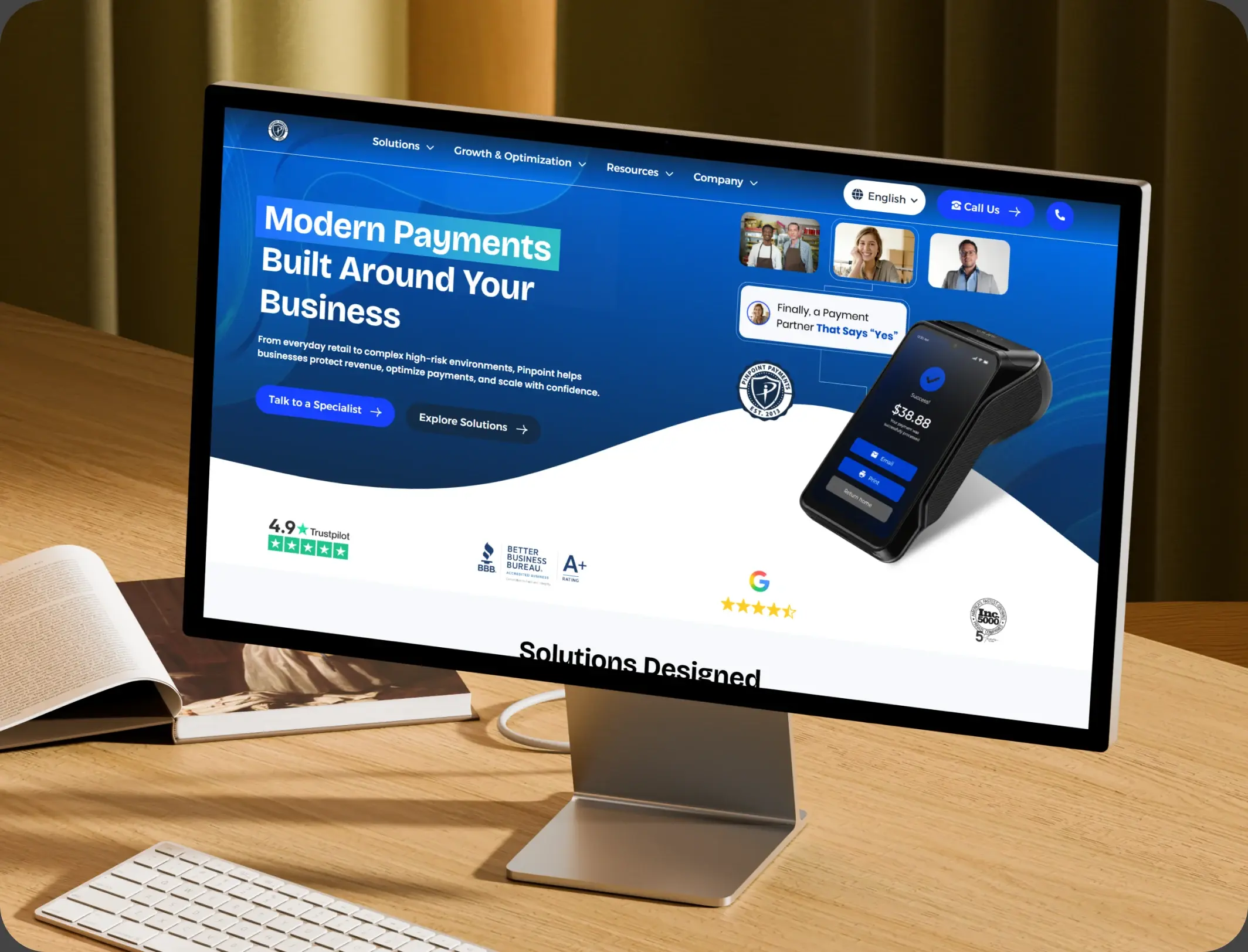
Financial Service
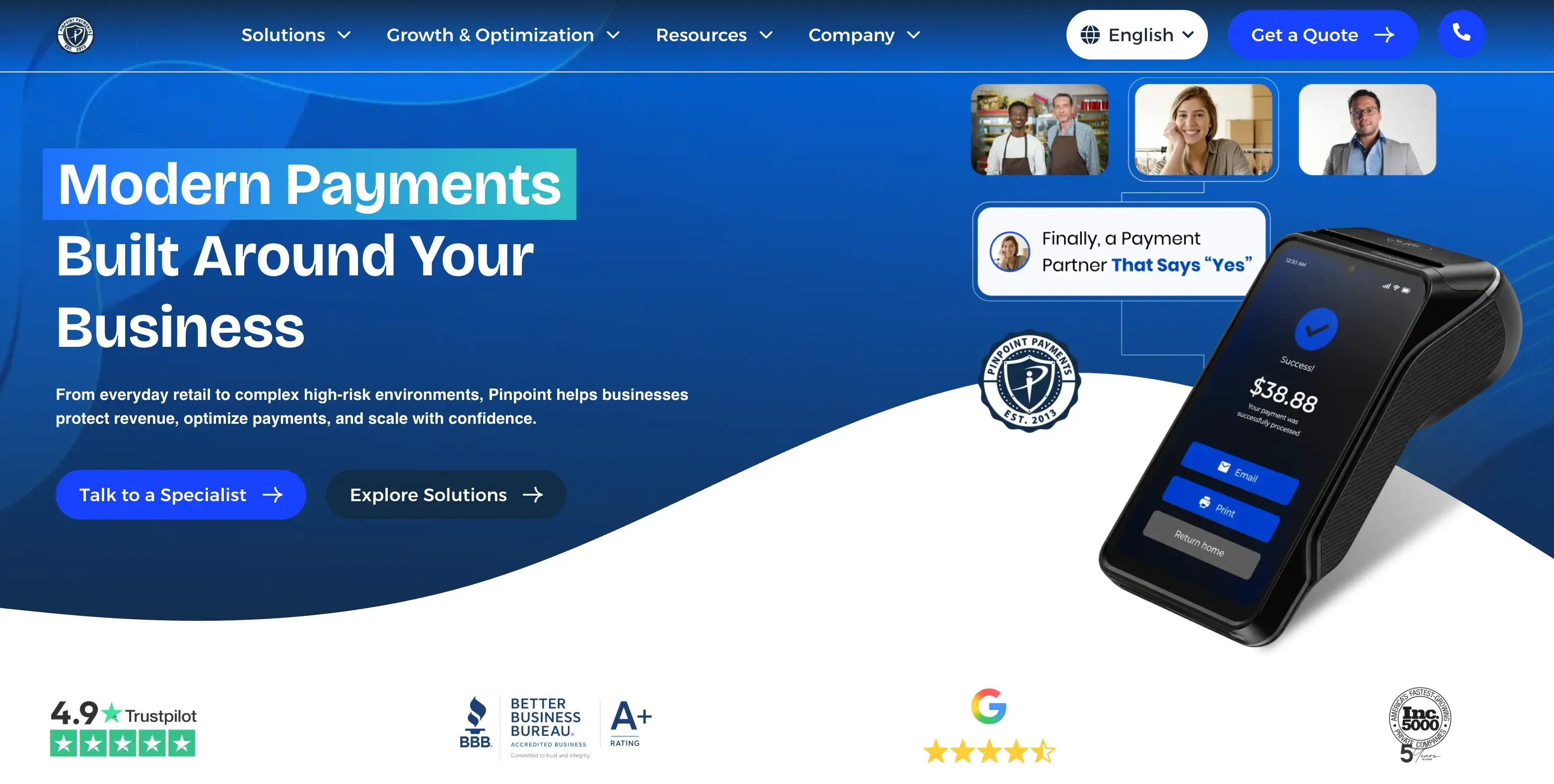
Redesign Pinpoint’s outdated HubSpot website with modern UI, fix responsiveness, optimize SEO/AEO, build a custom blog system, and migrate 100+ posts without data loss for improved performance.
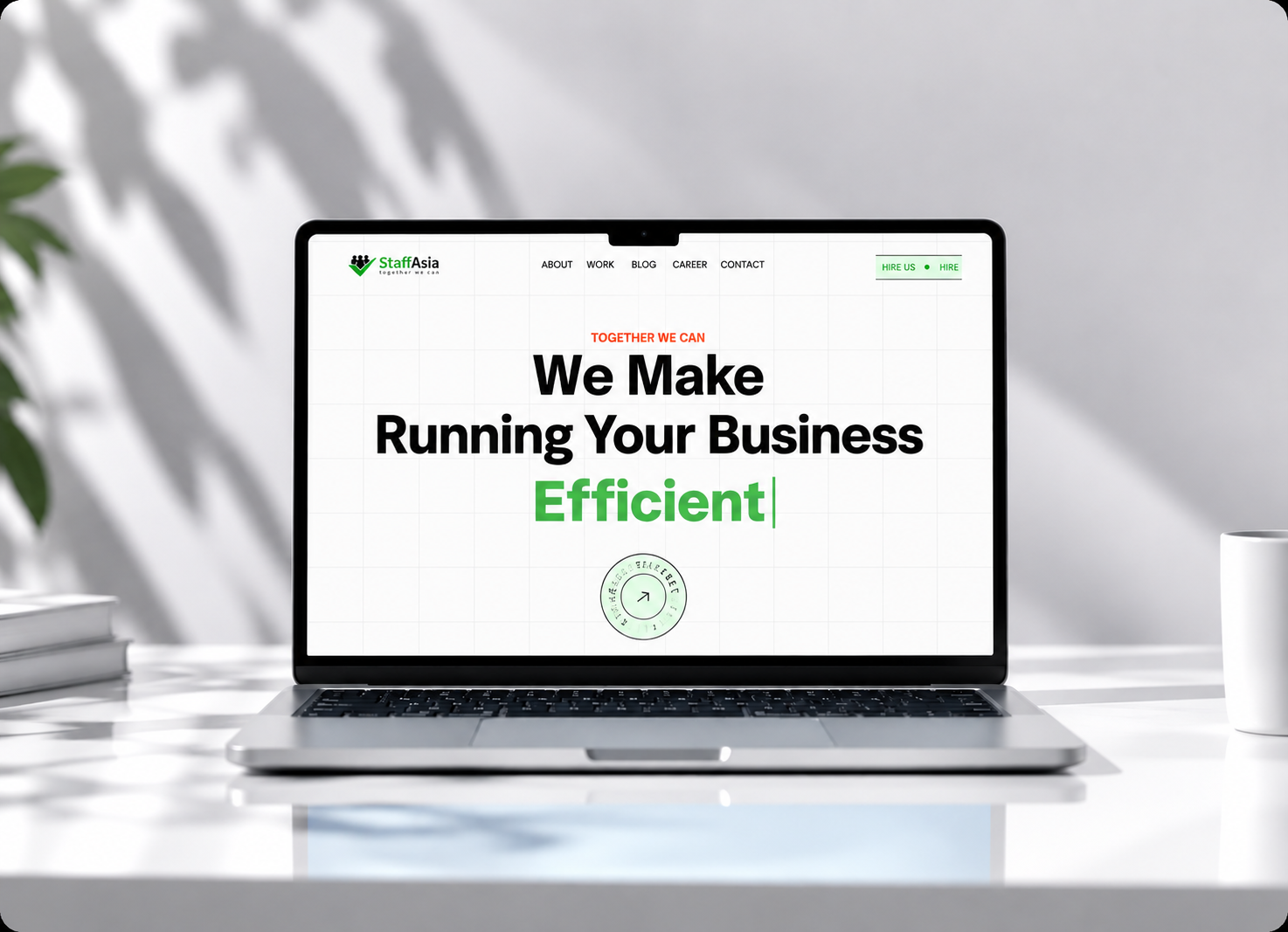
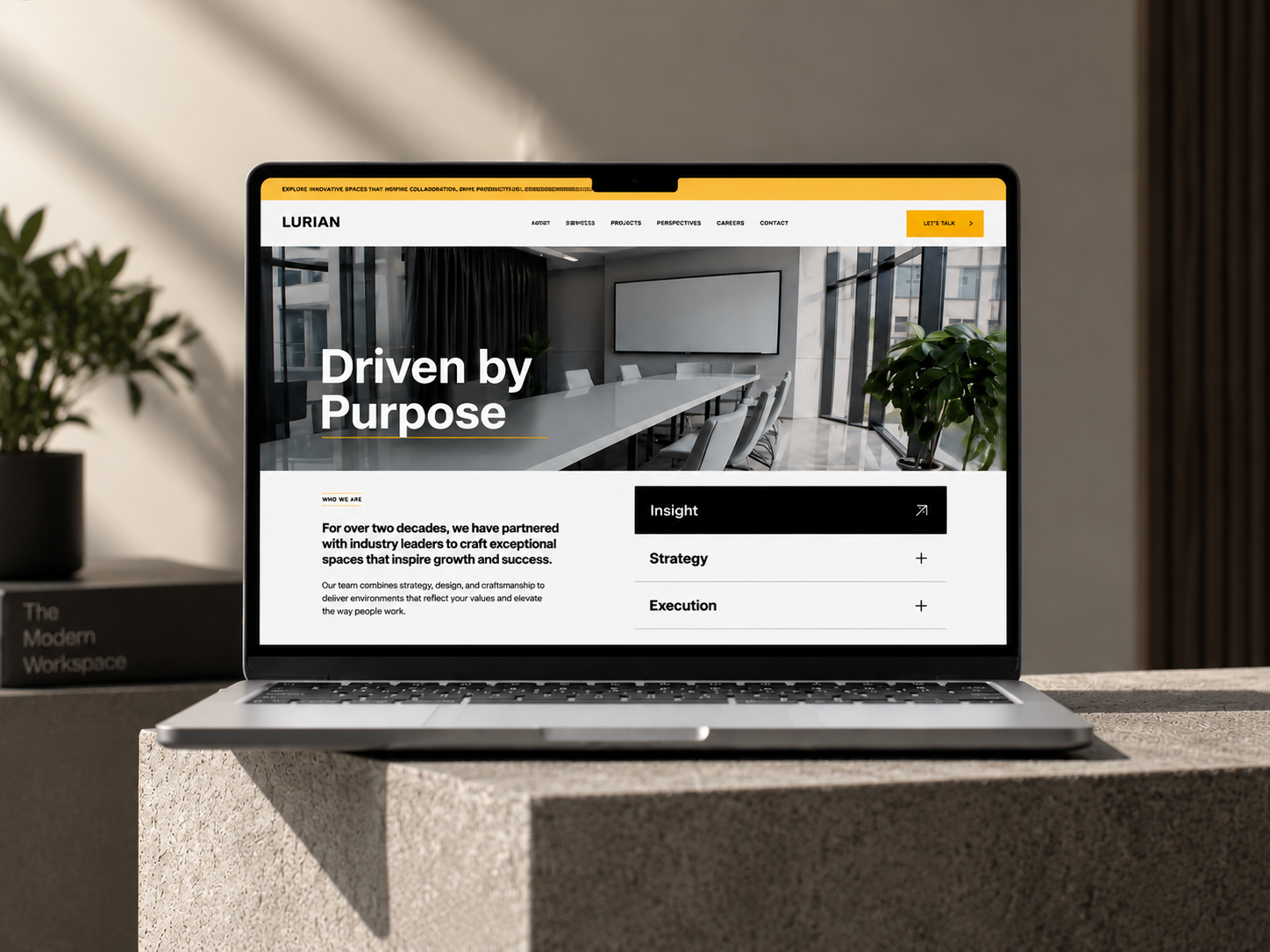
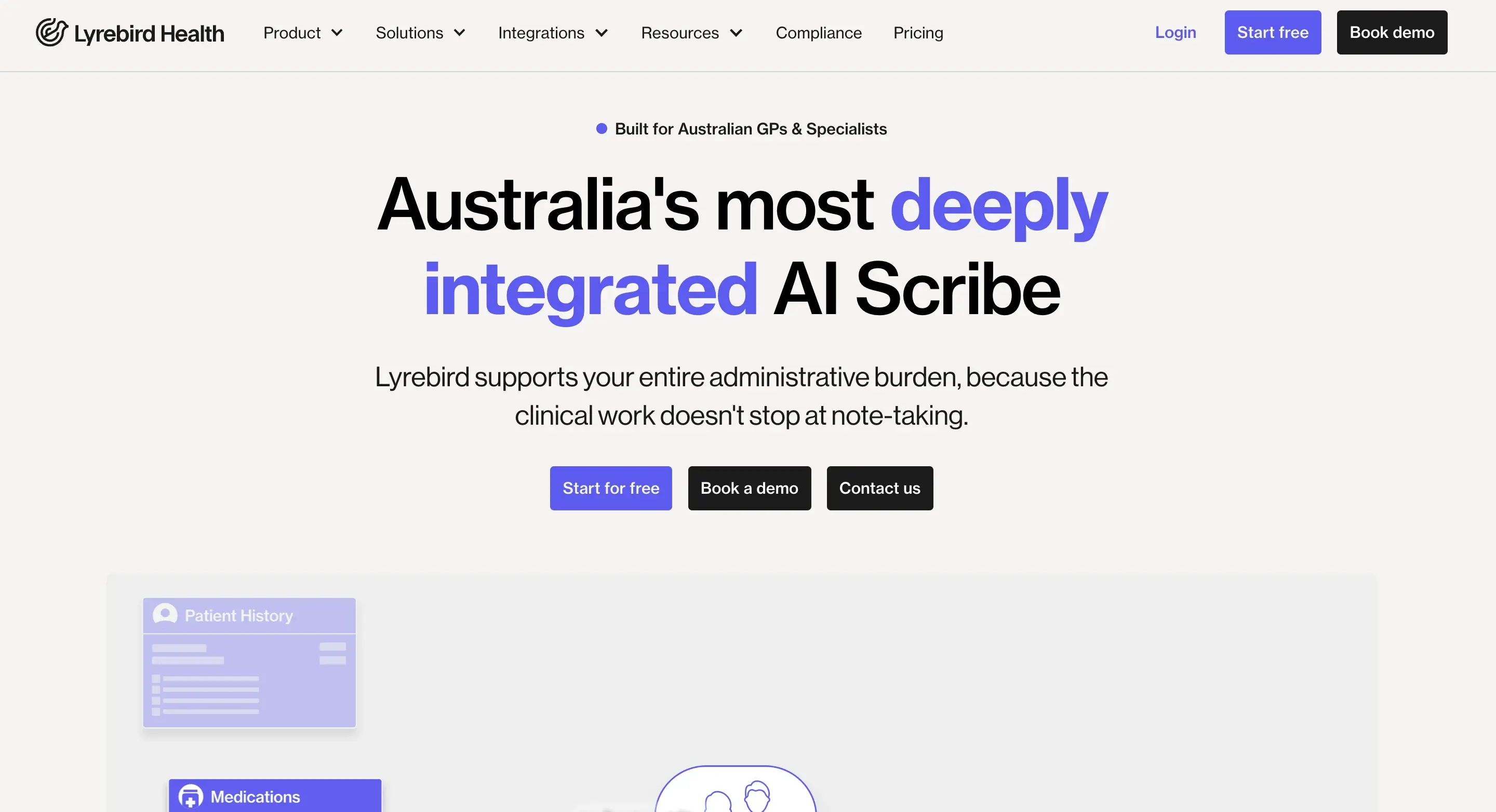
Professional Service
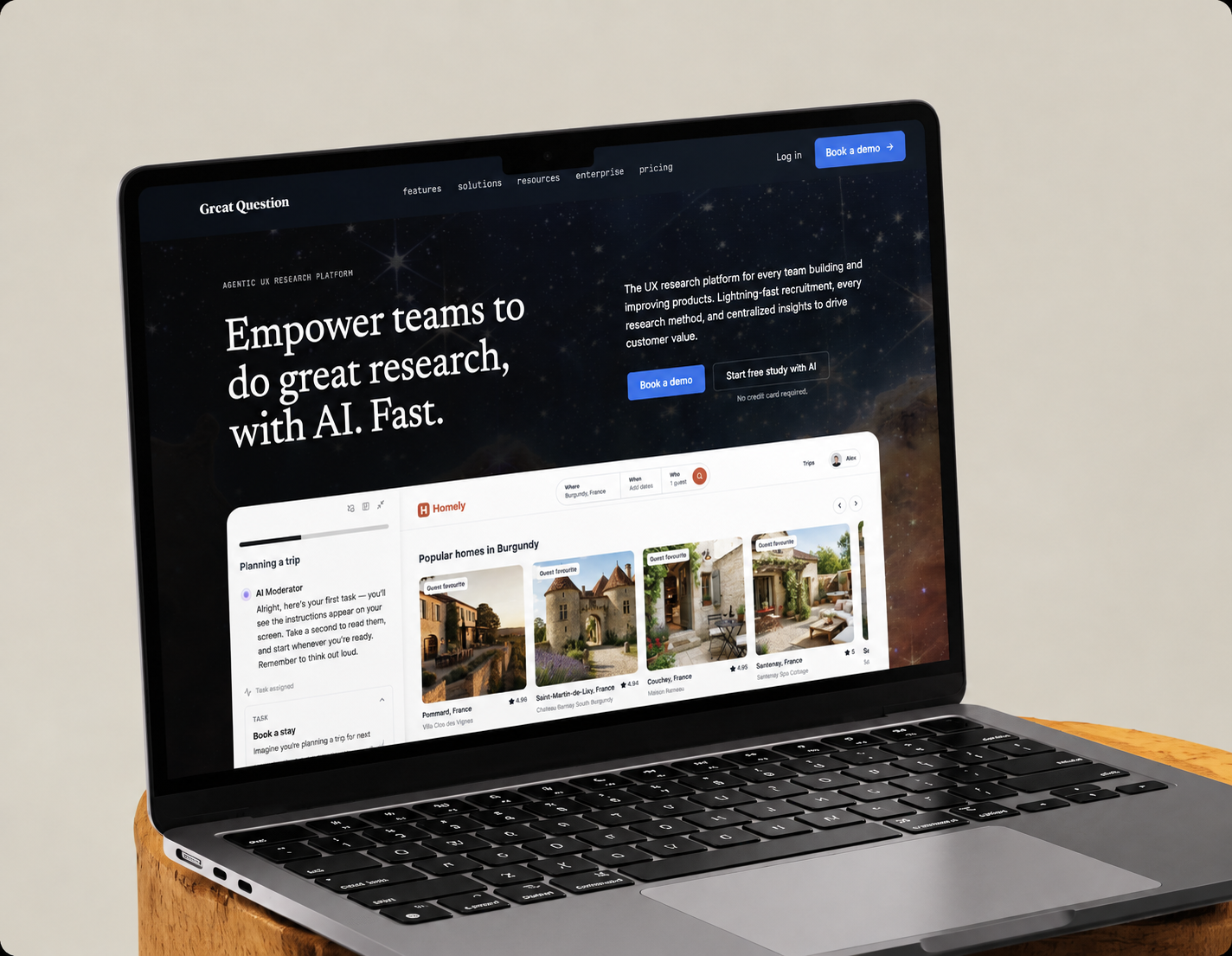
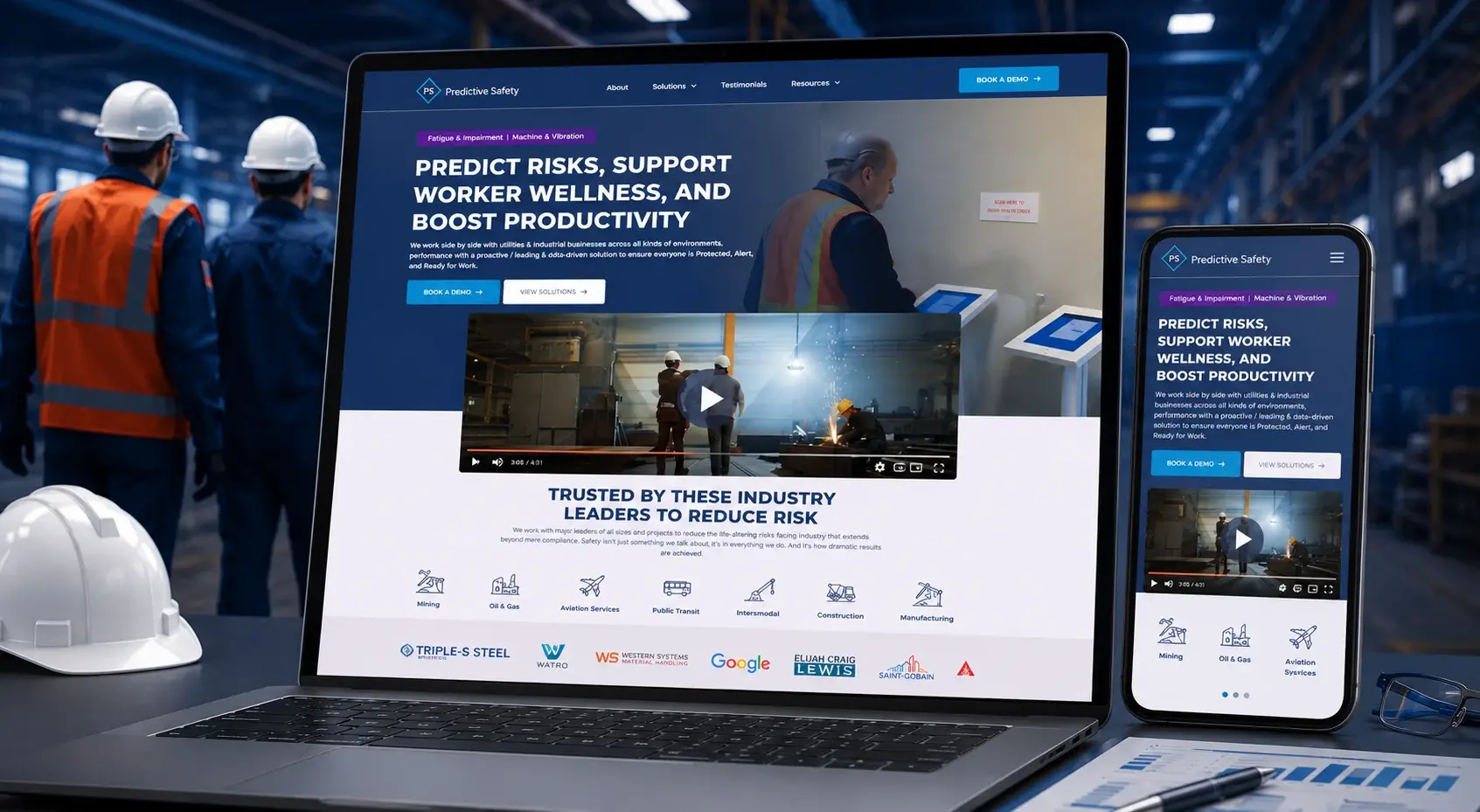
Redesign and rebuild the Predictive Safety website in HubSpot CMS from WordPress.
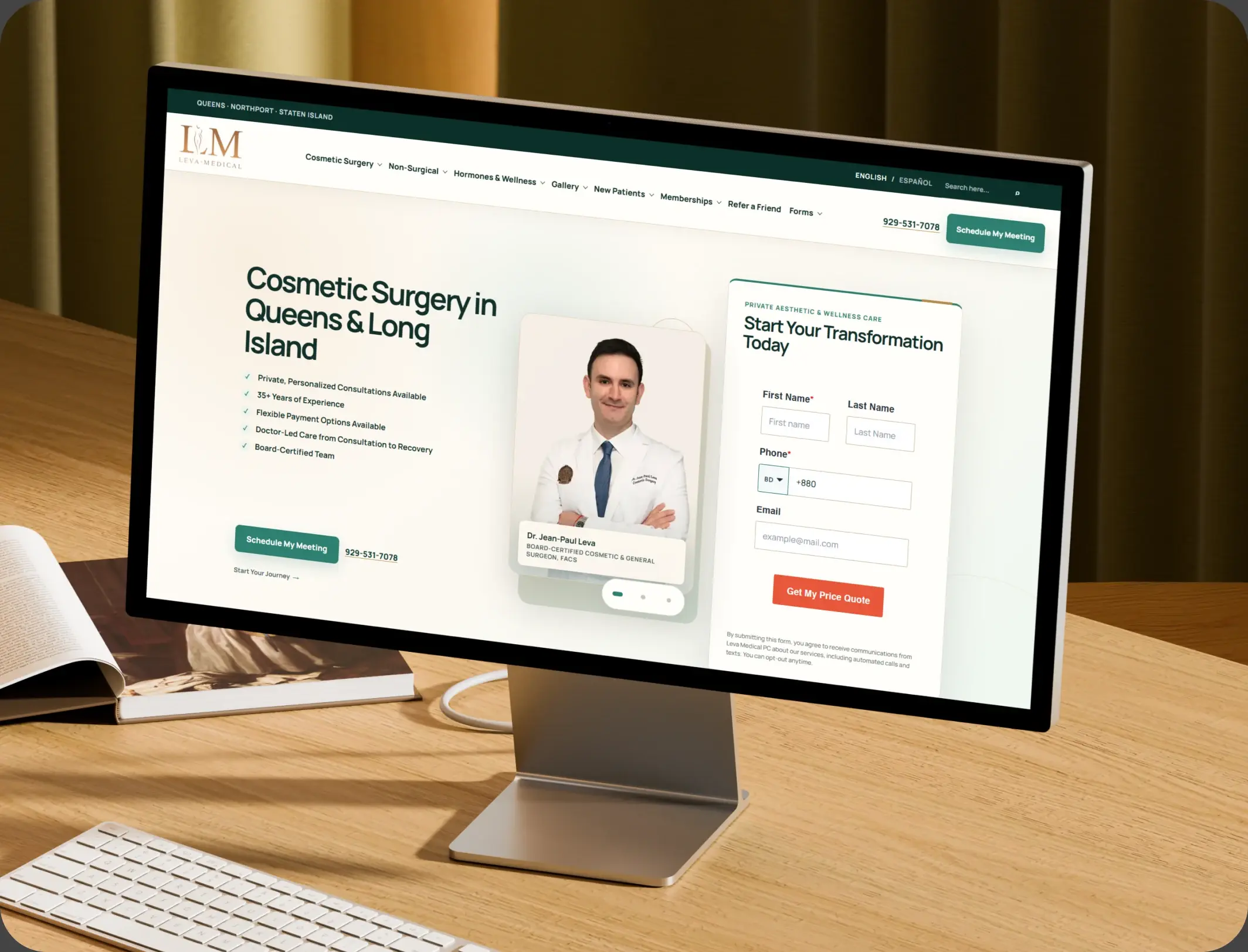
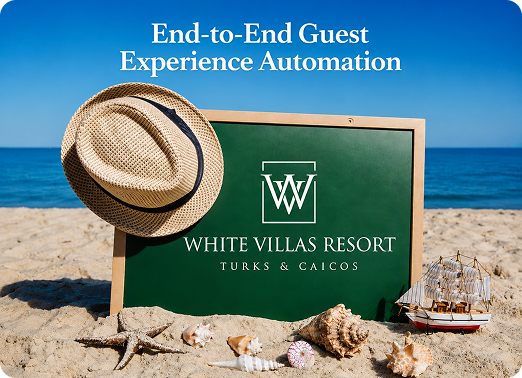
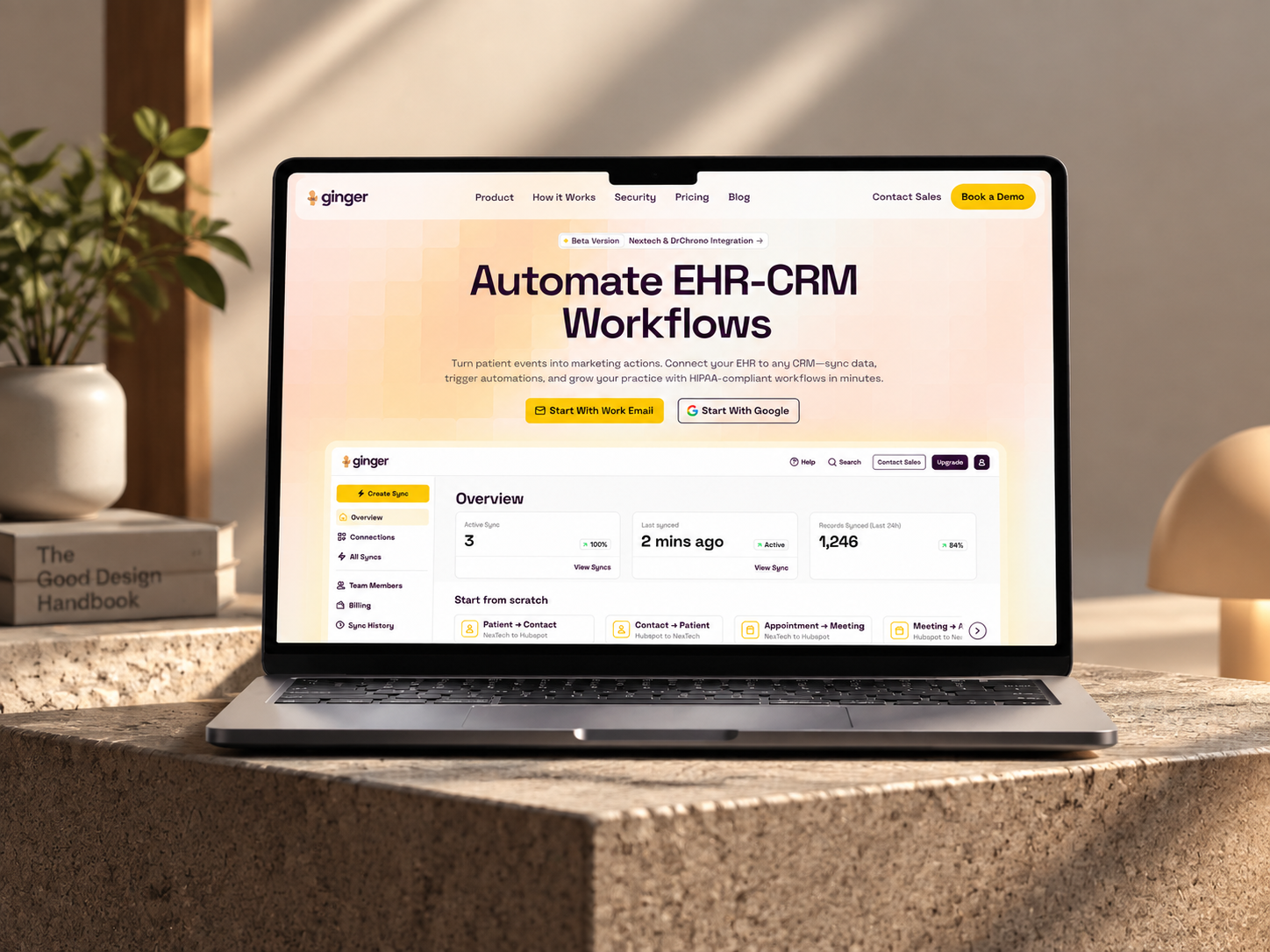
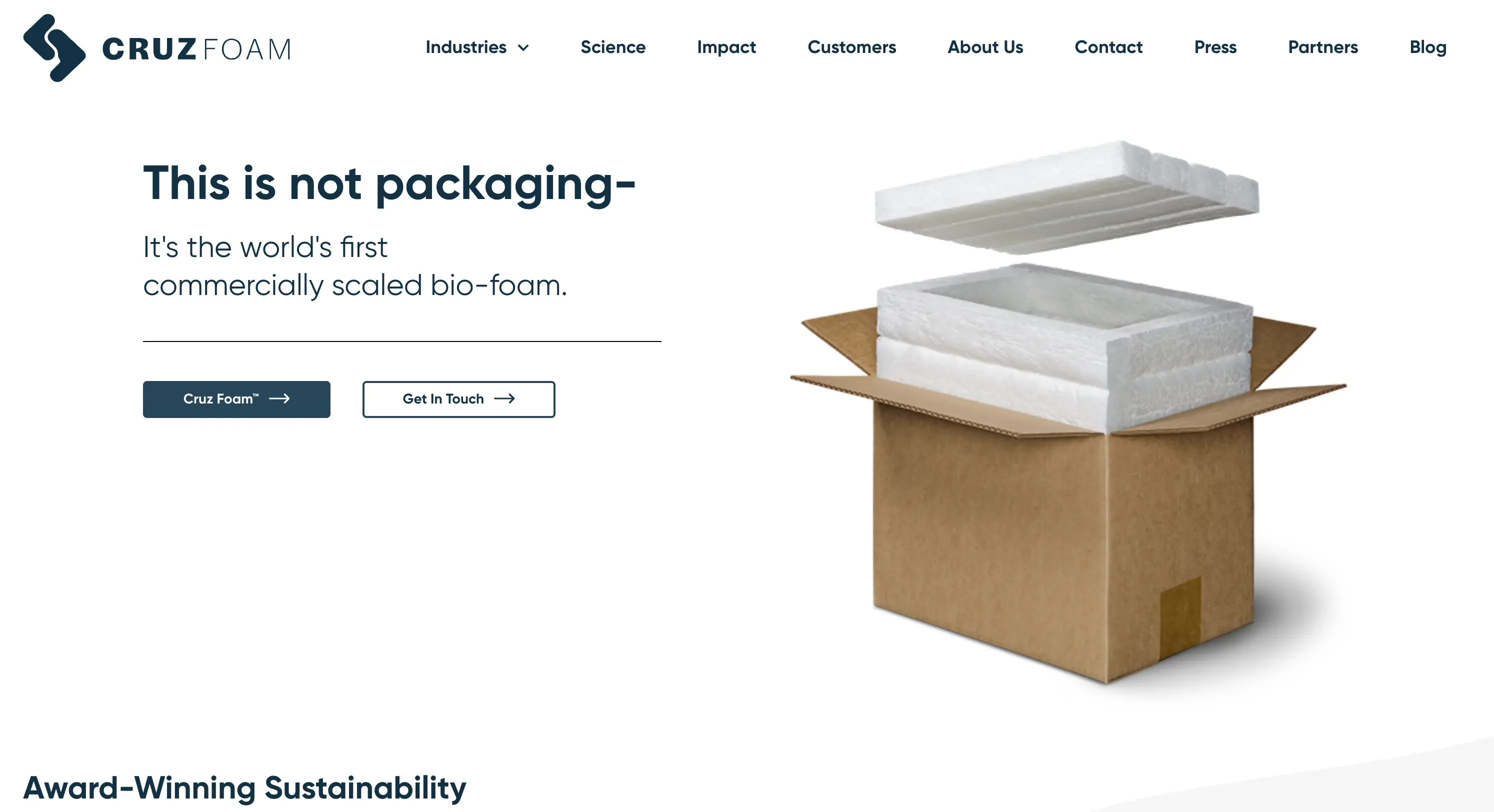
Healthcare
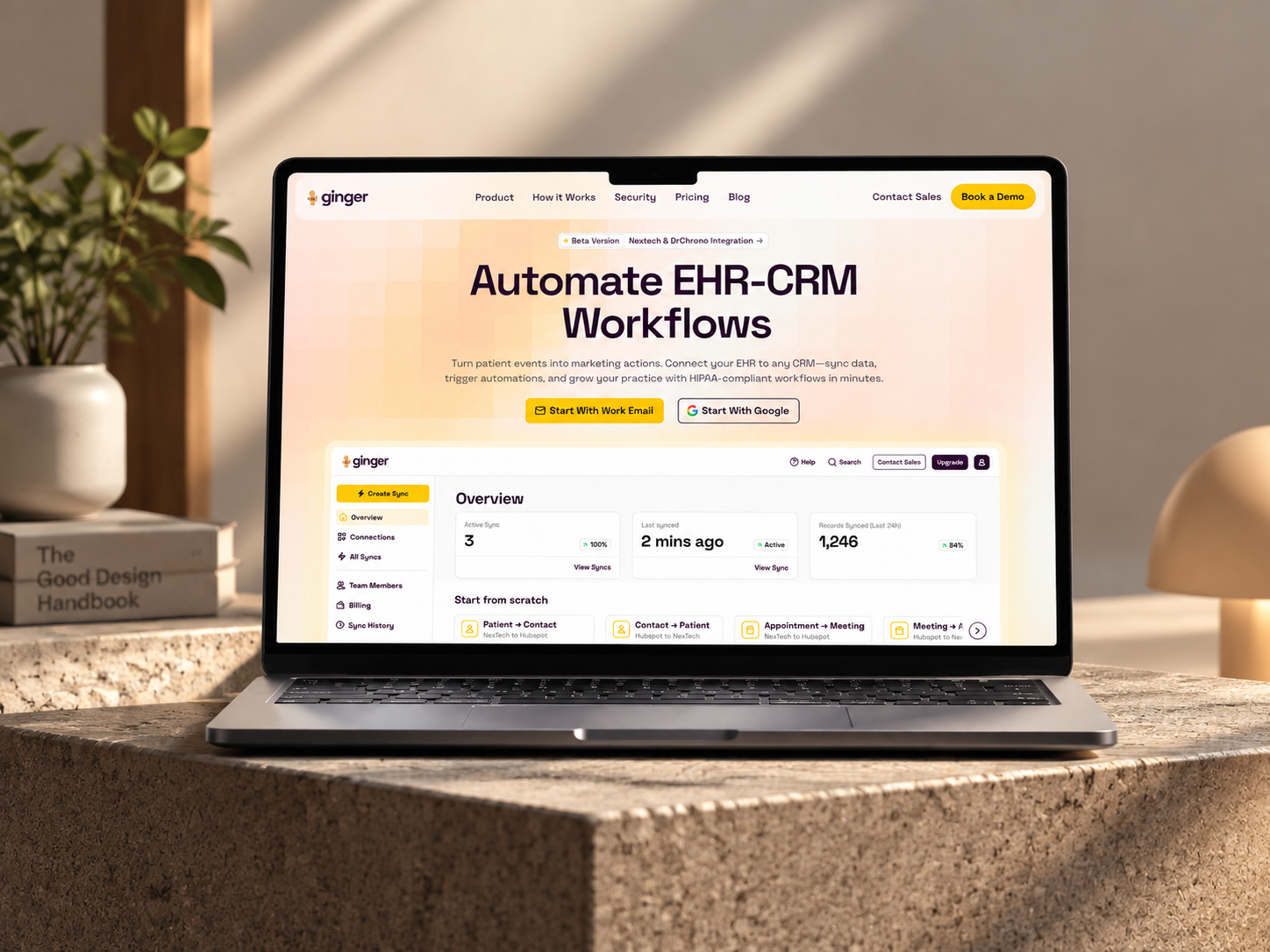
Integrate Nextech EHR software with HubSpot to enable real-time two-way sync and unlock HIPAA-compliant patient lifecycle management.
The client, the portal, and the outcome required, in whatever format you already use. Most partner engagements begin with a client request one step outside strategy.
A fixed scope, a fixed price, and a start date you can put in front of the client. The scope is agreed before the client ever sees a price.
Work happens in the client's portal, tested in a sandbox, with progress visible to you and not to them. The build happens in their portal, not ours.
Documentation and a walkthrough arrive ready for your review call, presented as your work. The handover is the partner's presentation, not ours.
Welcome, nurture, and re-engagement sequences built, tested, and documented. Documentation ships with every engagement. Access is removed when an engagement closes.
Routing rules and scoring models configured to the client's sales process. A surge request is answered inside a day.
Source, campaign, and revenue reporting connected to what the client can actually see.
A portal rebuilt on a clean data model, with duplicates resolved before go-live. A build is tested in a sandbox before go-live. A lifecycle build ships with documentation attached.
A campaign set built on the brand system, ready for the client's next launch.
Workflows audited, performance reported, and the next quarter scoped. Partner reviews run monthly.
Upcoming client launches are logged, so slots are reserved before the crunch. Capacity slots are reserved from the launch forecast.
Certified expertise you can put in front of a client, on your paper.
Every deliverable carries your brand, your templates, and your tone.
The people doing the work have run portals before, not trainees learning on your account.
Quoted in advance, so your margin is known before you sell the work.
API work, integrations, and custom objects handled without a third party.
Delivery against commitment, visible to you every month. It also keeps the delivery record your clients never see.
A fractional CMO sits between a client and a build partner, and that position only works if the partner is invisible and careful. The work is separation: client data stays inside the client's own portal, access is scoped to the engagement, and nothing is reused between accounts.
Not every engagement needs every hub, and most start with Sales before adding Marketing.
Campaigns, nurture, and lifecycle automation built to the client's plan. Lifecycle work runs on the same record as the campaign. Lifecycle work is where a strategist's plan becomes visible.
Pipelines, sequences, and forecasting configured around how the client sells. Lifecycle work is where a strategist's plan becomes visible. Sales setup is usually the first request a client makes.
Ticket routing and knowledge base setup for the post-sale experience. Most engagements start with Sales, then extend into Marketing. Post-sale setup is where most portals are weakest.
Website and landing page builds on the brand system, ready to publish. Page builds arrive ready to publish. Every hub is delivered under your brand. Post-sale configuration is the part clients cannot do themselves.
Data sync, deduplication, and custom properties that keep the portal clean. Data hygiene is what keeps a portal usable after a year.
You sell the strategy and own the client relationship. We do the build inside the client's portal, under your brand, at a fixed price agreed in advance.
No. Deliverables carry your brand and your templates, the walkthrough is delivered by you, and documentation is written to your standard. Some partners disclose the arrangement and others do not, and both are fine, because the decision stays with you.
Most partners run four to six engagements at once on a standing capacity slot, with a forecast for launches. Surge support is available when two clients go live in the same month, which is the situation that breaks a solo operator.
Every build is tested in a sandbox before it touches the live portal, and defects caught in testing are fixed at our cost. Documentation is written so the client's own team, or the next partner, can maintain the work without reverse engineering it.
Fixed price per scope, agreed before you quote the client, so your margin is known rather than discovered. A monthly capacity slot is available if the volume is steady, and it is priced below per-project rates.
Yes, with scoped access granted by the client and a signed confidentiality agreement before any access is given. Access is removed at close, and nothing from one client's portal is reused in another.
Yes. Custom objects, API integrations, and data sync are handled by an in-house development team, which means a technical request does not become a subcontractor chain you have to manage, and it stays inside the HubSpot Implementation Partner for Fractional CMOs arrangement you already agreed.
Most start inside a week of a signed scope, and a launch with a fixed date can reserve a slot earlier.
Ready to Take the Sixth Client?
A client just asked for a lifecycle campaign, the portal migration is still half done, and next week is already full of strategy sessions. We build it, you present it, and your name stays on it. That is the whole arrangement. No generic setup, and no build hours on your calendar. The first engagement is priced before you quote it.