



























HubSpot Growth Delivery Partner: Commission Pay, No Retainer Fees

Most agencies are paid whether the work moves anything or not. HubXpert works as a HubSpot growth delivery partner, tying compensation to growth you can measure, so the incentive sits inside the commercial arrangement, not the proposal. The metric is agreed in writing and the baseline comes from your systems.

hands arranging a bar chart printout beside a red folder

Teams that leveled up their growth with HubXpert

Company logo (3)
Company logo (2)-1
Company logo (1)-1
Company logo-1
Icon Group 1-1
Company logo (4)-1
Company logo (3)
Company logo (2)-1
Company logo (1)-1
Company logo-1
Icon Group 1-1
Company logo (4)-1
The Reason

Why a Commission-Based Growth Partner Is Different

A flat fee is paid regardless of outcome. A commission structure only pays out when growth happens, which changes what the partner is motivated to build. Choosing a commission based growth partner is therefore a decision about incentives before it is a decision about services.

Flat Fees Do Not Guarantee Results

A retainer buys activity, and activity is easy to deliver without moving a number that matters to the board. Activity is easy to invoice and hard to defend.

Retainers Reward the Wrong Thing

The safest project for a fee-based agency is the one that keeps the client happy without changing the forecast.

Attribution Makes Growth Argueable

Two teams can look at the same quarter and disagree, which is why the metric has to be agreed before any work starts.

Marketing Is Judged on Pipeline

The budget conversation moved from leads to revenue, and the reporting most agencies deliver never followed.

The Wrong Projects Get Funded

Whatever the last pitch promised gets built, rather than the work that produces closed revenue fastest. A fee that ignores the outcome rewards the safest work.

Attribution Ignores the Incentive

A quarter that beat target gets explained by market conditions rather than by the work that produced it.

Benefits

Key Benefits of a HubSpot Growth Delivery Partner Model

HubXpert covers five areas where an incentive-aligned partner changes the outcome.

Agree the Metric First

Define what growth means before anything is built. A documented model survives the people who built it.

  • Metric definition

    Pipeline, revenue, or margin.

  • Baseline capture

    Twelve months of history.

  • Attribution rules

    Written and signed off.

  • Report agreement

    One number, both sides.

Built for shared reporting.

A careful setup with role-based access.

  • 4x More deals closed with a partner
  • 129% More inbound leads
  • 36% More deals closed
Case Studies

Our Featured Works

A curated selection of HubSpot implementations and digital marketing campaigns that moved the needle for our clients.

Financial Service

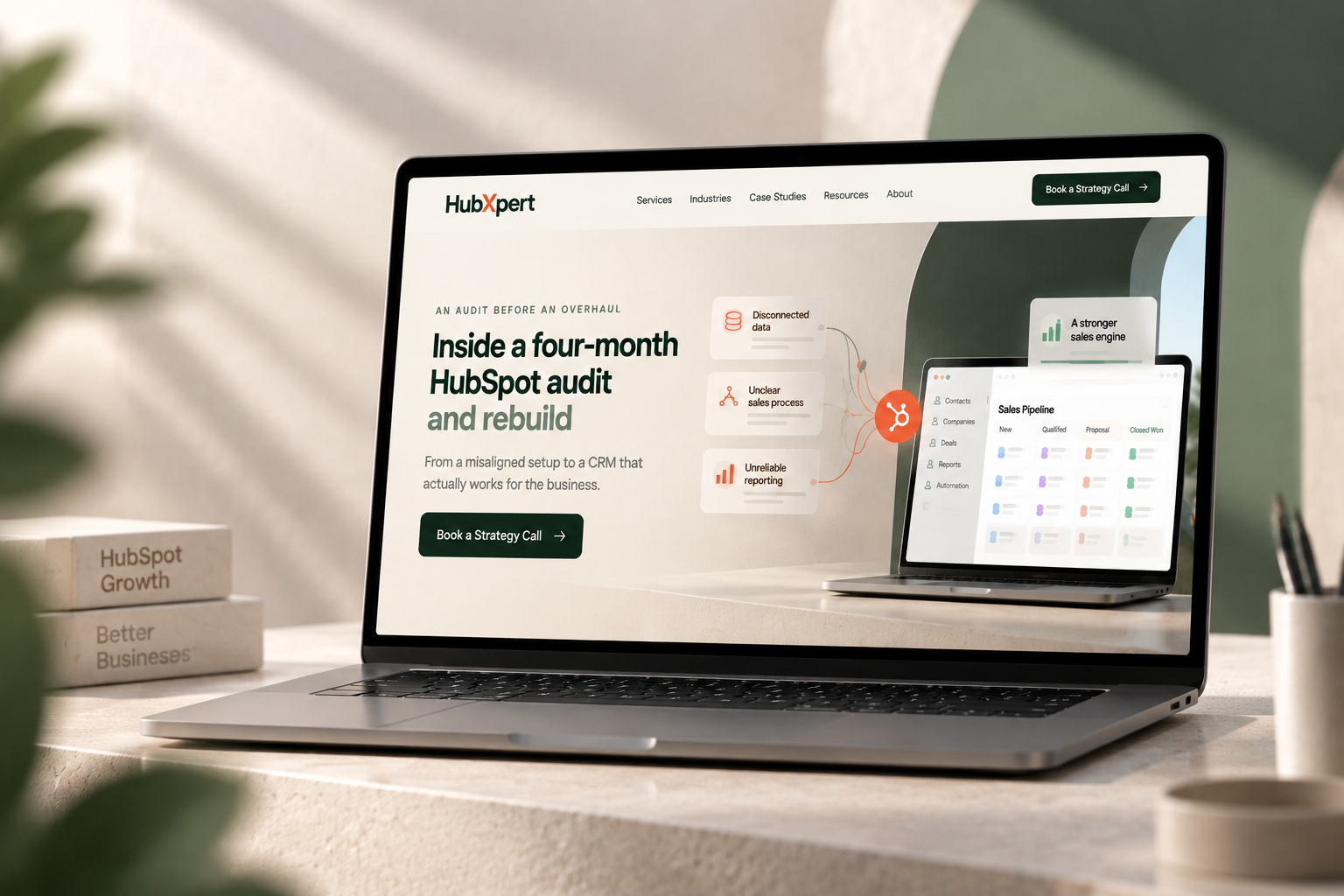
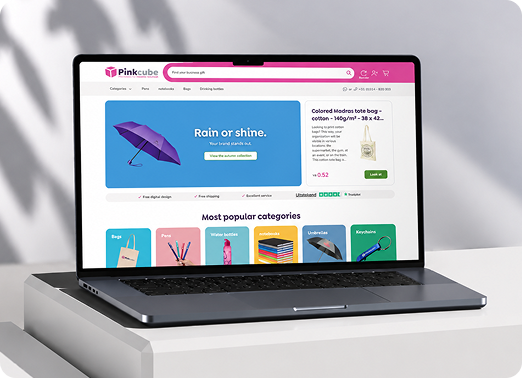
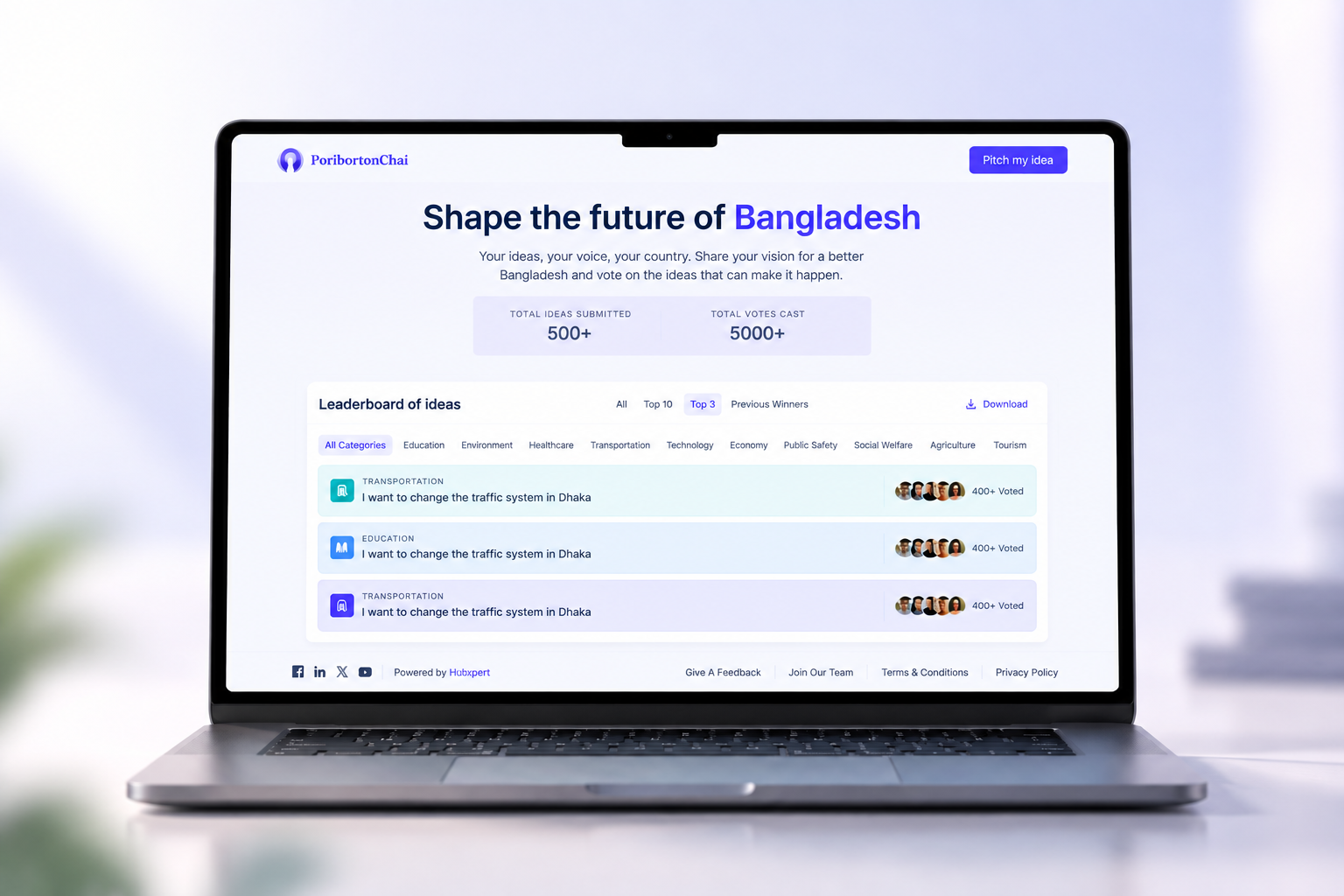
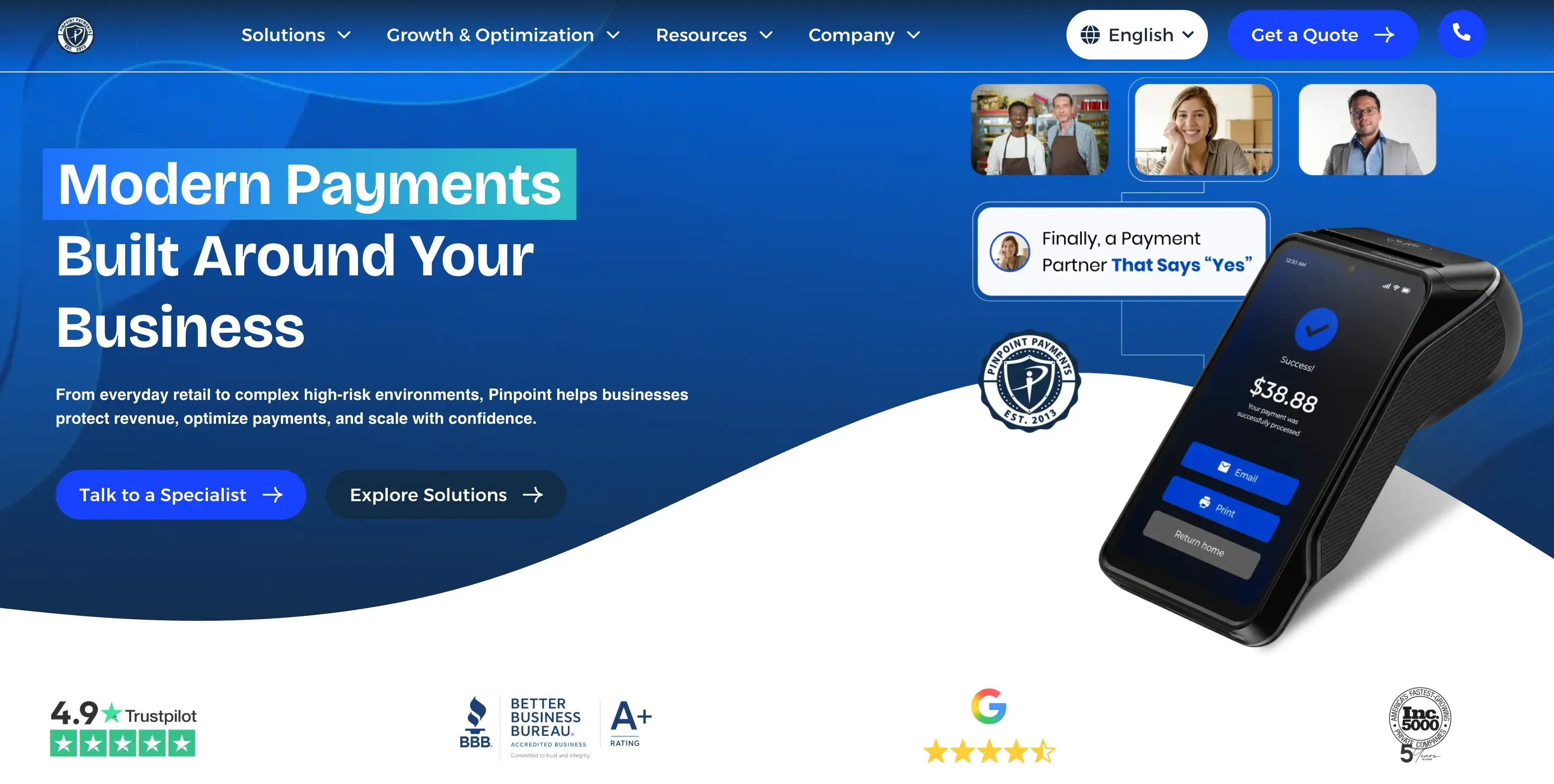
HubSpot – Website Redesign & SEO Upgrade for Pinpoint Payments

Redesign Pinpoint’s outdated HubSpot website with modern UI, fix responsiveness, optimize SEO/AEO, build a custom blog system, and migrate 100+ posts without data loss for improved performance.

Pinpoint Payments
Pinpoint Payments – HubSpot – Website Redesign & SEO Upgrade for Pinpoint Payments

Professional Service

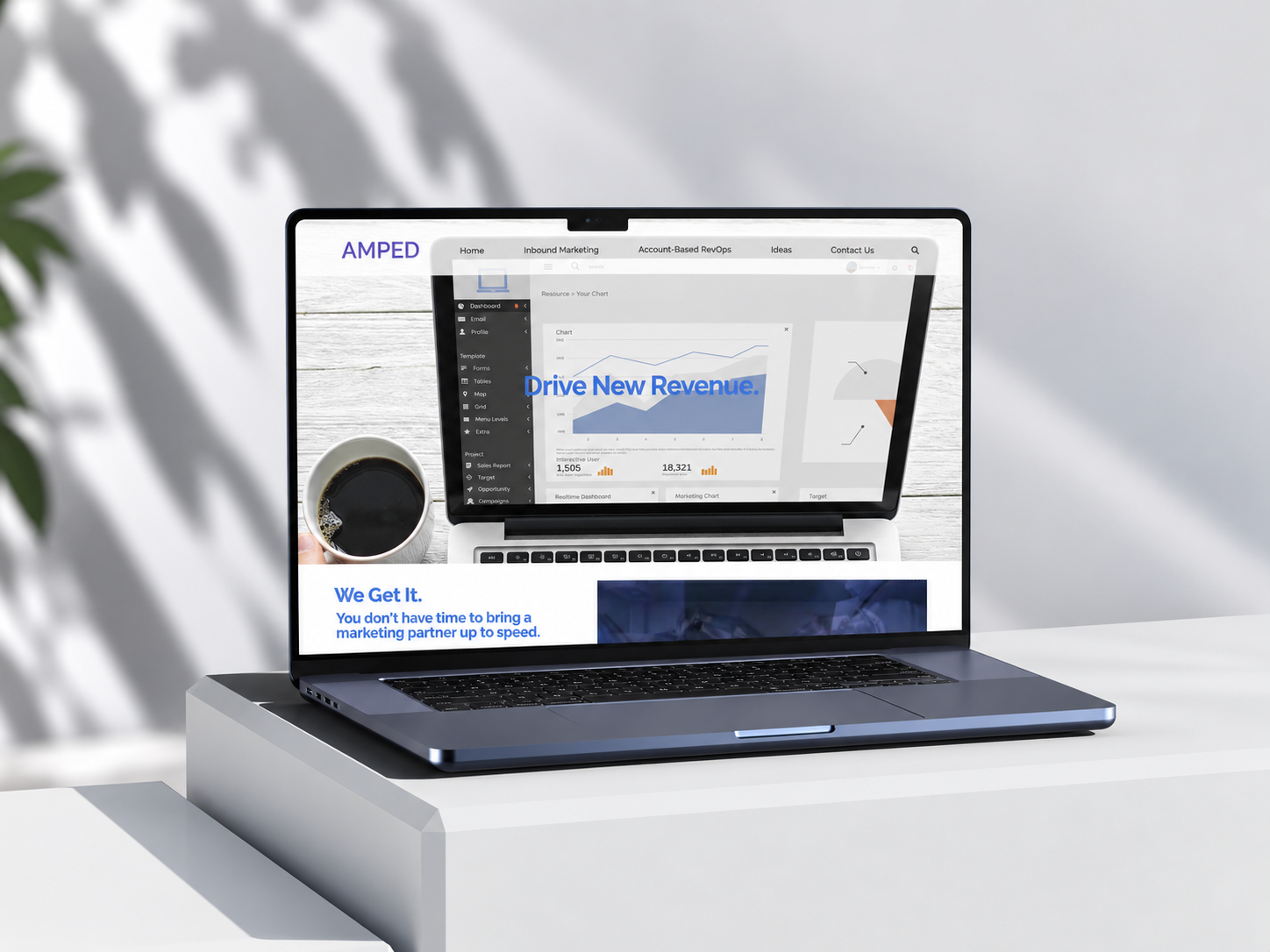
Website Redesign and Migration for Worker Safety Software Provider

Redesign and rebuild the Predictive Safety website in HubSpot CMS from WordPress.

Predictive Safety
Predictive Safety – Website Redesign and Migration for Worker Safety Software Provider

Healthcare

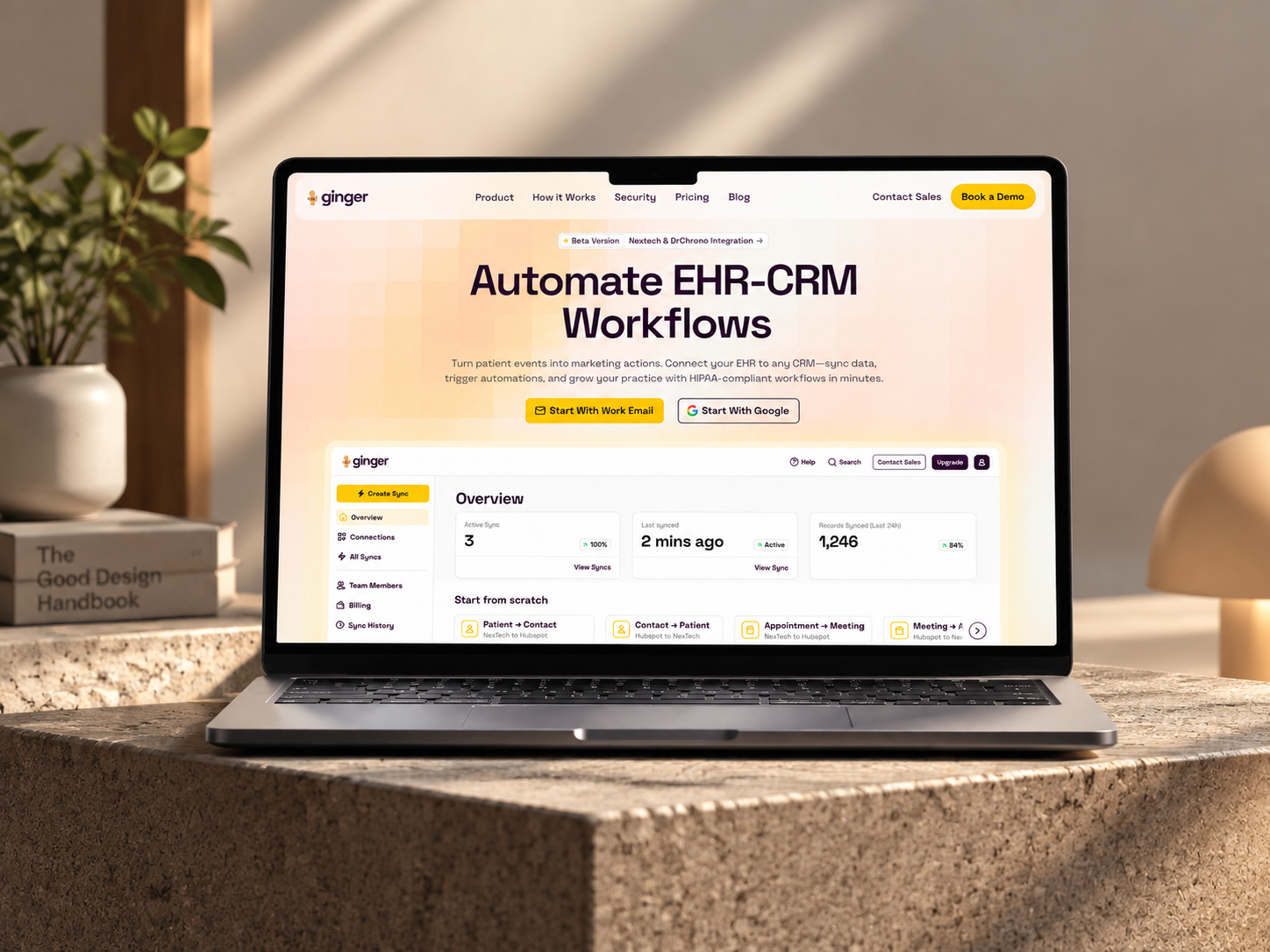
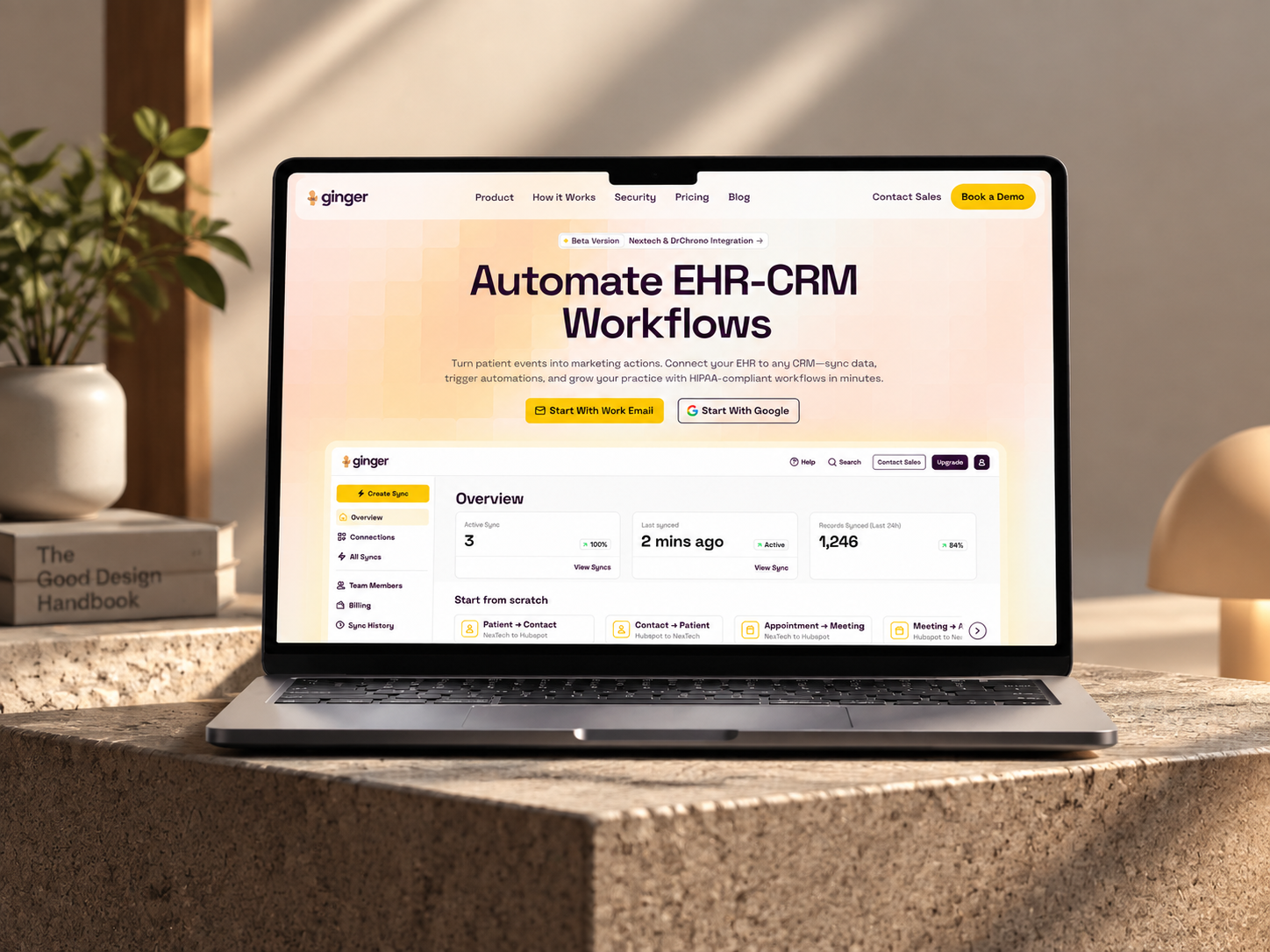
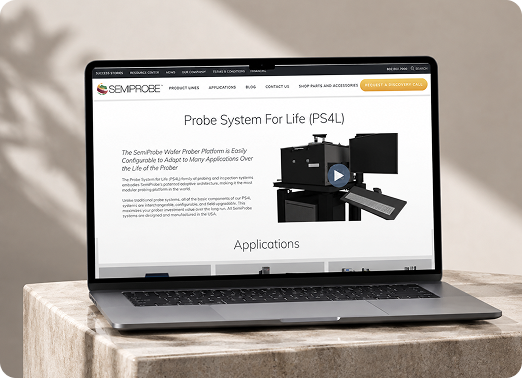
NexTech, EHR Integration for a Healthcare Provider.

Integrate Nextech EHR software with HubSpot to enable real-time two-way sync and unlock HIPAA-compliant patient lifecycle management.

Leva Medical
Leva Medical – NexTech, EHR Integration for a Healthcare Provider.
HubSpot Usage

How the Growth Partnership Runs

Step 1

Set the Baseline

Twelve months of pipeline, revenue, and cost, agreed by both sides before any work begins. Most engagements begin with a number nobody can currently defend.

Step 2

Agree the Metric

What counts as growth, how it is attributed, and how it is measured each quarter.

Step 3

Build and Report

The highest-impact work ships first, and the monthly pack shows what it produced. The baseline is agreed before the first campaign runs. The monthly pack is the product as much as the work.

Step 4

True Up and Renew

The quarter is reconciled against the metric, and the next quarter is scoped from what worked. The metric is measured from systems you already own.

Workflow & Triggers

Example Growth Workflows We Build

These are the systems we put in place as a HubSpot growth delivery partner, tuned to an arrangement where the fee depends on a number both sides trust. A baseline is locked and signed before launch.

two men shaking hands across a table at a client meeting
  1. Baseline Lock

    The starting pipeline and revenue figures are recorded and signed off before launch.

  2. Attribution Rules

    Source, campaign, and stage definitions are documented so a deal can be traced to its origin.

  3. Monthly Growth Pack

    Pipeline, revenue, cost per opportunity, and commentary in a fixed shape. Attribution rules are written down and not assumed.

  4. Underperformance Alert

    A month tracking below baseline raises a review before the quarter closes. A month tracking below baseline raises a review immediately.

  5. Quarterly True-Up

    The commission figure is calculated from the model, with the working shown. The true-up shows the working, line by line, every quarter. A forecast is published with a confidence range attached.

  6. Work Prioritisation

    Backlog items are ranked by expected impact, and the weakest are stopped rather than reported. Weak backlog items are stopped rather than reported as progress.

  7. Renewal Review

    Ninety days out, the results and the case for the next term are assembled. Renewal packs assemble ninety days before the term ends.

Why HubXpert

Why Choose HubXpert as a Growth Partner?

Companies come to us because they have paid for activity before and cannot point at what it produced. An incentive-aligned HubSpot Growth Delivery Partner arrangement changes that conversation on both sides. It also documents the model so both sides can audit it.

HubSpot Platinum Partner

Certified platform expertise, with a track record across revenue operations and demand programs.

Commission-Aligned Fees

The fee follows the metric, with the model written down.

Senior Delivery Team

The people building the work have run the systems before.

In-House Development

Integrations, custom objects, and reporting built without a subcontractor chain.

Transparent Reporting

The same pack every month, with the working visible. The metric is agreed before any build starts.

Clear Exit Terms

If the growth does not arrive, the arrangement ends without a fight.

Compliance

Data and Reporting Rules in a Shared-Risk Model

A commission arrangement depends on a number both sides accept, which makes the data handling part of the commercial agreement. Customer data stays where it lives, every figure in the pack traces to source, and the model is documented so an accountant can reproduce it. The method is written down. Every figure traces to source.


  • Documented Method
  • Traceable Figures
  • Role-Based Access
  • Retention and Audit
Secure data lock
HubSpot Hubs

HubSpot Hubs Used in a Growth Engagement

Not every engagement needs every hub, and most start with Sales before adding Marketing.

  • Sales Hub

    The pipeline the metric is measured on, configured before anything else is built. Here is how each one lines up with an arrangement where the fee depends on a pipeline somebody else can audit.

  • Marketing Hub

    Demand programs, carrying the source data attribution depends on. Source data is the input the model depends on. Documentation belongs somewhere an auditor can find it.

  • Service Hub

    Post-sale signals that show whether pipeline became revenue. Post-sale data proves whether pipeline became revenue. A pipeline configured properly is what makes a commission figure arguable at all.

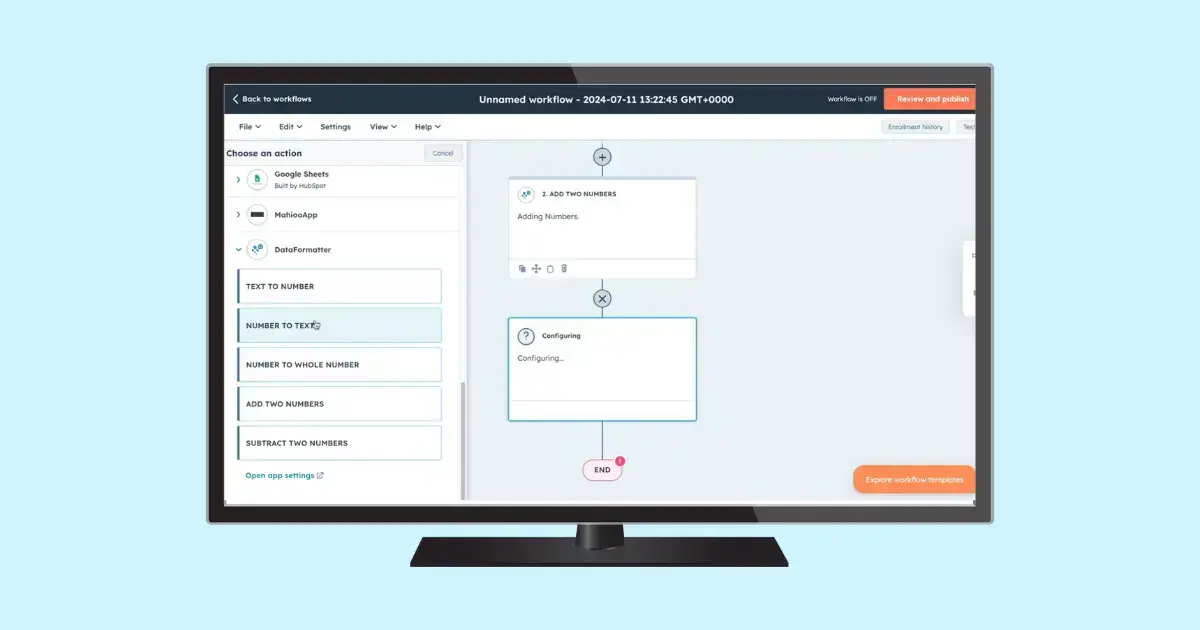
  • Operations Hub

    Data sync and calculated properties, so the numbers reconcile every month. Calculated properties keep the numbers reconcilable. Every hub is configured to your definitions.

  • Content Hub

    Where the metric definition and methodology are documented for both sides and any auditor. Most engagements start with Sales, because that is where the metric lives.

Our Process

Our Process for a Growth Partnership

Step 1.

Baseline and Feasibility

We look at twelve months of history and say honestly what growth is realistic in the first two quarters. It also sets the expectations the board will hold you to.
Baseline and Feasibility illustration
Step 2.

Metric and Model Design

The growth definition, attribution rules, and commission model are agreed in writing. A written model protects both sides.
Metric and Model Design illustration
Step 3.

Build the Foundation

Pipeline, tracking, and reporting are configured before any campaign runs. Foundation before campaigns, every time. The feasibility conversation is where honest expectations get set.
Build the Foundation illustration
Step 4.

Deliver and Report

The highest-impact work ships first, and the monthly pack shows what it produced. The pack is agreed before the first report.
Deliver and Report illustration
Step 5.

True Up and Iterate

Quarterly reconciliation, then the next quarter scoped from evidence rather than enthusiasm. Iteration is evidence-led, not opinion-led.
True Up and Iterate illustration
FAQ

Questions You Might Have

How does a commission-based growth partner work?

A base fee covers the foundation work, and the rest is tied to a growth metric agreed in writing before anything is built. The metric is measured from your own systems, the working is shown every quarter, and both sides can audit how the figure was reached.

What counts as growth?

Whatever you decide it should be: sourced pipeline, closed revenue, or margin on new business. It has to be measurable from systems you already own, and it has to be agreed before the first campaign runs, because a metric chosen after the fact is a metric somebody will dispute.

What if the growth does not happen?

Then the commission does not pay, and the arrangement is reviewed at the quarterly true-up rather than at renewal. The base work is still delivered, but the case for continuing is decided by the number rather than by a slide deck.

How is the baseline set?

Twelve months of pipeline, revenue, and cost, taken from your CRM and finance system rather than from a spreadsheet somebody assembled for the meeting. Both sides sign it off, and it does not move afterwards.

Is this an agency retainer with a different label?

No, and the difference is structural. A retainer pays for activity, while this pays for a measured outcome, which changes what gets built first, what gets stopped, and what gets reported when a month goes badly.

How quickly can results appear?

Most partnerships see pipeline movement inside the first quarter, with revenue following a quarter behind, depending on the sales cycle.

Who owns the work and the data?

You do. Systems, data, documentation, and dashboards remain yours, and the growth delivery model is documented so a future team can run a HubSpot Growth Delivery Partner engagement without us.

Can this work alongside our existing agency?

Sometimes, and it depends on scope. Where the metric is shared, one partner has to own the number, so we usually ask for clarity on who is accountable before signing anything.

Book Consultation

Ready to Tie the Fee to the Result?

A retainer has been paid for eleven months, the activity reports are thick, and nobody can say what the pipeline gained. We set the baseline, agree the metric, and take the risk alongside you. No generic retainer, and no fee for activity. The first quarter is measured against your own baseline.

Takes 30 minutes
Delivered by certified HubSpot experts

Ratul-Rahman