











Attract Charter Demand
Brokers, shows, and search bring enquiries in, with the source recorded at first touch. Most charters arrive through a broker rather than a direct click.
A broker option that sits untracked for three days can cost the charter and the best week of the season on the best yacht. HubSpot helps yacht charter companies manage options before they expire, keep sales, provisioning, and crew on one record, and track every charter from first enquiry to post-charter follow-up.

Teams that leveled up their growth with HubXpert
Brokers place first-refusal holds through email, phone, and central agent platforms, and every option carries its own confirmation deadline.
Itineraries, crew scheduling, and provisioning are handled well. Those systems were never built for nurture, broker relationship management, or showing which channel brings charters that book.
A yacht that charters well in the Mediterranean in July sits idle in the Caribbean in October if the audience is not switched with the season.
Dietary requirements, allergies, and preference sheets turn up days before embarkation, and the crew absorbs the cost of the gap.
A show produces two hundred conversations and no record of which one became a charter, so next year's stand is booked on instinct.
Brokers, shows, and referrals all claim the same charter. Without attribution, brokerage relationships are managed by volume rather than by value.
HubSpot covers five areas where a charter operator confirms more bookings without losing options.
Web, broker and show leads land in one queue.
Brokers send the same request to three operators.
The first reply goes out in minutes.
Call notes, broker emails.
Yacht, week, broker, and expiry date on one line.
A task appears before any hold lapses.
See when two brokers hold the same week.
Follow-up timed to the option deadline.
Dietary and cabin detail captured before boarding.
Guests and crew work from one live itinerary.
Changes reach the captain and provisioning team.
A thank-you that invites the next season.
Yacht, region and week sit on every record.
Past guests see the week before the open market.
Rank each broker by confirmed charters.
Alert when a regular broker goes quiet for long.
Source stored on every enquiry from day one.
Judged on confirmed charters.
Charter value compared by cruising area.
A season summary leadership can read and act on.
Role-based access, with guest documents kept off shared drives and inboxes.
A curated selection of HubSpot implementations and digital marketing campaigns that moved the needle for our clients.
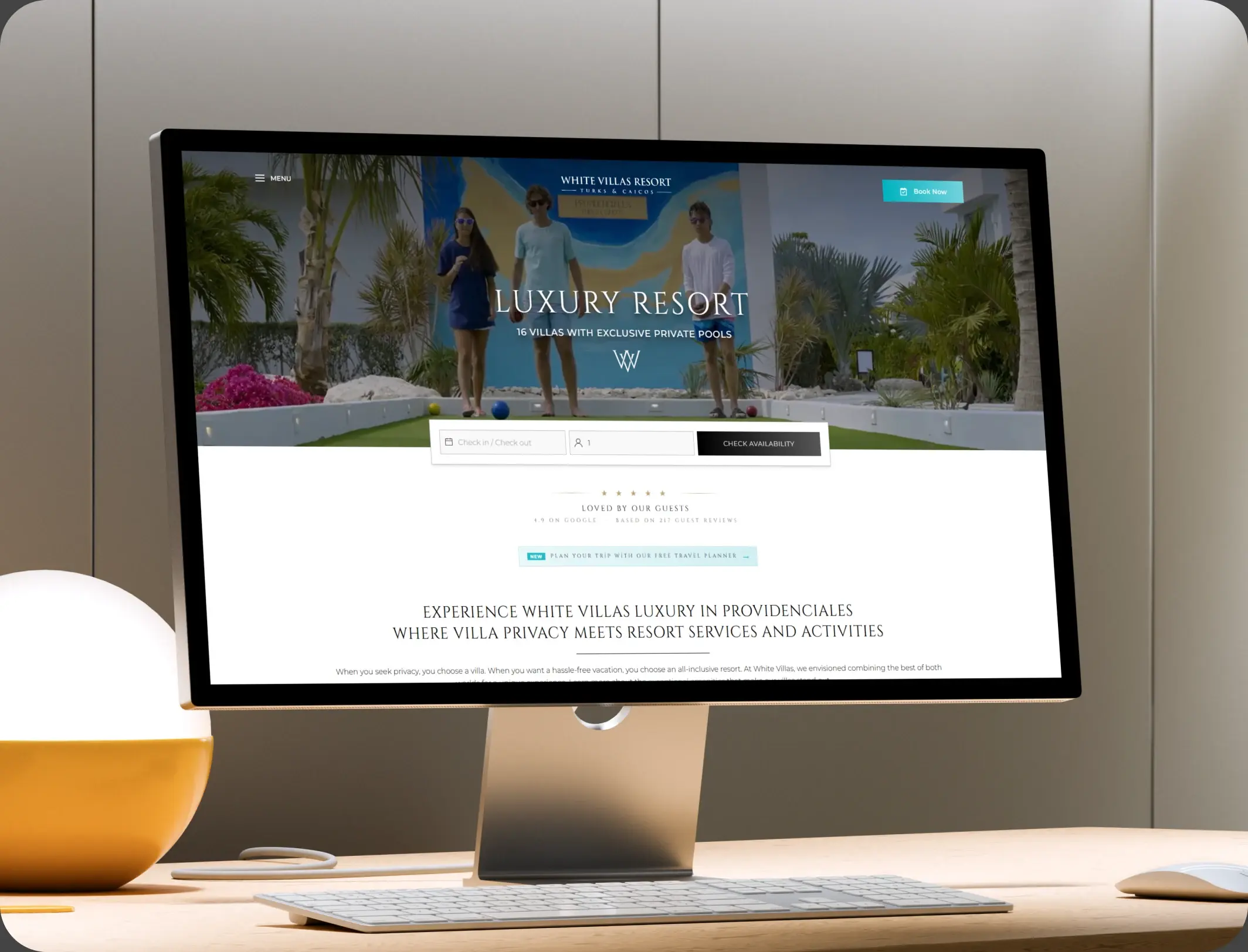
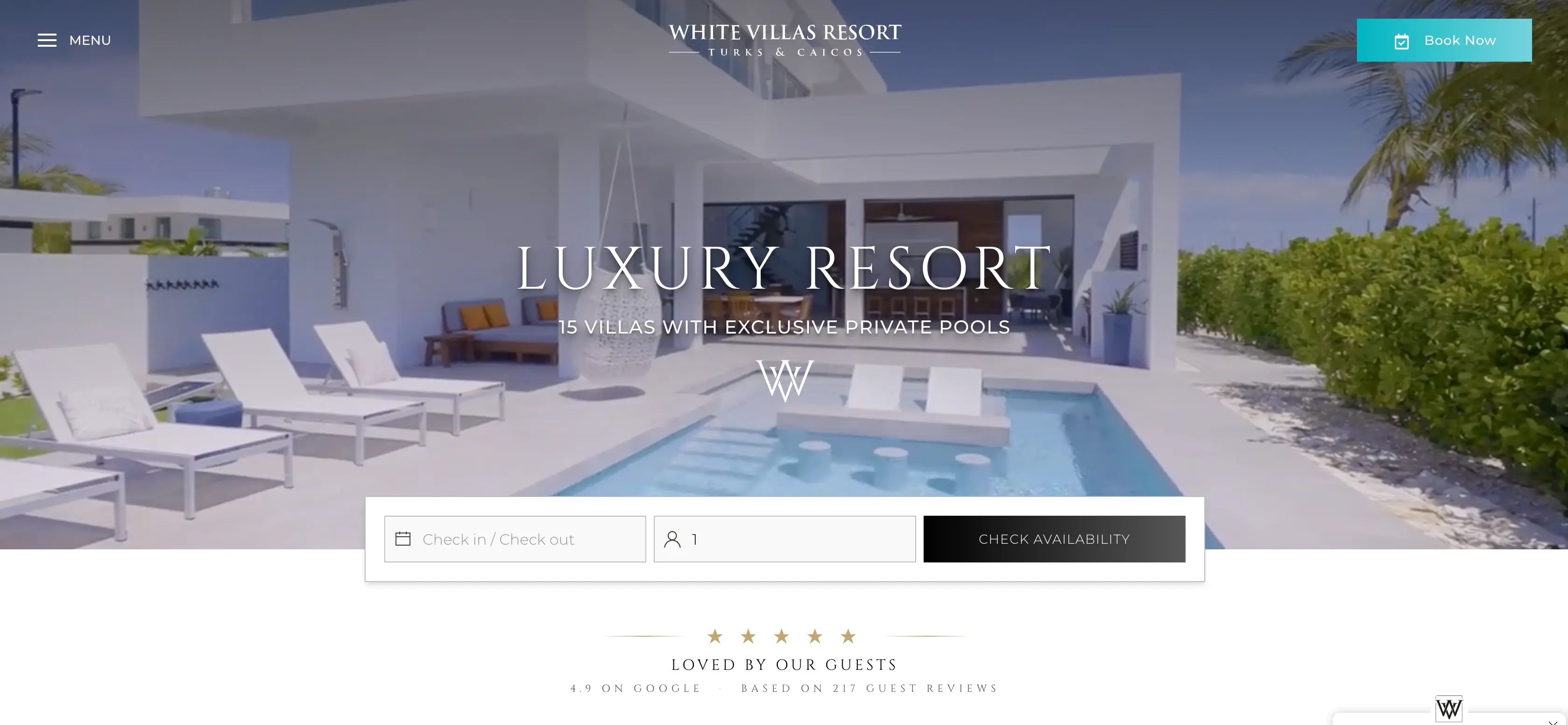
HOSPITALITY
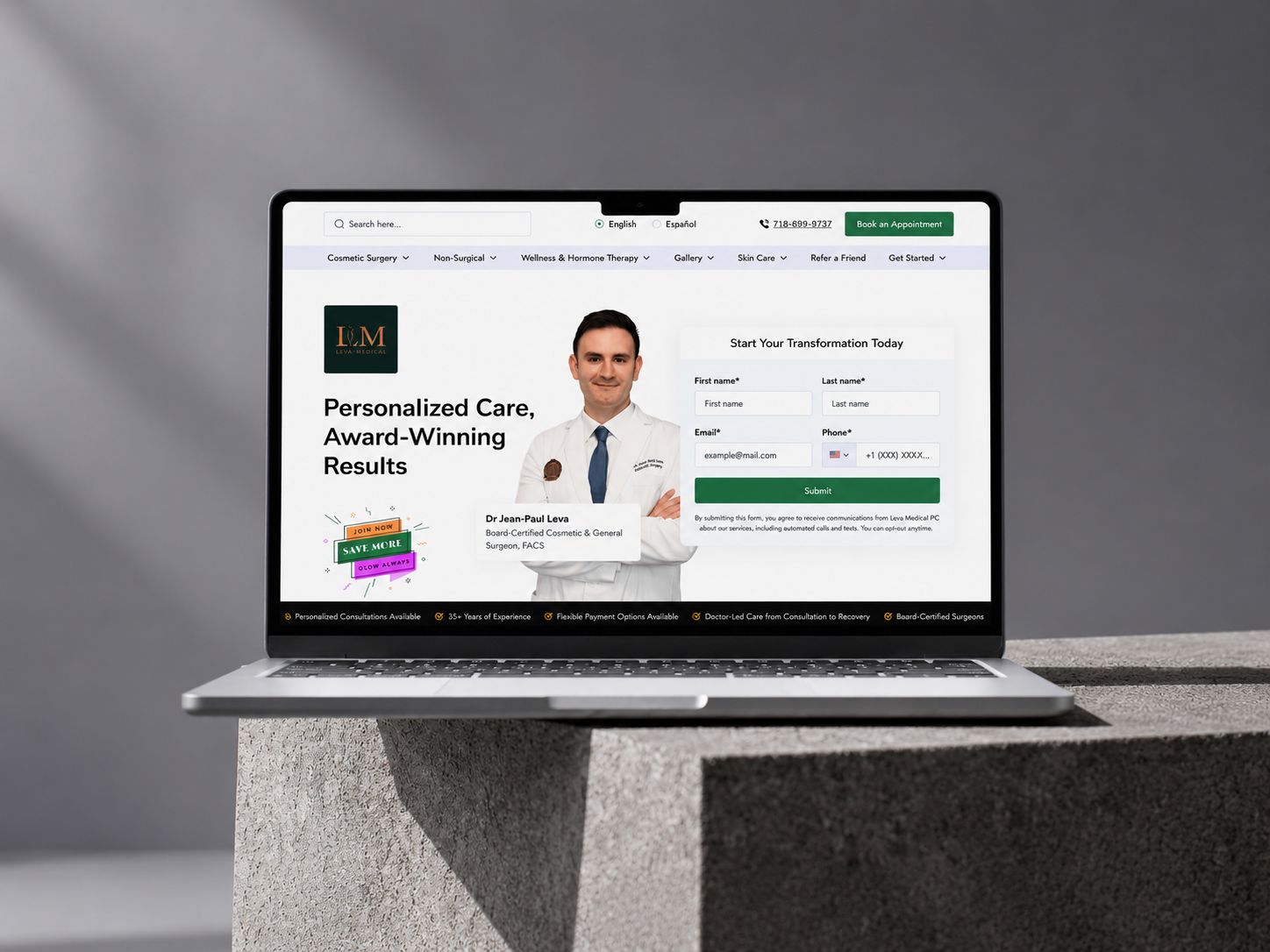
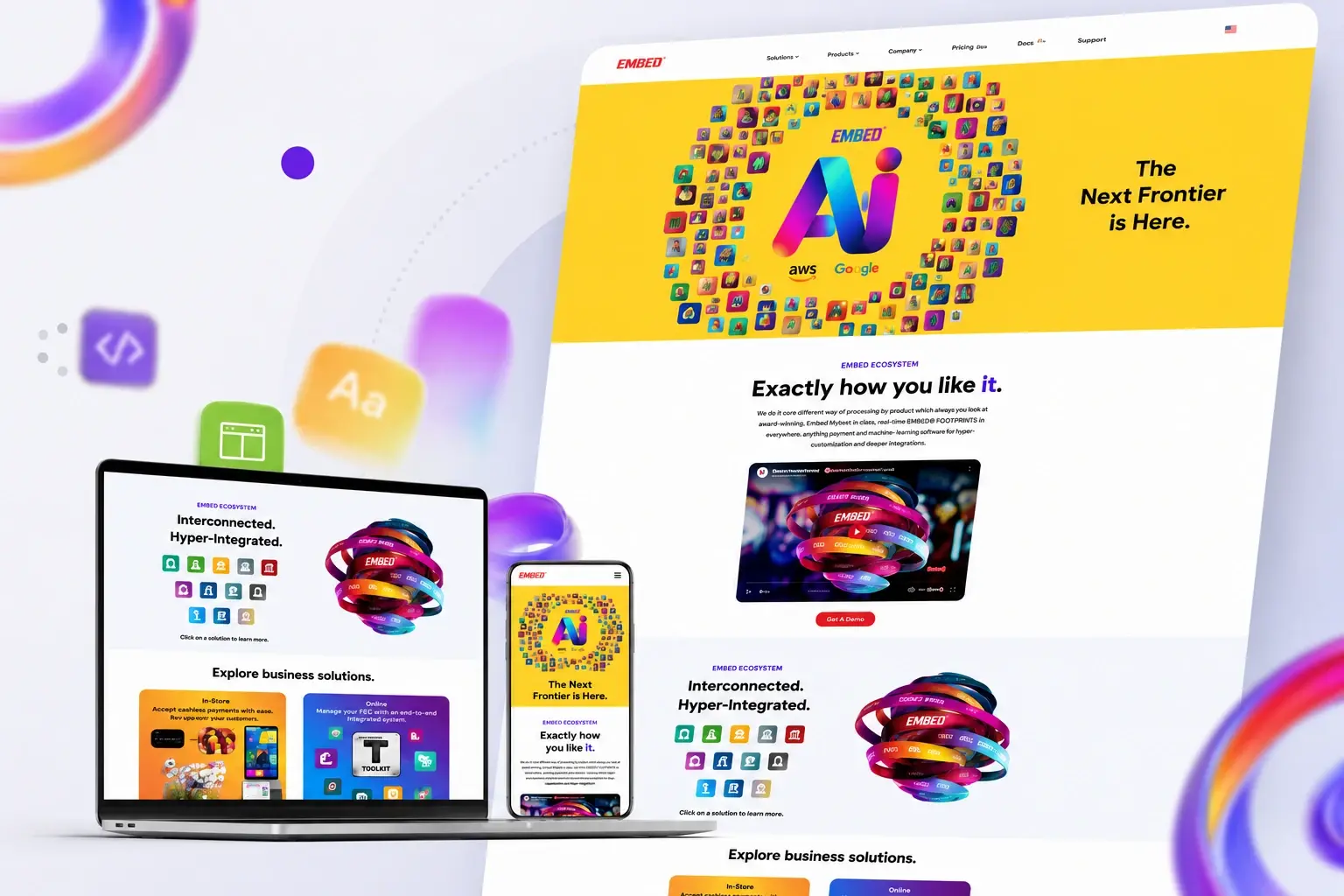
HubSpot End-to-End Guest Experience Automation for a Resort Villa - White Villas.
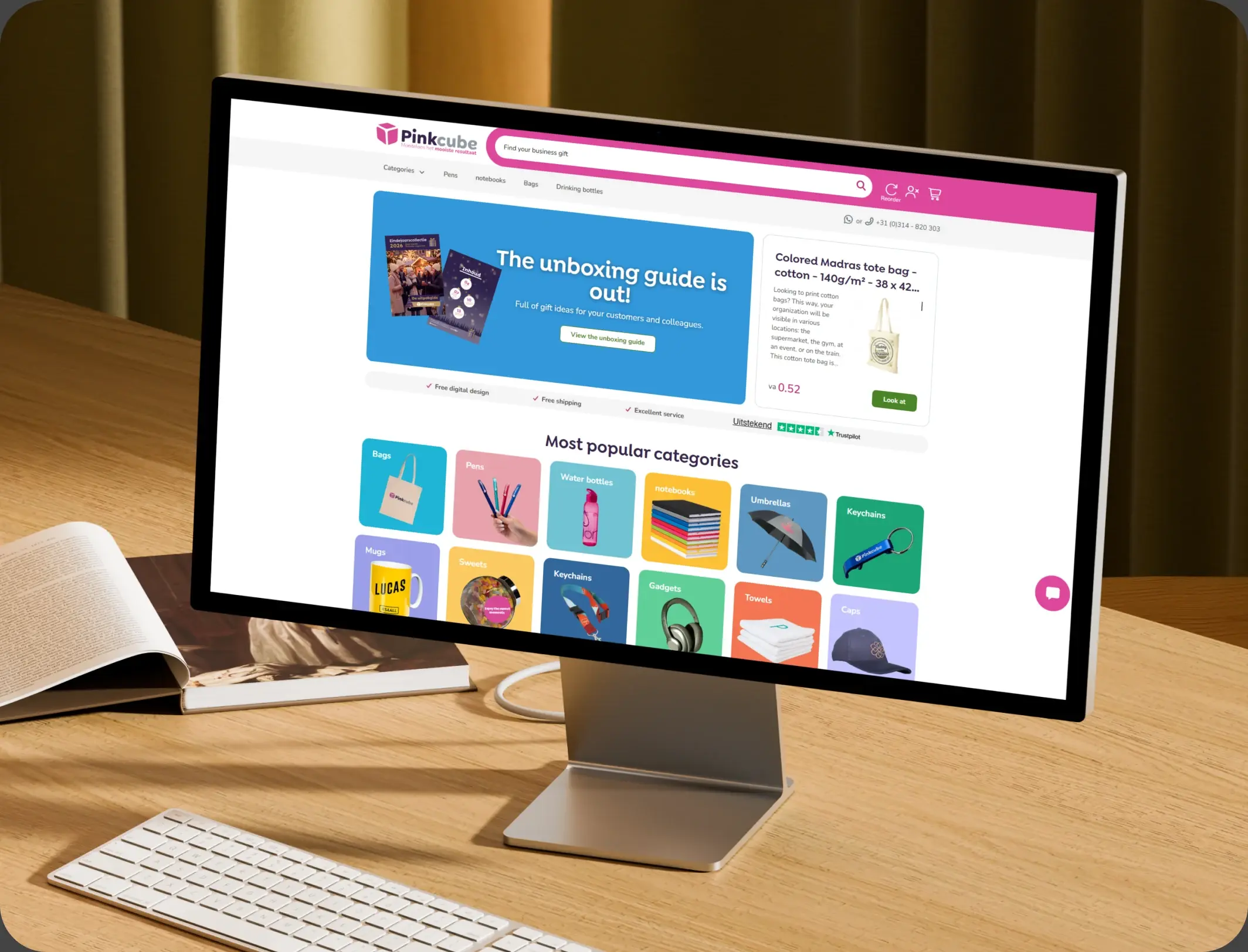
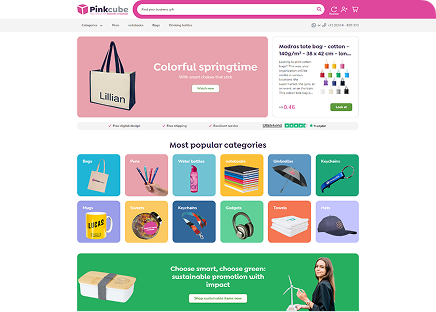
E-COMMERCE
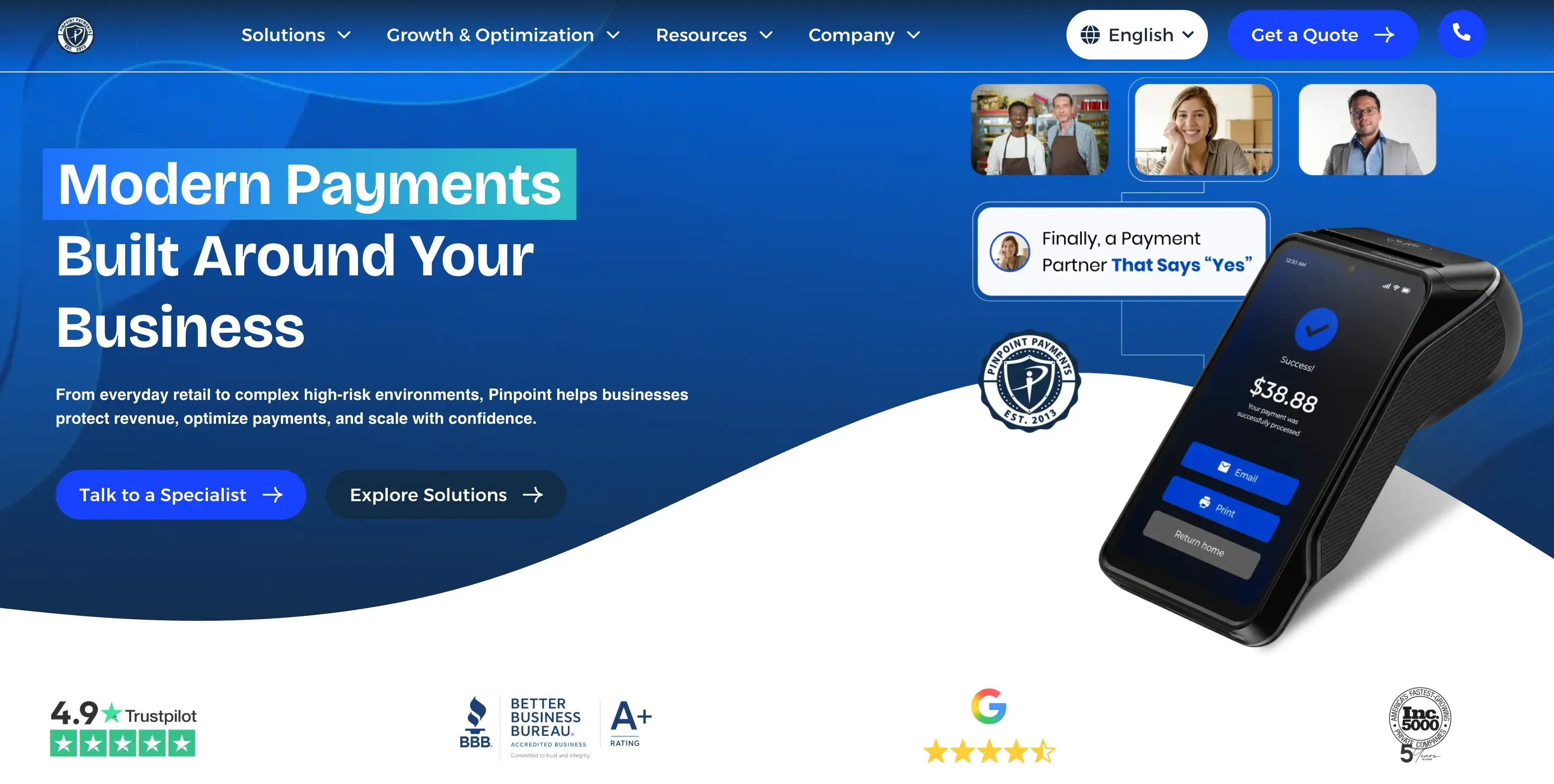
HubSpot Trengo to Service Hub Migration for an E-commerce Provider - Pinkcube.
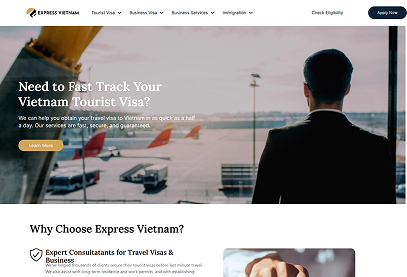
TRAVEL & VISA
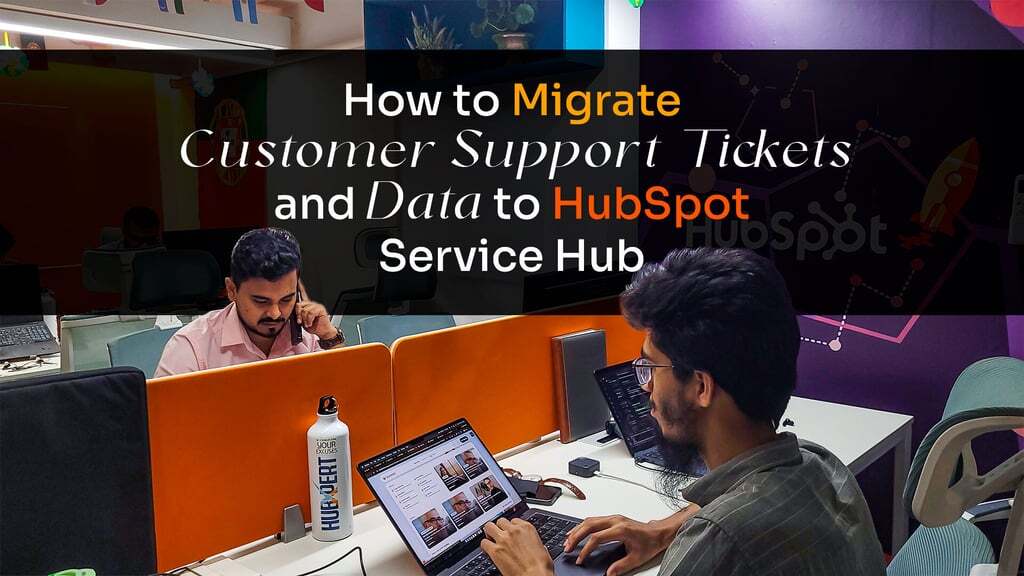
HubSpot Onboarding and Integration for a State-Owned Visa Company - Express Vietnam.
Brokers, shows, and search bring enquiries in, with the source recorded at first touch. Most charters arrive through a broker rather than a direct click.
Options are logged with their deadlines, and follow-up runs against the expiry rather than the calendar. The option deadline is the only clock that matters.
Preference sheets, dietary detail, and itinerary changes reach the captain and the provisioning team.
Post-charter follow-up and an early invitation keep the same week with the same yacht next year.
A task 24 hours before a hold lapses, with the broker, yacht, and week attached. Anyone who confirms exits the sequence at once.
A warning when two brokers hold the same yacht and week, so one is released before it becomes a conflict. The expiry task names the broker, the yacht, and the week.
A check-in at three days and a second at seven, timed to the confirmation window. A second hold on the same week raises a warning.
Dietary and allergy detail requested at booking, with a task if it is missing 14 days before embarkation. Missing dietary detail raises a task, not a scramble.
Confirmed preferences and itinerary reach the provisioning team, with changes logged against the charter.
A thank-you after disembarkation, with a review request and an early invitation for the same week.
A task when a broker who confirmed charters last season has sent nothing this year.
Certified platform expertise, with a track record across travel agency workflows and broker-led sales.
Built around your option process, broker network, and provisioning handover. No generic templates.
Multi-step workflows and conditional logic built for expiry deadlines.
Clean imports from spreadsheets or a charter platform, with client history intact.
An in-house team connecting HubSpot to your charter platform, accounting, and provisioning systems.
Continuous refinement as yachts, regions, and seasons change.
A yacht charter holds guest identity, dietary and medical notes, and payment detail for people who expect discretion. The work is separation: documents stay in the charter platform, card data stays with the provider, and the CRM carries the enquiry, the option, and the relationship record.

Not every operator needs every hub. Here is how each one lines up with a broker-led charter business.
Your acquisition engine: region campaigns, show follow-up, and nurture for a long decision. Region campaigns run from the same enquiry record as the option. Each option carries an owner, a broker, and a deadline.
Built for the option pipeline and the broker conversation behind every hold. Each option carries an owner, a broker, and a deadline. Most operators start with Sales and Marketing, then add Service as the fleet grows.
Where guest requests, itinerary changes, and provisioning questions get tracked. Crew coordinators see the preference detail before provisioning.
Powers the website and yacht content with built-in SEO, so itineraries and regions stay findable. Yacht and itinerary pages get edited without a developer.
Connects charter platform, accounting, and provisioning systems, most valuable across a fleet. Charter data stays matched across regions instead of drifting.
Yes. It runs the commercial side of the operation: enquiry capture, option tracking, broker follow-up, preference collection, and repeat guest marketing, while the charter platform keeps the booking. Most operators see the difference within the first season of live workflows.
Every option carries a yacht, a week, a broker, and a deadline, and a task fires 24 hours before the hold lapses. Lapsed options are tracked, so the improvement is measurable. Every workflow is tested before it reaches a broker.
A warning appears when two brokers hold the same yacht and week, so one is released before it becomes a client conversation. The sequence is matched to the region and the yacht type. Provisioning detail is requested at booking, not at the dock.
Dietary and allergy detail is requested at booking, and anything missing 14 days before embarkation raises a task for the crew coordinator. Nothing is assumed native until the connector is confirmed.
Documents stay in the charter platform, card detail stays with the provider, and the CRM keeps only what is needed to communicate. Guest documents never enter the CRM.
Often through an API or middleware. Charter, option, and accounting data cross over, and the sync direction is scoped first. That is how cost per charter becomes visible.
Yes. Regions, seasons, and yachts are properties, so campaigns switch with the fleet rather than with the calendar year. We map which fields may hold guest data before launch.
Most run four to eight weeks, depending on integrations and how much client history needs migrating. Documents stay in the charter platform. The CRM carries coordination, not credentials.
Ready to Confirm More Charters With HubSpot?
An option on the best week of the season expires the day after tomorrow. We build around your option process, your brokers, and your crew. No generic setup, and no option left to chance. A lapsed option is a week you cannot sell twice, and the option window is the whole business.