















Attract New Users
SEO, ad integrations, landing pages, and smart forms capture both individual buyers and partner leads, with the source recorded.
Nearly one in three wearable users stops wearing the device within the first few months, and most brands find out after the subscription lapses. HubSpot ties acquisition, onboarding, wear-time signals, and partner deals to one user record, so churn shows up while a save is still possible.

Teams that leveled up their growth with HubXpert
Almost a third of wearable users disengage within the first several months. Each one is a lost renewal and a device that stops generating data, which matters more as the fleet grows.
Mixpanel and Amplitude show the drop-off clearly. Neither runs a win-back campaign, manages a partner deal, or triggers a save offer.
A weak first-run experience is the strongest predictor of early churn. A generic welcome series is not the same as onboarding that reacts to behavior.
Employer, insurer, and clinical distribution deals do not fit a consumer funnel. Without a pipeline, a pilot sits at 'in discussion' for two quarters.
Device telemetry, app analytics, purchase history, and support tickets live in four systems. Nobody can say what drove a renewal.
Brands usually learn a user quit after the subscription has already lapsed, which is the one moment a save offer cannot work.
Five areas where a wearable brand can act on a churn signal while the user is still wearing the device.
Sync rate and app opens become a health score.
At-risk users get an offer before they leave.
See how many at-risk users actually stay.
Daily, weekly and dormant users diverge.
The next step depends on a finished sync.
A missing sync is a signal, not a delay.
A second touchpoint before the habit fails.
Time to first meaningful reading becomes a metric.
Pilot, procurement, contract.
Tasks after calls, demos, and pilot reviews.
Usage data goes back to the partner that pays.
Contract dates raise alerts before they lapse.
Campaigns linked to activated, retained users.
Judge channels on retention, not installs.
Acquisition, activation, and churn in one view.
Evidence replaces instinct at planning time.
Inactivity triggers the first win-back message.
A second channel before the habit is gone.
A save offer at the point of decision.
The sequence ends the moment a user syncs again.
A privacy-conscious setup, limited health fields in the CRM.
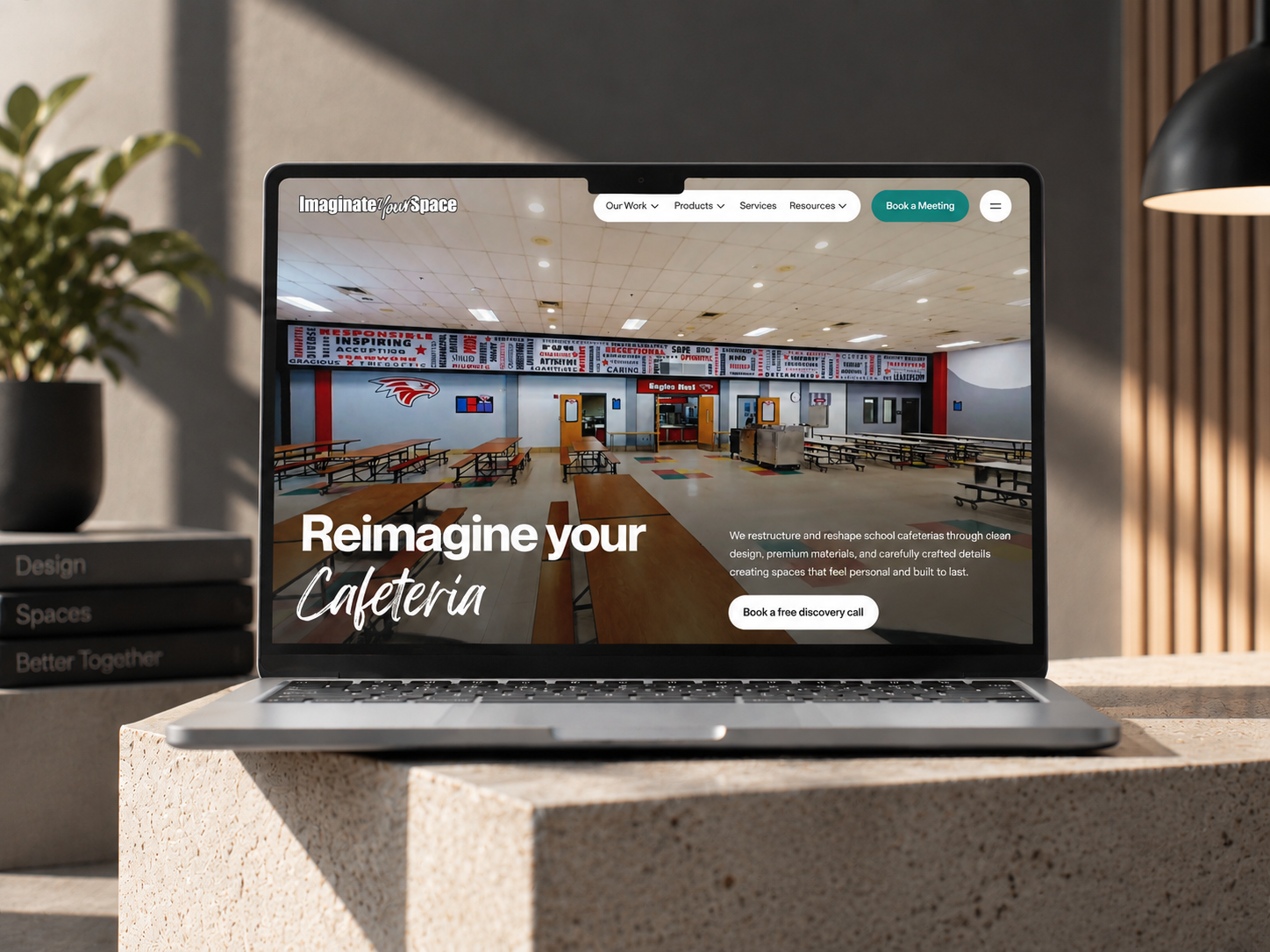
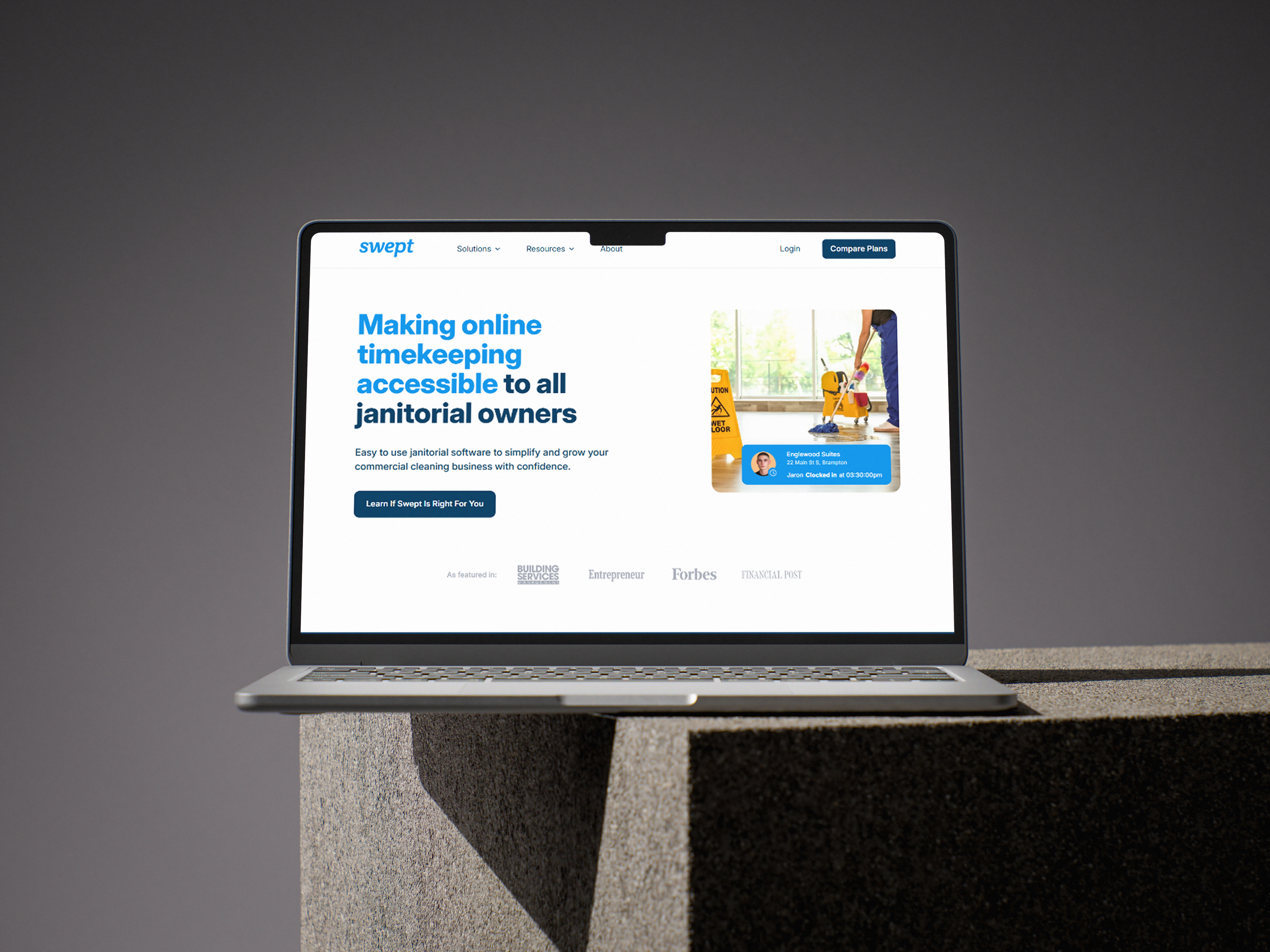
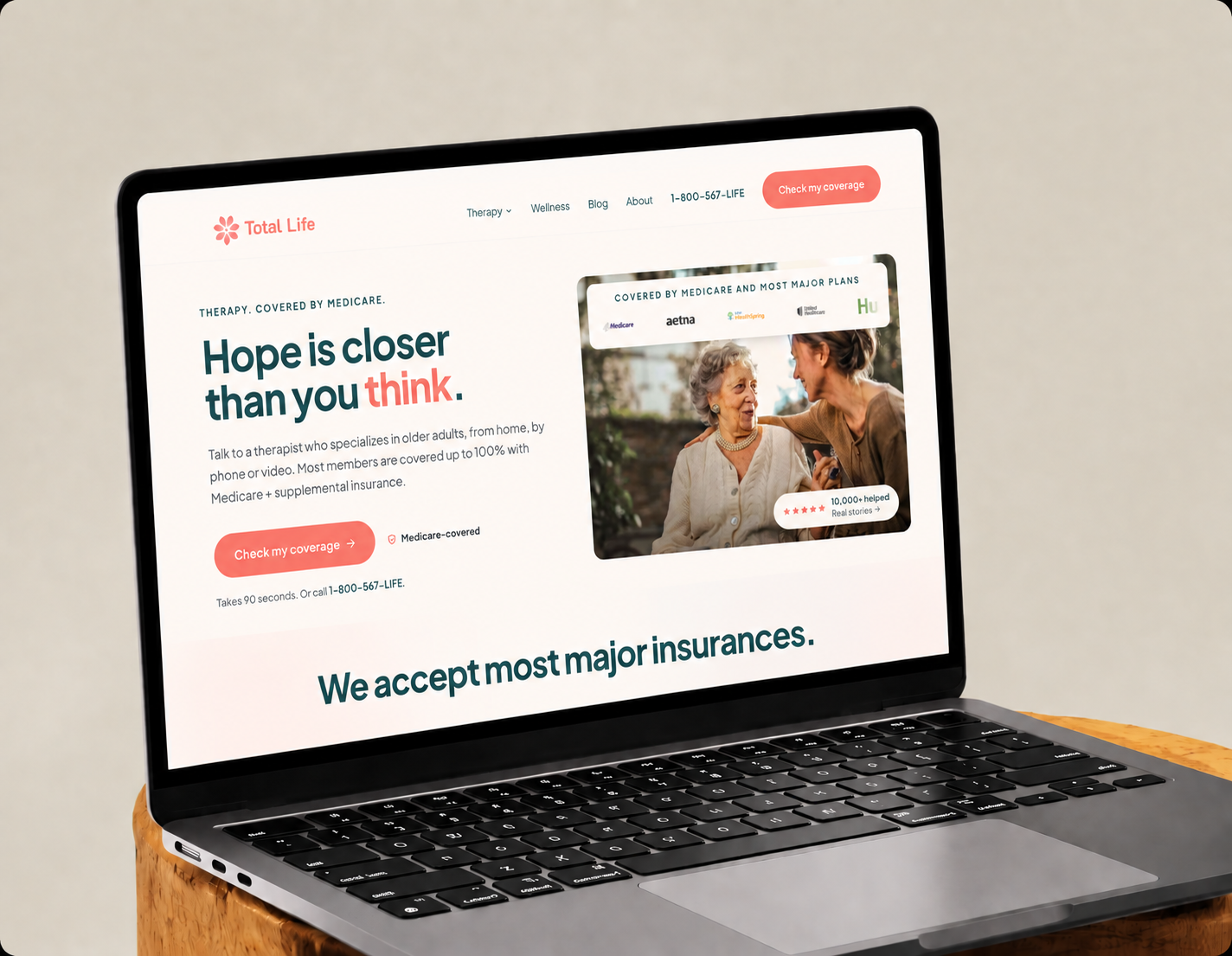
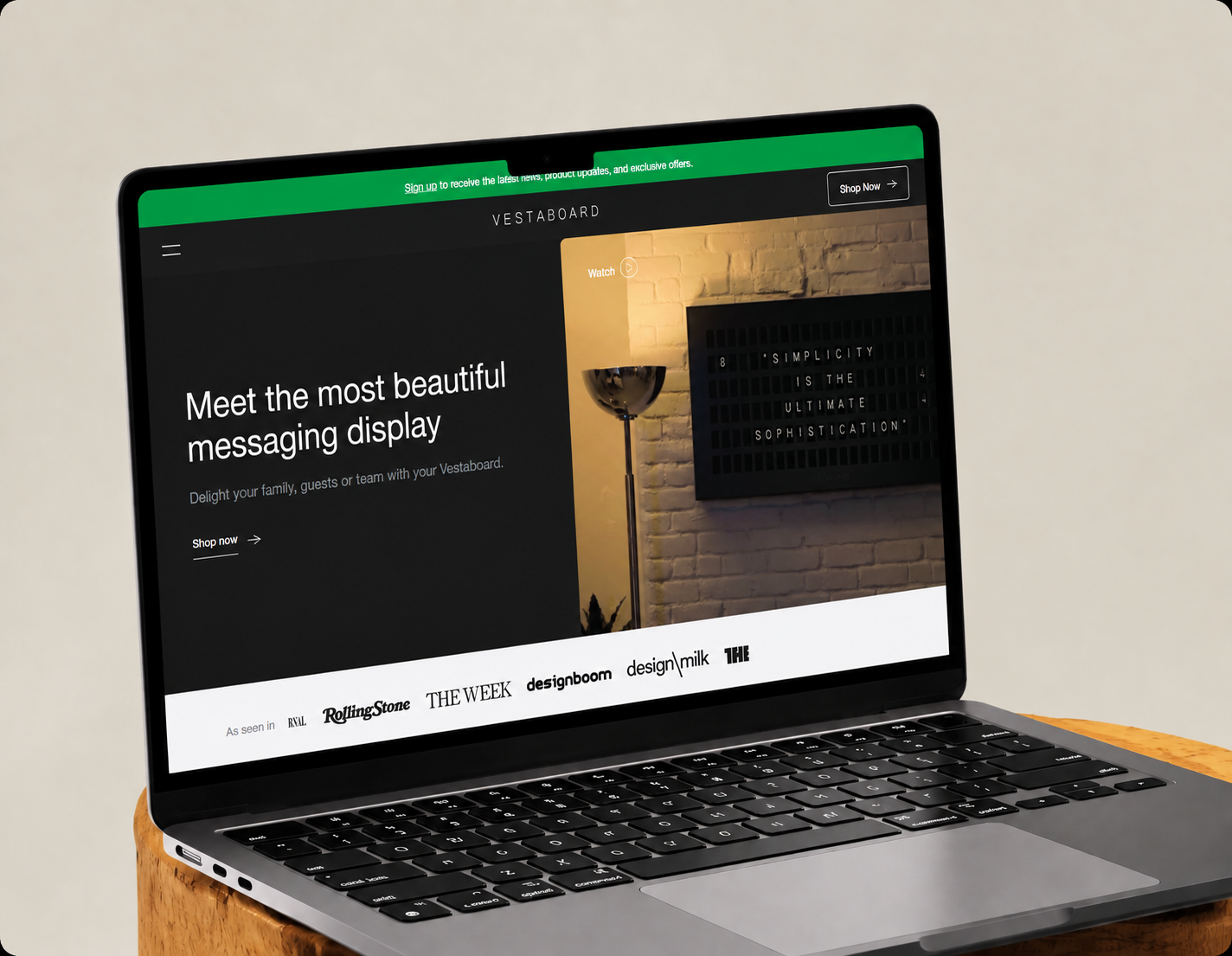
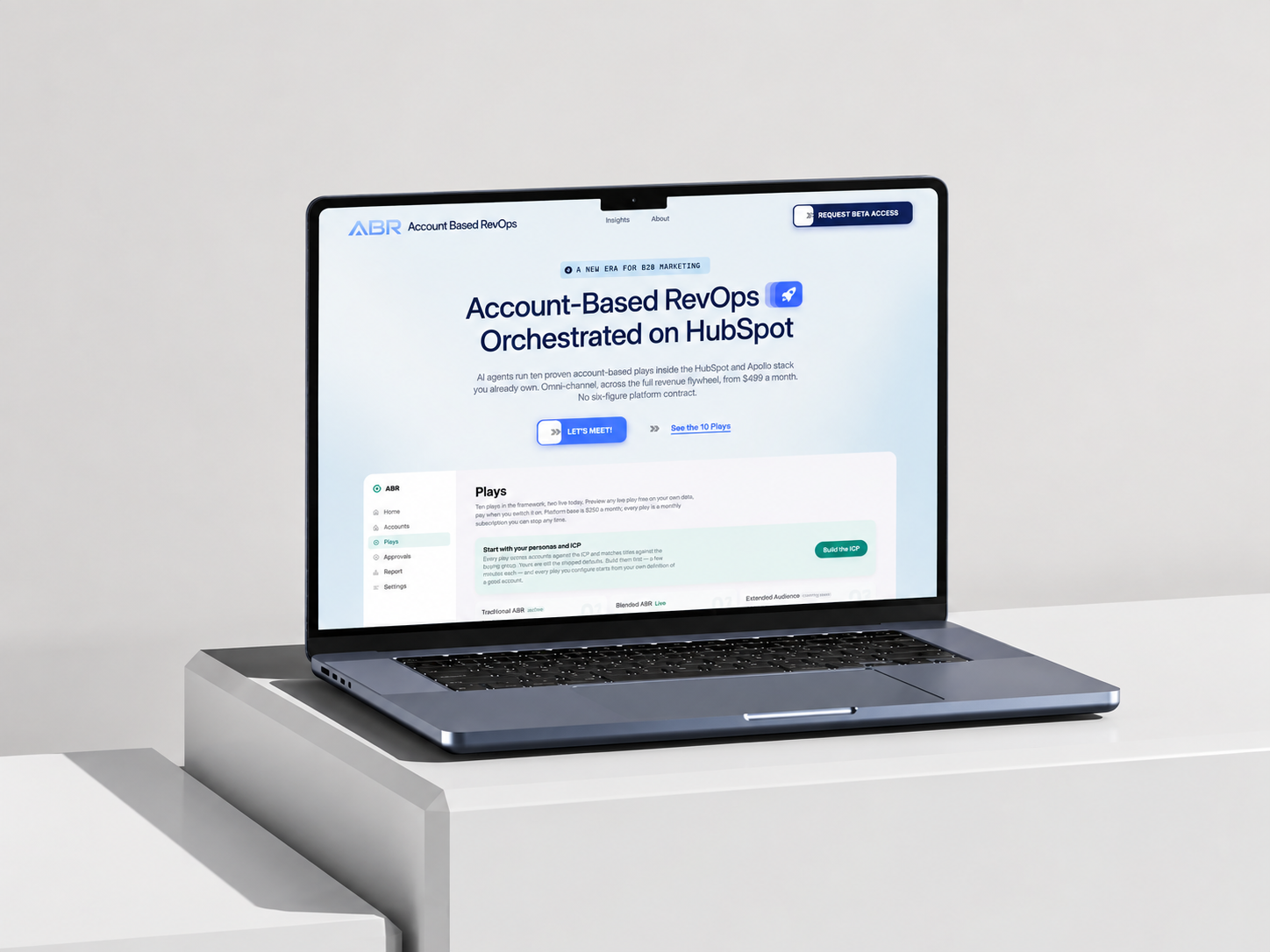
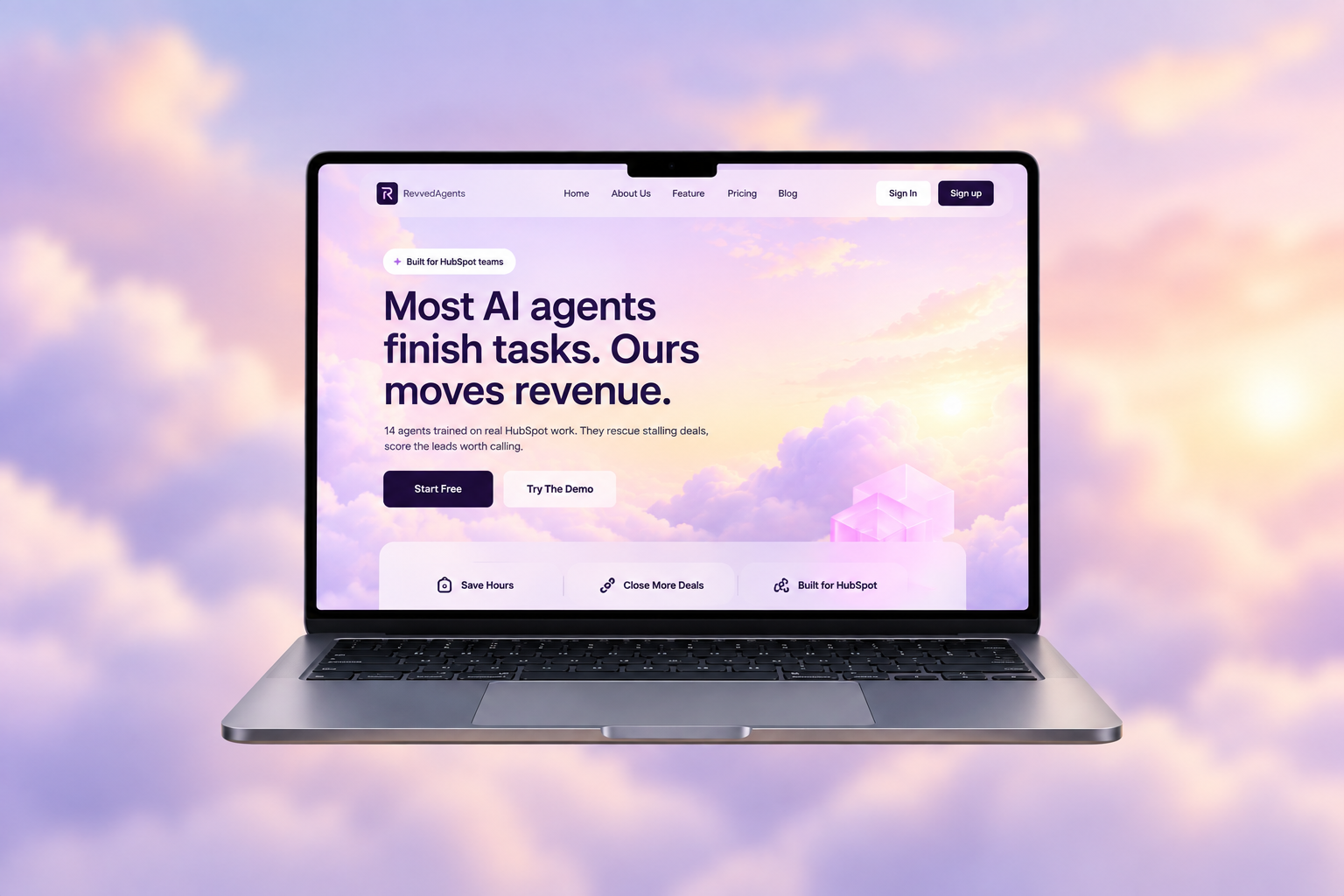
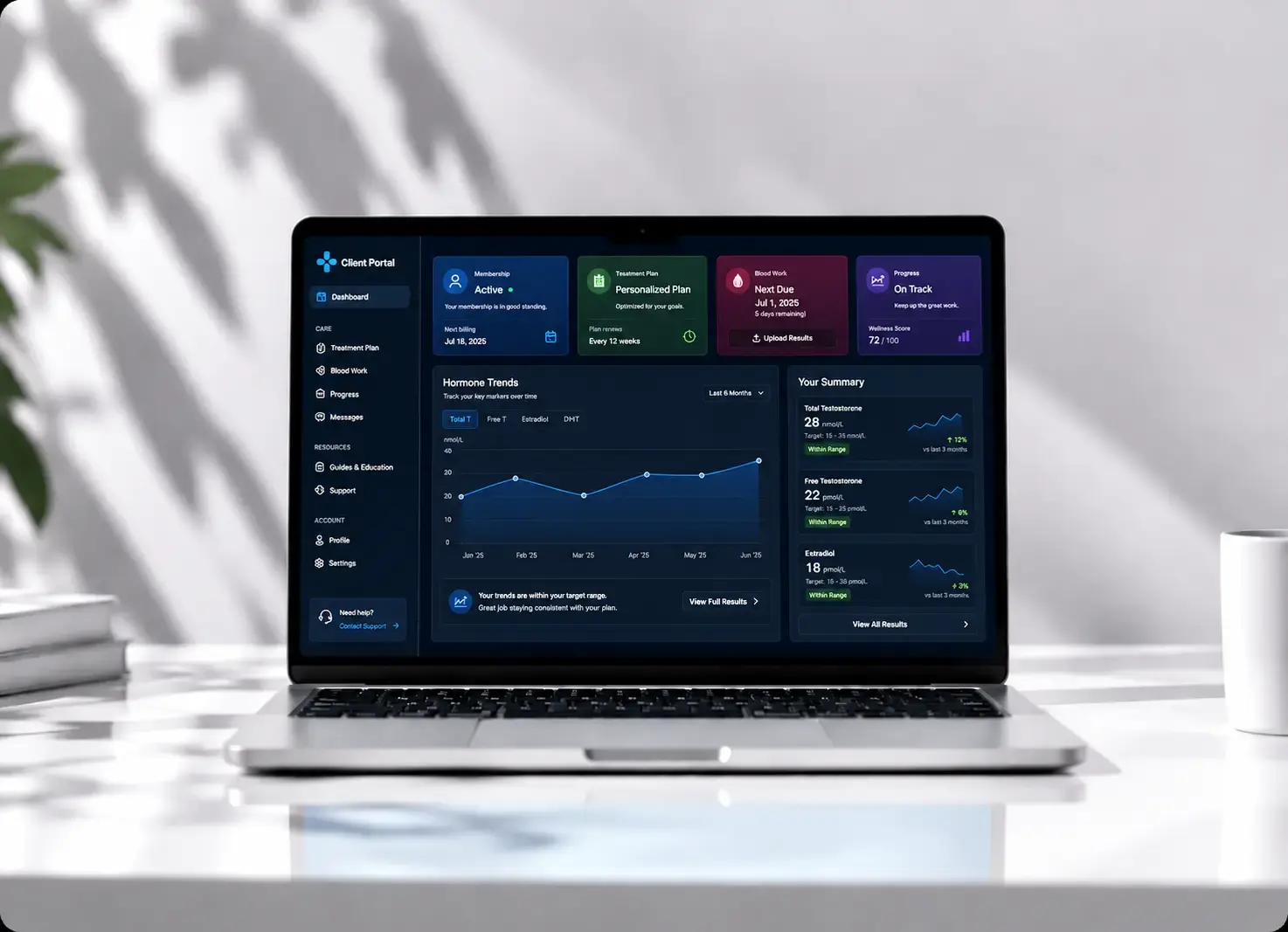
A curated selection of HubSpot implementations and digital marketing campaigns that moved the needle for our clients.
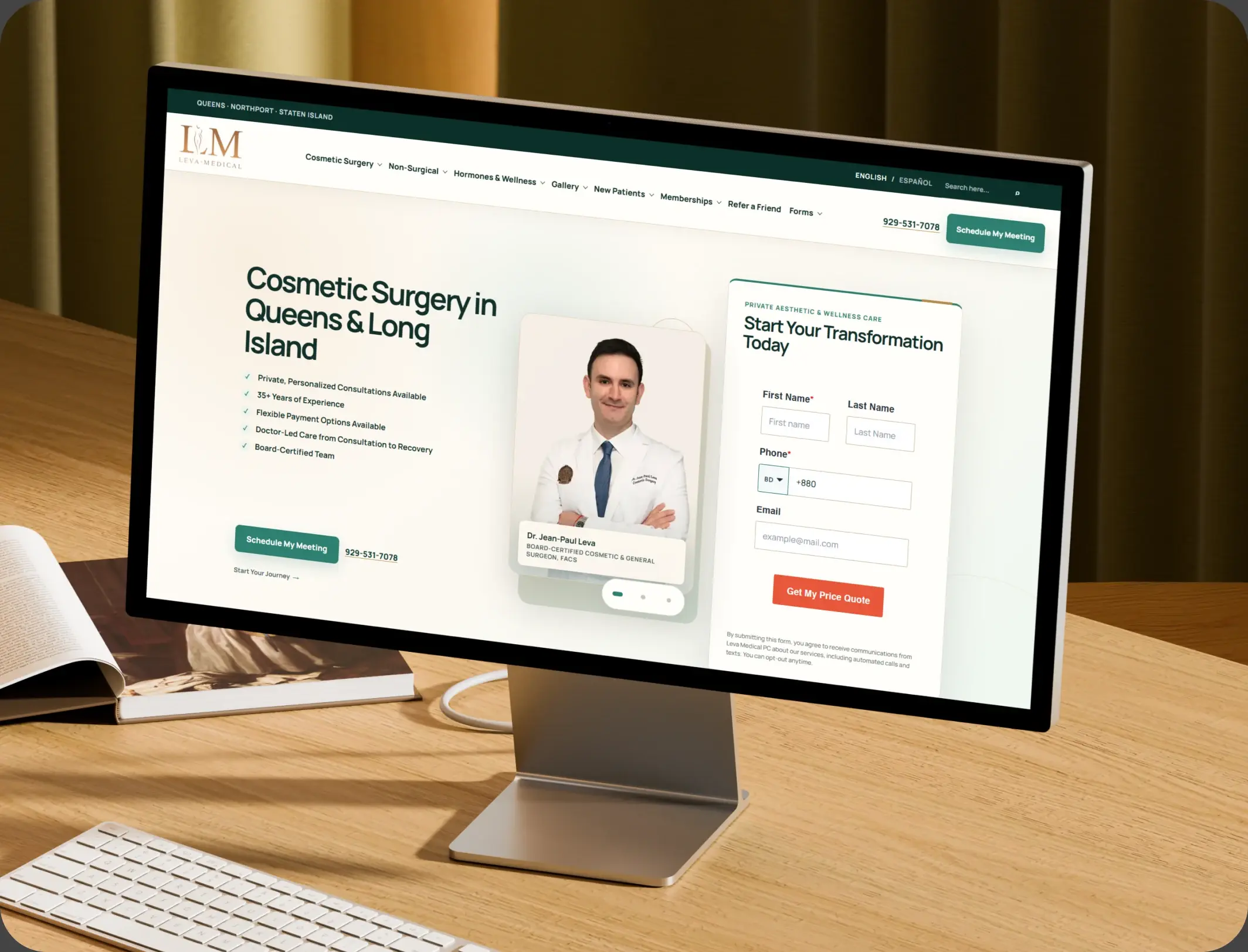
WEBOPS
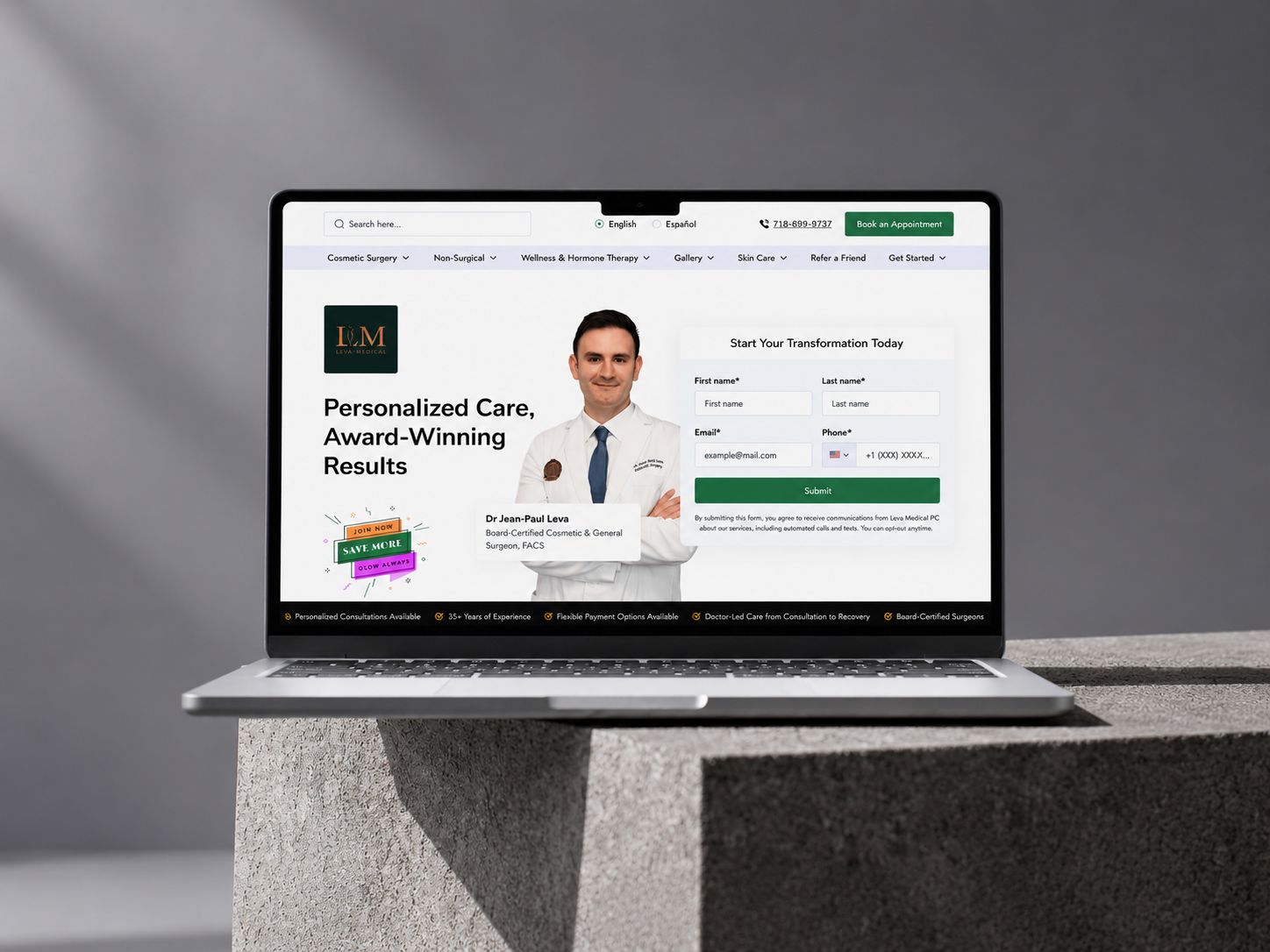
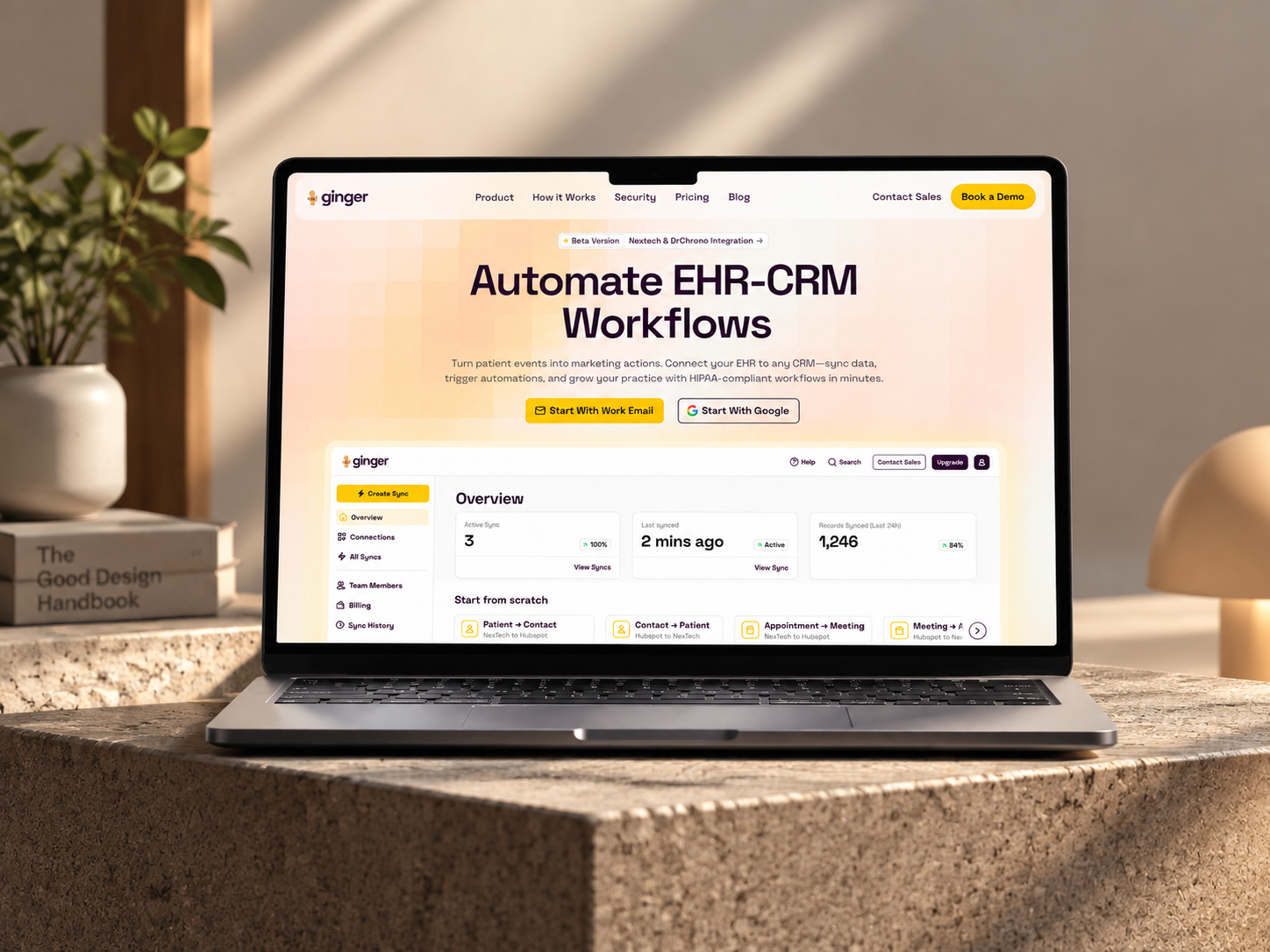
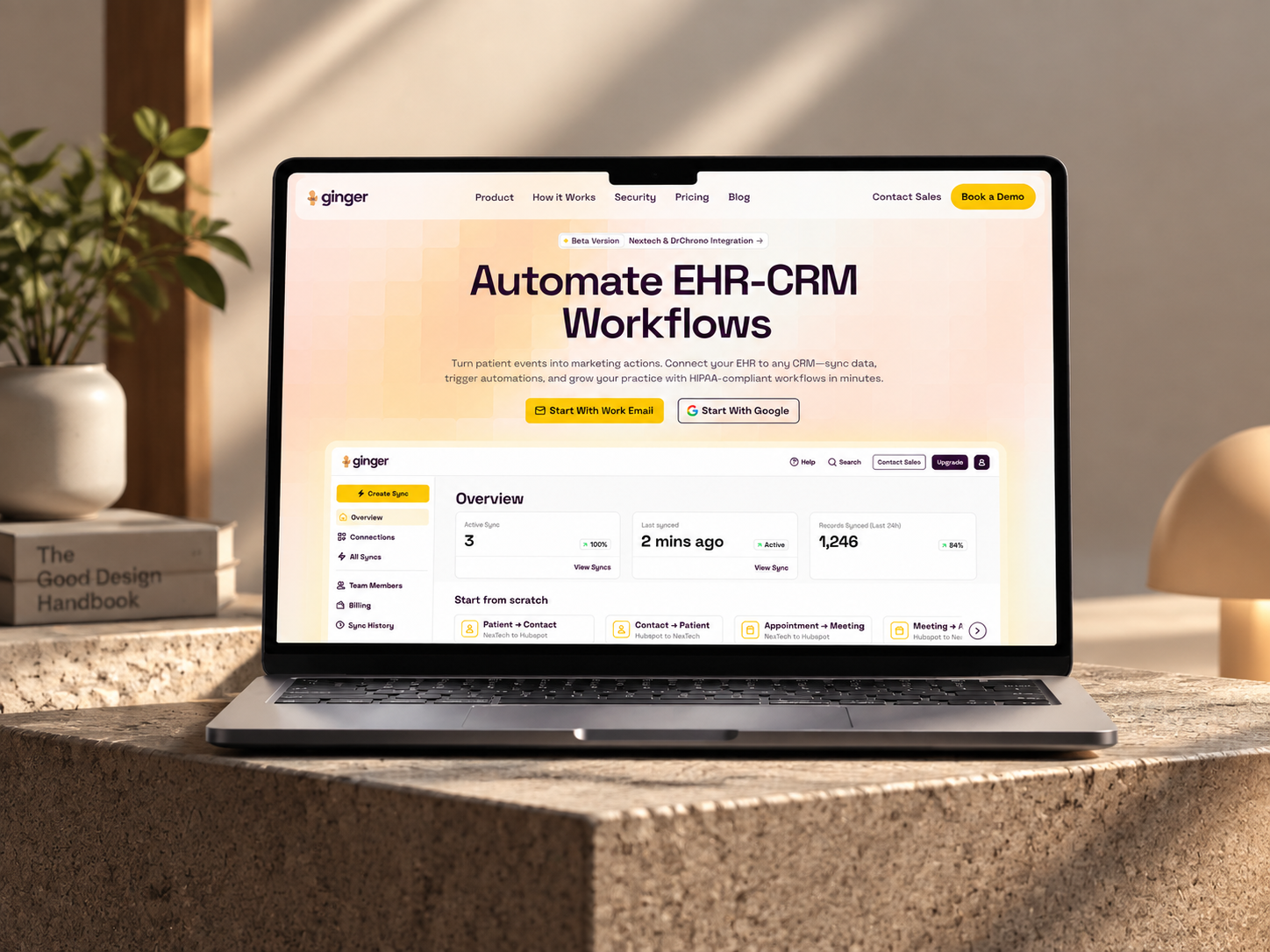
Leva Medical lacked Nextech–HubSpot integration, limiting marketing insights. HubXpert enabled secure, real-time sync for smarter, compliant patient engagement.
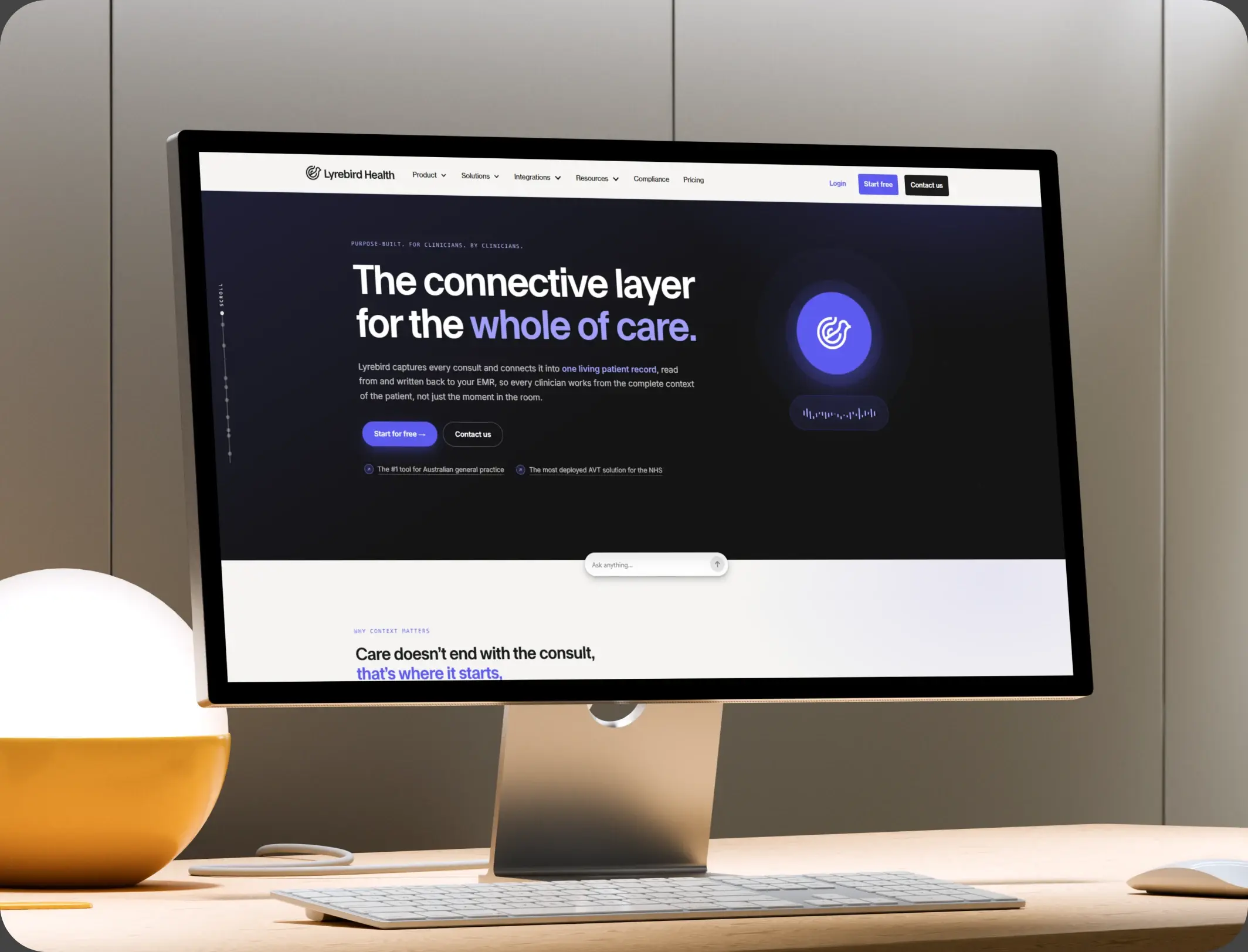
DevOPS
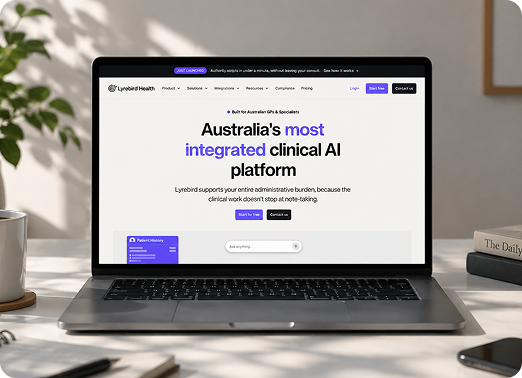
Lyrebird Health is a Healthcare SaaS company building AI-powered scribe and diagnostic solutions for clinics and hospitals.
DevOPS
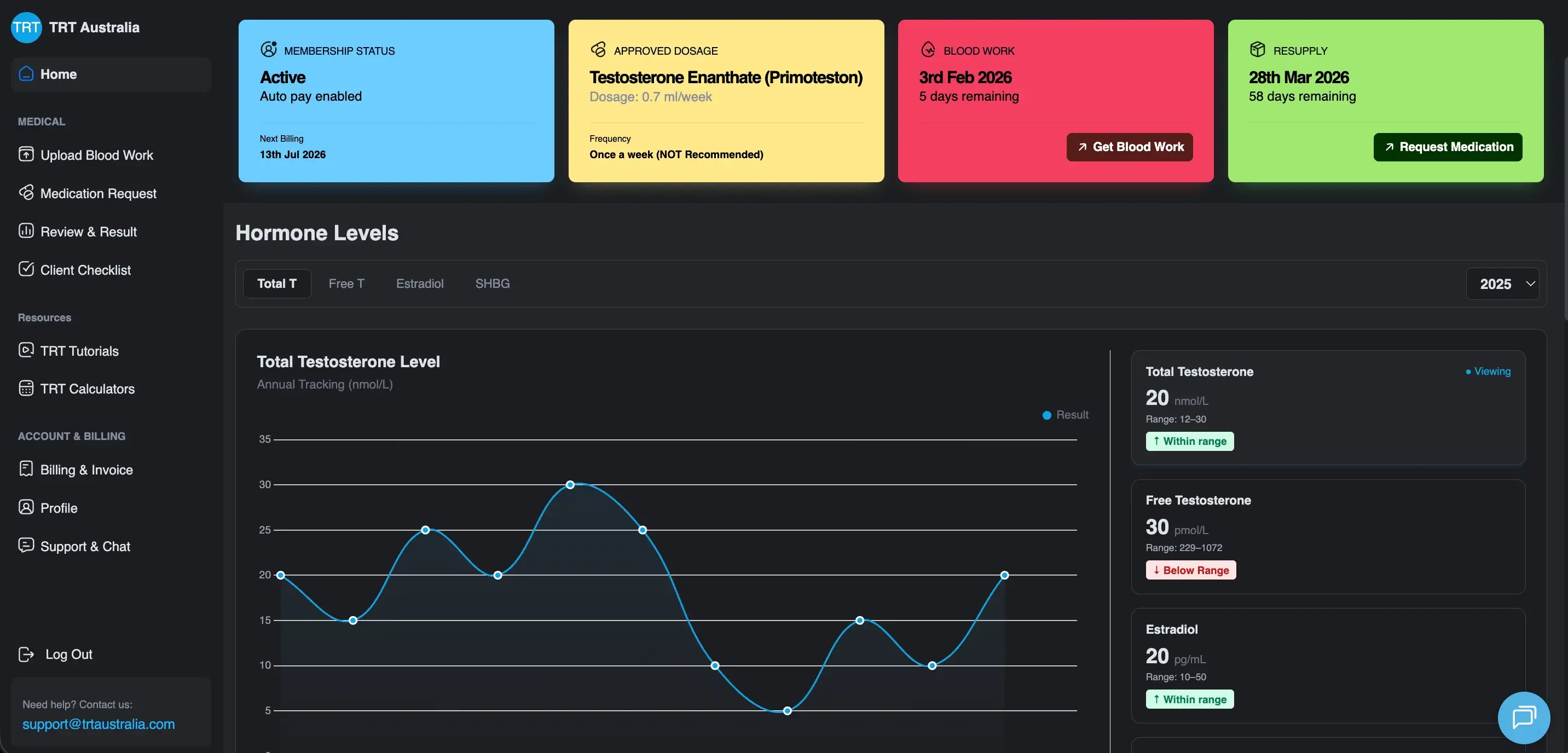
HubSpot portal empowers the Customer Service team to validate data, coordinate reports with doctors, and process pharmacy orders efficiently.
SEO, ad integrations, landing pages, and smart forms capture both individual buyers and partner leads, with the source recorded.
Automated nurture moves a buyer from purchase to first device sync, which is the moment that decides whether they stick. The first sync is the activation event that matters.
Milestone triggers and early win-back sequences respond to wear data before a user goes quiet for good.
Renewal workflows and partner reporting keep individual users and employer accounts renewing together.
A welcome email at purchase, an in-app prompt at 24 hours if no sync, and an SMS reminder on day three. Anyone who returns exits the win-back at once.
An email at seven days of inactivity, a push at day ten, and a win-back offer at day fourteen. A cancellation attempt triggers the save offer.
A reminder fourteen days out, a usage summary at seven days, and a save offer if the user starts to cancel.
Monthly utilisation summaries go to each employer or insurer account, with the data attached and the account owner copied.
Pilot milestones raise tasks for the account team, and a stalled pilot triggers a review call before it quietly ends.
Engaged users receive an accessory or family-sharing offer at the point their usage justifies it.
A device fault or support ticket routes to the right team and pauses the churn sequence, so a technical issue is not treated as disinterest.
Certified platform expertise, with a track record across healthcare workflows and subscription consumer health.
Built around your device telemetry, activation path, and partner model. No generic templates.
Multi-step workflows and conditional logic built for sync signals and churn timing.
Clean imports from your current tools, with user and partner history intact.
An in-house team connecting HubSpot to your device platform, app analytics, and billing systems.
Continuous refinement as the device fleet and partner network grow.
Wearable data is sensitive even when it falls outside HIPAA. The build limits health fields in the CRM, encrypts connections to the device platform, and applies role-based access, with special handling where a clinical or remote monitoring partnership brings PHI into scope.
Not every wearable brand needs every hub. Here is how each one lines up with a device business built on retention.
Your acquisition and win-back engine, with campaigns triggered by usage signals rather than a fixed calendar. Campaigns and win-back sequences run from the same user record.
Built for employer, insurer, and clinical distribution deals that need a pipeline of their own. Each partner account carries an owner and a next step.
Where device issues, app questions, and replacements get organized without polluting the churn sequence. Support sees the device history before replying.
Powers the website and health content with built-in SEO, so condition and product pages stay current. Health content gets edited without a developer.
Connects device telemetry, app analytics, and billing systems, and keeps the user record clean. Records stay matched across systems instead of drifting.
Holds the datasets behind subscriber cohorts and device returns, so reporting survives a warehouse connection.
Yes, when it is connected to product signals. Sync frequency and app activity are what make a churn workflow fire before the renewal, not after. Most brands see the difference within the first month of live workflows.
It can catch disengagement early. A user who stops syncing triggers outreach within days, while a save offer still has a chance to land. Save rate is tracked, so the improvement is measurable.
By reacting to behavior. Whether the device synced in the first 24 hours changes the next message, so onboarding is not one generic sequence. The sequence is matched to the activation stage.
Yes. Those accounts run in their own pipeline with pilots, procurement, contracts, and utilisation reporting kept separate from consumer buyers. Nothing is assumed native until the connector is confirmed.
Where a clinical or remote monitoring partnership brings PHI into scope, HubSpot offers a Business Associate Agreement on Enterprise plans with Sensitive Data settings. Wearable data outside HIPAA still needs careful handling. Automation never sends a claim nobody signed off on.
Yes, through an API or middleware. Sync and usage signals are the valuable connection, because they are what drive retention workflows. That is how cost per retained user becomes visible.
Attribution follows a user from first click through activation and renewal, so channels are judged on retained revenue rather than installs. We map which fields may hold health data before launch.
Most run six to ten weeks, depending on how many systems the CRM has to talk to and how much user history needs migrating. Health detail stays in the device platform.
Ready to Grow Your Wearable Business With HubSpot?
Somewhere in your user base, someone stopped syncing last week and will cancel next month unless something reaches them first. We build around your device, your onboarding, and your partners. No generic setup, and no churn discovered at renewal.