





















Attract New Clients
Local search, social, and referrals bring pet owners in, with the source recorded from the first touch. Most new clients start with a local search.
Missed calls and forgotten follow-ups cost veterinary practices new clients and repeat visits every week. HubSpot connects marketing, the front desk, and client communication in one system that runs alongside the practice management software you already use. Every recall date is a decision point.

Teams that leveled up their growth with HubXpert
A missed call, an unanswered form, or a reminder that never sends turns a wellness visit into a lost client, and those small gaps compound across a year.
Your system handles scheduling, records, and billing well. It was not designed for nurture, campaign tracking, or showing where new clients actually come from.
A booster due date passes with nobody noticing, and the pet returns a year late or not at all, taking the dental and parasite prevention with it.
The estimate arrives without context, the client hesitates, and the conversation ends. Follow-up rarely happens because nobody owns it.
Three pets, one owner, three different due dates. Without a household view, the clinic markets to one animal and misses the rest.
Local search, social, and referrals all claim the same new client. Without attribution, the next budget is a guess.
HubSpot for Veterinary Clinics covers five areas where a practice can keep the front desk calm and the book full.
Respond to new leads.
Automate repetitive replies.
All touches log to the client record.
Cut manual data entry during the rush.
Forms, chat, and click-to-call in one place.
Stay in touch until a client is ready to book.
Fewer required fields, less friction.
Reminders prompt clients to finish booking.
Plain-language explanations tied to the diagnosis.
Financing and pricing detail before they ask.
Replies to frequent treatment questions.
Follow-up after a declined estimate.
Reminders run from each pet's due dates.
See which clients are enrolled and due.
Offer the next tier when usage justifies it.
Outreach before a gap becomes permanent.
Source stored on every new client record.
Campaigns judged on visits, not clicks.
Group reporting across clinics.
Attribution replaces guesswork.
A privacy-conscious setup with role-based access.
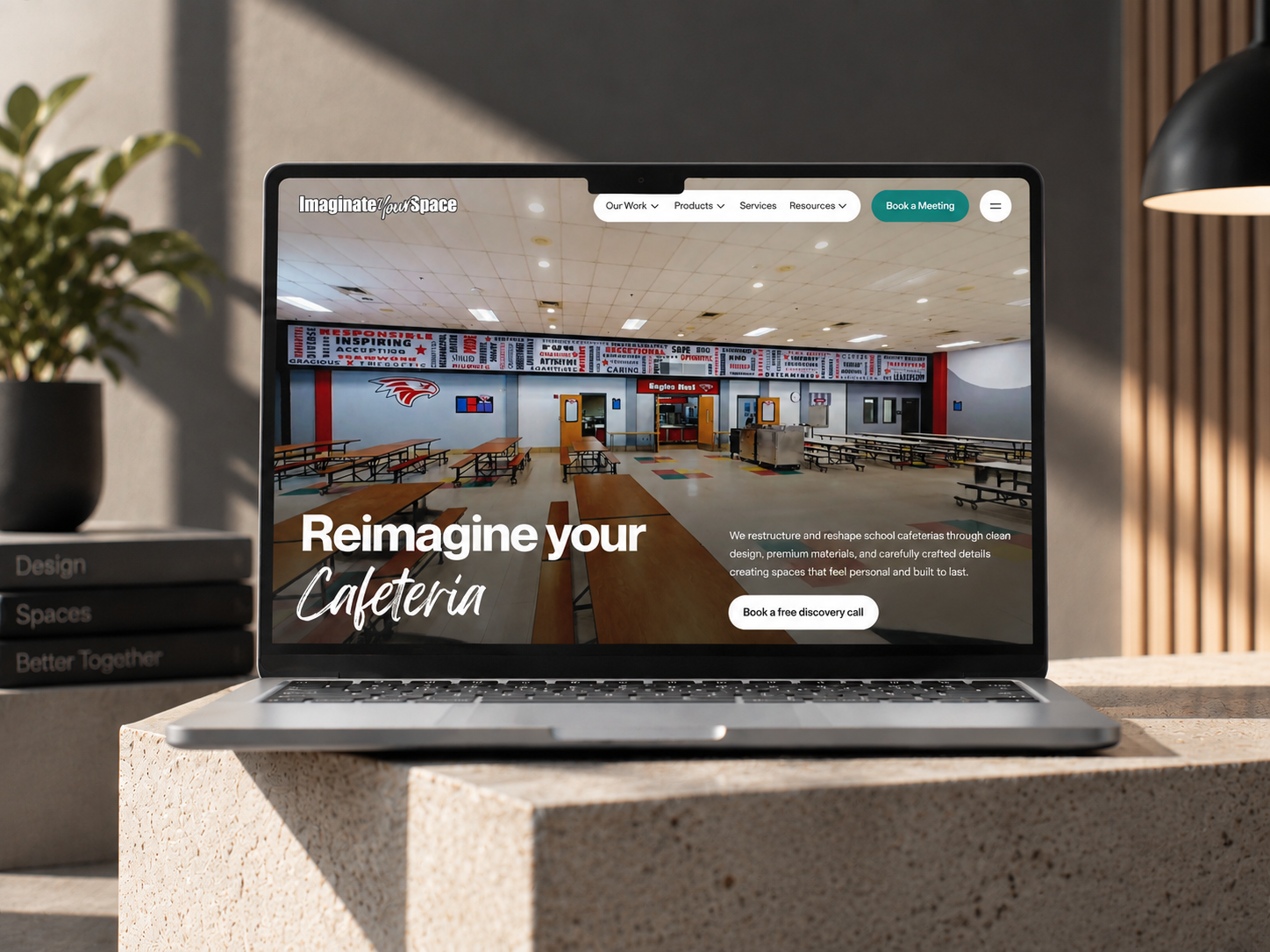
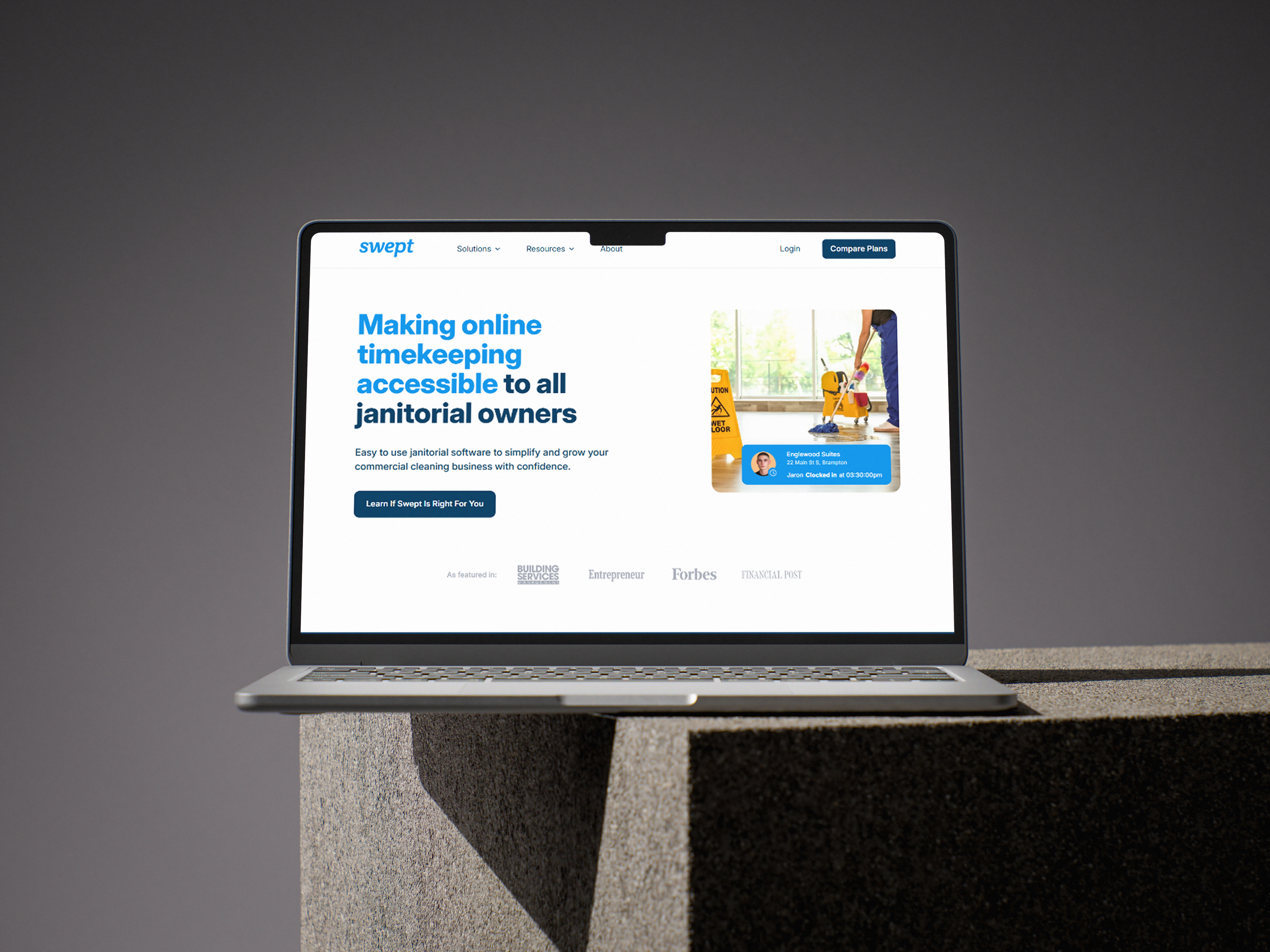
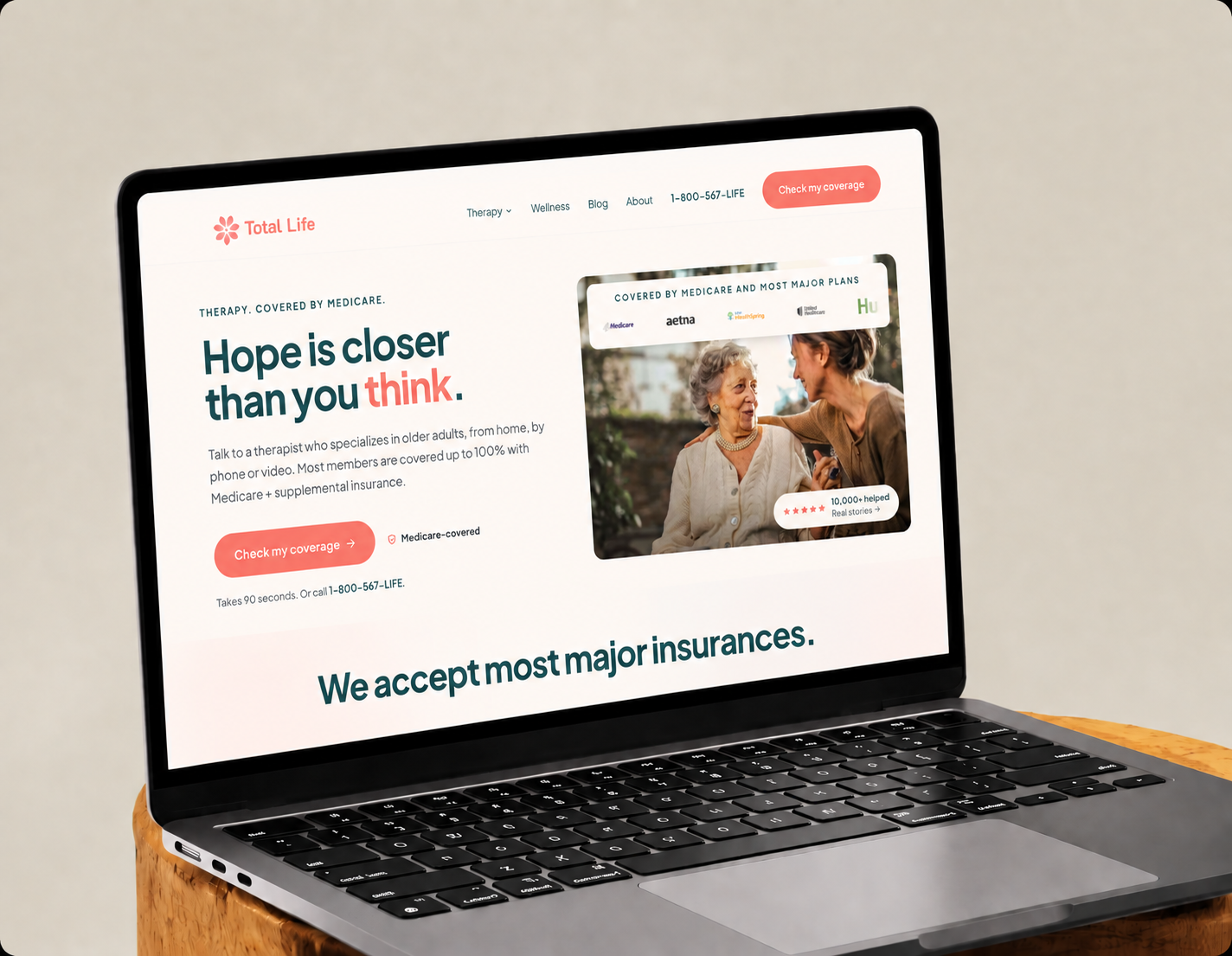
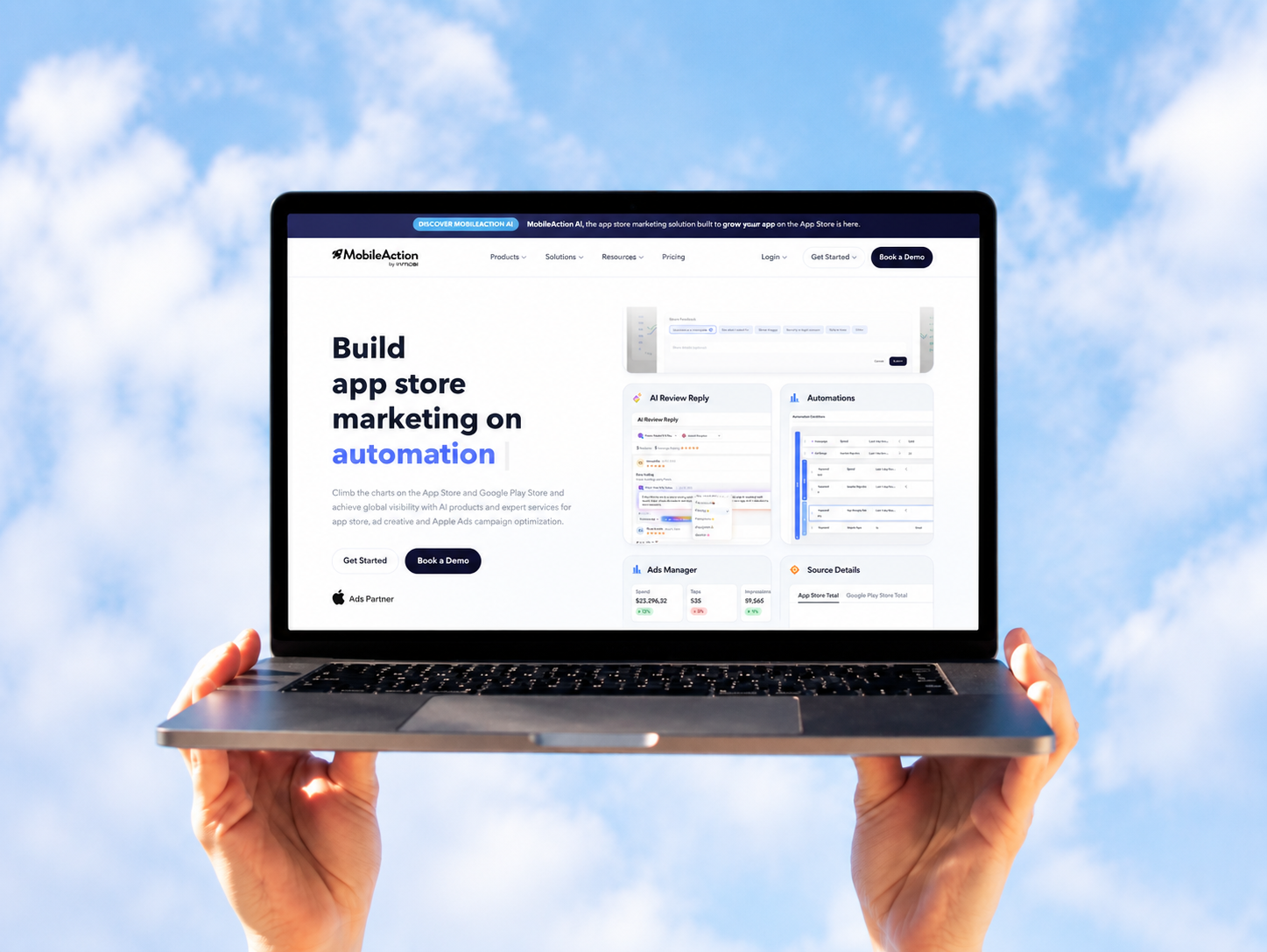
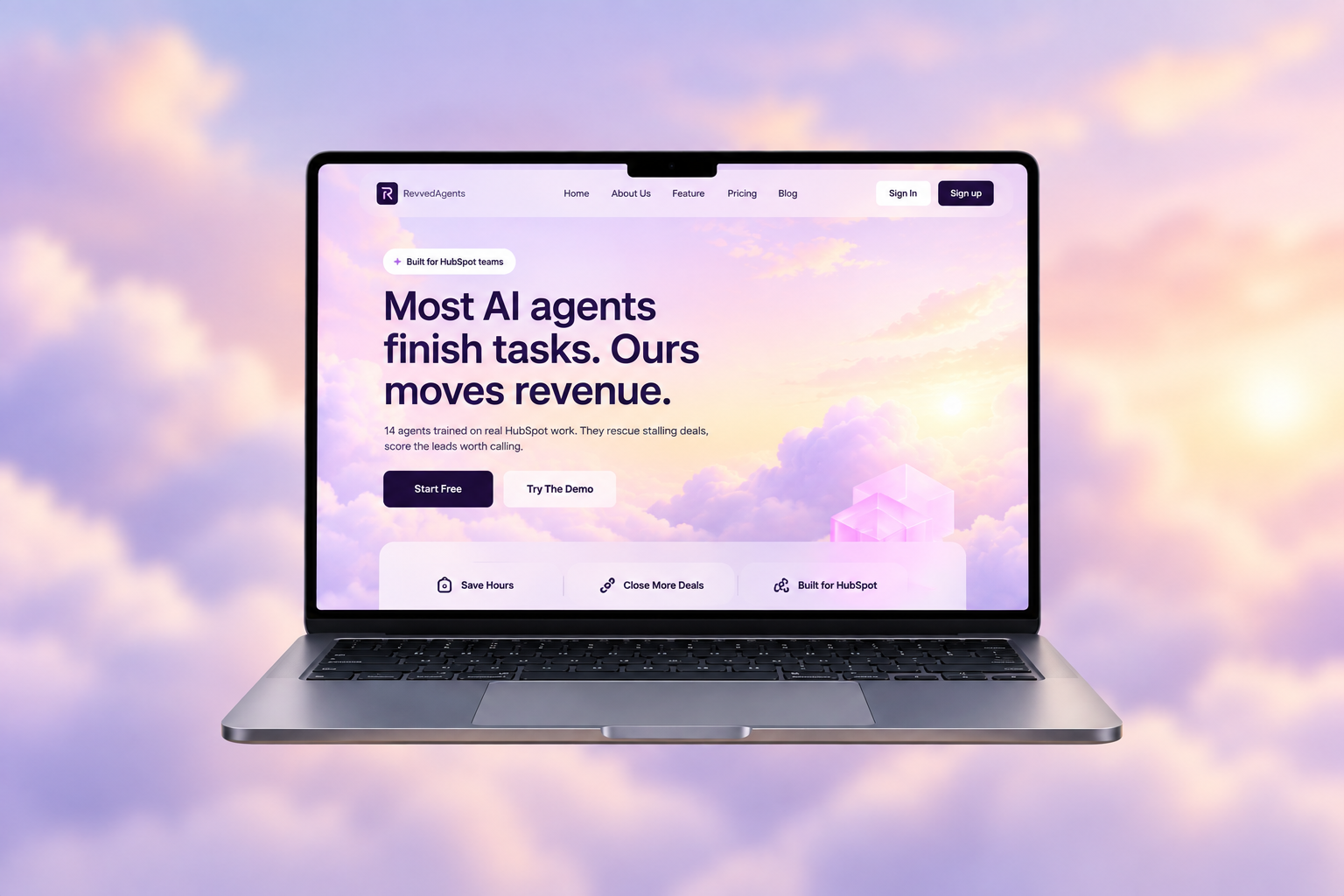
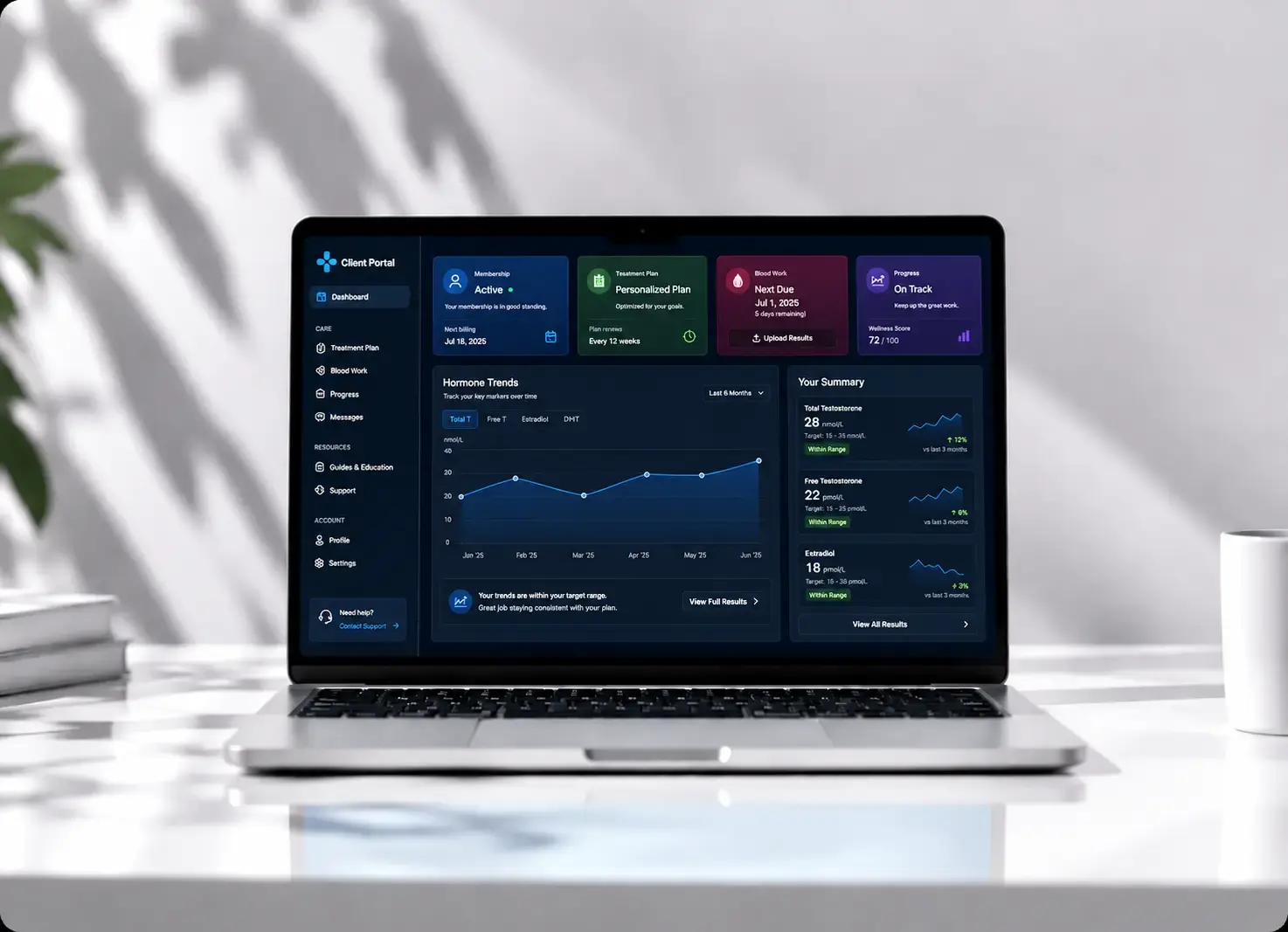
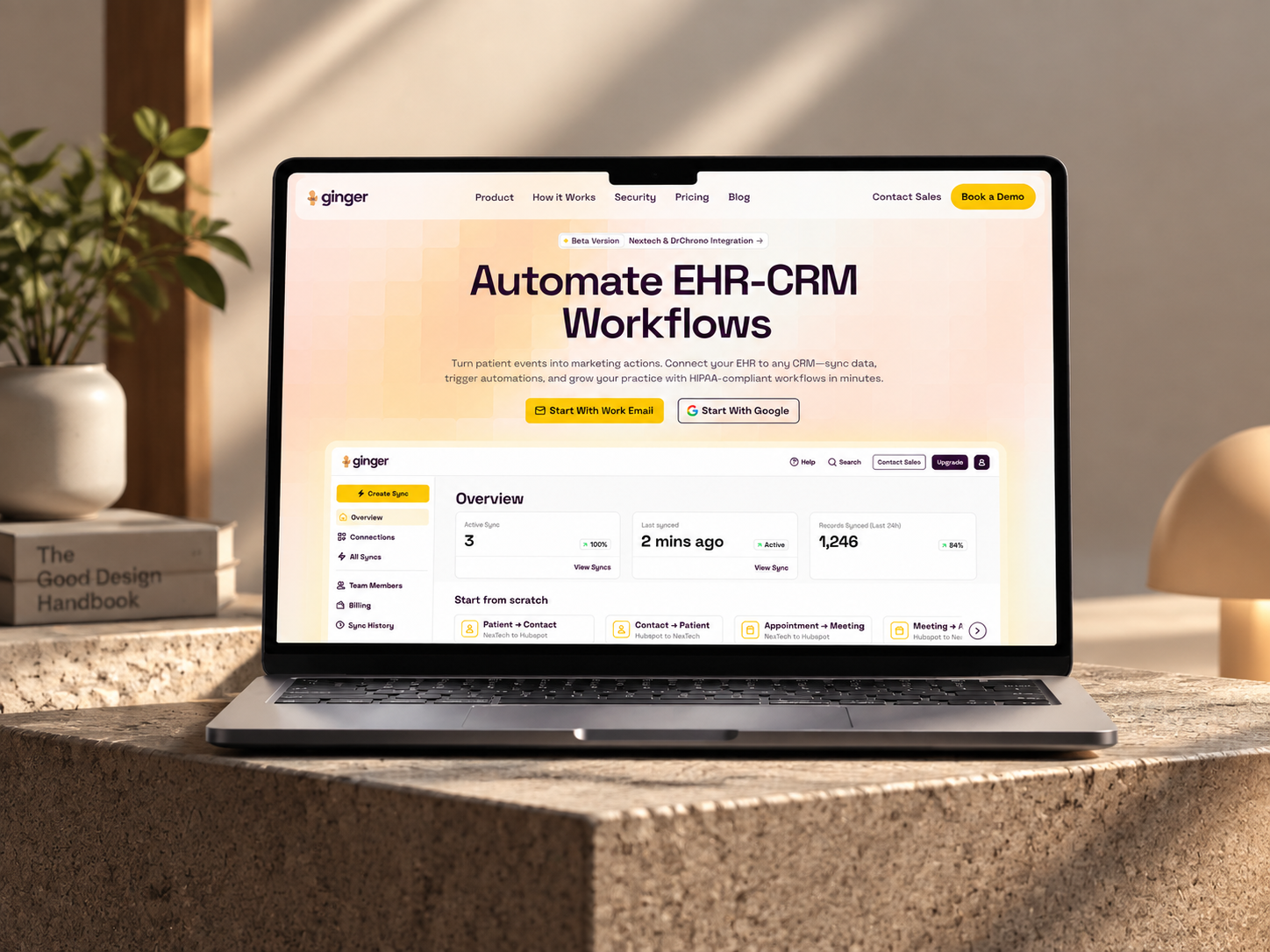
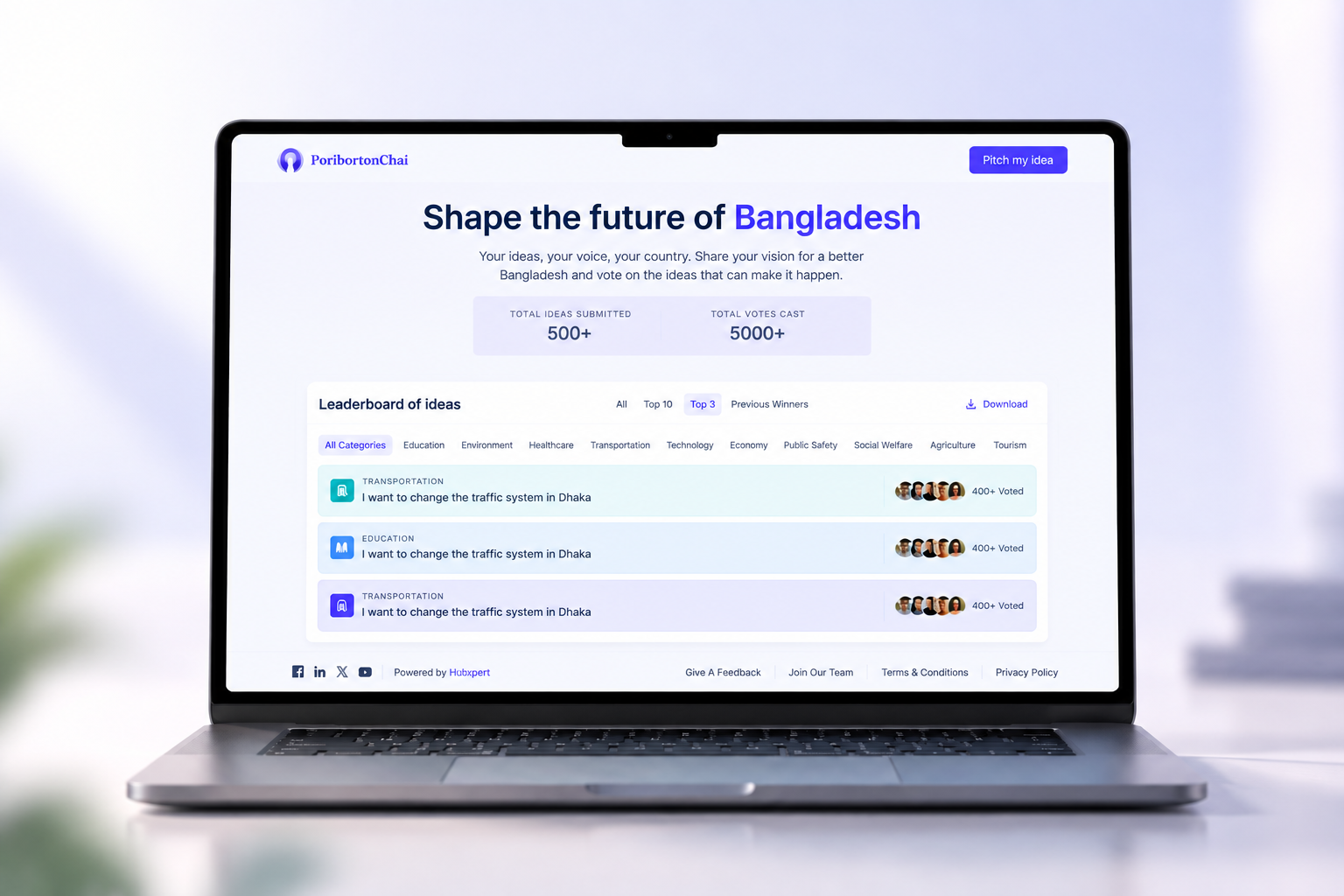
A curated selection of HubSpot implementations and digital marketing campaigns that moved the needle for our clients.
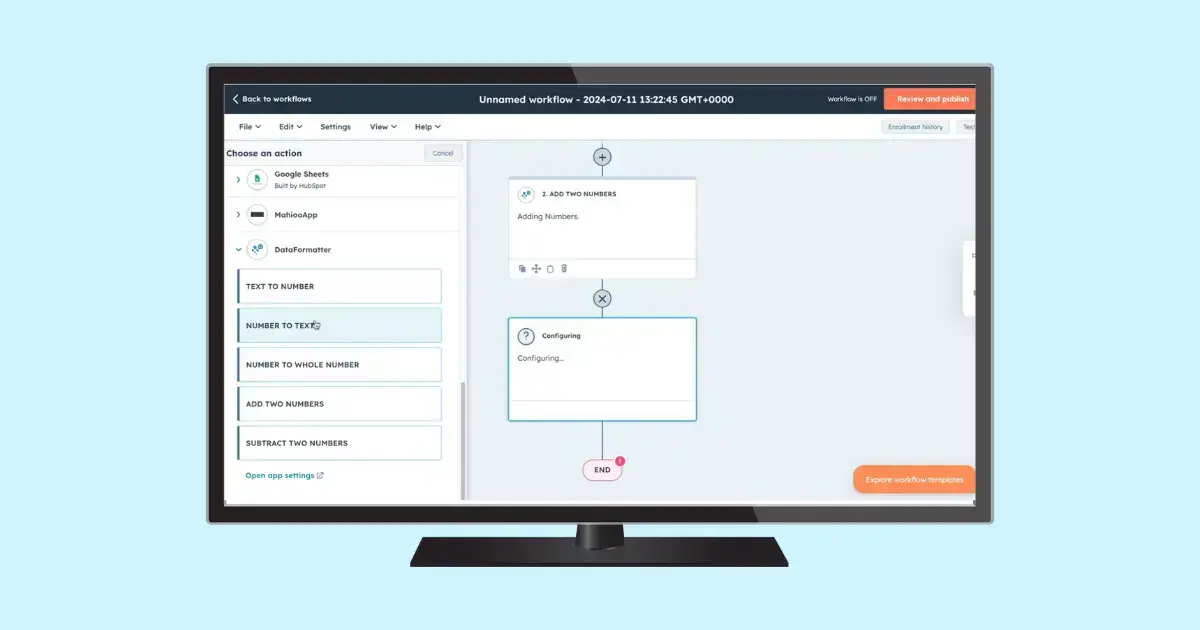
WEBOPS
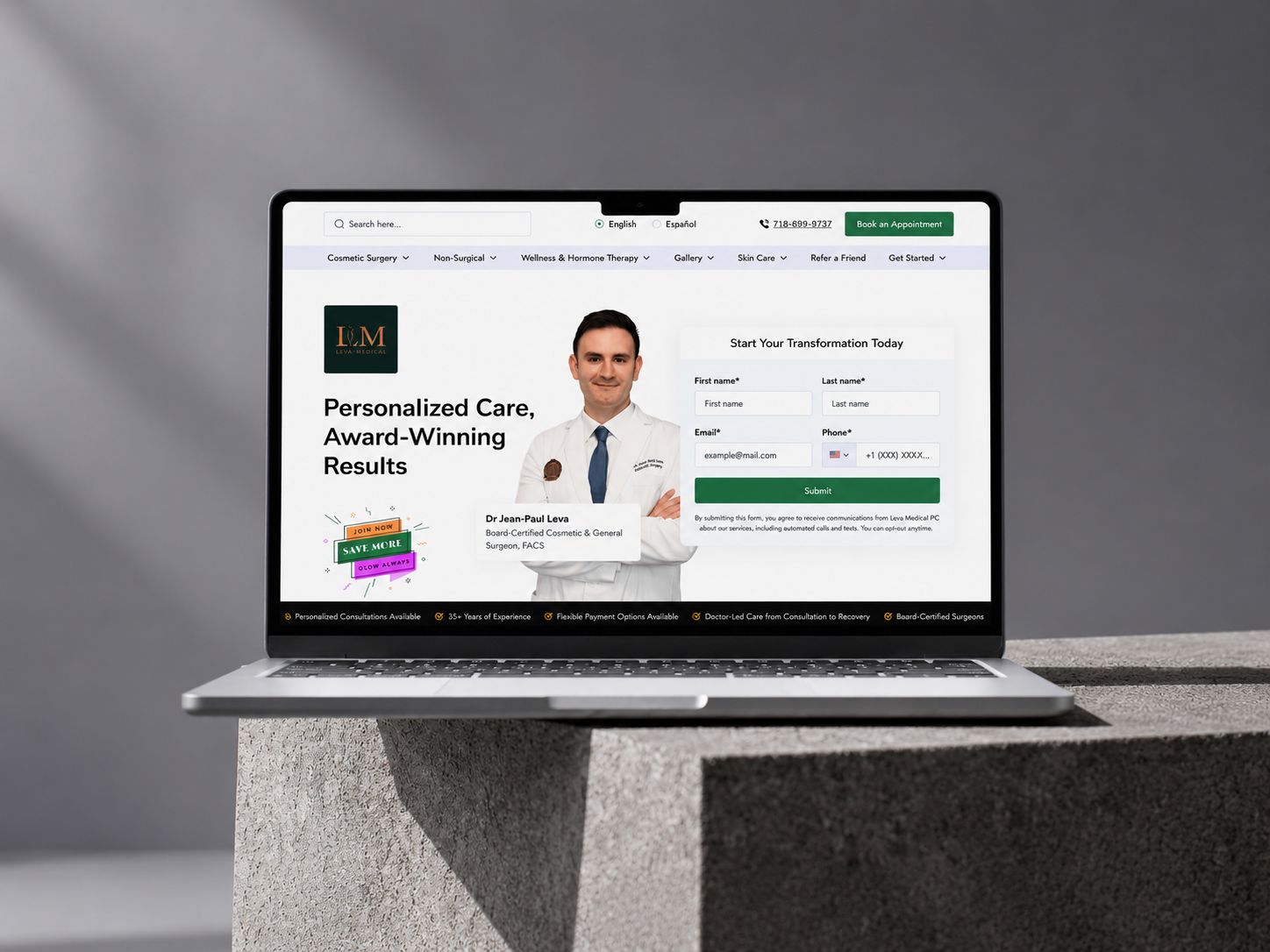
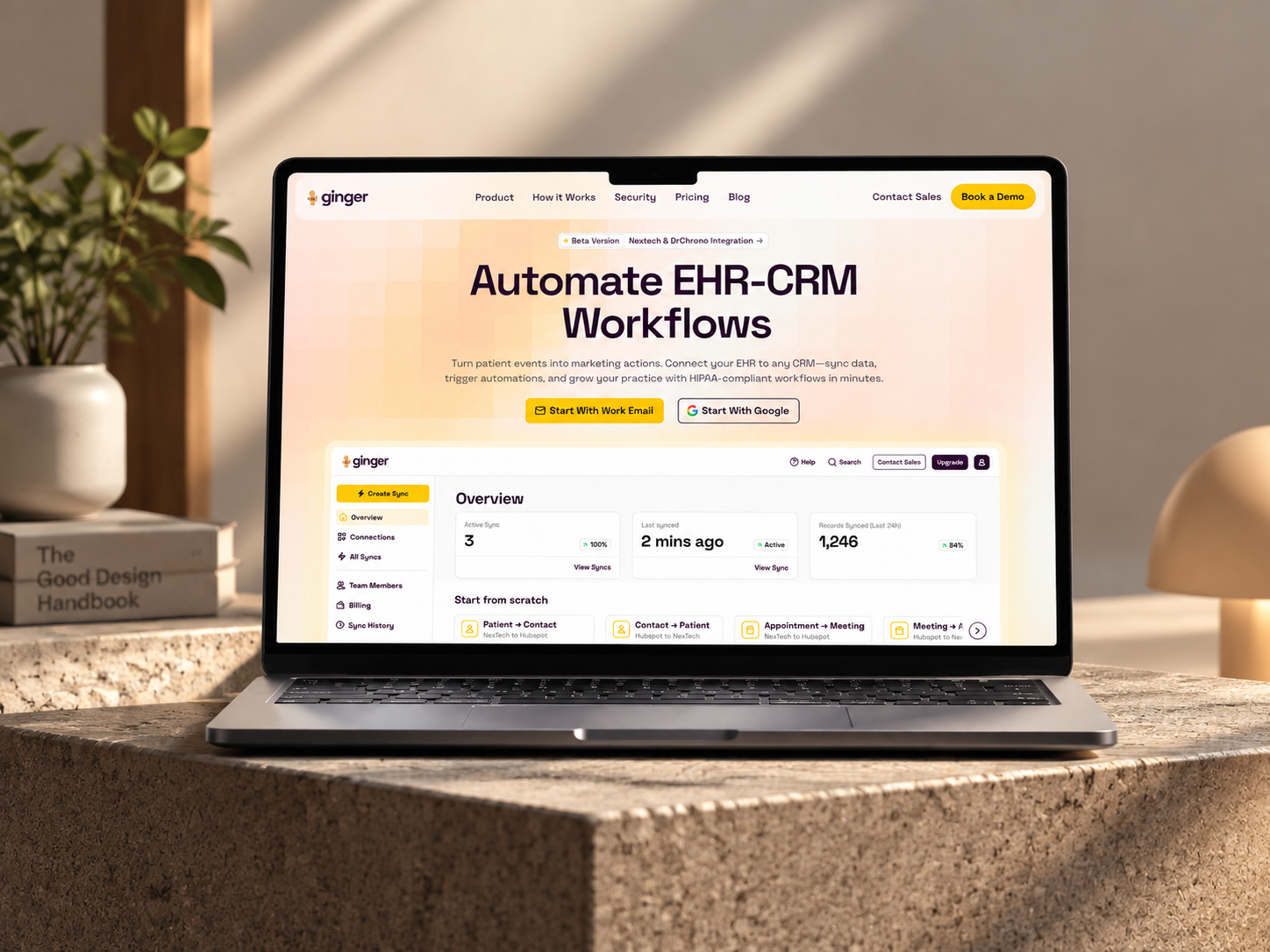
Leva Medical lacked Nextech–HubSpot integration, limiting marketing insights. HubXpert enabled secure, real-time sync for smarter, compliant patient engagement.
DevOPS
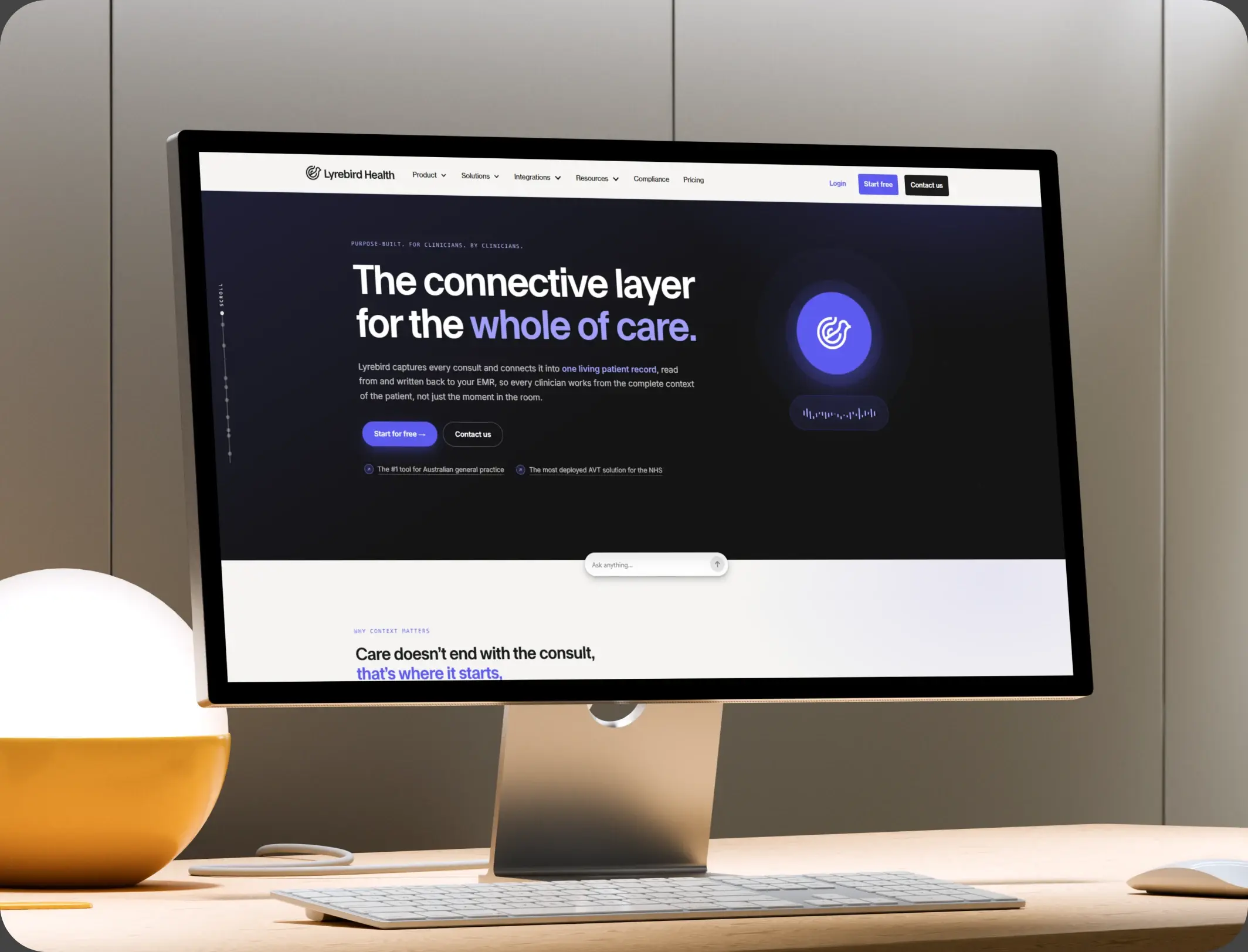
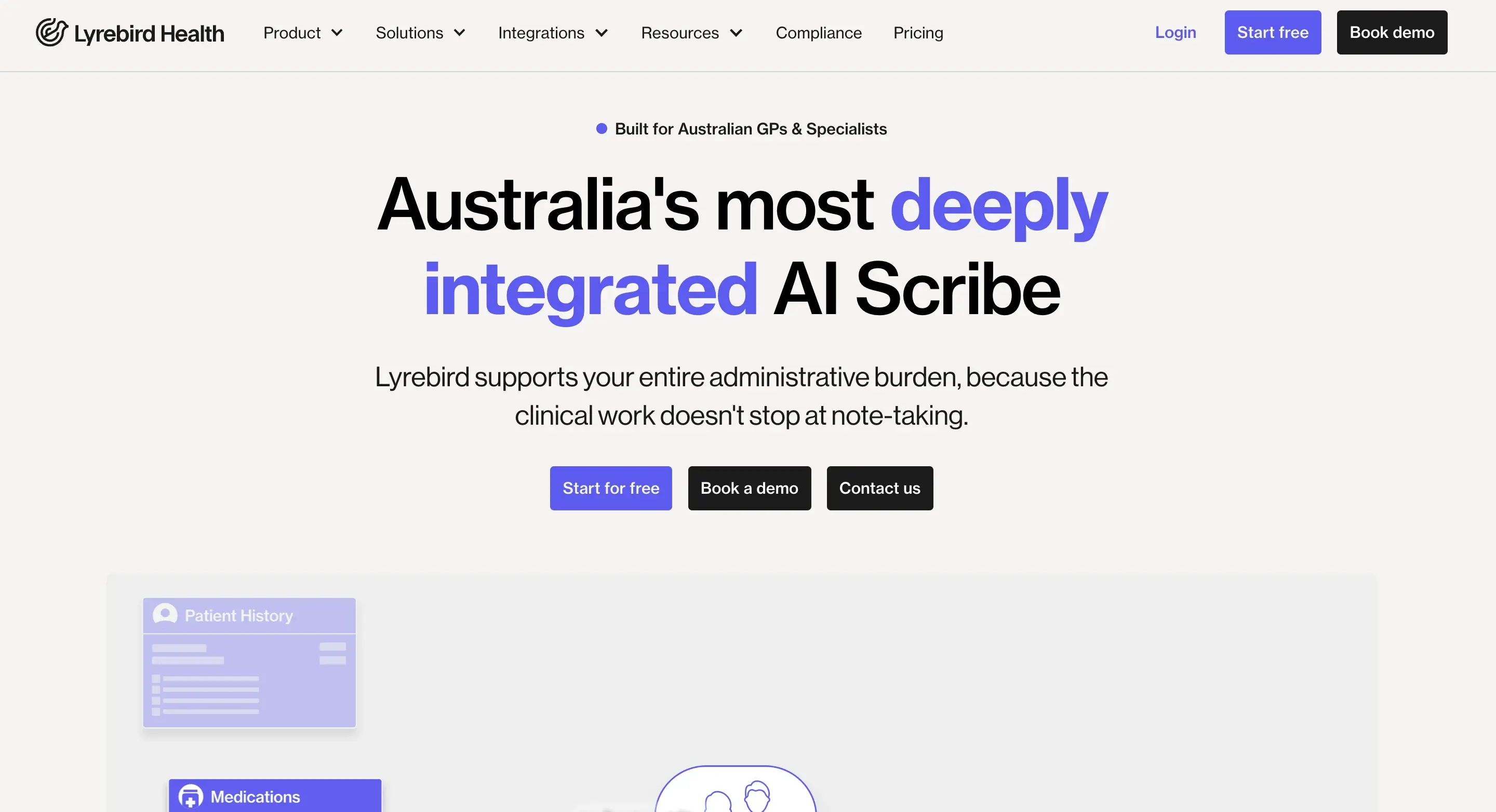
Lyrebird Health is a Healthcare SaaS company building AI-powered scribe and diagnostic solutions for clinics and hospitals.
DevOPS
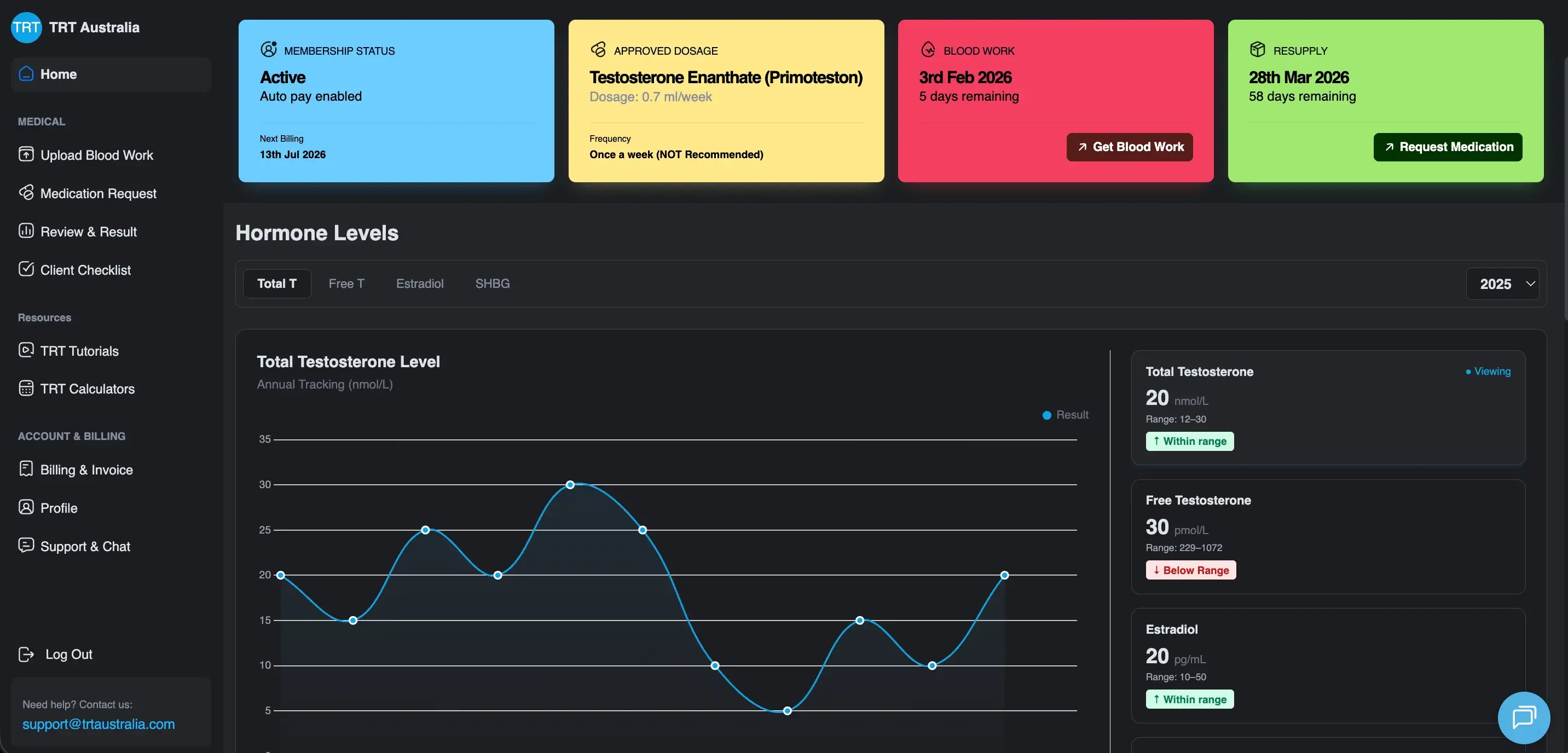
HubSpot portal empowers the Customer Service team to validate data, coordinate reports with doctors, and process pharmacy orders efficiently.
Local search, social, and referrals bring pet owners in, with the source recorded from the first touch. Most new clients start with a local search.
Simple booking forms and reminders move a new client from enquiry to a scheduled appointment. The first appointment decides whether a second follows.
Education and cost detail arrive after the visit, so a declined estimate gets a second conversation. Cost questions arrive after the estimate, not before.
Vaccine recall, wellness plan reminders, and multi-pet household tracking keep the client returning.
Instant acknowledgement, front-desk task, follow-up if unbooked within a day, and an SMS reminder on day three. Anyone who books exits the sequence at once.
Reminders at the recommended interval per vaccine, with a task if the pet does not book within three weeks. The household record shows the other pets due.
Monthly plan reminders and an annual review prompt, with a front-desk task when a payment fails. A failed plan payment raises a task the same day.
A check-in two days after a declined estimate, with cost options and a callback task. The task carries the declined estimate details.
A rebooking message within the hour, a follow-up the next morning, and a call task on day three.
When one pet visits, the household record surfaces the other pets and their due dates.
A request after a completed visit, with positive responses routed to the review link and concerns to the practice manager.
Certified platform expertise, with a track record across healthcare workflows and appointment-led practices.
Built around your recall schedule, wellness plans, and multi-location structure. No generic templates.
Multi-step workflows and conditional logic built for vaccine and plan timing.
Clean imports from your practice management system or spreadsheets, structured from day one.
An in-house team connecting HubSpot to your practice management, scheduling, and billing systems.
Continuous refinement as the clinic adds services and locations.
Veterinary records are client and patient data rather than human health records, so the work is data discipline: role-based access, payment detail left with the provider, and clinical notes kept in the practice system while the CRM handles appointments and recall. Access follows the role, not the seniority.
Not every practice needs every hub, and most start with Marketing and Sales. Here is how each one lines up with a recall-led veterinary business.
Your acquisition and recall engine: local campaigns, landing pages, and automated reminders. Campaigns and recall sequences run from the same client record.
Built for the appointment pipeline and the treatment plan conversation. Each enquiry carries an owner and a response window. Most clinics start with Marketing and Sales, then add Service as volume grows.
Where client questions, scheduling changes, and follow-ups get organized and tracked. The front desk sees the history before calling back.
Powers the website and pet care content with built-in SEO, so service pages stay current. Service and pet care pages get edited without a developer.
Connects practice management, scheduling, and billing systems, most valuable for multi-location groups. Records stay matched. Records stay matched across locations instead of drifting.
Yes. It runs the growth side of the practice: enquiry capture, booking follow-up, vaccine recall, wellness plans, and reporting, while the practice system keeps the clinical record. Most practices see the difference within the first month of live workflows. The CRM carries coordination, not medical records.
Yes. Recall runs from each pet's due dates rather than one blanket schedule, and a pet that does not book within a few weeks raises a front-desk task. Recall response is tracked, so the improvement is measurable. Every workflow is tested before it reaches a client.
It can. Pets sit under the household record, so a visit for one animal surfaces the others and their due dates. The sequence is matched to the species and life stage.
A check-in two days after a declined estimate, with cost options and a callback task, usually restarts the conversation. Nothing is assumed native until the connector is confirmed.
Often through a native integration, otherwise an API or middleware. Client and appointment data cross over, and clinical fields stay where they belong. Automation never sends a claim nobody signed off on.
Yes. Location routing, permissions, and consolidated reporting work from one clinic to a group, with each site keeping its own schedule. That is how cost per new client becomes visible.
Through configuration: limited access, governed workflows, encrypted connections, and payment detail left with the payment provider. We map which fields may hold clinical detail before launch.
Most run four to eight weeks, depending on integrations and how much client history needs migrating. Clinical detail stays in the practice system.
Ready to Grow Your Veterinary Practice With HubSpot?
Somewhere in your recall list, a booster is overdue and nobody has called the owner. The question is whether your systems reach them first. We build around your recall schedule, your plans, and your front desk. No boosters left to a paper list. No generic setup, and no booster left to a paper list.