















HubSpot for Travel Tech Companies: Stop Losing Trials to Security

Most travel tech deals do not stall at the first demo. They stall during API review, when IT, operations, and procurement all have a question and nobody owns the answer. HubSpot keeps the technical evaluation, the trial usage, and every stakeholder on one record from first call to signed contract.

traveler planning a route on a laptop at an outdoor table

Teams that leveled up their growth with HubXpert

Company logo (3)
Company logo (2)-1
Company logo (1)-1
Company logo-1
Icon Group 1-1
Company logo (4)-1
Company logo (3)
Company logo (2)-1
Company logo (1)-1
Company logo-1
Icon Group 1-1
Company logo (4)-1
The Reason

Why Travel Tech Companies Need More Than a Generic CRM

A generic CRM tracks deals. It was never built to manage a technical buying committee evaluating an API before they will sign, or to show which stakeholder has gone quiet. Time to value decides whether the account expands or churns, and implementation is where that clock starts.

Deals Stall in Technical Review

IT, operations, and procurement all weigh in before signature. Generic CRMs lose the thread once a deal leaves sales and enters evaluation.

Trials Convert Without Signals

Free trials and sandbox access generate usage data most CRMs never see. Without it, sales cannot tell who is ready to buy.

The Buyer Is Technical

A product lead asks about data model, an engineer asks about latency, and procurement asks about security. Each one needs a different answer.

Implementation Is the Renewal

A slow integration makes the first renewal a negotiation. Time to value decides whether the account expands or churns.

Expansion Hides in Usage

An account approaching its API or seat limit is a conversation waiting to happen, and nobody notices until the invoice.

Attribution Is Missing

Partner referrals, content, and outbound all claim the same deal. Without attribution, pipeline spend follows habit.

Benefits

Key Benefits of HubSpot for Travel Tech Companies

HubSpot for Travel Tech Companies covers five areas where a vendor can shorten the evaluation.

Capture Qualified Pipeline

Turn demo requests, trial signups.

  • Capture every signal

    Forms, trials, and partner referrals together.

  • Segment by buyer role

    Product, engineering.

  • Qualify on fit

    Use case, volume, and integration needs.

  • Track source

    See which channel produces deals.

Built for technical sales.

A privacy-conscious setup with role-based access.

  • 129% More inbound leads
  • 36% More deals closed
  • 37% Faster ticket resolution
Case Studies

Our Featured Works

A curated selection of HubSpot implementations and digital marketing campaigns that moved the needle for our clients.

HOSPITALITY

HubSpot End-to-End Guest Experience Automation

HubSpot End-to-End Guest Experience Automation for a Resort Villa - White Villas.

White Villas
White Villas – HubSpot End-to-End Guest Experience Automation

E-COMMERCE

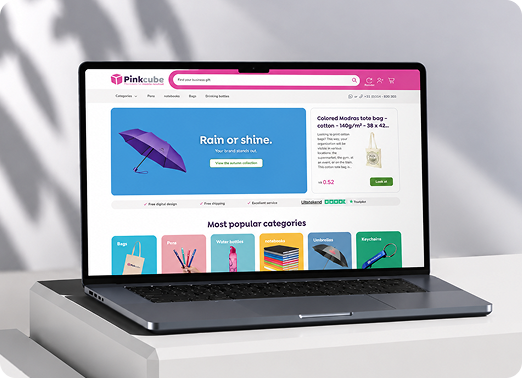
HubSpot Trengo to Service Hub Migration

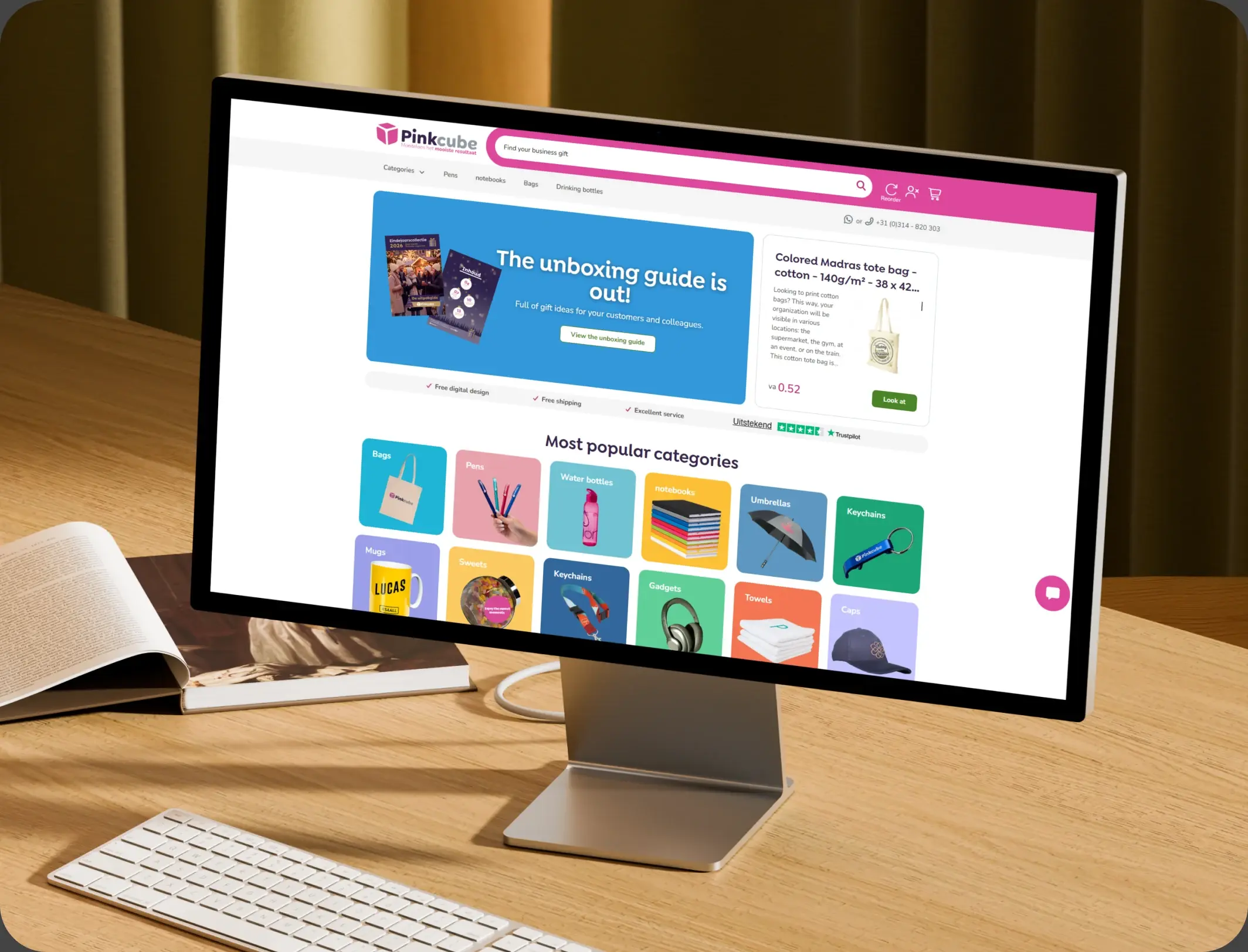
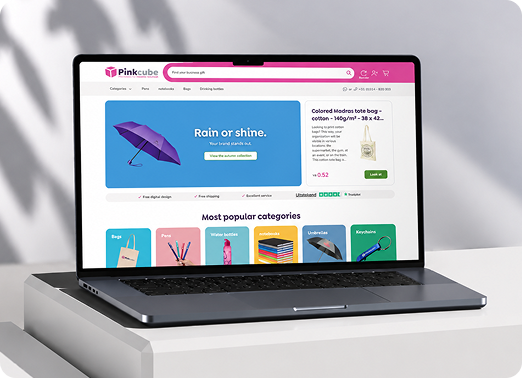
HubSpot Trengo to Service Hub Migration for an E-commerce Provider - Pinkcube.

Pinkcube
Pinkcube – HubSpot Trengo to Service Hub Migration

TRAVEL & VISA

HubSpot Onboarding and Integration

HubSpot Onboarding and Integration for a State-Owned Visa Company - Express Vietnam.

Express Vietnam
Express Vietnam – HubSpot Onboarding and Integration
HubSpot Usage

How Travel Tech Companies Use HubSpot Across the Deal

Step 1

Attract Technical Buyers

Documentation, case studies, and partner referrals bring the right buyers in, with the source recorded at first touch.

Step 2

Run the Evaluation

Each stakeholder has a role and a concern, and the review stage is visible rather than inferred from silence. The evaluation is longer than the sales cycle and less visible.

Step 3

Convert the Trial

Usage signals decide who gets a call, and quiet trials get nurture instead of a sales chase. Most technical buyers arrive through documentation, not a cold email.

Step 4

Grow the Account

Usage against limits, quarterly reviews, and renewal reminders turn a signed contract into an expanding one.

Workflow & Triggers

Example Travel Tech Workflows We Can Automate in HubSpot

These are the workflows we build most often when we set up HubSpot for Travel Tech Companies, tuned to a deal that pauses for a security review. The account owner sees the task the moment it lands.

woman with a laptop beside a purple suitcase
  1. Demo Request Routing

    A request creates an opportunity with use case and size, then routes to the right solutions engineer. A signed contract exits the evaluation sequence.

  2. Evaluation Stage Tracking

    Security, API, and legal stages each have an owner and a date, with a task if a stage sits for five days. Each stage has an owner, a date, and a five-day alert.

  3. Trial Activation Nudge

    Setup guidance at day one, a check-in at day seven, and a call task when an account hits a usage milestone. A usage milestone raises a call, not another email.

  4. Quiet Trial Nurture

    Accounts with no activity at ten days receive documentation rather than a sales email. Quiet trials receive documentation, not a chase.

  5. Usage Threshold Alert

    A task when an account approaches seventy percent of its API or seat limit. Threshold alerts fire before the invoice does.

  6. Renewal Sequence

    Notice at 120, 90, and 60 days, with the account summary attached. Churn signals run on weekly usage, not sentiment.

  7. Churn Risk Alert

    A task when weekly usage falls for three consecutive weeks.

Why HubXpert

Why Choose HubXpert for HubSpot Travel Tech Builds?

Travel tech vendors come to us because the deal is won in the evaluation, and the evaluation is usually run by people who never speak to each other.

HubSpot Platinum Partner

Certified platform expertise, with a track record across travel agency workflows and SaaS sales cycles.

Custom Technical Workflows

Built around your evaluation stages, stakeholder roles, and trial motion. No generic templates.

Advanced Automation

Multi-step workflows and conditional logic triggered by product usage.

CRM Migration and Data Structuring

Clean imports from your product database or spreadsheets, with account history intact.

Integration and API Development

An in-house team connecting HubSpot to your product, billing, and data warehouse.

Reporting and Optimization

Win rate by segment, evaluation duration, and expansion tracked from launch.

Compliance

Privacy-Conscious Setup Inside HubSpot for Travel Tech Companies

A travel tech vendor holds customer configuration, usage data, and sometimes travel records passed through an API. The work is separation: production data stays in your platform, card data with the billing provider, and the CRM carries the account and the evaluation.


  • Customer Data Separation
  • Role-Based Access
  • Security Review Readiness
  • Encrypted Connections
Secure data lock
HubSpot Hubs

HubSpot Hubs Recommended for Travel Tech Companies

Not every vendor needs every hub, and most start with Sales and Marketing before adding Service. Here is how each one lines up with a technical sales cycle.

  • Marketing Hub

    Your acquisition engine: documentation, case studies, and nurture for an audience that reads before it replies. Content drives pipeline here, more than in most categories.

  • Sales Hub

    Built for the evaluation pipeline and the multi-stakeholder review, where silence is the main competitor. Each opportunity carries an owner, a segment, and a review stage.

  • Service Hub

    Where implementation questions, incidents, and account requests get tracked. Implementation teams see the account history before kickoff.

  • Content Hub

    Powers the website and documentation hub with built-in SEO, so integration pages stay findable. Documentation and integration pages get edited without a release.

  • Operations Hub

    Connects your product, billing, and warehouse, which is how usage signals reach the CRM at all. Usage data stays matched between the product and the CRM.

Our Process

Our Process for Implementing HubSpot for Travel Tech Companies

Step 1.

Discovery and Deal Analysis

We assess your systems, evaluation stages, stakeholder map, and growth goals. This discovery shapes every decision that follows.
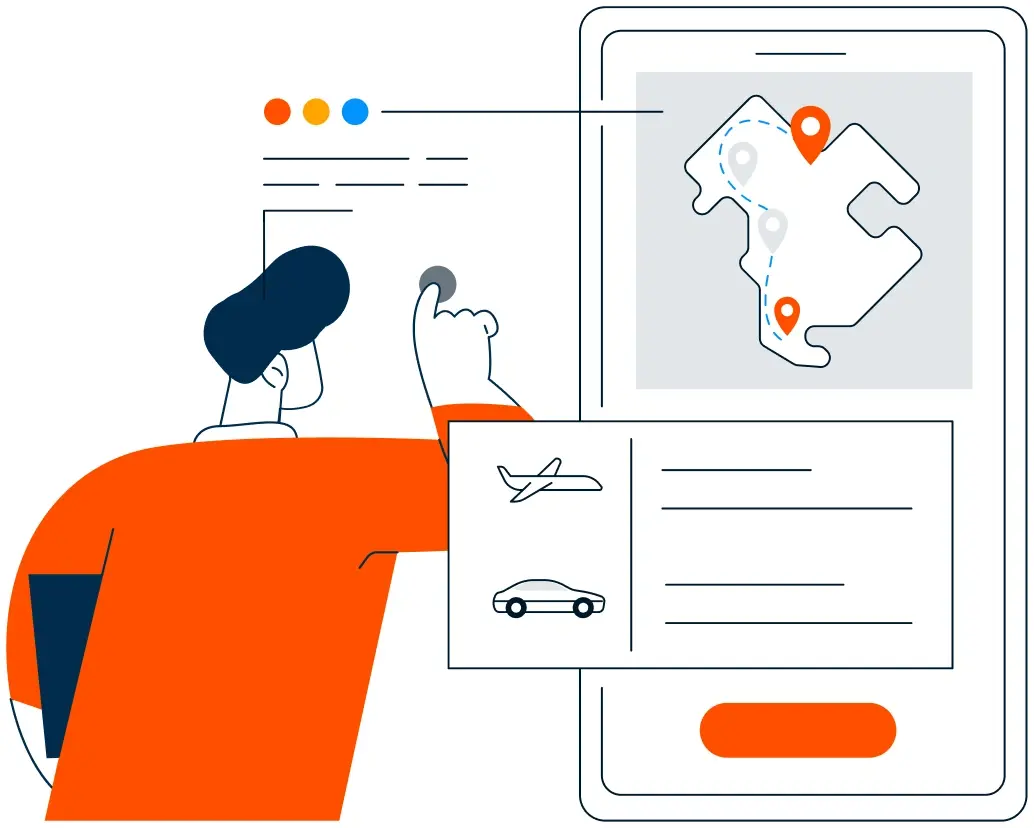
Discovery and Deal Analysis illustration
Step 2.

CRM Architecture and Pipeline Planning

Custom properties, review stages, and account tiers mapped to how the vendor actually sells, before any build begins. Stages mirror how a demo actually becomes a signed contract.
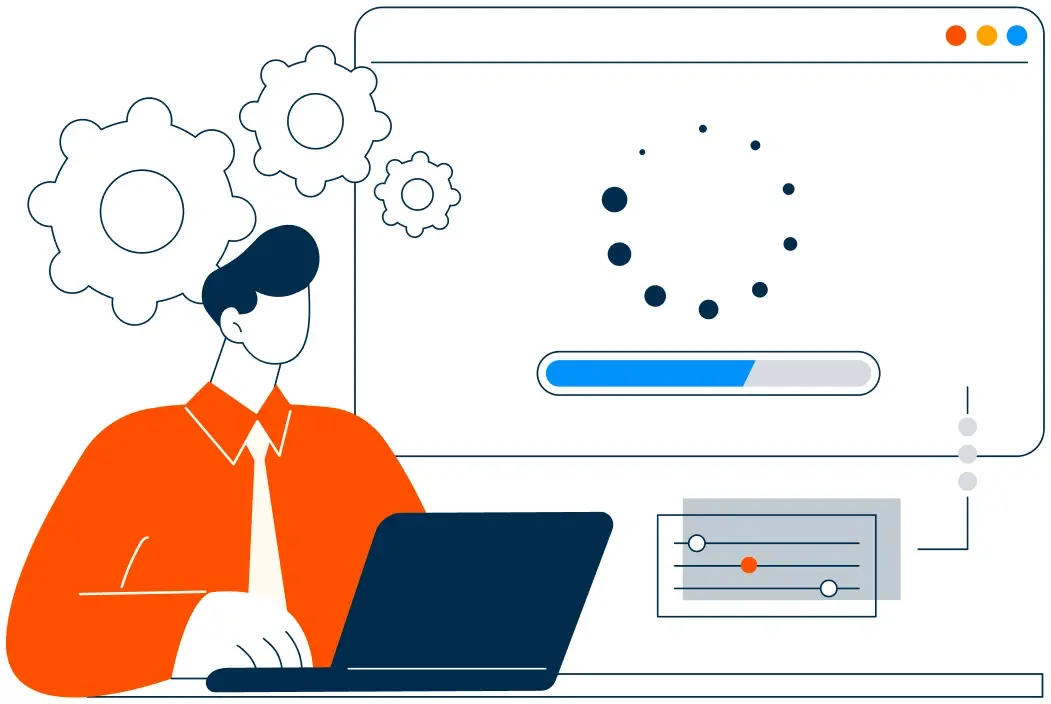
CRM Architecture and Pipeline Planning illustration
Step 3.

Automation and Integration Setup

Workflows built, product and billing integrations connected, sequences configured, and dashboards created. Every automation is tested before launch.
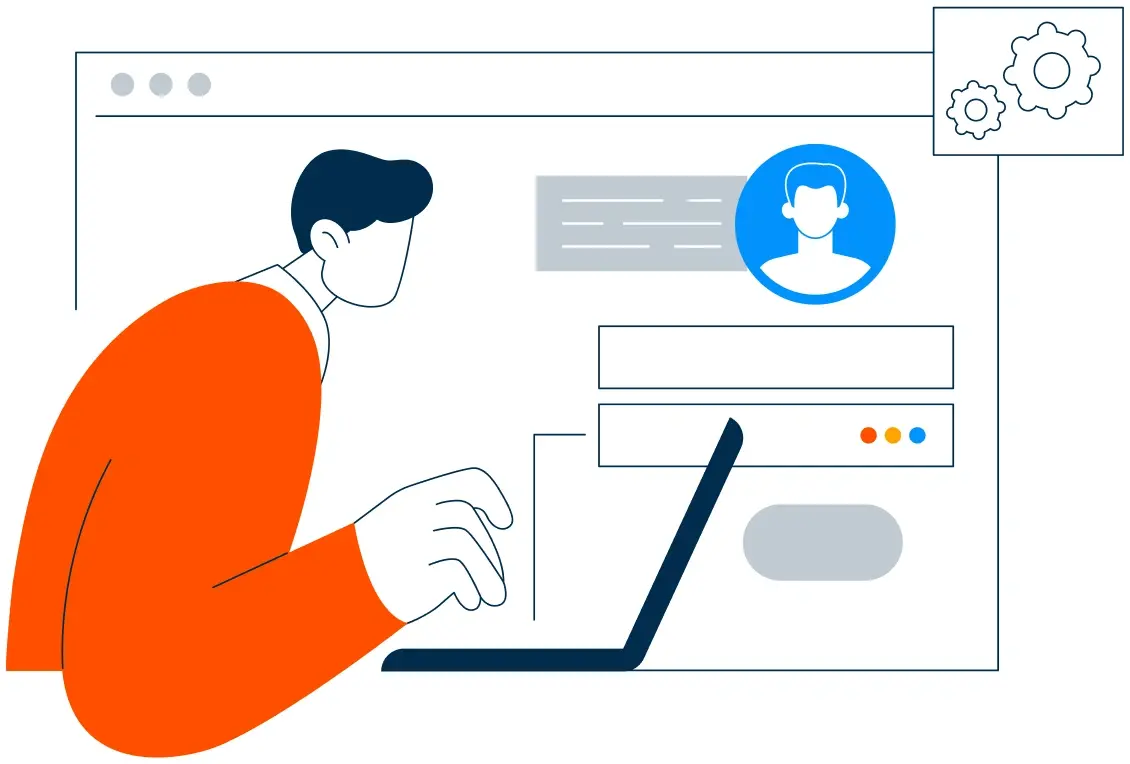
Automation and Integration Setup illustration
Step 4.

Team Training and Adoption

Hands-on training for sales, solutions engineers, and customer success, each on the tools their role needs.
Team Training and Adoption illustration
Step 5.

Reporting and Optimization

Once live, we monitor evaluation duration and refine workflows, dashboards, and strategy as the pipeline changes.
Reporting and Optimization illustration
FAQ

Questions You Might Have

Does HubSpot work for travel tech companies?

Yes. It runs the commercial side of the deal: demo requests, evaluation stages, trial conversion, expansion, and renewals, while your product keeps the technical truth. Most vendors see the difference within the first quarter. The CRM carries the account, not the customer's records.

Can HubSpot manage a technical evaluation?

Security, API, and legal stages each have an owner and a date, and a stage sitting for five days raises a task, which is where most travel tech deals quietly stall. Evaluation duration is tracked, so the improvement is measurable. Every workflow is tested before it reaches a buyer.

Can HubSpot convert trials faster?

Product usage decides who gets a call. An account hitting a milestone raises a task, and a quiet trial receives documentation rather than a chase. The sequence is matched to the segment and buyer role. Expansion alerts run monthly with the success team.

Can HubSpot catch expansion?

A task raises when an account reaches seventy percent of its API or seat limit, which is the point where the conversation is still welcome. Nothing is assumed native until the connector is confirmed. Security documentation is attached to the stage, not emailed twice.

How do you handle customer data?

Production data stays in your platform, access is role-based, and the CRM carries the account rather than the customer's records. Customer records never enter the CRM.

Can HubSpot integrate with our product and billing?

Often through an API or middleware. Usage and billing signals are the useful part, and the sync direction is scoped first. That is how cost per closed deal becomes visible.

Does it work for vendors selling into several markets?

Yes. Regions, segments, and account tiers are properties, so win rate can be compared directly. We map which fields may hold customer data before launch.

How long does an implementation take?

Most run six to ten weeks, depending on integrations and how much account history needs migrating. Production data stays in the platform.

Book Consultation

Ready to Shorten Your Technical Sales Cycle?

A deal is sitting in security review with no owner, and a trial has been active for three weeks without a call. We build around your evaluation stages, your product signals, and your team. No generic setup, and no review left waiting.

Takes 30 minutes
Delivered by certified HubSpot experts

Ratul-Rahman