

























Attract Corporate Prospects
Events, referrals, and outbound bring travel managers in, and the source is recorded from the first conversation.
A corporate travel program is won through a long RFP, then kept through duty of care and traveler adoption, and a TMC that cannot show either loses the account at renewal, which is why TMCs are moving the commercial side of corporate travel into a real CRM. Corporate buyers ask for proof before they ask for price.

Teams that leveled up their growth with HubXpert
A corporate travel contract moves through procurement, finance, HR, and security. Without a shared record, the bid team repeats the same discovery call three times.
The account is won and the sales team moves on. Nobody owns the quarterly review, so the client sees the TMC only when something goes wrong.
A program that travelers do not use cannot show savings. Adoption is a marketing and communication problem, not a booking tool problem.
When something happens, the account manager has to show who was where and who was contacted. Email threads are not an audit trail.
A contract renews on a date nobody diarised, and the conversation starts after the client has already reviewed alternatives. A renewal date is a marketing date, and most TMCs treat it as an admin one.
Referrals, events, and outbound all claim the same contract. Without attribution, the next business development budget is a guess.
HubSpot for Travel Management Companies covers five areas where a TMC can win larger accounts and keep them longer.
Every requirement has an owner.
Discovery notes on one shared record.
Templates and stored answers cut repetition.
Sequences match a multi-stage procurement.
Volume, routes, and policy fit checked early.
Security, duty of care, and reporting covered.
Follow-up tasks between meetings.
Declines logged so the next bid improves.
Frequent, occasional, and executive travelers.
Registration detail arrives at the right moment.
Updates that explain the benefit.
Accounts where usage is falling surface early.
A cadence the account manager can hold.
Usage, adoption, and support volume in one view.
Notice at 120, 90, and 60 days.
A task when engagement drops.
Source stored on every opportunity.
Compared on contracts, not cards collected.
Win rates by industry and region.
Attribution replaces guesswork.
A privacy-conscious setup with role-based access.
A curated selection of HubSpot implementations and digital marketing campaigns that moved the needle for our clients.
HOSPITALITY
HubSpot End-to-End Guest Experience Automation for a Resort Villa - White Villas.
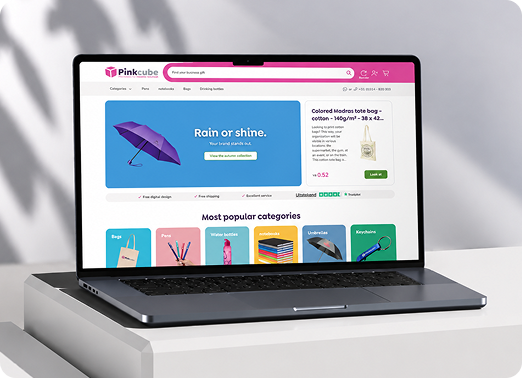
E-COMMERCE
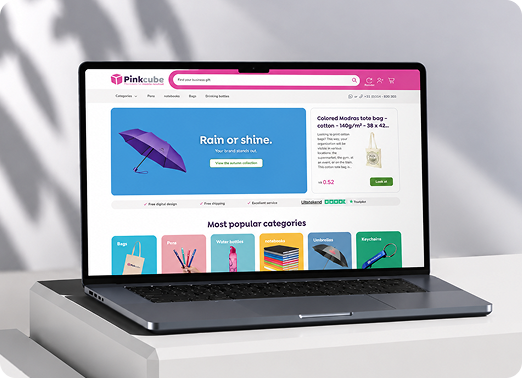
HubSpot Trengo to Service Hub Migration for an E-commerce Provider - Pinkcube.
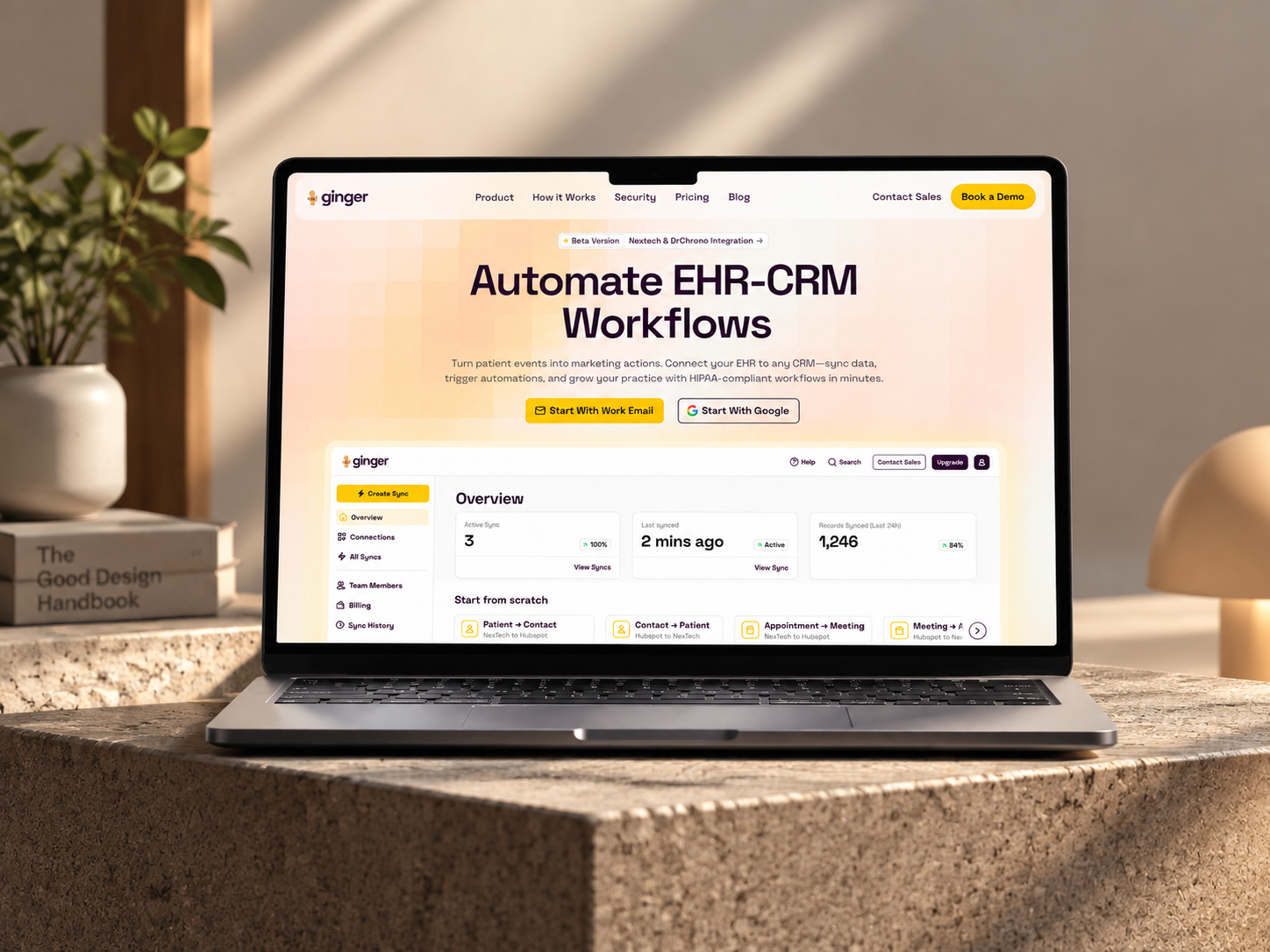
TRAVEL & VISA
HubSpot Onboarding and Integration for a State-Owned Visa Company - Express Vietnam.
Events, referrals, and outbound bring travel managers in, and the source is recorded from the first conversation.
A shared record holds discovery notes, requirements, and stakeholders, so the bid team stops repeating itself. Procurement asks the same six questions every time.
Traveler registration, policy detail, and the first quarterly review run from one sequence after signature. Onboarding is where the first review is actually won.
Account health, adoption, and renewal reminders keep the relationship visible between contracts.
Each stage has an owner and a date, with a task when a requirement sits untouched for a week. Each stage carries the requirement and its owner.
A sequence from signature to traveler registration, with tasks for the implementation team. Unregistered travelers get a prompt, not a lecture.
Registration prompts to unregistered travelers, with adoption reported per account. The review reminder carries the account summary.
A reminder 30 days before each review, with an account summary attached. The audit trail exists before anybody asks for it.
A quarterly task confirming traveler contacts are current, so the audit trail exists before it is needed. A falling account raises a task, not a surprise.
Notice at 120, 90, and 60 days, with an account manager task if the client has not engaged.
A task when bookings or adoption fall for two consecutive months.
Certified platform expertise, with a track record across travel agency workflows and B2B sales cycles.
Built around your RFP stages, account structure, and review cadence. No generic templates.
Multi-step workflows and conditional logic built for procurement timelines.
Clean imports from your current system or spreadsheets, with account history intact.
An in-house team connecting HubSpot to your booking platform, mid-office, and reporting stack.
Continuous refinement as the TMC adds sectors and regions.
Corporate travel carries traveler identity, itinerary, and sometimes health or accessibility detail. The work is separation: itineraries stay in the booking system, personal documents stay in a controlled store, and the CRM carries the account relationship and the audit trail of communication.

Not every TMC needs every hub, and most start with Sales and Marketing before adding Service. Here is how each one lines up with a corporate travel business.
Your acquisition engine: events, content, and nurture for a procurement audience that reads carefully and decides slowly. Events and nurture run from the same opportunity record.
Built for the RFP pipeline and the multi-stakeholder conversation, where six people have to agree before a signature. Each bid carries an owner and a submission date.
Where traveler queries, account requests, and escalations get tracked against the contract. Account managers see the history before the review.
Powers the website and policy content with built-in SEO, so program pages stay current. Program and policy pages get edited without a developer.
Connects booking, mid-office, and reporting systems, most valuable at scale. Account data stays matched across regions. Account data stays matched across regions instead of drifting.
Yes. HubSpot for Travel Management Companies runs the commercial side of the business: RFP tracking, account onboarding, traveler adoption campaigns, reviews, and renewals, while the booking platform keeps the itinerary. Most TMCs see the difference within the first renewal cycle.
Each stage has an owner and a date, discovery notes sit on one record, and a requirement that sits untouched for a week raises a task. Win rate is tracked, so the improvement is measurable. Every workflow is tested before it reaches a client.
It can. Unregistered travelers get prompts, and adoption is reported per account, which is the number that decides renewal. The sequence is matched to the sector and program size.
It supports the communication side: traveler contacts kept current and a record of who was contacted. The tracking itself stays in your duty-of-care system. Nothing is assumed native until the connector is confirmed.
Often through a native integration, otherwise an API or middleware. Account and booking data cross over, and the sync direction is scoped first. Itineraries never live in the CRM.
Yes. Teams, permissions, and consolidated reporting work across regions, with each market keeping its own pipeline. That is how cost per contract becomes visible.
Yes. Opportunities are tagged by sector, region, and size, so win rate and cycle length can be compared directly. We map which fields may hold traveler data before launch.
Most run six to ten weeks, depending on integrations and how much account history needs migrating. Traveler data stays in the booking and duty-of-care systems. The CRM carries the relationship, not the itinerary.
Ready to Win and Keep More Corporate Accounts?
A renewal date is approaching on an account nobody has reviewed in a year. We build around your RFP stages, your account structure, and your team. A corporate buyer asks for proof before price, and the proof lives in the record. No generic setup, and no renewal left undiarised at all.