













Catch the Plan
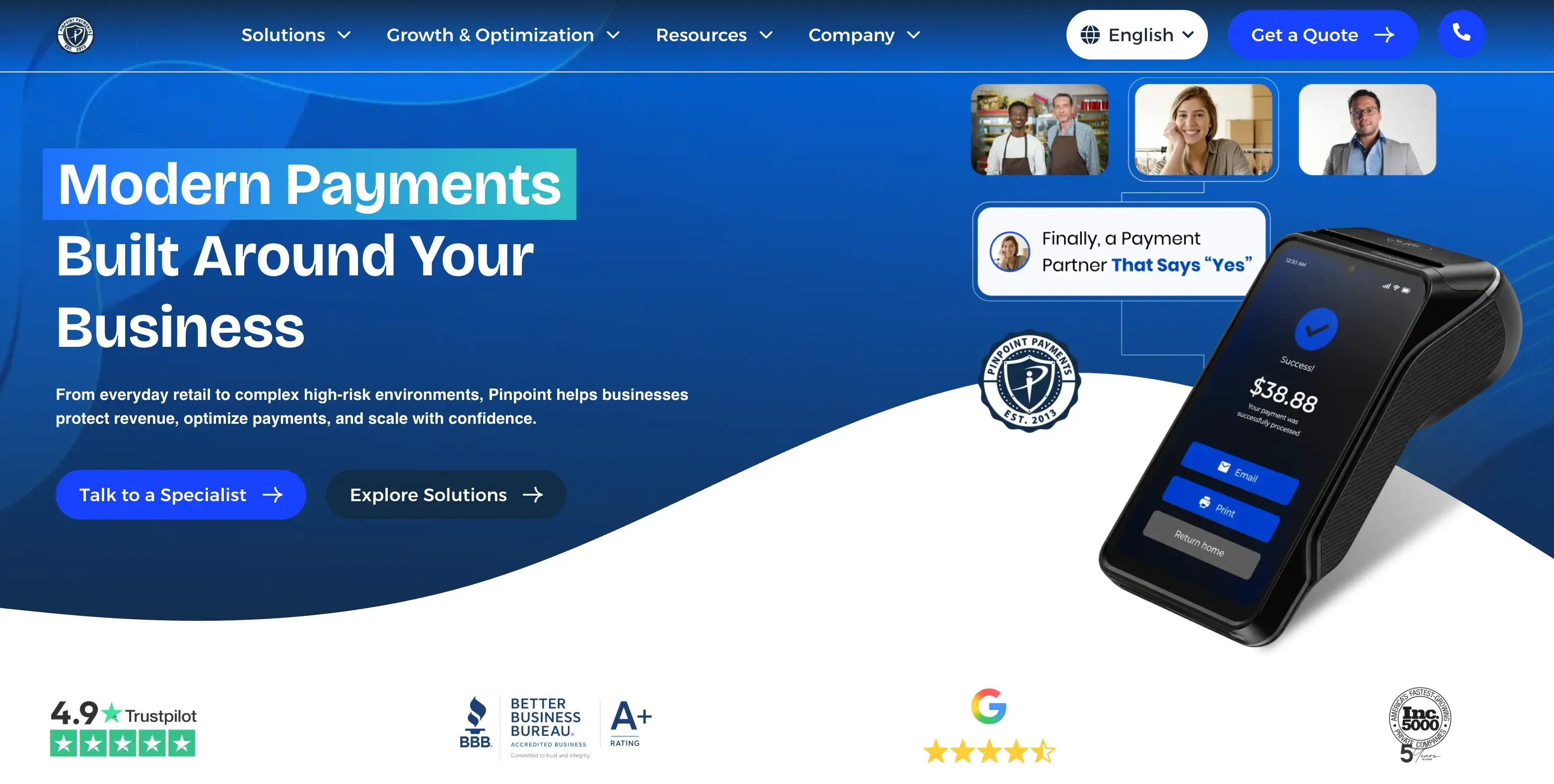
A packing guide or a destination page captures the trip date, and the outreach is timed to it.
In travel accessories, nobody buys a suitcase on a schedule. They buy because a trip was booked last week, and the brand that reaches them while they are still planning wins the whole packing list. HubSpot catches the planning window, sells the kit instead of the item, and uses warranty trust to earn the next trip.
Teams that leveled up their growth with HubXpert
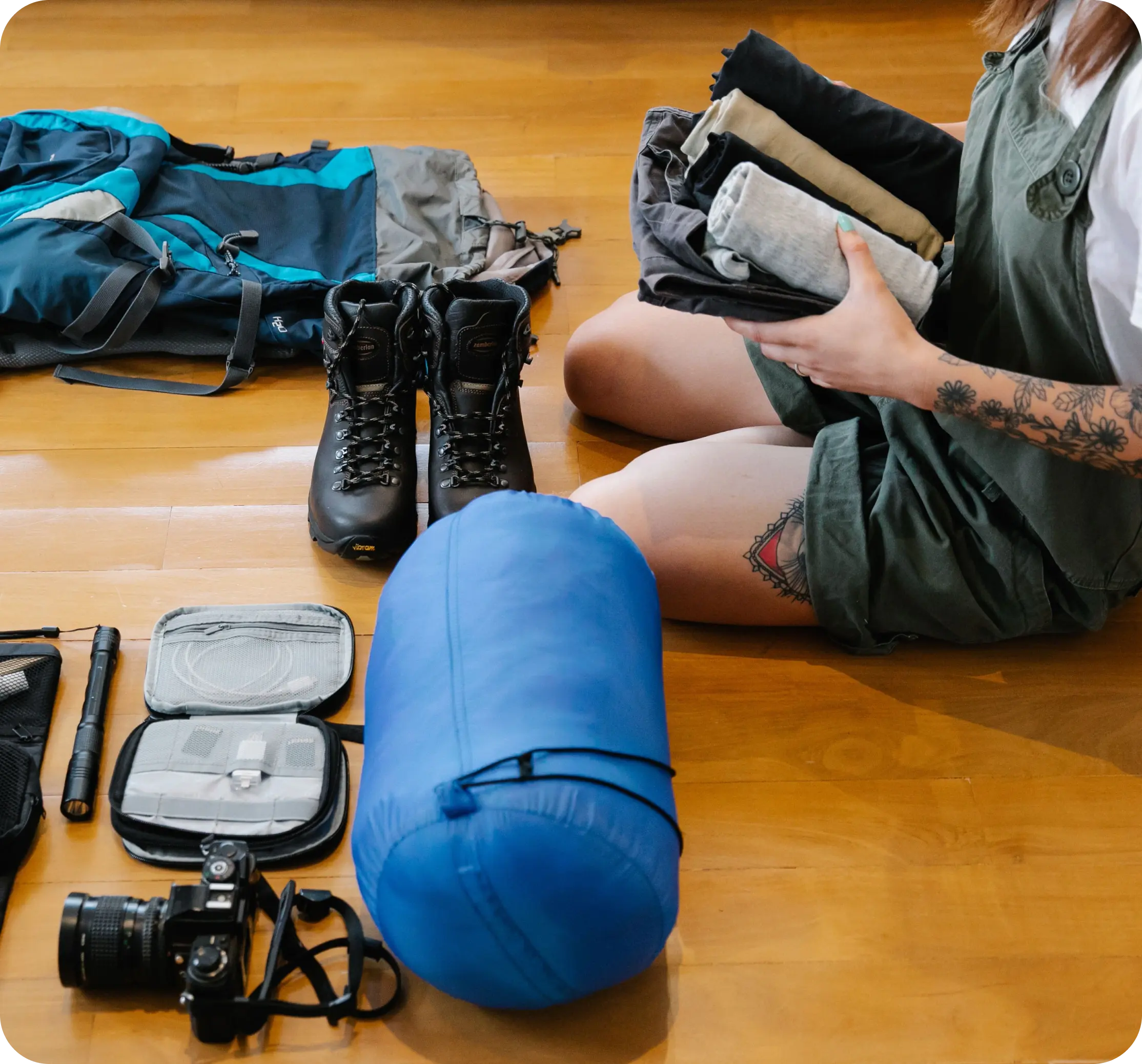
Nobody restocks luggage on a schedule. The buying trigger is an upcoming trip, and that window closes fast once it opens. The packing list is decided in one sitting, and the brand that is present wins it.
A customer buying a suitcase also needs packing cubes, adapters, and a cabin bag, and most stores sell the bag and miss the rest. A warranty that answers quickly earns the next trip's purchase.
Demand spikes around holidays and summer, and most brands plan stock on last year's spreadsheet rather than on signals they could collect.
A repair handled well is a reason to return, and a warranty claim handled slowly is a review the brand cannot delete.
A wrong-size cabin bag crosses borders twice, and the reason rarely reaches the product team.
A traveller reads five packing guides before buying, and every channel claims the order separately.
HubSpot for Travel Gear Brands covers five areas where a trip, not a replenishment cycle, creates demand.
Destination and date on the record.
Weeks before departure.
A list matched to the trip. Segment by trip type.
Orders tied to a departure date.
Cabin, checked, and adventure.
The items most buyers add.
One message, not five.
Items per order.
A short form at delivery.
What is happening, and when.
A route back to the range.
Days from claim to resolution.
Where customers are travelling.
Demand recorded rather than lost.
A monthly view.
Orders by month and category.
A consent-aware setup with per-channel tracking, and order, payment.
A curated selection of HubSpot implementations and digital marketing campaigns that moved the needle for our clients.
Ecommerce
HubSpot Enterprise Onboarding and Custom Integration for a European B2B E-Commerce Giant
Ecommerce
Onboarding Marketing Hub for 360° Marketing Automation and Sales Hub for 5+ team members
Ecommerce
E-commerce Automation, HubSpot Integration, and Sales Optimization
A packing guide or a destination page captures the trip date, and the outreach is timed to it.
The bundle recommendation follows the trip type, and the accessories are added in one message. The packing list is researched in one evening.
A product registration request goes out at delivery, which opens the warranty relationship. Delivery is the moment registration is most likely.
Repair updates keep the customer informed, and the next trip prompt brings them back. The warranty record is what makes the second trip easier to sell.
A packing guide at day one, a kit recommendation at day three, and a departure reminder at day ten. A completed order leaves the planning sequence.
A viewed bag without a purchase triggers a follow-up at day two and day seven. A sold-out size creates a waitlist record.
A bag order triggers one message with the three accessories most often bought with it. Every warranty claim has a named contact.
A short form at delivery, with a reminder if it is not completed. Repair updates carry a date, not a promise.
Received, assessed, and returned, each with a date and a named contact. Registration reminders go out twice, then stop.
Demand is recorded when a size is unavailable, and the customer hears the moment it returns. Seasonal demand is shared with product monthly.
Orders by destination and month, shared with the product team. The traveller hears from the brand before they pack.
Certified platform expertise, with a track record across ecommerce workflows and seasonal brands.
Built around your trip types, bundle logic, and warranty process. No generic templates.
Multi-step workflows and conditional logic built for planning windows.
Clean imports from your storefront and support desk, with order history intact.
An in-house team connecting HubSpot to your storefront, warranty platform, and fulfilment.
Planning-window orders, attach rate, and warranty time tracked from launch.
A brand holds purchase history, addresses, and travel dates that can reveal when a home is empty. The work is care: consent recorded per channel, travel dates treated as sensitive, and order detail left in the systems that own it. Travel dates are held only where needed.

Not every brand needs every hub, and most start with Marketing before adding Service. Here is how each one lines up with a seasonal, trip-led business.
Your planning engine: packing guides, kit offers, and seasonal campaigns. Planning sequences run from the same record as the order.
Built for wholesale and retail stockist enquiries. Wholesale enquiries carry an owner and a response window.
Where warranty claims, repairs, and delivery questions get tracked. Service sees the warranty history before replying. Most brands start with Marketing, then add Service as claims grow.
Powers packing guides and product pages with built-in SEO, where trip research starts. Packing guides get edited without a developer. Most brands start with Marketing, then add Service as claims grow.
Connects the storefront, warranty platform, and fulfilment, which is how registration stays accurate. One record links the trip, the kit, and the claim.
Yes. It runs the customer side of a seasonal business: planning signals, bundle offers, registration, and warranty, while the storefront handles the transaction. Most brands see the difference in the first season. The CRM carries the trip, not the transaction. Most brands see the difference in the first season.
A packing guide or destination page captures the trip date, and the sequence is timed to departure rather than to a calendar month. Attach rate is tracked, so the improvement is measurable. Every workflow is tested before it reaches a traveller. Attach rate is tracked, so the improvement is measurable.
A bag order triggers one message with the accessories most often bought with it, which lifts attach rate without a campaign. The sequence is matched to the trip type and the date. Warranty claims are reviewed weekly.
Registration is requested at delivery, and repair status updates go out at received, assessed, and returned with a named contact. Nothing is assumed native until the connector is confirmed. Seasonal timing is set to departures, not a default.
Destination demand, sold-out sizes, and monthly order patterns are reported, which is a better input than last season's spreadsheet. Travel dates never sit in a campaign list.
Travel dates are treated as sensitive, held only where they are needed, and never used in a campaign without consent. That is how cost per order becomes visible.
Sell-through and attach rate by creator are reported monthly, which is more useful than clicks. We map which fields may hold sensitive detail before launch.
Most run four to six weeks, depending on integrations and how much order history needs migrating. Order history stays in the storefront.
Ready to Sell the Whole Packing List?
A customer bought a cabin bag and nothing else, a warranty claim has been open for nine days, and next season's stock is being planned from a spreadsheet. We build around your trips, your kits, and your warranty. No generic setup, and no trip left to plan alone.