








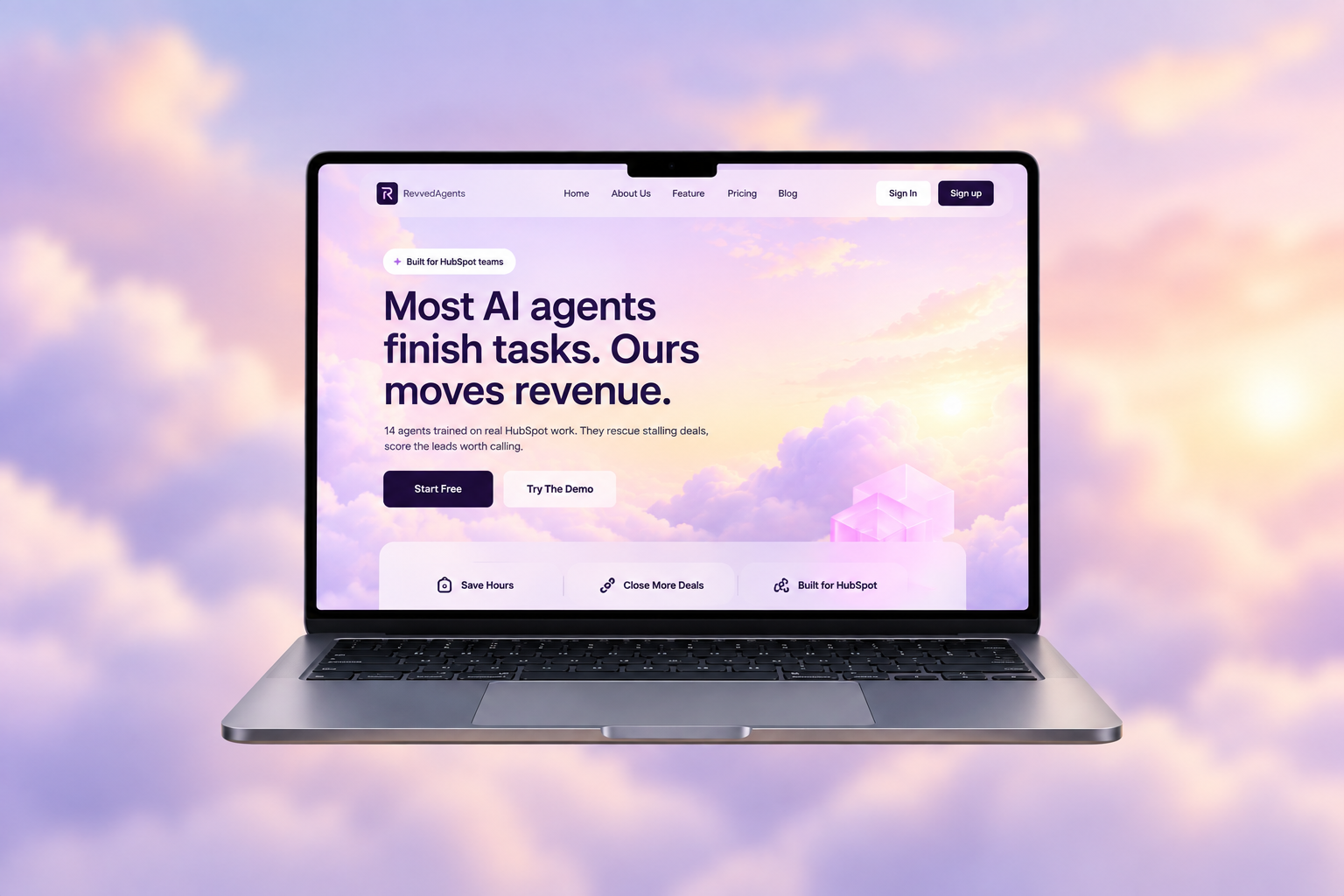
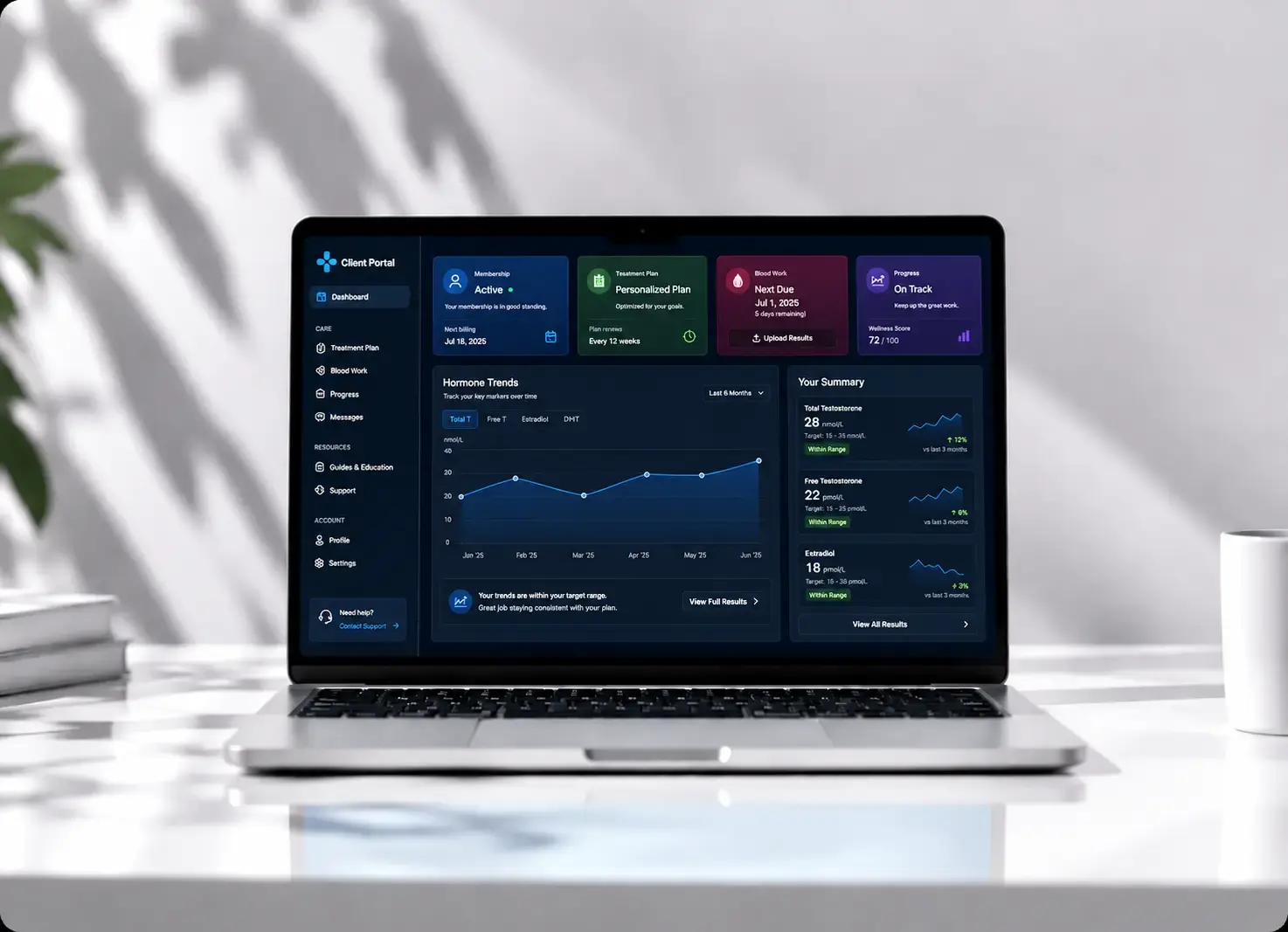
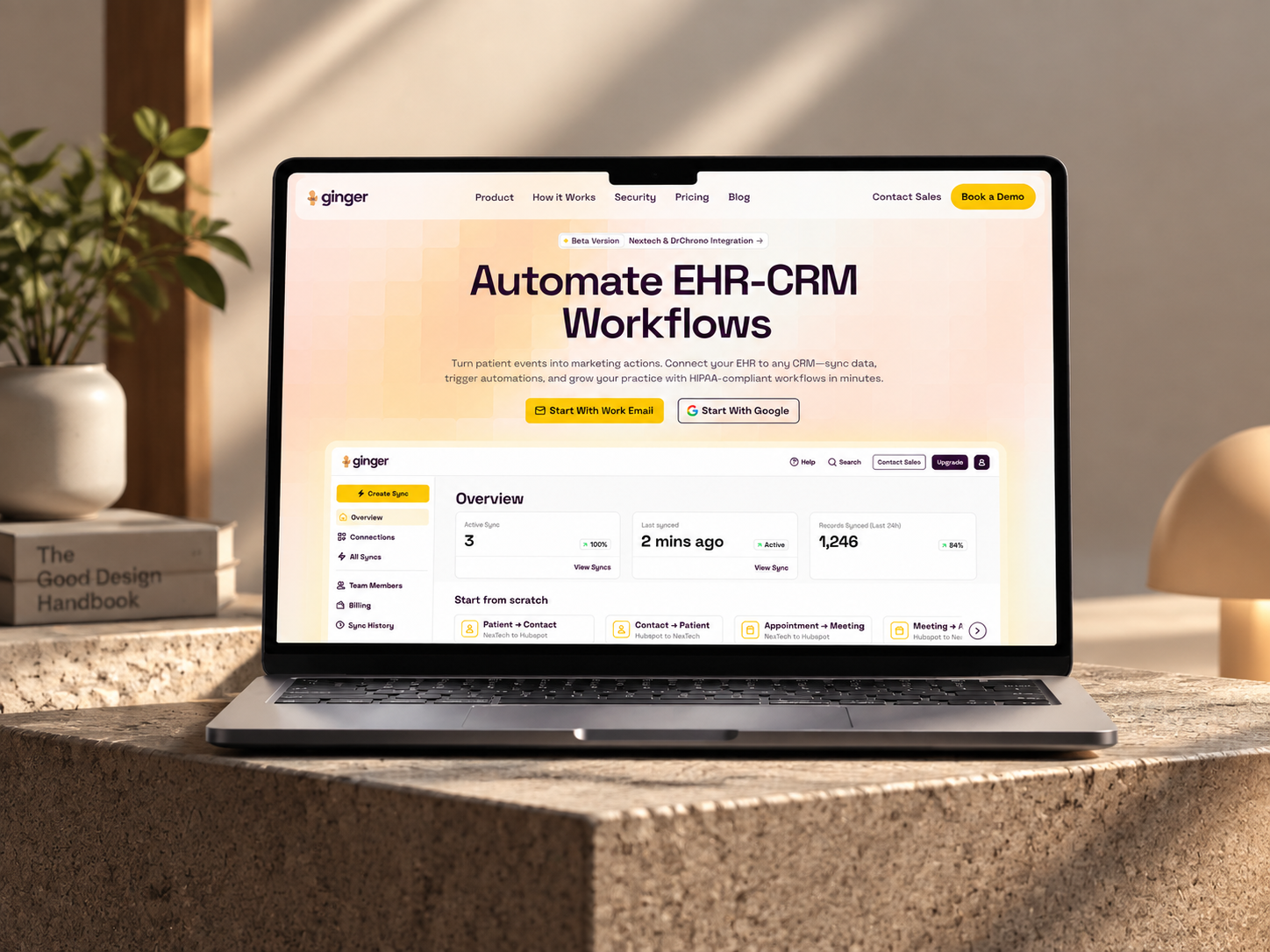
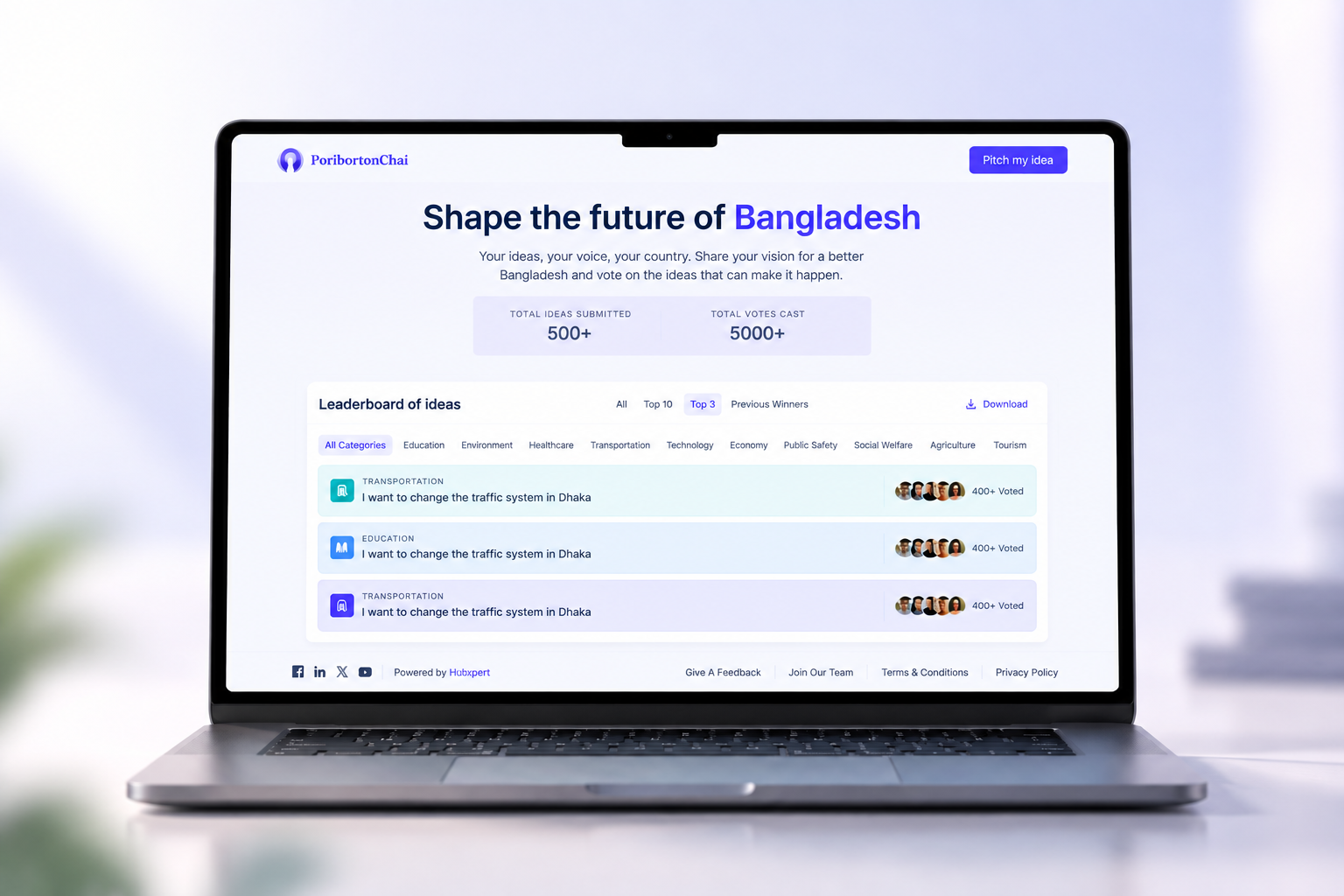












Attract Supply and Demand
Partner referrals, outbound, and paid search bring accounts in, with the source recorded at first touch.
Revenue on a travel SaaS platform follows your supply partners' booking volume, not a flat license fee. A quiet season for a partner is a quiet season for you. HubSpot tracks supply onboarding, demand growth, and account health in one system, so the platform sees which partners can expand and which are drifting.

Teams that leveled up their growth with HubXpert
Hotels, operators, and agencies need connectivity setup, inventory mapping, and go-live support before they generate a single booking.
Most platforms earn a take rate on booked volume rather than a flat fee, so a partner's quiet season is the platform's quiet season.
A signed partner who never lists inventory is a support cost, not revenue. The first booking is what matters, and it is the number the platform should be managed on.
A partner does not cancel loudly. They stop updating rates, then stop answering, then leave at renewal.
Supply partners need enablement and demand generation needs its own campaigns, and the same team usually runs both.
Partner referrals, outbound, and paid search all claim the same account. Without attribution, growth spend follows habit.
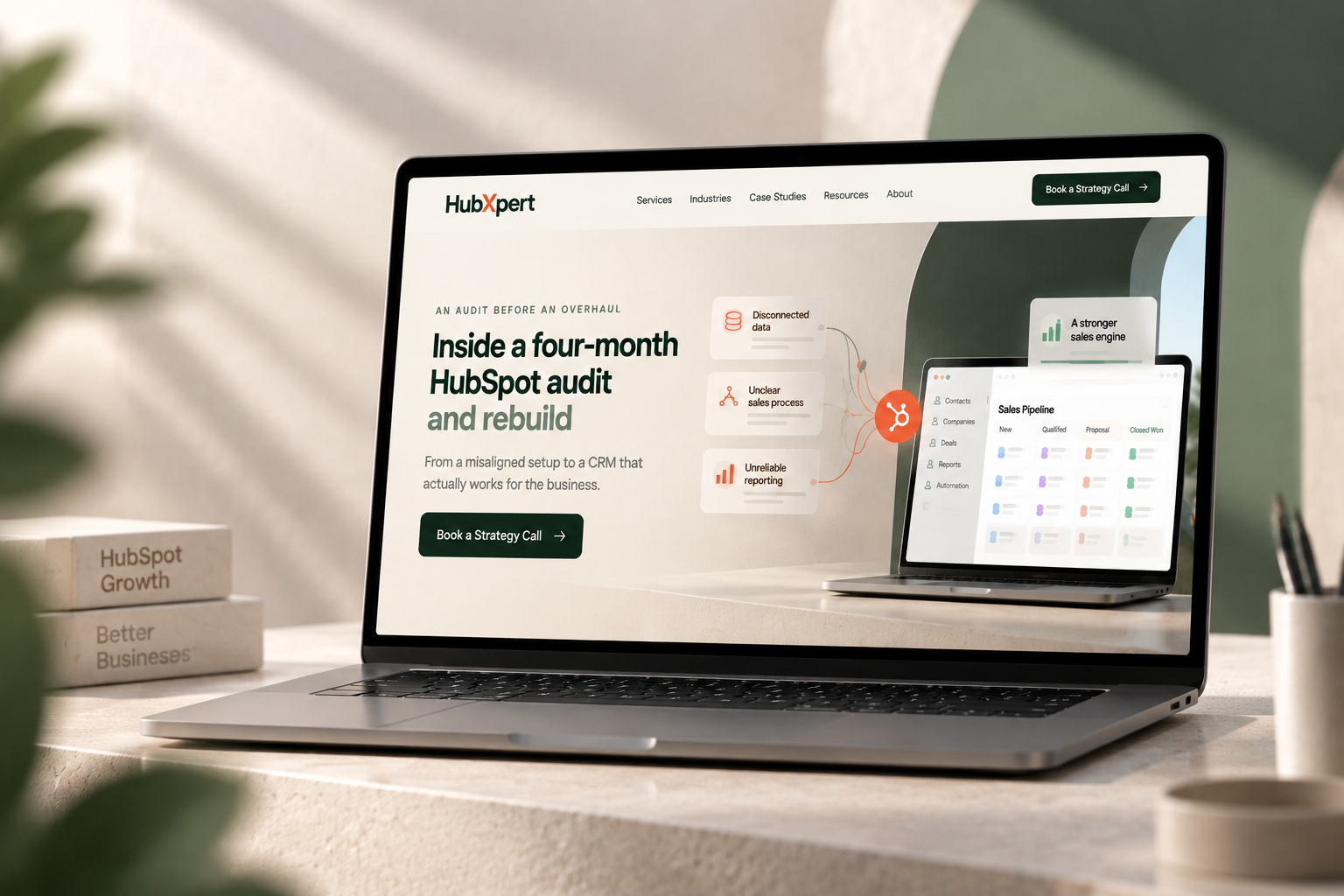
HubSpot for Travel Booking Platforms covers five areas where a platform can grow booked volume.
Signups, referrals.
Hotels, operators, agencies.
Inventory and traffic expectations.
See which channel brings partners who list.
Connectivity, mapping.
An account stuck at mapping surfaces early.
Guides and checklists sent at the right stage.
The metric that predicts retention.
Listings, bookings, and support volume.
A task when volume drops two months running.
A quarterly check-in with numbers attached.
Partners ready for more inventory or markets.
Each account traced to the referrer.
Assets and links tracked per partner.
Judged on activated accounts.
A summary leadership can act on.
A privacy-conscious setup with role-based access, and partner commercial terms.
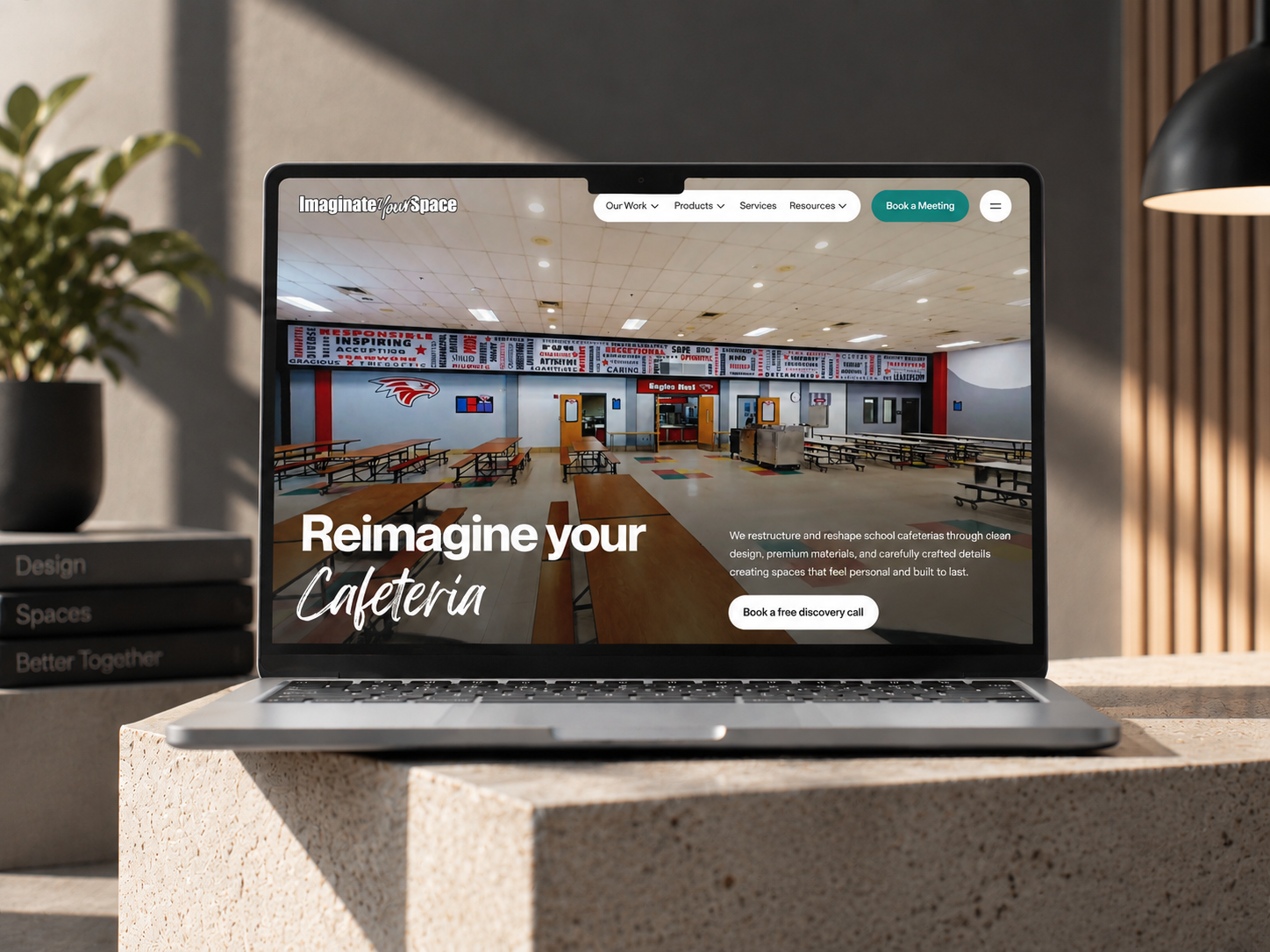
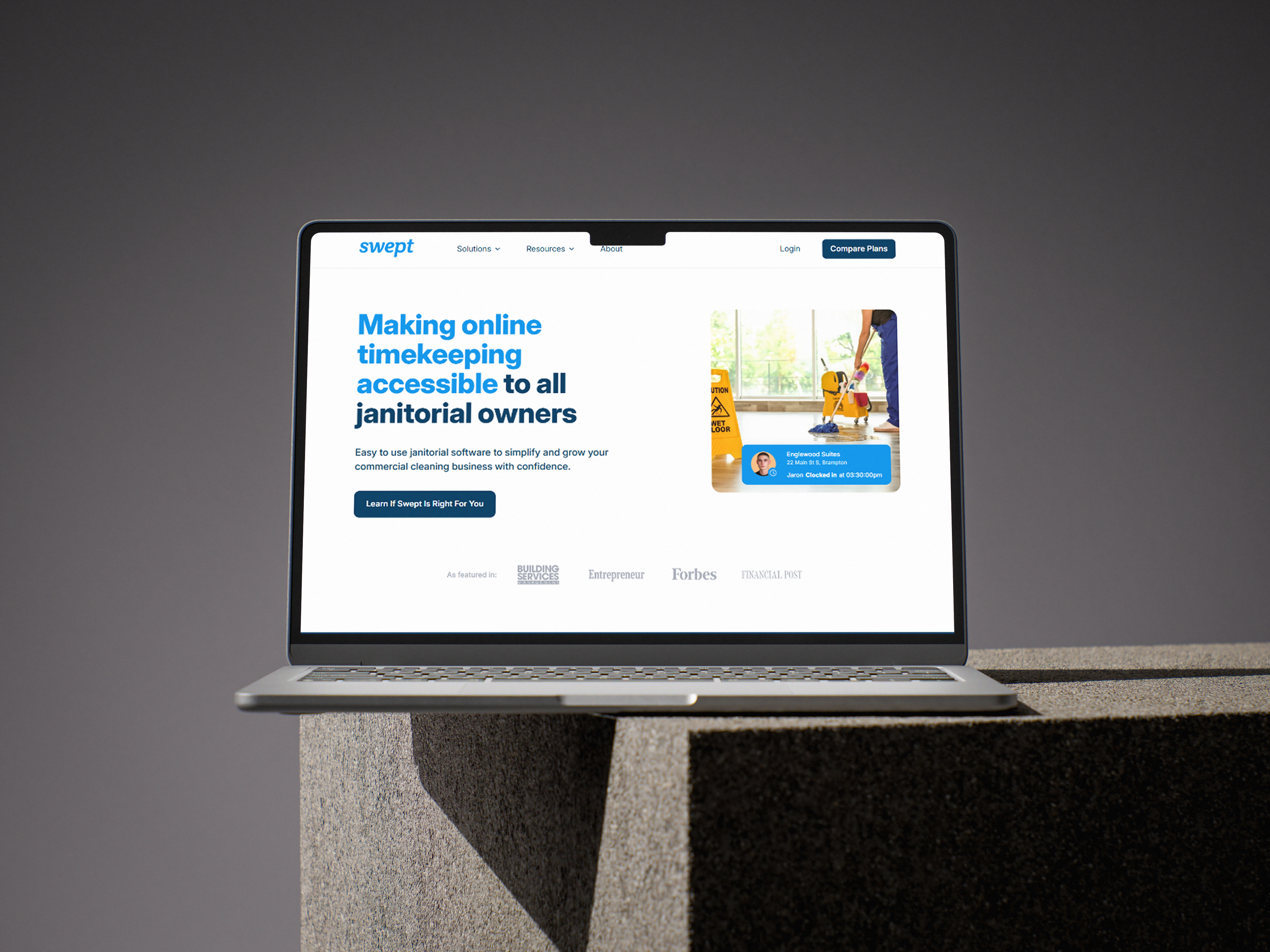
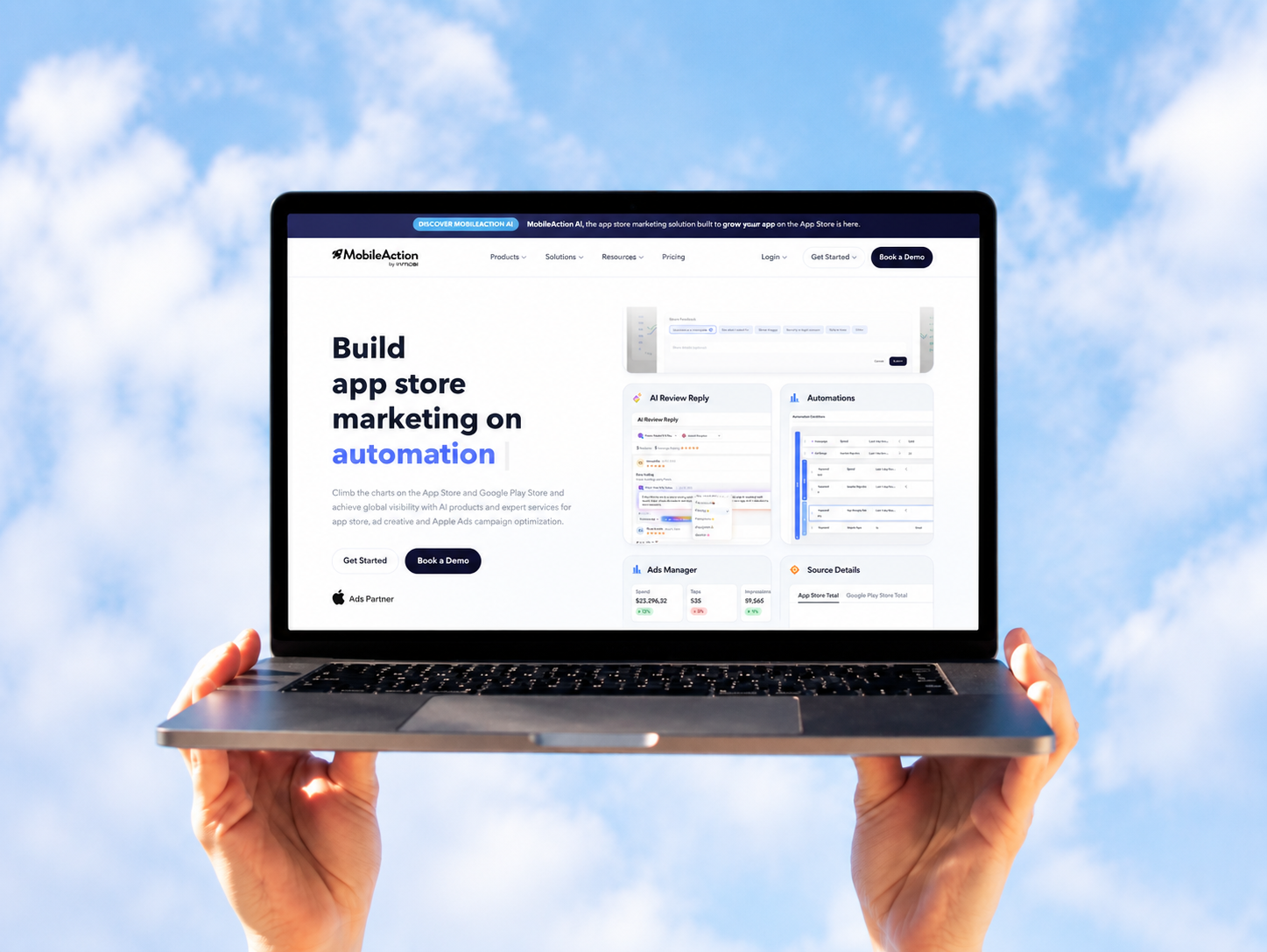
A curated selection of HubSpot implementations and digital marketing campaigns that moved the needle for our clients.
HOSPITALITY
HubSpot End-to-End Guest Experience Automation for a Resort Villa - White Villas.
E-COMMERCE
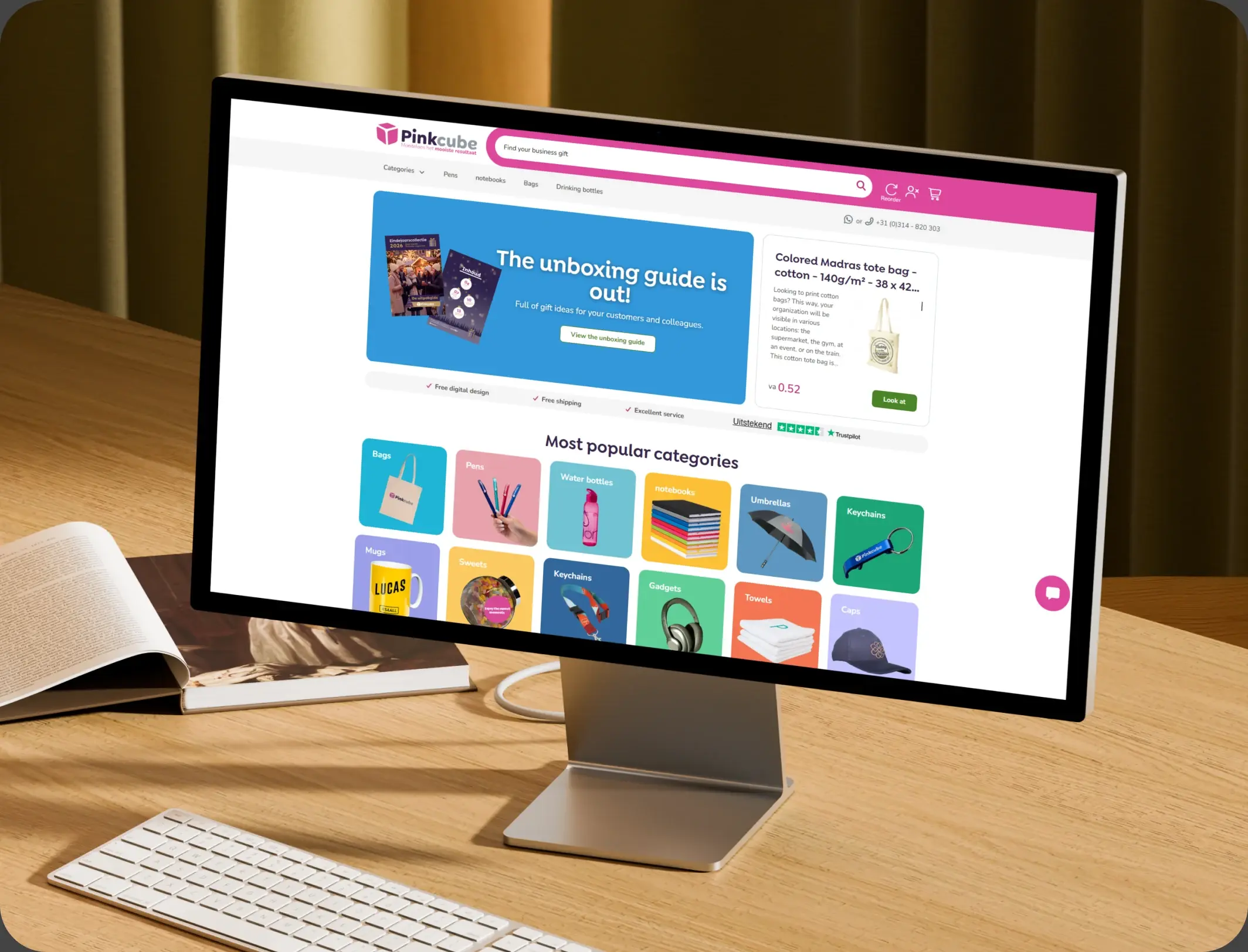
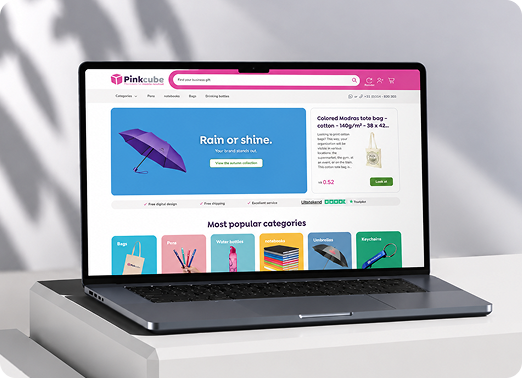
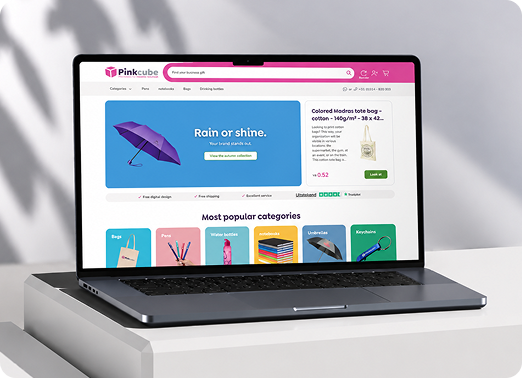
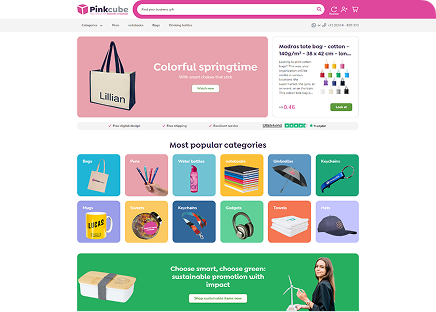
HubSpot Trengo to Service Hub Migration for an E-commerce Provider - Pinkcube.
TRAVEL & VISA
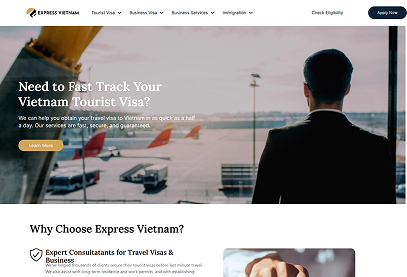
HubSpot Onboarding and Integration for a State-Owned Visa Company - Express Vietnam.
Partner referrals, outbound, and paid search bring accounts in, with the source recorded at first touch.
Connectivity, mapping, and go-live tasks run from the account record, with a task the moment an account stalls. Mapping and connectivity are where onboarding stalls.
Quarterly reviews, enablement, and expansion conversations run on a cadence tied to booked volume. The first booking is the real contract signature. A quiet partner is usually a mapping problem.
A decline in volume raises a task long before renewal, when the conversation can still change the outcome.
Every signup creates an account with partner type and volume potential, then routes to the right owner. An account that books exits the onboarding sequence.
Connectivity, mapping, and go-live tasks fire in order, with an alert when one sits for seven days. Onboarding tasks fire in order, with an alert at seven days.
An account with no listing at fourteen days gets enablement content and a call task. An account with no listing gets enablement, then a call.
A task when bookings fall for two consecutive months, with the account history attached. A two-month decline raises a task, not a surprise.
A scheduled touchpoint with volume, activation, and support trends. Expansion signals fire while the partner is still growing.
A task when a partner's listings or traffic exceed their current tier.
A monthly summary to each channel partner showing accounts referred and activated.
Certified platform expertise, with a track record across travel agency workflows and SaaS onboarding.
Built around your supply pipeline, onboarding steps, and commercial model. No generic templates.
Multi-step workflows and conditional logic built for activation and churn signals.
Clean imports from your product database or spreadsheets, with account history intact.
An in-house team connecting HubSpot to your platform, billing, and analytics stack.
Activation rate, time to first booking, and retention tracked from launch.
A booking platform holds partner commercial terms, traveller data flowing through the marketplace, and payment detail. The work is separation: traveller records stay in the platform, card data stays with the payment provider, and the CRM carries the account, the onboarding, and the communication record.

Not every platform needs every hub, and most start with Sales and Marketing before adding Service. Here is how each one lines up with a two-sided marketplace.
Your acquisition engine: supply campaigns, demand campaigns, and partner enablement, and enablement content. Supply campaigns run from the same account record as onboarding.
Built for the supply pipeline and the account expansion conversation, where activation matters most. Each signup carries an owner, a partner type, and a tier.
Where partner support, onboarding questions, and escalations get tracked. Support sees the account history before replying. Most platforms start with Sales and Marketing, then add Service as partners grow.
Powers the website and partner documentation with SEO built in, so integration pages stay findable. Integration and partner pages get edited without a developer.
Connects your platform, billing, and analytics stack, most valuable as partners grow. Account data stays matched. Account data stays matched across regions instead of drifting.
Yes. HubSpot for Travel Booking Platforms runs both funnels: supply signups, onboarding to first booking, account health, expansion, and channel reporting, while the platform itself handles inventory and transactions. Most platforms see the difference within the first quarter.
Onboarding tasks fire in order, an account with no listing at fourteen days gets enablement content and a call task, and time to first booking is tracked as the metric that predicts retention. Activation is tracked, so the improvement is measurable. Every workflow is tested before it reaches a partner.
A task raises when bookings fall two months running, with the account history attached, which is usually months before a renewal conversation. The sequence is matched to partner type and region. Expansion signals are reviewed monthly with the partner team.
Each referred account is traced to the partner, and a monthly report shows what was referred and what actually activated. Nothing is assumed native until the connector is confirmed.
Traveller records stay in the platform, access is role-based, and card detail stays with the payment provider. Traveller data never sits in the CRM.
Often through an API or middleware. Account, activation, and billing data cross over, and the sync direction is scoped first. That is how cost per activated account becomes visible.
Yes. Regions, partner types, and tiers are properties, so activation and volume can be compared directly. We map which fields may hold traveller data before launch.
Most run six to ten weeks, depending on integrations and how much account history needs migrating. Records stay in the platform. The CRM carries the account, not the transaction.
Ready to Grow Booked Volume Across Both Funnels?
A partner signed three months ago and has never listed inventory, while another is quietly booking less each month. We build around your onboarding, your commercial model, and your partner team. No generic setup, and no partner left unactivated.