























Win the Assessment
A referral or a piece of thought leadership produces a small paid piece of work with a clear next step attached. Most assessments arrive through a partner.
Most engagements start small and either expand into years of work or quietly end. HubSpot turns a paid assessment into a full engagement, maps every stakeholder inside the account, and lands the retainer while the project is still running rather than waiting until after it closes.

Teams that leveled up their growth with HubXpert
A small paid assessment is really a trial for a much larger engagement, and most systems have no way to track that expansion path. The account is bigger than the buyer who signed.
Several stakeholders and workstreams sit inside one client relationship, and most CRMs track a single buyer rather than a whole account. The next engagement is decided while the current one runs.
By the time a project ends, the client has already decided what happens next, and the decision is usually made in month two.
Technology vendors and systems integrators refer engagements, and that network needs contact between projects.
A pipeline that ignores delivery capacity sells work the team cannot staff, which is a margin problem disguised as growth.
A firm that lands three engagements in one client gets credited once, to whichever campaign ran first.
HubSpot for Tech Consulting Firms covers five areas where an assessment has to become an account.
Forms, referrals, and content downloads.
Industry, scope, and urgency.
Stay present while they evaluate firms.
Which channel brings the strongest pipeline.
Role, influence, and history.
What runs where, and who owns it.
One contact is a risk.
Contacts and workstreams per client.
What the next phase could be.
A sequence that runs after delivery.
Findings the client already paid for.
Assessments that became engagements.
Raise the next phase at the right point.
A quarterly conversation with the sponsor.
Only propose what can be delivered.
Recurring against project revenue.
Partner, referral, or search.
Who sent what, and how it landed.
Win rate by source and industry.
A view the partners can act on.
A careful setup with role-based access, and client system access.
A curated selection of HubSpot implementations and digital marketing campaigns that moved the needle for our clients.
Information & Technology
Vestaboard needed to monitor the performance of a campaign closely and trigger specific workflows based on the data collected.
Information & Technology
For BlackPoint IT, we designed high-converting landing pages using Unbounce and created a custom integration to sync data seamlessly between Unbounce and HubSpot.
Webops
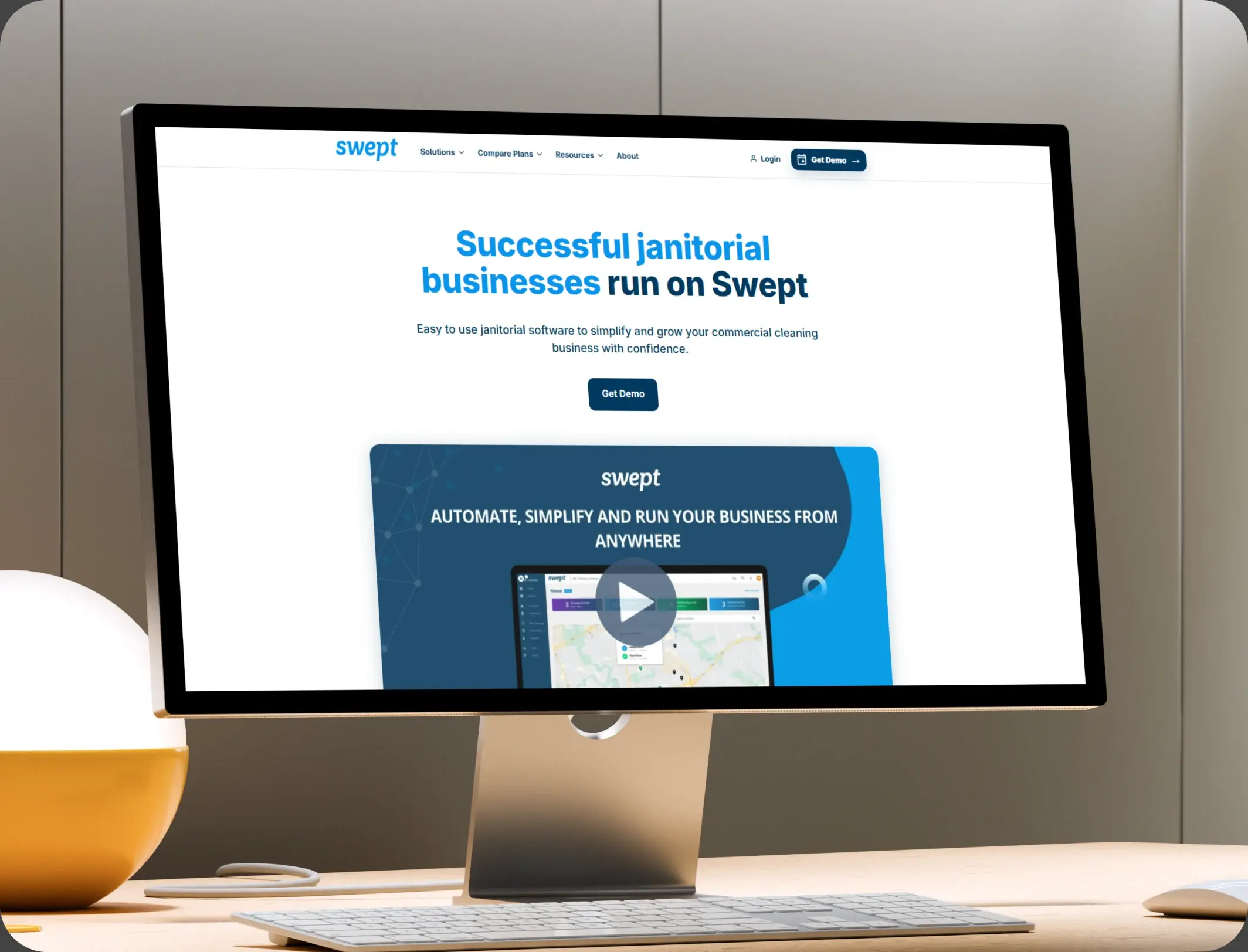
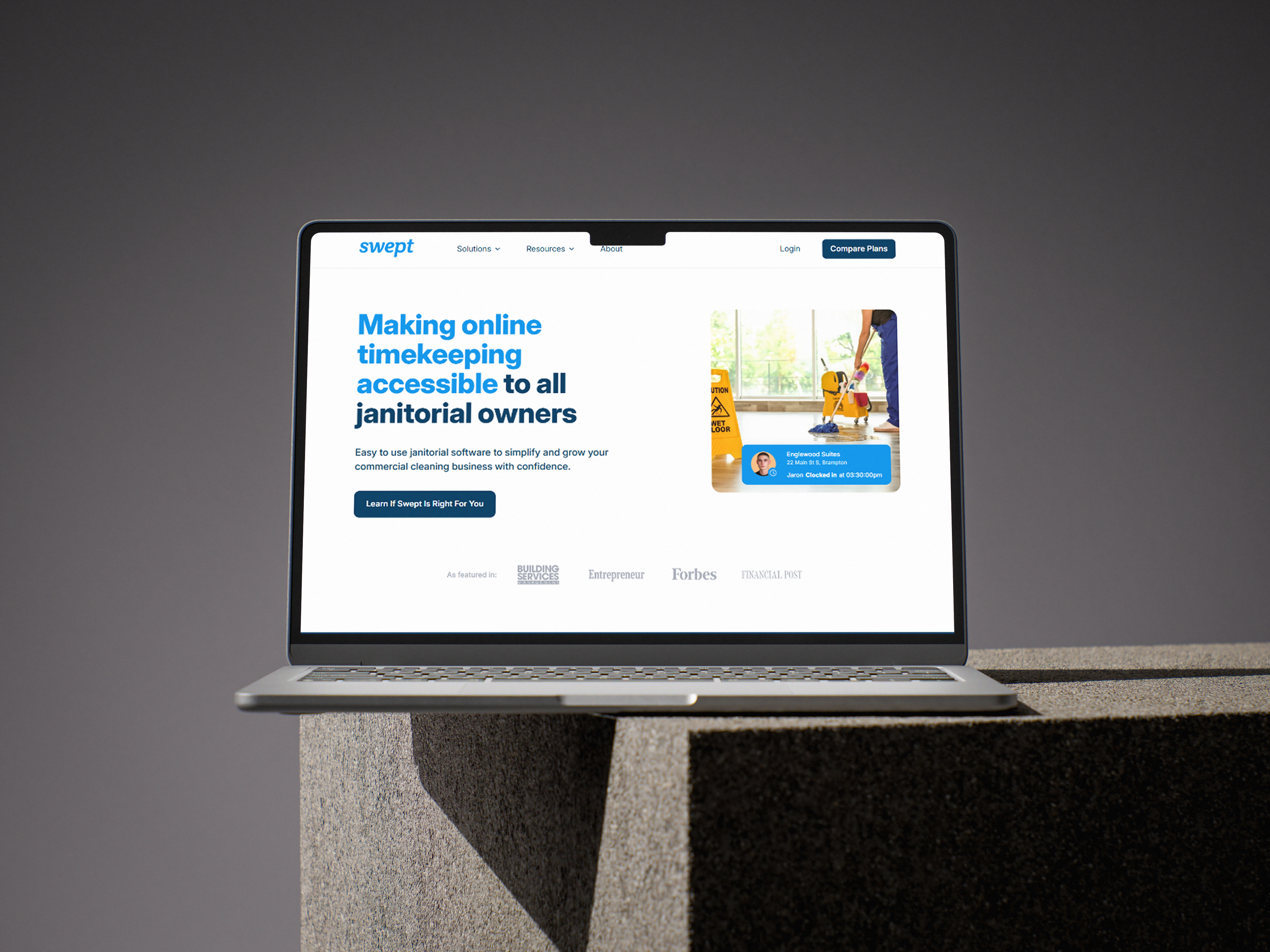
Swept needed a fully customized website built within HubSpot CMS, ensuring an engaging user experience, seamless navigation, and easy content management.
A referral or a piece of thought leadership produces a small paid piece of work with a clear next step attached. Most assessments arrive through a partner.
Findings are delivered, and every stakeholder met during the assessment is recorded with their role. The assessment is where the firm earns the right to propose.
The findings become the argument for the next phase, and the conversation opens before the report is filed. Stakeholders met during delivery are the expansion route.
A quarterly review turns a series of projects into a standing relationship with predictable revenue.
A sequence runs from delivery, with the expansion conversation raised while findings are still fresh. A single-contact account raises a mapping task.
An account with one contact raises a task to map the rest of the organization. The mid-project milestone prompts the next phase.
At the halfway milestone, the account owner is prompted to open the next phase. Partner referrals trigger a thank-you.
A partner introduction that becomes work triggers a thank-you and a check-in. Capacity is checked before a proposal is confirmed.
A proposal stage checks delivery capacity before the scope is confirmed. Quarterly reviews run for every active client.
A quarterly review task for every active client, with the last engagement attached. Expansion is reported by account, not by deal.
Assessments, engagements, and retainers reported by account each quarter.
Certified platform expertise, with a track record across IT service workflows and advisory businesses.
Built around your engagement types, expansion path, and review cadence. No generic templates.
Multi-step workflows and conditional logic built for long account relationships.
Clean imports from spreadsheets or an existing CRM, with account history intact.
An in-house team connecting HubSpot to your delivery and finance systems.
Expansion rate, retainer value, and utilisation tracked from launch.
A consulting firm holds client system access, findings, and sometimes data it should not retain. The work is separation: deliverables stay in the engagement workspace, credentials stay in the client's own systems, and the CRM carries the account and the conversation. Deliverables stay in the engagement workspace.

Not every firm needs every hub, and most start with Sales before adding Marketing. Here is how each one lines up with an advisory business.
Your demand engine: thought leadership and partner nurture. Assessment sequences run from the same record as the account. A partner page and a client page need different proof.
Built for assessments and expansion, where one piece of work opens the account. Engagement questions sit on the account, not in a shared inbox.
Where engagement questions and deliverable requests sit on the account. Point-of-view content gets edited without a developer. Most firms start with Sales, then add Marketing as referrals grow.
Powers the research and point-of-view content that wins assessments. One record links the assessment, the account, and the retainer. Point-of-view content earns the assessment before anyone sells.
Connects delivery and finance, which is how utilisation stays honest. Delivery systems stay the source, and the CRM points at them.
Yes. It runs the commercial relationship: assessments, stakeholder mapping, expansion, and retainers, while delivery and finance systems handle the work itself. Most firms see the difference in the first two quarters. The CRM carries the account, not the deliverable.
Findings are attached to the account, and the expansion conversation is raised while the assessment is still recent rather than after the report is filed. Expansion rate is tracked, so the improvement is measurable. Every workflow is tested against a real engagement first.
Each stakeholder is a contact with a role and history, and an account with one contact is flagged as single-threaded risk. The sequence is matched to the engagement type. Capacity reviews run weekly.
At the halfway milestone the account owner is prompted to open the next phase, and a quarterly review keeps the relationship standing. Nothing is assumed native until the connector is confirmed. Review prompts follow the engagement calendar.
A proposal stage checks capacity before scope is confirmed, which protects margin on fixed-fee work. Client credentials never sit in the CRM. Expansion conversations are logged with the date they started.
Each introduction is recorded with the partner who sent it, so value is reported rather than guessed. That is how cost per engagement becomes visible. Partner introductions are recorded with the engagement they produced.
Deliverables stay in the engagement workspace, credentials stay with the client, and access follows the role. We map engagement types before anything is built. Capacity is checked before a fixed fee is agreed.
Most run four to six weeks, depending on integrations. Account history is imported where it exists.
Ready to Turn One Assessment Into Three Engagements?
An assessment finished in March with no follow-up, the account has one contact on file, and the retainer conversation has not started. We build around your engagements, your accounts, and the bench that has to deliver them.