




















Attract Advice-Led Enquiries
Referrals and inbound enquiries arrive with the source recorded, and the profile noted before the first call. Most new clients arrive through another advisor.
A client does not hire a tax advisor to file on time. They hire one to save money, and that argument has to be made with their own numbers. HubSpot runs the savings-led proposal, keeps the CPAs and wealth managers who refer work close all year, and proves the value again before the next renewal.

Teams that leveled up their growth with HubXpert
Prospects decide on projected savings, not on a filing deadline, so the proposal has to carry numbers the client recognises as their own, with the assumptions visible.
CPAs, wealth managers, and attorneys send the best clients, and most systems have no way to track or nurture that professional network across the quiet months between engagements.
Value has to be proven again every year, and the case for renewal is built from work done in the eleven months before it.
A savings analysis takes time to prepare, and the prospect's attention fades in exactly that gap, usually without anyone noticing.
An owner-managed business and a multi-entity group need different conversations, different documents, and different timelines, and one pipeline cannot tell them apart.
Referrals, search, and outreach all claim the same client, so the firm never learns which relationship is worth protecting.
HubSpot for Tax Advisory Firms covers five areas where a practice can win strategy work and keep it.
Forms, referrals, and introductions together.
Entity type, income.
Stay present while they decide.
See which partners send clients who stay.
Every savings analysis from call to signature.
The sequence runs while analysis is prepared.
A summary the prospect can read before the call.
Silence surfaces before the quarter ends.
Each client traced to the advisor who sent them.
Rule changes and planning notes that matter.
Recognition when a referral converts.
Outreach before a relationship goes cold.
Each engagement records the outcome.
A fixed point in the calendar.
What changed, and what it was worth.
A natural extension, not a hard sell.
A privacy-conscious setup with role-based access, and returns.
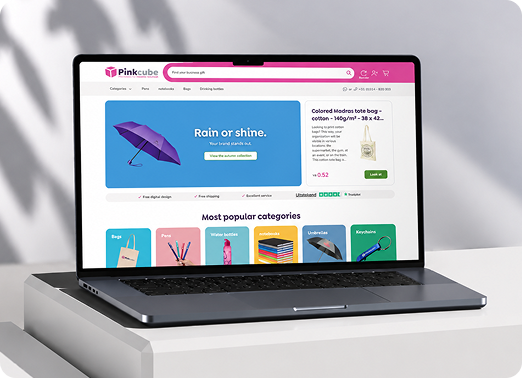
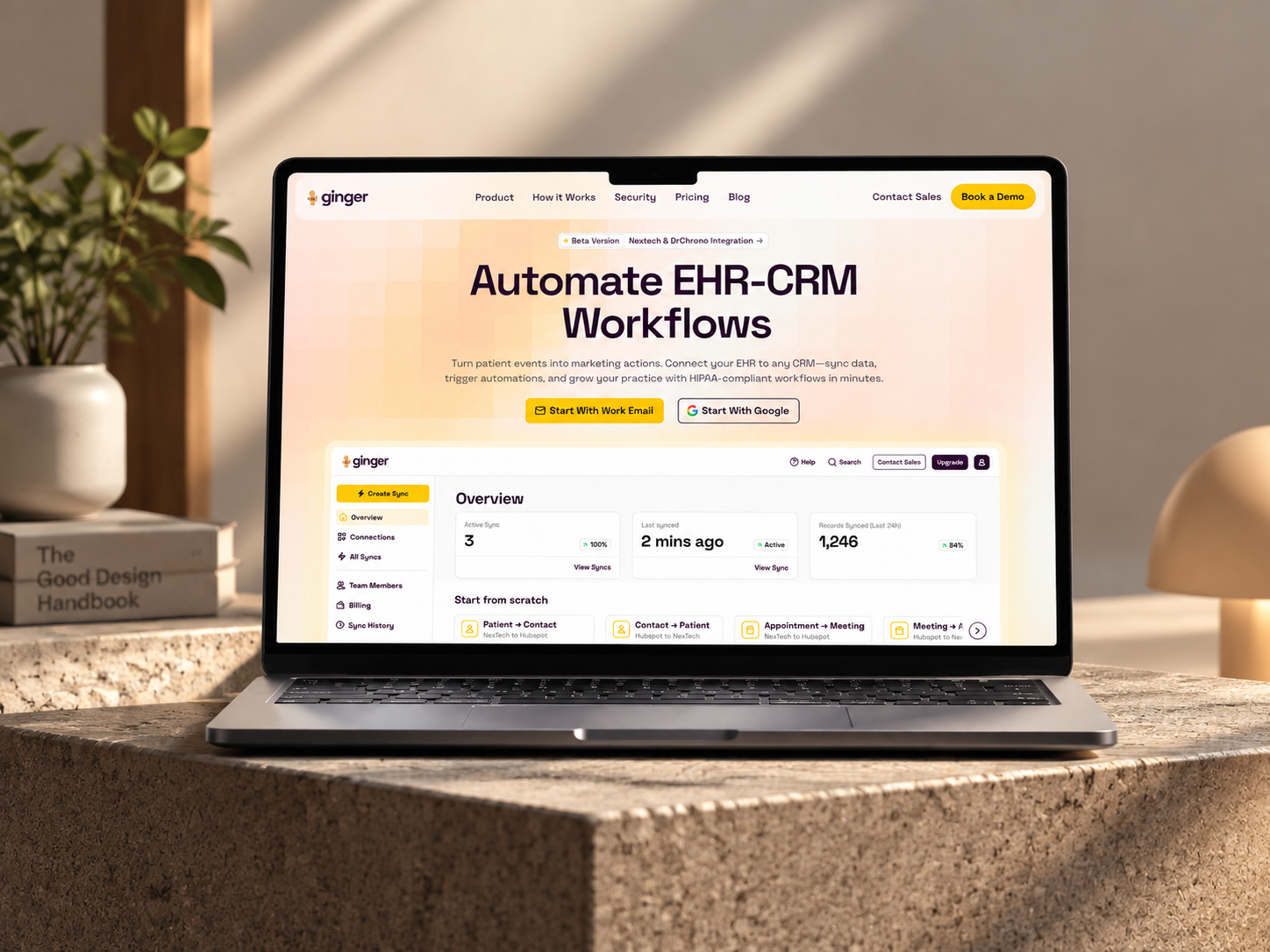
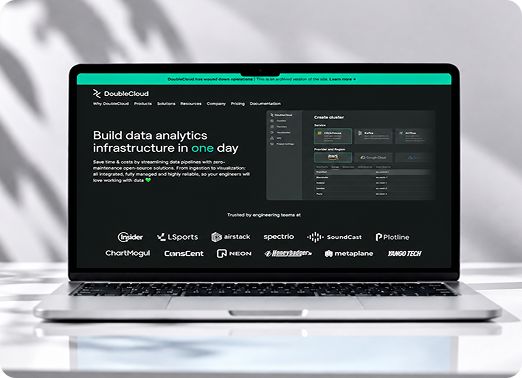
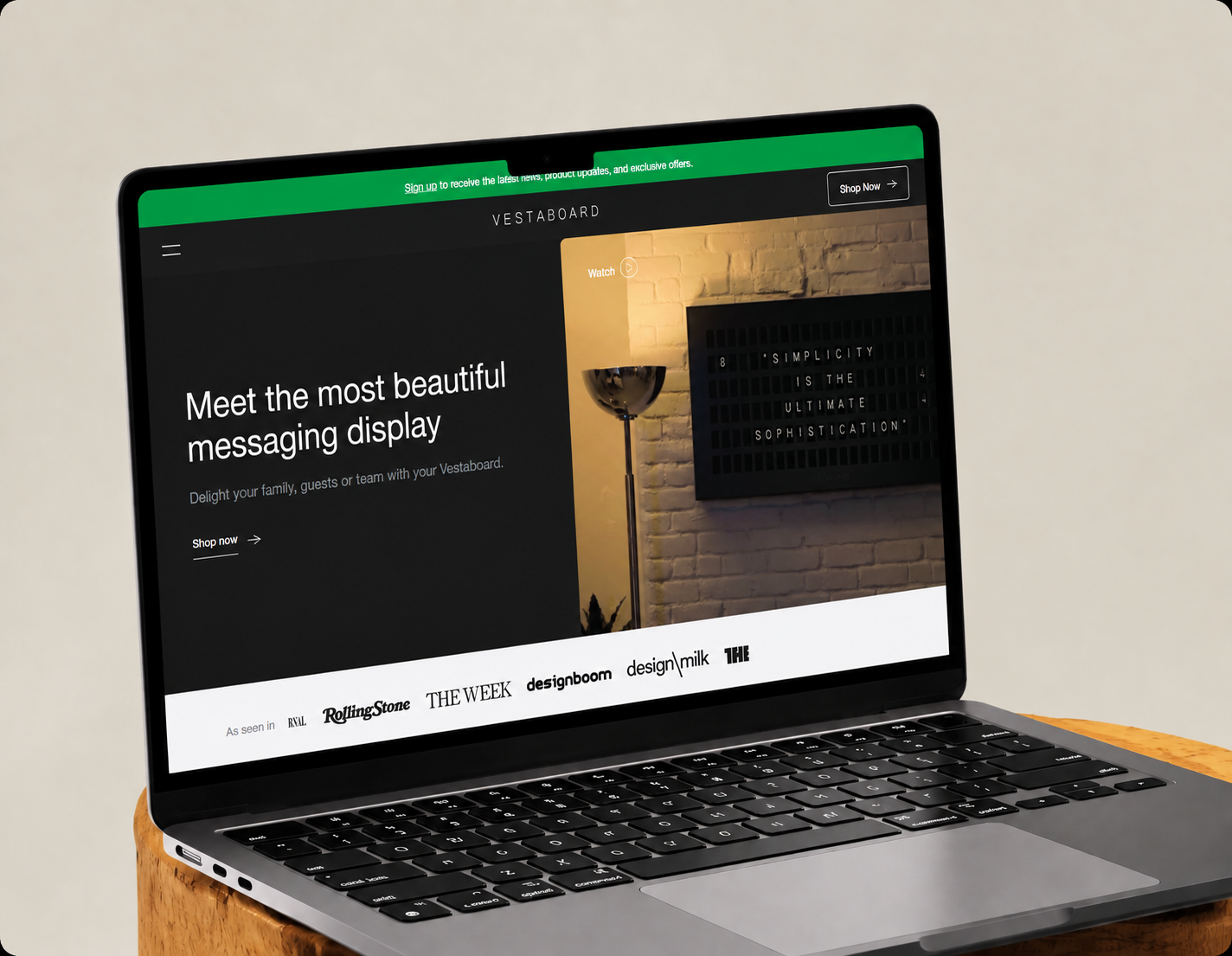
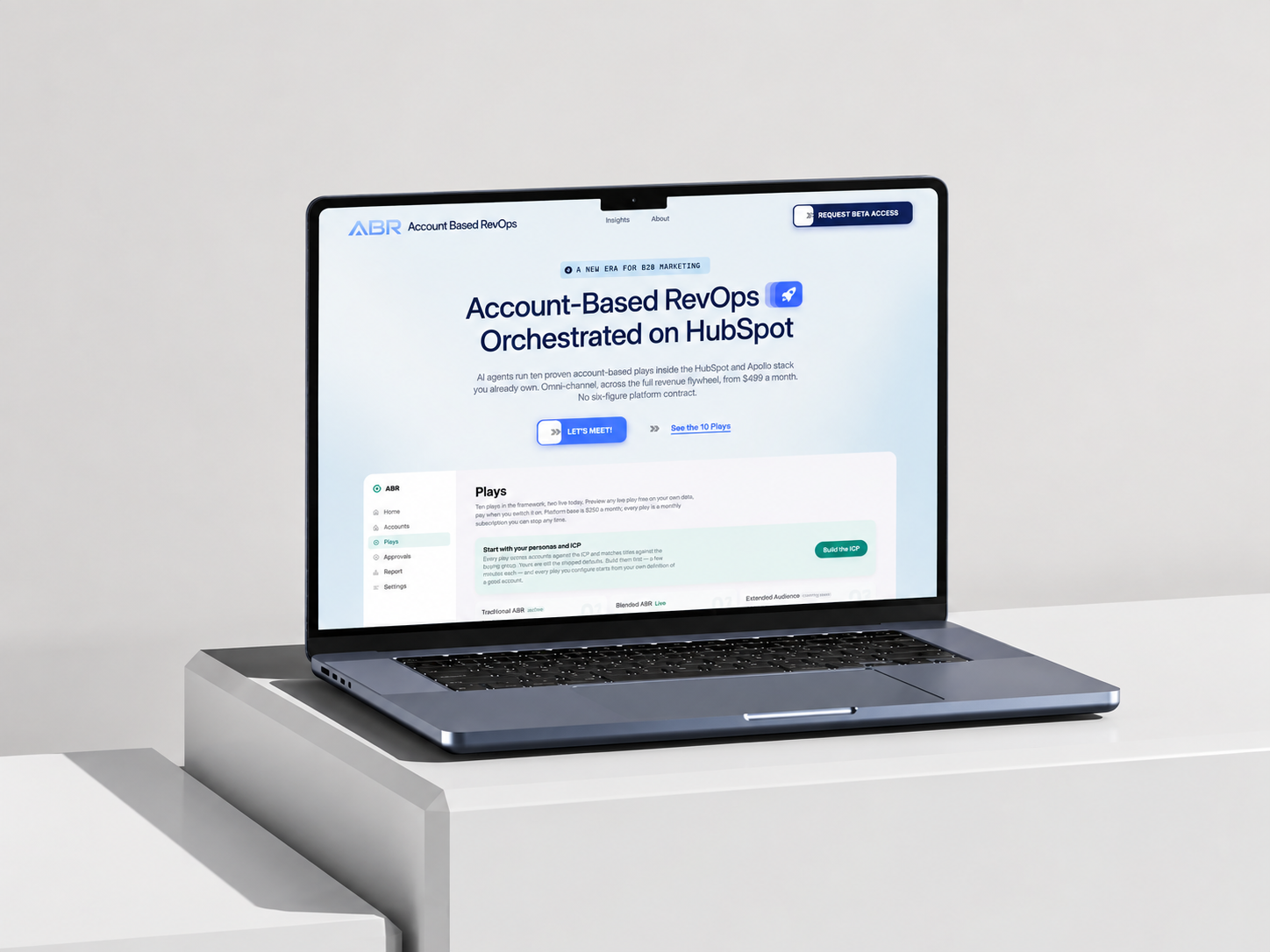
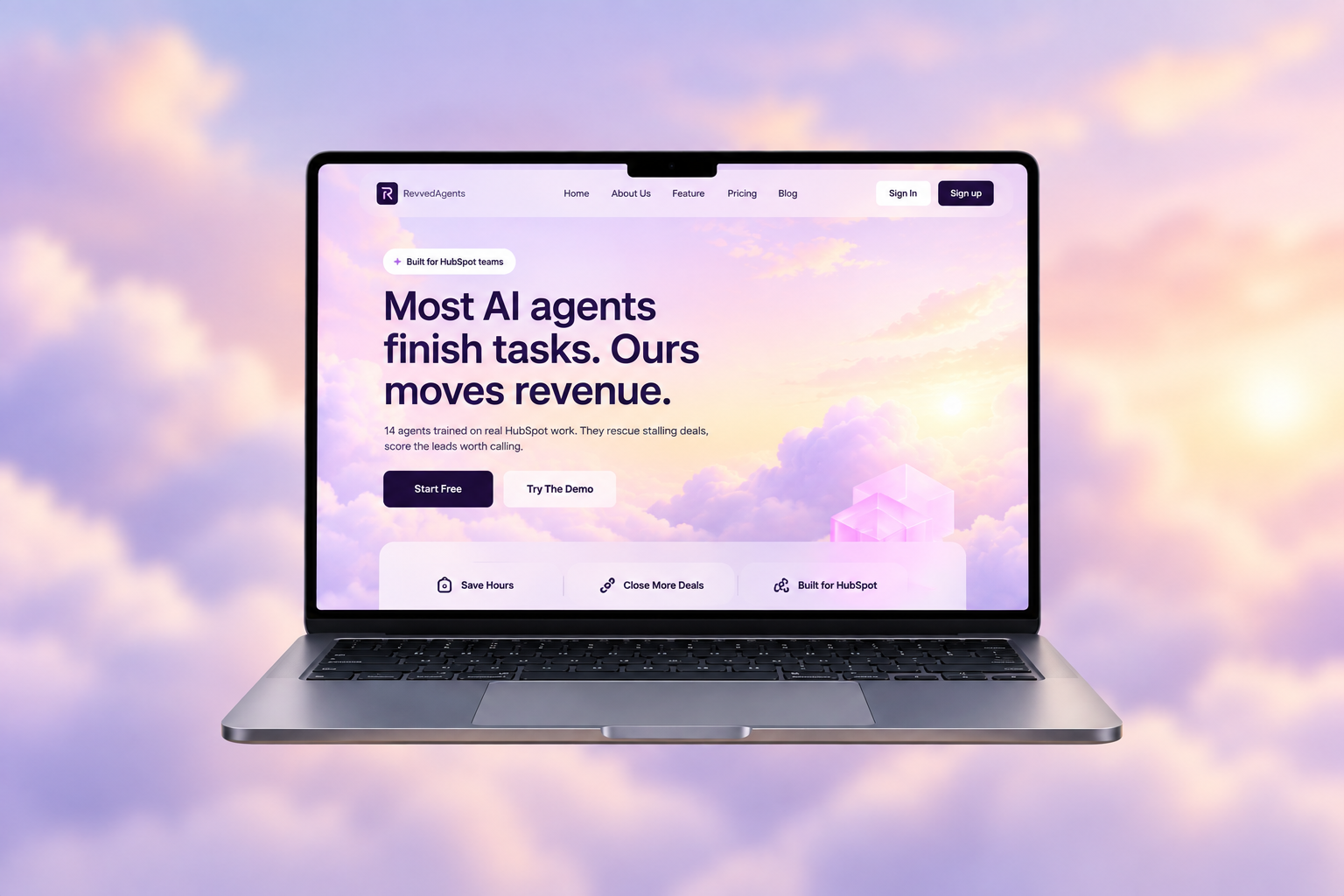
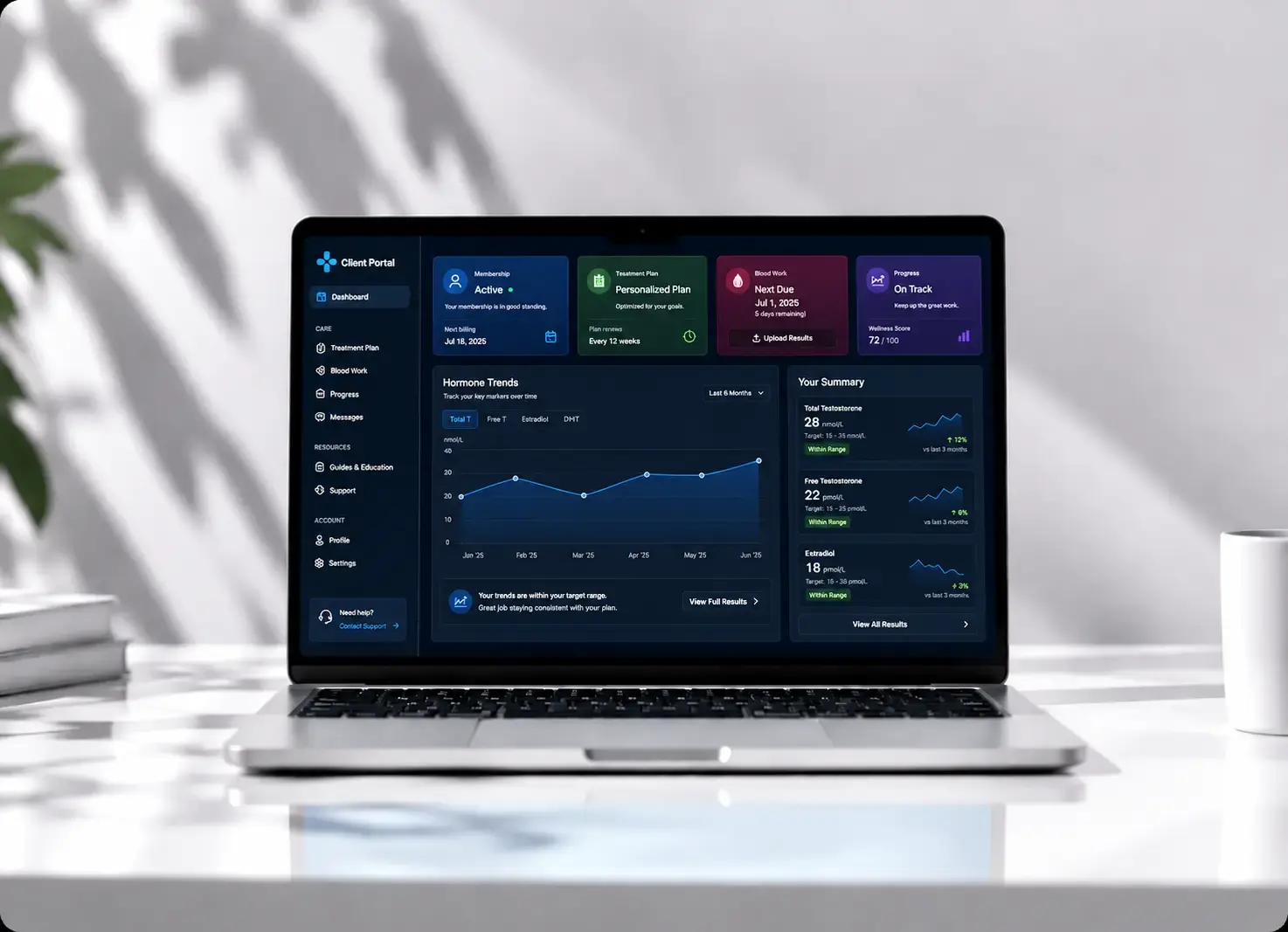
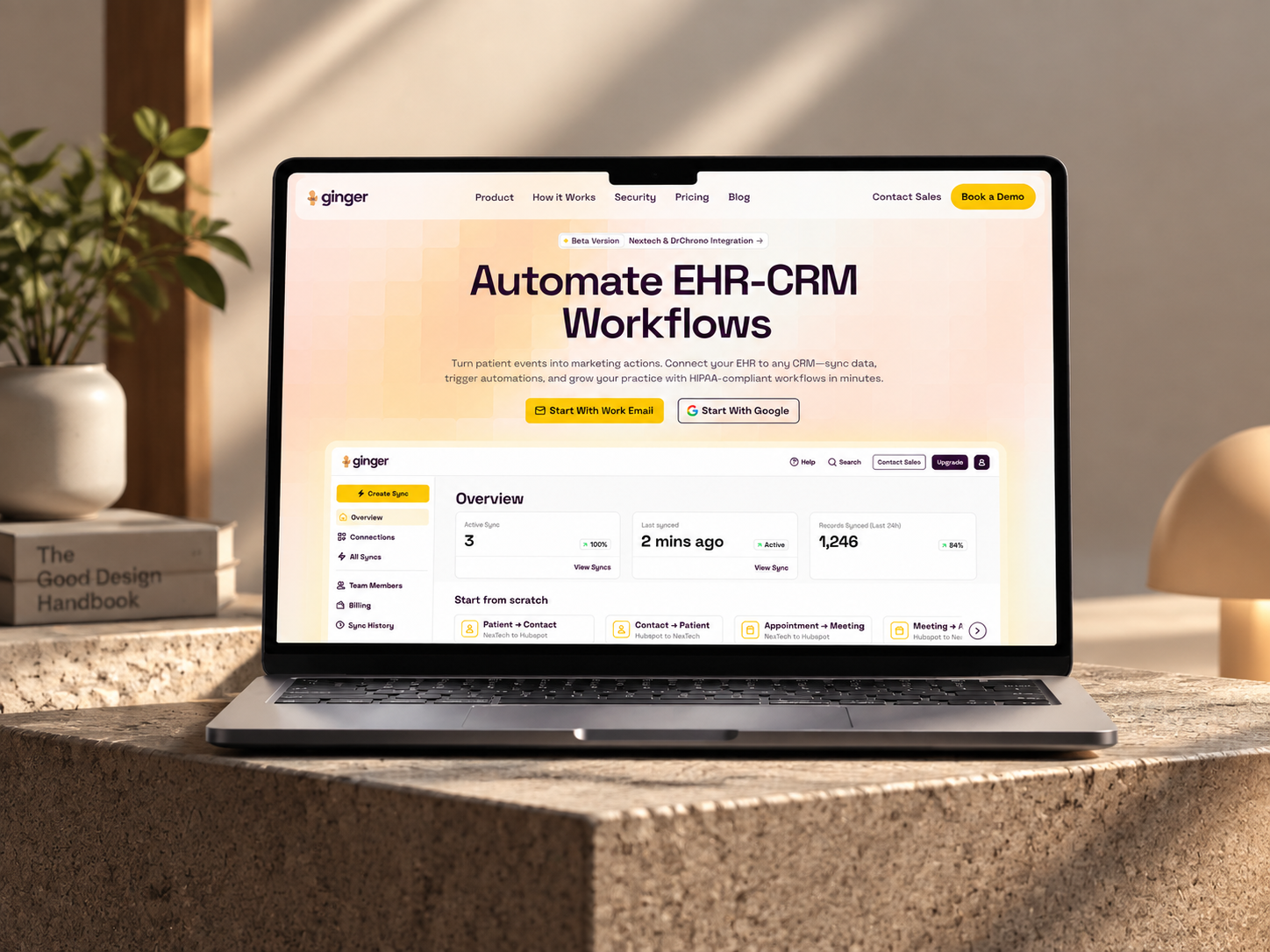
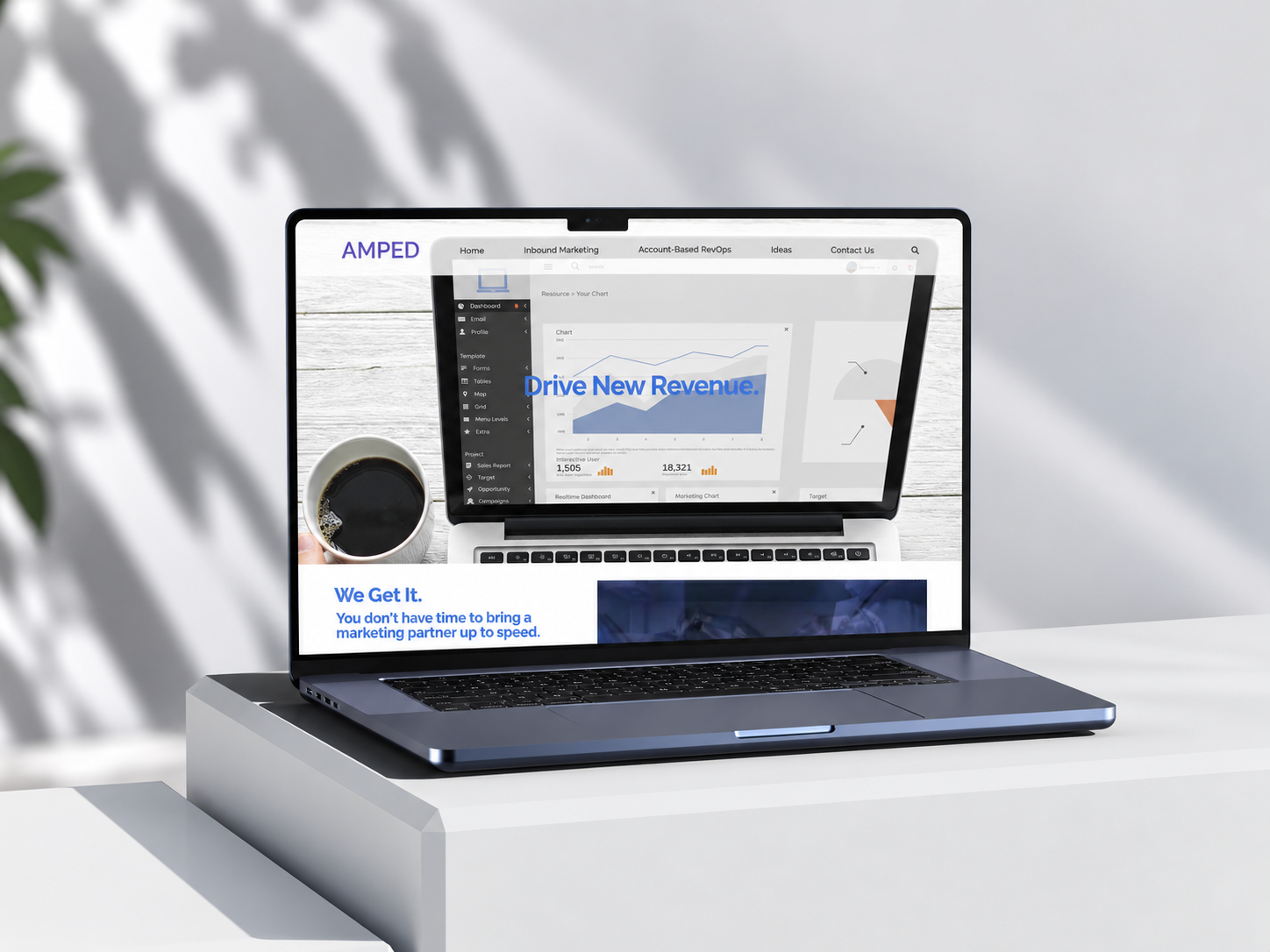
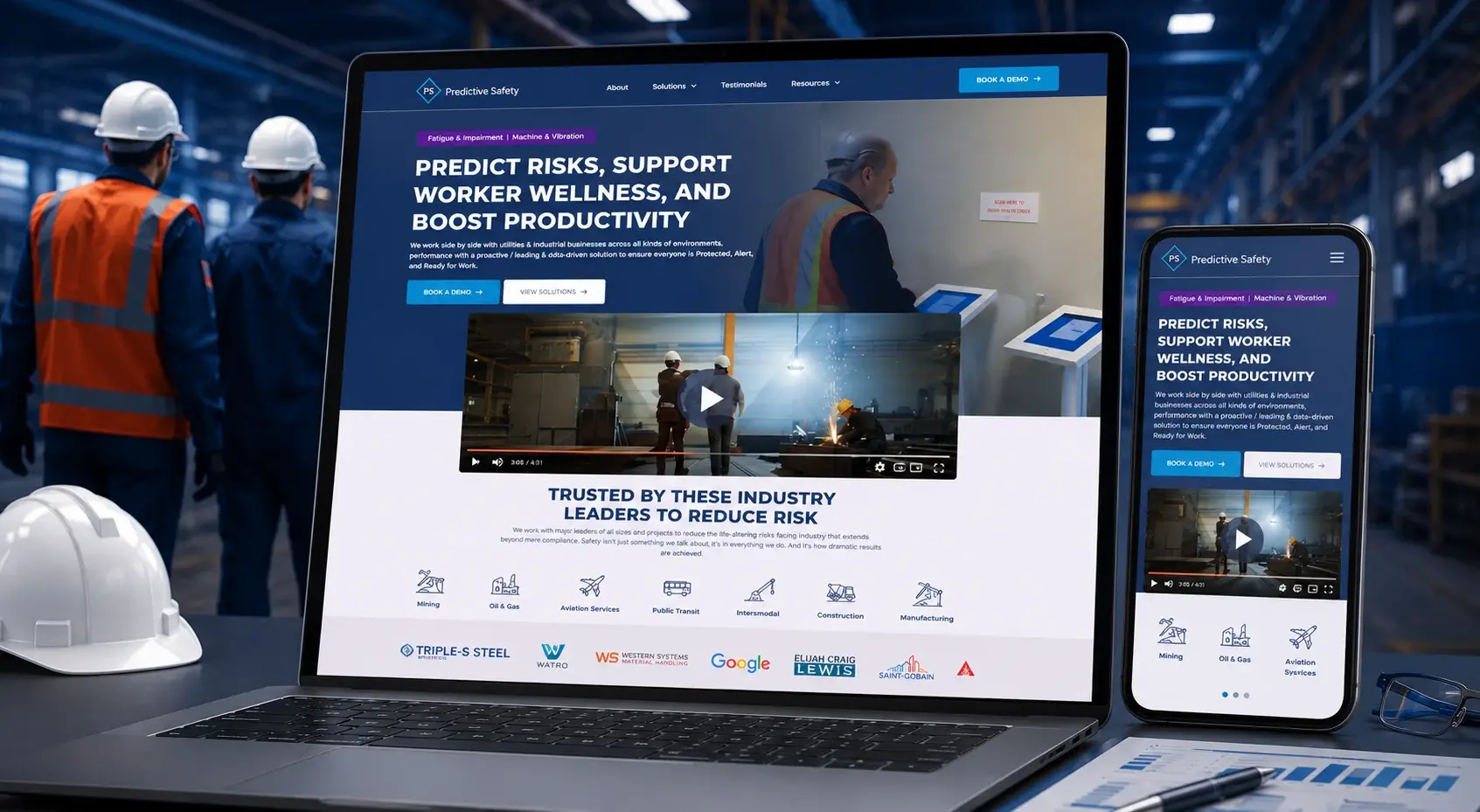
A curated selection of HubSpot implementations and digital marketing campaigns that moved the needle for our clients.
Accounting
HighLevel Onboarding, Custom Quotes System, Email & Pipeline Automation
Professional Service
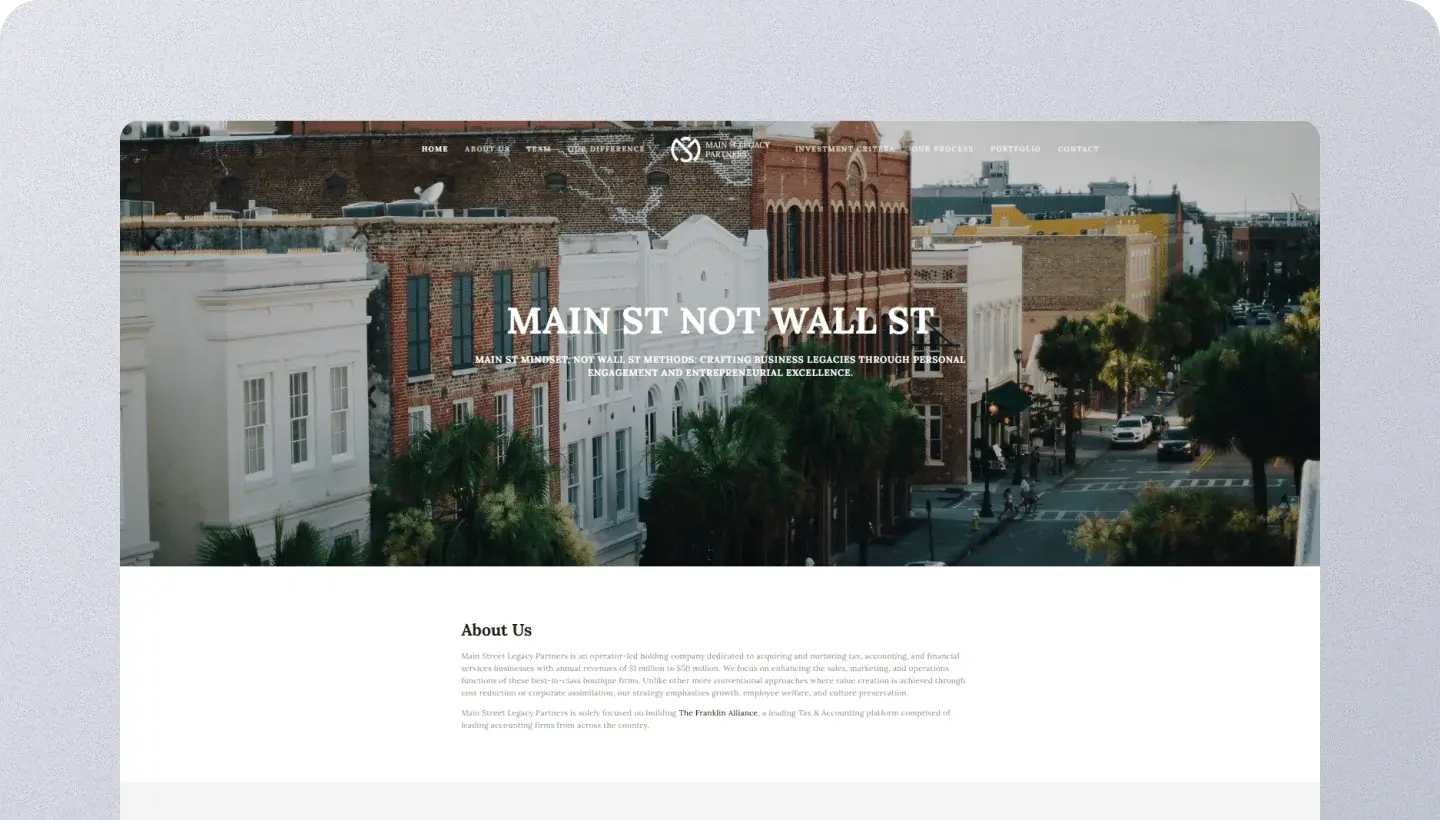
Main Street Legacy Partners: An acquisition firm specializing in acquiring and growing established businesses. They focus on preserving the legacy of successful companies while providing opportunities for continued growth and expansion. Main Street Legacy Partners is committed to building long-term partnerships and driving sustainable value.
Professional Service
Migrate vast CRM data from Microsoft Dynamics 365 to HubSpot, ensuring a seamless transition without data loss or workflow disruption.
Referrals and inbound enquiries arrive with the source recorded, and the profile noted before the first call. Most new clients arrive through another advisor.
Discovery notes, entity detail, and the analysis itself sit on one record, with the follow-up running alongside. The discovery call decides whether the analysis is worth building.
The engagement starts from a stage change, with onboarding tasks, document requests, and the delivery calendar.
Savings delivered are logged through the year, and the annual review opens with the outcome rather than a reminder.
Instant acknowledgement, an owner assigned by client profile, and a follow-up at 48 hours if no call is booked. A signed proposal exits the follow-up sequence.
A touch at day three, seven, and fourteen while the analysis is prepared, with a task when the proposal goes quiet. Quiet proposals escalate before the quarter closes.
A quarterly note to CPAs and wealth managers with rule changes and recent outcomes. Each engagement records the savings it produced.
Signature triggers document requests, a kickoff task, and the delivery calendar in one sequence. Reviews are scheduled a year ahead.
Sixty days before the review date, the record assembles the year's savings for the partner.
A task when a client has not engaged for two quarters or has missed a review.
A planning need logged in delivery raises a conversation for the next quarter, not a sales email.
Certified platform expertise, with a track record across accounting firm workflows and advisory practices.
Built around your proposal stages, partner network, and review cycle. No generic templates.
Multi-step workflows and conditional logic built for long consideration cycles.
Clean imports from spreadsheets or practice software, with client history intact.
An in-house team connecting HubSpot to your tax software, document tools, and billing.
Proposal conversion, partner value, and renewal rate tracked from launch.
A tax advisory firm holds returns, entity structures, and personal financial detail. The work is separation: returns stay in the tax software, financial documents stay in a secure portal, and the CRM carries the client, the proposal status, and the communication record.

Not every practice needs every hub, and most start with Sales and Marketing before adding Service. Here is how each one lines up with an advisory-led firm.
Your acquisition engine: partner content, planning guides, and nurture aimed at people already advised by someone they trust. Partner campaigns run from the same record as the engagement.
Built for the proposal pipeline and the savings conversation, where a single number decides the deal. Each enquiry carries an owner and a response window.
Where document requests, delivery questions, and review scheduling get tracked. Service sees the delivery history before replying. Most firms start with Sales and Marketing, then add Service as delivery grows.
Powers the website and planning content with built-in SEO, so expertise stays findable. Planning and service pages get edited without a developer.
Connects tax software, document tools, and billing, which is the only way review dates stay accurate across a book of clients. Client data stays matched across partners and staff.
Yes. It runs the advisory side of the practice: partner referrals, discovery calls, savings proposals, follow-up, and annual reviews, while the tax software keeps the return. Most firms see the difference within the first quarter. The CRM carries the proposal, not the return.
Proposal stages, the analysis itself, and the follow-up sequence sit on one record, so a proposal that goes quiet raises a task rather than drifting. Proposal conversion is tracked, so the improvement is measurable. Every workflow is tested before it reaches a prospect.
Each CPA, attorney, or wealth manager is a record with the clients they sent and the revenue those clients produced, plus a quarterly update. The sequence is matched to the client profile and the season. Partner outreach runs on a quarterly cadence.
Savings delivered are logged through the year, and the review opens with the outcome, which is a stronger renewal case than a reminder email. Nothing is assumed native until the connector is confirmed.
Returns stay in the tax software, documents stay in a secure portal, and the CRM carries the status and the conversation. Financial documents never sit in the CRM.
Often through an API or middleware. Client, stage, and billing data cross over, and the sync direction is scoped first. That is how cost per retained client becomes visible.
Yes. Entity type and complexity are properties, so owner-managed and multi-entity work can be compared directly. We map which fields may hold financial data before launch.
Most run four to eight weeks, depending on integrations and how much client history needs migrating. Documents stay in a secure portal.
Ready to Sell Advice Instead of Compliance?
A referral is waiting on a savings analysis, and the partner who sent them has heard nothing since the call. We build around your proposals, your partners, and your team. The first call is a diagnosis, not a pitch. No generic setup, and no proposal left to drift.