
























HubSpot for Supplements Brands: Refill Reminders Sent on Time

Most buyers of health supplements do not stop because they disliked the product. They stop because they stopped taking it, weeks before a reorder ever made sense. HubSpot builds the habit in the first month, times the refill to actual consumption, and runs the practitioner channel as its own pipeline.

white bottle with loose pink capsules on a beige surface

Teams that leveled up their growth with HubXpert

Company logo (3)
Company logo (2)-1
Company logo (1)-1
Company logo-1
Icon Group 1-1
Company logo (4)-1
Company logo (3)
Company logo (2)-1
Company logo (1)-1
Company logo-1
Icon Group 1-1
Company logo (4)-1
The Reason

Why Supplement Brands Need More Than a Storefront

Your storefront processes the sale. It was never built to keep someone taking a supplement long enough to reorder it, or to manage the practitioners who recommend you. A habit that breaks in week two never reaches the second bottle.

Adherence Decides Retention

Most customers stop before the bottle is empty, and the real churn moment happens weeks before a reorder was ever going to make sense. The refill date is a fact about the product, not a guess about the customer.

Claims Carry Real Restrictions

Health and supplement marketing operates under strict rules about what can be said, and a generic marketing playbook creates real risk here.

Practitioners Recommend, Then Disappear

Nutritionists, chiropractors, and coaches send buyers and are rarely recorded, so the channel is invisible in reporting.

Refill Timing Is Guessed

A fixed thirty-day reminder ignores how the product is actually taken, and the message lands either too early or too late.

The First Month Decides Everything

A buyer who misses four days in week two is unlikely to be taking it in week eight.

Attribution Ignores Retention

Paid social gets credit for the first order, and nobody measures which channel produced customers who stayed.

Benefits

Key Benefits of HubSpot for Supplements Brands

HubSpot for Supplements Brands covers five areas where a habit, not a campaign, decides whether revenue repeats.

Build Early Adherence Habits

Keep new customers using the product long enough to see it work. A reminder that arrives early is a reminder.

  • Automate onboarding

    Guidance through the first weeks.

  • Track adherence signals

    Skips and early refills noted.

  • Nudge at the right day

    When a habit usually breaks. Segment by goal.

  • Report adherence rate

    Customers still taking it at week eight.

Built for customer and health

A consent-aware setup with approved claims, and order, payment.

  • 36% More deals closed
  • 37% Faster ticket resolution
Case Studies

Our Featured Works

A curated selection of HubSpot implementations and digital marketing campaigns that moved the needle for our clients.

Ecommerce

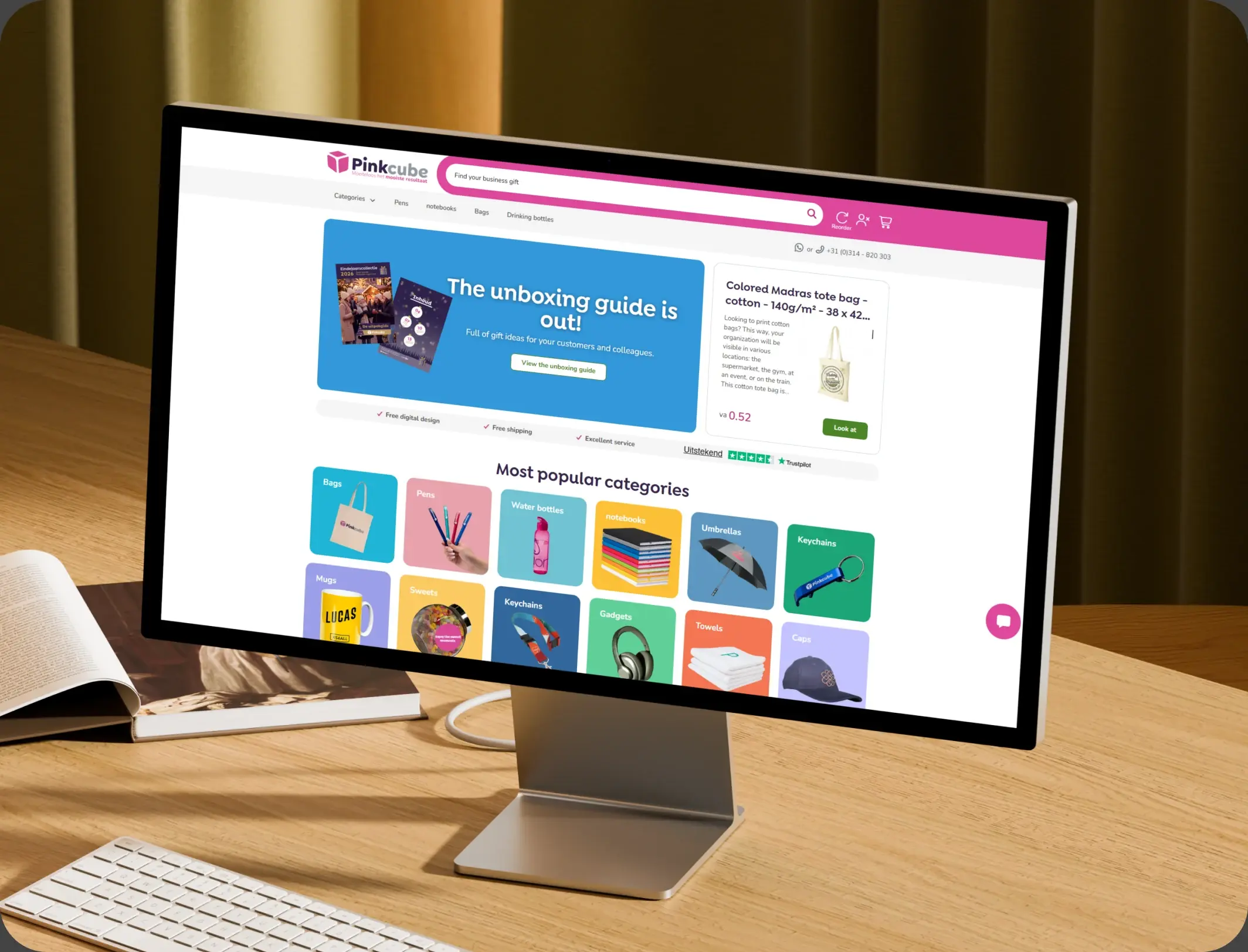
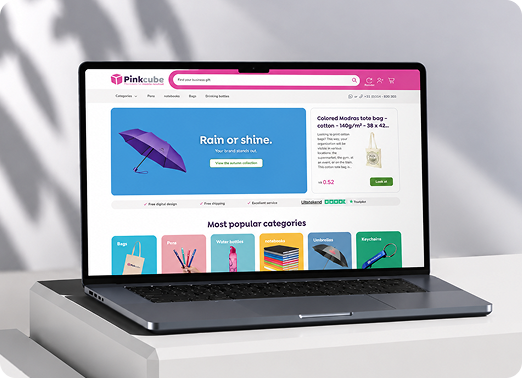
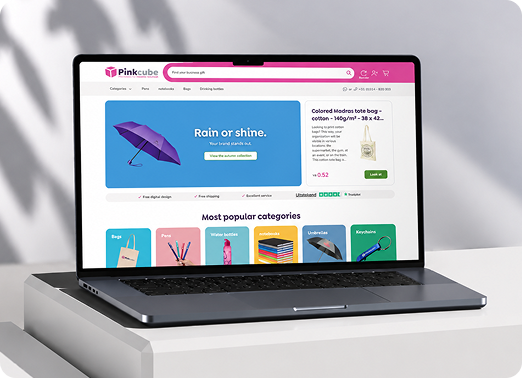
How Pinkcube boosted sales by 30% with custom automation

HubSpot Enterprise Onboarding and Custom Integration for a European B2B E-Commerce Giant

Pinkcube
Pinkcube – How Pinkcube boosted sales by 30% with custom automation

Ecommerce

HubSpot Marketing Hub Onboarding for One Source Cabinets

Onboarding Marketing Hub for 360° Marketing Automation and Sales Hub for 5+ team members

One Source Cabinets
One Source Cabinets – HubSpot Marketing Hub Onboarding for One Source Cabinets

Ecommerce

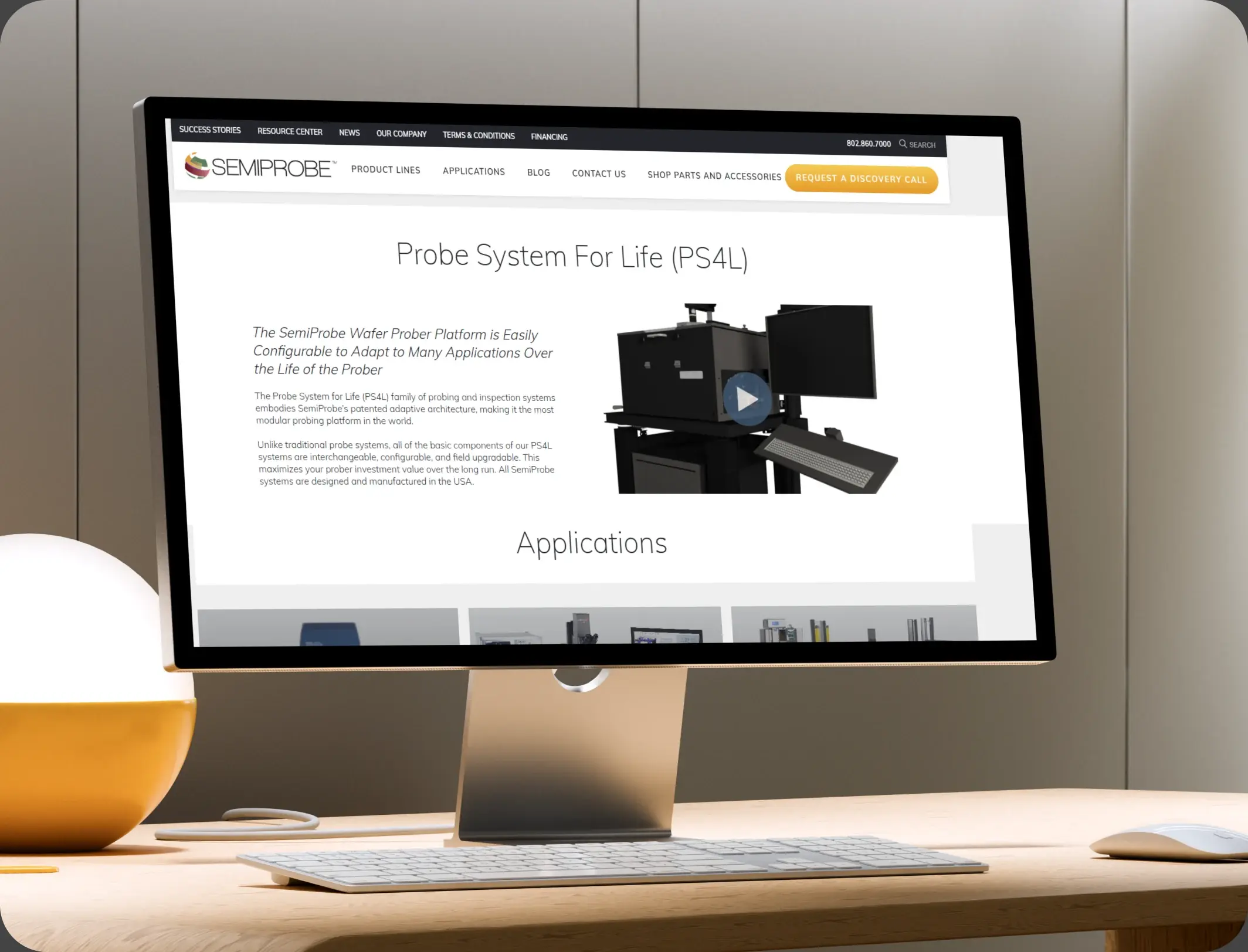
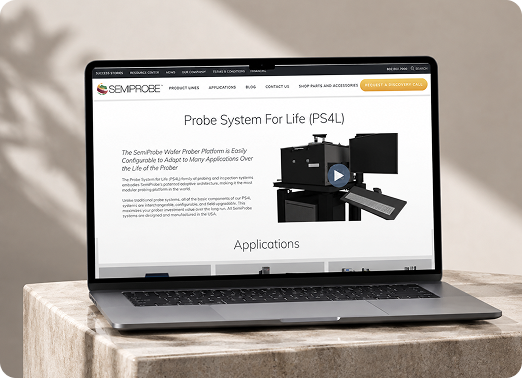
SemiProbe’s WooCommerce & HubSpot Integration

E-commerce Automation, HubSpot Integration, and Sales Optimization

Semiprobe
Semiprobe – SemiProbe’s WooCommerce & HubSpot Integration
HubSpot Usage

How Supplement Brands Use HubSpot From First Bottle to Habit

Step 1

Attract and Qualify

A quiz or a practitioner referral captures the goal and the routine before the first order. Most arrive from a quiz result or a recommendation.

Step 2

Onboard for Adherence

A four-week journey sets expectations, explains how to take it, and checks in at the point habits break. The first four weeks decide the habit.

Step 3

Refill on Consumption

A run-out estimate drives the reminder, and the next product in the routine goes with it. Most arrive from a quiz result or a recommendation.

Step 4

Keep the Channel

Practitioners hear what happened with the buyers they sent, and repeat buyers move into a routine tier.

Workflow & Triggers

Example Supplement Workflows We Can Automate in HubSpot

These are the workflows we build most often when we set up HubSpot for Supplements Brands, tuned to a habit that breaks quietly. The sequence answers the questions that stop people.
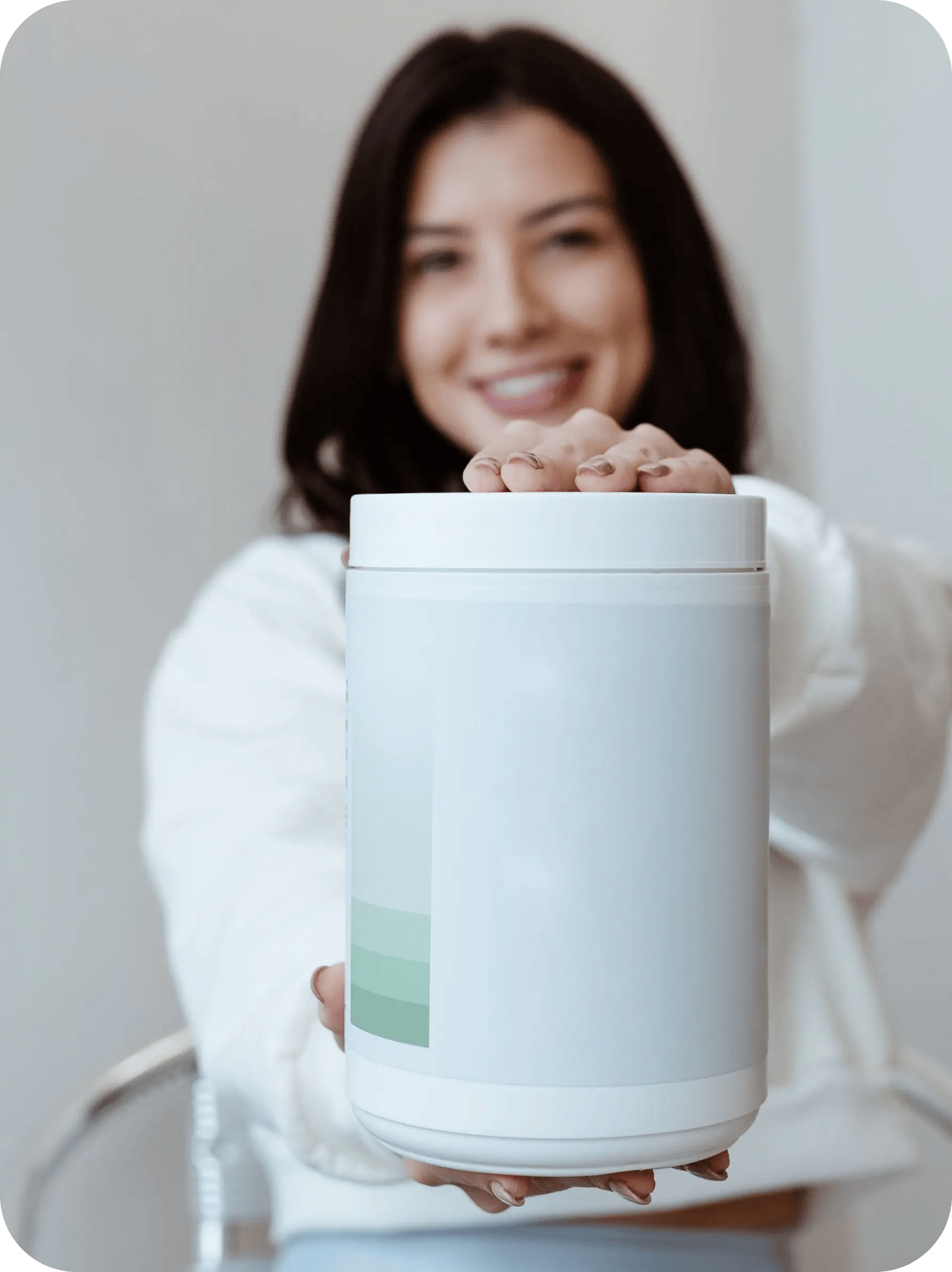
smiling woman presenting a white cylindrical supplement jar
  1. Adherence Onboarding

    A message at day one, three, seven, fourteen, and twenty-eight, each answering the question that stops people. A refill exits the adherence journey.

  2. Habit Check-In

    A task at day ten when no refill or reorder activity has appeared. A missed week raises a task rather than an email.

  3. Refill Reminder

    A run-out estimate per product sends the reminder in the week before the bottle empties. Every claim in a sequence is checked first.

  4. Routine Bundle

    The next product is offered with the refill, matched to the goal recorded at the quiz. Practitioner outcomes are shared monthly.

  5. Practitioner Update

    A monthly note to the practices that referred buyers, with outcomes rather than a pitch. Lapsed buyers hear from the brand after ninety days.

  6. Claims Check

    Any new sequence is checked against the approved language list before it goes live. Approvals are logged against the template that used them.

  7. Lapsed Buyer Sequence

    Ninety days after the last bottle, a sequence that leads with the goal rather than a discount.

Why HubXpert

Why Choose HubXpert for HubSpot Supplements Builds?

Supplement brands come to us because the product works and the habit does not, and the difference shows up in month four. It also sets the reporting the team will read each week.

HubSpot Platinum Partner

Certified platform expertise, with a track record across ecommerce workflows and health brands.

Custom Supplement Workflows

Built around your product sizes, usage patterns, and practitioner network. No generic templates.

Advanced Automation

Multi-step workflows and conditional logic built for adherence timing.

Data Migration and Structuring

Clean imports from your storefront and quiz tool, with order history intact.

Integration and API Development

An in-house team connecting HubSpot to your storefront, subscription platform, and fulfilment.

Reporting and Optimization

Adherence, refill rate, and practitioner value tracked from launch.

Compliance

Claims-Aware Setup Inside HubSpot for Supplements Brands

A supplement brand publishes health claims that have to be supportable and approved, and holds purchase history that has to be handled carefully. The work is structure: approved language stored, claims tied to evidence, approvals logged, and order detail left where it belongs. Claim wording is stored once and reused.


  • Approved Claim Library
  • Evidence on File
  • Approval Log
  • Consent Per Channel
Secure data lock
HubSpot Hubs

HubSpot Hubs Recommended for Supplements Brands

Not every brand needs every hub, and most start with Marketing before adding Service. Here is how each one lines up with a habit-driven business.

  • Marketing Hub

    Your adherence engine: onboarding, refill timing, and routine messaging. Adherence sequences run from the same record as the order. Reporting comes from one place rather than three exports.

  • Sales Hub

    Built for practitioner and wholesale enquiries. Practitioner enquiries carry an owner and a response window. Most brands start with Marketing, then add Service as volume grows.

  • Service Hub

    Where product questions, delivery issues, and returns get tracked. Service sees the order history before replying. Most brands start with Marketing, then add Service as volume grows.

  • Content Hub

    Powers ingredient and routine pages with built-in SEO, so research happens on your site. Ingredient and routine pages get edited without a developer.

  • Operations Hub

    Connects the storefront, subscription platform, and fulfilment, which is how refill timing stays accurate. Refill timing depends on the record being current.

Our Process

Our Process for Implementing HubSpot for Supplements Brands

Step 1.

Discovery and Adherence Analysis

We assess your products, usage patterns, claims library, and practitioner network, and identify where buyers currently drop out. It also sets the reporting the team will read each month.
Discovery and Adherence Analysis illustration
Step 2.

CRM Architecture and Lifecycle Planning

Custom properties, adherence fields, and lifecycle stages mapped to how the habit actually forms, before any build begins. Stages mirror how a first bottle becomes a routine.
CRM Architecture and Lifecycle Planning illustration
Step 3.

Automation and Integration Setup

Workflows built, storefront and subscription integrations connected, sequences configured, and dashboards created. Every automation is tested before launch.
Automation and Integration Setup illustration
Step 4.

Team Training and Adoption

Hands-on training for marketing, ecommerce, and support, each on the tools their role needs.
Team Training and Adoption illustration
Step 5.

Reporting and Optimization

Once live, we monitor adherence and refill rate, and refine workflows, timing, and content each month.
Reporting and Optimization illustration
FAQ

Questions You Might Have

Does HubSpot work for supplement brands?

Yes. It runs the habit and the channel: onboarding, adherence checks, refill timing, and practitioner relationships, while the storefront handles the order. Most brands see the difference in the first quarter. The CRM carries the habit, not the transaction. Most brands see the difference in the first quarter.

Can HubSpot improve adherence?

A four-week sequence answers the questions that stop people, and a check-in at day ten raises a task before the habit disappears. Adherence is tracked, so the improvement is measurable. Every workflow is tested before it reaches a buyer. Adherence is tracked, so the improvement is measurable.

How does refill timing work?

Product size and typical usage produce a run-out estimate, and the reminder goes out in the week before the bottle empties. The sequence is matched to the goal and the product. Claim checks run before every sequence.

Can HubSpot track practitioners?

Each practice is a record with the buyers they referred and the repeat rate those buyers produced, reported separately from direct sales. Nothing is assumed native until the connector is confirmed. Refill timing is set per product, not per brand.

How do you handle health claims?

Approved language is stored, every claim is tied to evidence on file, and approvals are logged, so a sequence cannot go out with an unapproved claim. Order detail never sits in the CRM.

Can HubSpot bring lapsed buyers back?

Ninety days after the last bottle, a sequence leads with the original goal rather than a discount. That is how cost per retained buyer becomes visible.

Can HubSpot measure which channel builds habits?

Retention by channel and product is reported monthly, which is a better measure than first orders. We map which fields may hold customer data before launch.

How long does an implementation take?

Most run four to six weeks, depending on integrations and how much order history needs migrating. Order history stays in the storefront.

Book Consultation

Ready to Keep the Customer Past the First Bottle?

A buyer stopped taking it in week two, the refill reminder went out a fortnight late, and a practitioner who sent six buyers was never recorded. We build around your products, your timing, and your claims. Claims are reviewed before they run.

Takes 30 minutes
Delivered by certified HubSpot experts
The first quarter is measured against your own adherence data

Ratul-Rahman