





























HubSpot for Software Development Agencies: Briefs Into Scopes

Every deal you close has to fit a developer's calendar, not just a quota. A win with nobody to staff it is a liability. HubSpot paces pipeline against bench capacity, moves scoping calls to signed statements of work, and turns one-off builds into retainers that keep the team billable.

developers debugging a stubborn build at a desk full of cables

Teams that leveled up their growth with HubXpert

Company logo (3)
Company logo (2)-1
Company logo (1)-1
Company logo-1
Icon Group 1-1
Company logo (4)-1
Company logo (3)
Company logo (2)-1
Company logo (1)-1
Company logo-1
Icon Group 1-1
Company logo (4)-1
The Reason

Why Dev Agencies Need More Than a Generic CRM

A generic CRM tracks deals against a quota. It was never built to track a pipeline that has to fit inside the team's actual bench capacity. Selling more than you can deliver is a slower way of losing clients.

Pipeline Must Fit Bench Capacity

A deal closed with no developer to staff it is a liability rather than a win, and generic systems have no concept of capacity at all. Estimation is unbilled work, and it deserves to be tracked.

Scoping Calls Stall Without Follow-Up

Discovery and estimation take real technical time, and that effort is lost when a prospect goes quiet and nobody notices. A vague scope is a fixed-price loss waiting to happen.

Proposals Compare Scope, Not Price

A client choosing between three agencies is reading the scope, the timeline, and the assumptions, so ambiguity loses the deal.

Retainers Are the Business

A project ends and the relationship ends with it unless somebody is selling the next phase while the build is running.

Delivery Problems Surface Late

Slippage shows up in a standup, weeks after the moment a project manager could have raised it with the client.

Attribution Ignores Referrals

Most new work arrives through a former client or a partner agency, and the record rarely says who introduced it.

Benefits

Key Benefits of HubSpot for Software Development Agencies

HubSpot for Software Development Agencies covers five areas where capacity and scope decide whether a win is a good one.

Pace Pipeline to Capacity

See what the bench can actually deliver before the deal closes. Recorded scope shortens every proposal that follows.

  • Track available hours

    By role and by start date.

  • Flag overcommitment

    A deal with no bench raises a warning.

  • Sequence start dates

    Realistic delivery windows.

  • Report utilisation

    Sold against delivered. Utilisation is the number.

Built for project data.

A careful setup with role-based access, and repository, credential.

  • 59% Higher deal close rate
  • 20% More tickets closed
Case Studies

Our Featured Works

A curated selection of HubSpot implementations and digital marketing campaigns that moved the needle for our clients.

Information & Technology

Vestaboard Boosts Campaign Performance with Custom Data and Automation

Vestaboard needed to monitor the performance of a campaign closely and trigger specific workflows based on the data collected.

Vesta Board
Vesta Board – Vestaboard Boosts Campaign Performance with Custom Data and Automation

Information & Technology

Landing Pages in Unbounce and Integrated Seamless Sync with HubSpot

For BlackPoint IT, we designed high-converting landing pages using Unbounce and created a custom integration to sync data seamlessly between Unbounce and HubSpot.

Vestaboard
Vestaboard – Landing Pages in Unbounce and Integrated Seamless Sync with HubSpot

Webops

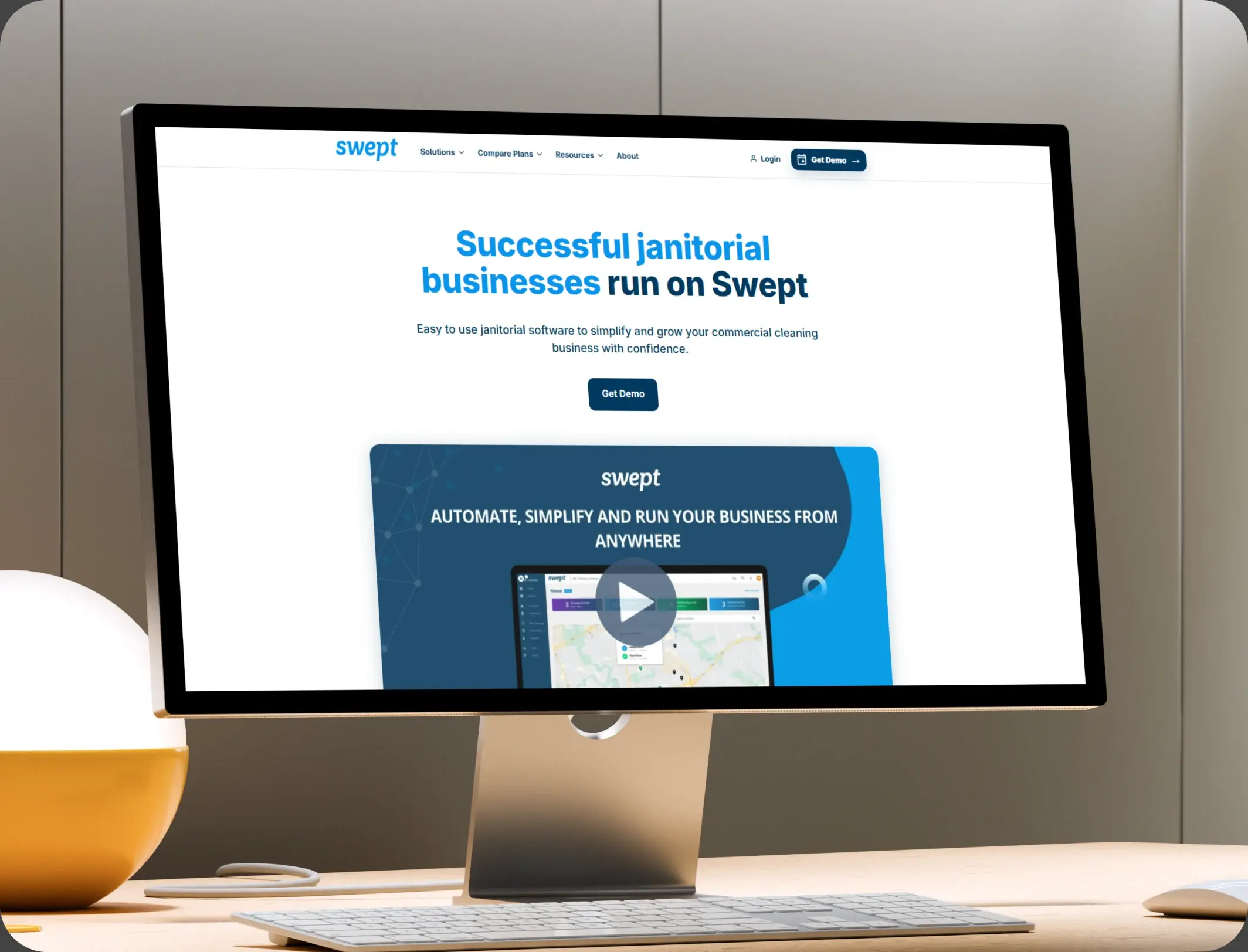
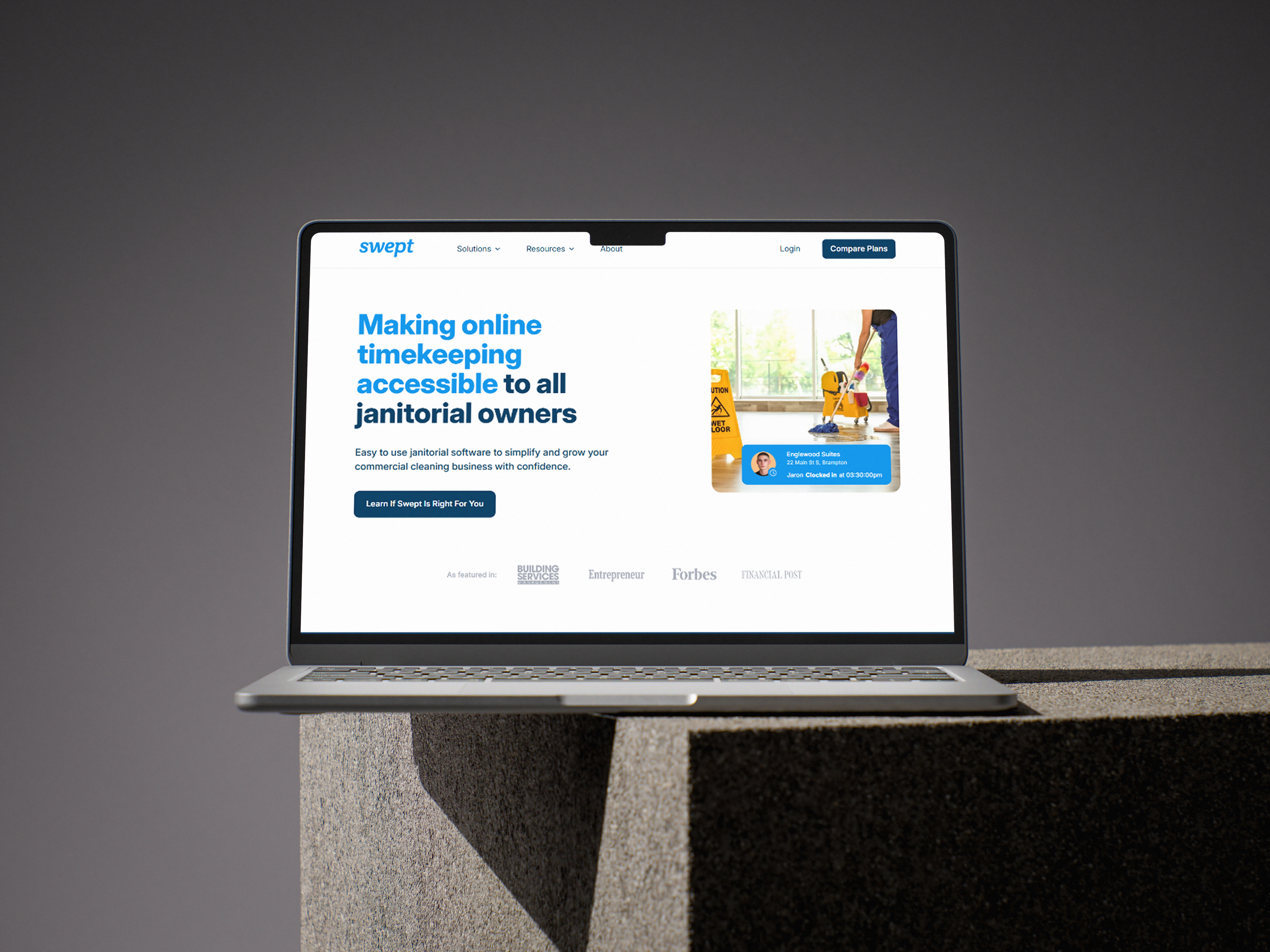
HubSpot Website Design & Development for a SaaS - Swept

Swept needed a fully customized website built within HubSpot CMS, ensuring an engaging user experience, seamless navigation, and easy content management.

Swept
Swept – HubSpot Website Design & Development for a SaaS - Swept
HubSpot Usage

How Dev Agencies Use HubSpot From Brief to Retainer

Step 1

Qualify the Brief

Service line, budget, and start date are captured before a developer's time is spent on estimation. Most briefs arrive through a referral or a partner agency.

Step 2

Scope and Propose

Discovery notes and estimates attach to the deal, and the proposal states assumptions rather than implying them. Discovery is where the deal is really won or lost.

Step 3

Staff and Deliver

Bench capacity is checked before signature, and milestones run with owners and dates once the work starts. Estimation takes developer time that nobody bills.

Step 4

Convert to Retainer

Delivery evidence becomes a case study, and the next phase is raised before the build ends.

Workflow & Triggers

Example Dev Agency Workflows We Can Automate in HubSpot

These are the workflows we build most often when we set up HubSpot for Software Development Agencies, tuned to a business that sells its team's time. A proposal stage checks capacity before it moves.

pair reviewing code on a large monitor beside a brick wall
  1. Capacity Check

    A deal moving to proposal checks available hours for the start date, and flags overcommitment. Follow-ups run at day three, seven, and fourteen.

  2. Proposal Follow-Up

    A touch at day three, seven, and fourteen, with a task when scope questions go unanswered. Signature creates the delivery checklist.

  3. SOW Signature Handoff

    Signature creates the delivery checklist, the kickoff task, and the milestone dates. A milestone two weeks late raises a client update.

  4. Milestone Slippage

    A milestone two weeks late raises a task and a client update. Retainer prompts fire six weeks before the build ends.

  5. Retainer Prompt

    Six weeks before a build ends, the retainer conversation is raised for the account owner. Partner referrals trigger a thank-you and a check-in.

  6. Referral Thank-You

    A partner introduction that becomes a deal triggers a thank-you and a check-in. Utilisation is reviewed monthly.

  7. Utilisation Report

    Sold hours against delivered hours, reviewed monthly.

Why HubXpert

Why Choose HubXpert for HubSpot Dev Agency Builds?

Development agencies come to us because the pipeline and the bench are two systems that never talk, and the gap shows up as a missed start date. It also sets the reporting the partners will read each month.

HubSpot Platinum Partner

Certified platform expertise, with a track record across IT service workflows and delivery businesses.

Custom Agency Workflows

Built around your service lines, capacity model, and retainer motion. No generic templates.

Advanced Automation

Multi-step workflows and conditional logic built for scoping cycles.

CRM Migration and Data Structuring

Clean imports from spreadsheets or an existing CRM, with client history intact.

Integration and API Development

An in-house team connecting HubSpot to your delivery tooling and finance system.

Reporting and Optimization

Win rate, retainer conversion, and utilisation tracked from launch.

Compliance

Practical Setup Inside HubSpot for Software Development Agencies

A development agency holds client system detail, credentials, and sometimes personal data on behalf of a customer. The work is separation: repositories and secrets stay in your delivery tooling, and the CRM carries the brief, the scope, and the conversation. Credentials stay in the delivery tooling.


  • Credential Separation
  • Client Data Boundaries
  • Role-Based Access
  • Retention Rules
Secure data lock
HubSpot Hubs

HubSpot Hubs Recommended for Software Development Agencies

Not every agency needs every hub, and most start with Sales before adding Marketing. Here is how each one lines up with a delivery business.

  • Marketing Hub

    Your demand engine: technical content, case studies, and referral nurture. Scoping sequences run from the same record as the deal. Scope changes belong on the deal, not in a thread.

  • Sales Hub

    Built for scoping and proposals, where a brief becomes a contract. Delivery questions sit on the account, not in a shared inbox. Case studies written during delivery are more specific than ones written after.

  • Service Hub

    Where delivery questions and change requests sit on the account. Technical content gets edited without a developer. Most agencies start with Sales, then add Marketing as referrals grow.

  • Content Hub

    Powers the technical writing that wins briefs before anyone speaks. One record links the brief, the build, and the retainer.

  • Operations Hub

    Connects delivery tooling and finance, which is how utilisation stays honest. Delivery tooling stays the source, and the CRM points at it.

Our Process

Our Process for Implementing HubSpot for Software Development Agencies

Step 1.

Discovery and Capacity Analysis

We map your service lines, bench model, and scoping process, and identify where deals currently stall or overcommit. It also sets the reporting the team will read each week.
Discovery and Capacity Analysis illustration
Step 2.

CRM Architecture and Pipeline Planning

Capacity fields, scope stages, and retainer records mapped to how the agency actually sells and delivers. Stages mirror how a brief becomes a signed scope.
CRM Architecture and Pipeline Planning illustration
Step 3.

Automation and Integration Setup

Workflows built, delivery and finance integrations connected, and dashboards created. Every automation is tested before launch. Consent rules are configured before the first send.
Automation and Integration Setup illustration
Step 4.

Team Training and Adoption

Hands-on training for sales, delivery leads, and marketing on capacity checks and retainer prompts.
Team Training and Adoption illustration
Step 5.

Reporting and Optimization

Once live, we monitor utilisation and retainer conversion, and refine as the bench changes.
Reporting and Optimization illustration
FAQ

Questions You Might Have

Does HubSpot work for software development agencies?

Yes. It runs the commercial side of a delivery business: briefs, scoping, capacity checks, proposals, and retainers, while your delivery tooling runs the build. Most agencies see the difference in the first quarter. The CRM carries the brief, not the repository.

Can HubSpot stop us overcommitting the bench?

A deal moving to proposal checks available hours for the requested start date and flags overcommitment before signature. Win rate is tracked, so the improvement is measurable. Every workflow is tested against a real brief first.

How does HubSpot speed up proposals?

Discovery notes and estimates attach to the deal, so a proposal is assembled from recorded scope rather than memory. The sequence is matched to the service line and the stage. Capacity reviews run weekly.

Can HubSpot help sell retainers?

Six weeks before a build ends, the retainer conversation is raised, and delivery evidence is already captured as a case study. Nothing is assumed native until the connector is confirmed. Retainer prompts follow the delivery calendar.

Can HubSpot track partner agencies?

Each introduction is recorded, so partner value is reported rather than guessed. Client credentials never sit in the CRM. Proposal follow-ups are timed to scope review, not to a fixed drip.

How do you handle client credentials and repositories?

Those stay in your delivery tooling, and the CRM carries the brief and the conversation, with access following the role. That is how cost per signed scope becomes visible. Capacity checks run before a deal reaches proposal.

Can HubSpot integrate with our project tooling?

Often through an API or middleware, and the direction of sync is scoped before anything is built. We map service lines and capacity before anything is built. Utilisation is reported by role, not in aggregate.

How long does an implementation take?

Most run four to six weeks, depending on integrations. Client history is imported where it exists.

Book Consultation

Ready to Sell Only What the Bench Can Deliver?

A deal is about to close with no developer free until March, and a scope question has gone unanswered for a week. We build around your service lines and your bench capacity. No generic setup, and no deal sold beyond the bench.

Takes 30 minutes
Delivered by certified HubSpot experts
The first quarter is measured against your own utilisation data

Ratul-Rahman