


















Capture the Signup
Every account is created with its source recorded, even when no form was submitted. Most accounts arrive without filling a form.
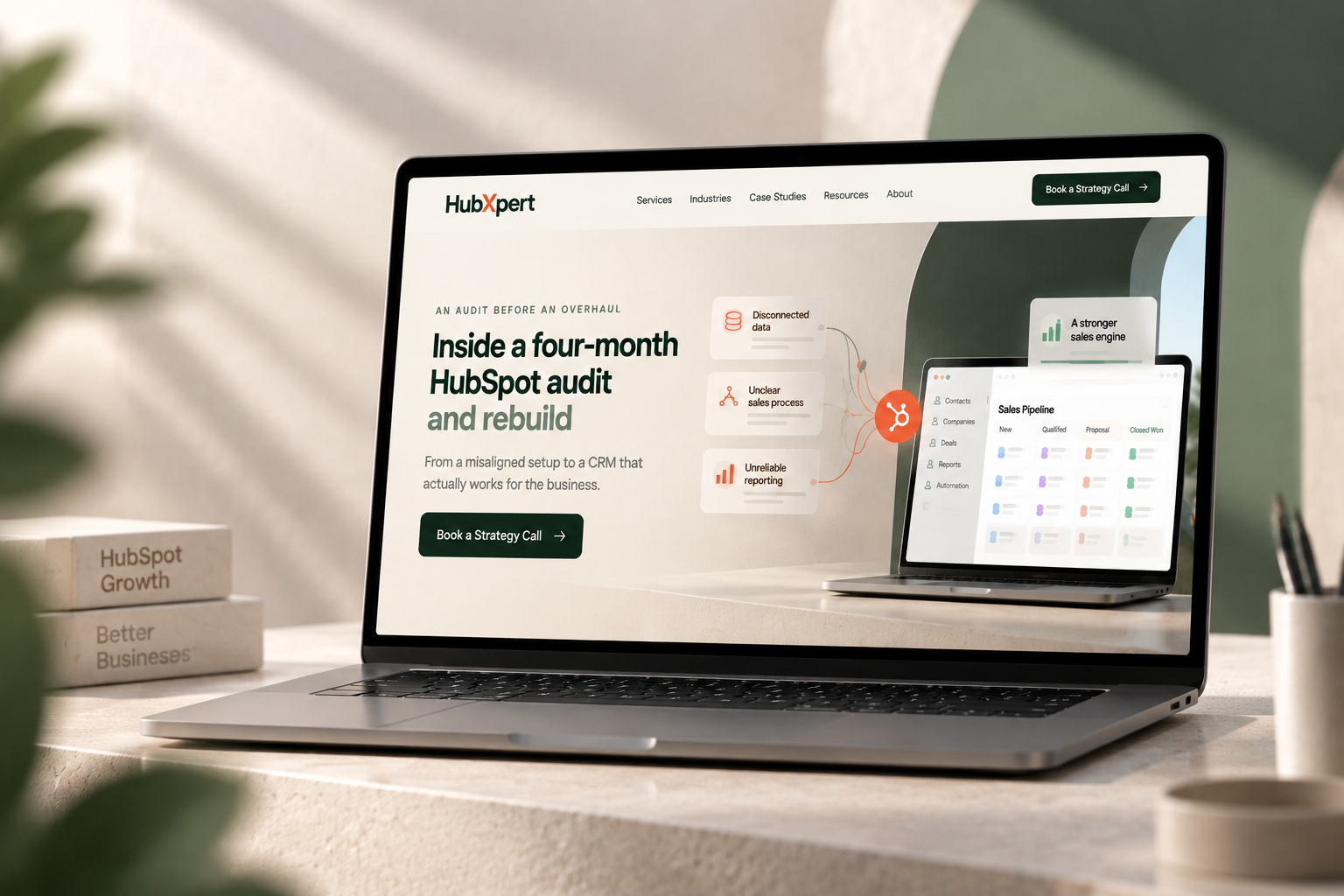
The real buying signal lives in the product, not the contact form. Most free and trial users pile up faster than anyone can qualify them by hand, and the ones worth calling are already behaving like customers. HubSpot scores usage, triggers outreach on the right action, and finds expansion before the renewal call.

Teams that leveled up their growth with HubXpert
Free and trial users arrive faster than anyone can qualify them by hand, and most go cold before a rep reaches out. Sales capacity rarely scales as fast as signups do.
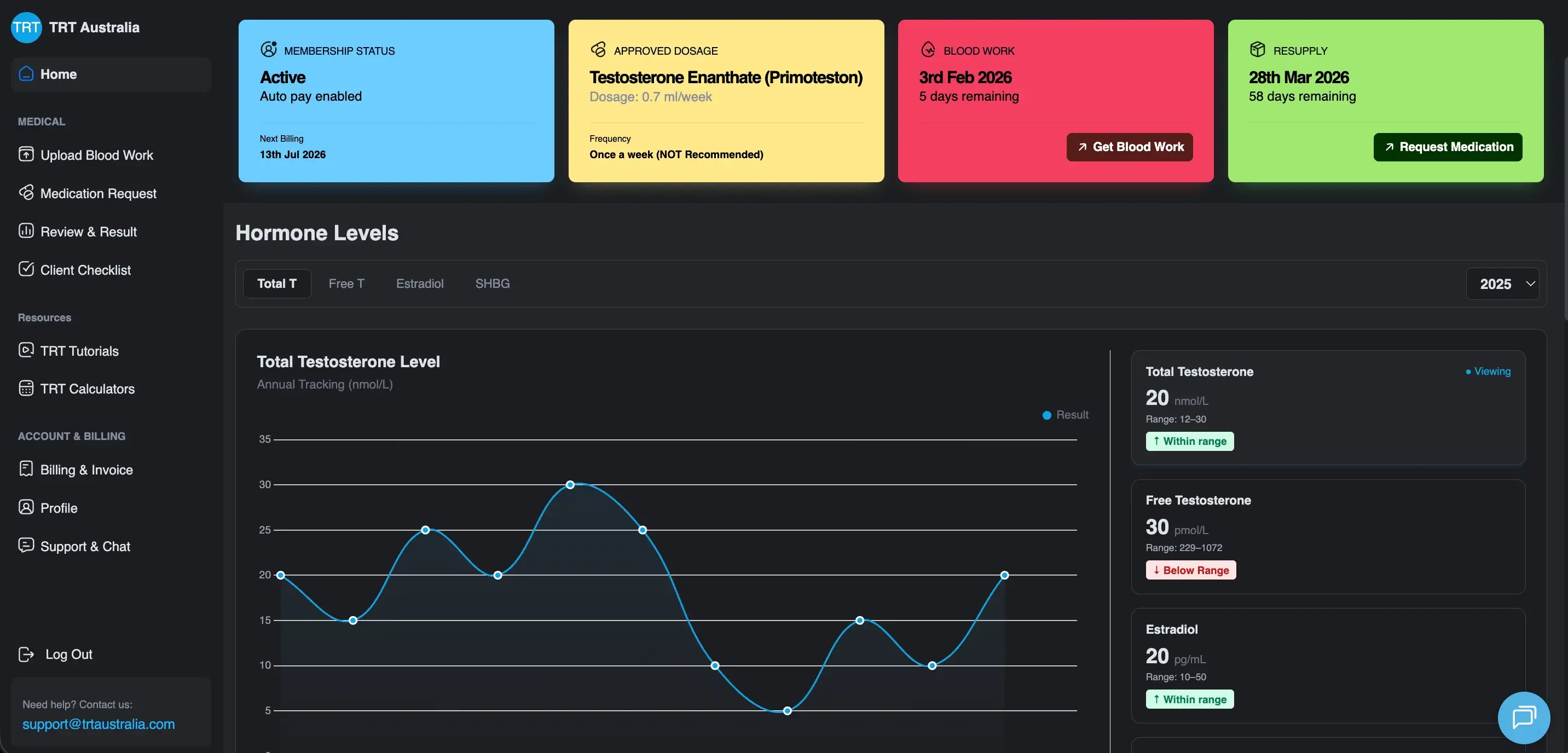
The strongest buying signal is what a user does inside the product, and a generic CRM never sees that activity at all. The event that predicts conversion is different in every product.
An account hitting a seat or usage limit is a buying signal, and most teams hear about it when the customer complains. A limit reached is the clearest buying signal a product produces.
The best expansion conversations start in a support thread, and that context rarely reaches the account owner. Support hears the growth question first.
Boards ask about net revenue retention, and most reports can show logos won but not revenue kept.
A user who arrived from documentation, activated alone, and upgraded in month two is credited to nobody.
HubSpot for Software Companies covers five areas where product behavior beats form fills.
Signups, forms, and content downloads.
Plan, company size.
Stay present while users explore.
Which channel produces activation.
Depth, frequency, seats.
Who to call first, and why.
A champion without a team.
Conversion by score band.
The event that predicts conversion.
An owner assigned within the hour.
Usage detail on the record.
By activation profile.
A limit reached raises a task.
New users on an existing account.
A thread that mentions growth.
Revenue added after signup.
A careful setup with role-based access, and event streams, billing.
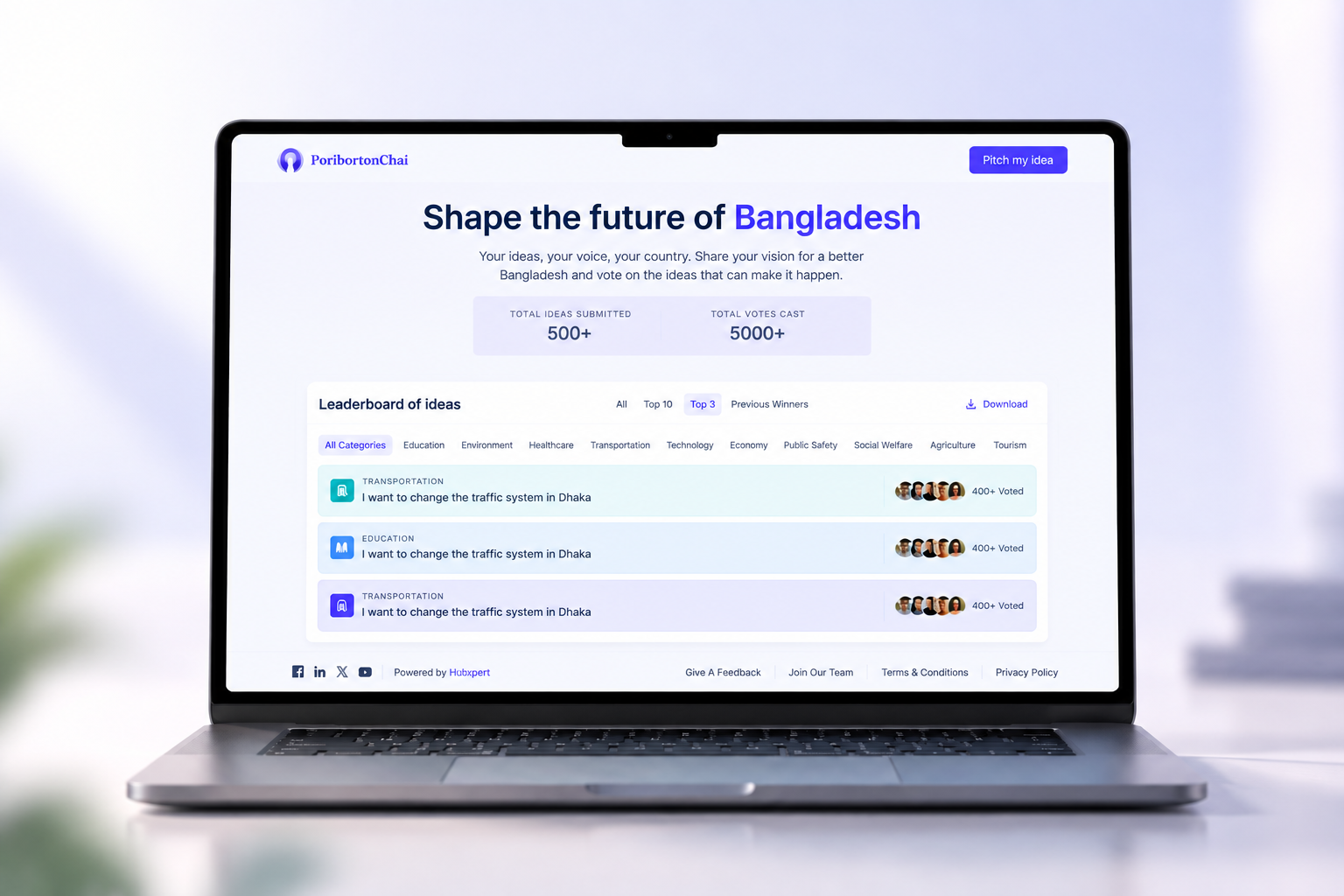
A curated selection of HubSpot implementations and digital marketing campaigns that moved the needle for our clients.
Information & Technology
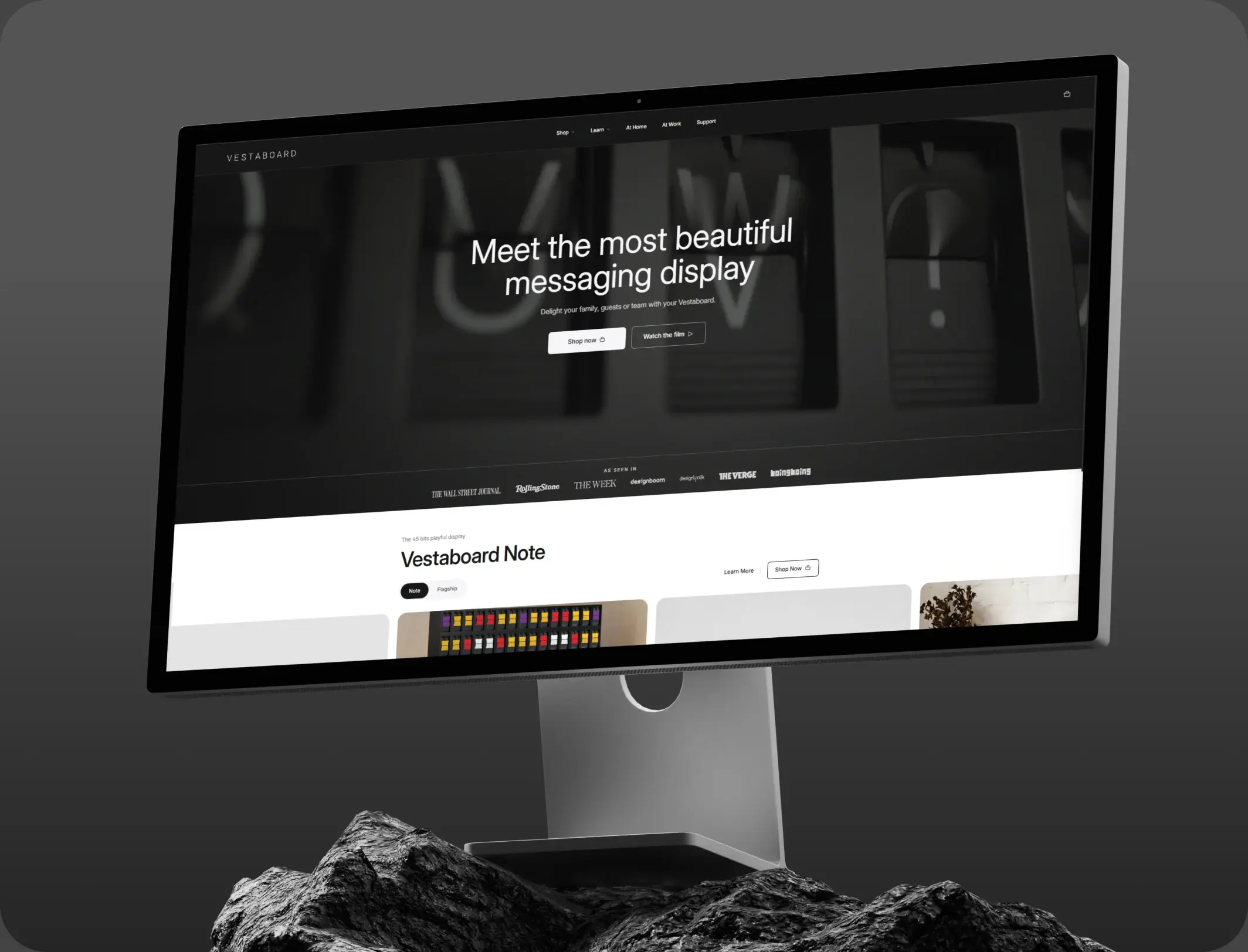
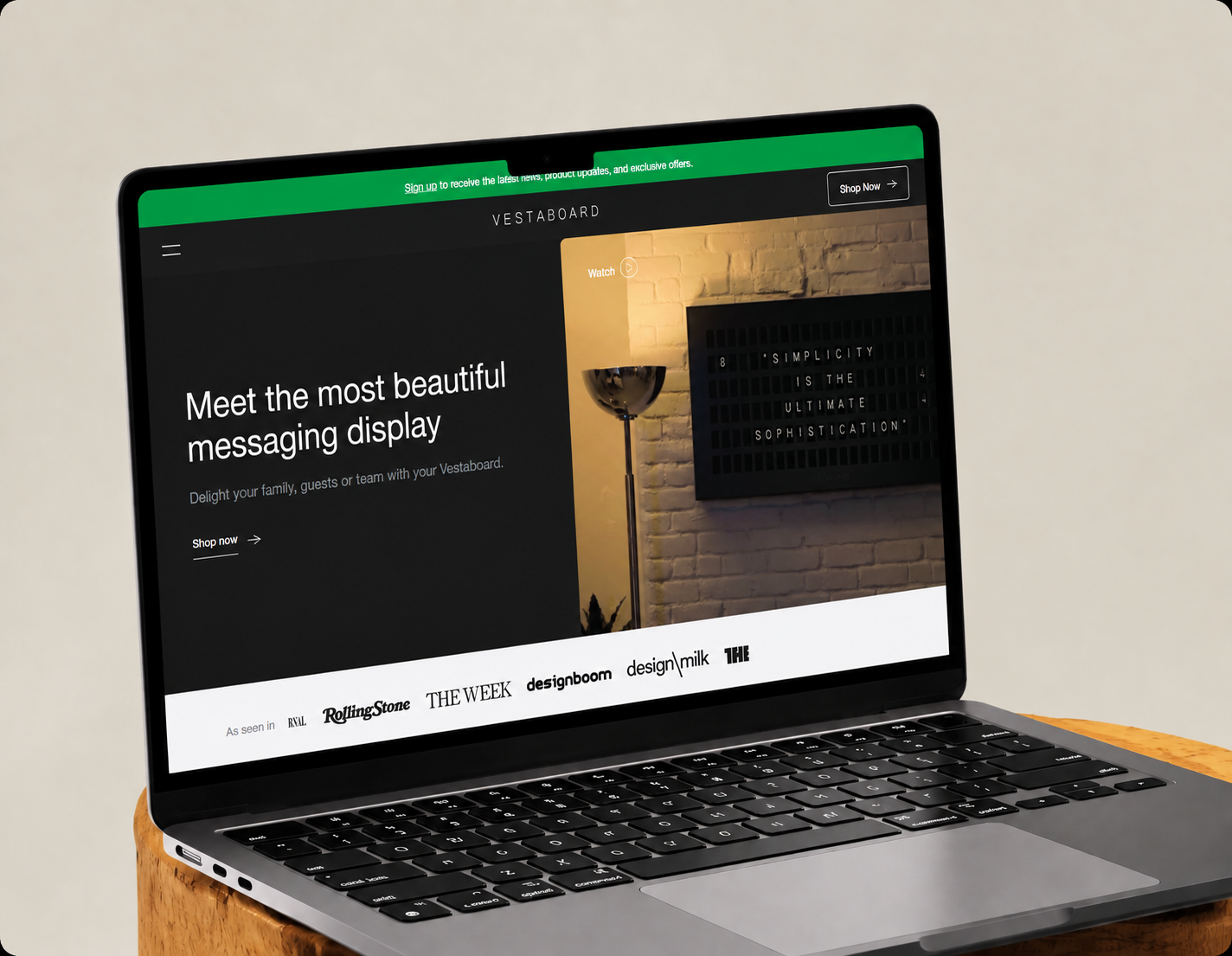
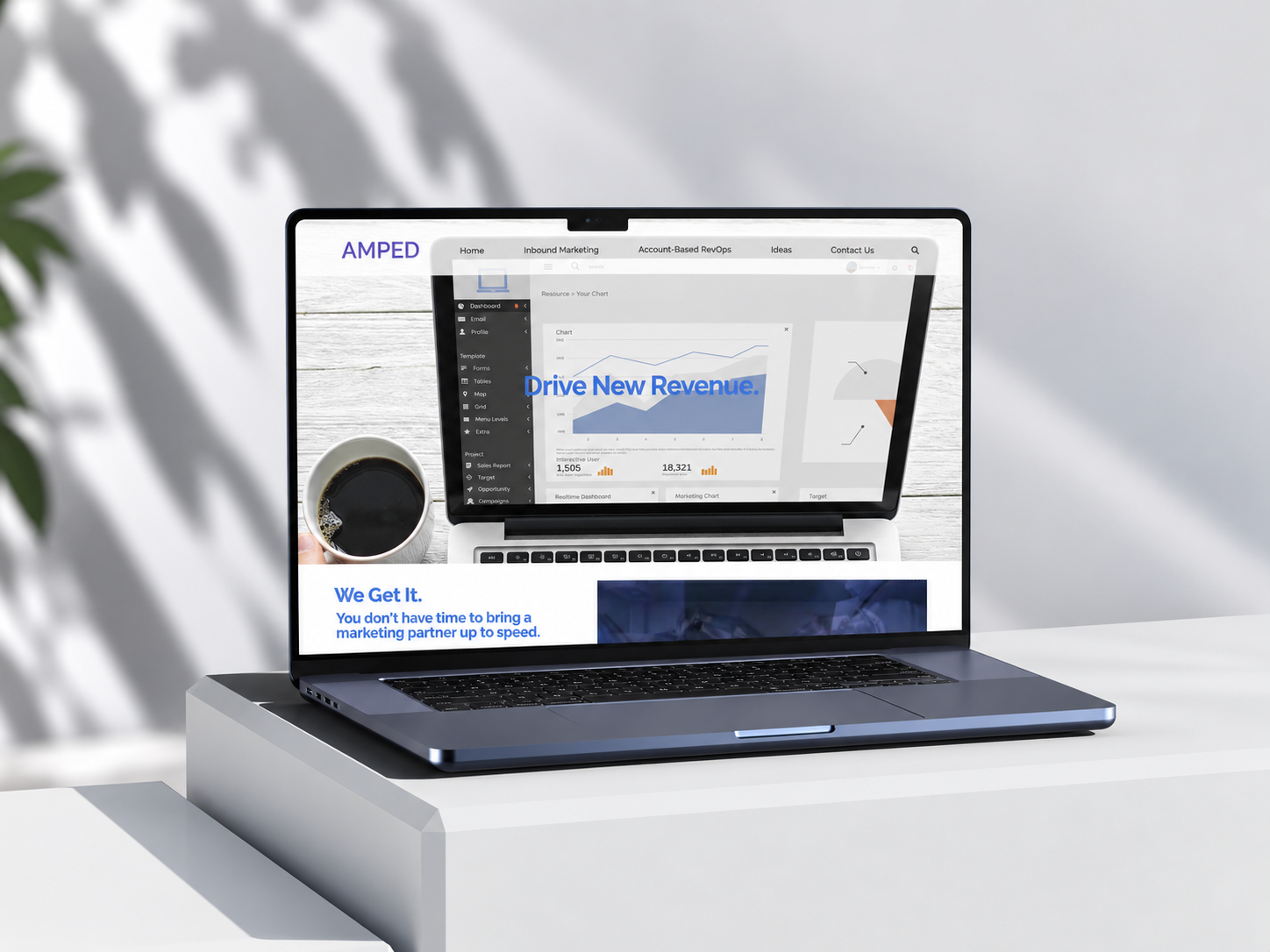
Vestaboard needed to monitor the performance of a campaign closely and trigger specific workflows based on the data collected.
Information & Technology
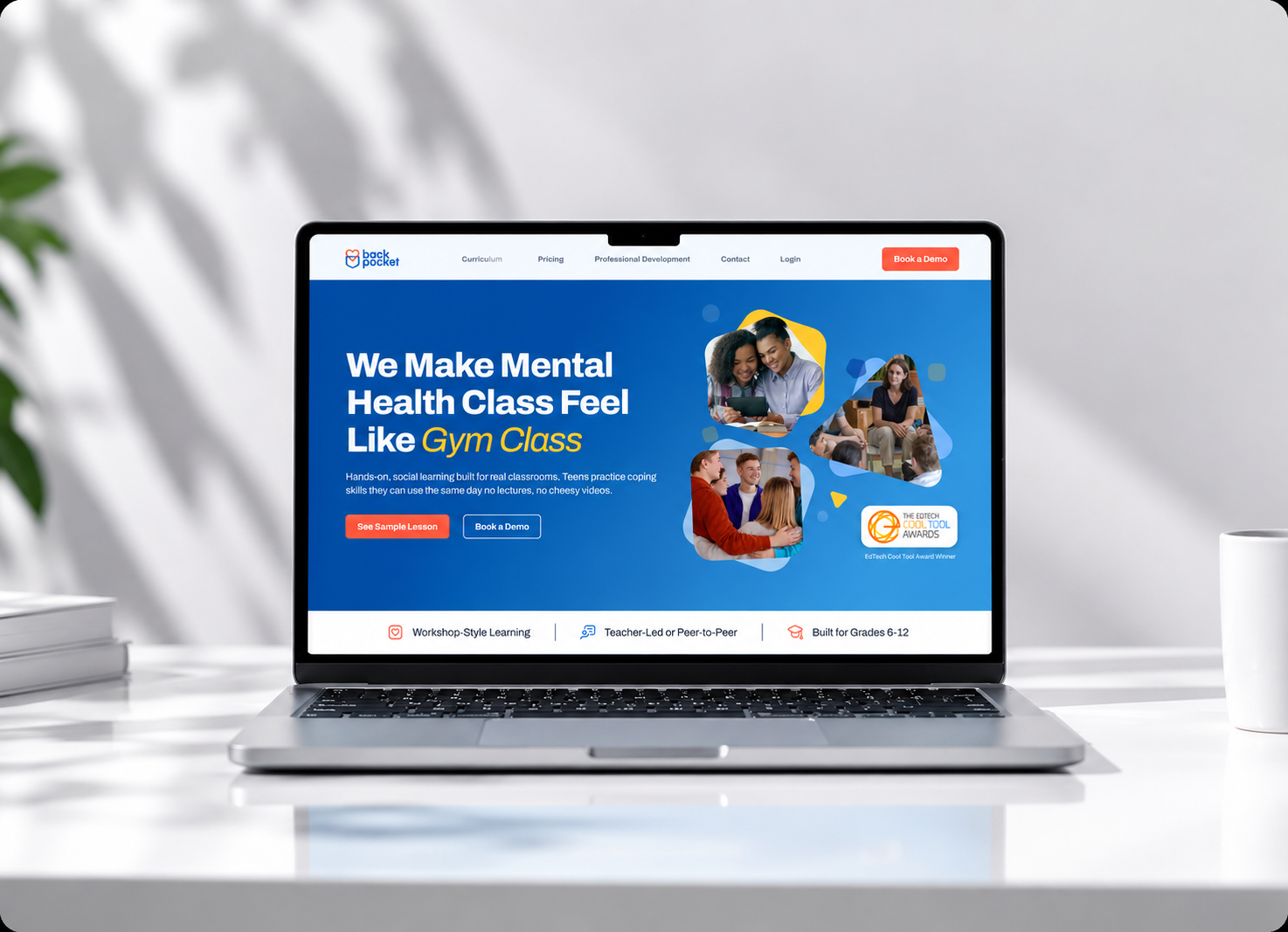
For BlackPoint IT, we designed high-converting landing pages using Unbounce and created a custom integration to sync data seamlessly between Unbounce and HubSpot.
Webops
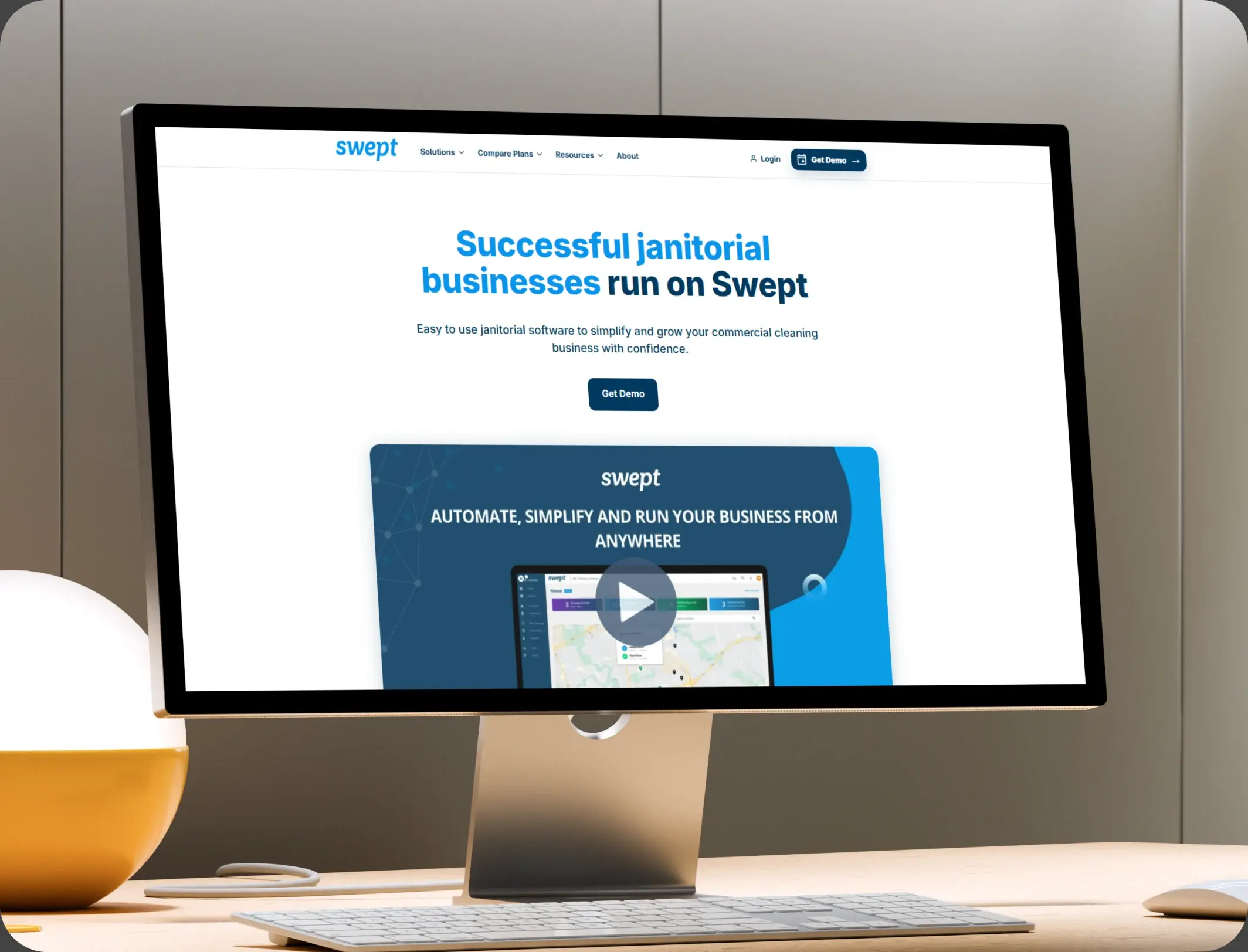
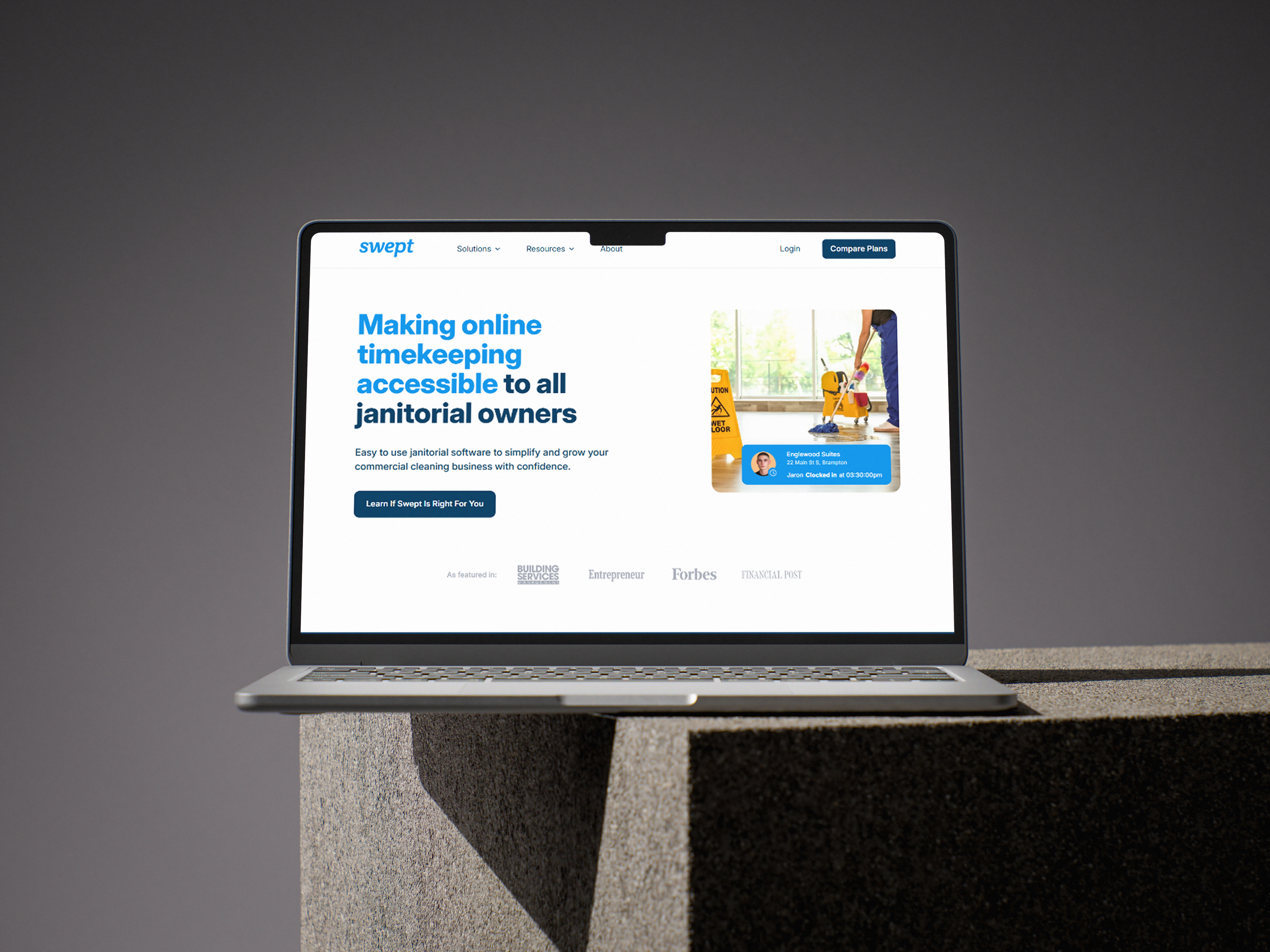
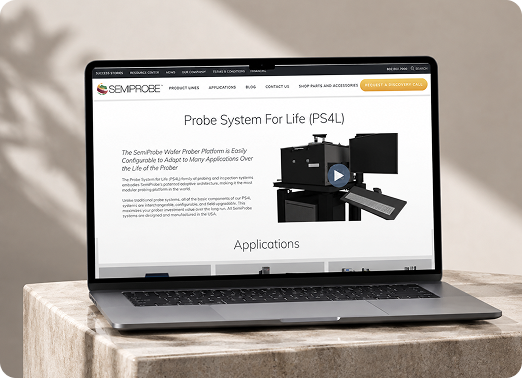
Swept needed a fully customized website built within HubSpot CMS, ensuring an engaging user experience, seamless navigation, and easy content management.
Every account is created with its source recorded, even when no form was submitted. Most accounts arrive without filling a form.
The defining event is tracked, and an account that never reaches it enters a guided sequence. Activation happens in the first week or not at all.
A score crossing the threshold creates a task with the usage history attached. The upgrade decision is made inside the product.
A limit reached or a second team added raises an expansion task, and the renewal review opens with evidence. Expansion usually starts with one team noticing a limit.
No defining event in three days triggers guidance, and in seven days raises a task. A score crossing the line creates a task, not an email.
A score crossing the line creates a task with events, plan, and seat count attached. A limit reached raises an expansion task.
A new department or a jump in seats raises an expansion task for the owner. Support threads mentioning growth notify the owner.
A support thread mentioning growth notifies the account owner. Trial expiry raises a task seven days out.
Seven days out, the owner gets a task and the user gets a plain-language summary of what they used. Renewal packs assemble ninety days before the date.
Ninety days before renewal, usage and support history assemble the case. Score bands are reviewed against revenue monthly.
Monthly comparison of score band against conversion, so the model stays honest.
Certified platform expertise, with a track record across software and IT service workflows. The activation event is agreed before a score is built.
Built around your activation event, scoring, and expansion triggers. No generic templates.
Multi-step workflows and conditional logic built for event-driven timing.
Clean imports from your existing CRM, with account history intact.
An in-house team connecting HubSpot to your product events and billing system.
Activation, expansion, and retention tracked from launch.
A software company collects behavioral events and often personal data about end users who never spoke to sales. The work is discipline: events limited to what the score needs, consent recorded where it applies, and usage detail kept in the systems that own it. Access follows the role, including support staff.

Not every team needs every hub, and most start with Sales before adding Marketing. Here is how each one lines up with a product-led funnel.
Lifecycle messaging that reacts to what the product already knows. Lifecycle sequences run from the same record as the event. A support thread is the cheapest discovery call available.
Built for the scored queue, where the context travels with the account. Support sees the usage history before replying. Comparison pages matter when the buyer is replacing an incumbent.
Where support threads become expansion signals rather than closed tickets. Documentation gets edited without a developer. Documentation is a qualification channel nobody budgets for.
Powers the documentation and comparison pages that start signups. One record links the signup, the score, and the expansion. Most teams start with Sales, then add Marketing once volume grows.
Connects product events and billing, which is how the score stays current. Billing stays the source for contract value.
Yes. It turns product events into a queue, routes accounts to sales with context, and tracks expansion, while your product keeps the event stream. Most teams see the difference in the first month. The CRM carries the score, not the event log.
Yes, on depth, frequency, seats, and the defining event, with the score band compared against actual conversion every month. Handoff speed is tracked, so the improvement is measurable. Every workflow is tested against real accounts first.
A threshold crossing creates a task with the usage history attached, and no contact within the hour escalates. The sequence is matched to the signal and the plan. Score reviews run monthly.
A usage limit, a seat jump, or a support thread mentioning growth raises a task, usually weeks before the customer would ask. Nothing is assumed native until the connector is confirmed. Handoff rules are set per plan, not per team.
The first touch is written at account creation, so the documentation page or campaign that started the account is credited. Event streams never sit in the CRM. Activation definitions are agreed with product first.
Events are limited to what the score needs, consent is recorded where it applies, and usage stays in the product. Support signals are reviewed weekly with the account owners.
Yes. Partner-sourced accounts carry their own source, so channel performance is comparable with direct. We agree the defining event before anything is built. Expansion thresholds are set per plan, not per customer.
Most run four to six weeks, with the event integration usually the longest part. Event history is migrated where it exists. Score bands are reviewed against revenue, not against opinion.
Ready to Call the Users Who Are Already Buying?
Forty trials started this month, six of them hit the activation moment, and nobody has called any of them. We build around your events and your score. No generic setup, and no ready account left uncalled. Nothing goes live until the event stream is proven.