














Attract Travelers and Agents
Search, agent relationships, and conservation partners bring enquiries in, with the source recorded at first touch. Most enquiries start with a documentary and a search.
A safari or wildlife tours itinerary can depend on beds held at four camps at once, each with its own owner and release date. When one hold lapses, the itinerary is rebuilt from scratch. HubSpot keeps every camp, permit, and follow-up on one record, from first enquiry to post-safari feedback.
Teams that leveled up their growth with HubXpert
A multi-camp safari might combine a private reserve, a national park lodge, and a mobile camp, each run by a different owner with its own hold policy.
Camp inventory, light aircraft transfers, and park permits are handled well. Those platforms were never built for nurture, or for showing which channel brings travelers who book.
Migration timing decides when a route sells. A campaign that runs a month late sells a safari nobody wants.
Park permits and gorilla trekking slots are limited and dated. Without a record, a permit is requested twice or missed entirely.
Many safaris arrive through travel agents and specialist advisors. Without a shared record, the relationship resets with every new salesperson.
Agents, conservation partnerships, and paid search all claim the same booking. Without attribution, marketing spend follows habit.
HubSpot for Safari Tour Operators covers five areas where an operator can confirm complex trips without losing a hold.
Website, agents, and referrals in one record.
Region, season, budget.
Stay present through a long research phase.
See which agents and channels book.
Camp, dates, owner.
A task the day before a hold lapses. A hold.
A trip with one unconfirmed camp surfaces.
Park and trekking slots attached to the trip.
Vaccinations, packing, and transfers.
Arrival times and special requests shared.
A change reaches every camp affected.
A thank-you that invites the next safari.
Regions, camps, and seasons on one record.
New routes before they are public.
Confirmed trips, not enquiries.
A task when a regular advisor goes silent.
Source stored on every enquiry.
Margin by destination and season.
Conservation and agent partners compared.
A summary leadership can act on.
A privacy-conscious setup with role-based access, and passport.
A curated selection of HubSpot implementations and digital marketing campaigns that moved the needle for our clients.
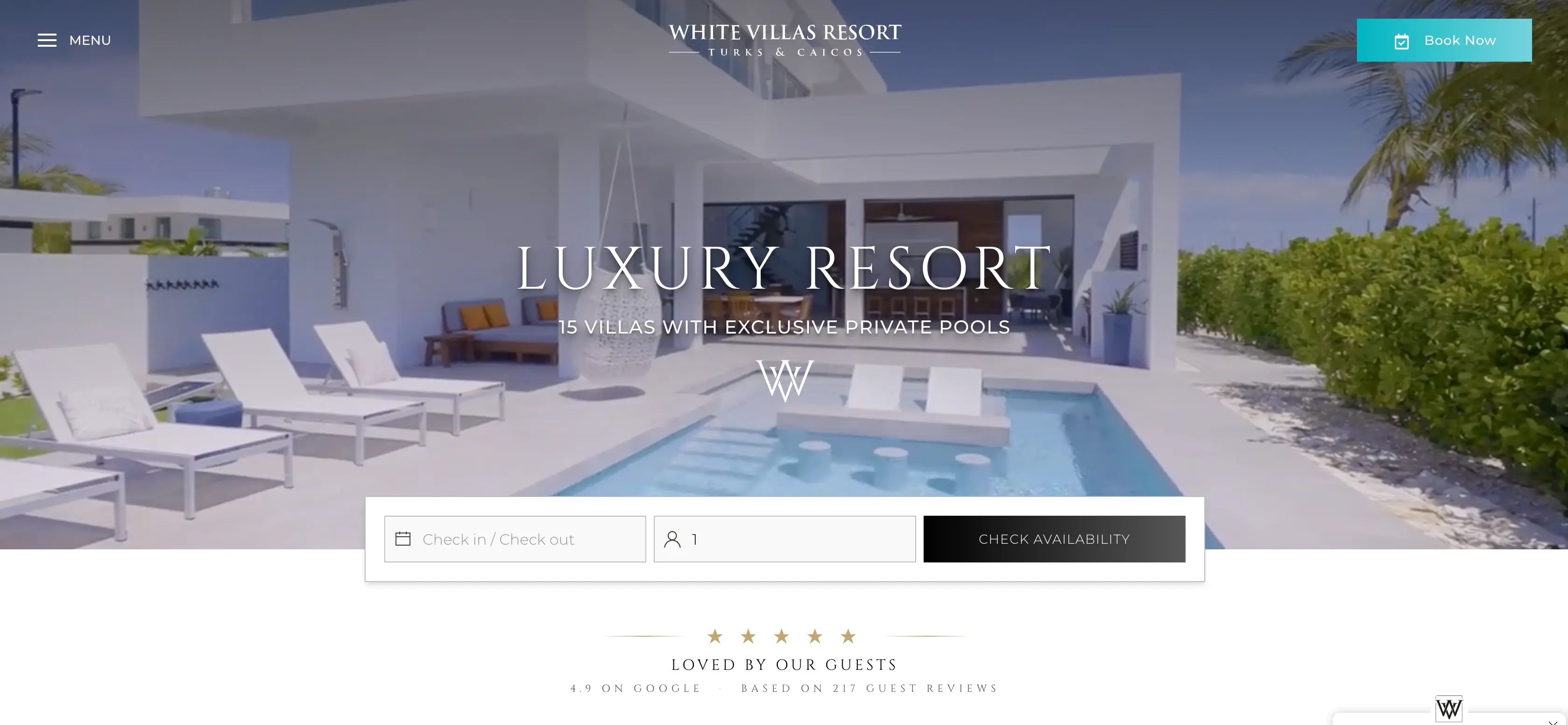
HOSPITALITY
HubSpot End-to-End Guest Experience Automation for a Resort Villa - White Villas.
E-COMMERCE
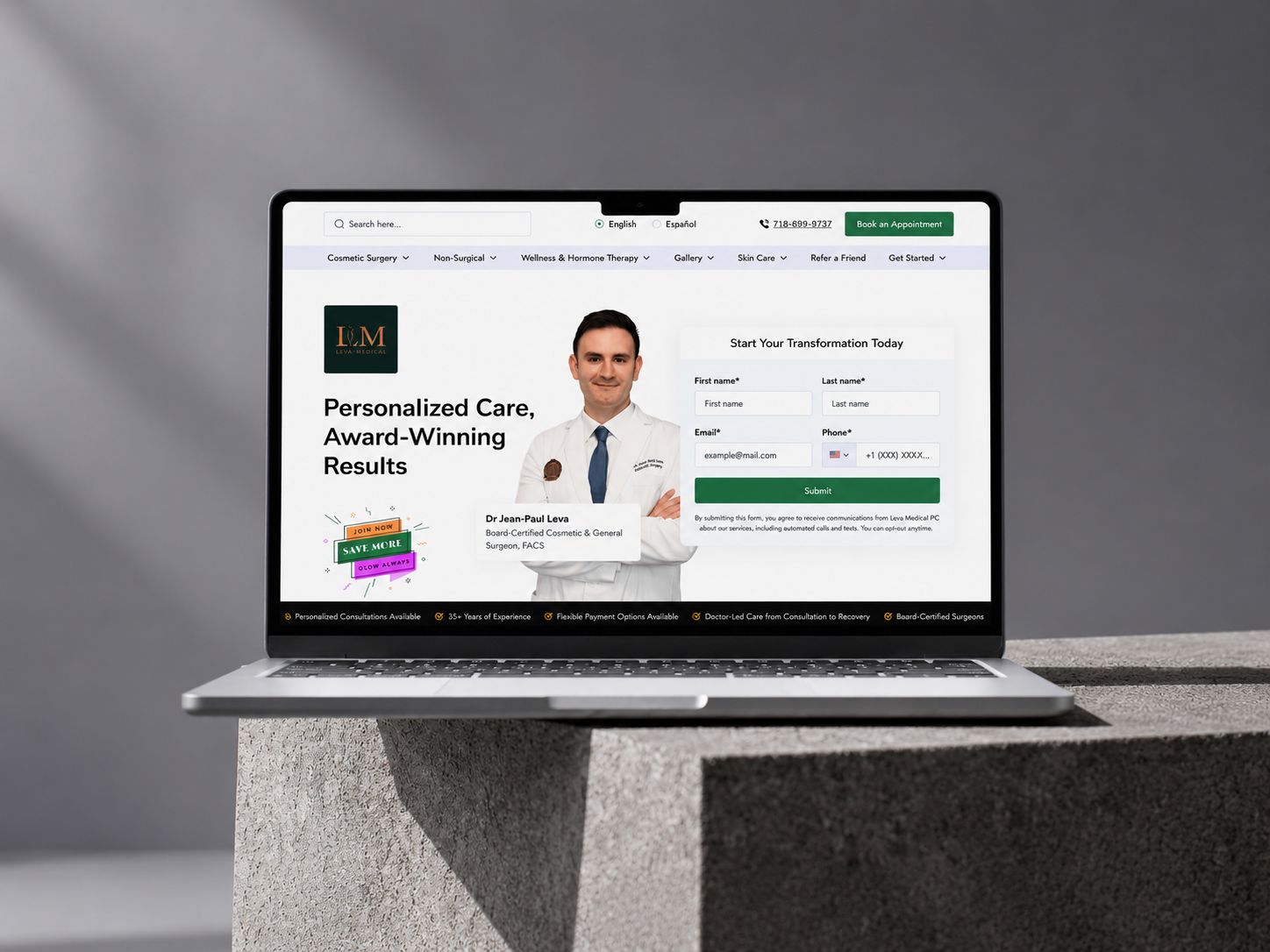
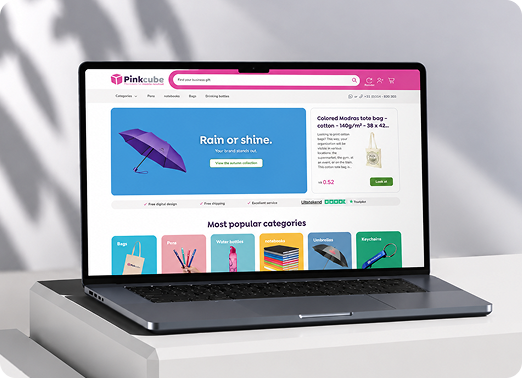
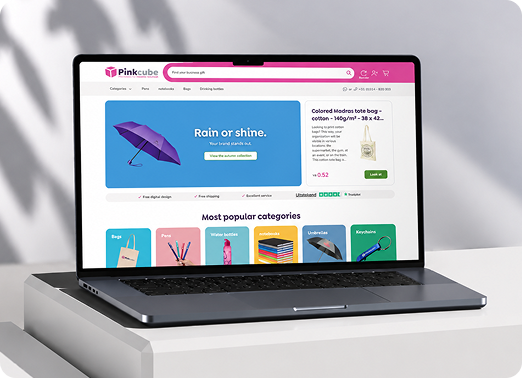
HubSpot Trengo to Service Hub Migration for an E-commerce Provider - Pinkcube.
TRAVEL & VISA
HubSpot Onboarding and Integration for a State-Owned Visa Company - Express Vietnam.
Search, agent relationships, and conservation partners bring enquiries in, with the source recorded at first touch. Most enquiries start with a documentary and a search.
With HubSpot for Safari Tour Operators, each camp hold is logged with its release date, so the itinerary confirms before anything lapses. The hold window is where the itinerary lives or dies.
Health requirements, packing detail, and transfers reach the traveler, and arrival times reach every camp.
Post-trip follow-up, agent updates, and the next season's routes keep the traveler and the advisor close.
A task 48 and 24 hours before a hold releases, naming the camp, the dates, and the owner. Anyone who confirms exits the reminder sequence.
A warning when a trip has one camp unconfirmed while others are held. The expiry alert names the camp and the dates.
A check-in at three days and seven days after a quoted itinerary, timed to the hold window. A broken itinerary raises a warning, not a surprise.
Park and trekking permits logged against the trip, with a task if confirmation is outstanding at 14 days. Permit tasks fire while there is still time to chase.
Health, packing, and transfer detail sent at 30, 14, and 3 days before departure. The briefing lands before the traveler stops checking email.
A thank-you after return, with a review request and the next season's routes offered. Post-safari follow-up arrives while the trip is still vivid.
A task when an advisor who booked last season has sent nothing this year.
Certified platform expertise, with a track record across travel agency workflows and multi-supplier itineraries.
Built around your hold process, camp network, and permit handling. No generic templates.
Multi-step workflows and conditional logic built for release dates.
Clean imports from spreadsheets or a reservation platform, with traveler history intact.
An in-house team connecting HubSpot to your reservation, permits, and accounting systems.
Continuous refinement as regions and camps change.
A safari booking carries passport data, vaccination records, and medical declarations for travel to remote areas. The work is separation: documents stay in the reservation system, card data stays with the provider, and the CRM carries the enquiry, the holds, and the communication record.

Not every operator needs every hub, and most start with Sales and Marketing before adding Service. Here is how each one lines up with a multi-camp safari business.
Your acquisition engine: region campaigns, season launches, and nurture timed to the migration calendar. Region campaigns run from the same enquiry record as the hold.
Built for the enquiry pipeline and the hold-to-confirm conversation, where a week decides the trip. Each trip carries an owner, a region, and a departure window.
Where traveler questions, transfers, and changes get tracked. Ground operations see the itinerary before the traveler lands. Most operators start with Sales and Marketing, then add Service as the region count grows.
Powers the website and wildlife content with built-in SEO, so routes stay findable. Region and wildlife pages get edited without a developer.
Connects reservation, permit, and accounting systems, most valuable across regions. Trip data stays matched. Trip data stays matched across regions instead of drifting.
Yes. HubSpot for Safari Tour Operators runs the commercial side: enquiry capture, camp holds, agent follow-up, pre-departure briefing, and repeat marketing, while the reservation system keeps inventory. Most operators see the difference within the first season of live workflows.
Each hold carries the camp, the dates, the owner, and the release date, and a task fires 48 and 24 hours before it lapses. Lapsed holds are tracked, so the improvement is measurable. Every workflow is tested before it reaches a traveler.
A warning appears when one camp is unconfirmed while the others are held, which is the moment the itinerary can still be saved. The sequence is matched to the region and the season. Permits are logged the day they are requested.
Permits are logged against the trip, with a task if confirmation is outstanding at 14 days, so a dated slot is never assumed. Nothing is assumed native until the connector is confirmed. Agent value is measured on confirmed trips, not enquiries.
Those documents stay in the reservation system, access is role-based, and the CRM keeps only what is needed to communicate. Health records never enter the CRM.
Often through an API or middleware. Trip, hold, and traveler data cross over, and the sync direction is scoped first. That is how cost per confirmed trip becomes visible.
Yes. Regions, camps, and seasons are properties, so campaigns change with the wildlife calendar rather than the quarter. We map which fields may hold medical data before launch.
Most run four to eight weeks, depending on integrations and how much traveler history needs migrating. Documents stay in the reservation system. The CRM carries coordination, not declarations.
Ready to Confirm More Safaris With HubSpot?
A hold on a camp releases on Friday and the trip is not yet confirmed. We build around your camp network, your season, and the way your consultants actually sell. No generic setup, and no hold left to expire. A rebuilt itinerary rarely sells at the price it was quoted. No generic setup, and no hold left to expire.