






Attract Travelers
Search, paid social, and partner referrals bring travelers in, with the source recorded at first touch. Most travelers start on a phone and finish on a laptop.
Every booking that arrives through an OTA costs commission and keeps the guest relationship out of your hands. HubSpot helps resorts answer enquiries faster, follow up on abandoned bookings, and turn one stay into direct repeat visits across rooms, dining, spa, and events bookings.
Teams that leveled up their growth with HubXpert
Calls, emails, and website forms are retyped between reservations, sales, and the events team.
A property management system handles inventory, folios, and check-in well. It was never built for nurture, campaigns, or showing which channel produced a profitable direct stay.
A traveler compares three properties and closes the tab. Without a follow-up, the resort never learns the booking was close.
Spa treatments, dining, and activities are sold at check-in, if at all. The guests most likely to upgrade are the ones already showing interest before arrival.
Weddings, meetings, and group stays arrive through a different inbox with different details, and the resort cannot see the pipeline in one place.
OTAs, paid search, and returning guests all claim the same booking. Without attribution, commission keeps being paid on guests the resort already had.
HubSpot for Resorts covers five areas where a property can win more direct bookings and earn more from each stay.
Website, campaigns, forms.
Dates, room type, interests.
Stay present while they compare properties.
See which channels produce direct stays.
Offers matched to dates.
Reconnect before the guest books elsewhere.
Reminders based on booking activity.
Dining, spa and activities offered before arrival.
Arrival, check-in, and preparation detail.
Dining and activities recommended before arrival.
Requests routed to the owning team.
Messages matched to the stay, not the season.
Stay history, preferences, and spend together.
By season, room type, and party.
Invitations timed to when they usually travel.
Outreach before a habit becomes a memory.
Source stored on every enquiry.
Direct, OTA, and partner bookings measured fairly.
Weddings and groups judged on revenue.
A summary leadership can act on.
A privacy-conscious setup with role-based access.
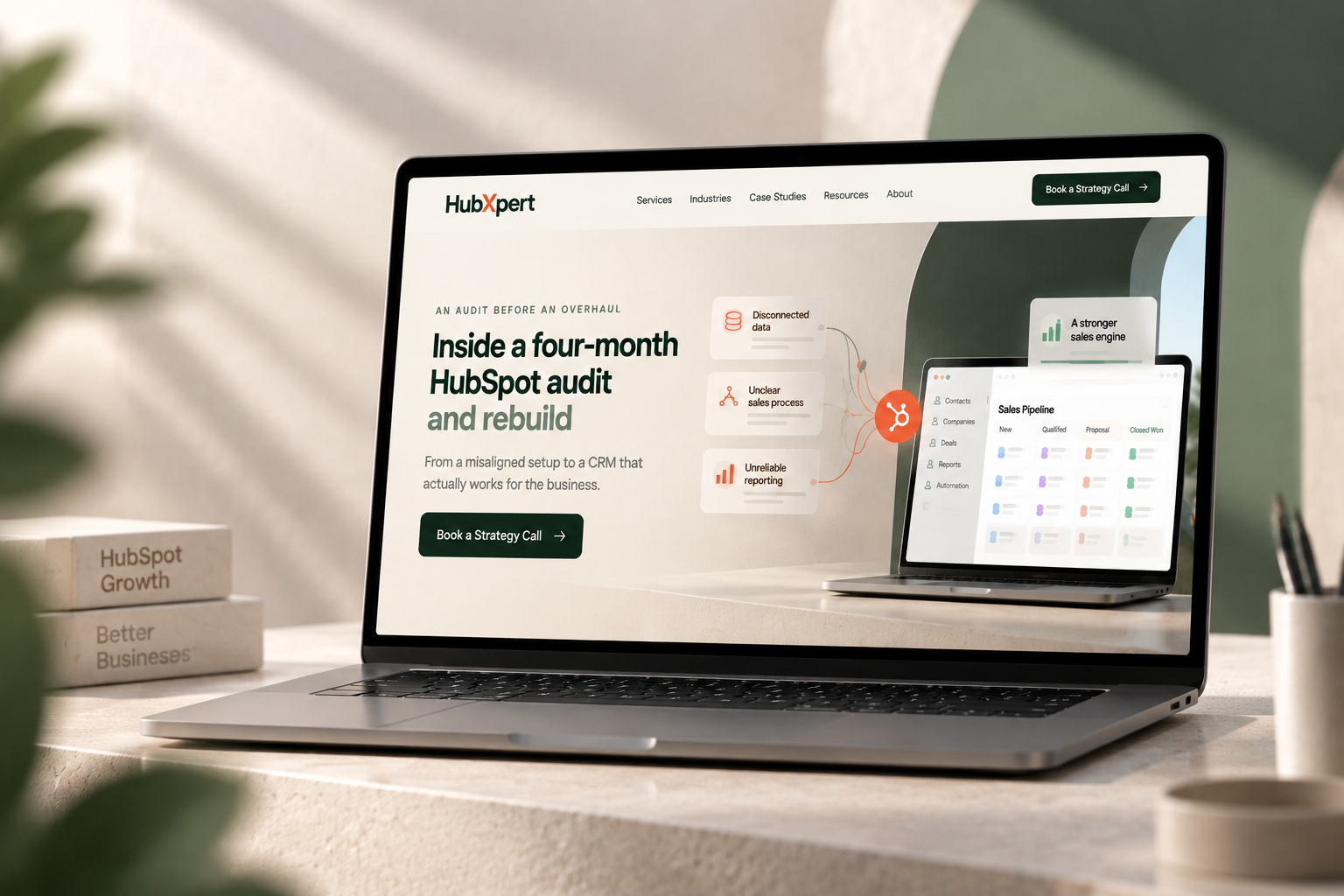
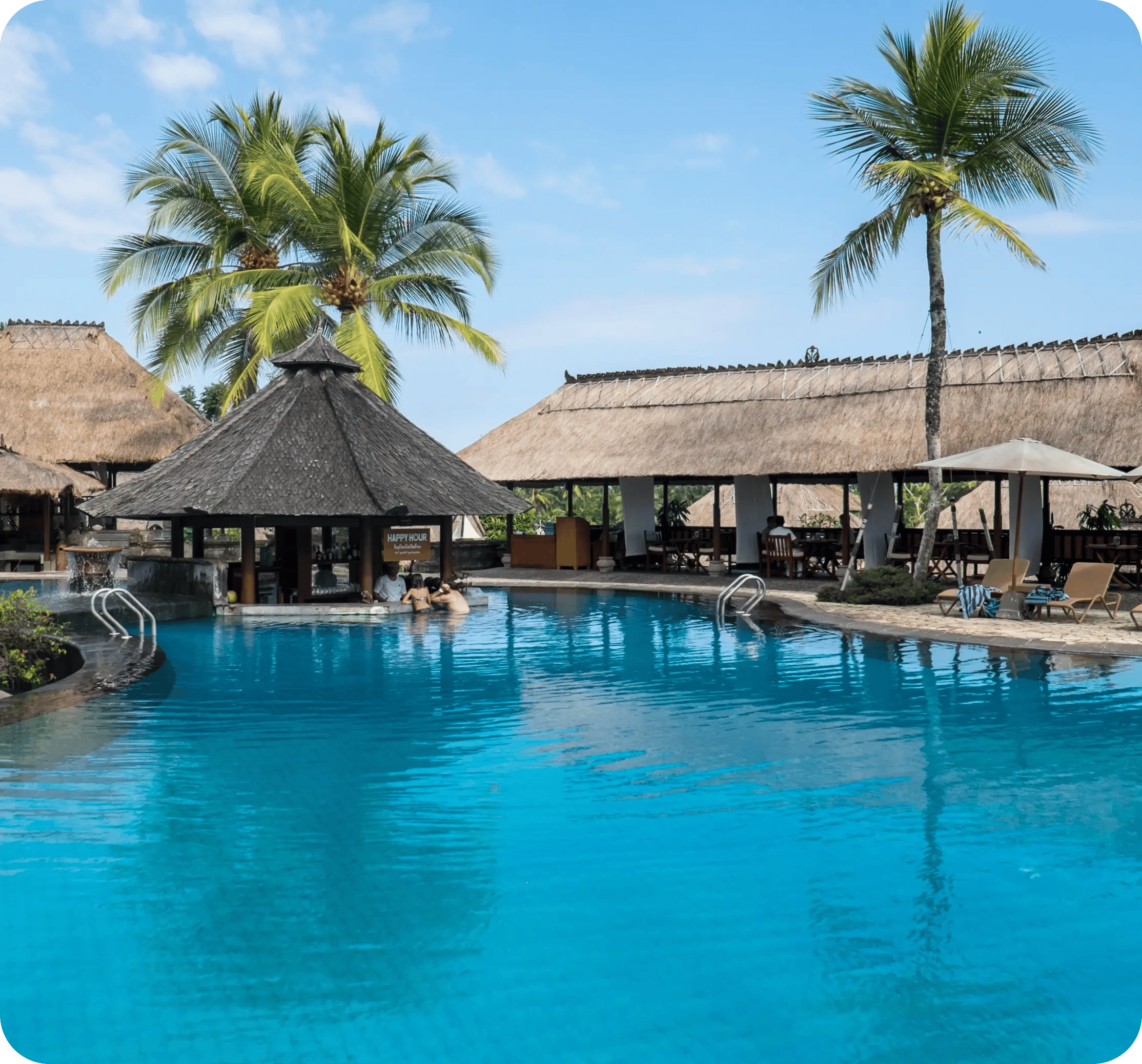
A curated selection of HubSpot implementations and digital marketing campaigns that moved the needle for our clients.
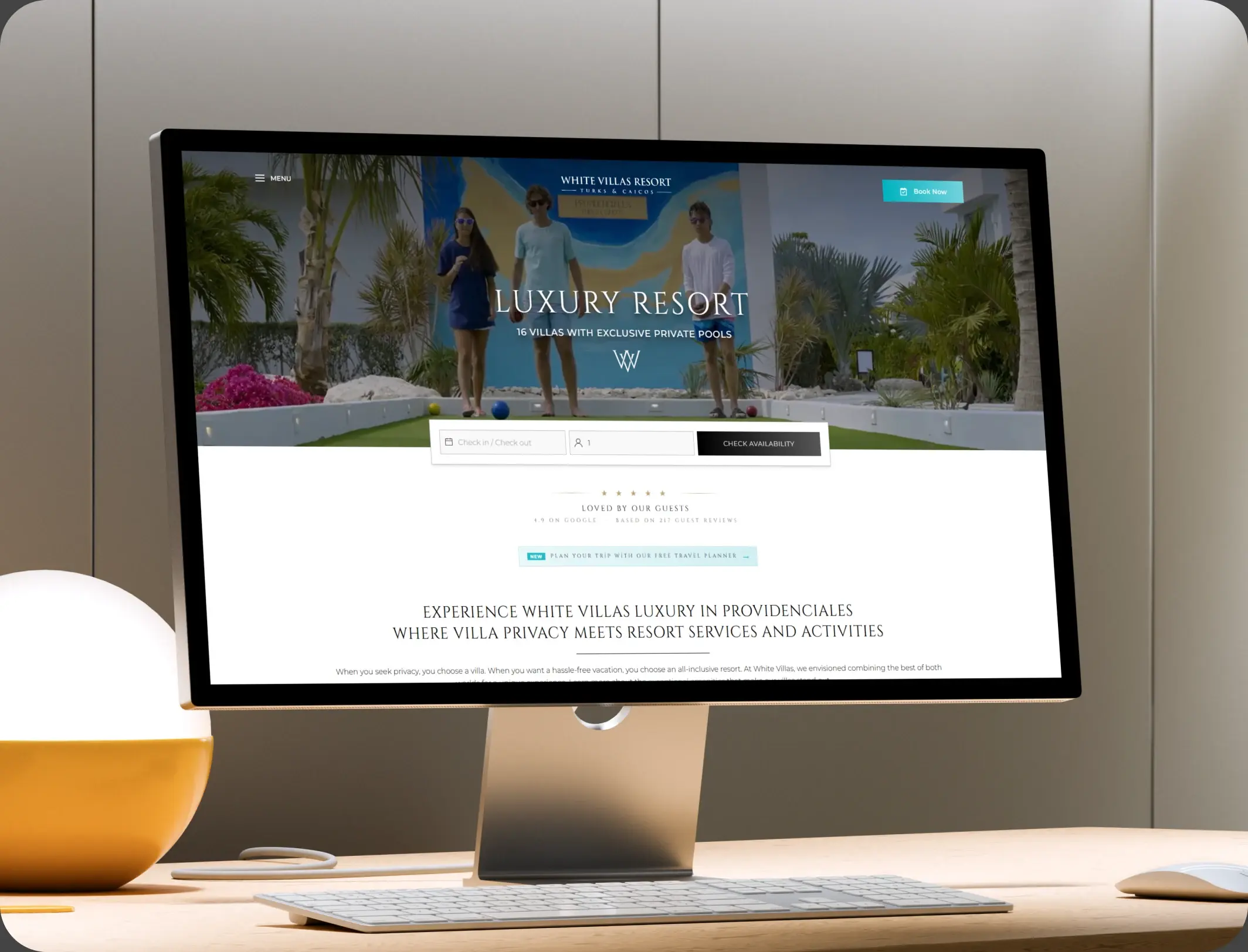
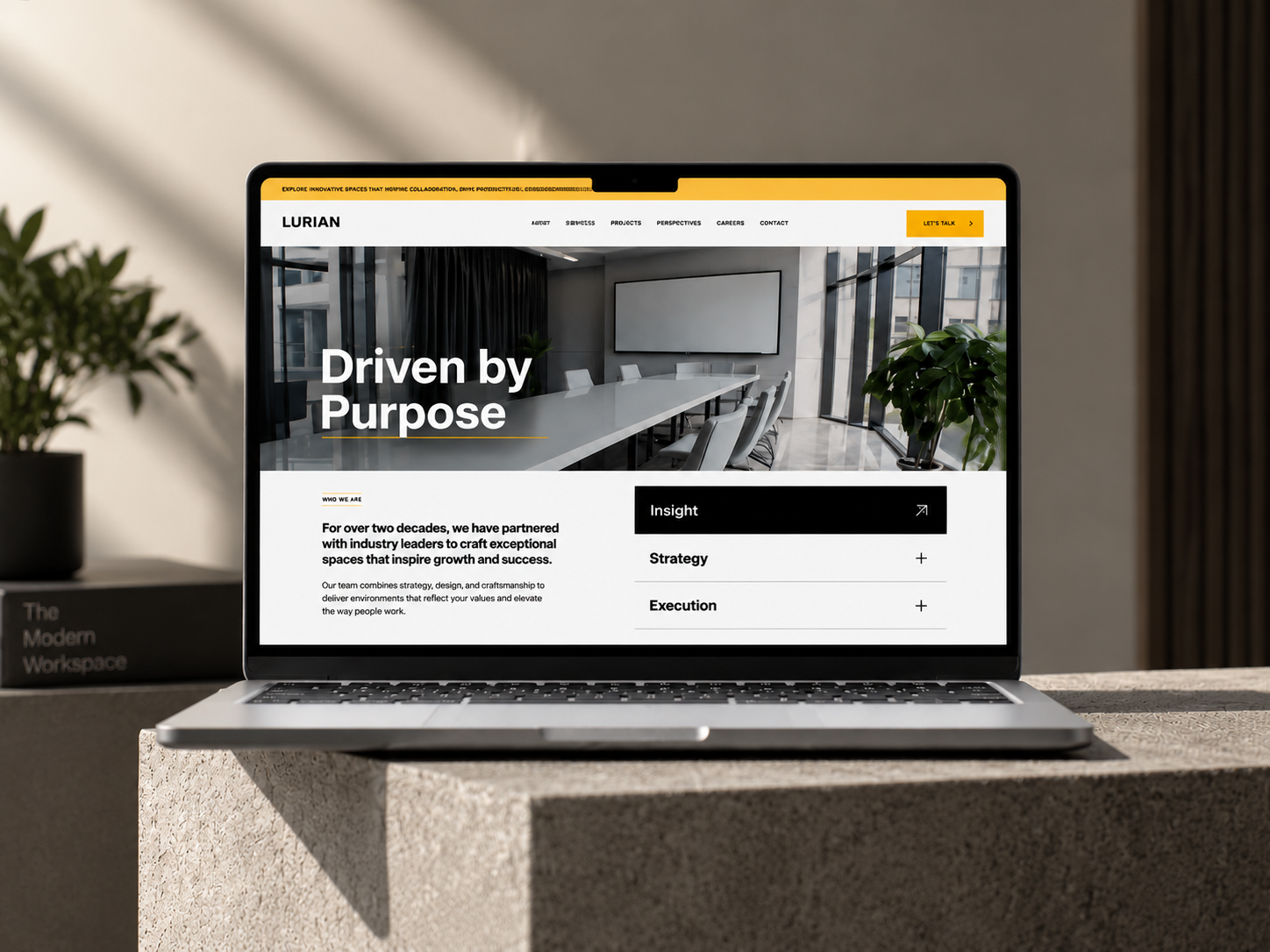
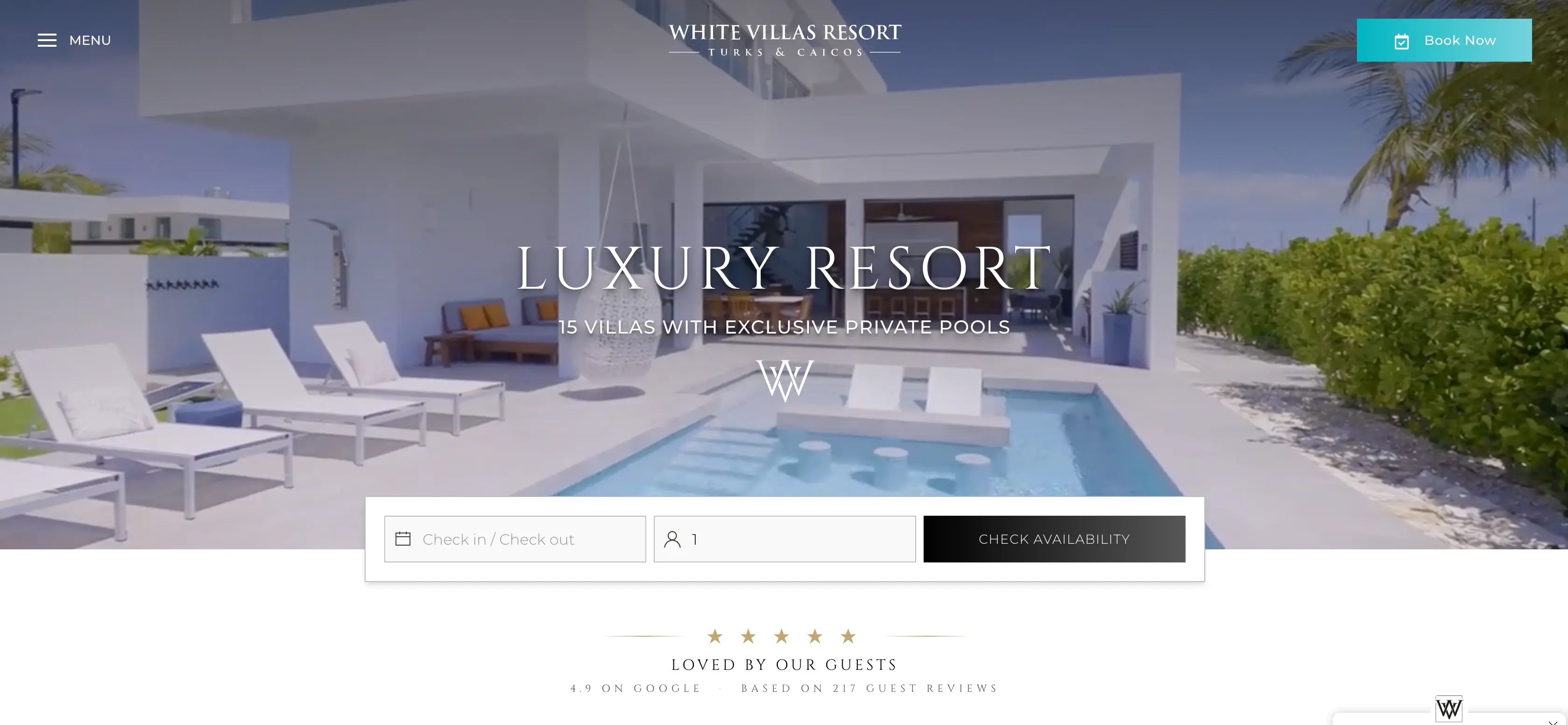
HOSPITALITY
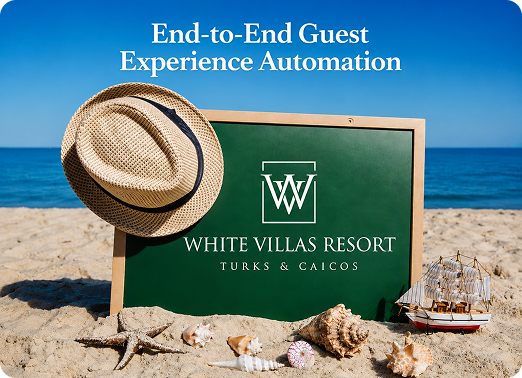
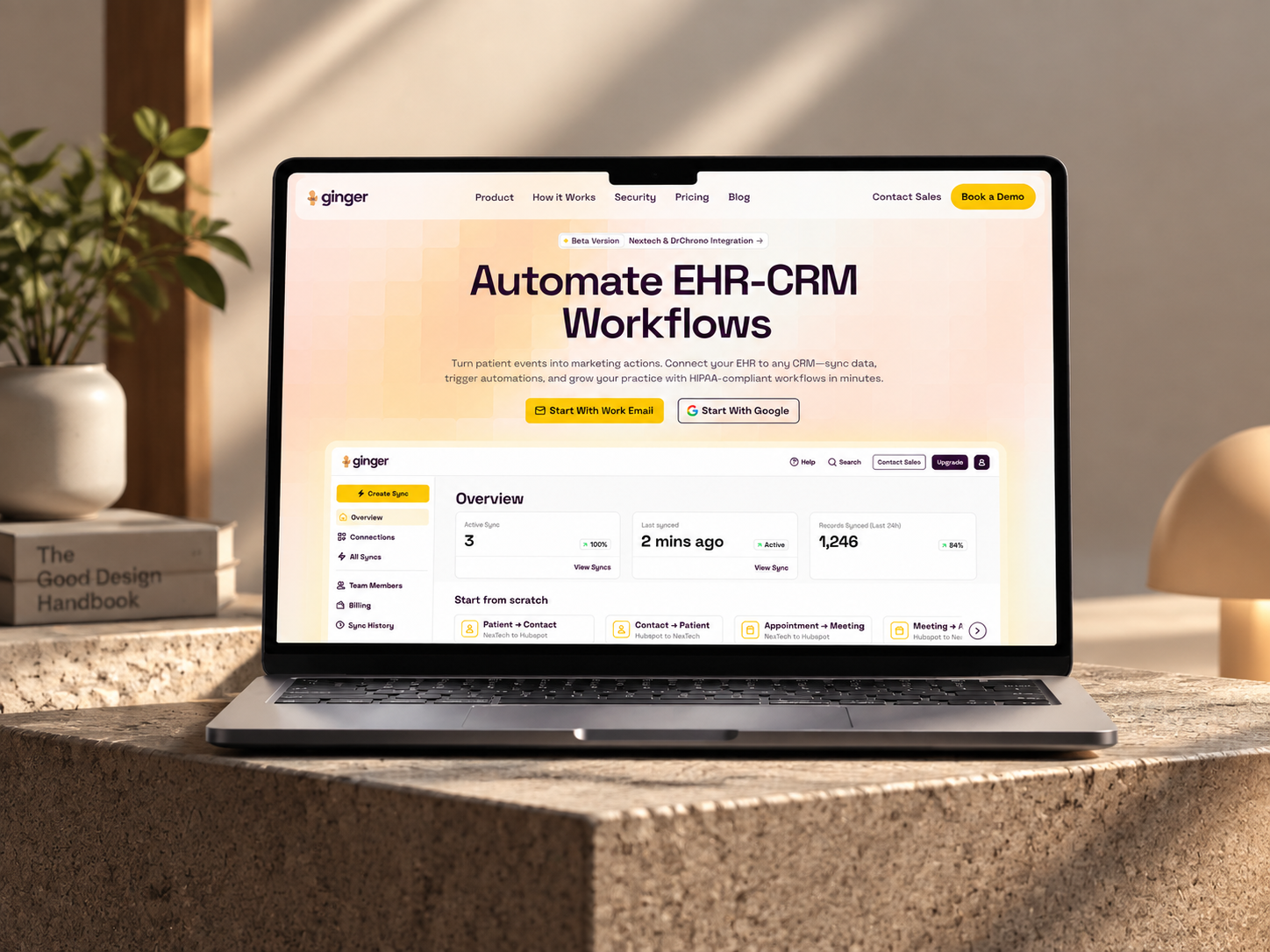
HubSpot End-to-End Guest Experience Automation for a Resort Villa - White Villas.
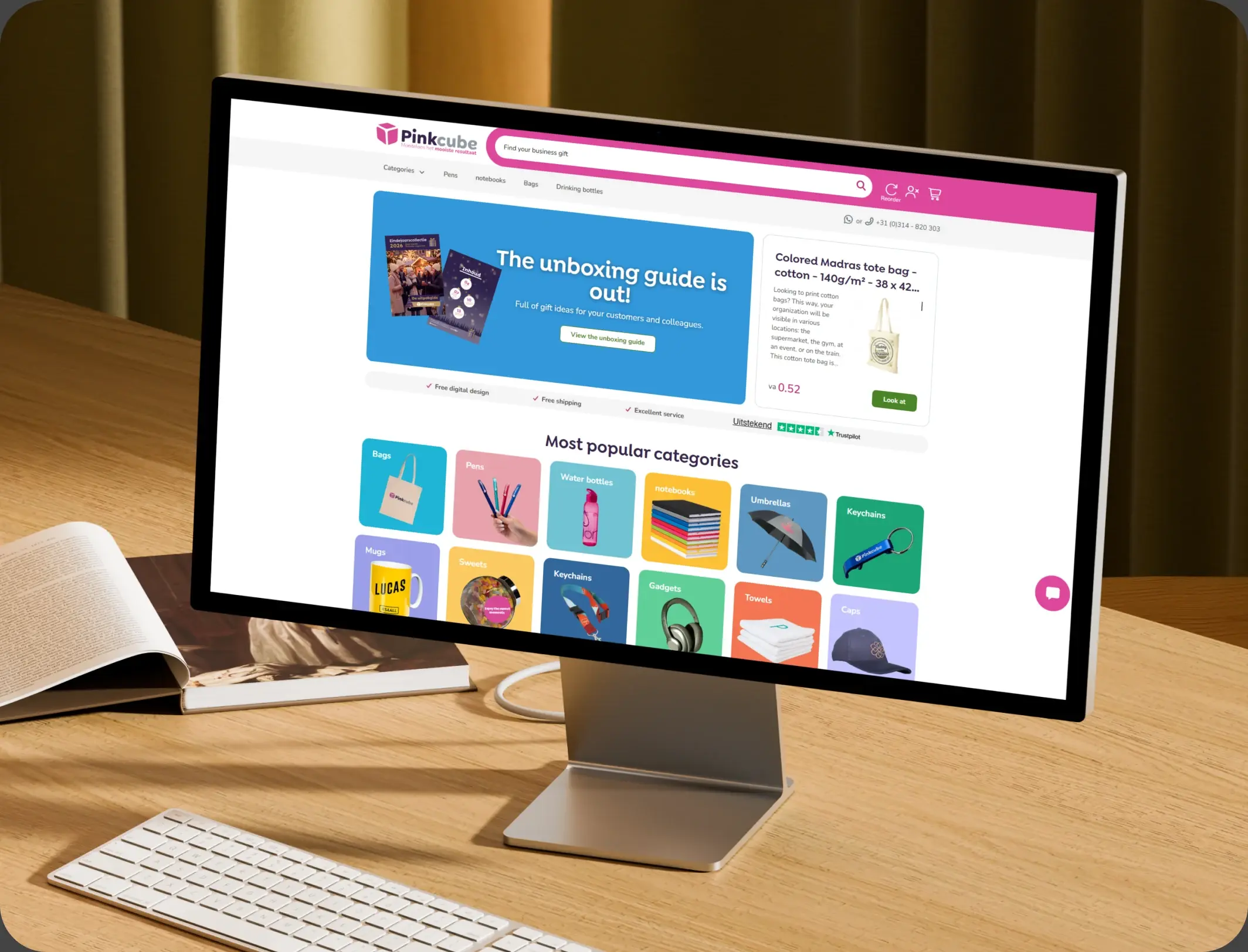
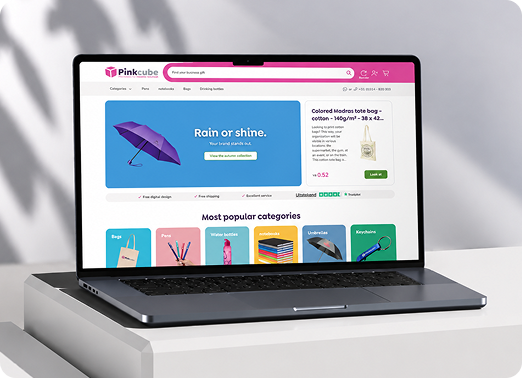
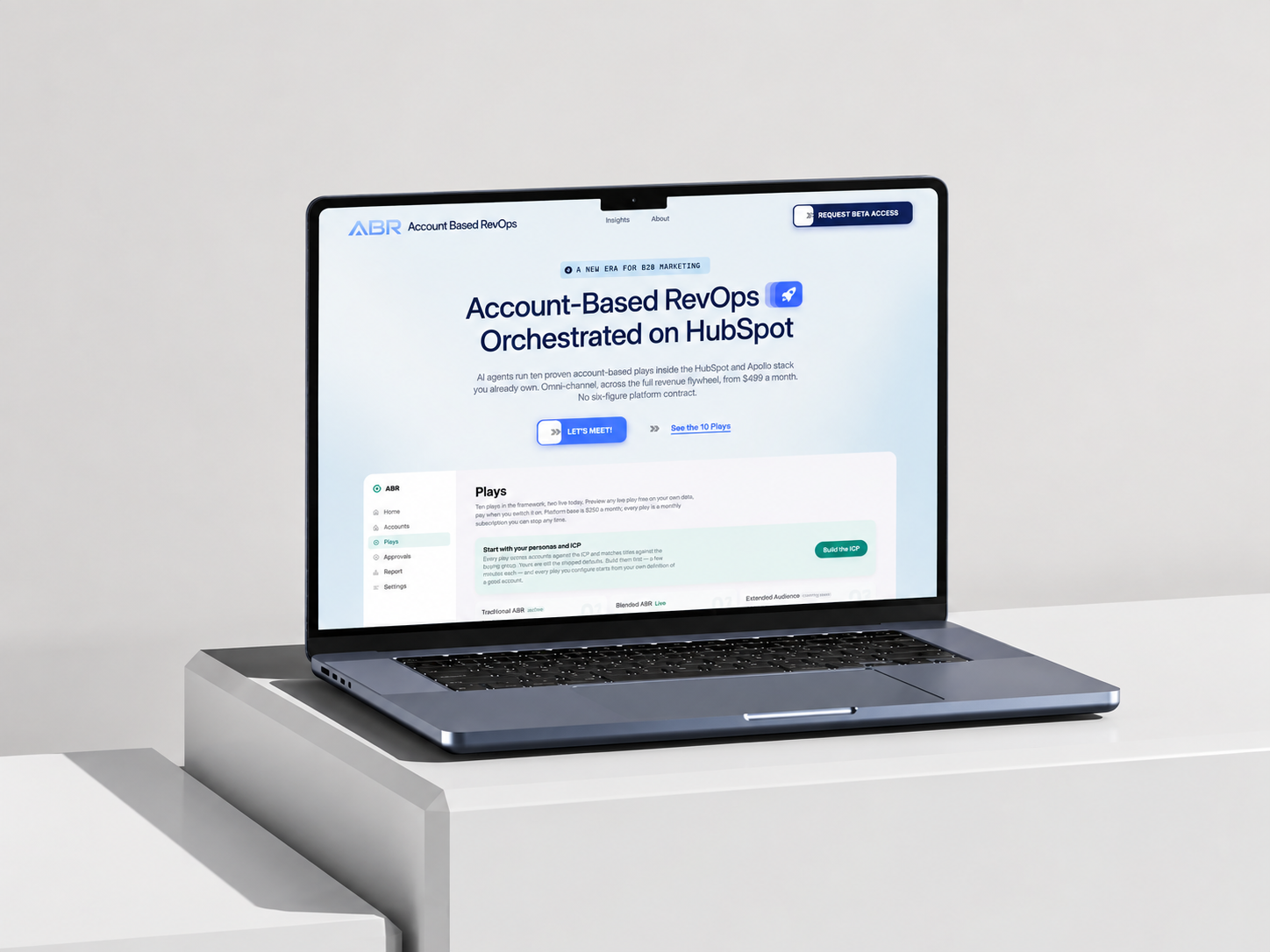
E-COMMERCE
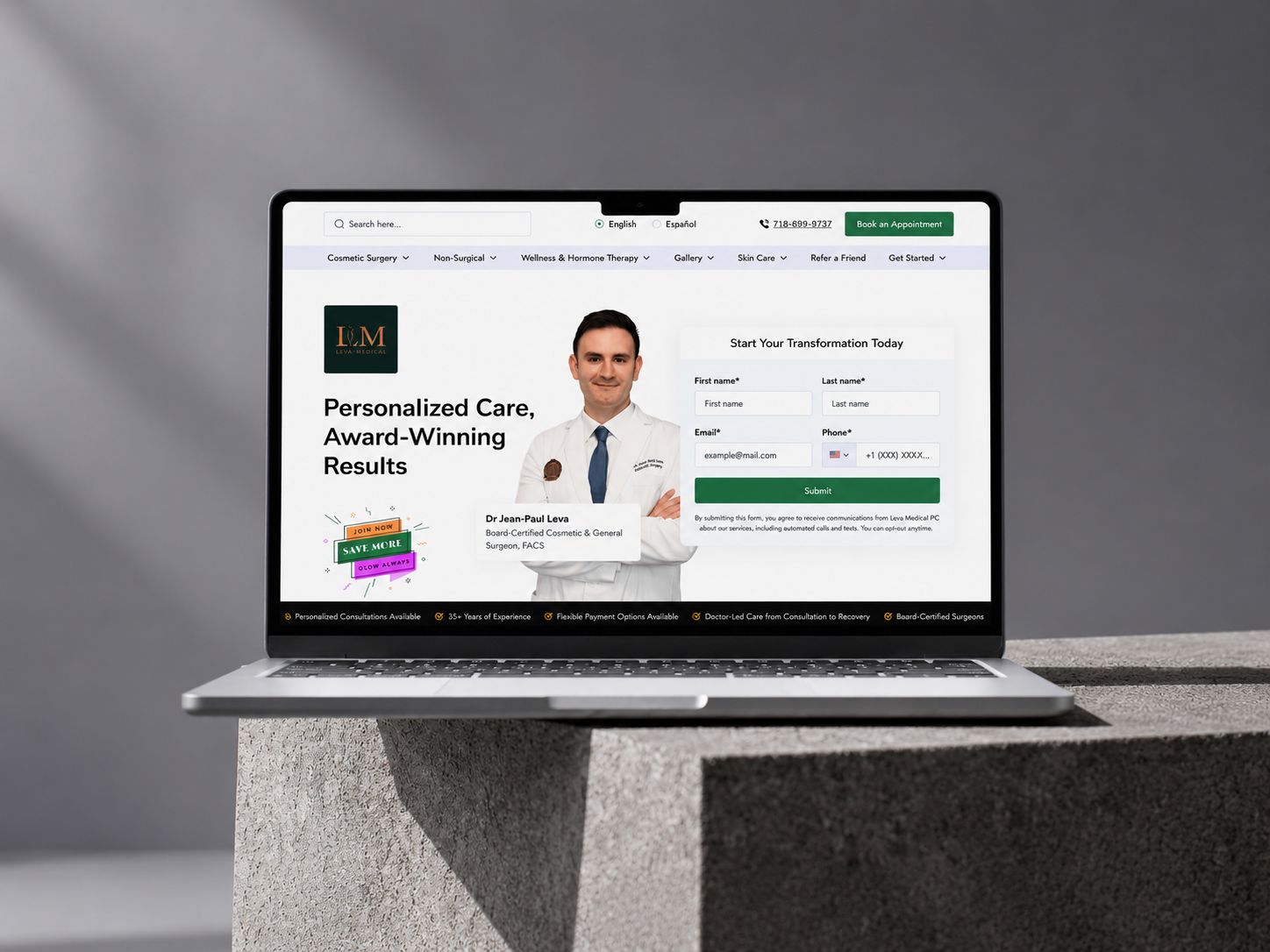
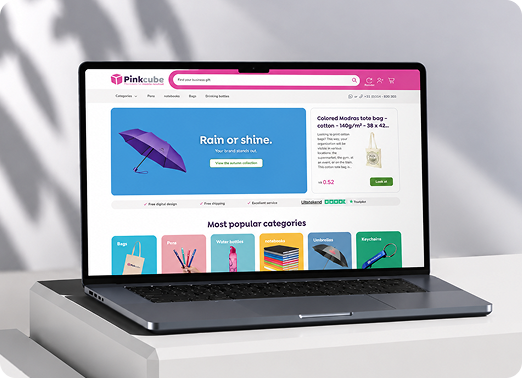
HubSpot Trengo to Service Hub Migration for an E-commerce Provider - Pinkcube.
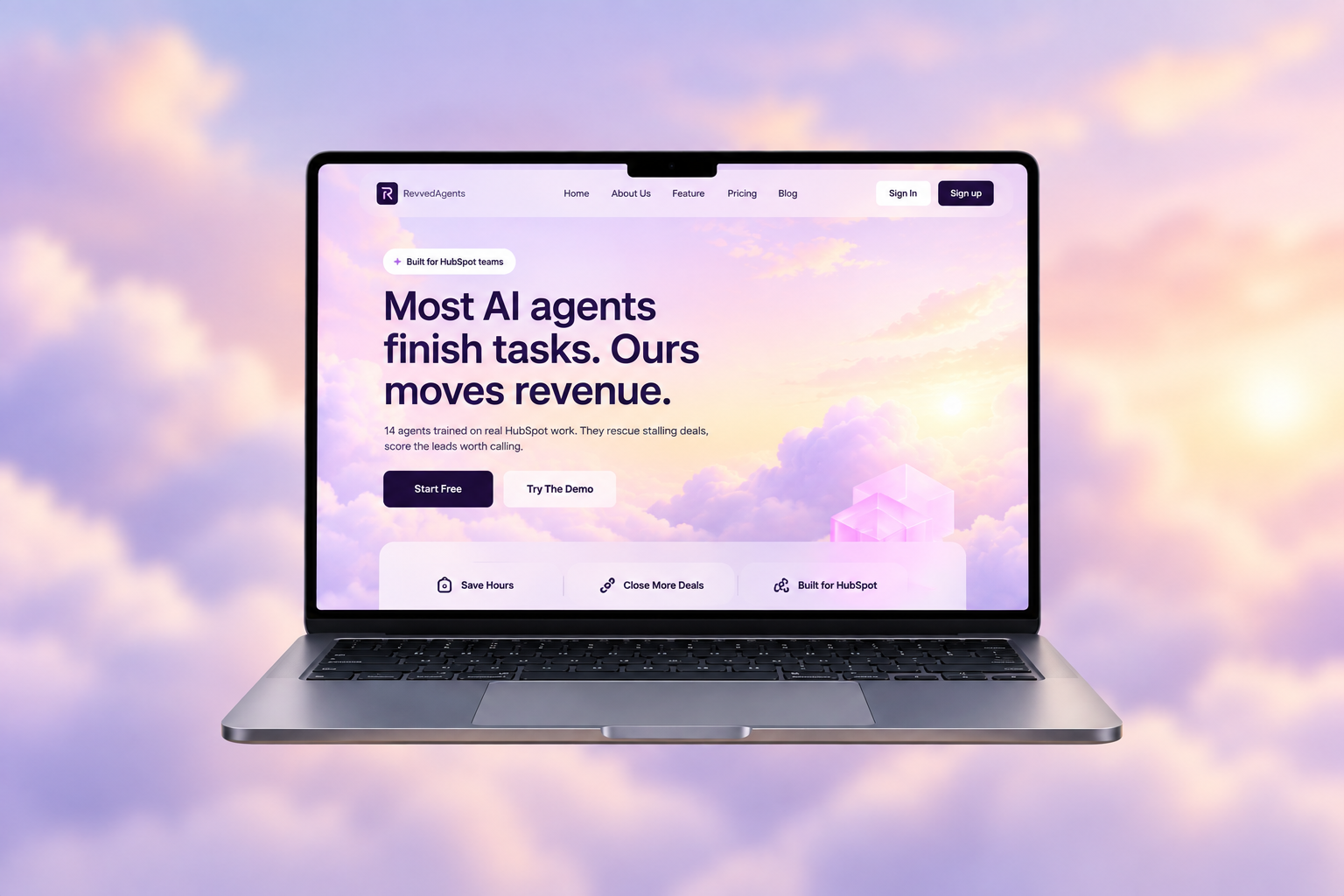
TRAVEL & VISA
HubSpot Onboarding and Integration for a State-Owned Visa Company - Express Vietnam.
Search, paid social, and partner referrals bring travelers in, with the source recorded at first touch. Most travelers start on a phone and finish on a laptop.
Package pages and enquiry follow-up carry the decision, so the booking lands on the resort's own site. The booking window is short, which makes the first reply decisive.
Pre-stay messages cover arrival detail and offer dining, spa, and activities before check-in. Pre-stay is where ancillary revenue is actually won.
Post-stay feedback and a timed invitation keep a returning guest in the resort's own pipeline.
Instant acknowledgement, a reservations task, and a follow-up at 24 hours if nothing is booked. Anyone who books exits the sequence at once.
A reminder at two hours, an offer at 24, and a reservations call task if the guest is still undecided at three days. The recovery message names the dates the guest was considering.
Dining, spa, and activities offered at 21, 7, and 2 days before arrival, with the reservation team copied. Upsell offers respect what the guest already booked.
Check-in instructions, directions, and property notes sent the morning before arrival.
Group and event enquiries route to the events team with a site-visit task and a proposal reminder.
A review request after departure, with negative responses routed to the guest relations manager first.
An invitation to past guests before seasonal inventory is opened to the public.
Certified platform expertise, with a track record across travel agency workflows and hospitality operations.
Built around your booking window, property structure, and events process. No generic templates.
Multi-step workflows and conditional logic built for pre-stay timing.
Clean imports from your PMS or spreadsheets, with guest history intact.
An in-house team connecting HubSpot to your PMS, booking engine, and payment systems.
Continuous refinement as seasons and packages change.
A resort holds guest identity, stay history, and payment detail. The work is separation: card data stays inside the payment provider, folios stay in the PMS, and the CRM carries the enquiry, the preferences, and the communication record rather than the payment credentials.
Not every property needs every hub, and most start with Marketing and Sales before adding Service as group business grows.
Your acquisition engine: campaigns, package pages, and nurture built for a booking window that closes in days rather than months. Campaigns and package pages run from the same enquiry record.
Built for the enquiry pipeline, group business, and the follow-up that closes a stay. Each enquiry carries an owner and a response window. Here is how each one lines up with a direct booking strategy.
Where guest requests, arrival questions, and complaints get tracked against the booking. Reservations sees the guest history before calling back.
Powers the website and destination content with built-in SEO, so package pages stay findable. Room and package pages get edited without a developer.
Connects PMS, booking engine, and payment systems, most valuable across several properties. Guest data stays matched across properties instead of drifting.
Yes. It runs the demand side of the property: enquiry capture, direct booking follow-up, pre-stay upsell, events pipeline, and repeat guest marketing, while the PMS keeps inventory and folios. Most properties see the difference within the first season of live workflows.
That is the point. Direct enquiries are followed up in hours rather than ignored, and past guests are invited back before inventory reaches the OTAs. Direct booking share is tracked, so the improvement is measurable. Every workflow is tested before it reaches a guest.
A reminder at two hours, an offer at 24, and a reservations call task at three days, which is where most recoverable bookings sit. The sequence is matched to the stay type and party. A pre-stay sequence is where ancillary revenue is won.
Dining, spa, and activities are offered at 21, 7, and 2 days before arrival, when the guest is already committed and still planning. Nothing is assumed native until the connector is confirmed. Guest preferences are captured once and reused on every stay.
Card detail stays with the payment provider and folios stay in the PMS. The CRM never stores a card number. Card data never enters the CRM.
Often through an API or middleware. Guest and reservation data cross over, and the sync direction is scoped before build. That is how cost per booking becomes visible.
Yes. Properties, permissions, and consolidated reporting work across a group, with each site keeping its own pipeline. We map which fields may hold payment detail before launch.
Most run four to eight weeks, depending on integrations and how much guest history needs migrating. Folios stay in the PMS. The CRM carries coordination, not payment credentials.
Ready to Win More Direct Bookings With HubSpot?
A traveler is comparing three properties tonight, and the one that answers first usually gets the stay. We build around your booking window, your property, and your team. Commission paid on a guest you already had is the most expensive booking in the building. No generic setup, and no enquiry left to the OTAs.