



























HubSpot for PropTech: When Pilots Prove Value, Expansion Follows

Half your prospects still run the business on spreadsheets and phone calls, and the trust that closes a deal travels through a local property association rather than a case study page. HubSpot helps PropTech teams win change-resistant buyers, then grow as their portfolios grow.

hand with a pencil pointing at a 3D building model on screen

Teams that leveled up their growth with HubXpert

Company logo (3)
Company logo (2)-1
Company logo (1)-1
Company logo-1
Icon Group 1-1
Company logo (4)-1
Company logo (3)
Company logo (2)-1
Company logo (1)-1
Company logo-1
Icon Group 1-1
Company logo (4)-1
The Reason

Why PropTech Companies Need More Than a Generic CRM

A generic CRM assumes a tech-forward buyer and a stack that talks to itself. Real estate is neither, and growth is tied to something you do not control: how large your customers' portfolios get. The buyer is not looking for software, they are protecting a process they understand.

Buyers Are Still on Paper

Many prospects run the business on spreadsheets, paper leases, and phone calls, so the sale is a technology adoption story before it is a feature conversation.

Growth Follows Their Portfolio

Deal size and expansion scale with doors managed or listings held, and your best growth lever is a customer who buys more property.

Trust Travels Through Associations

A referral from a local property management association outperforms any campaign, and most vendors never track who introduced them.

Integrations Are Fragmented

Every customer runs a different accounting and portal stack, so implementation risk is a sales objection in disguise.

The Office Manager Decides

The user is often the person who keeps the paper process running, and their resistance is the real barrier.

Attribution Ignores the Association

A deal that began at a regional meeting gets credited to whichever campaign touched it last.

Benefits

Key Benefits of HubSpot for PropTech

HubSpot for PropTech covers five areas where a paper-based industry has to be moved one portfolio at a time.

Win Change-Resistant Buyers

Speak to the operator who keeps the old process alive. Hours saved per door is an argument a manager can repeat.

  • Track the current

    Paper, spreadsheet.

  • Quantify the switch

    Hours saved per door.

  • Map the office manager

    The person who decides adoption.

  • Report adoption

    Offices live against signed.

Built for property data.

A careful setup with role-based access, and tenancy, payment.

  • 59% Higher deal close rate
  • 20% More tickets closed
Case Studies

Our Featured Works

A curated selection of HubSpot implementations and digital marketing campaigns that moved the needle for our clients.

SAAS

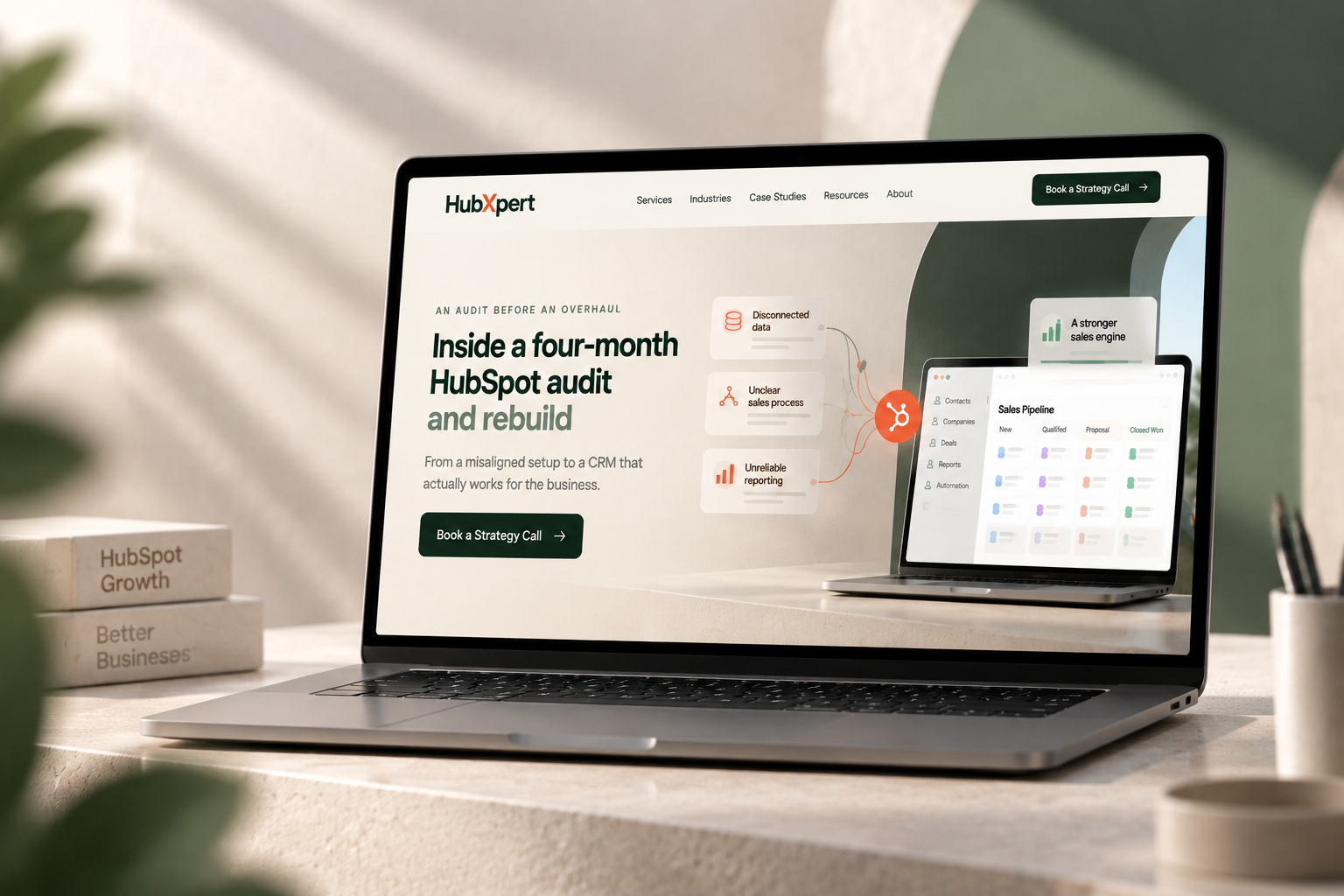
SystemHUB Got Efficiency with HubSpot Migration & Advanced Automation

SystemHub is a business process documentation platform that helps companies capture, organize, and optimize their core workflows.

SystemHUB
SystemHUB – SystemHUB Got Efficiency with HubSpot Migration & Advanced Automation

SAAS

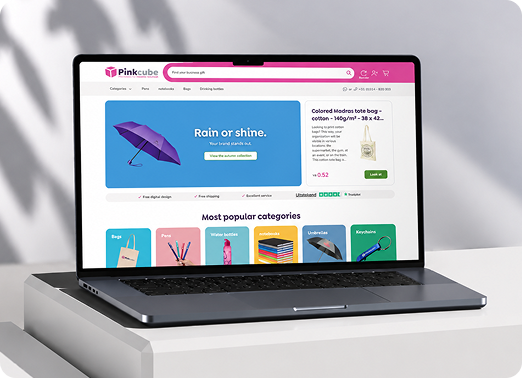
Gander Increased Customer Lifetime Value by 10% With HubSpot

Gander is a SaaS platform that specializes in simplifying the process of curating and displaying high-quality videos

Gander
Gander – Gander Increased Customer Lifetime Value by 10% With HubSpot

SAAS

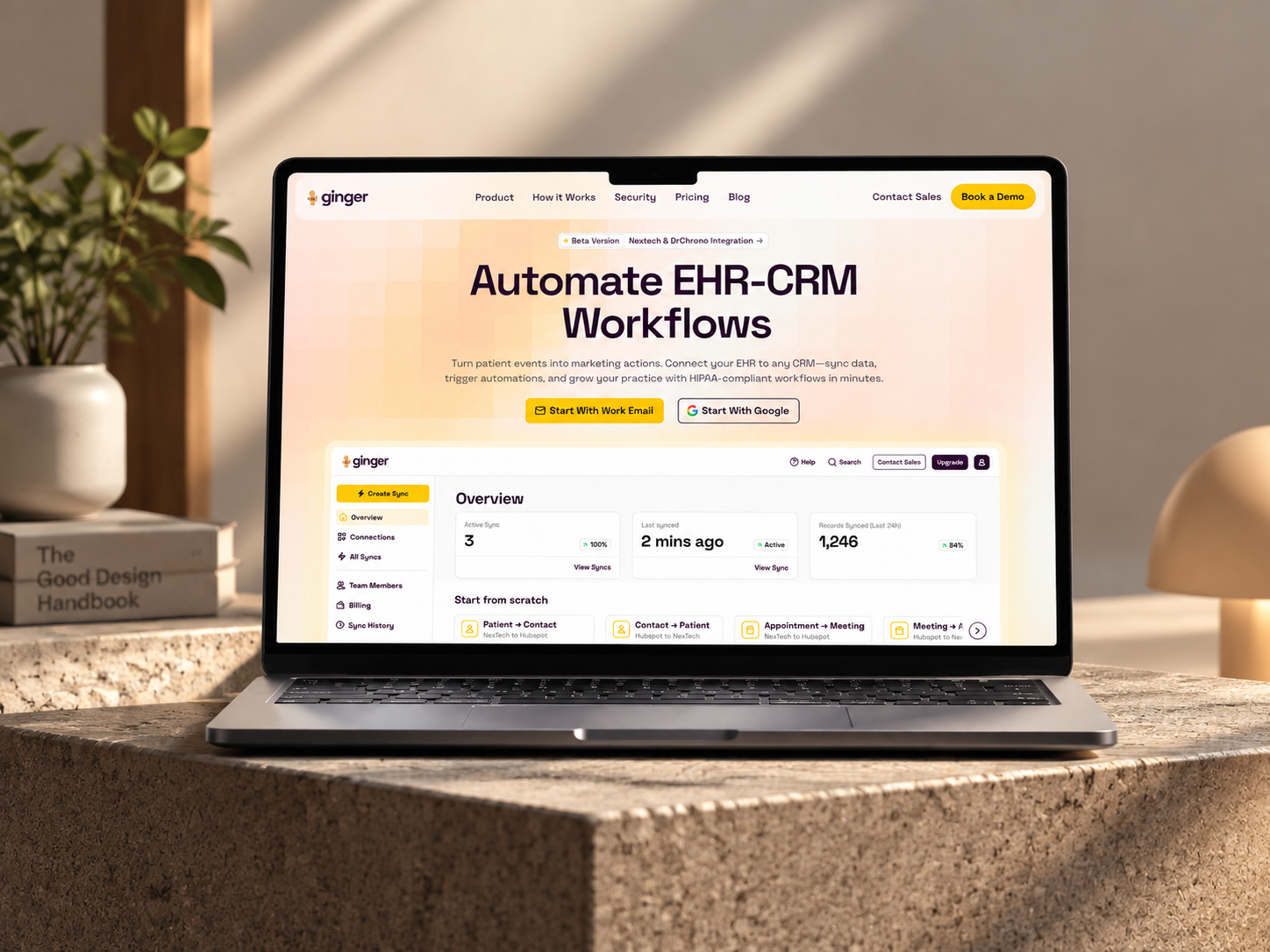
Great Question Increased Customer Renewal AOV to $4,000

Great Question is an all-in-one UX research platform that helps companies collect user feedback, conduct surveys, and engage in meaningful conversations.

Great Question
Great Question – Great Question Increased Customer Renewal AOV to $4,000
HubSpot Usage

How PropTech Companies Use HubSpot From First Meeting to Next Building

Step 1

Meet the Operator

The current process, portfolio size, and association connection are recorded at the first conversation. Most prospects arrive through a local association or a neighbouring operator.

Step 2

Pilot One Workflow

A single process goes live first, with a named owner inside the customer's office. The current process is usually a spreadsheet and a filing cabinet.

Step 3

Prove It in Numbers

Hours saved per door are measured and sent to the person who has to defend the change. One office goes live before the rest of the portfolio.

Step 4

Grow With the Portfolio

A new building or a management contract win raises an expansion conversation automatically.

Workflow & Triggers

Example PropTech Workflows We Can Automate in HubSpot

These are the workflows we build most often when we set up HubSpot for PropTech, tuned to a buyer still running on paper. An office with no activity in week two raises an implementation task.

curved white balconies on a modern high-rise tower against blue sky
  1. Adoption Watch

    An office with no activity in week two raises a task for implementation, not for sales. A new building raises an expansion task with the door count.

  2. Portfolio Growth Alert

    A customer adding buildings raises an expansion task with the door count attached. A missing connector is named as a blocker.

  3. Integration Blocker

    A missing connector holds the stage, and the blocker is named rather than implied. Meeting attendees hear from the team within three days.

  4. Association Follow-Up

    Everyone met at a regional meeting hears from the team within three days. Renewal packs assemble sixty days out.

  5. Renewal on Doors

    Sixty days out, doors managed and modules used assemble the renewal case. Paper still in use at ninety days raises training.

  6. Paper Process Check

    A customer still logging the old way at ninety days raises a training task. An introduction that becomes a deal triggers a thank-you.

  7. Referral Thank-You

    An introduction that becomes a deal triggers a thank-you to the member who made it.

Why HubXpert

Why Choose HubXpert for HubSpot PropTech Builds?

PropTech companies come to us because the buyer is not tech-forward, and the growth is tied to a portfolio they do not control. It also sets the reporting the team will read each quarter.

HubSpot Platinum Partner

Certified platform expertise, with a track record across property and SaaS builds. Portfolio fields are agreed before a workflow is built.

Custom PropTech Workflows

Built around your door-based pricing, implementation stages, and referral network. No generic templates.

Advanced Automation

Multi-step workflows and conditional logic built for portfolio growth.

Data Migration and Structuring

Clean imports from your existing CRM, with portfolio history intact.

Integration and API Development

An in-house team connecting HubSpot to your property platform and accounting tools.

Reporting and Optimization

Time to live, expansion, and referral value tracked from launch.

Compliance

Property-Safe Setup Inside HubSpot for PropTech

A property platform holds tenancy detail, payment history, and owner records that belong to the customer. The work is separation: tenancy and payment data stay in the property system, and the CRM carries the portfolio, the implementation, and the conversation. Tenancy records stay in the property platform.


  • Tenancy Data Separation
  • Payment Data Separation
  • Role-Based Access
  • Retention Rules
Secure data lock
HubSpot Hubs

HubSpot Hubs Recommended for PropTech

Not every team needs every hub, and most start with Sales before adding Marketing. Here is how each one lines up with a paper-based market.

  • Marketing Hub

    Local proof and association content that a regional operator trusts. Pilot sequences run from the same record as the portfolio. Support answering from the account record shortens implementation calls.

  • Sales Hub

    Built for the pilot and the portfolio, as part of a SaaS CRM build for property sales. Office-level questions sit on the account, not in a shared inbox.

  • Service Hub

    Where implementation questions and office-level support sit on the account. Local case studies get edited without a developer. Most teams start with Sales, then add Marketing as referrals grow.

  • Content Hub

    Powers the local case studies and comparison pages operators actually read. One record links the operator, the building, and the renewal. Local proof beats a national logo in every regional meeting.

  • Operations Hub

    Connects the property platform and accounting tools, which is how adoption stays visible. Property data stays where it lives, and the CRM points at it.

Our Process

Our Process for Implementing HubSpot for PropTech

Step 1.

Discovery and Portfolio Analysis

We map your pricing, implementation approach, and referral network, and identify where pilots currently stall. It also sets the reporting the team will read each week.
Discovery and Portfolio Analysis illustration
Step 2.

CRM Architecture and Pipeline Planning

Portfolio fields, implementation stages, and introduction records mapped to how operators actually buy. Stages mirror how a pilot becomes a portfolio.
CRM Architecture and Pipeline Planning illustration
Step 3.

Automation and Integration Setup

Workflows built, property platform integrations connected, and dashboards created. Every automation is tested before launch. Consent rules are configured before the first send.
Automation and Integration Setup illustration
Step 4.

Team Training and Adoption

Hands-on training for sales and implementation on adoption signals and expansion triggers. Checklists cover the first month after launch.
Team Training and Adoption illustration
Step 5.

Reporting and Optimization

Once live, we monitor time to live and expansion revenue, and refine as portfolios grow.
Reporting and Optimization illustration
FAQ

Questions You Might Have

Does HubSpot work for PropTech companies?

Yes. It runs the operator relationship: current process, pilot, adoption, portfolio growth, and referrals, while your platform keeps tenancy data. Most teams see the difference in the first two quarters. The CRM carries the pilot, not the tenancy record.

Our buyers still use paper. How does that change things?

The sale is a technology adoption story, so implementation stages and adoption checks matter more than features, and both are tracked. Time to live is tracked, so the improvement is measurable. Every workflow is tested against a real office first. Tenancy data never sits in the CRM.

How does HubSpot grow expansion?

Doors managed is the metric that sets deal size, so a new building or a management contract win raises an expansion conversation. The sequence is matched to the process and the portfolio size. Adoption checks run weekly during implementation.

Can HubSpot track association referrals?

Each introduction is recorded with the member or association, and a deal that follows triggers a thank-you. Nothing is assumed native until the connector is confirmed. Renewal timing follows the management contract.

Can HubSpot de-risk integration?

Their stack is mapped, the switch runs one workflow at a time, and a missing connector is named as a blocker rather than discovered at go-live. Tenancy data never sits in the CRM.

How do you handle tenancy data?

Tenancy, payment, and owner records stay in the property platform, and the CRM carries the portfolio and the conversation. That is how cost per portfolio becomes visible.

Can HubSpot measure time to live?

Yes, from signature to the first property processed, which is the number that predicts whether the customer stays. We map their stack before anything is built.

How long does an implementation take?

Most run four to six weeks, with the property platform integration the longest part. Portfolio history is imported where it exists.

Book Consultation

Ready to Turn Pilots Into Portfolios?

A pilot went live in one office, the manager still keeps a paper log, and a new building was added with nobody told. We build around your pricing, your implementation, and your referral network. No generic setup, and no office left on paper.

Takes 30 minutes
Delivered by certified HubSpot experts
The first quarter is measured against your own implementation data

Ratul-Rahman