






















HubSpot for Personal Injury Law Firms: Stop Cases Lost at Intake

On contingency, the wrong case costs money and the right one waits two years to pay. HubSpot answers the first call in minutes, screens every enquiry with the same criteria, and keeps the referring attorneys close between settlements, so the next case is decided inside the firm.

attorney reviewing claim paperwork with an injured couple on a sofa

Teams that leveled up their growth with HubXpert

Company logo (3)
Company logo (2)-1
Company logo (1)-1
Company logo-1
Icon Group 1-1
Company logo (4)-1
Company logo (3)
Company logo (2)-1
Company logo (1)-1
Company logo-1
Icon Group 1-1
Company logo (4)-1
The Reason

Why PI Firms Need More Than Case Management Software

Case management software runs the matter after you sign it. It was never built to win the intake call or screen the case before you take it.

Intake Speed Decides the Case

An injured claimant calls several firms the same afternoon, and the firm that answers and follows up first usually signs the case, often before the other firms call back.

The Wrong Case Costs Money

On contingency, a weak case consumes staff time and case costs with no fee at the end, so volume alone is not the goal and a full pipeline can still be a losing one.

Referral Attorneys Send the Best Matters

A treating physician or a smaller firm refers a case once, and whether they refer again depends on what they hear afterwards, which most firms never tell them.

Claimants Shop While They Decide

An undecided claimant is not a lost one, and most firms stop following up after the second call, usually a week before the choice is made.

Intake Quality Is Uneven

Two staff members screen the same enquiry differently, and nobody can say which enquiries convert to signed cases or which channels produce them.

Attribution Is Missing

Television, search, and referrals all claim the same case, so spend never gets judged on signed case value and the biggest budget usually wins by default.

Benefits

Key Benefits of HubSpot for Personal Injury Law Firms

HubSpot for Personal Injury Law Firms covers five areas where a firm can win the right cases.

Capture Every Case Enquiry

Turn calls, forms, and referrals into an organized, trackable intake. A weak case costs staff time.

  • Capture every enquiry

    Forms, calls, chat.

  • Segment by case type

    Injury type, venue.

  • Nurture undecided

    Stay present while they decide who to hire.

  • Track lead sources

    See which sources produce cases you sign.

Built for confidential intake

A confidentiality-aware setup with role-based access, and medical records.

  • 36% More deals closed
  • 37% Faster ticket resolution
Case Studies

Our Featured Works

A curated selection of HubSpot implementations and digital marketing campaigns that moved the needle for our clients.

HOSPITALITY

HubSpot End-to-End Guest Experience Automation

HubSpot End-to-End Guest Experience Automation for a Resort Villa - White Villas.

White Villas
White Villas – HubSpot End-to-End Guest Experience Automation

E-COMMERCE

HubSpot Trengo to Service Hub Migration

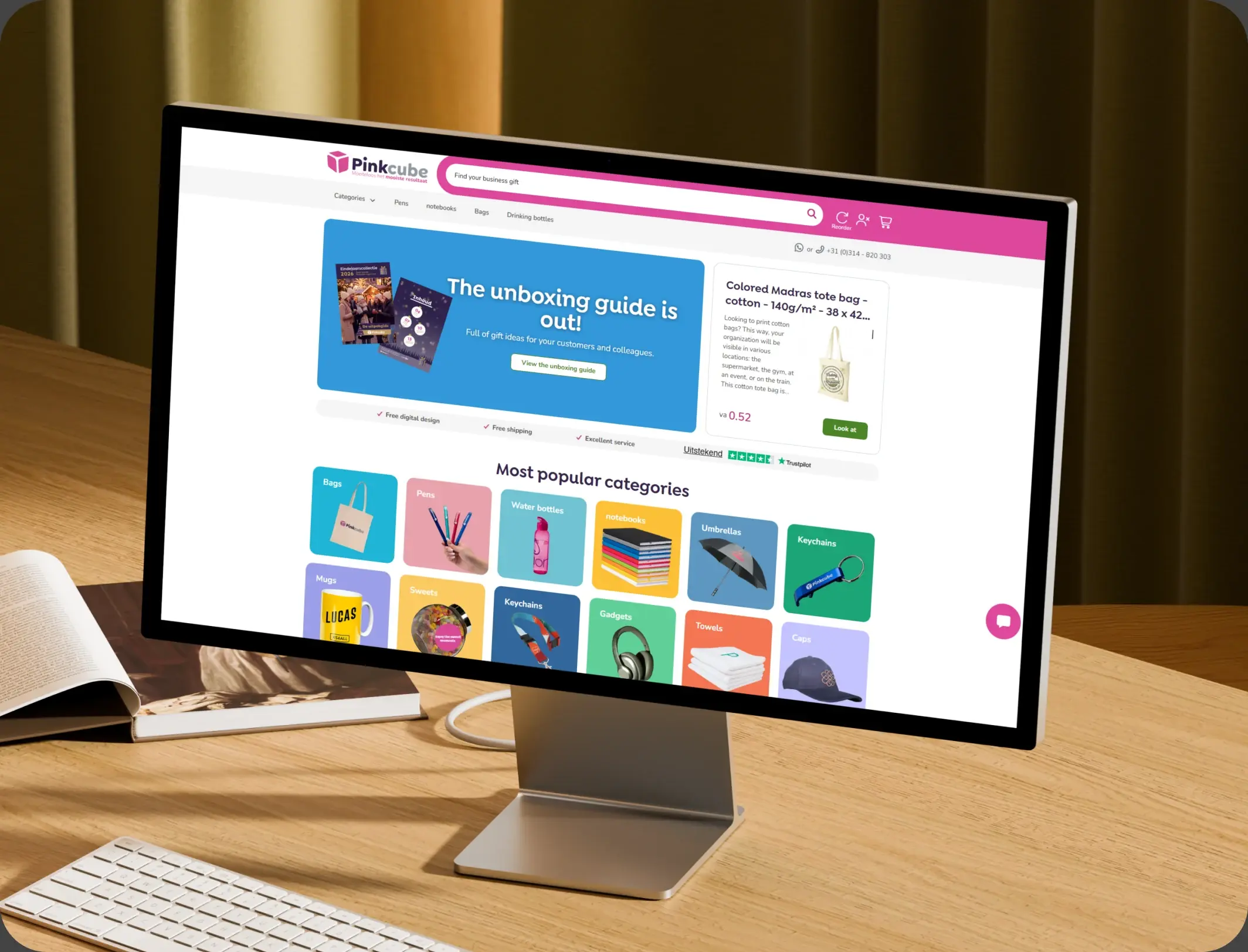
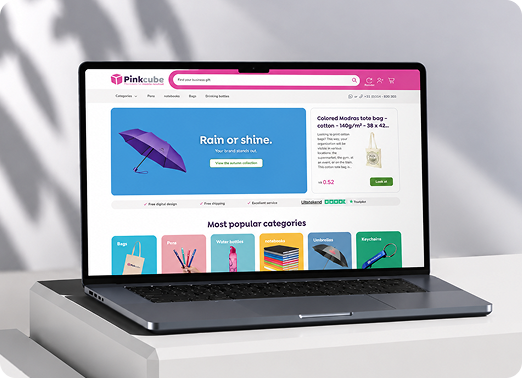
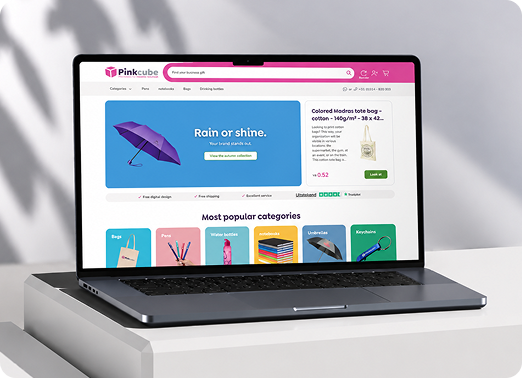
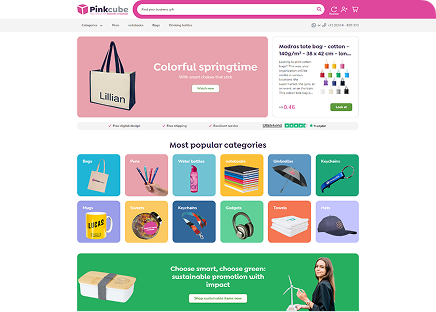
HubSpot Trengo to Service Hub Migration for an E-commerce Provider - Pinkcube.

Pinkcube
Pinkcube – HubSpot Trengo to Service Hub Migration

TRAVEL & VISA

HubSpot Onboarding and Integration

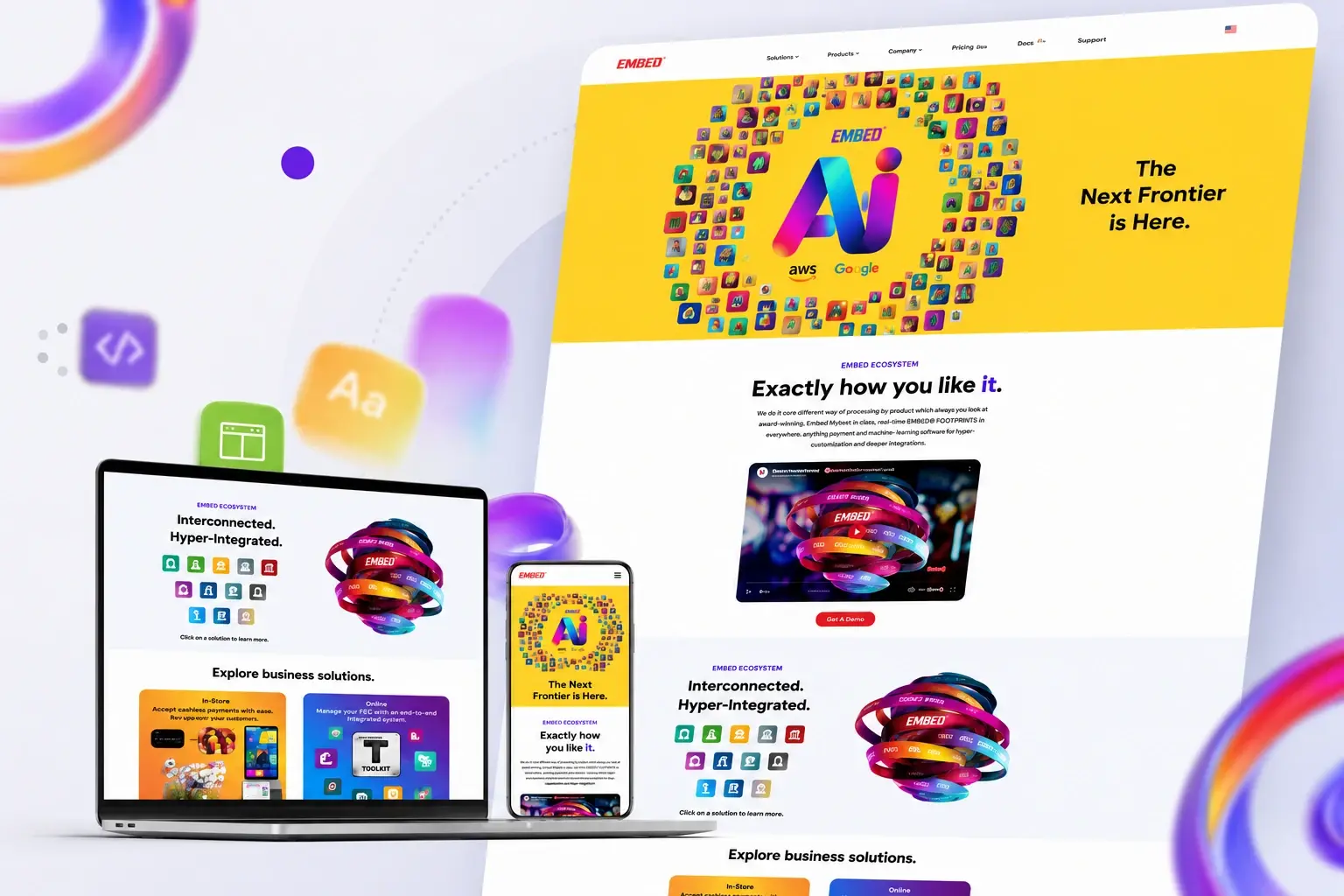
Redesign and rebuild the Embed card website in HubSpot CMS with modern UI/UX, SEO + AEO optimization, and seamless integration.

Express Vietnam
Express Vietnam – HubSpot Onboarding and Integration
HubSpot Usage

How PI Firms Use HubSpot From First Call to Retainer

Step 1

Answer and Route

Calls, forms, and referrals land in one intake pipeline with an owner assigned inside a minute. Most enquiries arrive within an hour of the injury.

Step 2

Screen and Advise

Screening questions, case type, and posture recorded on the record while the claimant is still on the phone. The first five minutes decide who gets the retainer.

Step 3

Sign and Hand Off

A retainer raises the onboarding task and moves the matter to case management with the intake history attached.

Step 4

Report and Refer

Referring attorneys hear the outcome, and every channel is judged on signed case value. Signing moves the matter into a system that starts counting costs.

Workflow & Triggers

Example PI Workflows We Can Automate in HubSpot

These are the workflows we build most often when we set up HubSpot for Personal Injury Law Firms, tuned to a business decided in the first five minutes. The claimant hears back inside five minutes.

attorney shaking hands with a client seated in a wheelchair
  1. Intake Speed Alert

    A new enquiry raises a task at five minutes and a second at fifteen, with an automatic reply in between. A signed retainer exits the intake sequence.

  2. Screening Sequence

    The standard questions go out by case type, and a declined enquiry records the reason rather than disappearing. A quiet enquiry escalates before the week ends.

  3. Undecided Claimant Nurture

    A follow-up at day three, seven, and fourteen, then monthly, until the claimant chooses a firm. Every enquiry has an owner and a next action.

  4. Retainer Handoff

    Signature triggers the onboarding checklist and the case management handoff task. Declines are recorded with a reason.

  5. Referral Attorney Update

    A quarterly note with status in general terms, and no confidential detail. Partners hear from the firm every quarter.

  6. Post-Resolution Thank You

    A thank-you task when a case resolves, which is when a partner decides whether to refer again. Channel costs are reviewed monthly.

  7. Channel Scorecard

    Cost per signed case reported monthly, by source.

Why HubXpert

Why Choose HubXpert for HubSpot Legal Builds?

Law firms come to us because intake is a race, the case management system starts too late to win it, and the firm usually cannot say what a signed case costs.

HubSpot Platinum Partner

Certified platform expertise, with a track record across law firm workflows and referral-led practices.

Custom Intake Workflows

Built around your screening criteria, case types, and offices. No generic templates.

Advanced Automation

Multi-step workflows and conditional logic built for minutes, not days.

CRM Migration and Data Structuring

Clean imports from spreadsheets or an existing intake tool, with enquiry history intact.

Integration and API Development

An in-house team connecting HubSpot to your phone system, case management, and e-signature.

Reporting and Optimization

Response time, signed case rate, and cost per case tracked from launch.

Compliance

Confidentiality-Aware Setup Inside HubSpot for Personal Injury Law Firms

A firm holds injury detail, treatment history, and the facts of a claim before a retainer exists. The work is separation: medical records and case files stay in the case management system, and the CRM carries the enquiry, the screening outcome, and the communication record.


  • Case Detail Separation
  • Role-Based Access
  • Conflict Check Fields
  • Encrypted Connections
Secure data lock
HubSpot Hubs

HubSpot Hubs Recommended for Personal Injury Law Firms

Not every firm needs every hub, and most start with Sales and Marketing before adding Service. Here is how each one lines up with a contingency practice.

  • Marketing Hub

    Your acquisition engine: practice-area content, referral updates, and nurture for claimants who are still deciding. Practice-area content runs from the same record as intake.

  • Sales Hub

    Built for the intake pipeline and the five-minute race, where the first callback usually signs the case. Each enquiry carries an owner and a response window.

  • Service Hub

    Where client questions, updates, and document requests get tracked. Service sees the intake history before replying. Most firms start with Sales and Marketing, then add Service as volume grows.

  • Content Hub

    Powers the website and practice-area pages with built-in SEO, so local searches find you. Practice-area and location pages get edited without a developer.

  • Operations Hub

    Connects the phone system, case management, and e-signature, which is the only way intake records stay accurate across offices. Intake data stays matched across offices and staff.

Our Process

Our Process for Implementing HubSpot for Personal Injury Law Firms

Step 1.

Discovery and Intake Analysis

We assess your intake process, screening criteria, referral network, and growth goals. This discovery shapes every decision that follows. It also sets the reporting the partners will read each month.
Discovery and Intake Analysis illustration
Step 2.

CRM Architecture and Pipeline Planning

Custom properties, intake stages, and referral records mapped to how the firm actually works, before any build begins.
CRM Architecture and Pipeline Planning illustration
Step 3.

Automation and Integration Setup

Workflows built, phone and case management integrations connected, sequences configured, and dashboards created. Every automation is tested before launch.
Automation and Integration Setup illustration
Step 4.

Team Training and Adoption

Hands-on training for intake staff, attorneys, and marketing, each on the tools their role needs.
Team Training and Adoption illustration
Step 5.

Reporting and Optimization

Once live, we monitor response time and signed case rate, and refine workflows, dashboards, and strategy each quarter.
Reporting and Optimization illustration
FAQ

Questions You Might Have

Does HubSpot work for personal injury firms?

Yes. It runs intake and the referral relationship: enquiries, screening, follow-up, consults, and retention, while case management handles the matter after signing. Most firms see the difference in the first month. The CRM carries the enquiry, not the file.

Will HubSpot replace our case management system?

No. Case management runs the matter. HubSpot wins the intake, screens the case, and keeps the referral relationships, and the two are connected. Response time is tracked, so the improvement is measurable. Every workflow is tested before it reaches a claimant.

How fast can a claimant get a response?

An enquiry raises a task at five minutes and a second at fifteen, with an automatic reply in between, and response time is reported by intake staff. The sequence is matched to case type and posture. Partner updates run quarterly.

Can HubSpot screen cases consistently?

The same questions run on every intake, the case is scored on liability, injury, and coverage, and a decline records the reason. Nothing is assumed native until the connector is confirmed. Screening questions are agreed with the attorneys first.

Can HubSpot track referring attorneys?

Each case is traced to the attorney who sent it, and a quarterly update keeps the relationship alive between matters. Medical records never sit in the CRM.

How do you handle confidential case detail?

Medical records and case files stay in the case management system, conflict fields are configured, and access follows the role. That is how cost per signed case becomes visible.

Can HubSpot integrate with our phone system?

Often through an API or middleware. Call records and enquiry data cross over, and the sync direction is scoped first. We map which fields may hold case detail before launch.

How long does an implementation take?

Most run four to six weeks, which matters because intake improvements pay back immediately. Case files stay in the case management system.

Book Consultation

Ready to Answer Before the Next Firm Does?

A claimant called at nine and left a voicemail, and a referral attorney has not heard from the firm in six months. We build around your intake, your screen, and your referral network. No generic setup, and no call left unanswered during a lunch break.

Takes 30 minutes
Delivered by certified HubSpot experts

Ratul-Rahman