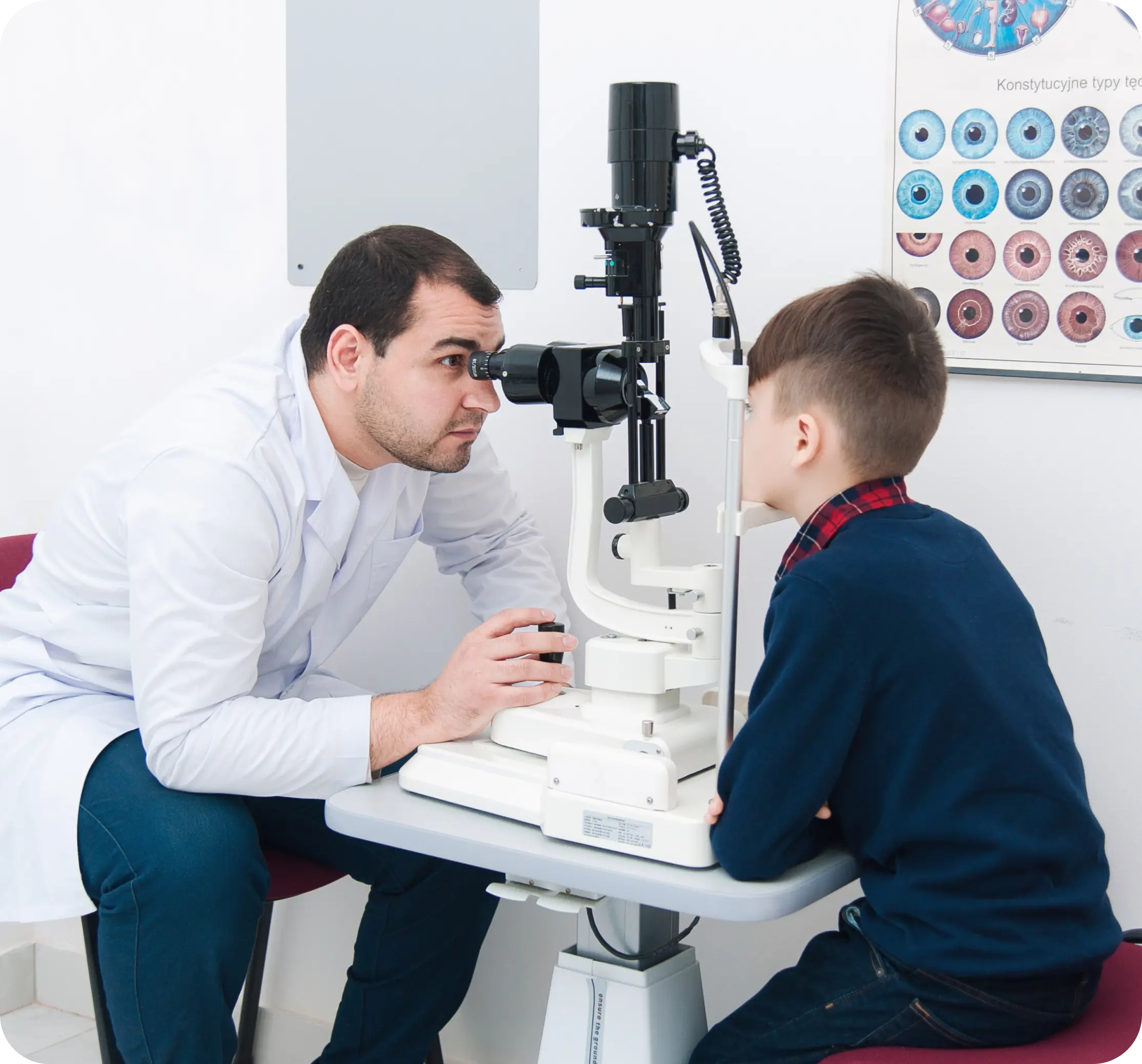



















Attract Referrals and Inquiries
Referral relationships, local search, directories, and review presence bring patients in, with the source recorded from the first touch.
A referral that waits two days for a callback often books at another clinic, and a surgical candidate who goes quiet after the evaluation rarely comes back. HubSpot captures every inquiry, follows the referral through to treatment, and keeps monitoring patients on their recall schedule.

Teams that leveled up their growth with HubXpert
Inquiries arrive from the website, referring optometrists, insurance directories, and reviews.
Most EHR and scheduling platforms chart and book. They lack the automation and reporting needed to nurture referrals, track engagement, and drive repeat care.
A referral that lands after staffed hours sits overnight. By morning the patient has called the clinic that answered first.
A patient receives a surgical recommendation, then hesitates on cost or timing. Without structured follow-up, the procedure never gets scheduled.
Glaucoma and diabetic retinopathy patients drift between monitoring visits. A missed interval is a clinical risk, not just lost revenue.
Referring physicians, paid search, directories, and organic all claim the same patient. Without attribution, the next investment is a guess.
Five areas where a clinic can convert more referrals and keep patients on their care timeline.
Acknowledge forms, referral calls.
Automate confirmations.
Calls, messages and forms share one record.
Role-based access keeps patient data controlled.
Speed decides when a referral is already in hand.
A multi-touch sequence beats one callback.
Pipeline visibility shows.
Every open referral gets a logged follow-up.
Payment options become visible record fields.
Check-ins revive patients who never booked.
Cataract, glaucoma, retina.
Sequences differ for diagnostics, candidacy.
Recall triggers by diagnosis type.
Sequences reach patients before a gap widens.
See which reminders actually produce bookings.
Aftercare messages arrive on the schedule you set.
Attribution links each physician.
Referral history and volume per optometrist.
Reports flag falling referrals early.
Attribution replaces guesswork across paid.
A HIPAA-conscious setup, role-based access.
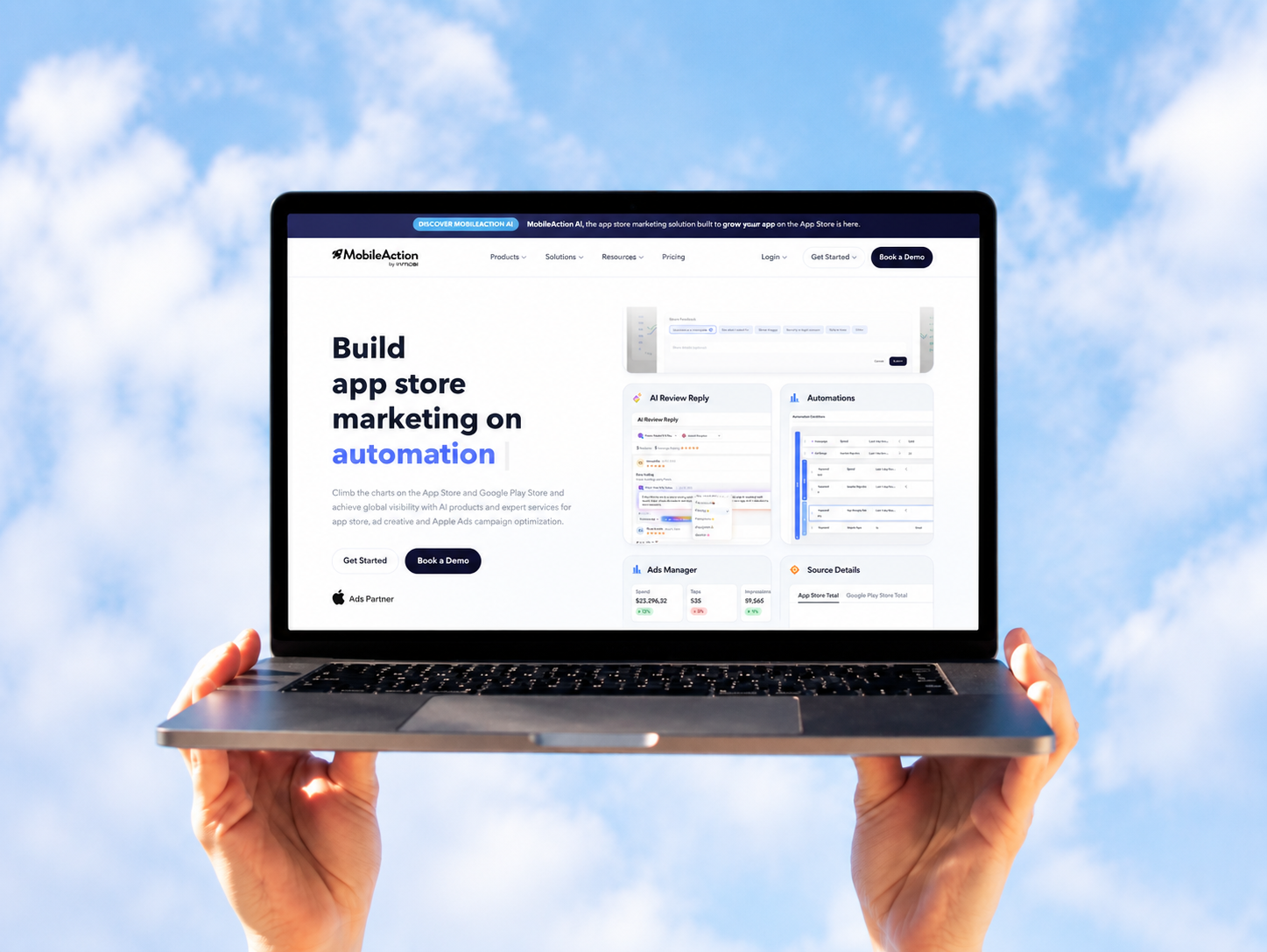
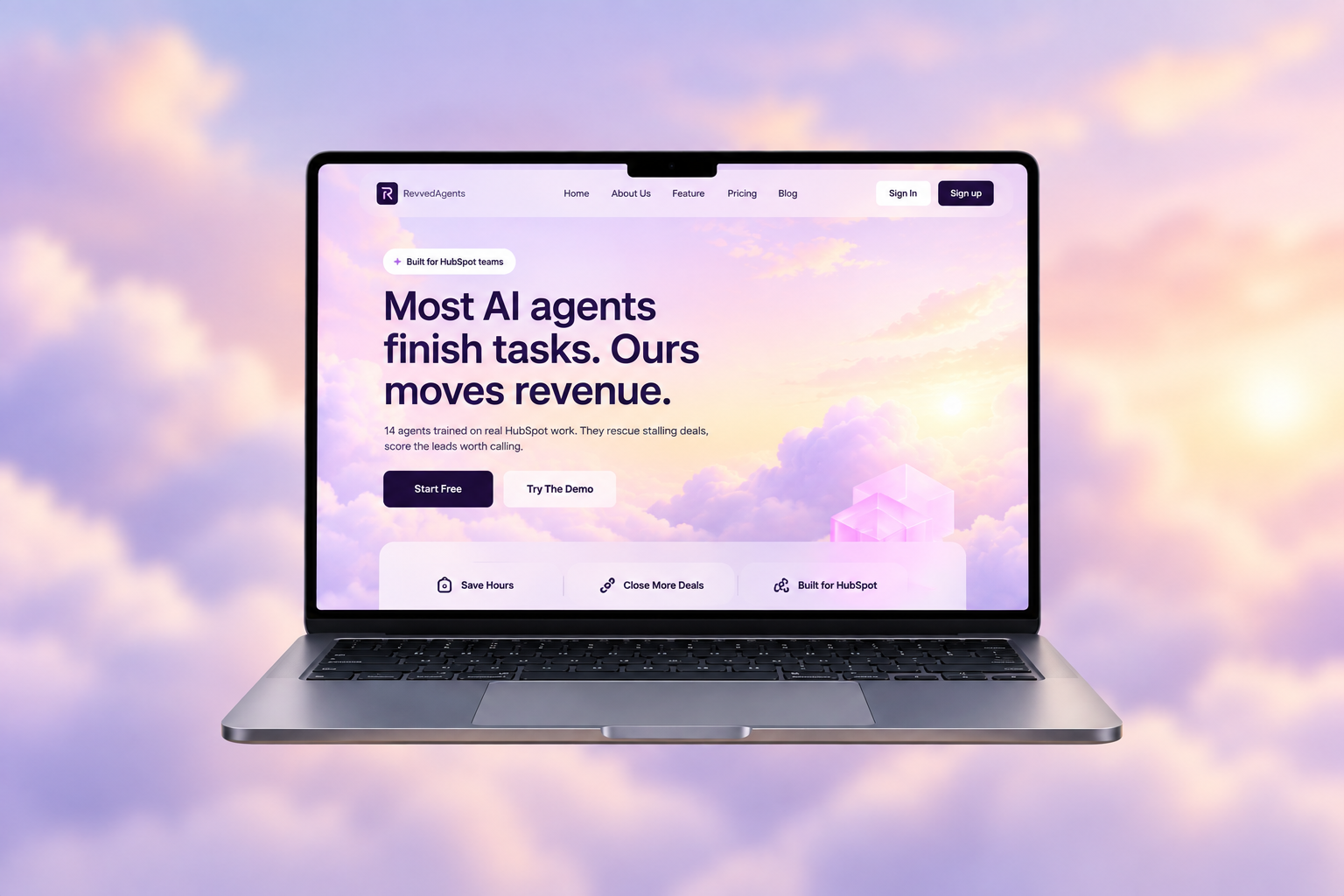
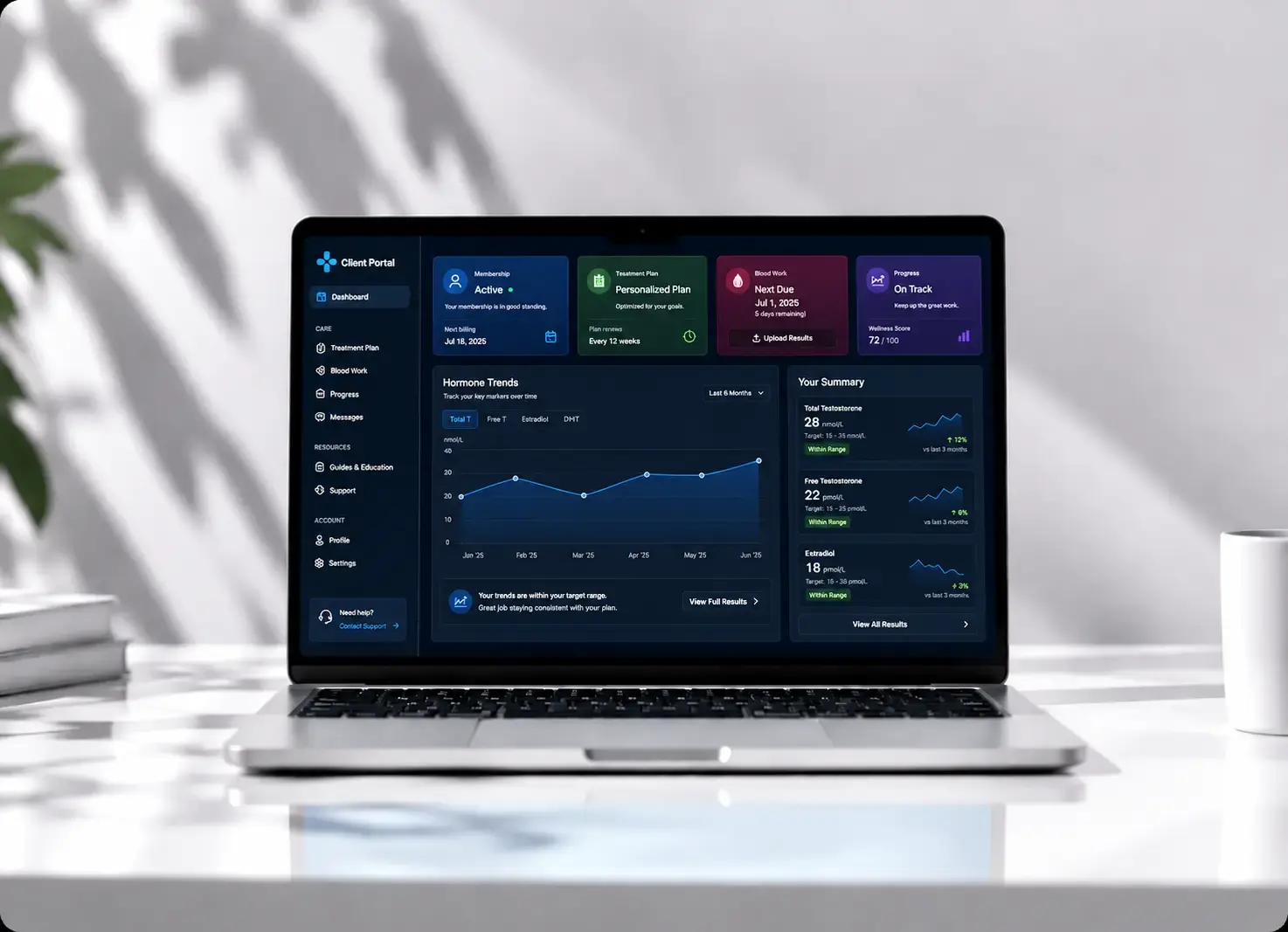
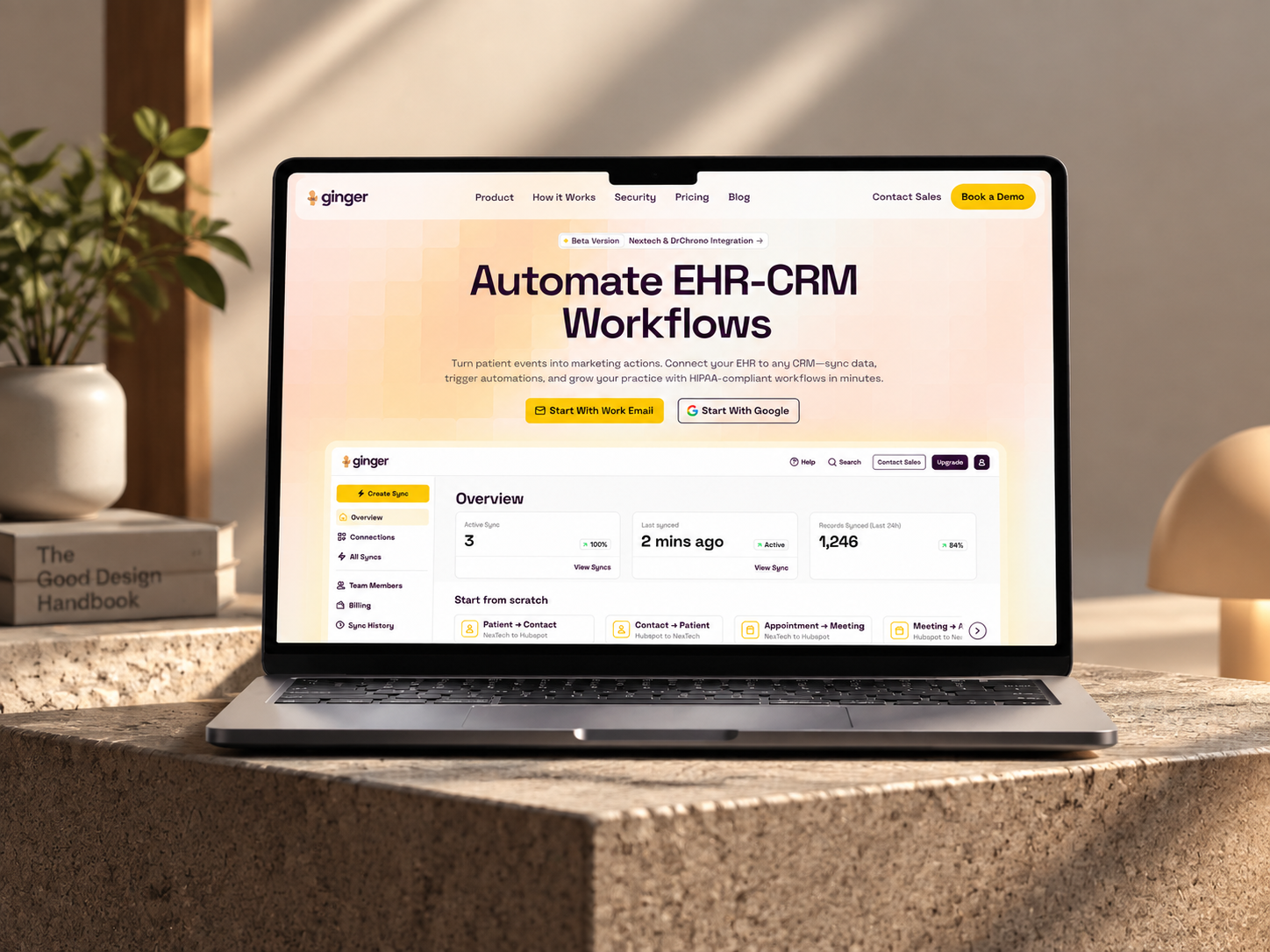
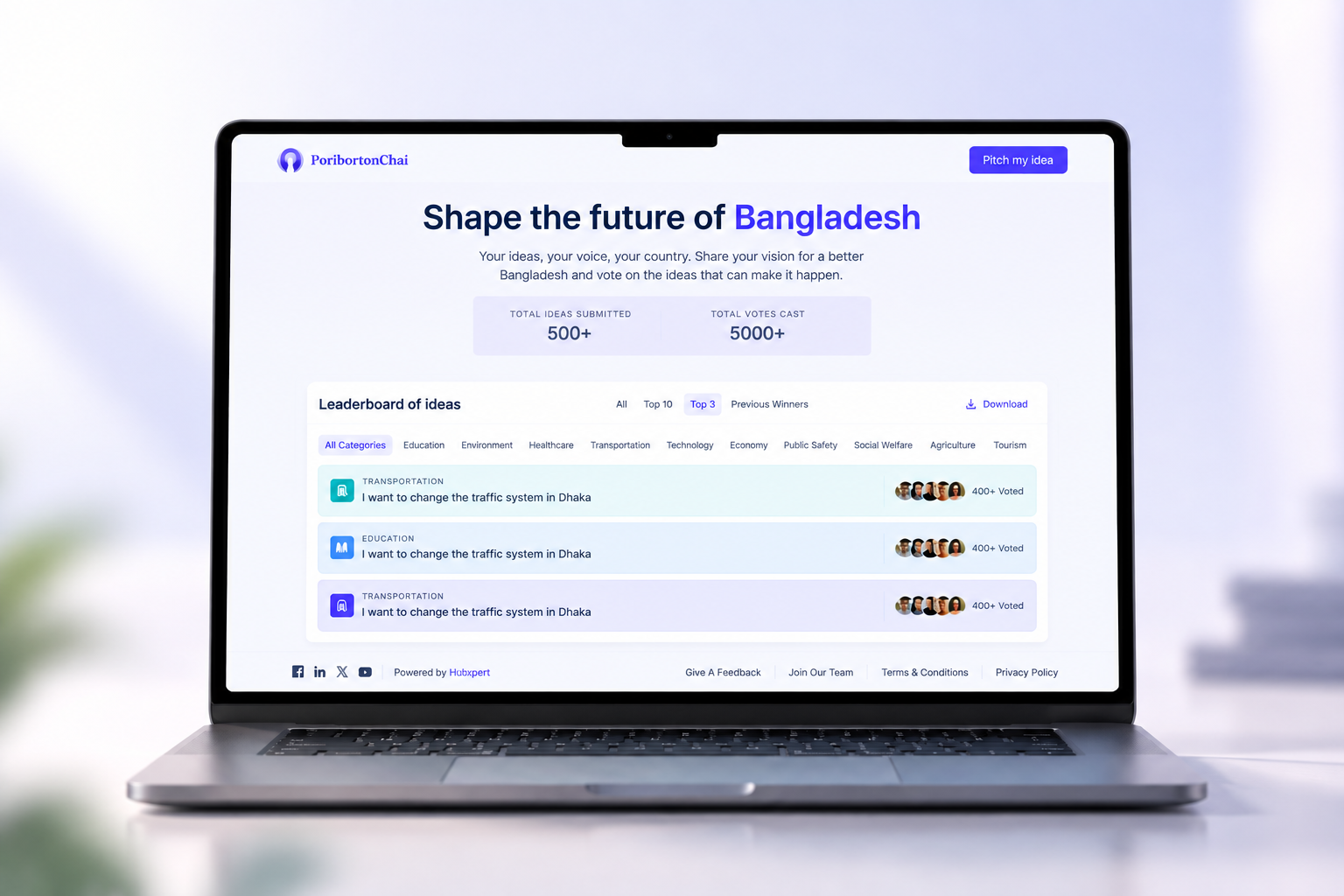
A curated selection of HubSpot implementations and digital marketing campaigns that moved the needle for our clients.
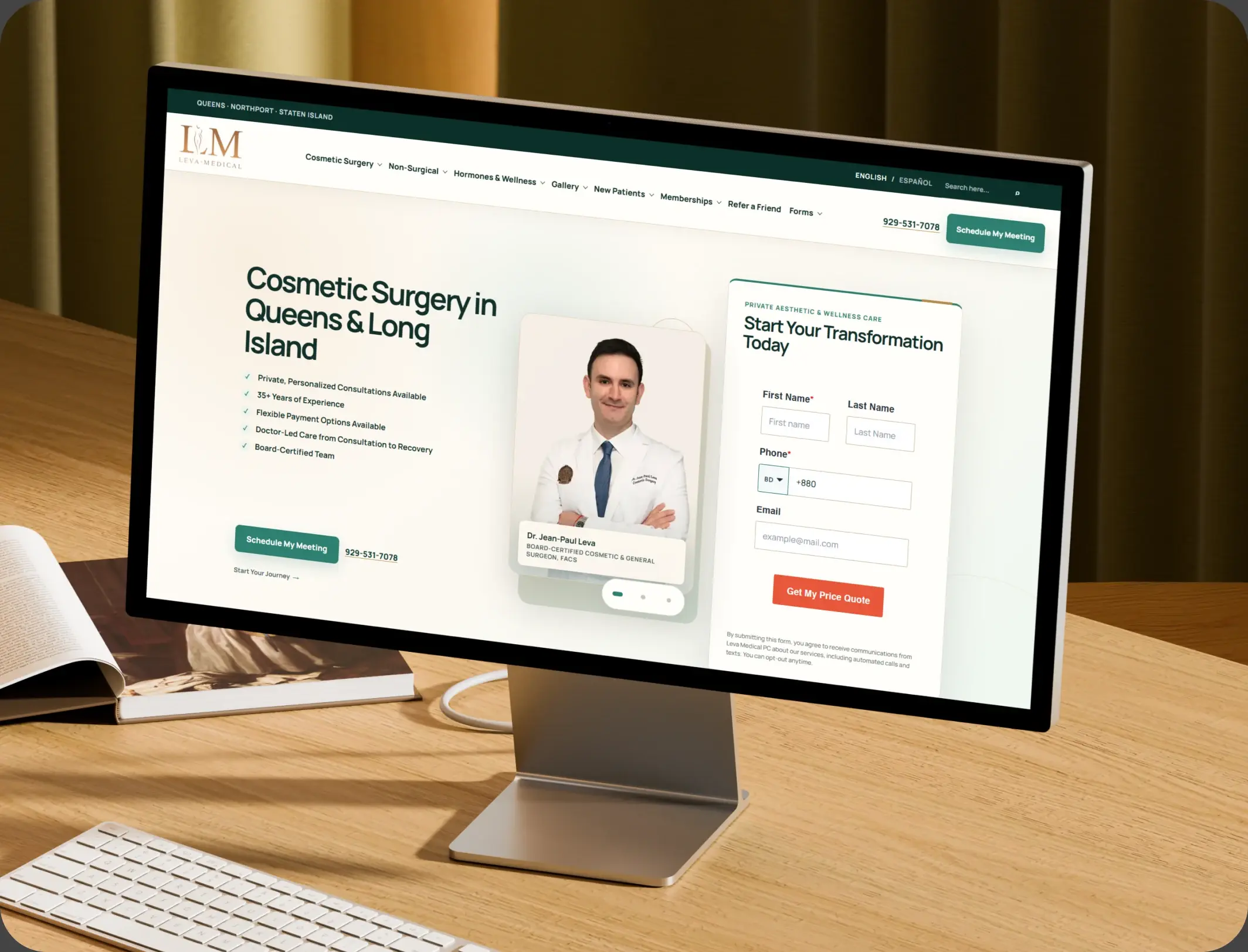
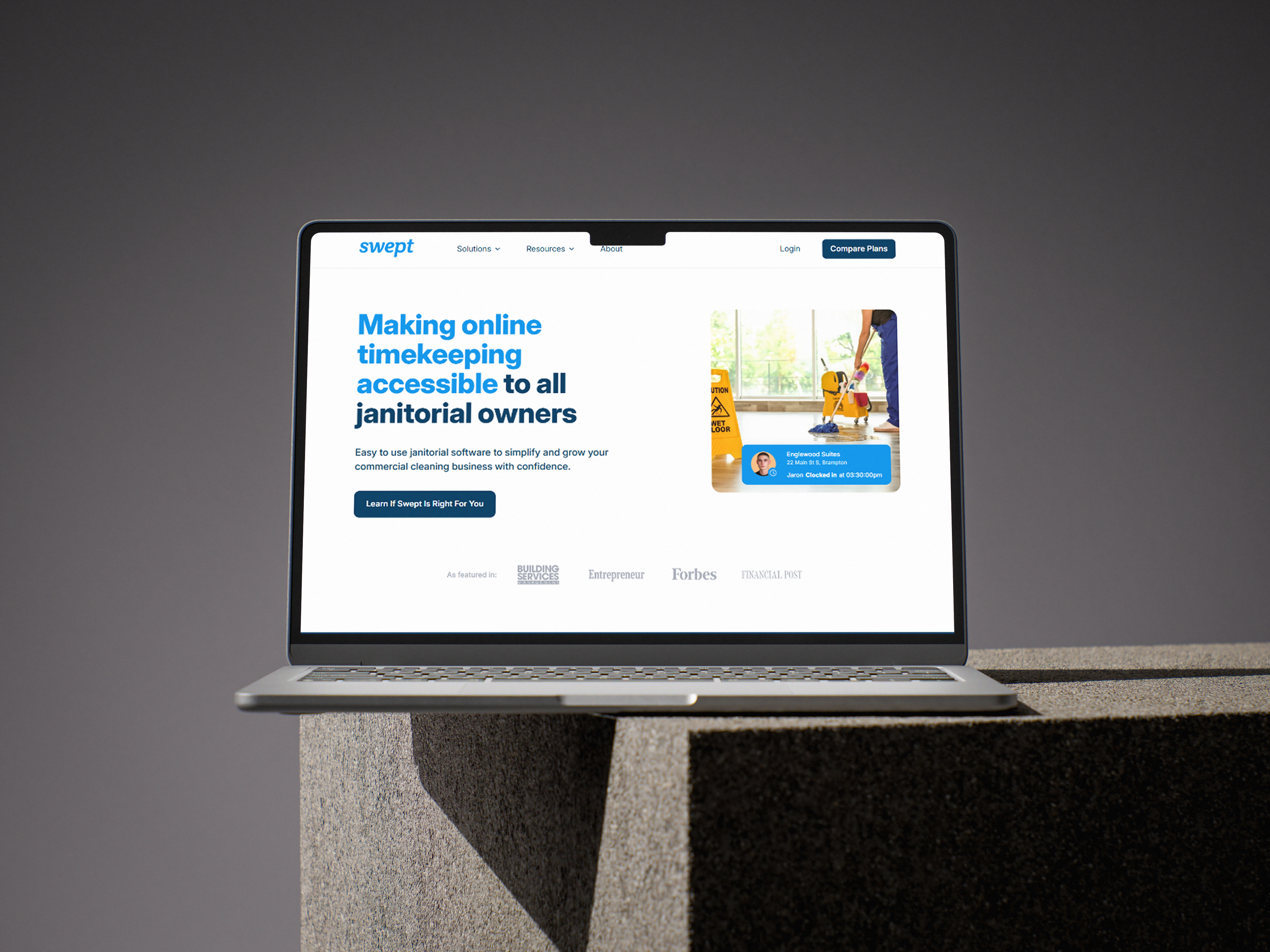
WEBOPS
Leva Medical lacked Nextech–HubSpot integration, limiting marketing insights. HubXpert enabled secure, real-time sync for smarter, compliant patient engagement.
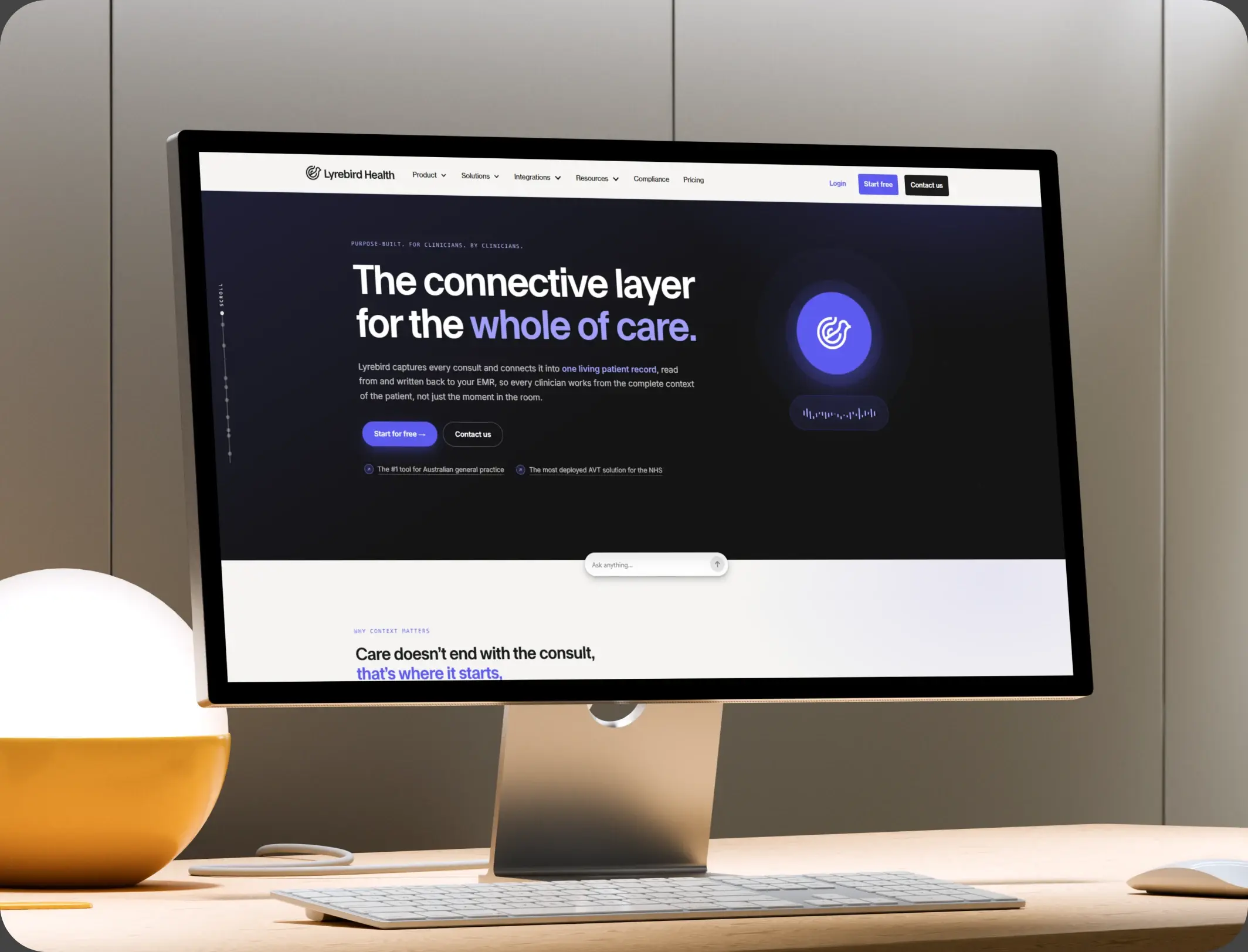
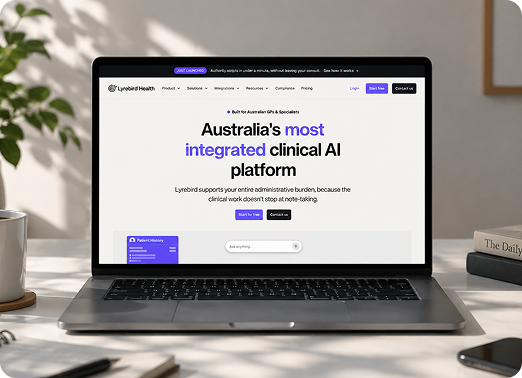
DevOPS
Lyrebird Health is a Healthcare SaaS company building AI-powered scribe and diagnostic solutions for clinics and hospitals.
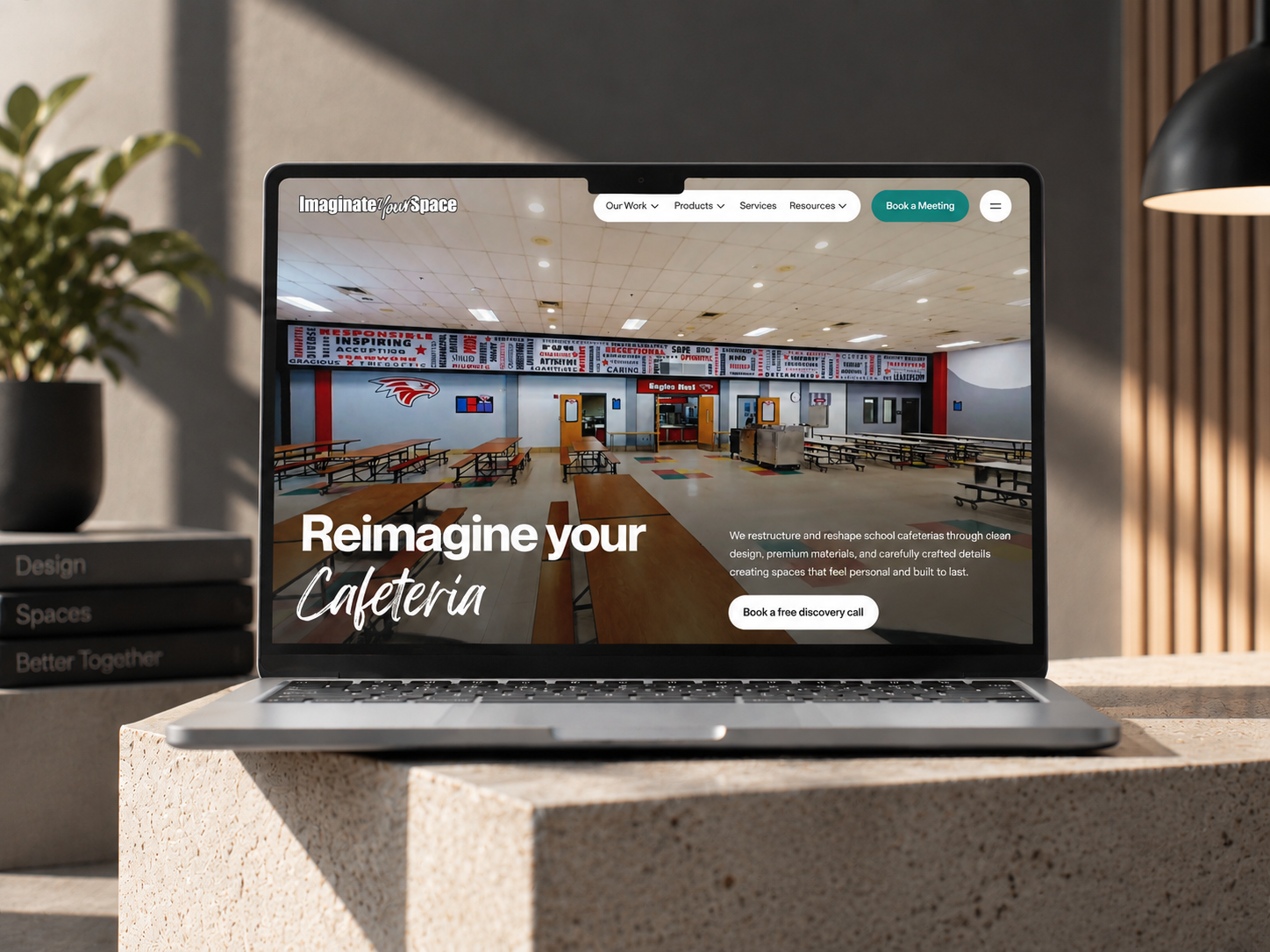
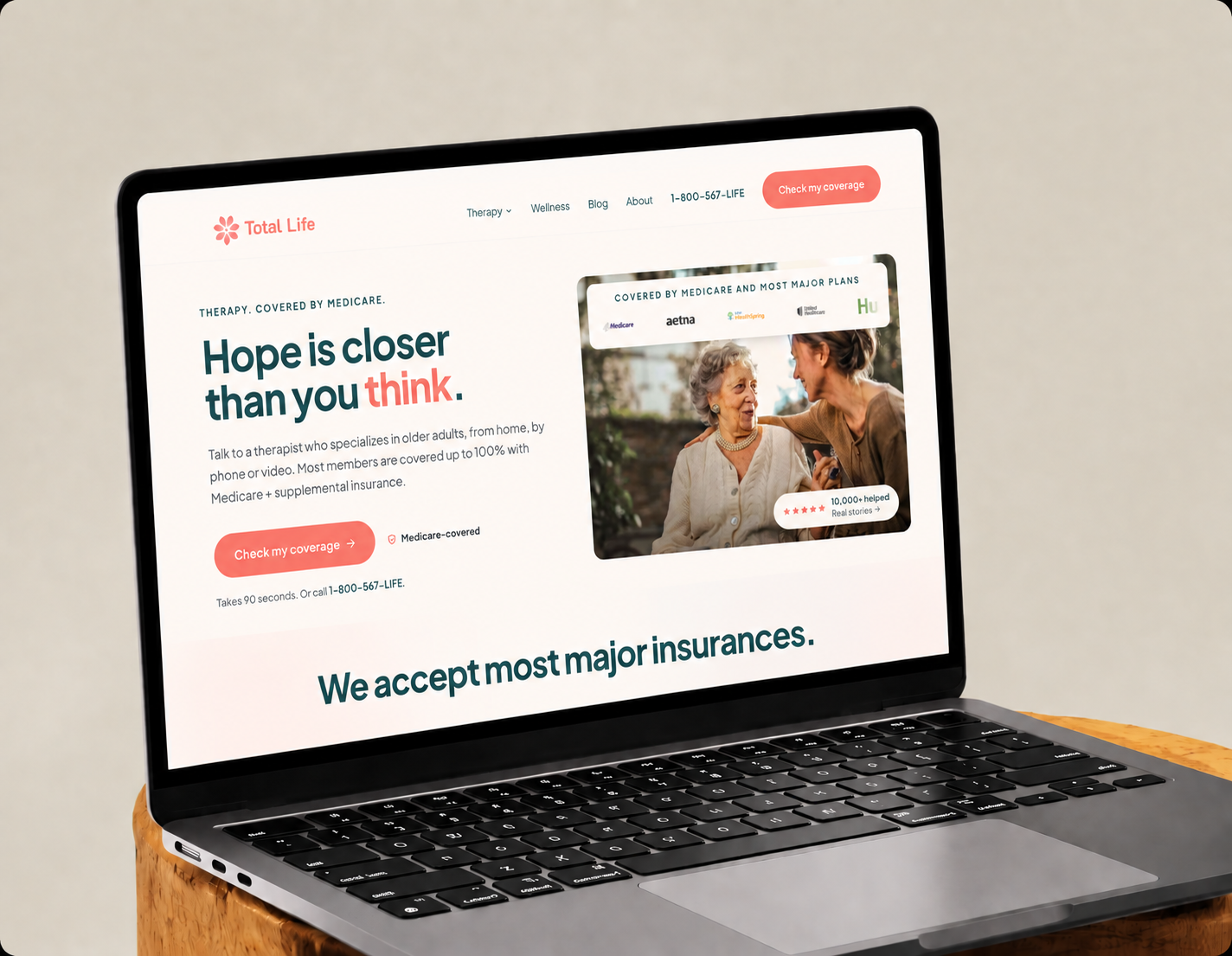
DevOPS
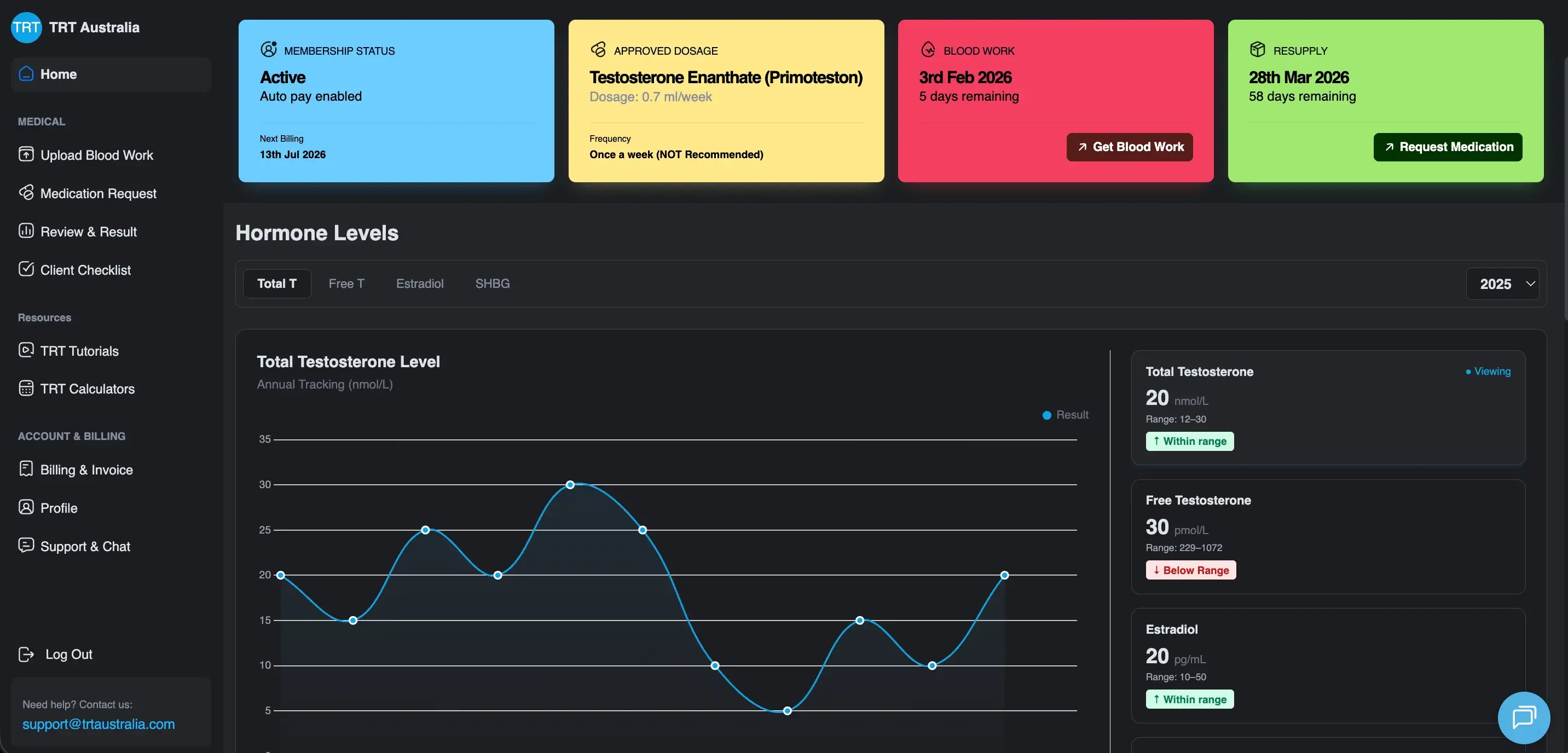
HubSpot portal empowers the Customer Service team to validate data, coordinate reports with doctors, and process pharmacy orders efficiently.
Referral relationships, local search, directories, and review presence bring patients in, with the source recorded from the first touch.
Automated follow-up and reminders move a referral to a booked exam, including the financing question where surgery is likely.
Diagnostic results, candidacy status, and payment options arrive in sequence, so the patient is not left to decide alone.
Monitoring recalls by diagnosis, pre-op instructions, and post-op follow-up keep care on schedule after the visit.
Instant confirmation, coordinator task, follow-up at 24 hours if unscheduled, and an SMS reminder on day three.
A sequence covering candidacy, what the procedure involves, financing, and recovery, stopping the moment surgery is scheduled.
Instructions at one week, 48 hours, and the morning of surgery, with a coordinator task if the patient does not confirm.
Recall intervals differ for glaucoma, diabetic retinopathy, and dry eye, and a missed interval raises a clinical task.
Aftercare messages and a review request at the right point in recovery, with concerns routed to the clinical team first.
A note to the referring practice once treatment is scheduled, and an outcome update where consent allows.
Patients past their recall window enter a sequence before a gap in care becomes a clinical risk.
Certified platform expertise, with a track record across healthcare workflows and referral-driven surgical practices.
Built around your subspecialties, surgical pathway, and monitoring protocols. No generic templates.
Multi-step workflows and conditional logic built for diagnostics, candidacy, and recall timing.
Clean imports from your practice management system or spreadsheets, structured properly from day one.
An in-house team connecting HubSpot to your EHR, scheduling, and surgical systems.
Continuous refinement as your clinic and referral network grow.
HubSpot signs a Business Associate Agreement on Enterprise plans, and a super admin can enable Sensitive Data settings so the portal may hold PHI. Diagnostics, surgical notes, and imaging stay in the clinical system, while the CRM carries the referral, the scheduling conversation, and the recall sequence.
Not every clinic needs every hub. Here is how each one lines up with a referral-driven ophthalmology practice.
Your acquisition and recall engine: campaigns, landing pages, and automated patient communication. Campaigns and recall sequences run from the same patient record.
Built for the referral and surgical pipeline, from first inquiry through scheduled procedure. Each referral carries an owner and a response window.
Where patient questions, pre-op instructions, and follow-up requests get organized and tracked. Coordinators see the history before calling back.
Powers the website and condition library with built-in SEO, so cataract and retina pages stay current. Condition pages get edited without a developer.
Connects EHR, scheduling, and surgical systems, most valuable for multi-location groups. Records stay matched across locations instead of drifting.
Handles procedure packages, deposits, and payment links, so quotes and invoices stay with the case.
Yes. It manages the referral pipeline, surgical follow-up, and monitoring recalls around the clinical system, which keeps running diagnostics and surgery. Most clinics see the difference within the first month of live workflows.
Yes. Each referral is recorded with its source, followed up on a schedule, and the referring practice receives an update once treatment is scheduled. Referral conversion is tracked, so the improvement is measurable.
It can. Pre-operative instructions, candidacy nurture, and financing follow-up all run from the same record, with a task when a patient stalls. The sequence is matched to the diagnostic stage.
Yes. Recall intervals differ by diagnosis, and a missed interval raises a clinical task rather than disappearing into a report. Nothing is assumed native until the connector is confirmed.
HubSpot offers a Business Associate Agreement, and HIPAA data requires an Enterprise hub with Sensitive Data settings enabled by a super admin. Clinical detail stays in the EHR. Automation never sends a claim nobody signed off on.
Often through a native integration, otherwise an API or middleware. Contact and appointment data cross over, and the sync direction is scoped first. That is how cost per treated patient becomes visible.
Yes. Attribution follows each referral from first contact to completed treatment, so referring physicians and paid channels are judged on outcomes. We map which fields may hold clinical detail before launch.
Yes. Location routing, permissions, and consolidated reporting scale from one clinic to a group, with each site keeping its own schedule. Clinical detail stays in the system built for it.
Ready to Grow Your Ophthalmology Clinic With HubSpot?
Referrals are arriving right now, and the patient will book with whoever answers first. We build around your referral network, your surgical pathway, and your team. No generic setup, and no referral left to a callback nobody made.