








Attract Briefs
Referrals, sector campaigns, and past clients bring RFPs in, with the source recorded at first touch.
Three agencies receive the same meetings, incentives, conferences, and events RFP, and the one that answers first with a complete bid usually wins it. HubSpot tracks every bid, every stakeholder on the buying committee, and every program that turns into a rebooking, alongside the event platform you already run.

Teams that leveled up their growth with HubXpert
Corporate buyers send the same brief to three to five agencies on a tight window. Bid detail, commission ratios, and attrition terms scattered across email mean deadlines slip and proposals go out incomplete.
Registration and logistics platforms handle the event well. They were never designed to track a planner, a procurement lead, and an executive sponsor moving through one decision at different speeds.
Each stakeholder cares about something different: budget, risk, delegate experience, and compliance.
Incentive programs depend on who qualified, who confirmed, and who dropped out. That is a communication problem, not a registration problem, and it is where most delegate attrition is quietly lost.
A well-run conference comes back next year. Without history, the agency re-pitches instead of renewing.
Referrals, events, and outbound all claim the same contract. Without attribution, business development spend follows habit.
HubSpot for MICE Travel covers five areas where an agency can win more bids and renew more programs.
Brief, deadline, and owner on one record.
Commission and attrition terms in one place.
The right specialist owns the bid.
A sequence that runs until a decision lands.
Role, concern, and last contact.
Content matched to the role.
A task when an executive goes quiet.
See where each deal is stuck.
Who qualified, confirmed, and dropped.
Joining instructions and changes.
Venue and DMC tasks on one timeline.
Post-event responses routed to the account.
Events, budgets, and outcomes.
A touchpoint before the next planning cycle.
Revenue per client, not per event.
Outreach before a contract lapses.
A privacy-conscious setup with role-based access, and delegate passport.
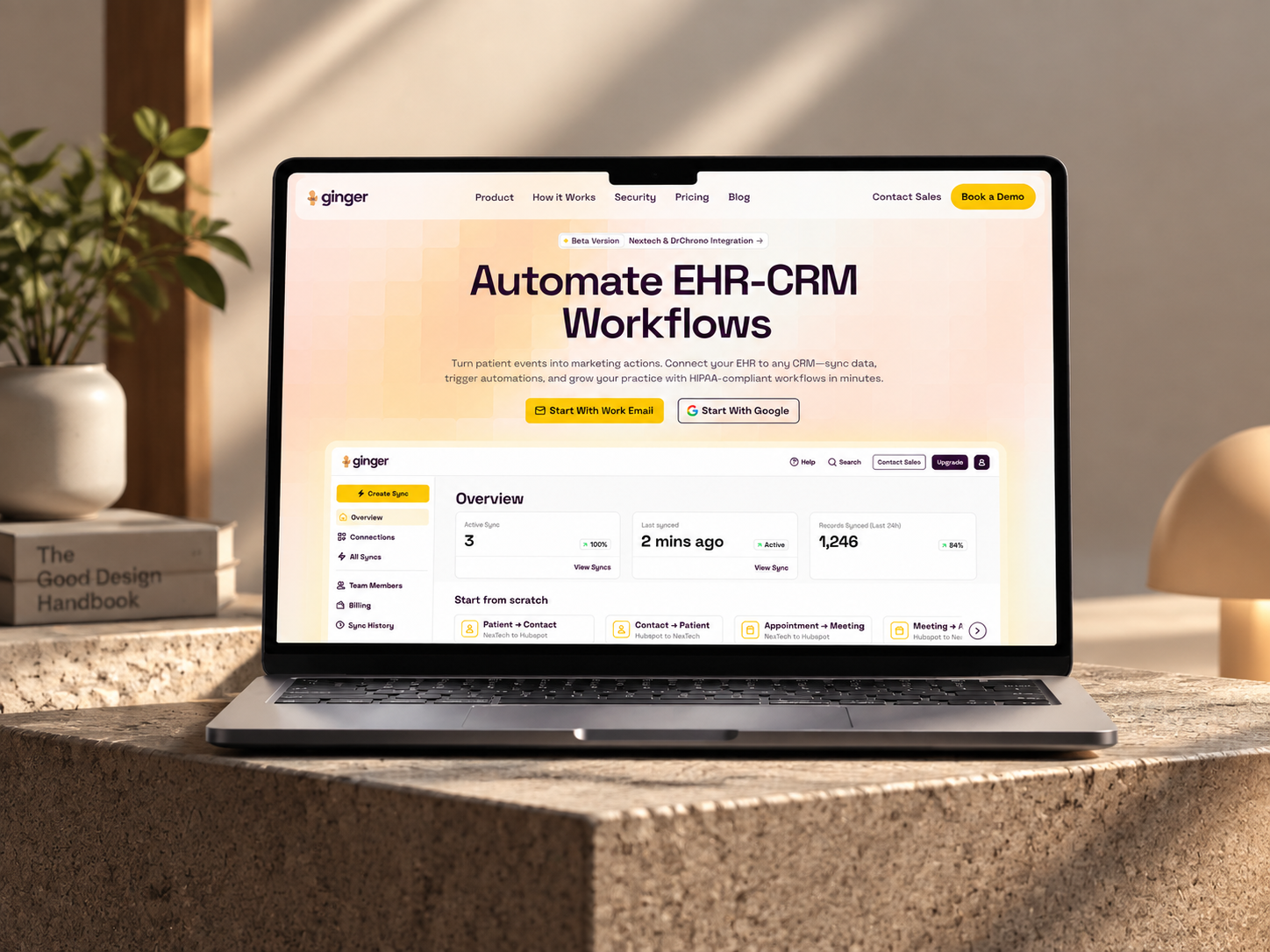
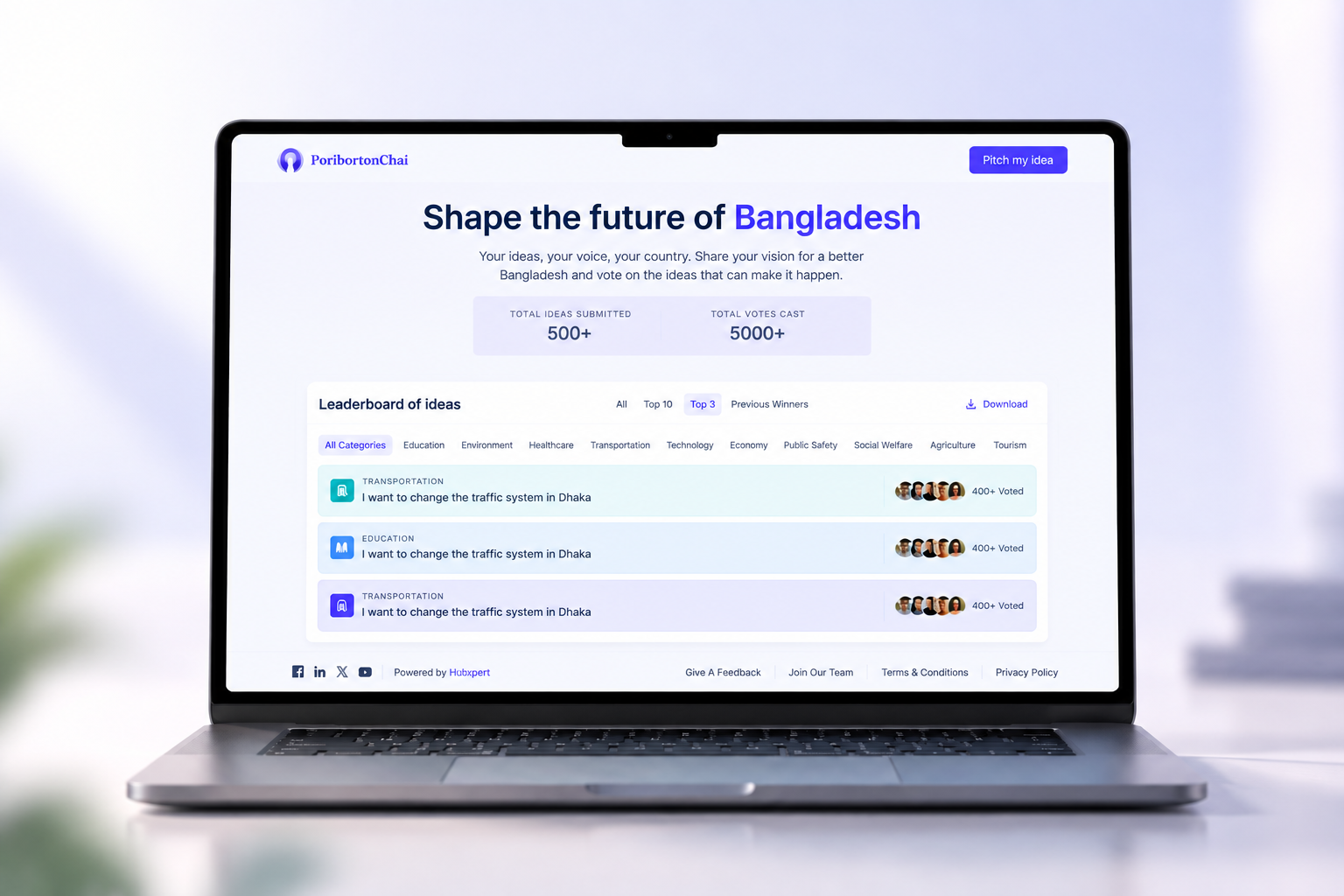
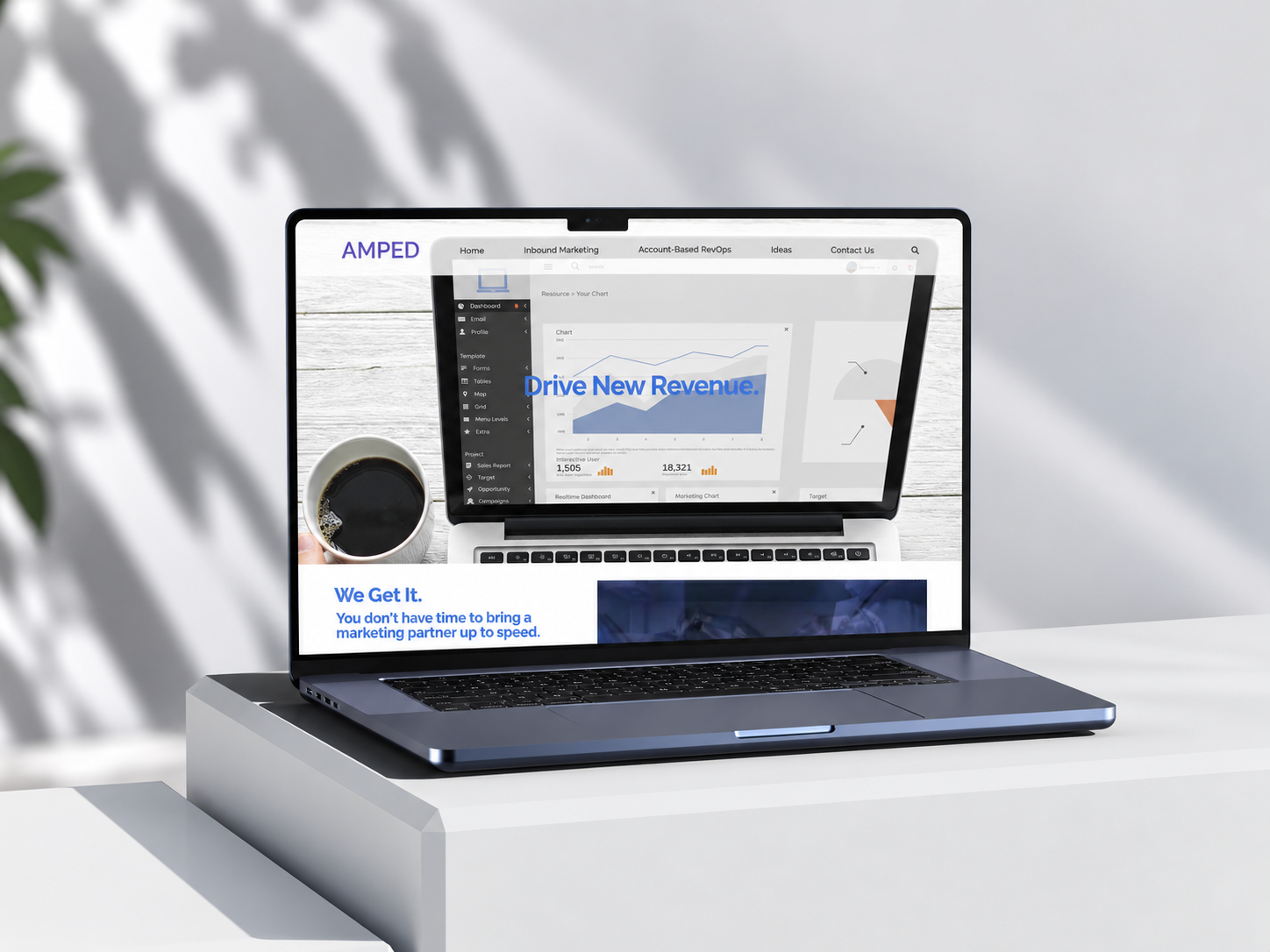
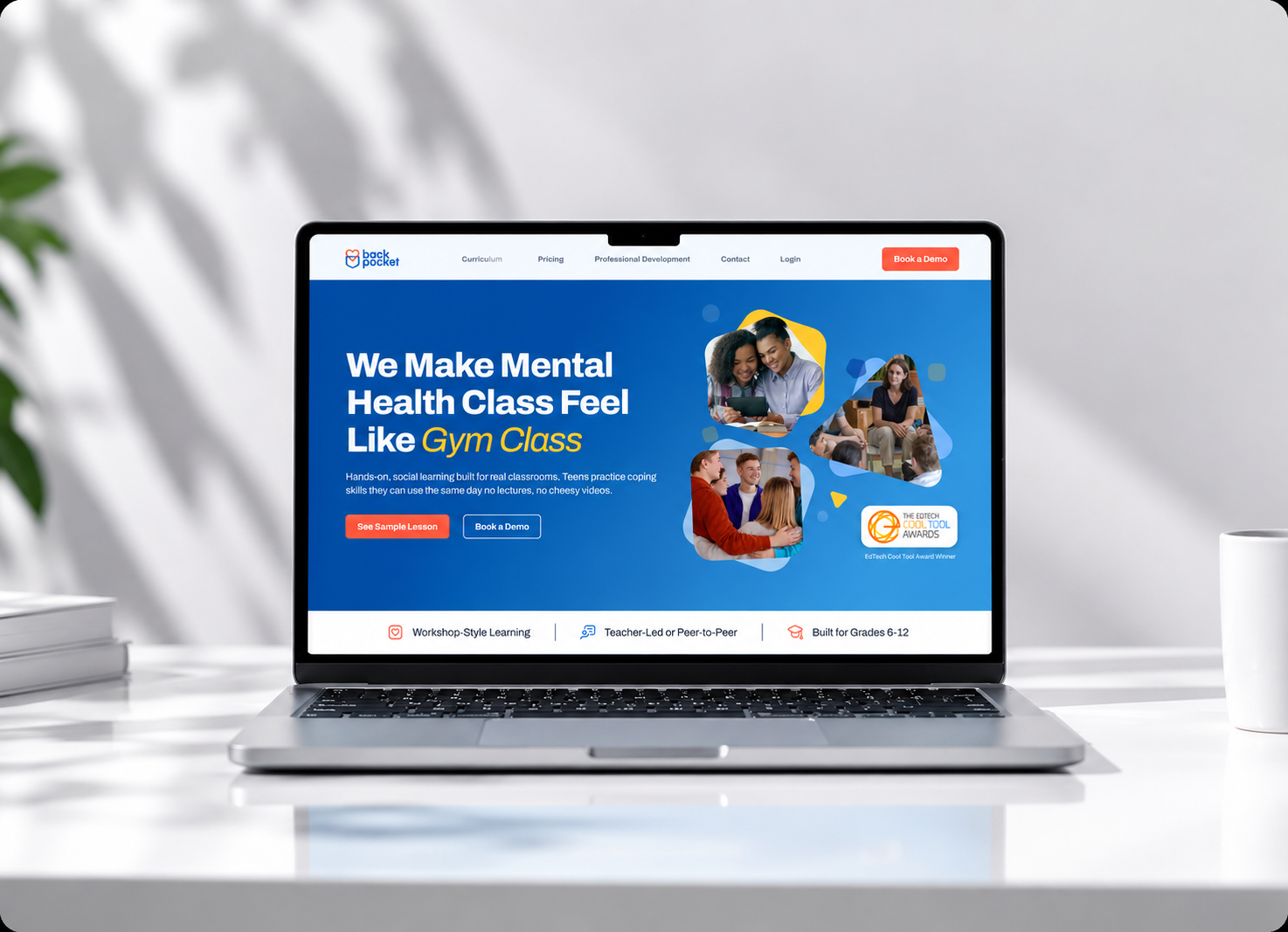
A curated selection of HubSpot implementations and digital marketing campaigns that moved the needle for our clients.
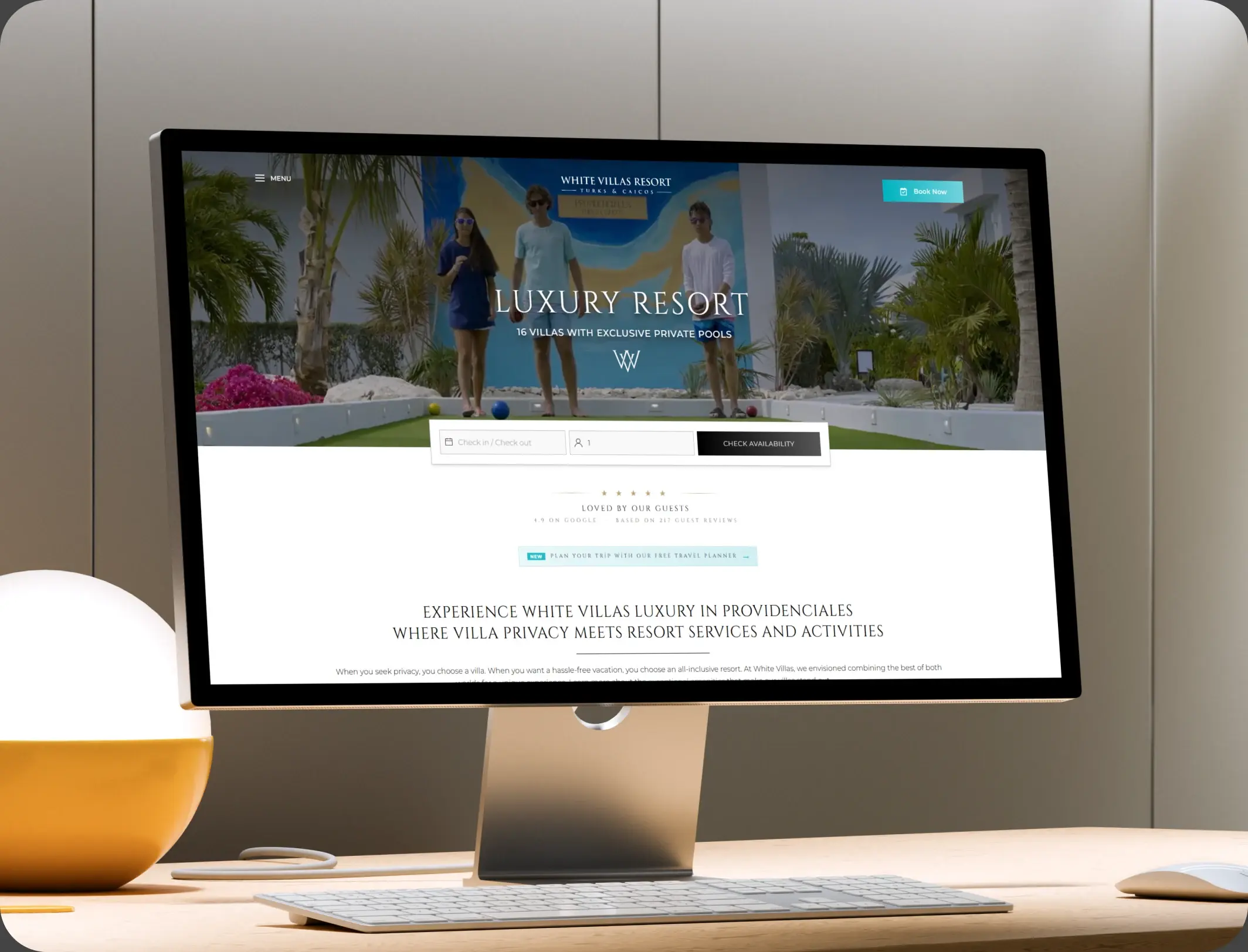
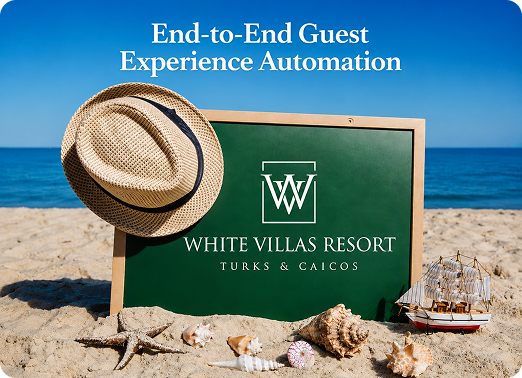
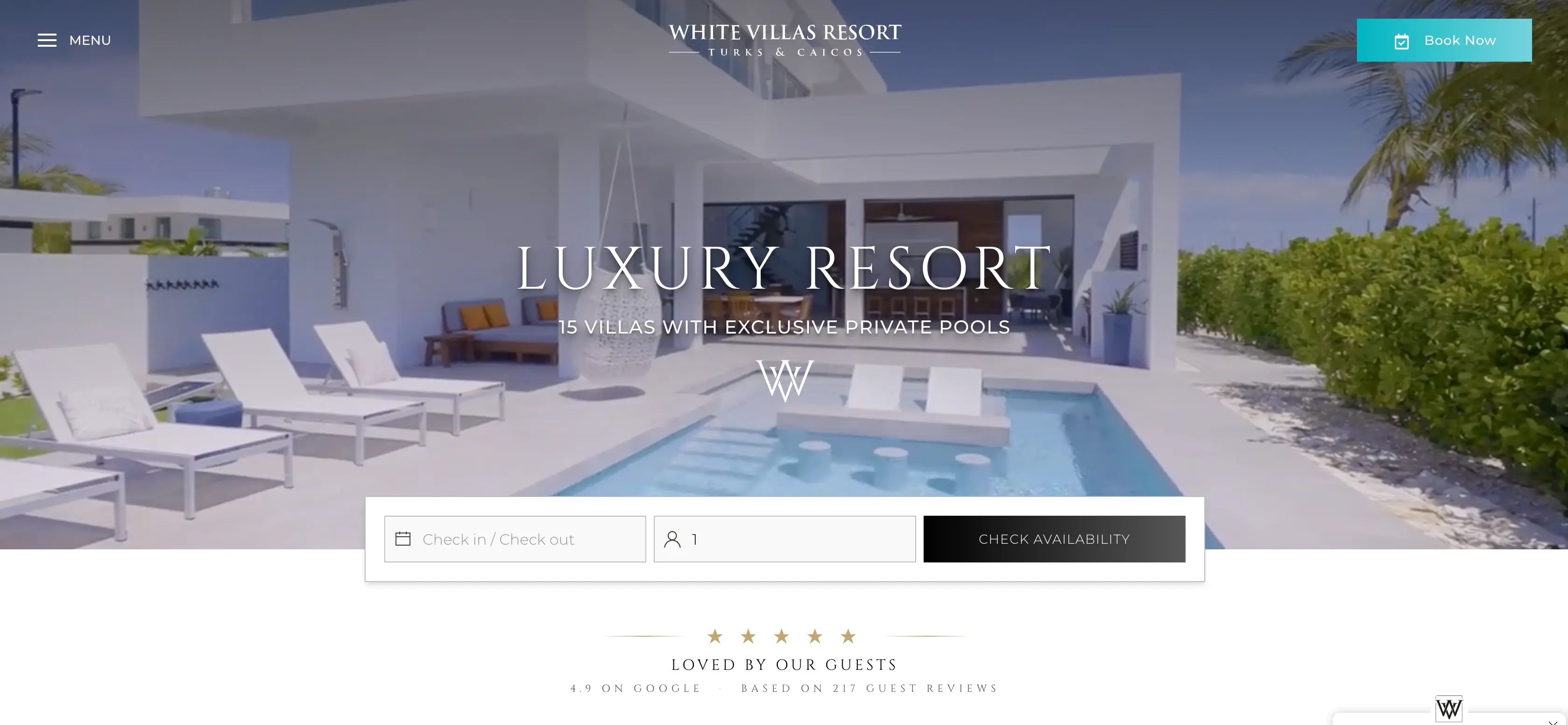
HOSPITALITY
HubSpot End-to-End Guest Experience Automation for a Resort Villa - White Villas.
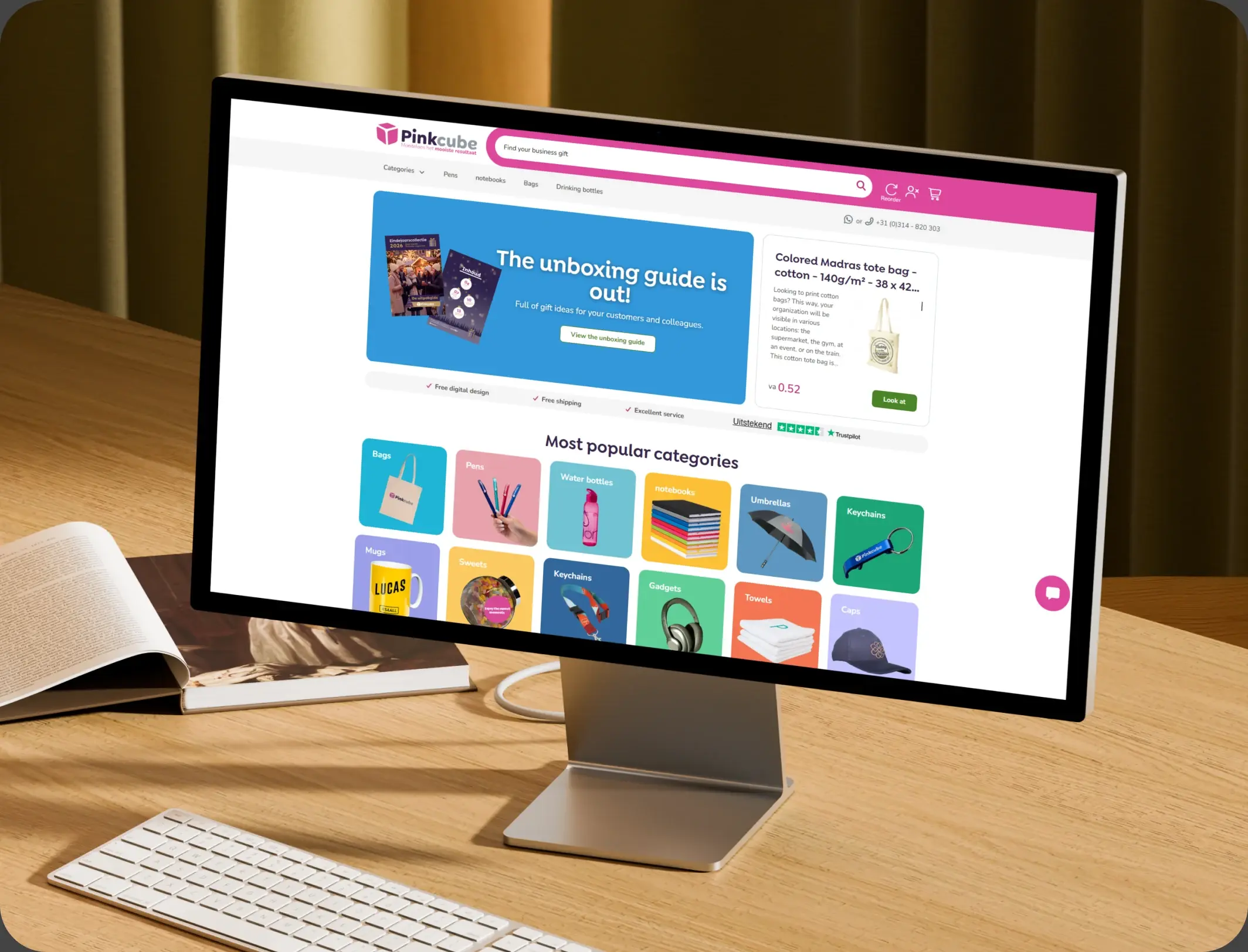
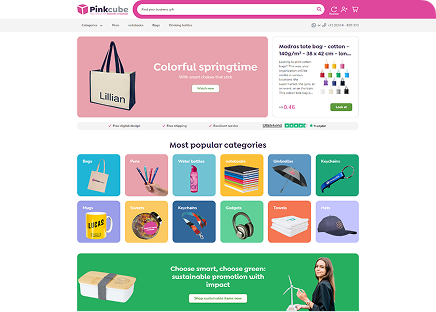
E-COMMERCE
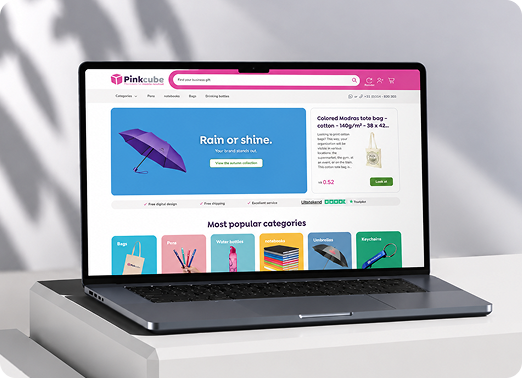
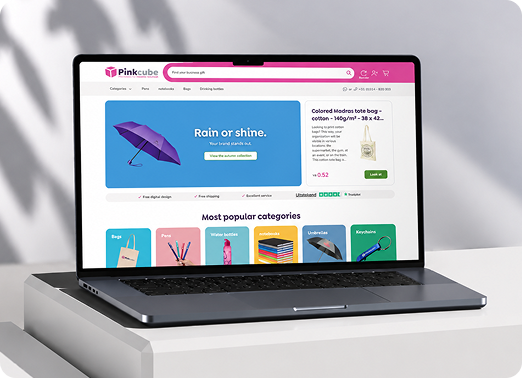
HubSpot Trengo to Service Hub Migration for an E-commerce Provider - Pinkcube.
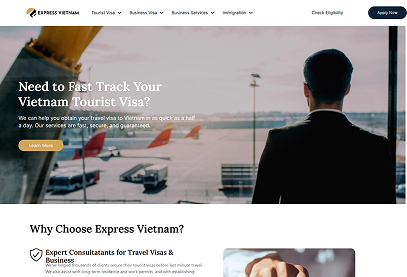
TRAVEL & VISA
HubSpot Onboarding and Integration for a State-Owned Visa Company - Express Vietnam.
Referrals, sector campaigns, and past clients bring RFPs in, with the source recorded at first touch.
Brief, deadline, and stakeholder map live on one record, so the proposal goes out complete and on time. The submission window is the whole negotiation.
Qualifiers, delegates, and suppliers run from the event record while the platform handles registration. Committees move together only on paper.
Post-event outcomes and a rebook prompt keep the program with the agency for the next cycle, which is cheaper than winning the same business again. Supplier coordination is where delivery slips.
Every brief creates an opportunity with the deadline and sector, then routes to the right specialist. Every submission has an owner and three escalations.
A task at 72, 48, and 24 hours before submission, with a manager alert if the proposal is not drafted. Committee members get different content, not the same deck.
Different content to the planner, procurement, and sponsor, each on their own cadence. Drop-outs are flagged to the client the same day.
A check-in at three days, a nudge at seven, and a task if no decision has landed at fourteen. Supplier changes are logged against the program.
Qualification, confirmation, and travel detail sent to each qualifier, with drop-outs flagged to the client. The rebook prompt carries last year's outcomes.
Venue and DMC tasks created against the program timeline, with changes logged.
A touchpoint 90 days before the next planning cycle, with last year's outcomes attached.
Certified platform expertise, with a track record across travel agency workflows and B2B event sales.
Built around your bid process, committee structure, and program delivery. No generic templates.
Multi-step workflows and conditional logic built for submission deadlines.
Clean imports from spreadsheets or a legacy CRM, with account history intact.
An in-house team connecting HubSpot to your event platform, finance, and supplier systems.
Bid win rate, sector performance, and rebooking tracked from launch.
A corporate program holds delegate names, travel documents, and sometimes dietary or accessibility detail, which is still personal data. The work is separation: documents stay in the event platform, card data stays with the provider, and the CRM carries the account, the bid, and the communication record.
Not every agency needs every hub, and most start with Sales and Marketing before adding Service.
Your acquisition engine: sector campaigns, case studies, and nurture for a committee that agrees slowly. Sector campaigns run from the same account record as the bid.
Built for the bid pipeline and the multi-stakeholder deal, where one quiet sponsor stalls the deal. Each bid carries an owner, a deadline, and a committee map. Account teams see the program history before the pitch.
Where delegate questions, supplier changes, and on-site issues get tracked. Account teams see the program history before the pitch. Here is how each one lines up with a bid-led corporate events business.
Powers the website and destination content with built-in SEO, so venue pages stay findable. Destination and venue pages get edited without a developer.
Connects event platform, finance, and supplier systems, most valuable at volume. Program data stays matched. Program data stays matched across sectors instead of drifting.
Yes. It runs the commercial side: RFP intake, bid management, buying committee tracking, delegate communication, and rebooking, while the event platform handles registration and logistics. Most agencies see the difference within the first bid cycle. The CRM carries the deal, not the registration list.
Every brief creates an opportunity with a deadline and an owner, a task escalates at 72, 48, and 24 hours, and follow-up runs until a decision lands. Win rate is tracked, so the improvement is measurable. Every workflow is tested before it reaches a stakeholder.
Each stakeholder sits on the opportunity with their role and concern, so the planner, procurement lead, and sponsor each get the answer they need. The sequence is matched to the sector and program size. Committee tracking is what makes a five-person decision visible.
No. It sits alongside it. Registration and on-site logistics stay where they are, and HubSpot carries the deal, the committee, and the communication. Nothing is assumed native until the connector is confirmed. Rebook prompts run before the next planning cycle opens.
Documents stay in the event platform, access is role-based, and card detail stays with the payment provider. Delegate data never enters the CRM.
Often through an API or middleware. The useful overlap is account, program, and contact data, and the sync direction is scoped first. That is how cost per contract becomes visible.
Yes. Sectors, regions, and bid types are properties, so win rate can be compared directly. We map which fields may hold delegate data before launch.
Most run six to ten weeks, depending on integrations and how much account history needs migrating. Documents stay in the event platform.
Ready to Win More Corporate Programs With HubSpot?
A submission window closes on Thursday and the committee has not answered your last question. We build around your bid process, your sectors, and the way your team actually sells. No generic setup, and no bid left to the inbox.