















Generate Demand by Product Line
Clinical content, congresses, and digital campaigns produce opportunities tagged to the device family they belong to. Congresses and clinical content start most evaluations.
A medtech manufacturer sells a portfolio, not a product: several lines, distributor agreements by market, an installed base that needs service, and upgrade paths that decide next year's revenue. HubSpot holds the commercial side in one system, from first enquiry through delivery and service.
Teams that leveled up their growth with HubXpert
Hospital systems, clinicians, procurement, and distributors can all influence one opportunity. Without structure, nobody can see which product line the deal belongs to or what happens next.
Indirect sales obscure who owns an opportunity, where pipeline originated, and which partner performs.
Each device family has its own cycle and buyer. One flat pipeline cannot show which line is growing, which is stalling, and which is approaching end of life.
Service contracts, warranty dates, and upgrade eligibility live in an ERP or a spreadsheet.
A closed order moves to delivery, installation, and training through email. The customer feels the gap before the manufacturer measures it.
A new territory needs its own distributor, pricing, and regulatory status. Without a structure, every launch restarts from a blank sheet.
Five areas where a manufacturer can run a portfolio and a distributor network from one commercial picture.
Enquiries, content downloads, events, and demos.
By specialty, organization type, territory.
Relevant communication through long evaluations.
Campaigns linked to qualified pipeline.
Opportunities built around devices and solutions.
Clinicians, procurement.
Tasks and outreach triggered by stage movement.
Pipeline by product, territory, and close date.
Contacts, territories, agreements, and history.
Routing by territory, product, or business rule.
Distributor opportunities linked to accounts.
Pipeline and revenue across territories.
The post-sale process starts at signature.
Owners across delivery, training, and service.
Installation, training, and go-live dates visible.
Updates and next steps sent automatically.
Purchases, service records.
Age and usage data show where the next model fits.
Contract dates raise alerts before they lapse.
Both teams work from the same account.
A HIPAA-conscious configuration where device data touches patient information.
A curated selection of HubSpot implementations and digital marketing campaigns that moved the needle for our clients.
WEBOPS
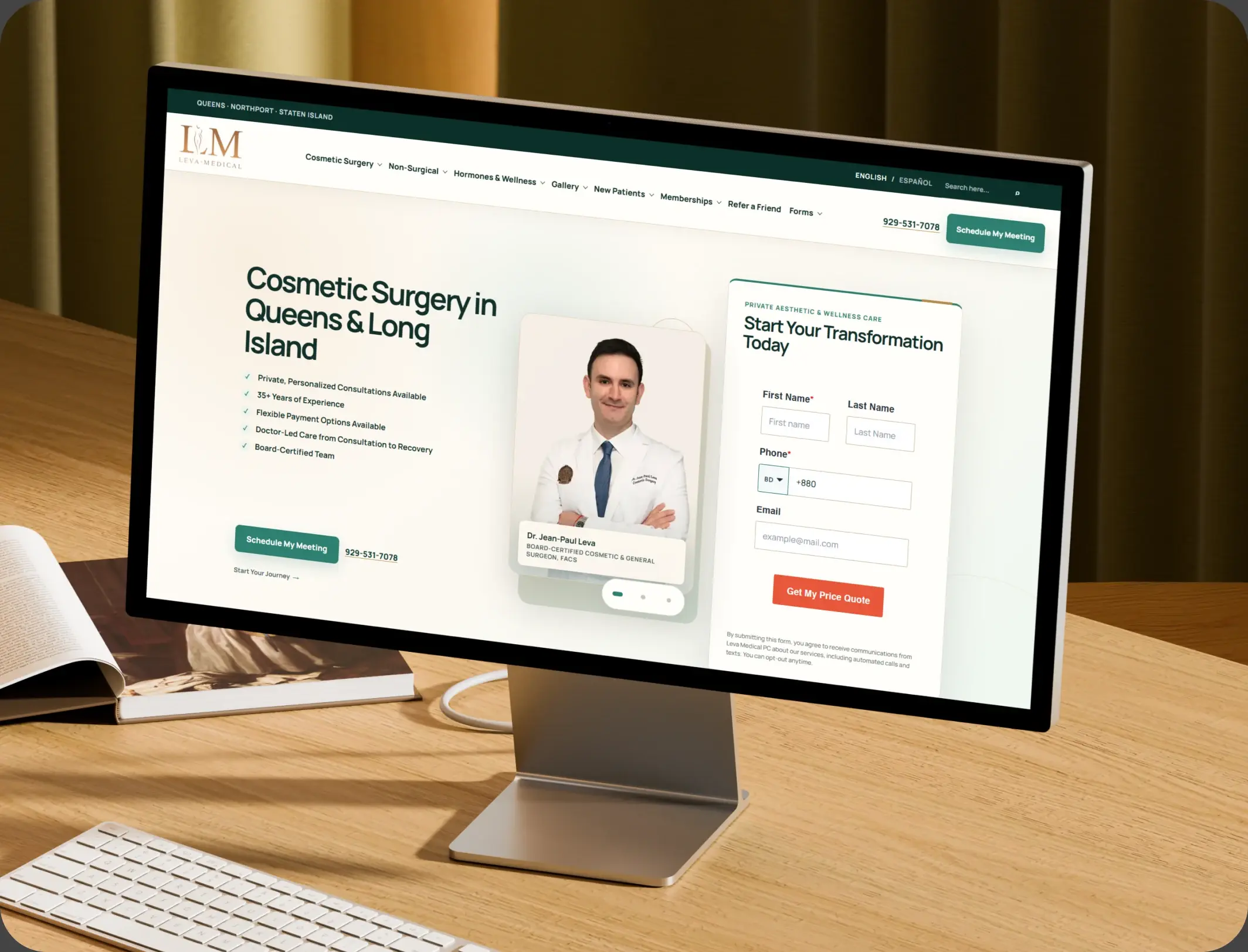
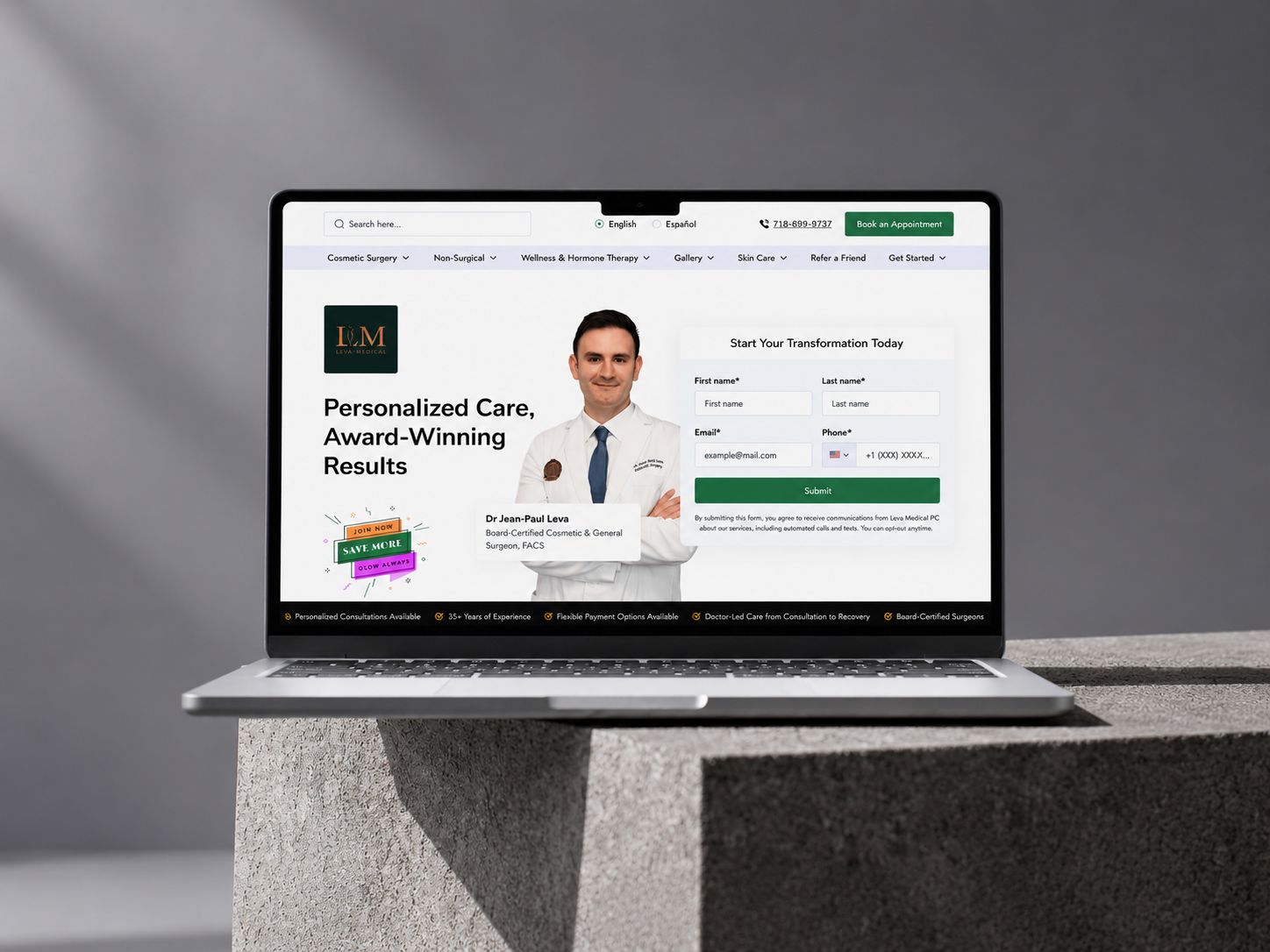
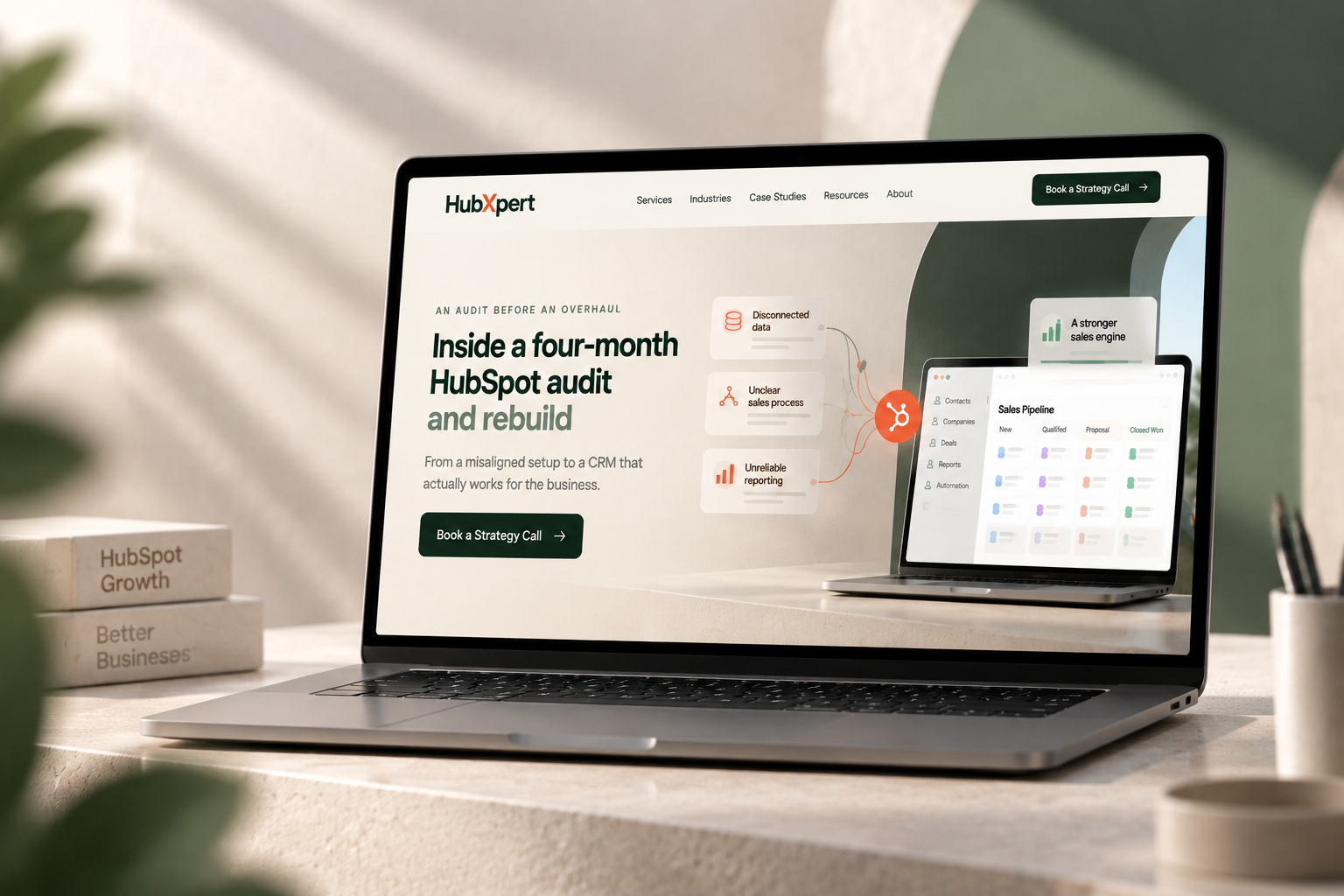
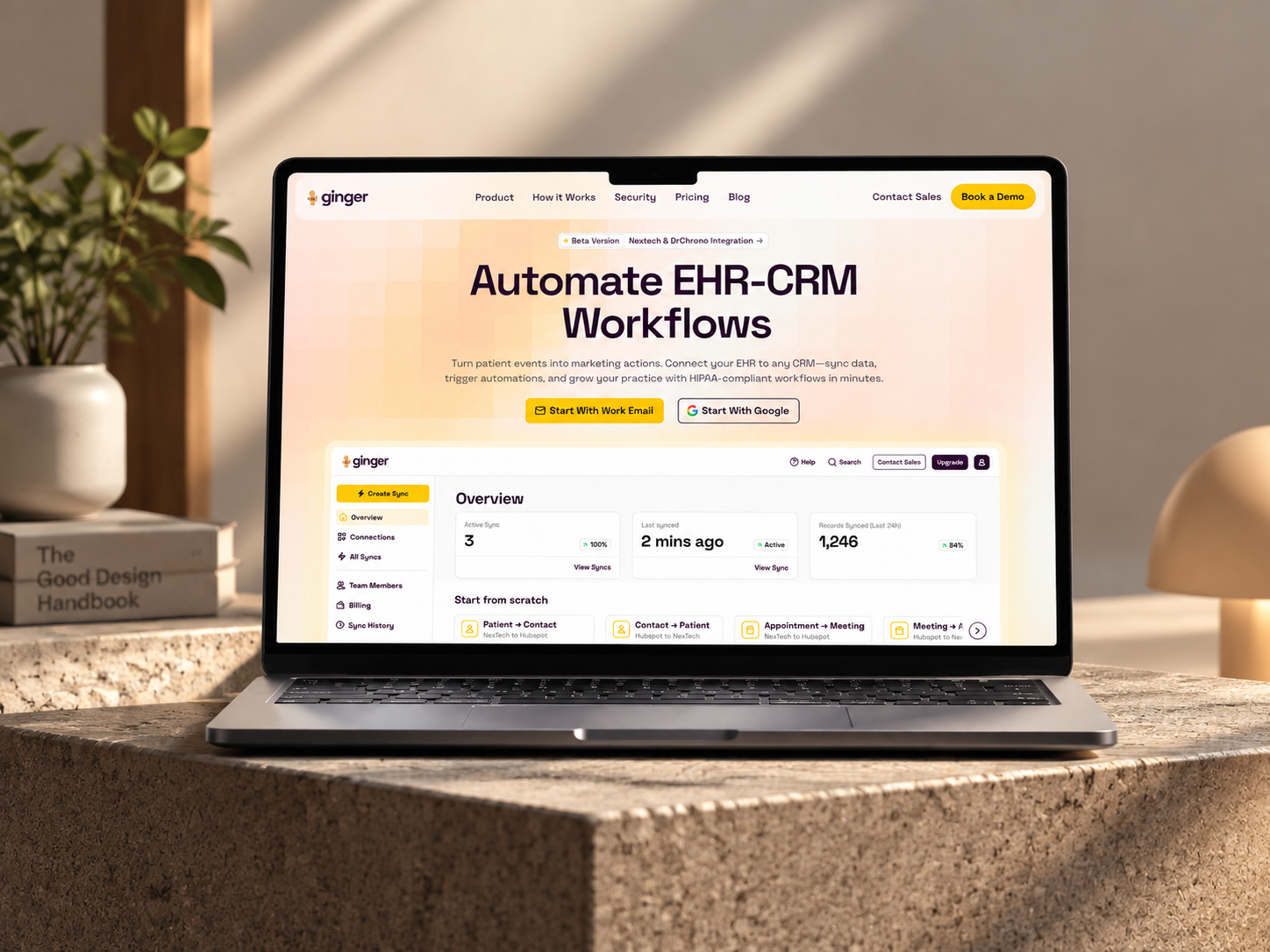
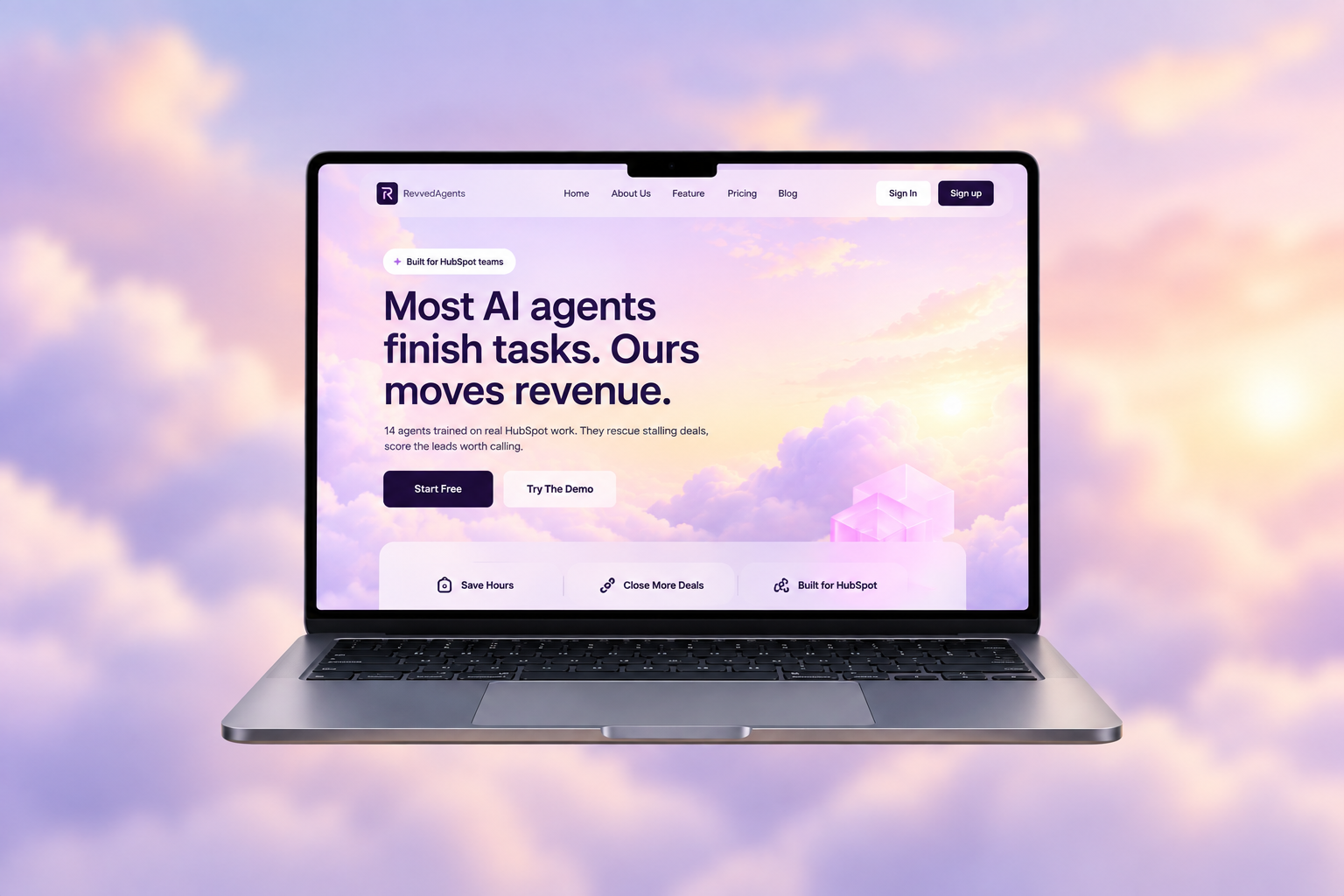
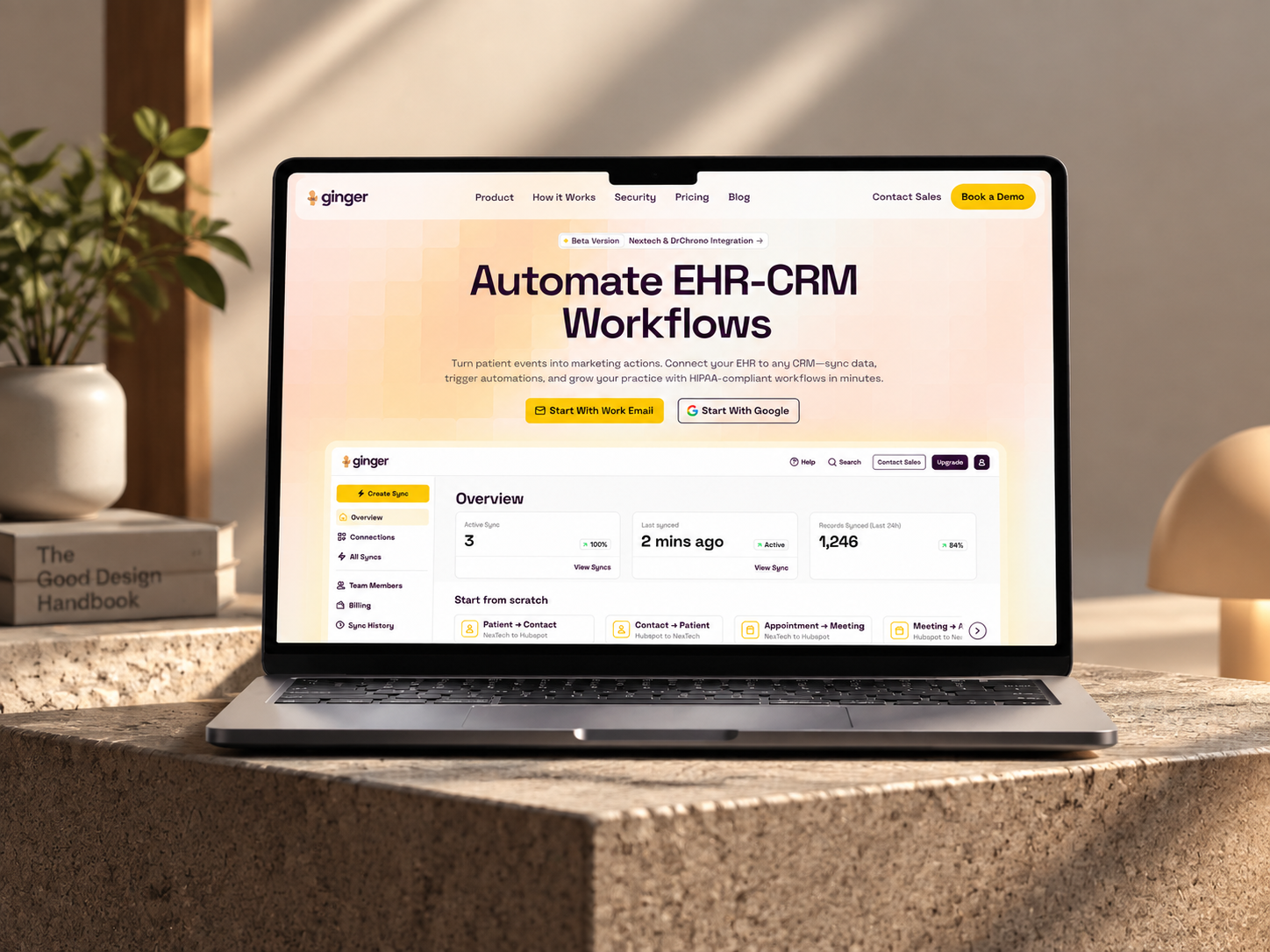
Leva Medical lacked Nextech–HubSpot integration, limiting marketing insights. HubXpert enabled secure, real-time sync for smarter, compliant patient engagement.
DevOPS
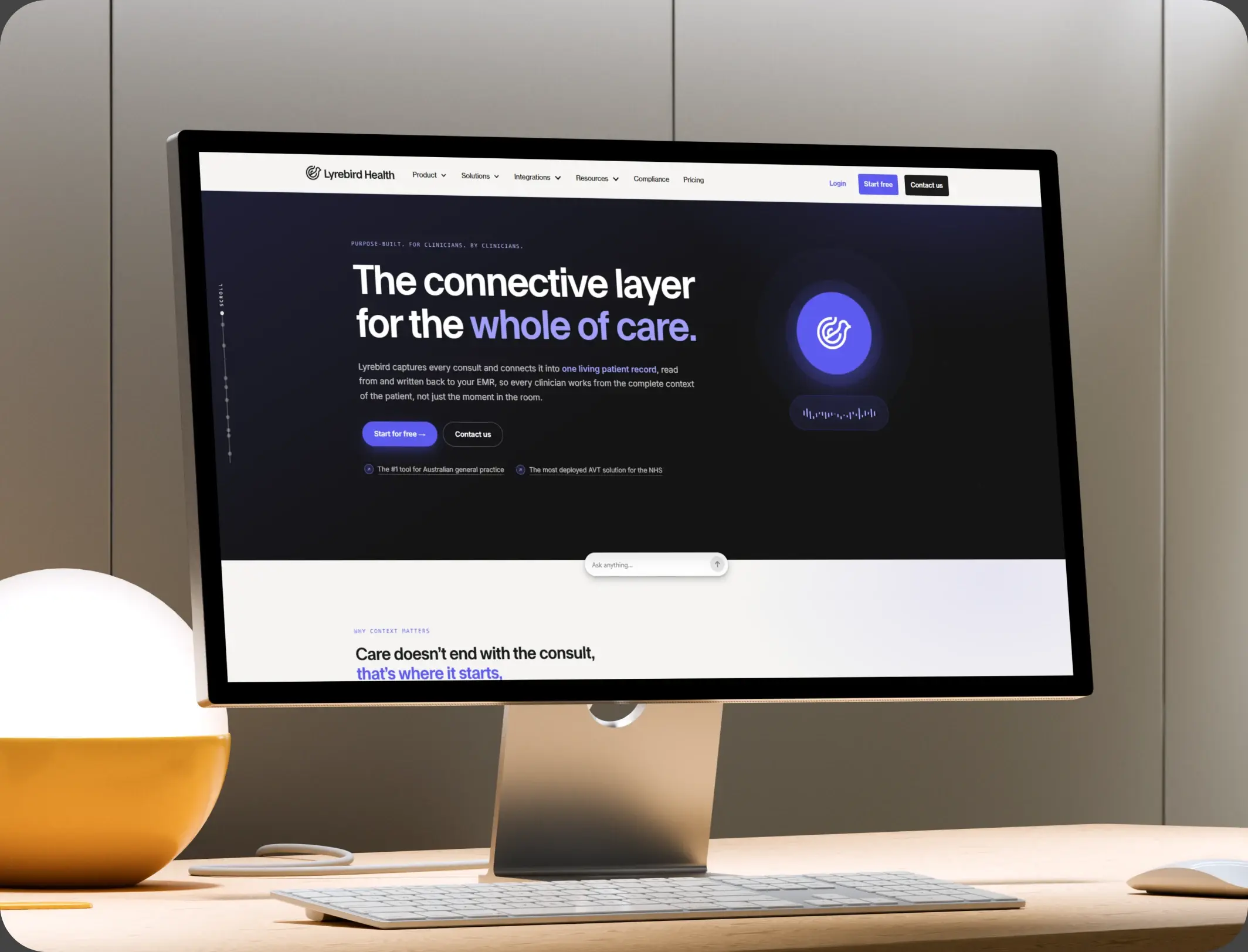
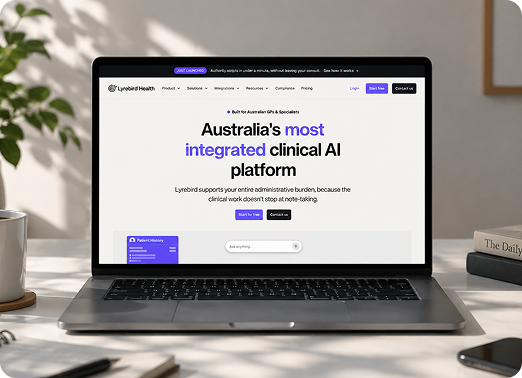
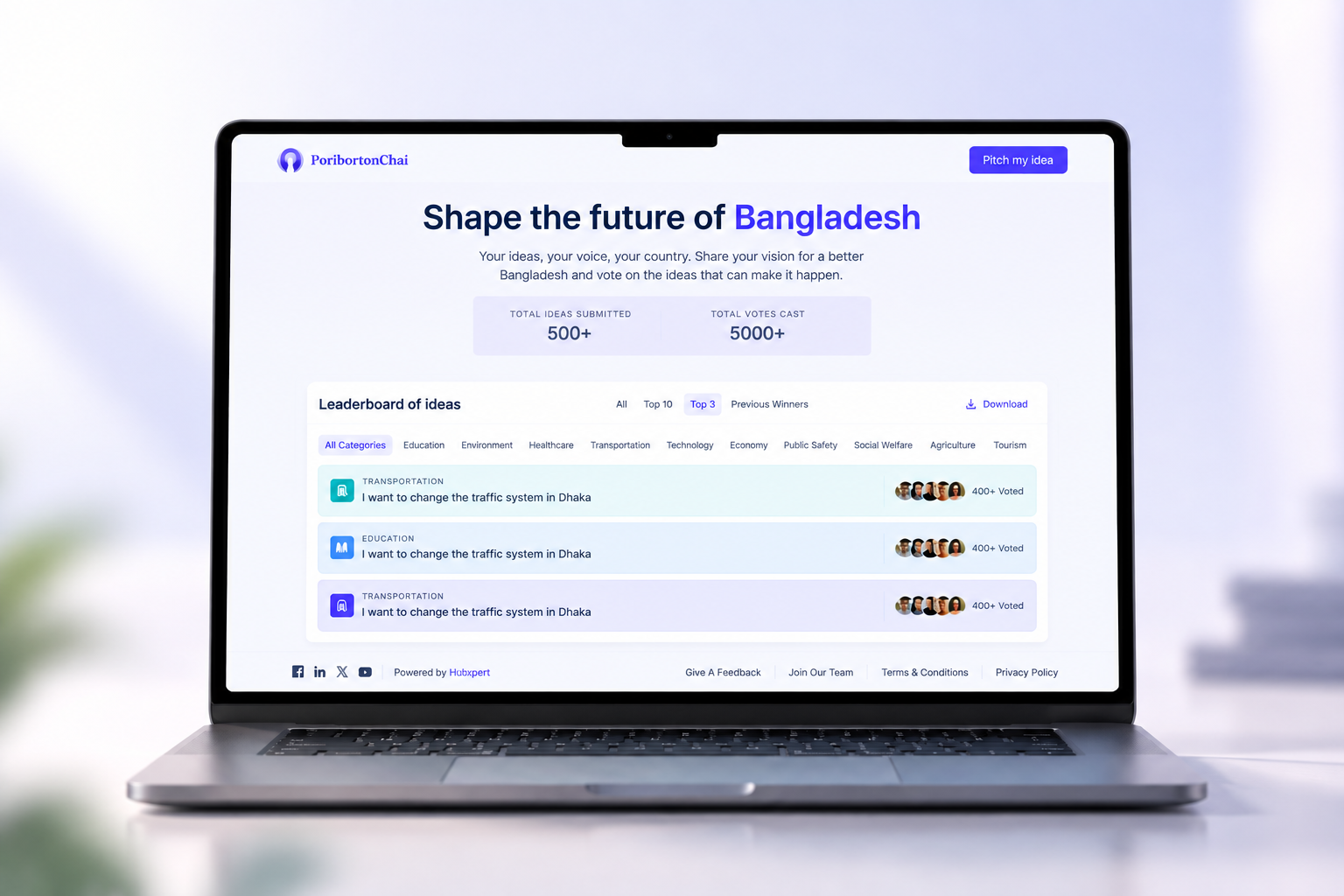
Lyrebird Health is a Healthcare SaaS company building AI-powered scribe and diagnostic solutions for clinics and hospitals.
DevOPS
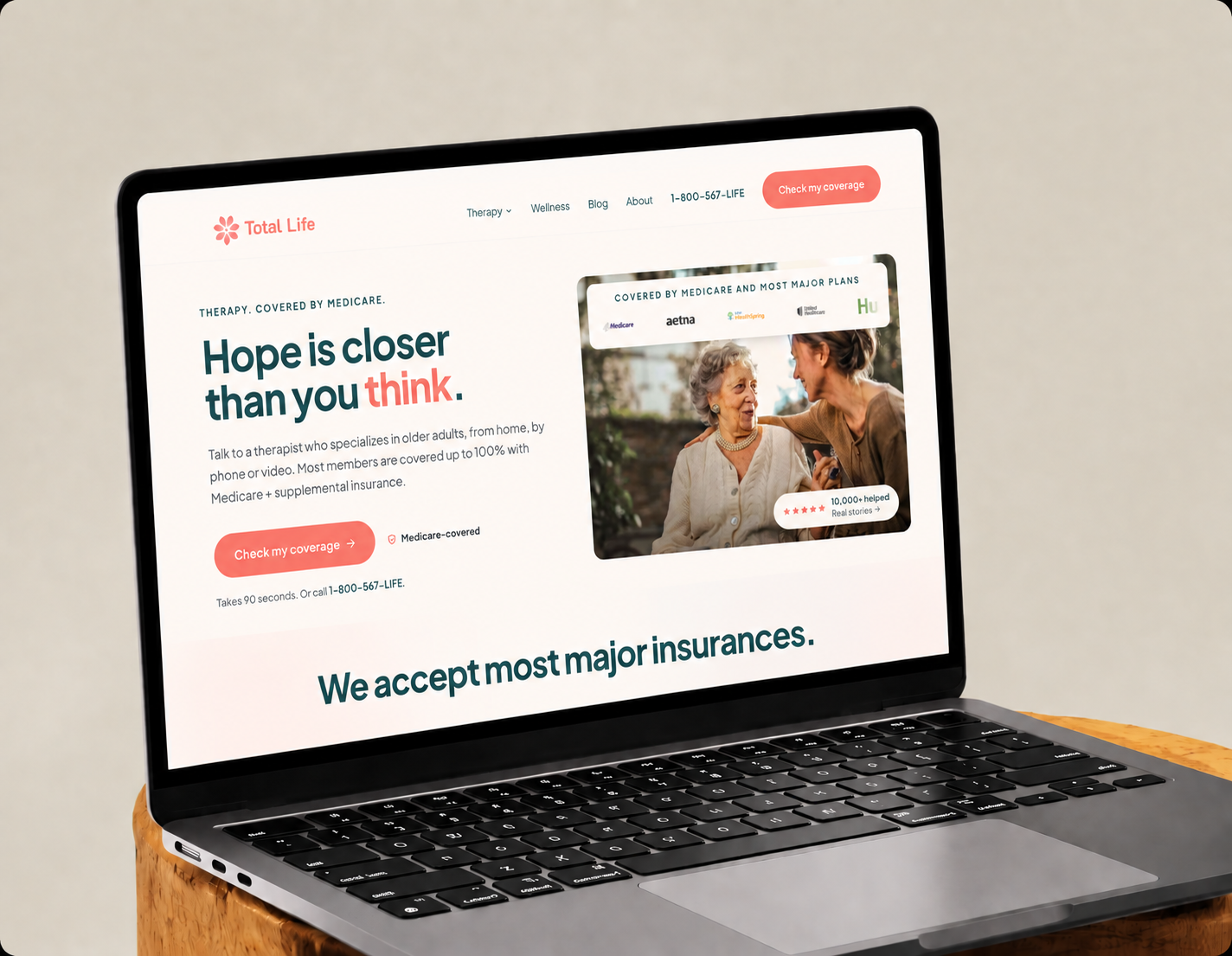
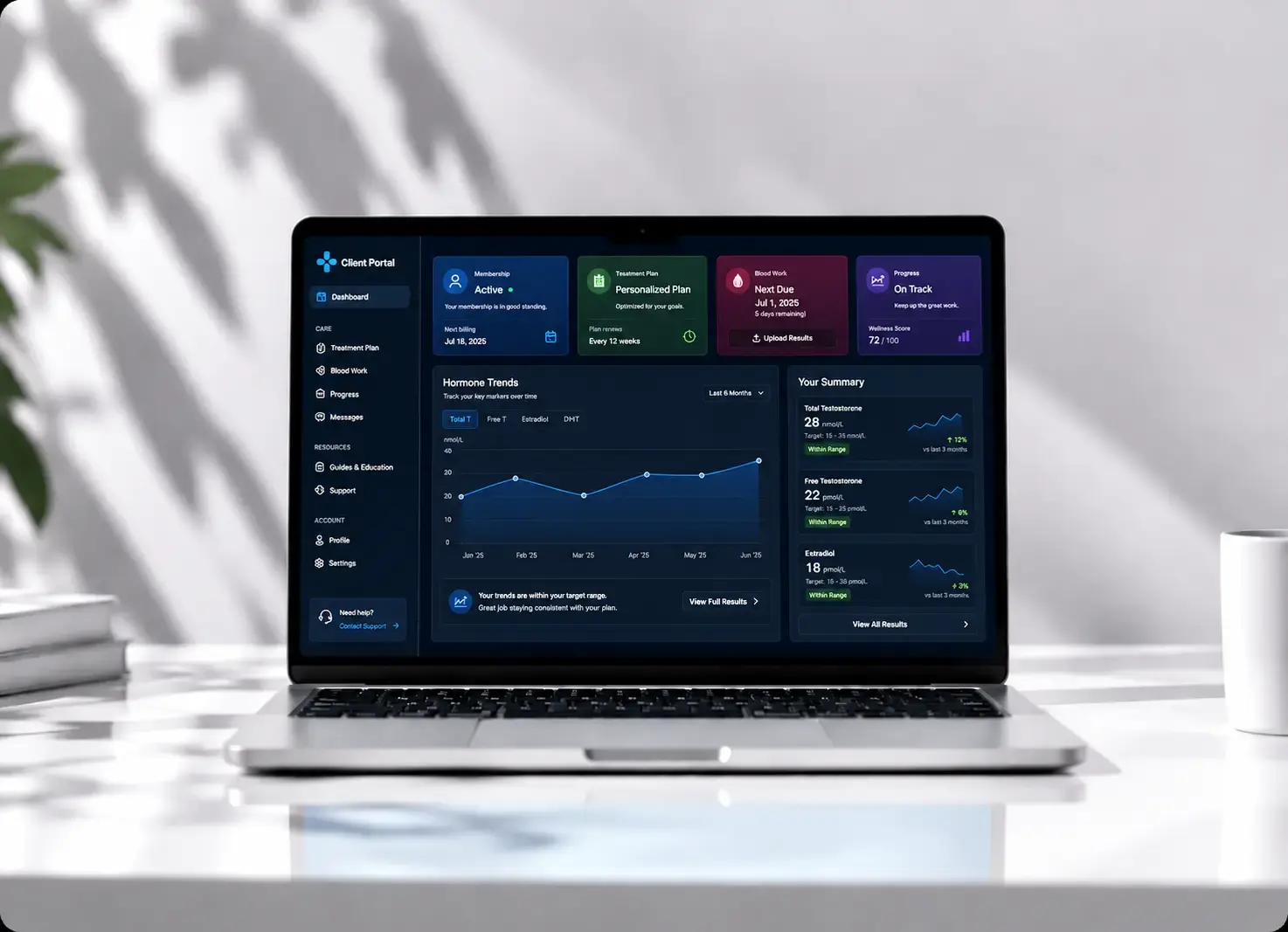
HubSpot portal empowers the Customer Service team to validate data, coordinate reports with doctors, and process pharmacy orders efficiently.
Clinical content, congresses, and digital campaigns produce opportunities tagged to the device family they belong to. Congresses and clinical content start most evaluations.
Committee status, evidence requests, and territory ownership stay visible through a long purchasing cycle. Committee status has to survive between meetings.
Closing an order starts delivery, installation, training, and service tasks, with the commercial history attached.
Service records, contract dates, and device age identify where upgrades and renewals belong next.
Each opportunity is assigned by geography, product line, and account ownership, with a response target and an alert if it slips.
Partner-sourced opportunities carry the distributor, territory, and agreement terms, so attribution survives the whole cycle.
A stage records evaluation status, with tasks for the clinical evidence and documentation each committee requests.
Signature starts delivery, installation, and training tasks, plus the customer welcome sequence and service handover.
Contract and warranty dates raise an alert ninety days out, with the service history attached.
Device age and usage patterns create an upgrade conversation with the account owner, timed to the replacement cycle.
Where a safety or technical notice must reach installed sites, the workflow sends it per account with confirmation tracked.
Certified platform expertise, with a track record across healthcare workflows and portfolio-driven manufacturers.
Built around your device families, distributor agreements, and service model. No generic templates.
Multi-step workflows and conditional logic built for evaluations, handoffs, and replacement cycles.
Clean imports from your current CRM, ERP exports, or spreadsheets, with account history intact.
An in-house team connecting HubSpot to your ERP, service desk, and distributor portals.
Continuous refinement as product lines and territories change.
Where device data touches patient information, HubSpot signs a Business Associate Agreement on Enterprise plans and a super admin enables Sensitive Data settings. Clinical detail stays with the provider, and the CRM carries the commercial relationship, the service history, and the contract.
Not every manufacturer needs every hub. Here is how each one lines up with a portfolio and a distributor network.
Your demand engine: clinical content, congress campaigns, and nurture for committees that research for months. Campaigns and renewal sequences run from the same account record.
Built for multi-product pipelines, territory routing, and forecasting across channels. Each opportunity carries an owner, a territory, and a next step.
Where installation, training, service requests, and field escalations stay attached to the account. Service sees the account history before dispatch.
Powers the website and clinical evidence library with built-in SEO, so product pages stay current. Product pages get edited without a developer.
Connects ERP, service, and distributor data, and keeps account and partner records clean. Records stay matched across systems instead of drifting.
Holds the datasets behind install base and contract data, so reporting survives a warehouse connection.
Yes, when it is built for a portfolio and a channel. Product families, distributor agreements, and service contracts are the three structures a basic CRM cannot hold. Most teams see the difference within the first quarter of live workflows. The CRM carries the commercial record, not the clinical one.
It can. Partner accounts, territories, and agreement terms sit alongside direct deals, so routing and attribution both follow the same rules. Cycle time is tracked, so the improvement is measurable.
Yes. Purchases, contract dates, warranty status, and service history live on the account, so upgrades and renewals are triggered rather than remembered. The sequence is matched to the buying role.
Where a safety or technical notice must reach installed sites, the workflow sends it per account and tracks confirmation, which is far better than a mail merge. Nothing is assumed native until the connector is confirmed.
Often through a native integration, otherwise an API or middleware. Orders, contracts, and service data are the useful parts, and the sync direction is scoped first. Automation never sends a claim nobody signed off on.
Where patient data is involved, HubSpot offers a Business Associate Agreement, and HIPAA data requires an Enterprise hub with Sensitive Data settings enabled by a super admin. That is how cost per closed order becomes visible.
Yes. Territory routing, distributor ownership, and market-level reporting work per region, with one commercial picture above them. We map which fields may hold patient data before launch.
Most run eight to twelve weeks, depending on ERP integration and how many product lines are in the first phase. Clinical detail stays with the provider.
Ready to Grow Your Medtech Business With HubSpot?
A portfolio is being evaluated in several territories right now, and the deal moves or stalls on whether your team can see every stakeholder and every partner. We build around your products, your distributors, and your service model. No generic setup, and no partner order left unattributed.