
























Attract Prospective Patients
SEO, paid campaigns, and forms capture inquiries from people researching programs, before a competitor's ad reaches them.
Most patients do not quit because the medication stopped working. They quit between one refill and the next, often before reaching their goal. For GLP-1 weight loss programs, that gap is where revenue quietly disappears, so HubSpot tracks every dose and flags discontinuation risk early.

Teams that leveled up their growth with HubXpert
GLP-1 programs run on a monthly cycle of dosing, check-ins, and refills. Most discontinuation happens quietly in that gap, not during a visit.
Many patients stop before reaching their goal because of price or tolerability, not lack of results.
A form fill at nine at night waits until morning. By then the patient has compared two other clinics and booked with one of them, and your ad paid for it.
A titration visit that never gets scheduled stalls the program. Without a task tied to each milestone, nobody notices until the patient is three weeks behind.
Refill requests arrive by phone, questions by email, and side-effect concerns by text. Nobody holds the full history when the patient finally calls.
Ad spend, referrals, and organic all claim the same start. Without attribution, the next budget is a guess and the cost per retained patient stays unknown.
Five areas where a clinic can keep patients on program and see what is actually filling the schedule.
Centralize forms, calls.
Group patients by program type.
Stay present while prospective patients decide.
See which channels bring patients who start.
Respond to every inquiry without delay.
Send reminders before each consultation.
Match messaging to each patient's goals.
Flag prospects who went quiet before booking.
See each patient's next dose and check-in date.
Prompt patients before a refill is due.
Keep dose titration visits on the calendar.
Surface patients who skipped a step.
Identify patients showing early warning signs.
Reach out before a patient quietly disappears.
Surface financing or program options proactively.
See how many at-risk patients actually stay.
Connect every inquiry to its original channel.
See which campaigns bring started programs.
Analyze performance across services and channels.
Focus budget on channels.
A privacy-conscious intake, role-based access.
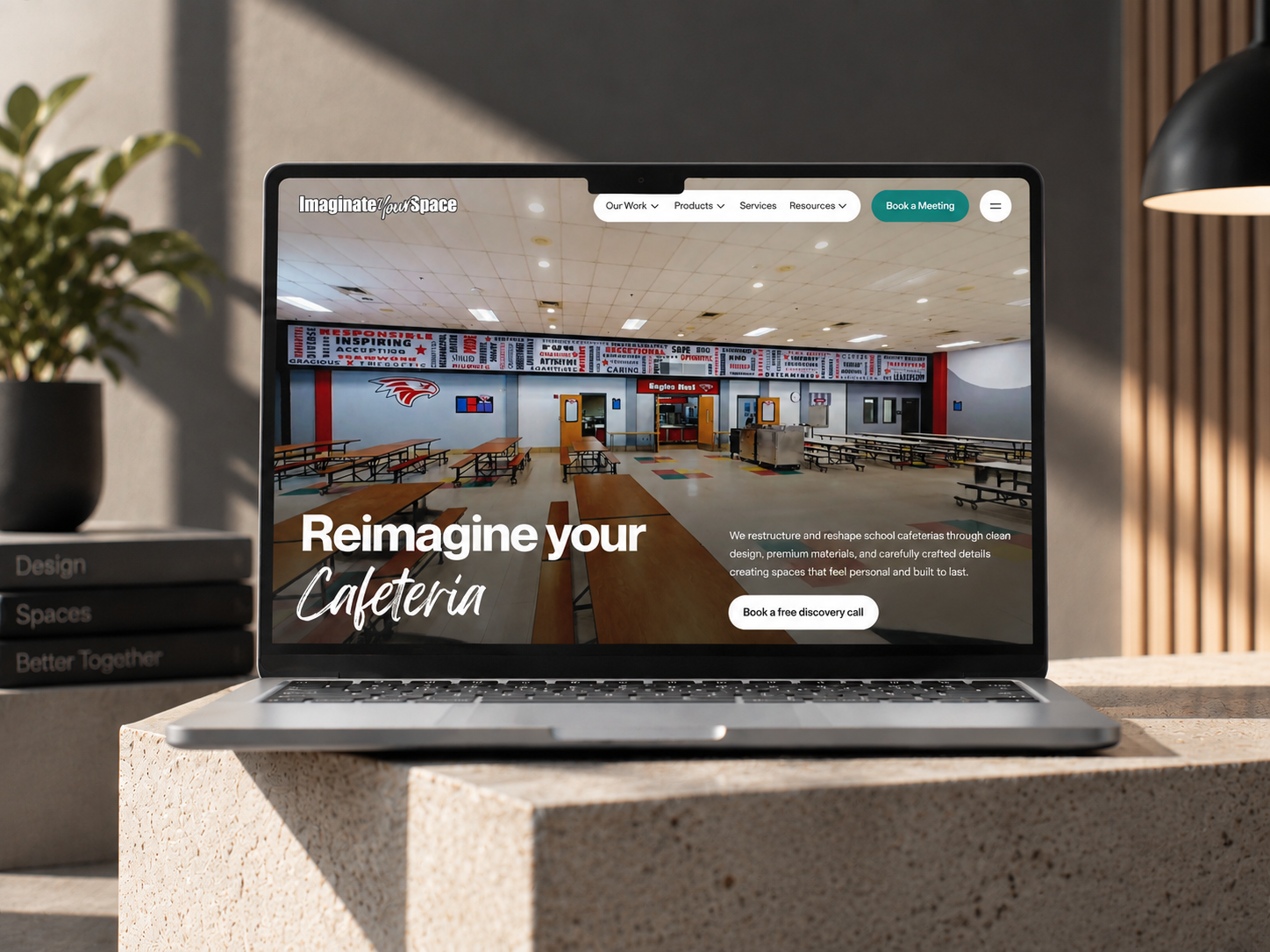
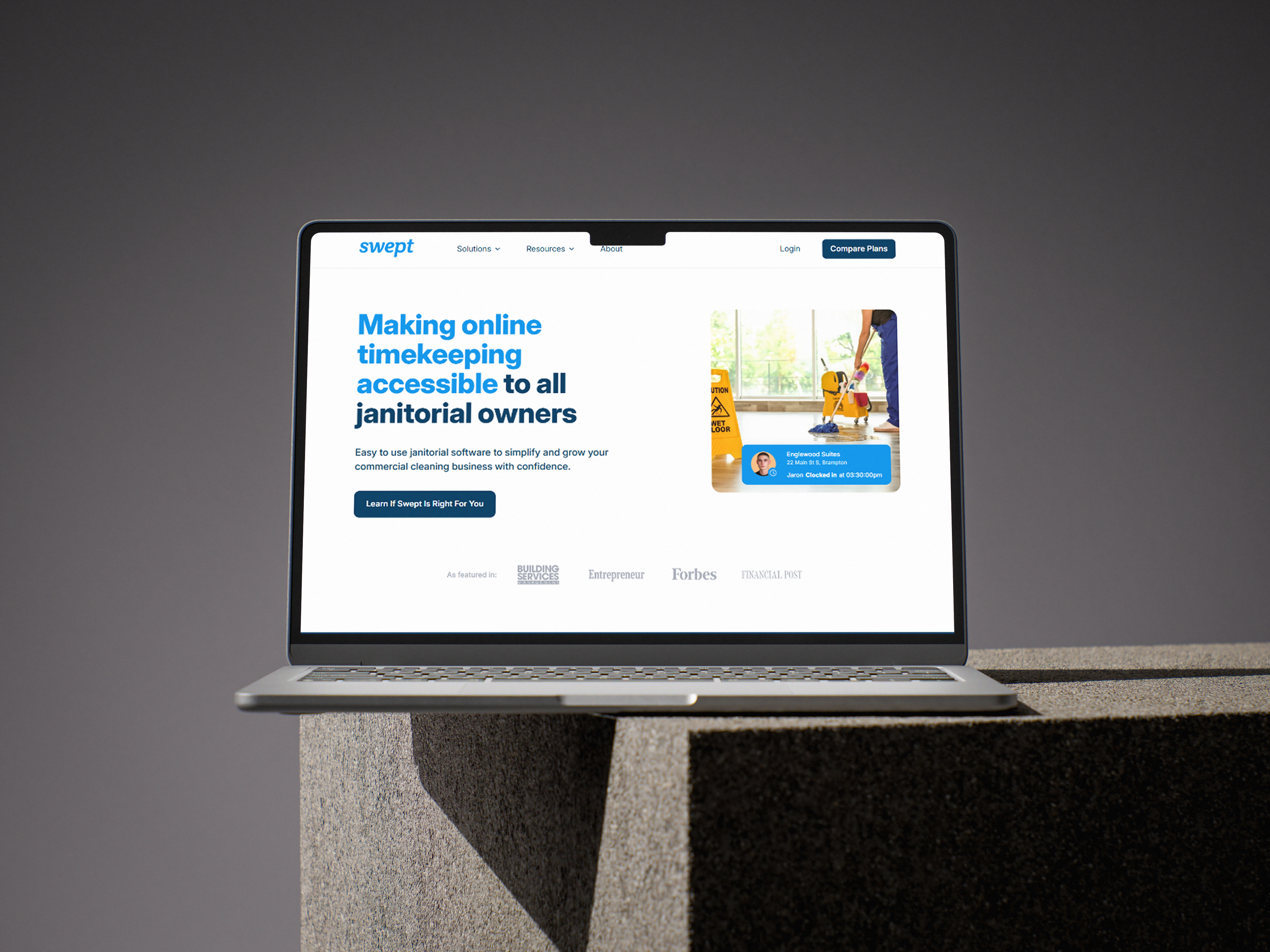
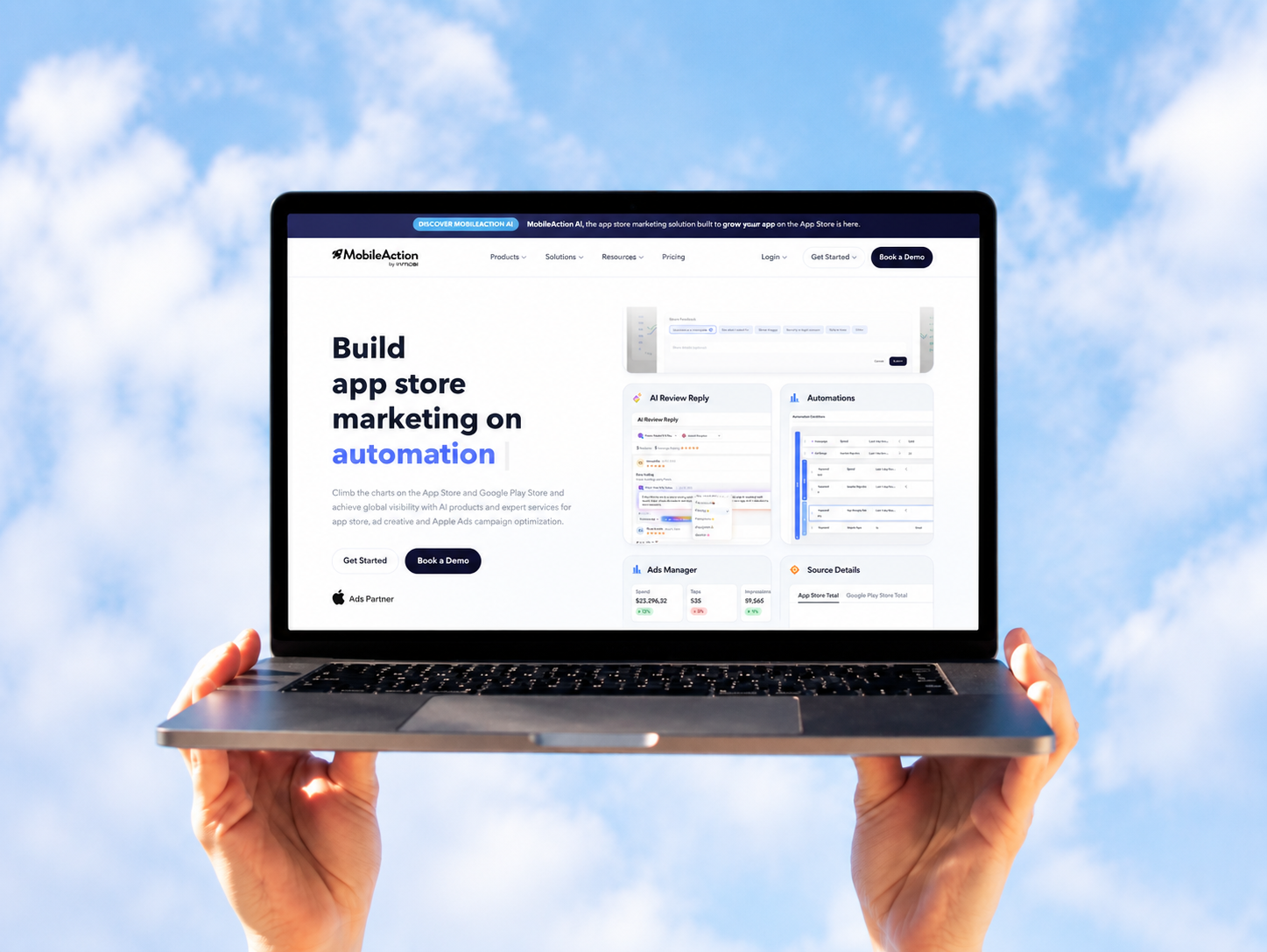
A curated selection of HubSpot implementations and digital marketing campaigns that moved the needle for our clients.
WEBOPS
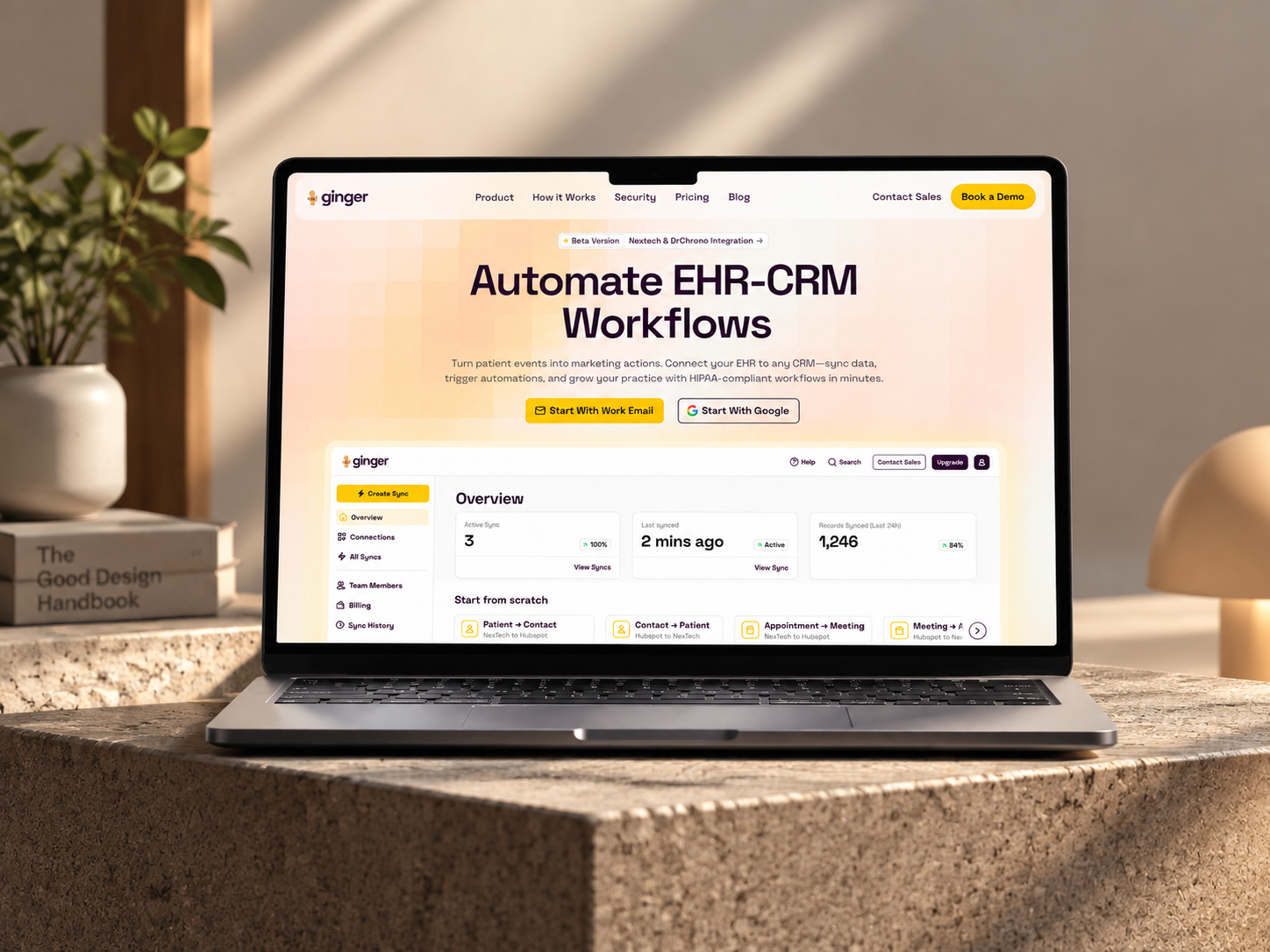
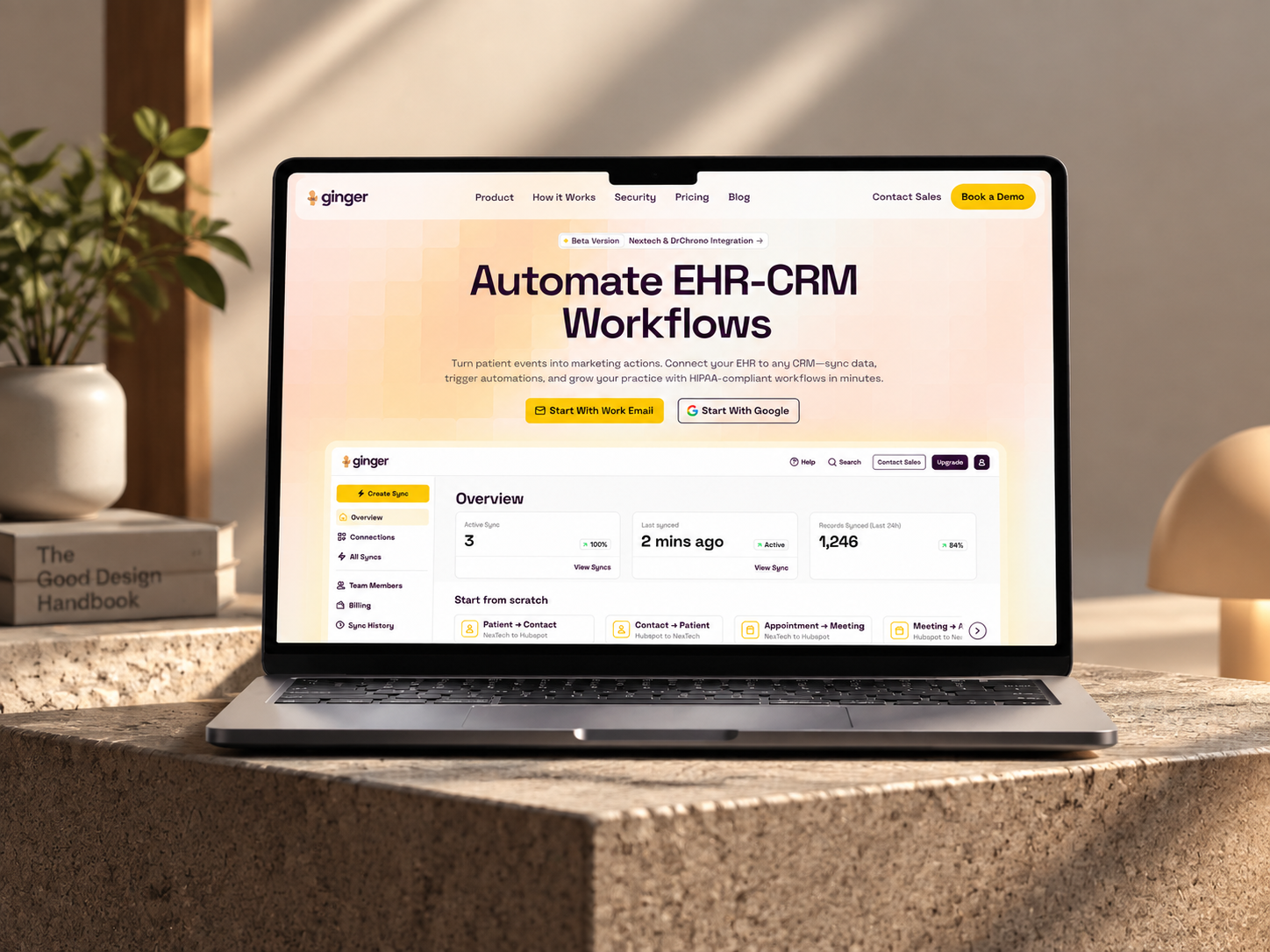
Leva Medical lacked Nextech–HubSpot integration, limiting marketing insights. HubXpert enabled secure, real-time sync for smarter, compliant patient engagement.
DevOPS
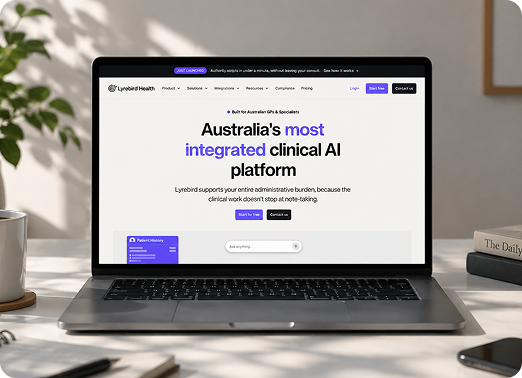
Lyrebird Health is a Healthcare SaaS company building AI-powered scribe and diagnostic solutions for clinics and hospitals.
DevOPS
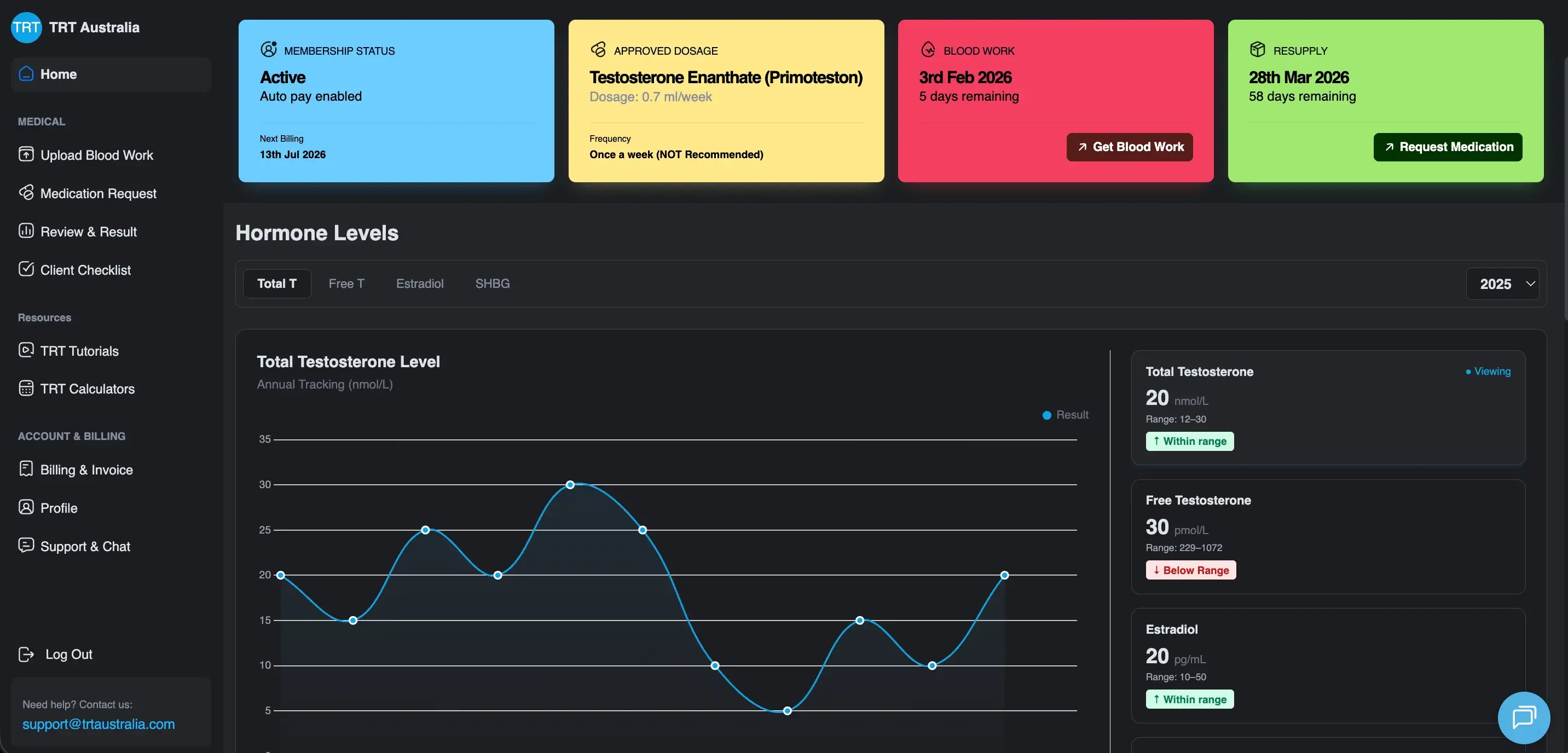
HubSpot portal empowers the Customer Service team to validate data, coordinate reports with doctors, and process pharmacy orders efficiently.
SEO, paid campaigns, and forms capture inquiries from people researching programs, before a competitor's ad reaches them.
Automated follow-up moves a prospect from inquiry to a scheduled first visit, with reminders that cut no-shows.
Reminders and check-in scheduling keep patients on track month to month, through titration and dose changes.
Discontinuation scoring and outreach keep patients engaged through their program, before a gap becomes an exit. A save is cheaper than a new start.
Instant confirmation, front-desk task, automated follow-up if unbooked, with a second attempt the next morning.
Reminders at 48 hours, 24 hours, and the morning of, which is where most no-shows are recovered. Anyone who confirms exits the sequence immediately.
Automated reminders ahead of each patient's scheduled refill date, stopping once payment or booking confirms. A missed refill escalates to a care team task.
Titration check-ins scheduled automatically as a program progresses, with a task when one is missed. Each check-in records against the patient timeline.
An internal task created when a patient shows signs of disengaging, routed to the care team with the history attached. The care team sees the history before calling.
Financing information sent automatically when cost is flagged as a barrier, before the patient decides to stop. Approval status updates trigger the next message.
Certified platform expertise, with a track record across healthcare workflows and patient communication.
Built around your program structure, refill cycles, and team roles. No generic templates.
Multi-step workflows, conditional logic, and behavioral triggers built for refill timing.
Clean data imports from your existing CRM or spreadsheets, structured properly from day one.
An in-house team connecting HubSpot to your EHR and billing systems.
Continuous refinement as your program mix and patient base grow.
HubSpot signs a Business Associate Agreement on Enterprise plans, and a super admin can enable Sensitive Data settings. Weight loss marketing faces some of the strictest FTC advertising rules of any category, so claims and before-and-after content stay out of automated sends until compliance approves them.

Not every clinic needs every hub. Here is how each one lines up with the goals a weight loss practice brings to HubSpot.
Your acquisition and retention engine: campaigns, landing pages, and refill reminder automation. Campaigns and refill sequences run from the same patient record.
Built for consultation pipelines and tracking program enrollment from first inquiry to first dose. Each stage carries an owner and a next step, so a consult never waits on memory.
Where patient support, check-in scheduling, and follow-up get organized and tracked. The front desk reads the history before answering a refill question.
Powers the website and blog with built-in SEO and content performance tracking, so program pages stay current. Program and location pages get edited without waiting on a developer.
Connects your systems, syncs data with the EHR, and keeps records clean across locations. Records stay matched across locations instead of drifting after each import.
It manages patient inquiries, automates refill and check-in reminders, flags discontinuation risk, and shows which marketing produces retained patients rather than one-off starts.
Yes. Reminders are scheduled around each patient's dosing and check-in cycle, so a prompt arrives before the refill is due, not after it lapses. A missed check-in creates a task the same day.
Engagement signals can be scored, so a patient who stops replying or misses a check-in raises a task for the care team before they disengage. The score is reviewed by a person, never acted on blind.
In many cases, through a native integration, a custom API, or middleware, depending on your systems. The fields and sync direction are scoped before anything is built. Nothing is assumed native until the connector is confirmed.
We build the systems, and your compliance team approves the words. Claims, testimonials, and before-and-after content go through review, because FTC rules in this category are strict. Automation never sends a claim nobody signed off on.
Yes. Each inquiry is tracked from first click to retained patient, so campaign performance is measured on starts that stay, not leads captured. That is how cost per retained patient becomes visible.
HubSpot offers a Business Associate Agreement, and HIPAA data requires an Enterprise hub with Sensitive Data settings enabled by a super admin. Most clinics keep clinical records in the EHR.
Through configuration: limited access, governed workflows, encrypted connections, and no sensitive clinical detail stored where it does not belong. Clinical detail stays in the EHR, where it belongs.
Ready to Grow Your Weight Loss Clinic With HubSpot?
Somewhere in your patient list, someone is deciding whether next month's refill is worth it. The question is whether your systems reach them before they decide. We build around your patients, your programs, and your goals. No generic setup, and no refill left to a reminder nobody sent.