


















Attract Patients
Search, partner clinics, and paid social bring enquiries in, with the source recorded at first touch. Most patients compare three or four providers before deciding.
A patient requests quotes from three hospitals before trusting anyone with their care. Speed matters, but so does proof: credentials, outcomes, and a coordinator who answers the awkward questions. HubSpot keeps every quote, concern, and recovery check-in on one record from first enquiry through to the flight home.

Teams that leveled up their growth with HubXpert
Patients request pricing from three or four providers before deciding. Without fast, organized follow-up, even a strong quote loses to whoever replied next.
Appointment and payment systems do not nurture a patient through safety concerns, credential checks, or a second opinion. They take bookings once trust already exists.
Records, imaging, and test results move between countries, and the wrong handling is both a clinical risk and a legal one.
Accommodation, transfers, and companion travel around the procedure are where most complaints originate, and most providers coordinate them by hand.
Clinics, agents, and insurers send patients and hear nothing back. The next referral goes to a provider that closes the loop.
Search, partner clinics, and paid social all claim the same patient. Without attribution, marketing spend follows habit.
HubSpot for Medical Tourism Providers covers five areas where a provider can win more patients and keep them supported.
Forms, email, WhatsApp.
Procedure, destination, budget.
Stay present while they compare hospitals.
See which partners send patients who book.
A first reply the same day.
Procedure, stay, and transfers in one document.
A defined sequence after every quote.
Losses logged so the next quote improves.
Surgeon profiles and accreditation, on request.
What happens after the flight home.
A structured route for a review request.
A named contact, not a general inbox.
Airport pickup and accommodation dates.
Tasks at day three and day fourteen.
Travel and stay detail for whoever accompanies.
A check-in once the patient is home.
Source stored on every enquiry.
Referrals measured on completed cases.
Judged on booked procedures, not clicks.
A summary leadership can act on.
A HIPAA-conscious setup with role-based access.
A curated selection of HubSpot implementations and digital marketing campaigns that moved the needle for our clients.
HOSPITALITY
HubSpot End-to-End Guest Experience Automation for a Resort Villa - White Villas.
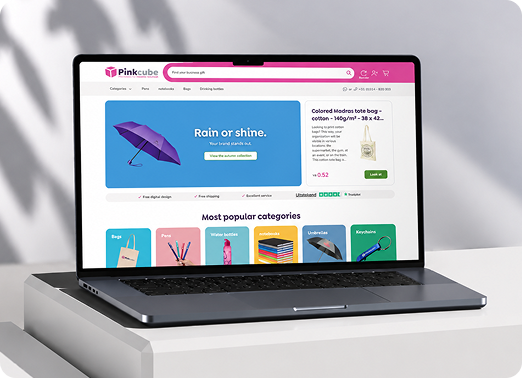
E-COMMERCE
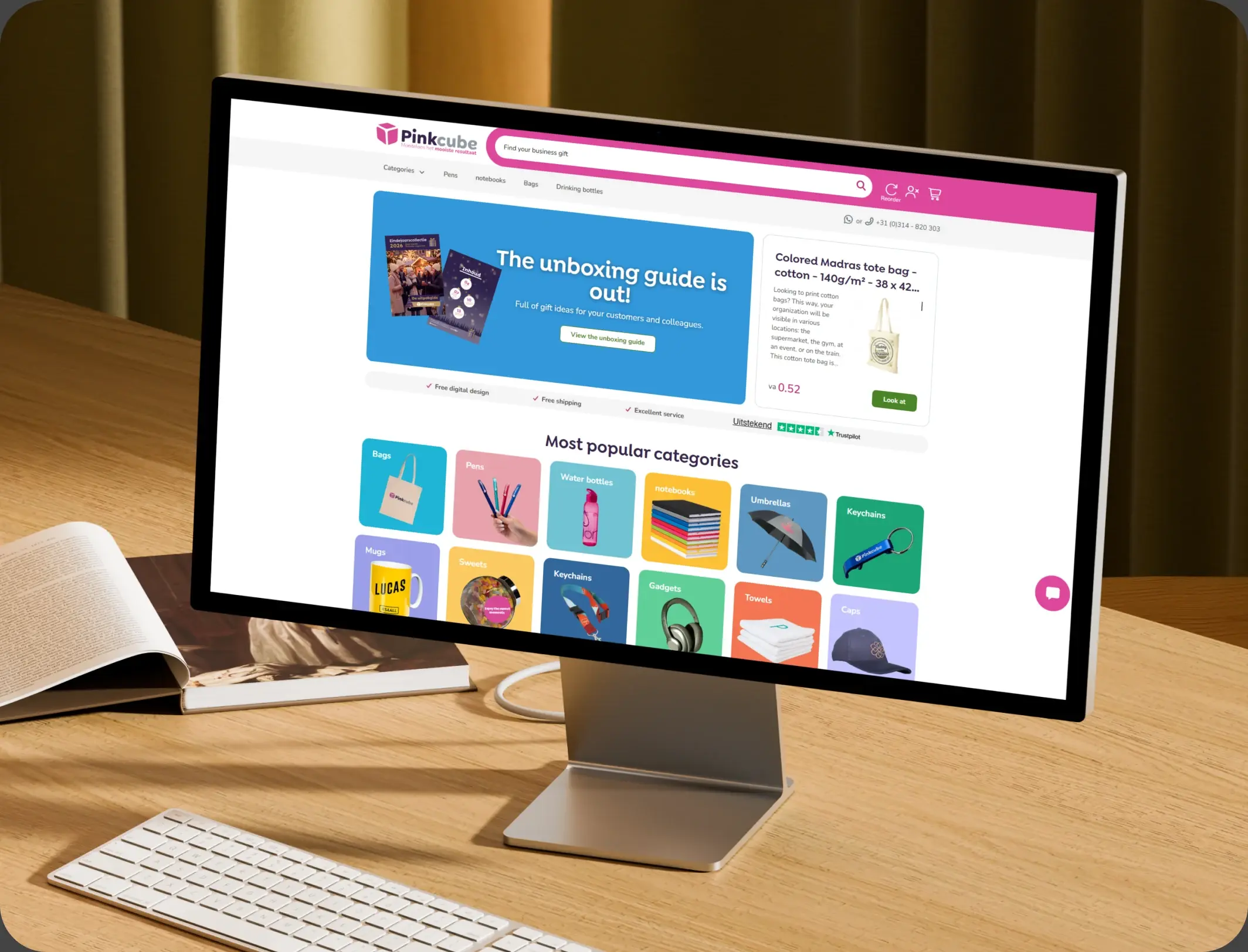
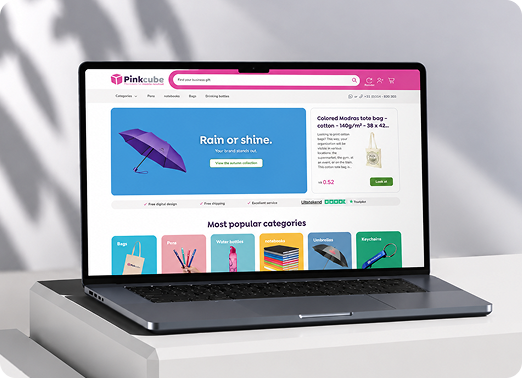
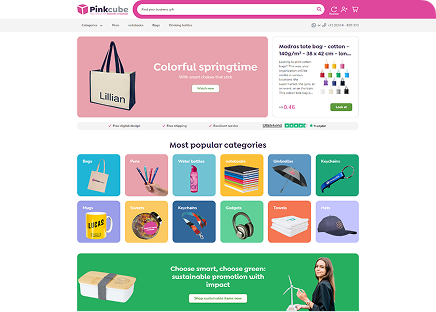
HubSpot Trengo to Service Hub Migration for an E-commerce Provider - Pinkcube.
TRAVEL & VISA
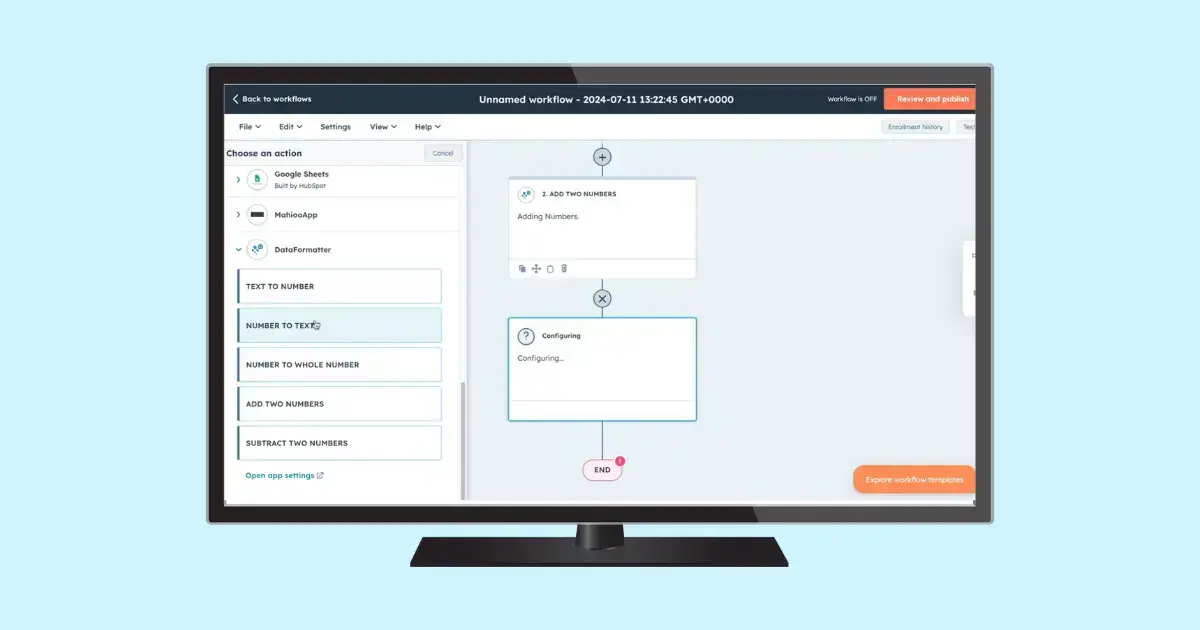
HubSpot Onboarding and Integration for a State-Owned Visa Company - Express Vietnam.
Search, partner clinics, and paid social bring enquiries in, with the source recorded at first touch. Most patients compare three or four providers before deciding.
A complete quote goes out the same day, followed by credential detail and a named coordinator. The first reply sets the tone for the whole decision.
Flights, transfers, accommodation, and companion travel run from the patient record. Credential questions arrive after the price.
Check-ins during recovery and after the flight home keep the patient supported and the referral partner informed.
An acknowledgement within the hour, a coordinator assigned by treatment, and a follow-up at 24 hours. Anyone who books exits the follow-up sequence.
A check-in at two days, credential detail at five, and a coordinator task if the patient is still comparing at ten. The quote names the procedure, the stay, and the transfers.
A structured request for a review, with the records checklist and a clinical contact assigned. Second opinion requests carry the records checklist.
Airport pickup, accommodation, and first appointment confirmed at 14 and 3 days before travel.
Tasks at day three and day fourteen, with a clinical escalation path when a patient reports a problem.
The sending clinic hears when the patient arrives and when treatment is complete, where consent allows.
A check-in two weeks after the flight home, with a review request and an aftercare reminder.
Certified platform expertise, with a track record across travel agency workflows and cross-border care coordination.
Built around your quote process, partner network, and recovery timeline. No generic templates.
Multi-step workflows and conditional logic built for long, cautious decisions.
Clean imports from spreadsheets or a legacy system, with patient history intact.
An in-house team connecting HubSpot to hospital systems, billing, and travel providers.
Quote conversion, partner performance, and case outcomes tracked from launch.
HubSpot signs a Business Associate Agreement on Enterprise plans, and a super admin can enable Sensitive Data settings so the portal may hold PHI. Clinical records stay in the hospital systems, and the CRM carries the quote, the coordination, and the communication record.

Not every provider needs every hub, and most start with Marketing and Sales before adding Service. Here is how each one lines up with cross-border care.
Your acquisition engine: treatment campaigns, partner content, and nurture for a cautious decision. Treatment campaigns run from the same enquiry record as the quote.
Built for the quote pipeline and the trust conversation behind it, where credentials matter as much as cost. Each enquiry carries an owner and a response window.
Where patient questions, arrival changes, and recovery concerns get tracked. Coordinators see the case history before calling. Most providers start with Marketing and Sales, then add Service as volume grows.
Powers the website and treatment content with built-in SEO, so procedure pages stay findable. Treatment and destination pages get edited without a developer.
Connects hospital, billing, and travel systems, most valuable across several destinations. Case data stays matched. Case data stays matched across destinations instead of drifting.
Yes. It runs the commercial and coordination side: enquiry capture, quoting, trust content, travel logistics, and recovery check-ins, while hospital systems keep the clinical record. Most providers see the difference within the first quarter of live workflows. The CRM carries coordination, not imaging.
A complete quote goes out the same day, with credential detail following at five days and a coordinator task if the patient is still comparing at ten. Quote conversion is tracked, so the improvement is measurable. Every workflow is tested before it reaches a patient.
A structured request captures the records needed and assigns a clinical contact, which is usually what turns a hesitant patient into a booked case. The sequence is matched to the procedure and the destination.
Tasks at day three and day fourteen run from the patient record, with an escalation path when something looks wrong. Nothing is assumed native until the connector is confirmed.
HubSpot offers a Business Associate Agreement, and HIPAA data requires an Enterprise hub with Sensitive Data settings enabled by a super admin. Records stay in the hospital systems. Clinical records never enter the CRM.
The sending clinic hears when the patient arrives and when treatment completes, where consent allows, which is how referrals keep coming. That is how cost per case becomes visible.
Yes. Destinations, hospitals, and coordinators are configured separately, with consolidated reporting. We map which fields may hold clinical data before launch.
Most run six to ten weeks, depending on integrations and how much patient history needs migrating. Records stay in the hospital systems.
Ready to Win More Patients Across Borders?
A patient is comparing your quote with two hospitals tonight, and the answer that reassures them wins the case. We build around your treatments, your partners, and your coordinators. No generic setup, and no quote left to go cold.