



























Attract the Right Marketer
Comparison pages and use-case content bring a buyer who already knows what they want replaced. Most evaluations begin with a comparison page.
Your buyer is a marketer, so your own emails, funnel, and signup flow are the first product demo whether you planned it or not. HubSpot helps martech companies survive that scrutiny, win the consolidation conversation rather than lose to a budget cut, and arm the champion who has to sell you internally.

Teams that leveled up their growth with HubXpert
A clumsy signup flow or a lazy nurture sequence tells a marketer everything they need to know before they book a call. Consolidation is the budget conversation, and it starts before your call.
Marketing leaders are consolidating tools, so a pitch that ignores that reality starts the conversation already behind. The champion sells you in a room you never enter.
Your buyer has to justify you to a finance lead, and they need material you supplied rather than a deck they built at midnight.
A marketer judges onboarding the way they judge their own campaigns, and one broken email sequence ends the evaluation.
A martech buyer will ask how you attribute, and a vague answer reads as a product that cannot.
A new customer who never ships a campaign by week three rarely renews, and nobody notices until the renewal call.
HubSpot for Marketing SaaS covers five areas where the buyer's own expertise becomes the sales advantage.
Every email judged as a marketer would.
Matched to an evaluation cycle.
What they actually came to solve.
Open, reply, and booked rate.
What this replaces.
Seats and subscriptions removed.
An answer for the finance lead.
Deals won on consolidation.
A one-page internal argument.
Benchmarks and references. A sequence.
Answers to the obvious questions.
What they opened and shared.
A clear definition of live.
Templates rather than a blank canvas.
No campaign by day ten raises a task.
Days from signature to first send.
A careful setup with consent recorded per channel, and subscriber data.
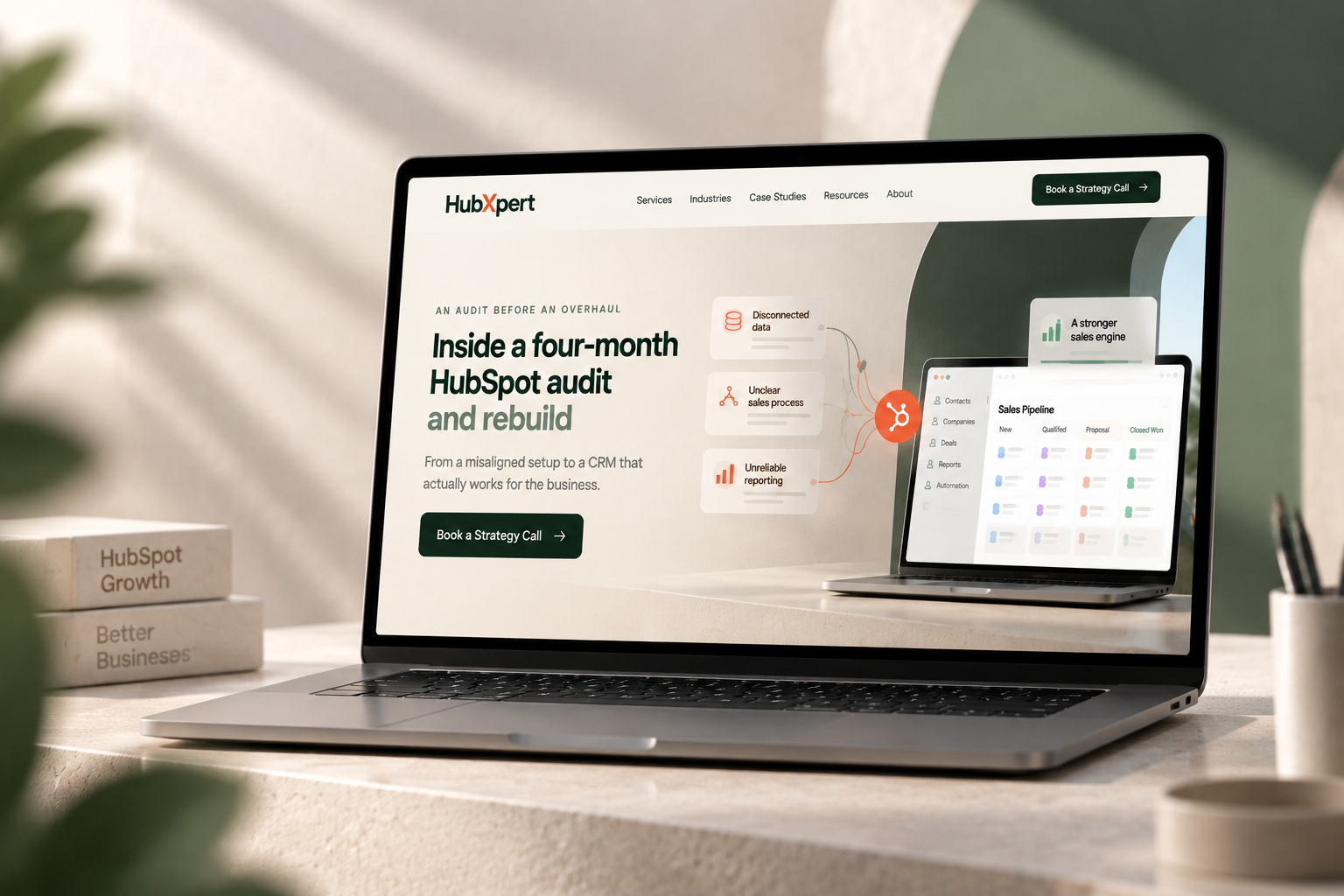
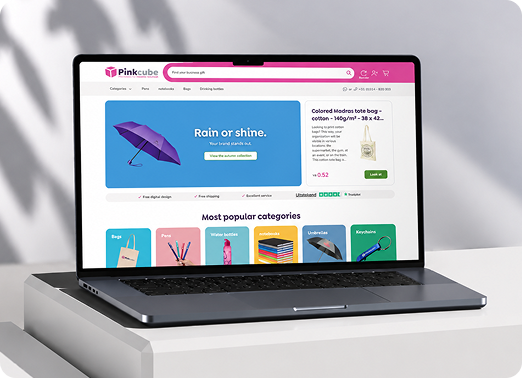
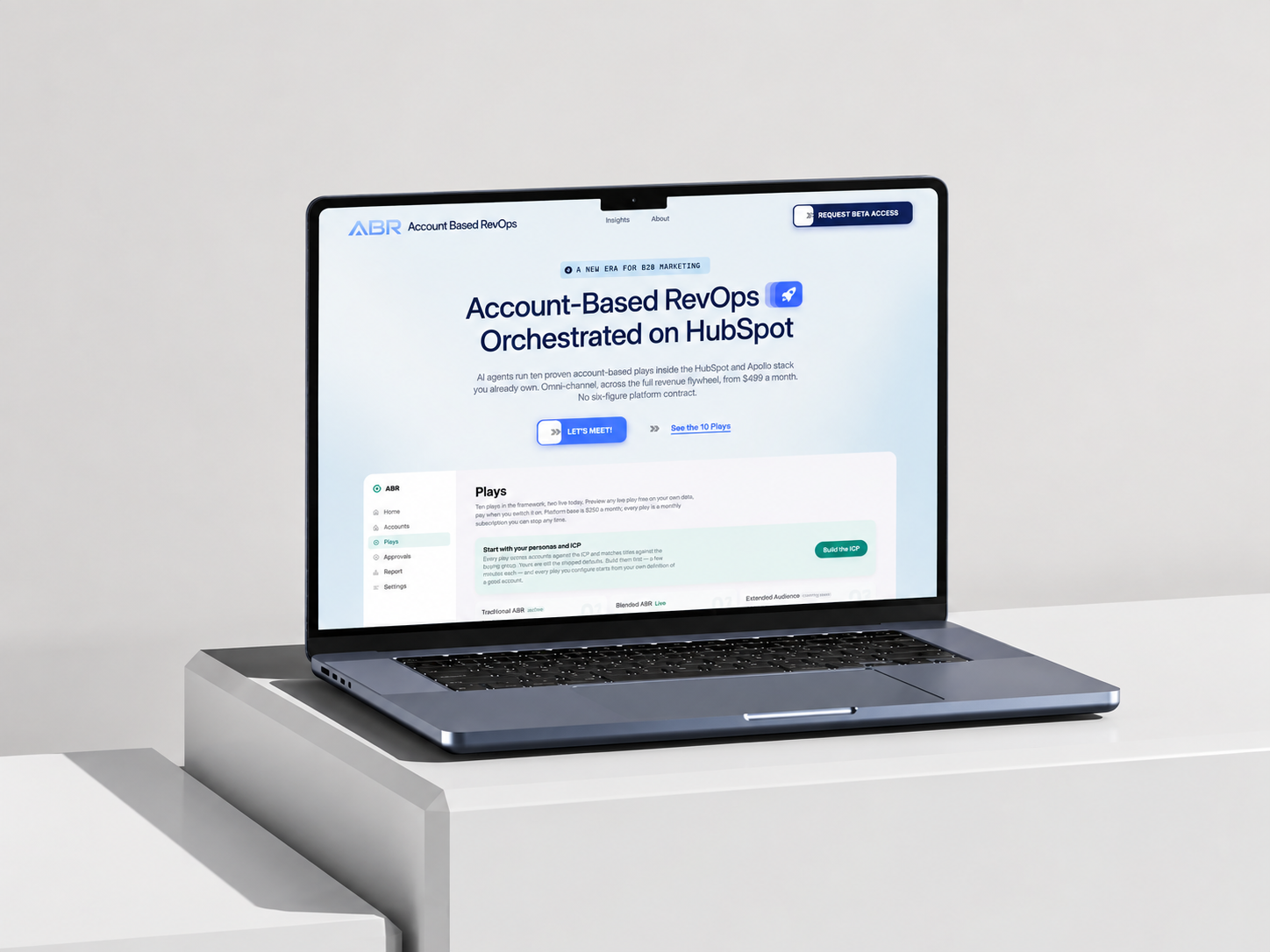
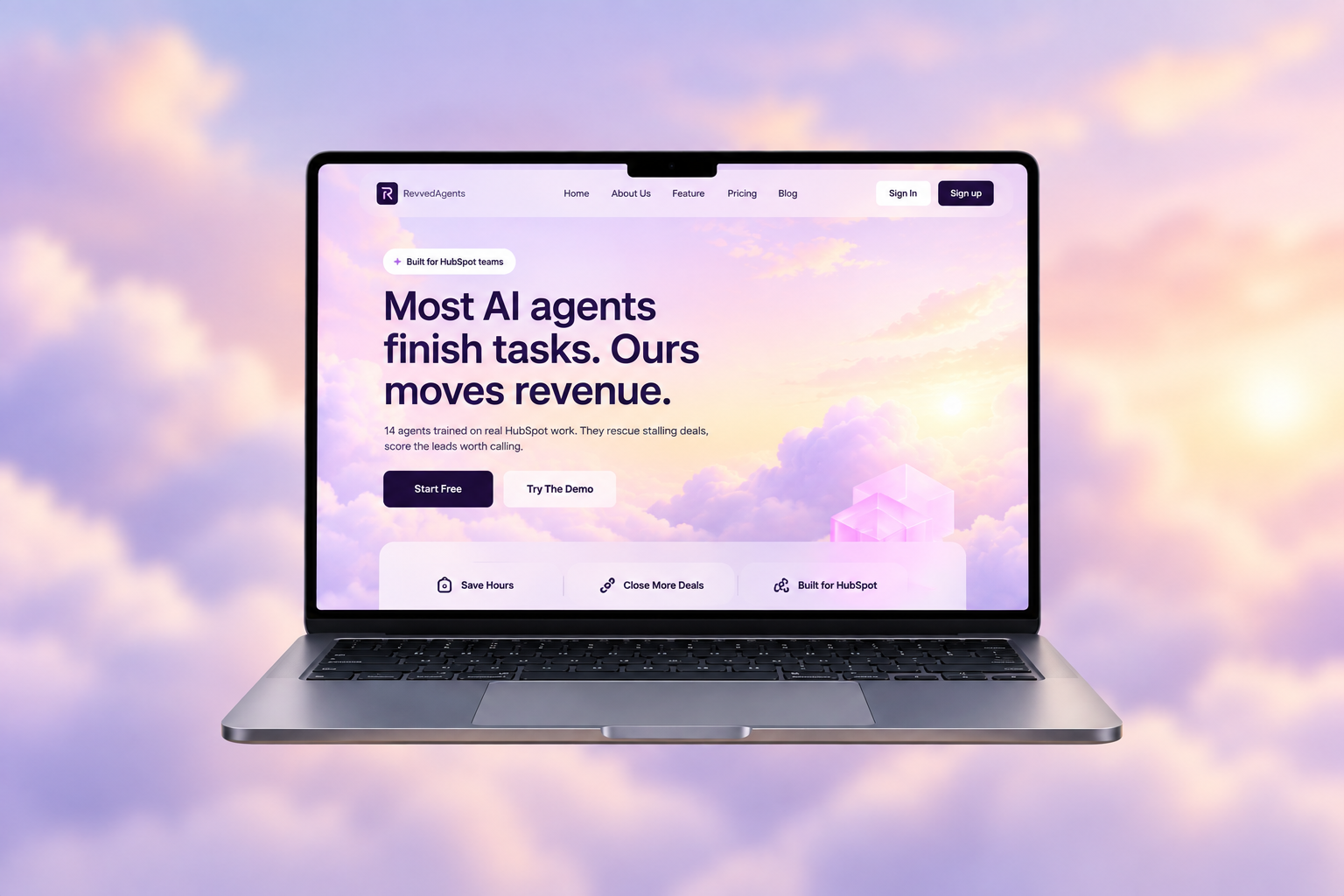
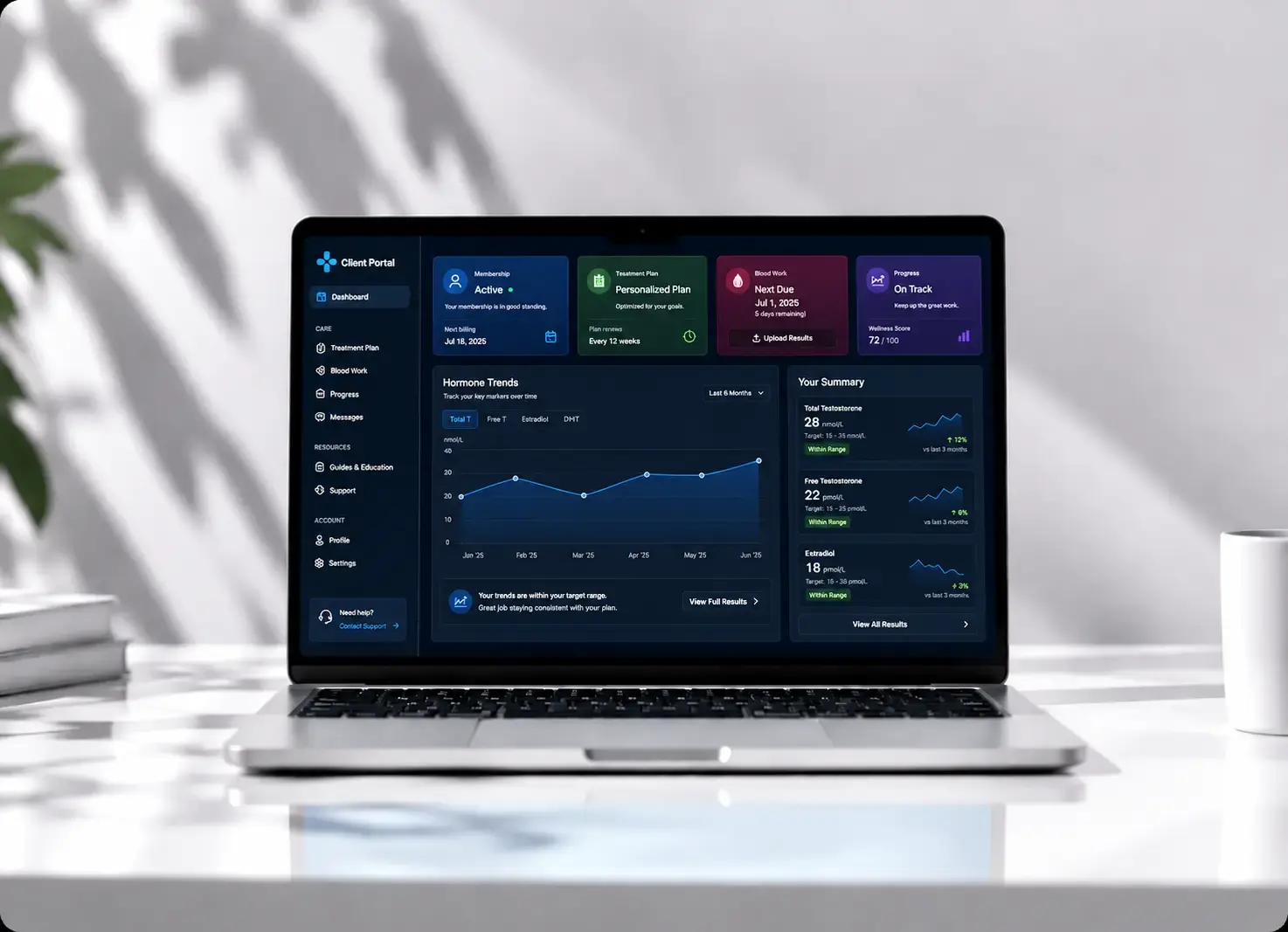
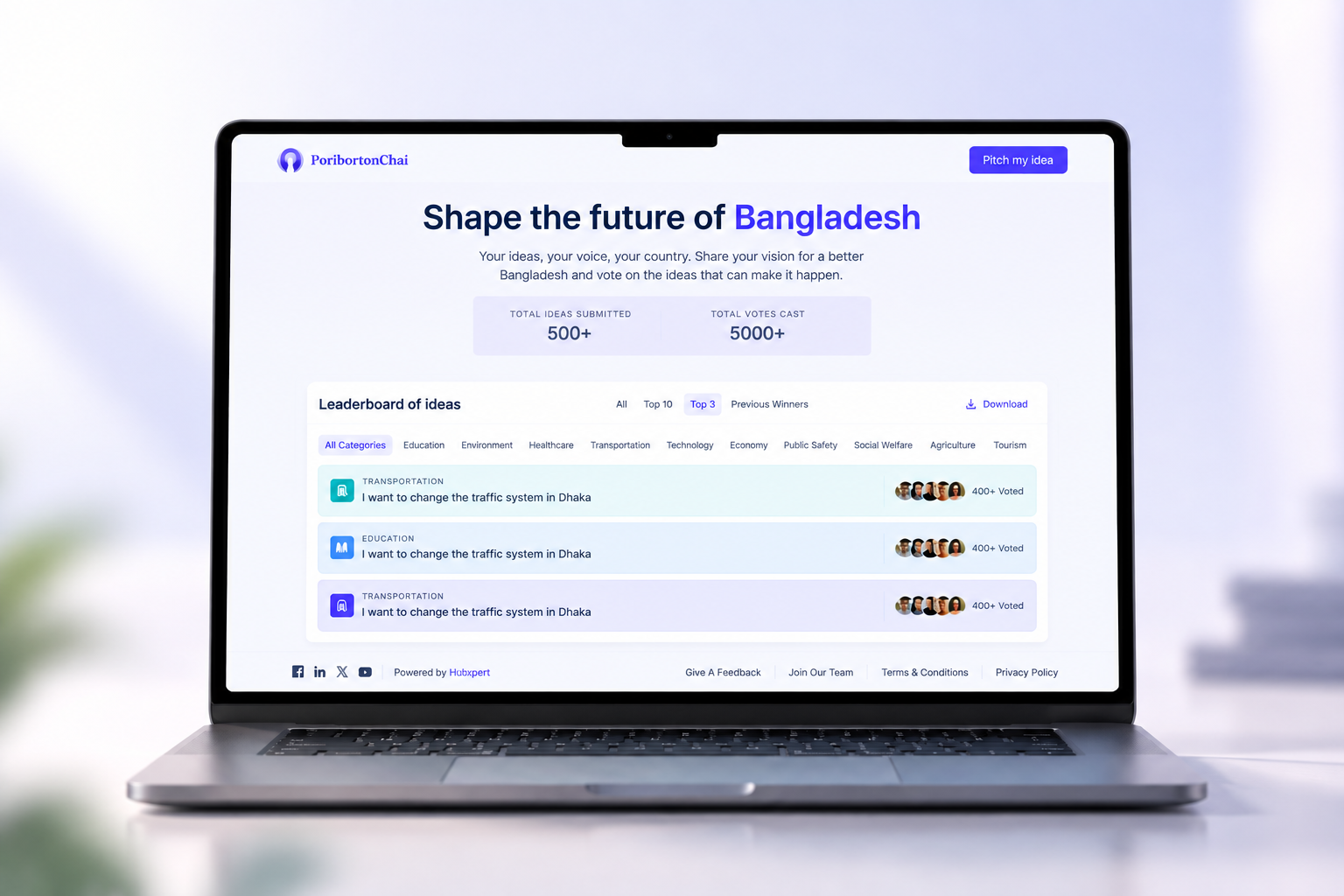
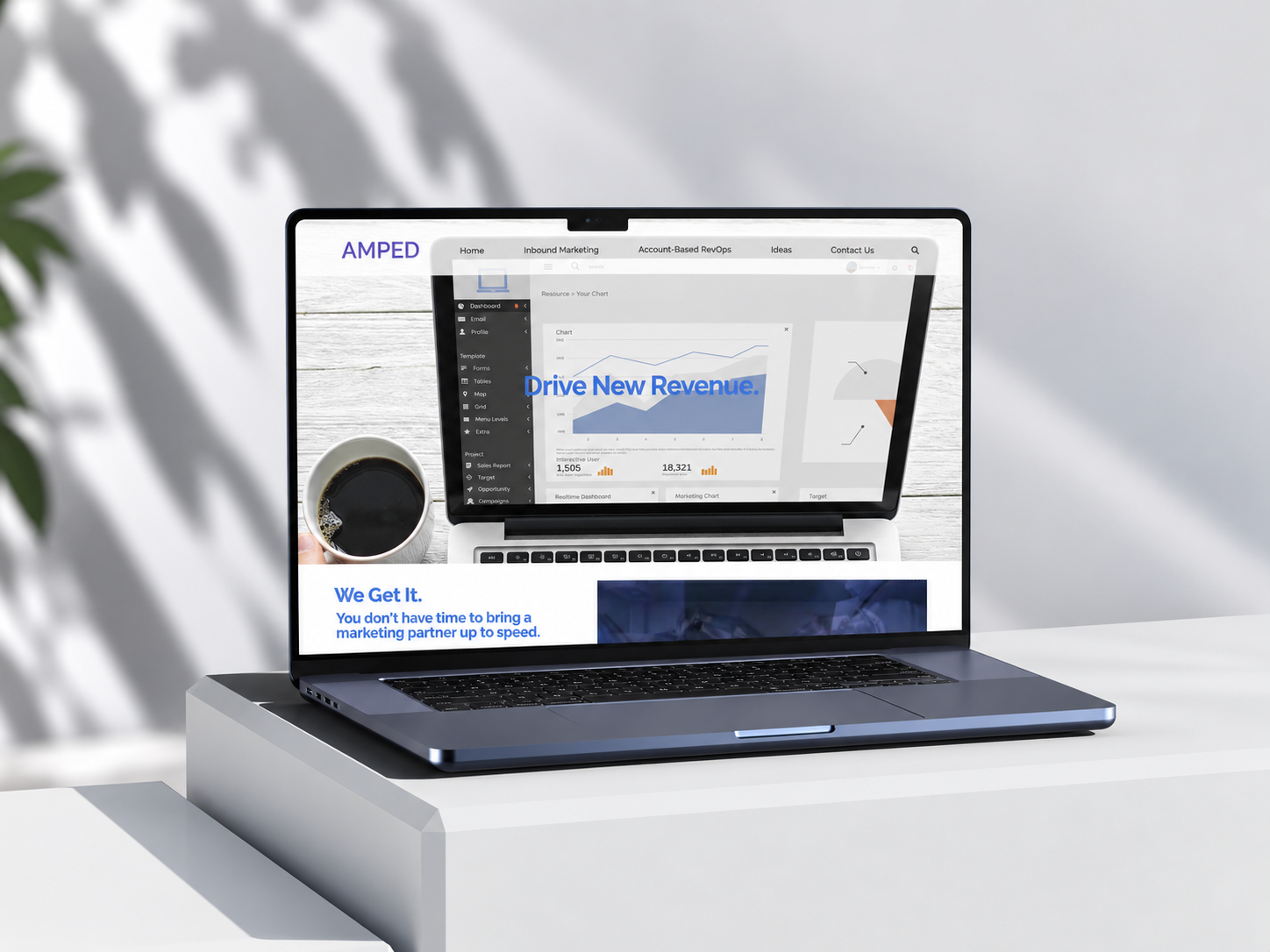
A curated selection of HubSpot implementations and digital marketing campaigns that moved the needle for our clients.
SAAS
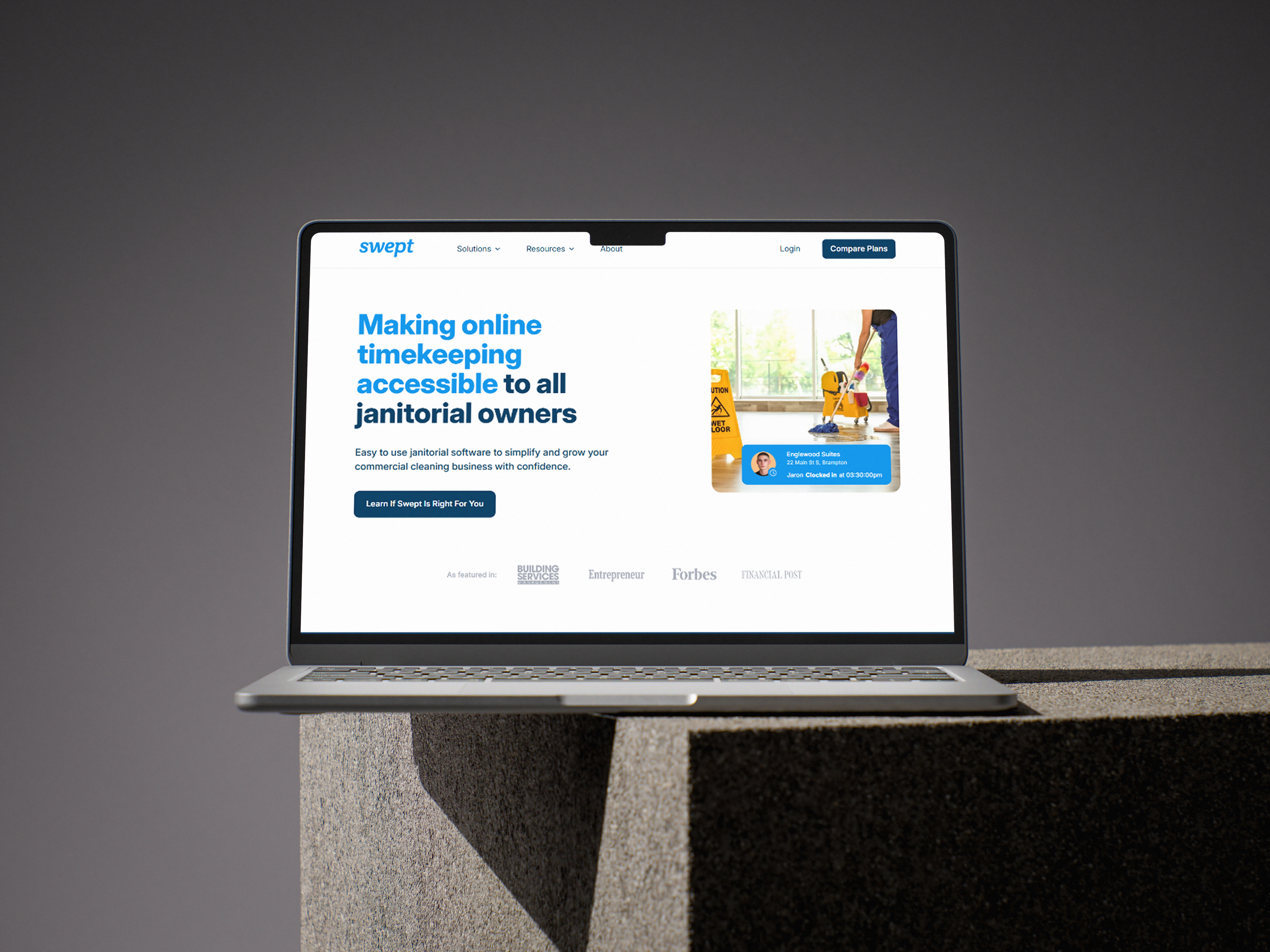
SystemHub is a business process documentation platform that helps companies capture, organize, and optimize their core workflows.
SAAS
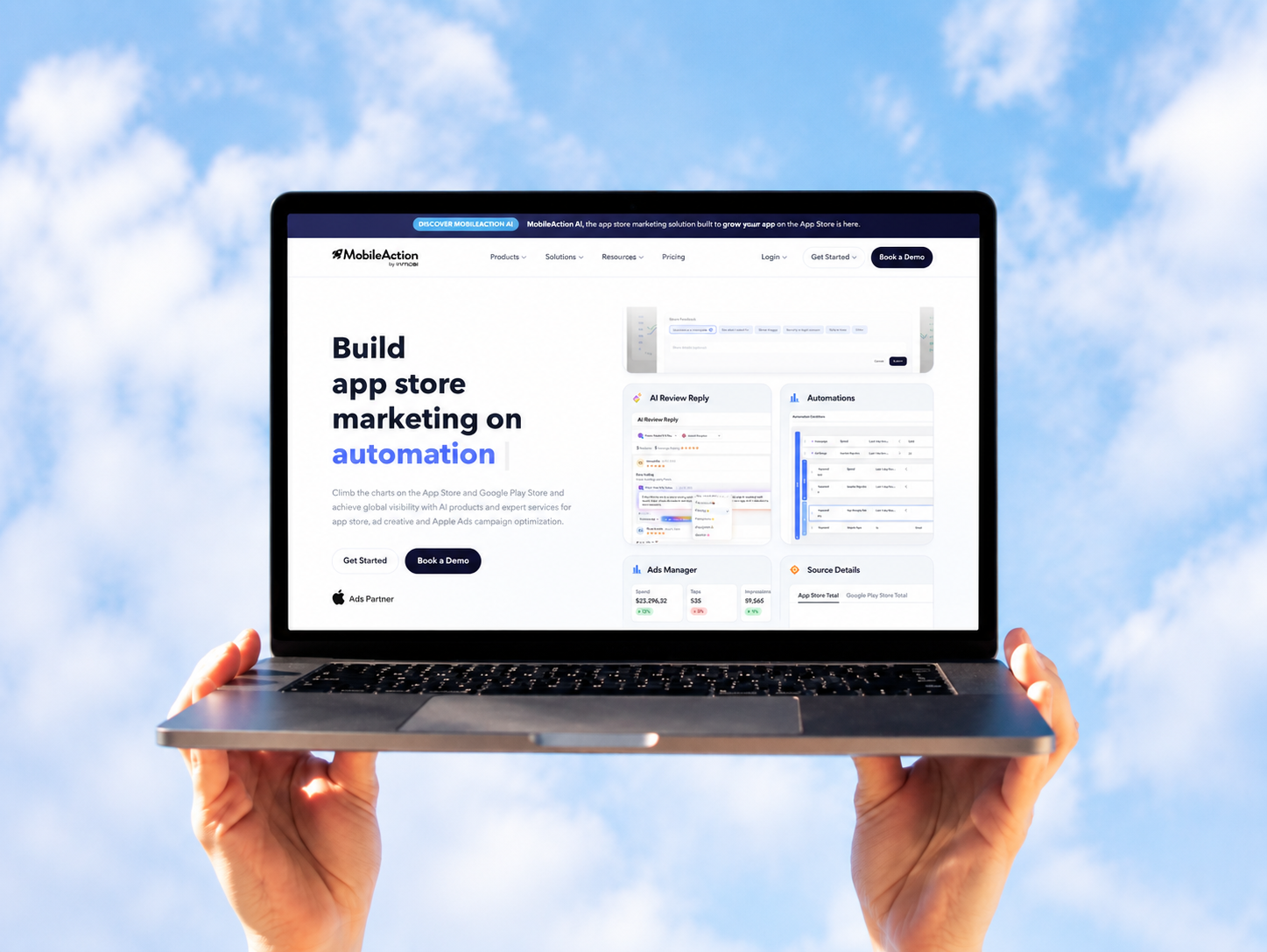
Gander is a SaaS platform that specializes in simplifying the process of curating and displaying high-quality videos
SAAS
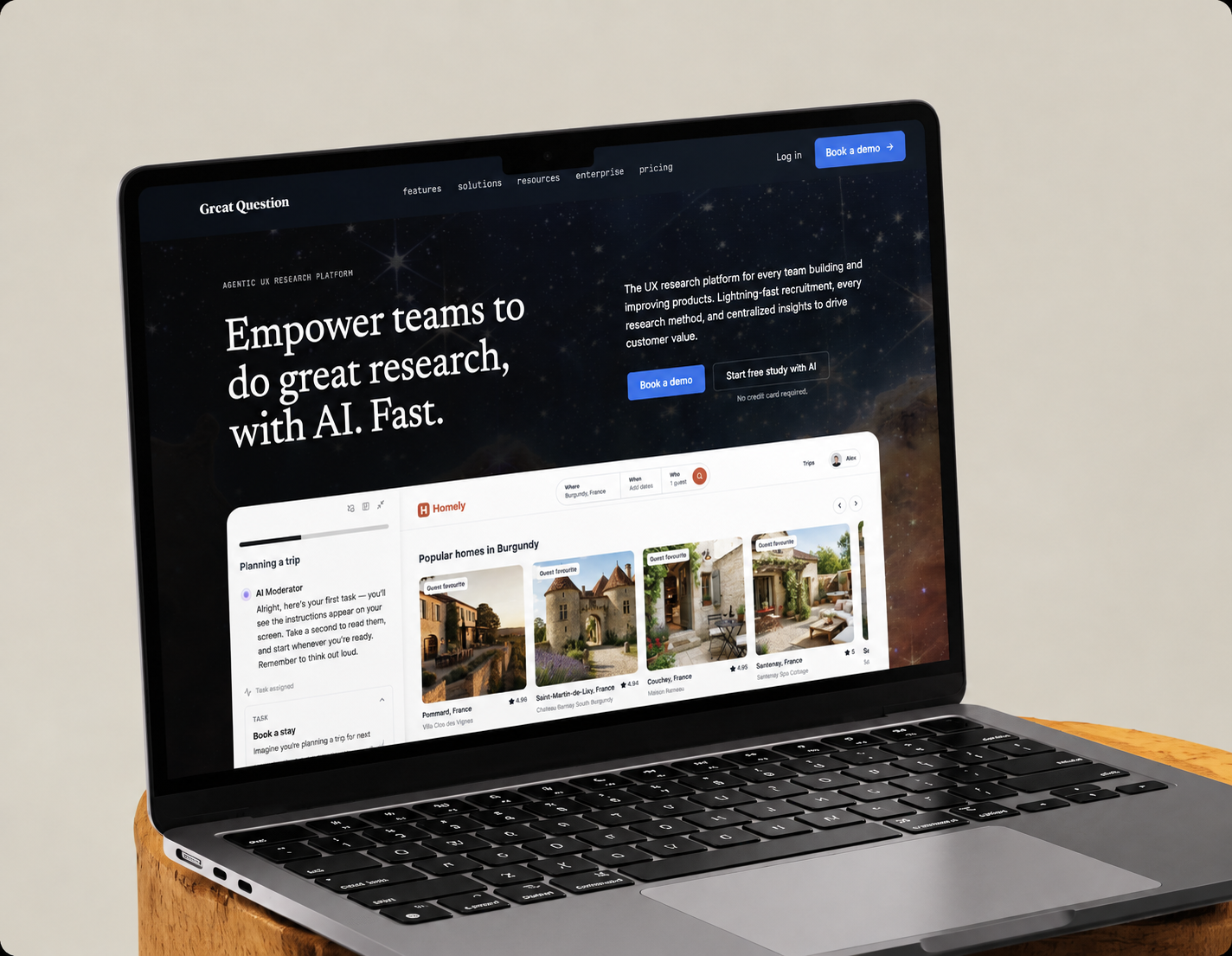
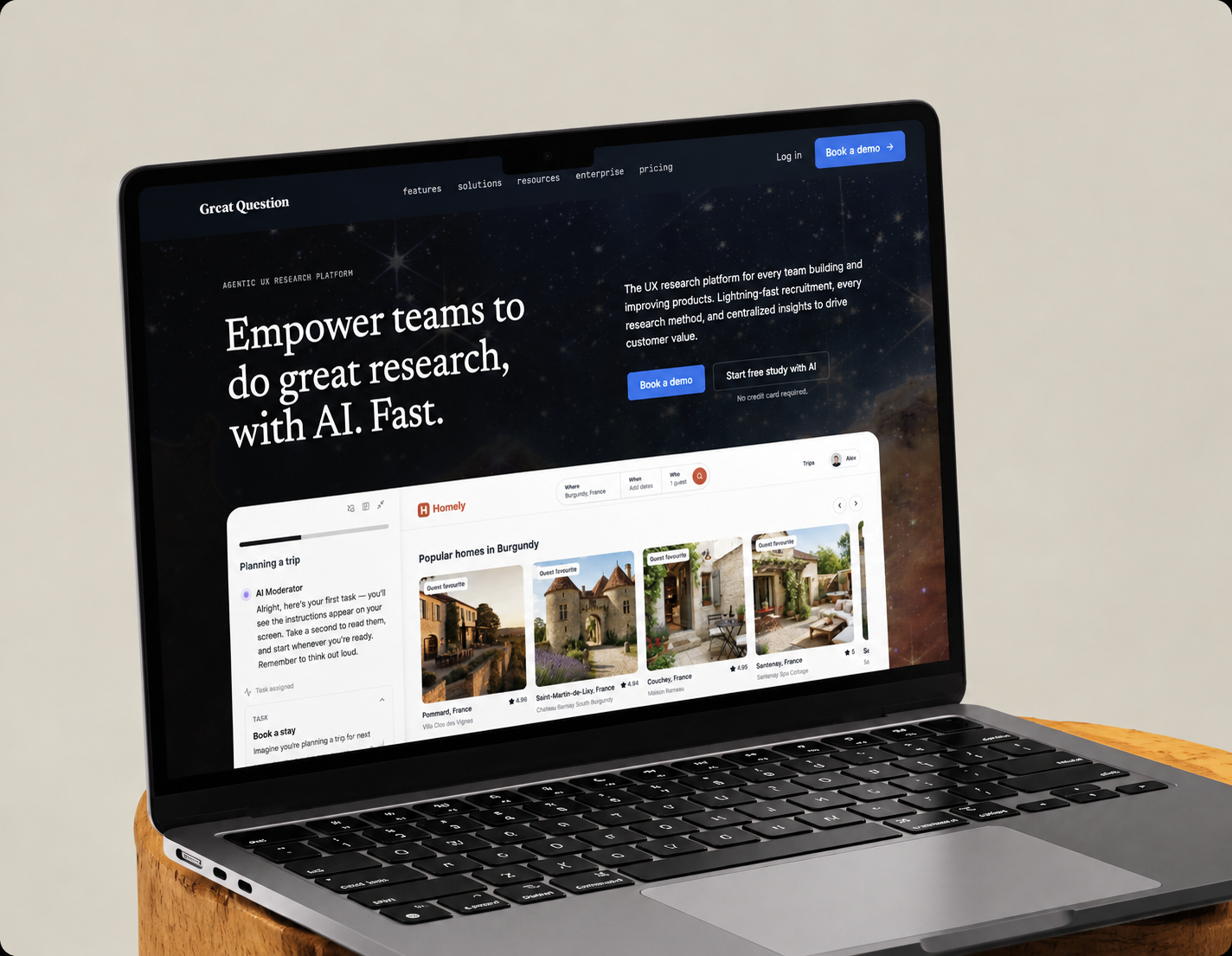
Great Question is an all-in-one UX research platform that helps companies collect user feedback, conduct surveys, and engage in meaningful conversations.
Comparison pages and use-case content bring a buyer who already knows what they want replaced. Most evaluations begin with a comparison page.
The trial sequence behaves like a good campaign, because the buyer is judging exactly that. The trial sequence is judged as work, not as marketing.
Champion material, displacement numbers, and references travel with the deal. Onboarding is where a martech buyer decides you are serious.
A first campaign shipped in week two is the strongest renewal signal available. Renewal is decided by campaigns sent, not by tickets closed.
A sequence that behaves like a well-run campaign, segmented by the tool it displaces. A displacement estimate books the call with a number attached.
A short form estimates the saved subscriptions and books the call with the number attached. Champion material goes out within the hour of identification.
When a champion is identified, the internal case and references go out within the hour. No campaign by day ten raises a task.
No campaign sent by day ten raises a task for the onboarding owner. The funnel audit offer is made at the right stage, not too early.
A late-stage prospect is offered a review of their own sequence, which is a sales call in disguise. Renewal packs assemble from campaign history.
Sixty days out, campaigns sent and contacts reached assemble into the renewal case. Thirty quiet days raise a check-in.
An account with no campaigns in thirty days raises a check-in.
Certified platform expertise, with a track record across martech and SaaS go-to-market builds. The trial sequence is audited before a workflow is built.
Built around your trial motion, displacement logic, and champion program. No generic templates.
Multi-step workflows and conditional logic built for evaluation timing.
Clean imports from your existing CRM, with trial and campaign history intact.
An in-house team connecting HubSpot to your product and sending infrastructure.
Activation, time to first campaign, and renewal tracked from launch.
A martech vendor sends a lot of email and holds subscriber data that belongs to its customers. The work is discipline: consent recorded per channel, suppression applied before every send, and customer subscriber data kept in the platform that sends it. Consent is recorded per channel and enforced before every send.

Not every team needs every hub, and most start with Sales before adding Marketing. Here is how each one lines up with a buyer who audits funnels.
Your own funnel, run to the standard you are selling. Trial sequences run from the same record as the deal. Displacement detail belongs on the deal, not in a rep's notes.
Built for the trial pipeline, as part of a SaaS CRM build for a technical buyer. Onboarding questions sit on the account, not in a shared inbox.
Where onboarding help and campaign questions sit on the account. Comparison pages get edited without a developer. A comparison page that answers pricing honestly saves a call.
Powers comparison and use-case pages, which is where consolidation decisions start. One record links the trial, the champion, and the renewal. Most teams start with Sales, then add Marketing as volume grows.
Connects product usage and sending infrastructure, which is how activation stays visible. Sending infrastructure stays the source for delivery data.
Yes, with an obvious caveat worth stating: your buyer will judge the execution, so the build has to be good enough to survive a marketer's review. Most teams see the difference in the first month. The CRM carries the trial, not the mailing list.
Deals are tracked by displaced tools and quantified savings, so the finance objection has an answer already prepared. Activation is tracked, so the improvement is measurable. Every workflow is tested before it reaches a prospect.
A one-page internal case, benchmarks, and an objection library go out when a champion is identified, and their engagement is visible. The sequence is matched to the use case and the displaced tool. Suppression is reviewed before each campaign.
A first campaign shipped in week two. Accounts with no campaign by day ten raise a task before interest fades. Nothing is assumed native until the connector is confirmed. Renewal timing follows the contract term.
Yes. Trial activation, time to first campaign, and campaign volume are reported by cohort and channel. Subscriber data never sits in the CRM. The behavioral sequence is written for a buyer who reads it closely.
Consent is recorded per channel, suppression is applied before every send, and customer subscriber data stays in the sending platform. That is how cost per activated trial becomes visible. Displacement estimates are reviewed by the sales team weekly.
Sometimes, and that is a separate decision. The CRM runs the trial and the relationship, and the sending platform can stay. We audit your own sequence before building anything.
Most run four to six weeks, with the product integration the longest part. Campaign history is imported where it exists.
Ready to Pass the Test Your Buyer Is Already Running?
A trial user read three of your emails and none of them mentioned their use case, and a champion is building the internal case alone. We build around your trial, your displacement story, and the team that has to run it all. No generic setup, and no trial left to lapse quietly.