



































Win the Pitch
Credentials and case studies attach to the deal, and the proposal states scope and assumptions. Most new clients arrive from a referral or a case study.
Retainers renew on proof, and most accounts leave because the reporting cannot connect the work to revenue. HubSpot wins the pitch with evidence, shows the client what the work produced, and starts the renewal conversation three months before anyone says the word renewal out loud.

Teams that leveled up their growth with HubXpert
Clients cancel when they cannot see what the work produced, and an activity report is not the same thing as attribution.
Agency pipeline stalls whenever the team is busy servicing clients, and work runs dry a quarter later.
A new marketing manager arrives with no memory of the results, and the account is re-pitched from nothing. A new contact re-pitches the account from scratch unless the history exists.
Extra requests arrive by email, and nobody records them until the retainer is unprofitable. Favours become scope creep the moment nobody writes them down.
Assembling a monthly report from four platforms consumes the hours the client is paying for. A report assembled by hand costs the hours it is meant to justify.
Work that arrived through a former client gets credited to whichever case study ran last.
HubSpot for Marketing Agencies covers five areas where proof, not activity, decides whether the account stays.
Campaign, channel, and outcome.
Assembled rather than written.
A month without a result surfaces.
Accounts renewed against accounts lost.
Enquiry, credentials, proposal, decision.
Assembled from recorded scope.
Two relationships to contact today.
Pipeline against utilisation.
Results, decisions, and reasons.
A short handover document.
A new contact raises a brief within three days.
Contacts per account. Segment by account.
Every ask, with a date.
A change order conversation.
Where margin leaks.
Accounts drifting by quarter.
A careful setup with role-based access, and client platform access.
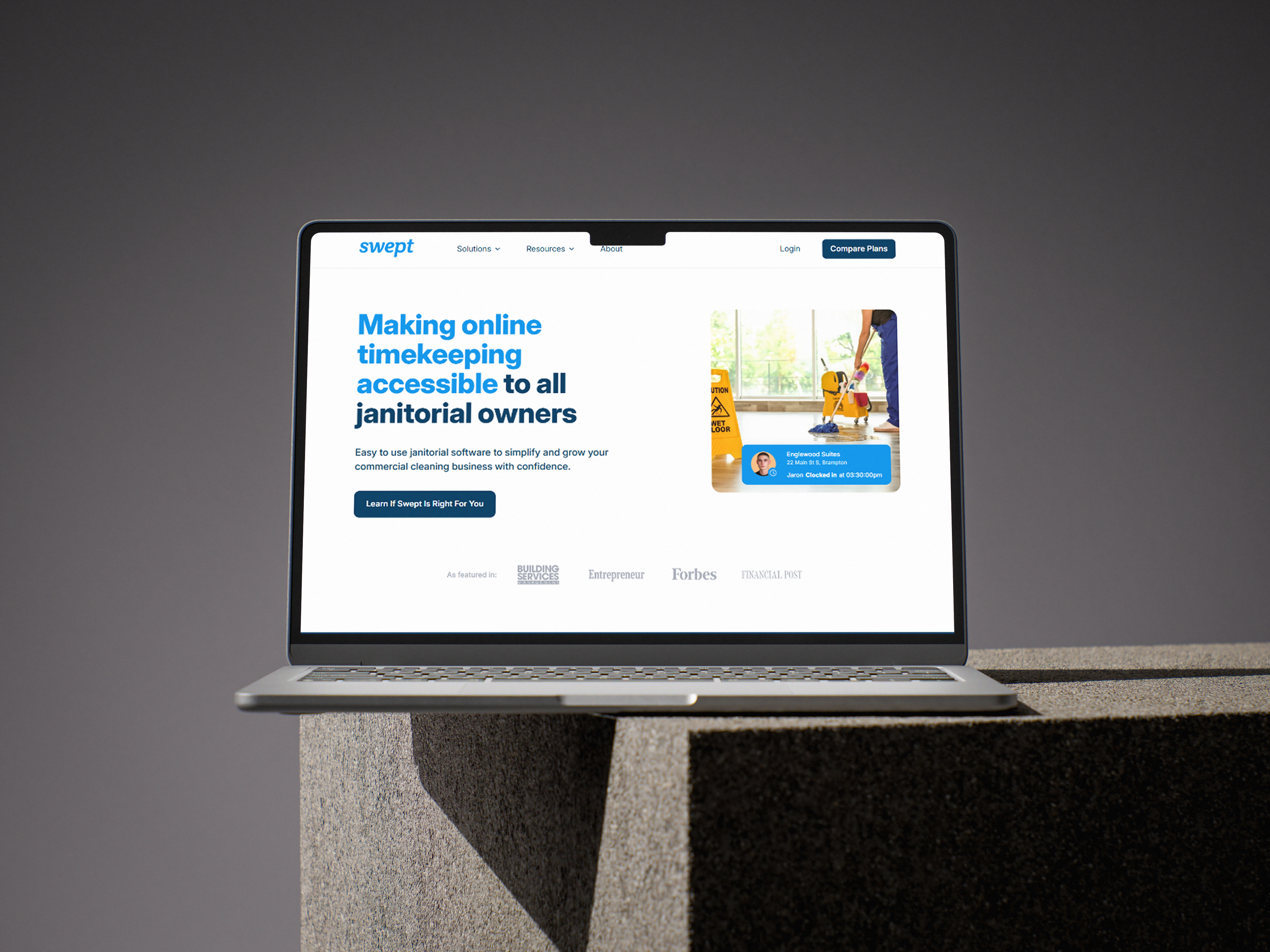
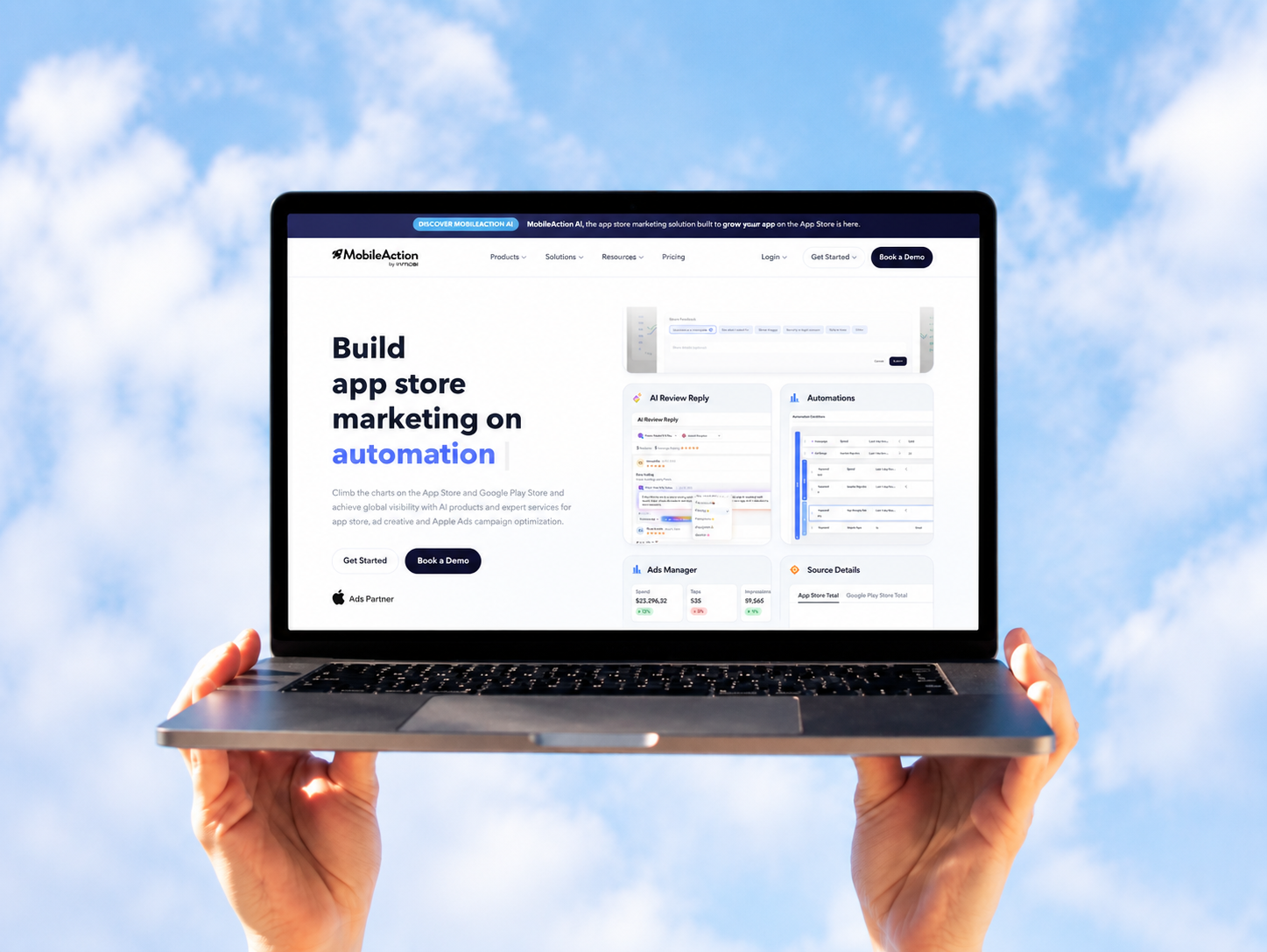
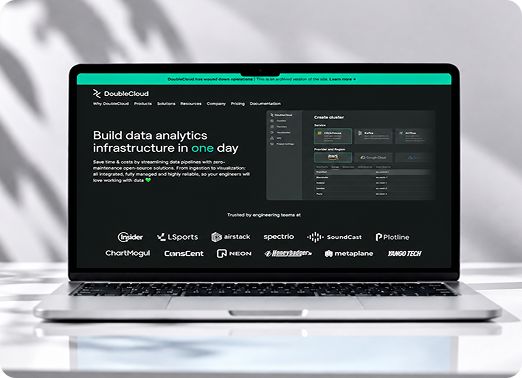
A curated selection of HubSpot implementations and digital marketing campaigns that moved the needle for our clients.
Digital Agency
Onboarding Sales Hub for 10+ team members, and provide hands-on training
Digital Agency
SystemHub is a business process documentation platform that helps companies capture, organize, and optimize their core workflows.
Credentials and case studies attach to the deal, and the proposal states scope and assumptions. Most new clients arrive from a referral or a case study.
A handover pack and a ninety-day plan are created at signature, not improvised in week two.
Monthly reporting assembles from the same records the delivery team works in. The pitch is won on evidence before the fee is discussed. Monthly reporting is where the relationship is tested.
Ninety days out, the results and the case for next year are already assembled. Onboarding sets the expectation for the next twelve months.
Ninety days before a retainer ends, the results pack is assembled and a review is booked. A renewal countdown starts ninety days out, while the year's evidence is still current.
A month without a recorded result raises a task for the account lead.
A new marketing manager raises a handover task within three days. A new contact raises a briefing task within three days.
An out-of-scope request creates a change order conversation rather than a favor. Out-of-scope requests create a change order conversation.
A proposal follows up at day three, seven, and fourteen. Pitch follow-up runs at day three, seven, and fourteen without anyone remembering.
The monthly pack is built from live records, not a spreadsheet rebuild. Reporting assembles from live records rather than a Sunday spreadsheet. Referrers hear from the agency every quarter.
An introduction that becomes a client triggers a thank-you and a check-in.
Certified platform expertise, with a track record across agency workflows and retainer businesses.
Built around your reporting, pitch process, and scope rules. No generic templates.
Multi-step workflows and conditional logic built for renewal timing.
Clean imports from spreadsheets or an existing CRM, with client history intact.
An in-house team connecting HubSpot to your ad platforms and reporting stack.
Retention, pitch win rate, and scope drift tracked from launch.
An agency holds client audience data, campaign performance, and sometimes personal information from a client's own customers. The work is separation: client platform access stays with the client, and the CRM carries the account, the results, and the conversation. Client platform access stays with the client.

Not every agency needs every hub, and most start with Sales before adding Marketing.
Your own demand engine, run at least as well as you run a client's, which is the first thing a prospect checks. Most agencies start with Sales, then add Marketing for their own demand.
Built for pitches and renewals, where the evidence lives on the account rather than in a folder. Case studies get edited without a developer. Ad platforms stay the source, and the CRM points at them.
Where client requests, scope questions, and change orders sit on the record. Renewal sequences run from the same record as the account. Client requests sit on the record, not in a shared inbox.
Powers the case studies and point-of-view content that win pitches before the fee is mentioned. Here is how each one lines up with a retainer business that is judged on proof it does not always get to present.
Connects ad platforms and reporting, which is the only way results stay accurate across accounts. One record links the pitch, the results, and the renewal.
Yes. It runs the commercial side of the agency: pitches, onboarding, results tracking, scope control, and renewals, while delivery work stays in the tools the team already uses. The point is to have the evidence assembled before the renewal conversation rather than during it.
Ninety days before a retainer ends, the results pack is assembled and a review is booked. A month without a recorded result raises a task, so a gap is caught while there is still time to fix the work rather than explain it later.
Source to revenue is recorded on the account, so the report shows campaign, channel, and outcome together. That is different from an activity report, which tells a client how busy the team was without saying what it produced.
A new marketing manager raises a briefing task within three days, and the account history, decisions, and results are already in one place for the handover.
Every request is logged with a date, and an out-of-scope ask creates a change order conversation rather than a favor. Hours against fee are tracked, so drift is visible before the retainer becomes unprofitable.
Pitch stages run alongside delivery, short prompts name two relationships to contact, and coverage is reported against utilisation so the gap is visible before work runs dry.
Access stays with the client, the CRM carries the account and the reporting, and permissions follow the role so an account lead sees only their own clients.
Most run four to six weeks, with the reporting pack usually the piece that changes behavior fastest, because it is the one the client sees every month. The countdown is usually live inside the first fortnight.
Ready to Walk Into the Renewal With Evidence?
A retainer renews in six weeks, the report is a Sunday spreadsheet, and a new manager has arrived. We build around your accounts. No generic setup, and no renewal left to guesswork. The first renewal cycle is measured against your own retention data. Nothing goes live until the reporting sync is proven.