




















Capture the Introduction
A referral or an article enquiry is recorded with the source and the person who made the introduction. Most engagements arrive through someone who already trusts the practice.
Clients buy judgment, which means the sale depends on credibility built long before anyone signs. HubSpot keeps a practice visible between projects, turns a scoping conversation into a proposal while the thinking is fresh, and makes revenue steady rather than a feast or famine.

Teams that leveled up their growth with HubXpert
Project work ends and starts, and without pipeline built during delivery, every engagement closes into a gap.
Clients hire consultants they already trust, and cold pipeline activity rarely works when reputation drives the decision. Reputation decides the shortlist before any outreach happens.
A good scoping conversation is a proposal in draft form, and most practices lose the thread when the next client lands.
A client who valued the work will hire again if reminded at the right moment, and almost nobody reminds them.
Relationships sit with the consultant rather than the practice, which makes holidays and illness a commercial risk.
Work that arrived through a former colleague is credited to whichever article ran last. Scoping calls are unbilled work that deserves a record.
HubSpot for Management Consultants covers five areas where credibility, not outreach, produces the next engagement.
Every client and referrer on one record.
A note worth reading, not a newsletter.
Nine months of quiet raises a task.
Who has heard from the practice recently.
Problem, sponsor, and expected outcome.
Draft, sent, decided, with dates.
Three touches in the first fortnight.
Proposals sent against engagements signed.
Two relationships to contact today.
Nurture while the calendar is full.
Asked at the right moment.
How long opportunities have waited.
A quarterly conversation per client.
What changed, and what it was worth.
At the review, with evidence.
Work from existing clients.
Referral, article, or event.
Who sent work, and what kind.
Win rate by source and topic. Segment by topic.
A view the practice can act on.
A careful setup with role-based access, and client material.
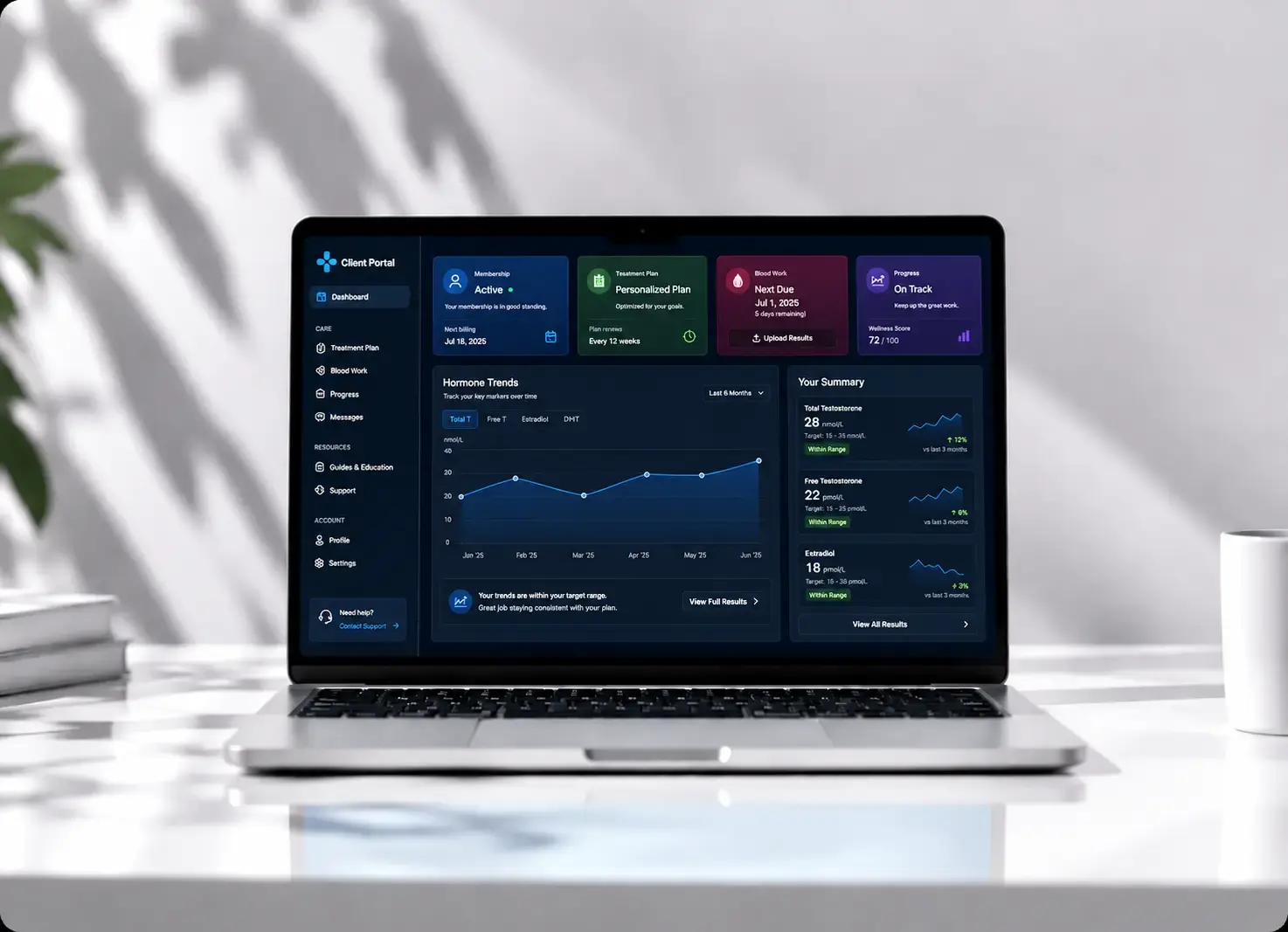
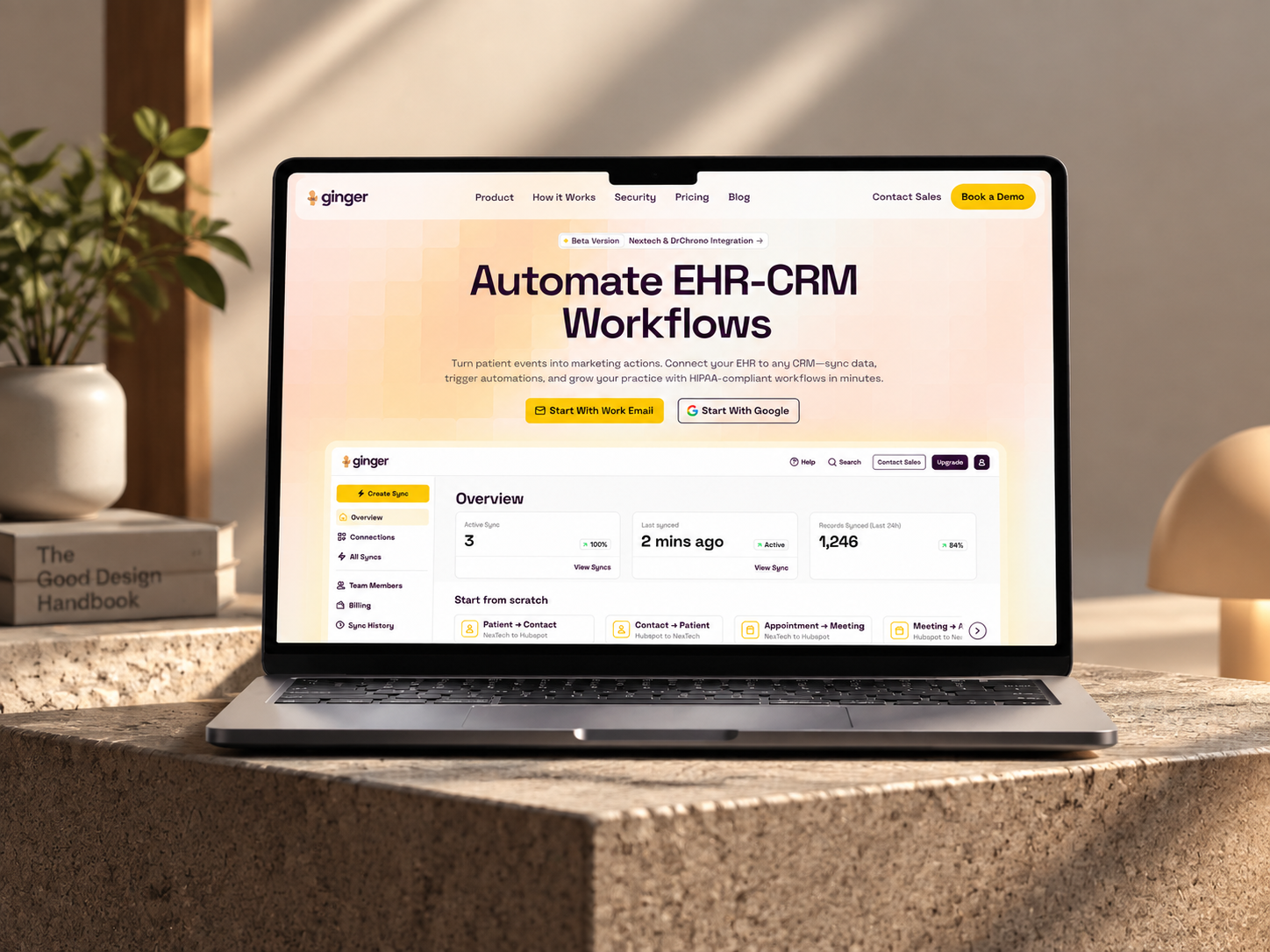
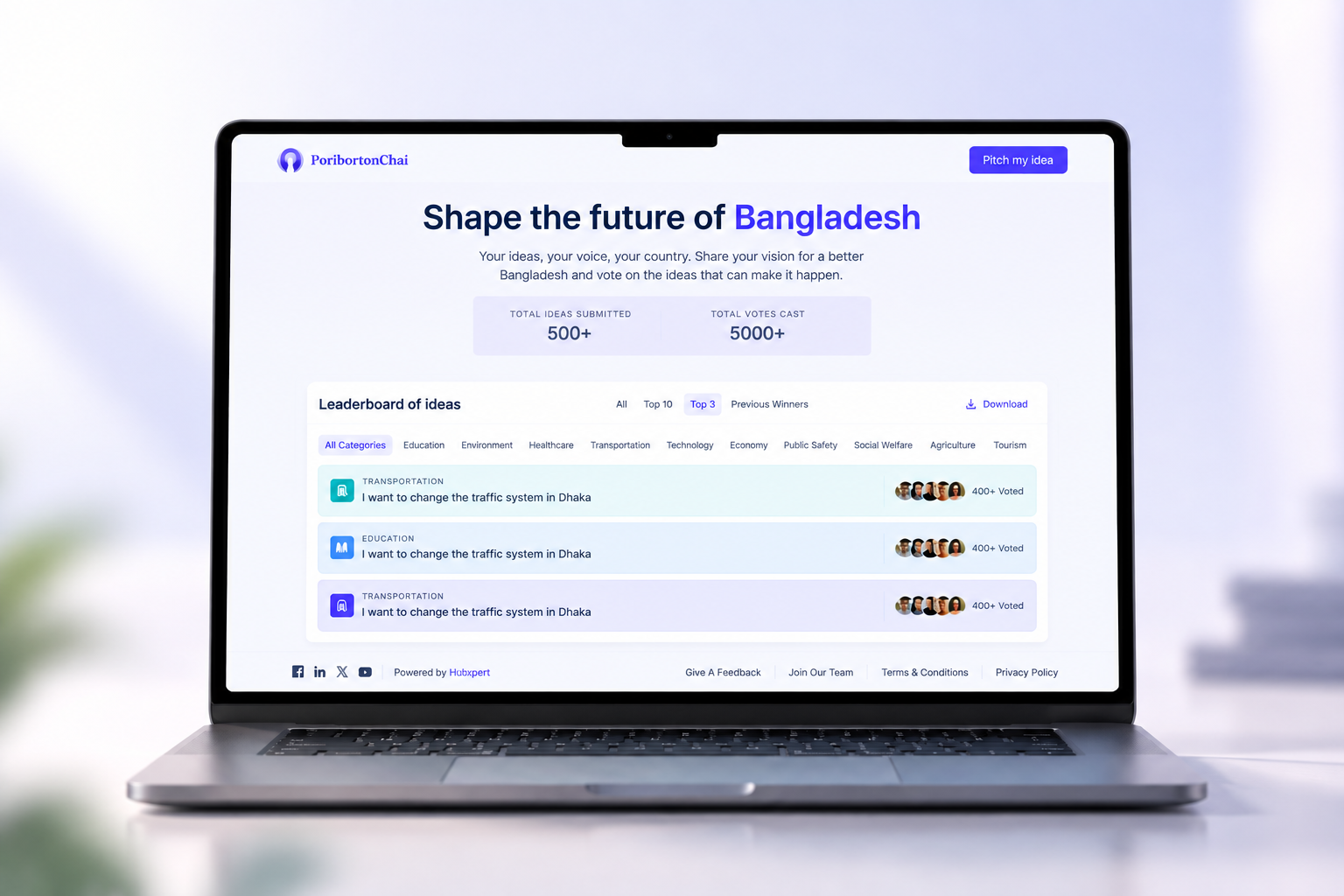
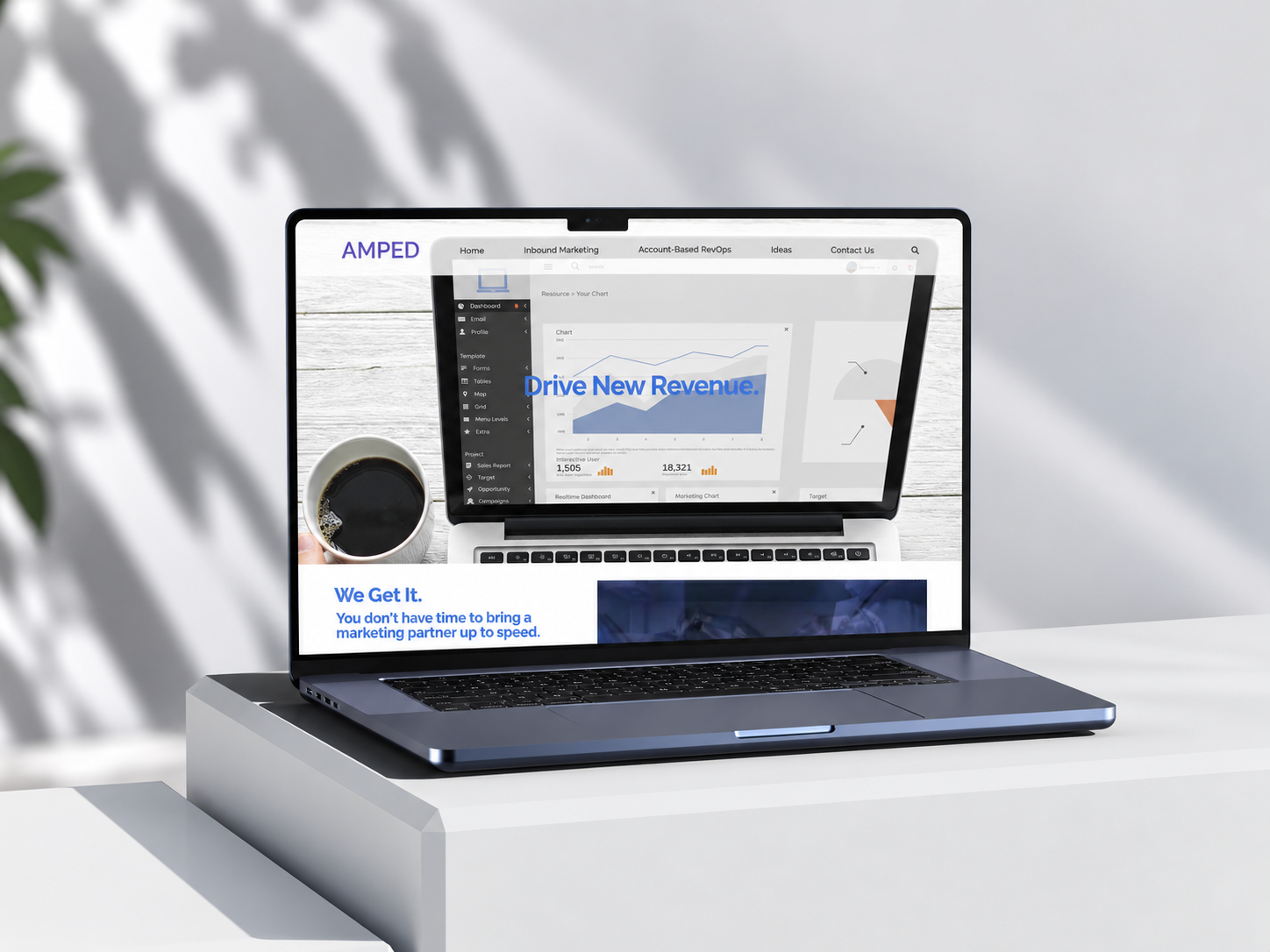
A curated selection of HubSpot implementations and digital marketing campaigns that moved the needle for our clients.
WEBOPS
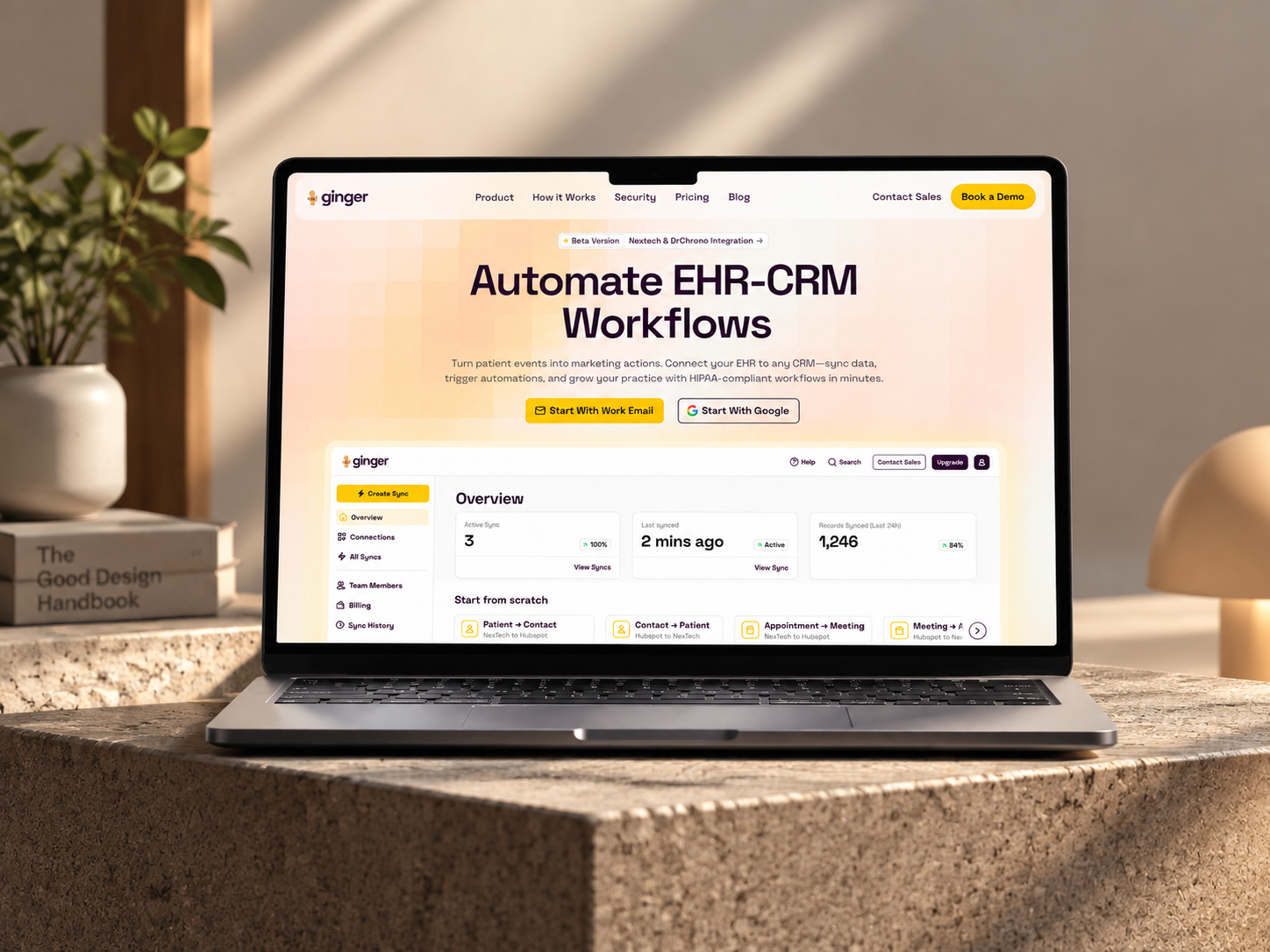
Leva Medical lacked Nextech–HubSpot integration, limiting marketing insights. HubXpert enabled secure, real-time sync for smarter, compliant patient engagement.
WEBOPS
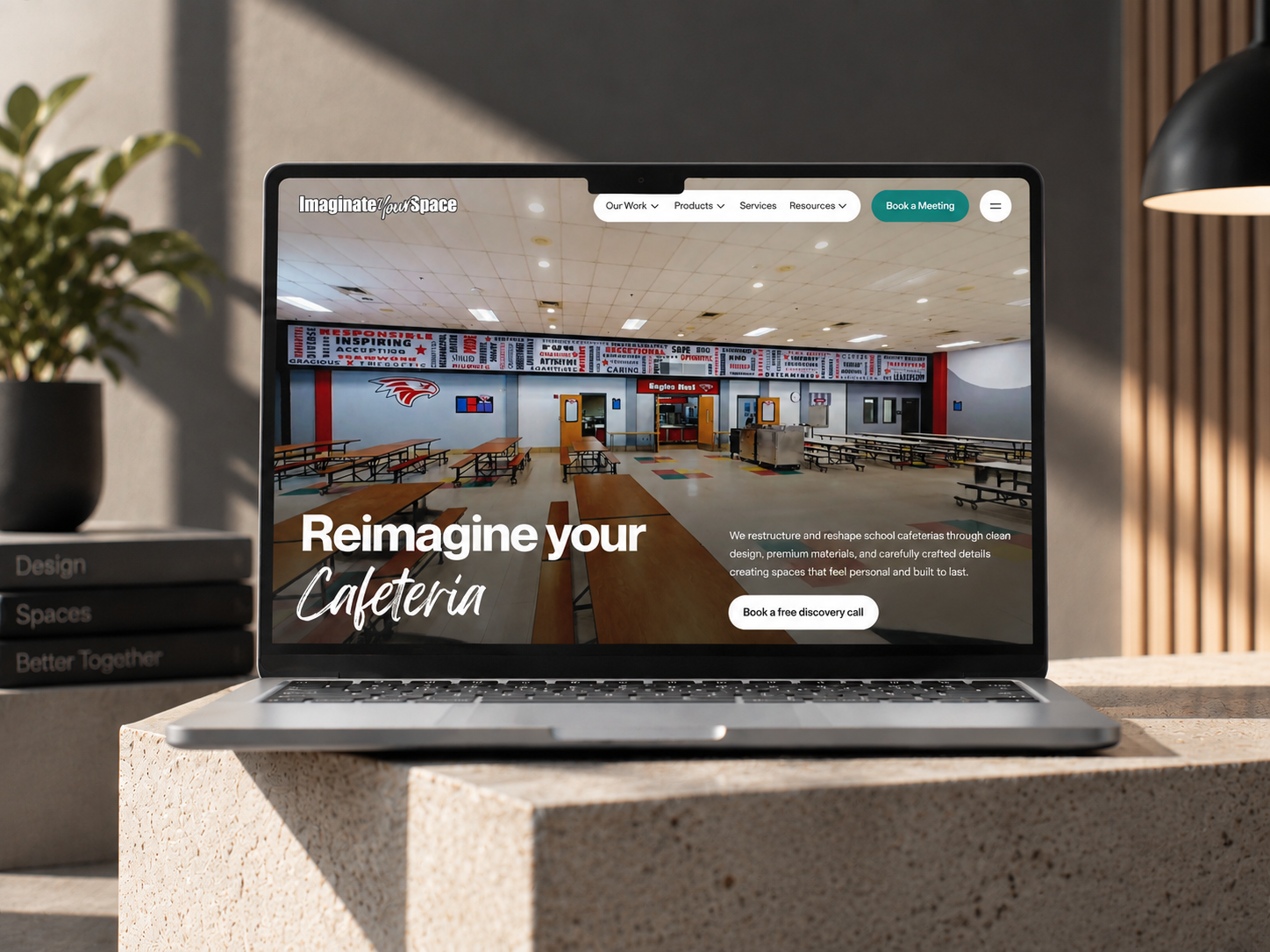
Home Service Academy required multiple high-converting landing pages for different marketing campaigns, including "Write & Publish Book," "Free Book," and "Live Training." Each page needed to align with the client’s branding.
Professional Service
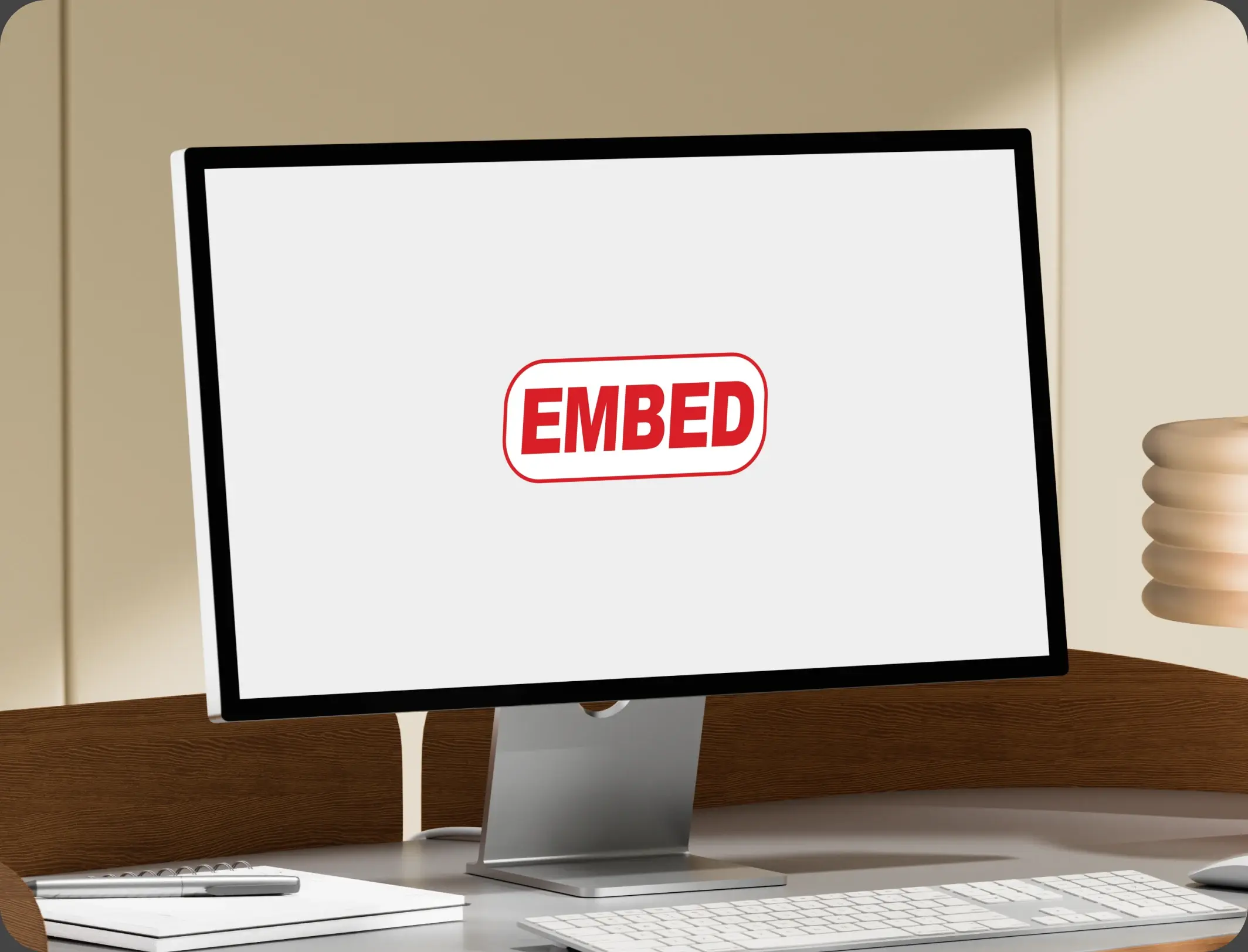
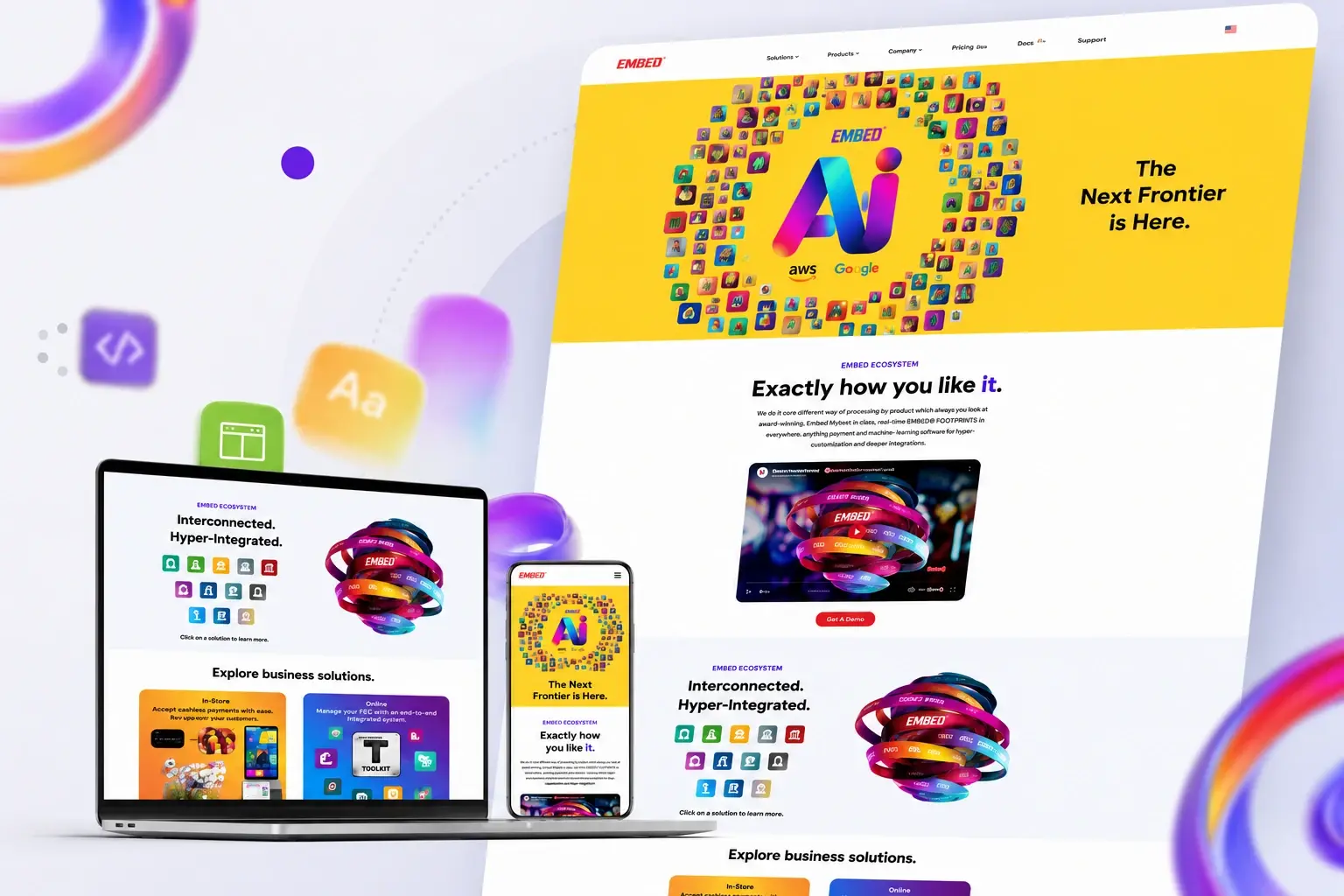
Redesign and rebuild the Embed card website in HubSpot CMS with modern UI/UX, SEO + AEO optimization, and seamless integration.
A referral or an article enquiry is recorded with the source and the person who made the introduction. Most engagements arrive through someone who already trusts the practice.
Problem, sponsor, and expected outcome are written down while the call is fresh. The scoping call is where the engagement is really decided.
The proposal has an owner and a date, and follow-up runs whether or not the week is busy.
A quarterly review raises the next problem with evidence, which is how repeat work starts. Delivery is where the next problem becomes visible.
A touch at day two, five, and twelve after the call, with a task when the sponsor goes quiet. Follow-up runs at day two, five, and twelve after a scoping call.
A draft sitting three days raises a task, and a sent proposal follows up at day three and ten. A draft sitting three days raises a task.
Nine months without contact raises a check-in, before the relationship needs rebuilding. Nine months of silence raises a check-in.
A quarterly task per client, with the last engagement attached. Reviews run quarterly per client.
At the end of a successful engagement, a request with a specific ask rather than a general one. Referral requests carry a specific ask.
A download or event registration creates a relationship record with the topic attached. A content download creates a relationship record.
Work from existing clients against new business, reviewed quarterly. Repeat revenue is reported against new business.
Certified platform expertise, with a track record across agency workflows and advisory practices.
Built around your scoping process, review cadence, and referral network. No generic templates.
Multi-step workflows and conditional logic built for short, billable weeks.
Clean imports from spreadsheets or an existing CRM, with relationship history intact.
An in-house team connecting HubSpot to your document and finance tools.
Proposal win rate, pipeline age, and repeat revenue tracked from launch.
A consultant holds client strategy, commercial detail, and sometimes personal information shared in confidence. The work is separation: deliverables stay in the working environment, client systems stay with the client, and the CRM carries the relationship and the commitments made, with an audit trail of who saw what.

Not every practice needs every hub, and most start with Sales before adding Marketing. Here is how each one lines up with a business built on judgment and referrals.
Your visibility engine: thinking worth reading and referral nurture. Most practices start with Sales, then add Marketing once the writing has something to land on.
Built for scoping and proposals, where the relationship and the document live together. Document tools stay the source, and the CRM points at them rather than copying them.
Where engagement questions and deliverable requests sit on the account. Proposal sequences run from the same record as the client. Engagement questions sit on the account, not in a shared inbox.
Powers the articles and reports that build credibility before anyone calls. Articles and reports get edited without waiting for a developer.
Connects document and finance tools, which is how repeat revenue is measured. One record links the client, the review, and the rehire.
Yes. It runs the practice side of the business: relationships, scoping notes, proposals, reviews, and referrals, while your documents and delivery work stay in the tools that already hold them.
It earns its place when you are delivering, because that is when follow-up stops. A small build with logging from email and a short review cadence does the work of the assistant you have not hired yet, and it costs less than the engagements you currently lose to silence.
Sequences send a useful note on a schedule you set, a silence alert surfaces relationships that have gone quiet, and coverage reporting shows who has heard from the practice recently, so visibility is measured rather than hoped for.
Scoping notes become the draft, the draft has an owner and a date, and follow-up runs whether or not the week is busy. A proposal sitting three days raises a task before it stalls, and follow-up continues at day three and ten once it is sent.
A quarterly review per client surfaces what changed and what it was worth, and the next problem is raised with evidence rather than a cold ask.
Each introduction is recorded with the person who made it, so referral value is reported rather than guessed, and a thank-you follows when an introduction becomes an engagement.
Your working environment holds the deliverables, the CRM holds the relationship and the commitments, and access follows the role so an associate sees only what the work requires.
Most run two to four weeks. The build is deliberately small, because a practice that adopts a light system in a fortnight is better off than one that buys a heavy system and abandons it in a quarter.
Ready to Stop Rebuilding the Pipeline Every Quarter?
An engagement ends in three weeks, no proposal has gone out since March, and a former client has not heard from the practice in a year. We build around your practice, not a template. No generic setup, and no relationship left to memory. The first quarter is measured against your own win rate.