



Enquire and Book
An enquiry books an appointment with the right associate, and the occasion is captured before the visit. Most purchases are attached to a date the client already knows.
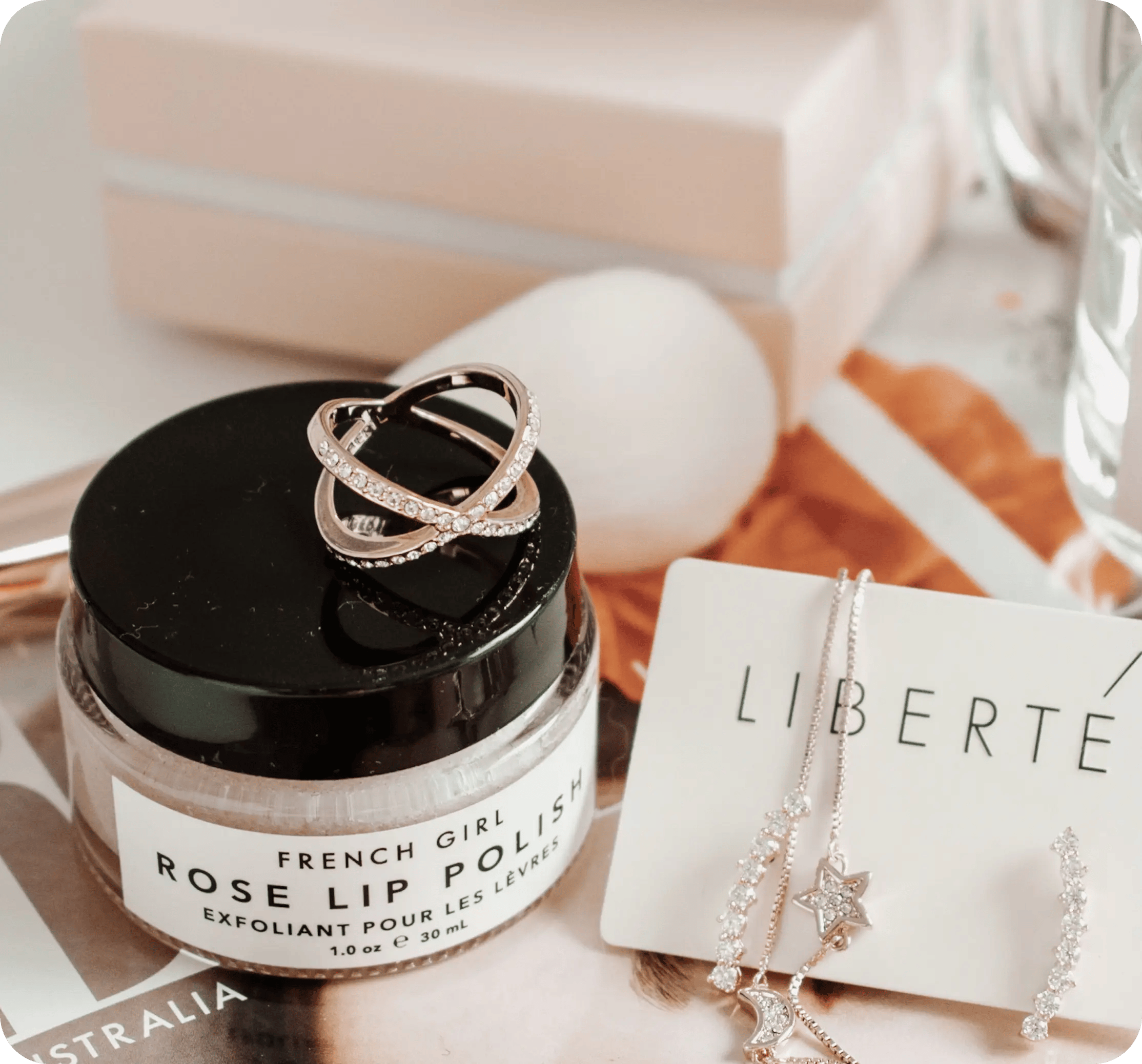
In jewelry ecommerce, nobody buys fine jewelry because they ran out of the last piece. They buy because an anniversary is three weeks away, and the brand that remembers the date first usually wins the sale. HubSpot holds every occasion years ahead, keeps the concierge detail on record,
Teams that leveled up their growth with HubXpert
Engagement rings, anniversaries, and milestone gifts drive luxury purchases, and the moment that matters is a date rather than a reorder point. Uncertainty about authenticity ends more sales than price does.
High-value purchases require authentication, provenance, and confidence that the seller is real, and uncertainty kills the transaction before it starts.
A client works with one associate for a decade, and when that associate leaves, the relationship usually leaves with them.
A made-to-order piece runs through design, casting, and setting, and silence in the middle loses the client's confidence.
A wedding leads to an anniversary, a birth, and a milestone, and none of those happen on a marketing calendar.
A client who visits, tries three pieces, and buys online looks like a direct sale in every report.
HubSpot for Jewelry Brands covers five areas where a date, not a discount, decides the next sale.
Anniversary, birthday.
Who is buying for whom.
Weeks ahead, not on the day. Segment by occasion.
Sales attributed to a date.
Documents attached to the piece.
Where the stone and setting came from.
Cleaning and inspection appointments.
Service history by client.
A message at each production step.
Sign-off before the next stage.
Collection or insured shipping.
Days from design to delivery.
Every piece, every conversation.
A warm introduction, not a cold one.
Sizes, metals, and stones recorded.
Clients retained through a handover.
A privacy-conscious setup with role-based access, and payment, insurance.
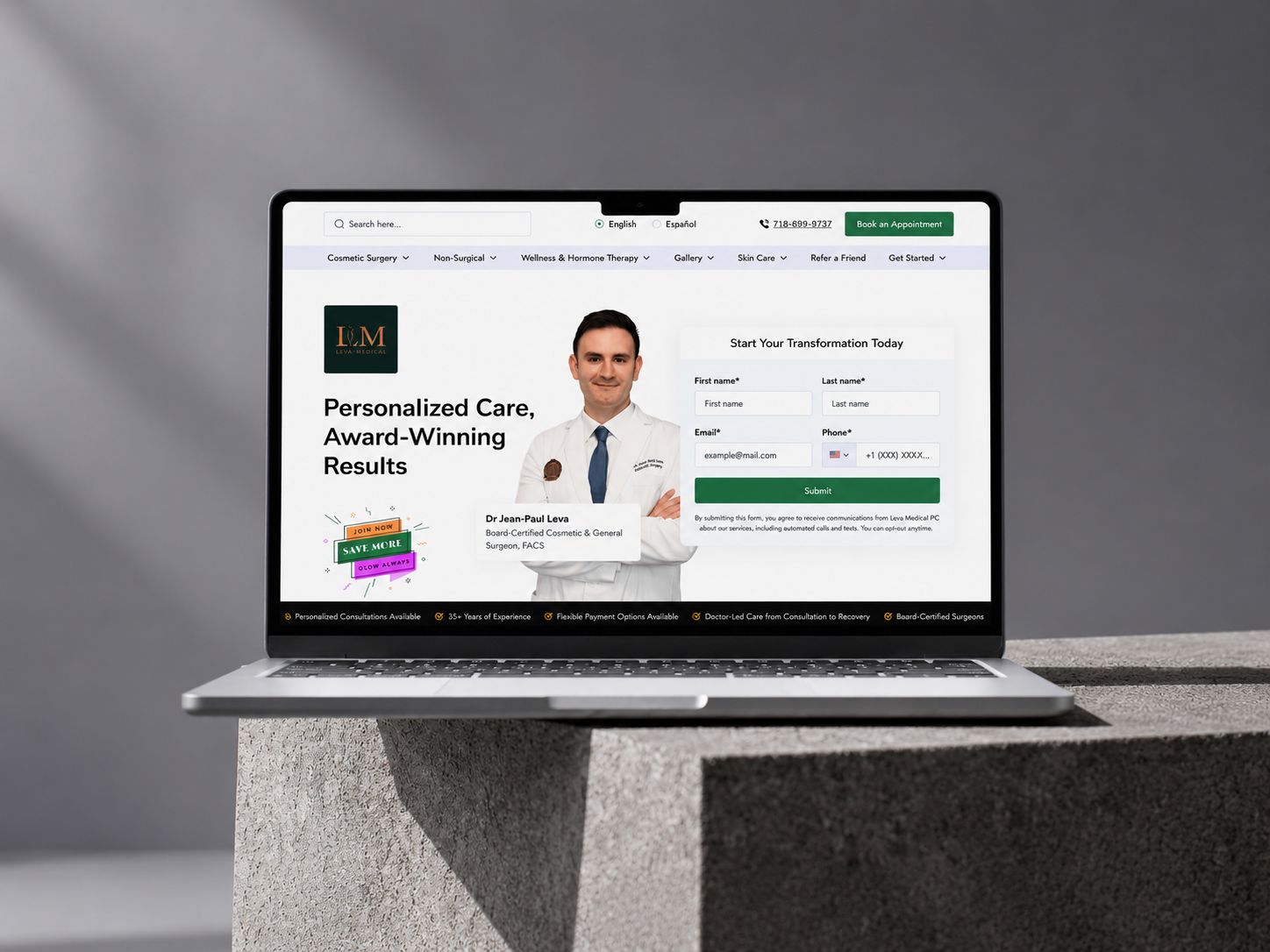
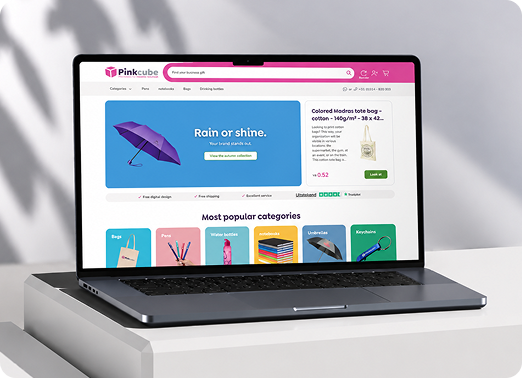
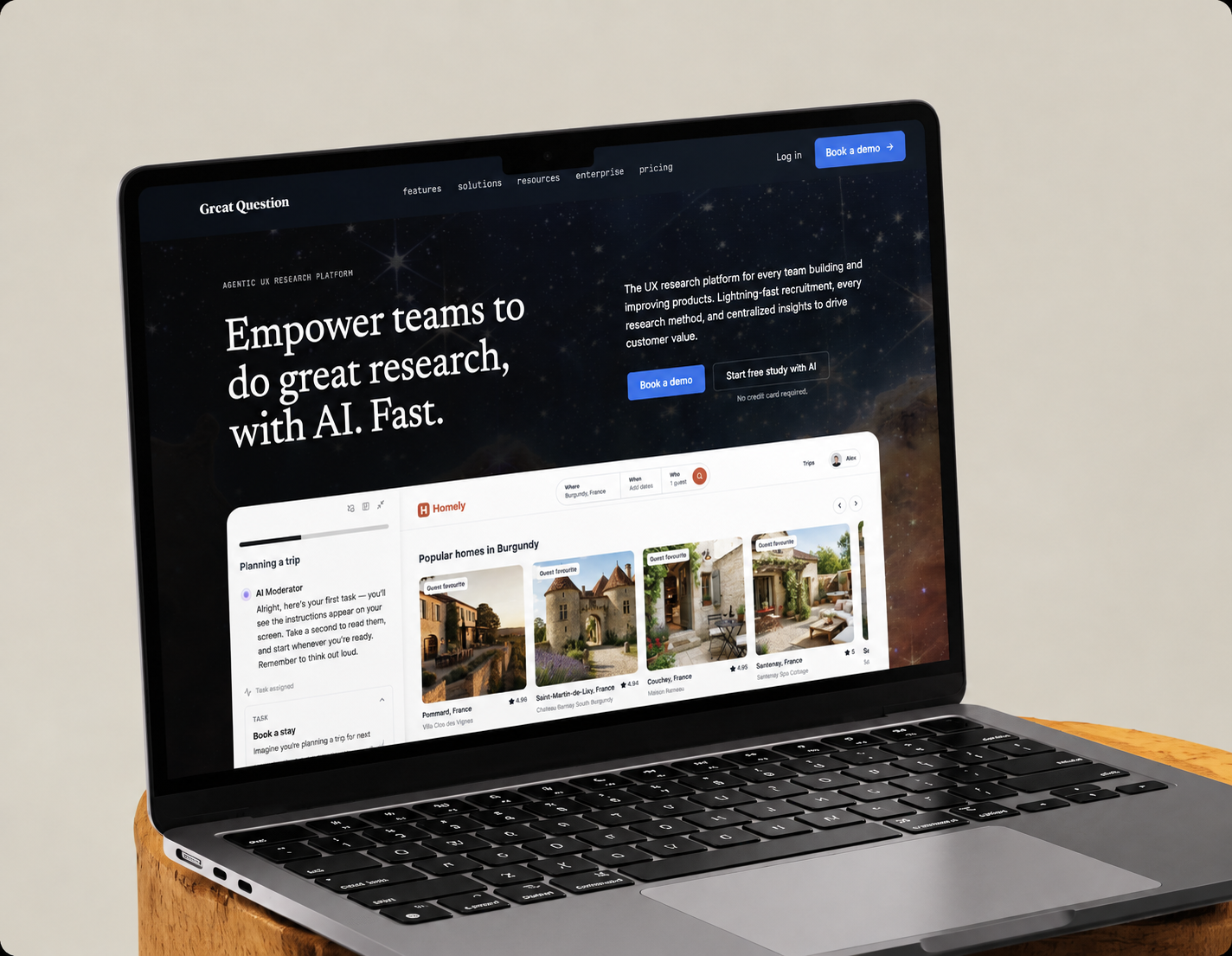
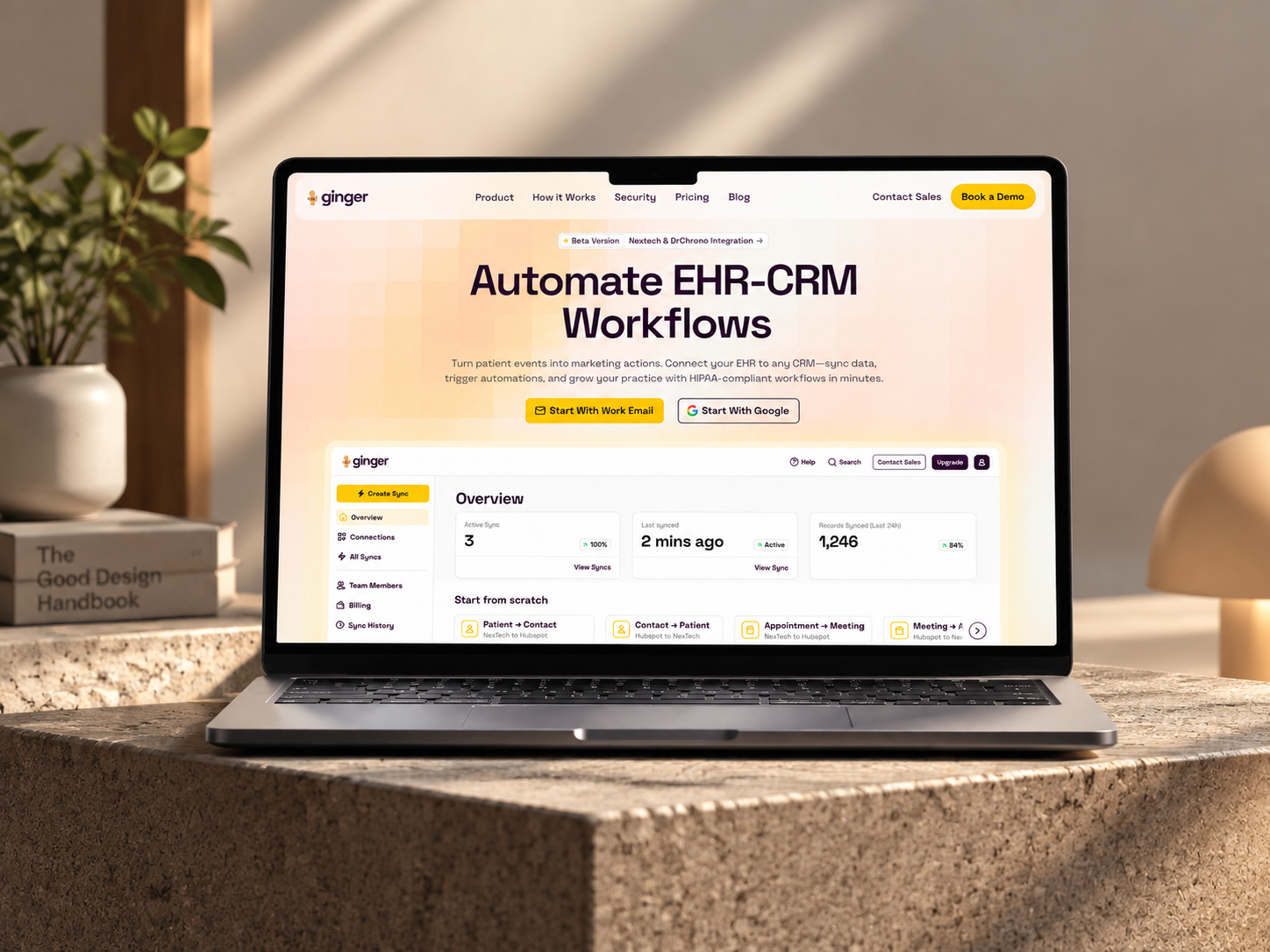
A curated selection of HubSpot implementations and digital marketing campaigns that moved the needle for our clients.
Ecommerce
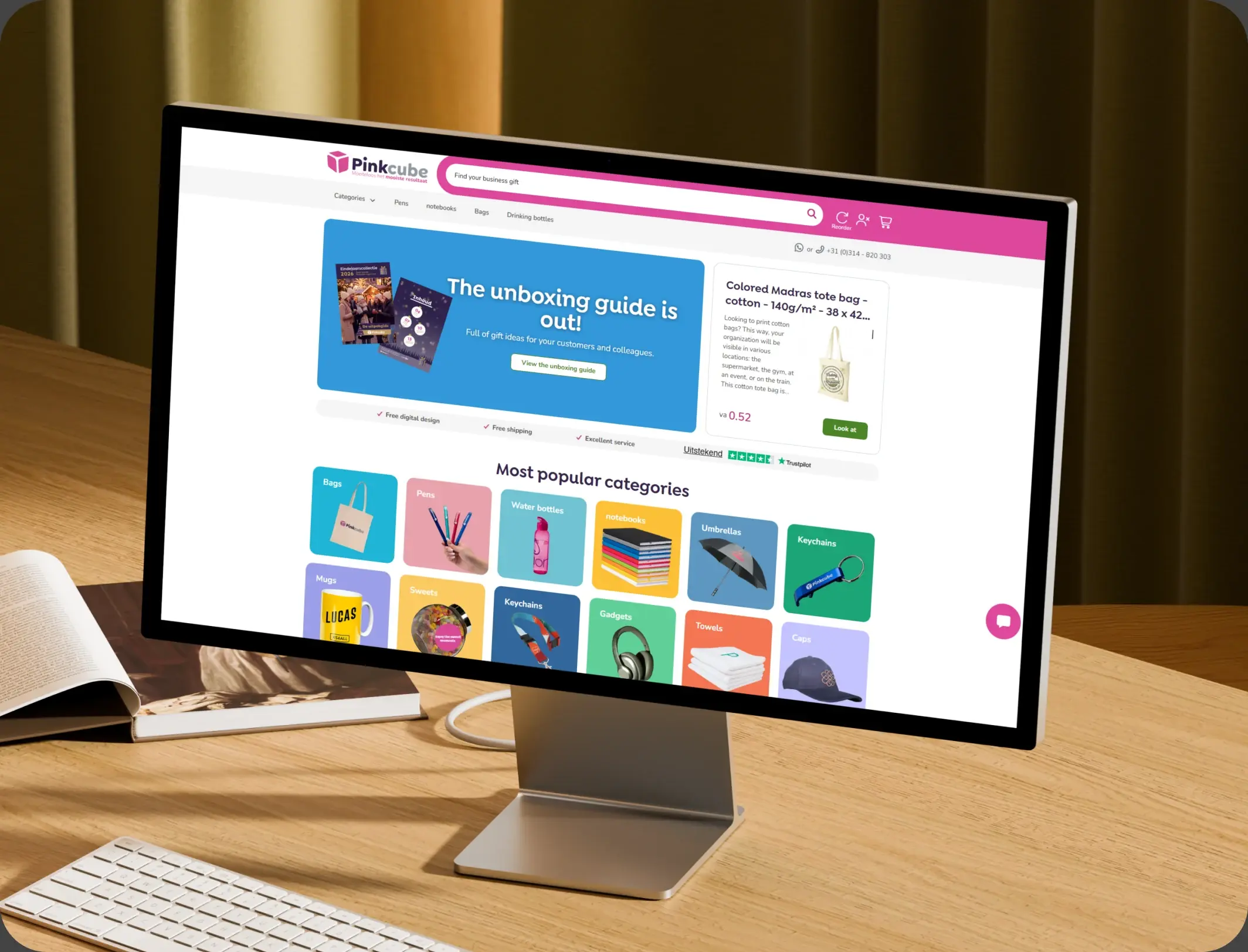
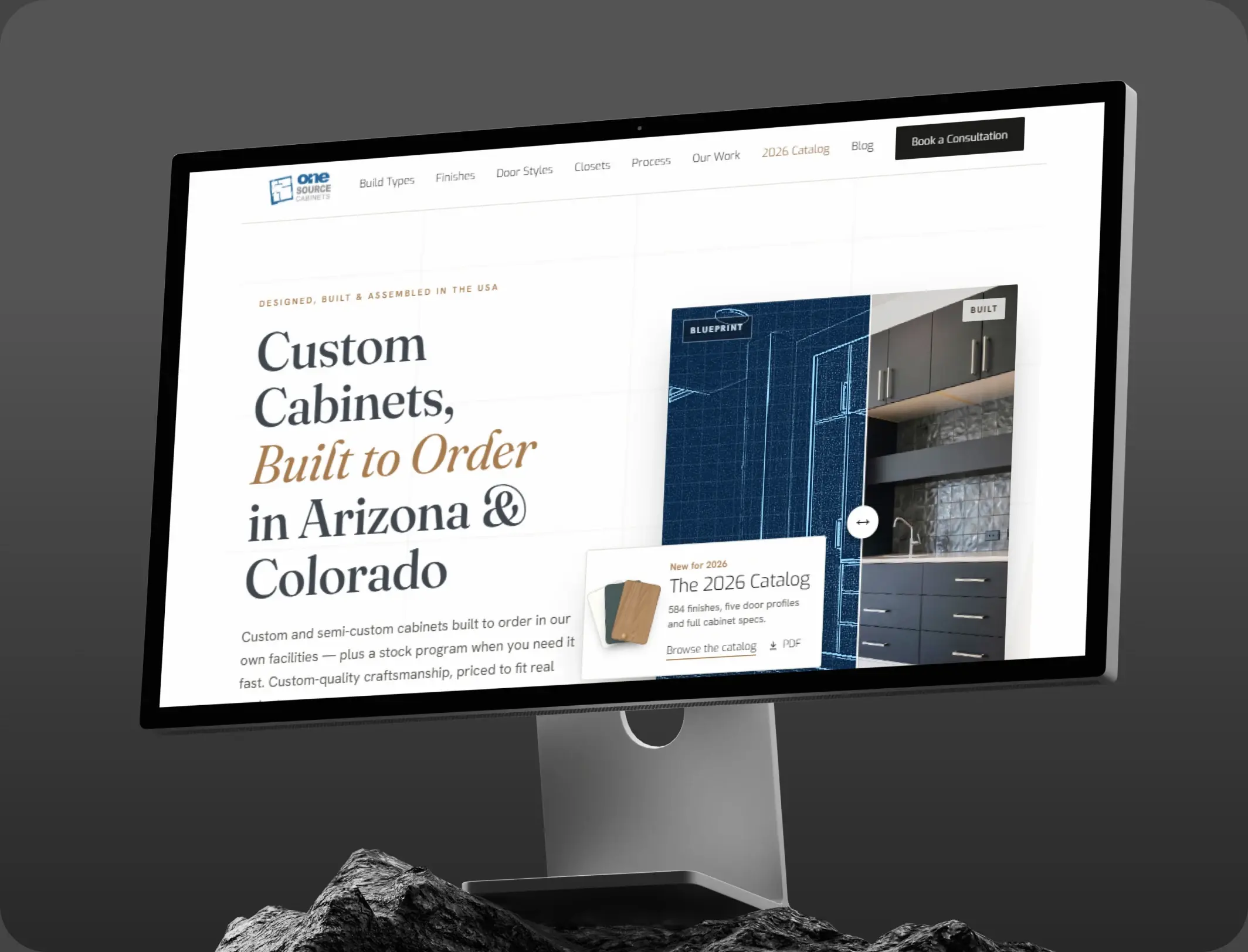
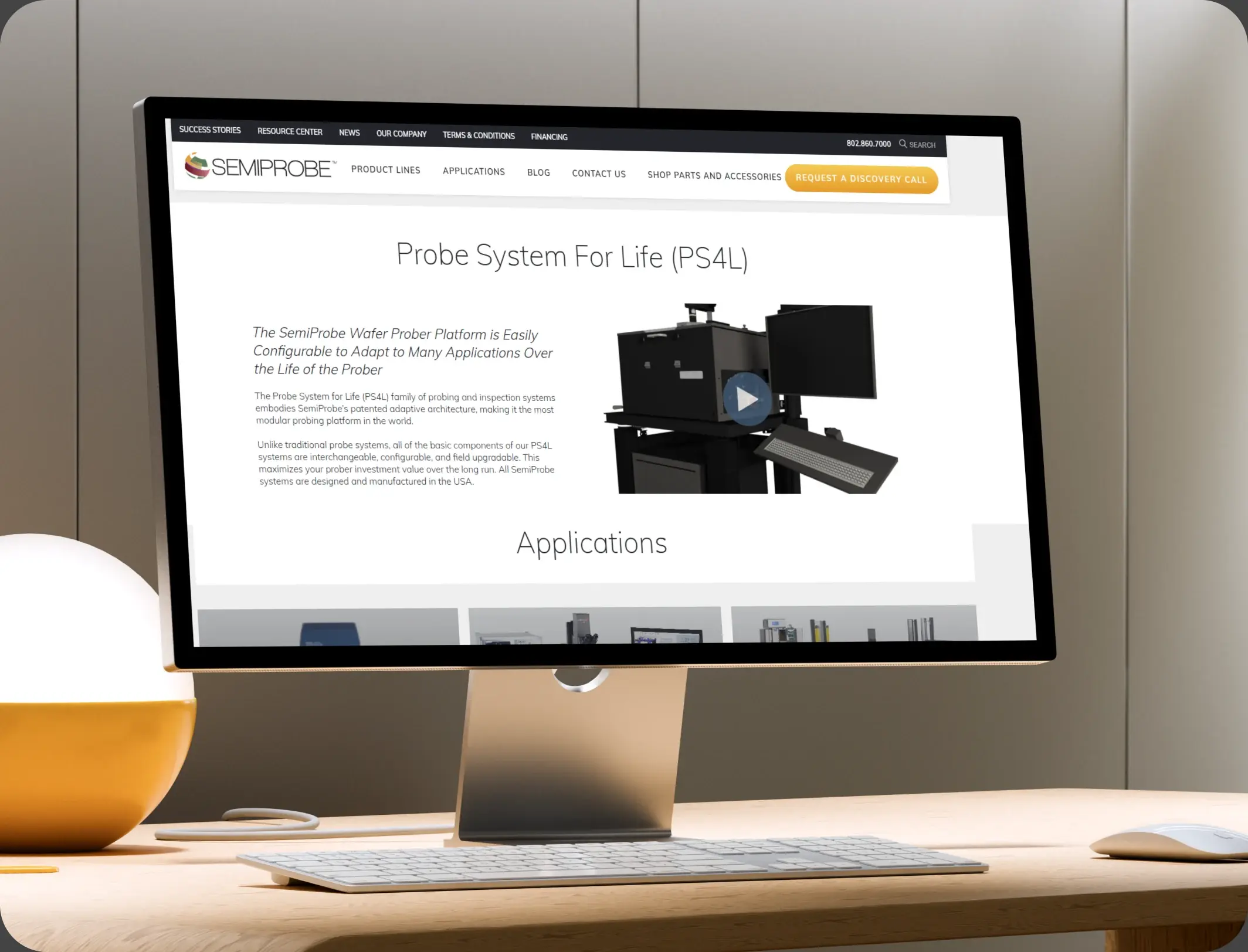
HubSpot Enterprise Onboarding and Custom Integration for a European B2B E-Commerce Giant
Ecommerce
Onboarding Marketing Hub for 360° Marketing Automation and Sales Hub for 5+ team members
Ecommerce
E-commerce Automation, HubSpot Integration, and Sales Optimization
An enquiry books an appointment with the right associate, and the occasion is captured before the visit. Most purchases are attached to a date the client already knows.
Preferences, sizes, and budget notes sit on the record, so the next visit starts where the last one ended. The appointment is where the decision is actually made.
Bespoke stages trigger updates and approval checkpoints through to insured delivery. Bespoke orders stall in the gap between approval and casting.
The occasion is diarised, and the reminder goes out weeks ahead with pieces chosen for that client.
Six weeks before a recorded date, a reminder to the associate, then a client message with suitable pieces. A booked appointment raises a preparation task.
A note within 24 hours of every visit, with the pieces viewed attached. Every bespoke stage sends an update with the next date.
Design, casting, setting, and final inspection each send an update with the next date. Aftercare invitations go out at six and twelve months.
A cleaning and inspection invitation at six and twelve months. A change of associate triggers an introduction.
A change of associate triggers a warm introduction and a note on what the client prefers. Valuations are never stored in the CRM.
Five years after a first purchase, a message that acknowledges the date rather than selling. Service history is reviewed monthly.
Monthly view of repairs, resizing, and repeat appointments. The associate hears about the date before the client does.
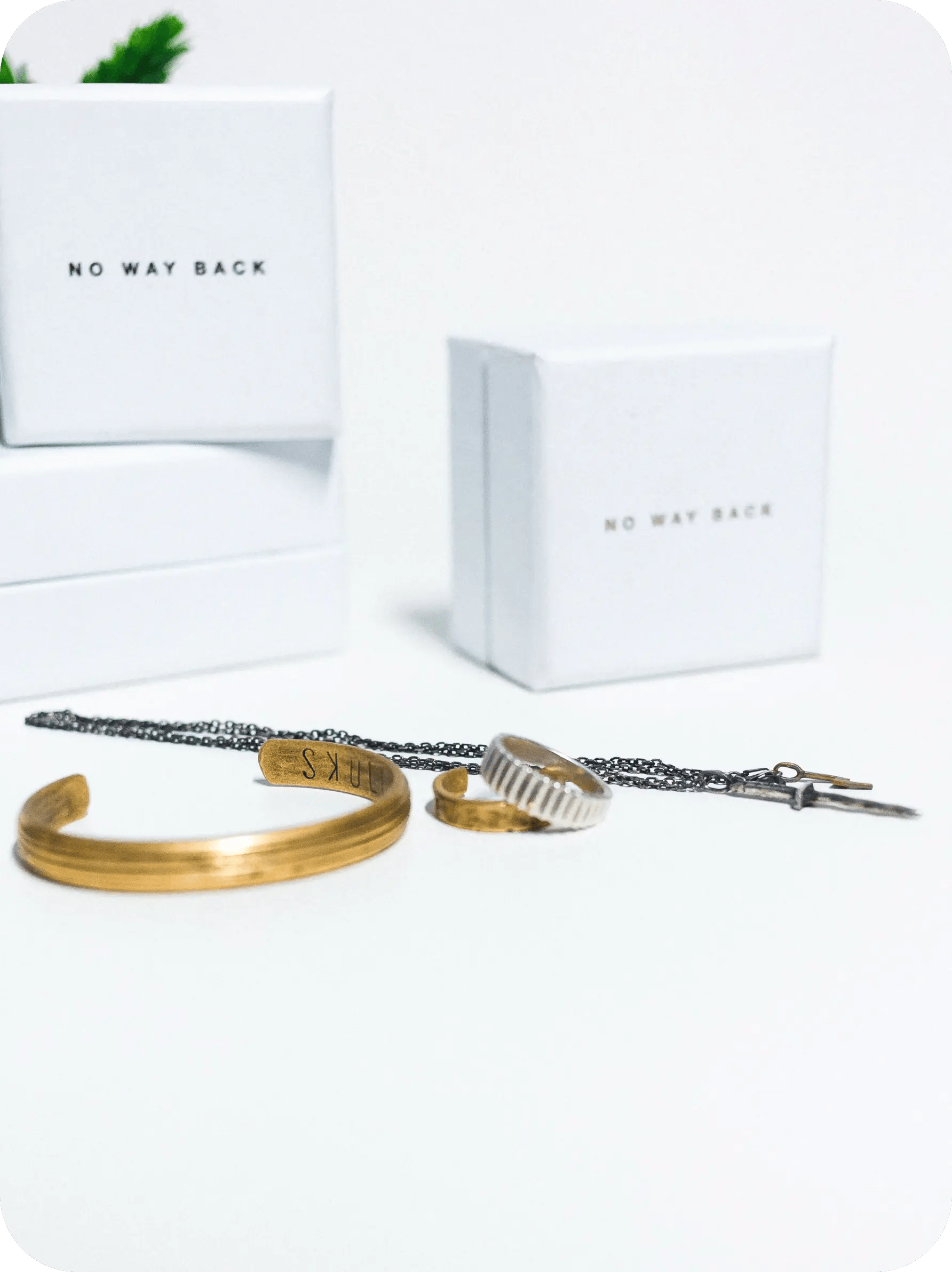
Certified platform expertise, with a track record across ecommerce workflows and luxury retail. Clienteling fields are mapped before a single sequence is built.
Built around your occasions, bespoke stages, and clienteling. No generic templates.
Multi-step workflows and conditional logic built for dates years ahead.
Clean imports from your POS and clienteling records, with purchase history intact.
An in-house team connecting HubSpot to your POS, ecommerce, and appointment booking.
Occasion revenue, bespoke time, and client retention tracked from launch.
A jewelry business holds purchase history, insurance valuations, and personal dates that clients treat as private. The work is separation: identification and payment detail stay in secure systems, and the CRM carries the relationship, the pieces, and the occasions. Valuations stay in secure systems.
Not every brand needs every hub, and most start with Sales and Marketing. Here is how each one lines up with a clienteling business.
Your occasion engine: date reminders, collection launches, and aftercare. Occasion sequences run from the same record as the purchase.
Built for appointments, associate books, and bespoke pipelines. Wholesale enquiries carry an owner and a response window.
Where repairs, resizing, and aftercare appointments get tracked. Service sees the service history before replying. Most brands start with Sales and Marketing, then add Service as repairs grow.
Powers provenance and collection pages with built-in SEO, where high-intent research happens. Provenance and collection pages get edited without a developer.
Connects the POS, ecommerce, and appointment booking, which is how client history stays whole. One record links the appointment, the piece, and the date.
Yes. It runs the client relationship: occasions, appointments, bespoke stages, and aftercare, while the POS and storefront handle the transaction. Most brands see the difference in the first quarter. The CRM carries the relationship, not the transaction. Most brands see the difference in the first quarter.
Dates recorded at purchase trigger a reminder six weeks ahead, to the associate first and then to the client with suitable pieces. Occasion revenue is tracked, so the improvement is measurable. Every workflow is tested before it reaches a client. Occasion revenue is tracked, so the improvement is measurable.
Design, casting, setting, and inspection each send an update with approval checkpoints, so the client is never left wondering. The sequence is matched to the date and the client. Associate handovers are planned, not improvised.
A handover task creates a warm introduction, and the history, preferences, and dates stay with the brand rather than the inbox. Nothing is assumed native until the connector is confirmed. Aftercare timing is set per piece, not per brand.
Yes. A booking and a purchase attach to the same record, so the path from visit to sale is visible rather than assumed. Valuations never sit in the CRM.
Valuation and identification detail stay in secure systems, and the CRM carries pieces, dates, and preferences. That is how cost per appointment becomes visible.
Cleaning and inspection invitations go out at six and twelve months, which brings clients back between purchases. We map which fields may hold client data before launch.
Most run five to eight weeks, depending on integrations and how much client history needs migrating. Purchase history stays in the POS.
Ready to Own the Dates Nobody Remembers?
An anniversary is six weeks away, the associate who knew the client's preferences has left, and the bespoke order has had no update since casting. We build around your occasions, your associates, and your pieces. Nothing is left to a spreadsheet.