














Qualify the Fit
Headcount, current system, and the next enrollment date are captured before the first demo. Most deals start with an HR leader who has a problem and a date.
Most software sells to one department. HR tech gets used by the whole company, whether or not the company wanted it, and the go-live date is set by a calendar nobody can move. HubSpot tracks the four departments weighing in, races the enrollment deadline, and hands the CFO a number rather than a feature list.

Teams that leveled up their growth with HubXpert
Most software serves one team. HR tech is used by every employee, so adoption risk and complaints arrive from places a vendor never hears. A missed enrollment window costs a year, not a quarter.
Open enrollment and fiscal year starts do not move, and a deal that closes two weeks late waits a full year to go live. The CFO signs and the CFO does not use the product.
HR wants the workflow, IT wants the security posture, finance wants the saving, and legal wants the data terms. Adoption is the renewal, whether or not anyone reports it.
The economic buyer is measuring headcount cost, not employee sentiment, and needs a defensible number.
A tool rolled out in January and ignored by March is a renewal lost in December, and nobody measures login depth.
Four people touched the deal, and the report credits whichever campaign reached the last one.
HubSpot for HR Tech covers five areas where a committee and a calendar decide the outcome.
HR, IT, finance, and legal.
What each function needs to hear.
Deals with one contact flagged.
Deals with four functions involved.
Days to the immovable date.
A review running late raises a task.
Who to call when legal stalls.
Deals that missed their window.
Headcount time and tooling saved.
Comparable customer outcomes.
One page the CFO can forward.
Whether the number or the product won.
Department by department.
A team below the line raises a task.
Material the HR lead can send.
Active users against headcount.
A careful setup with role-based access, and employee records.
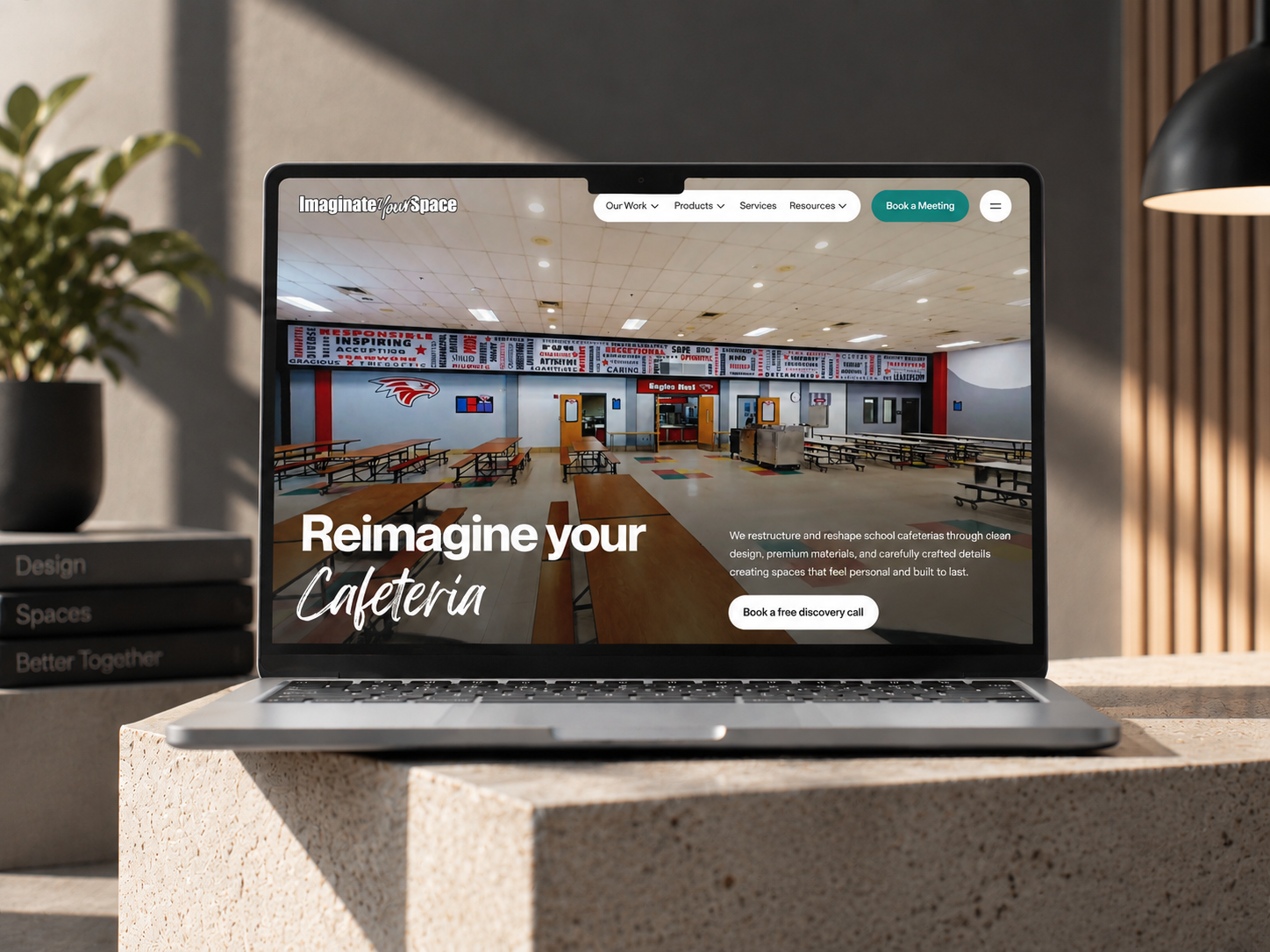
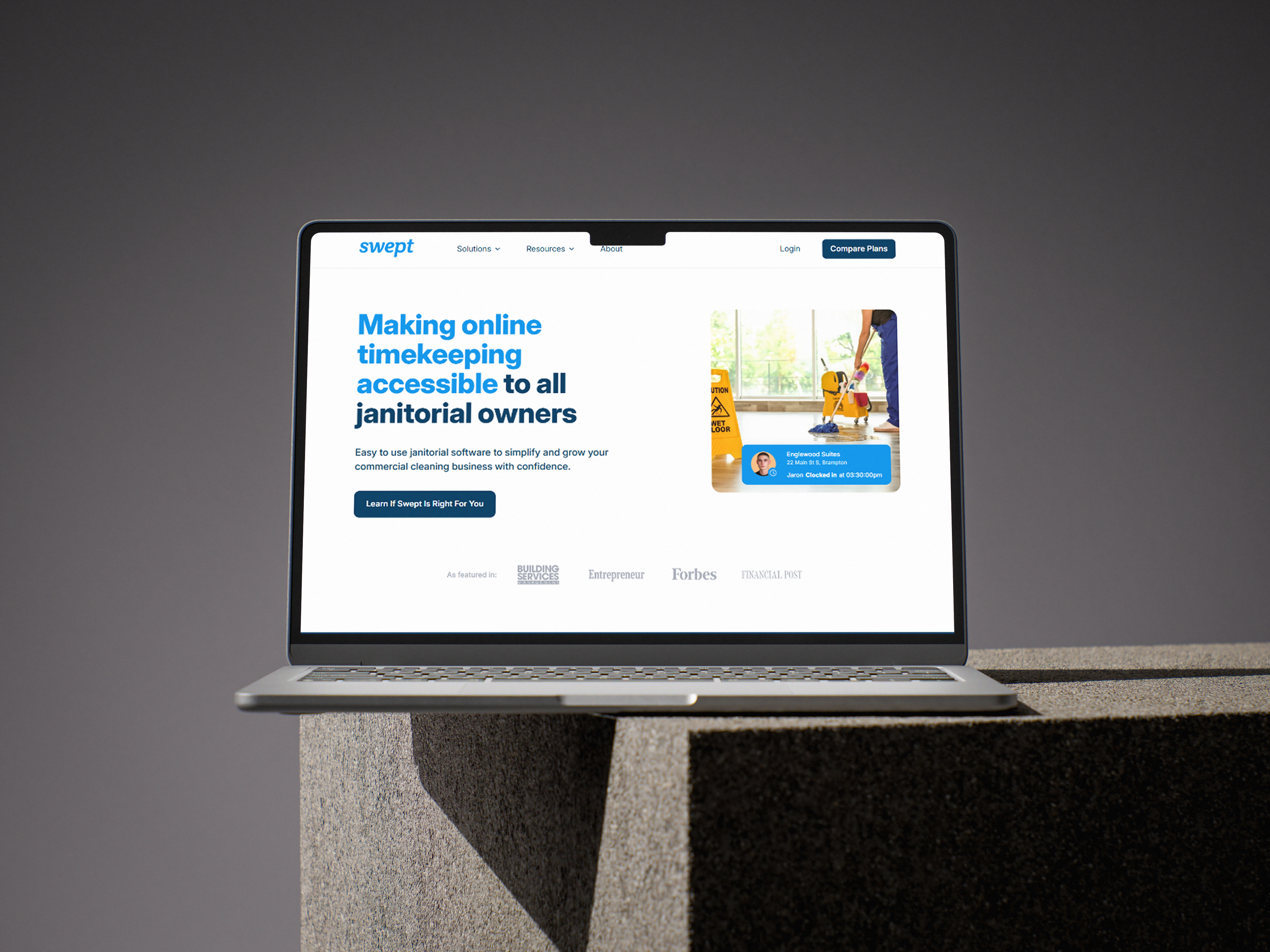
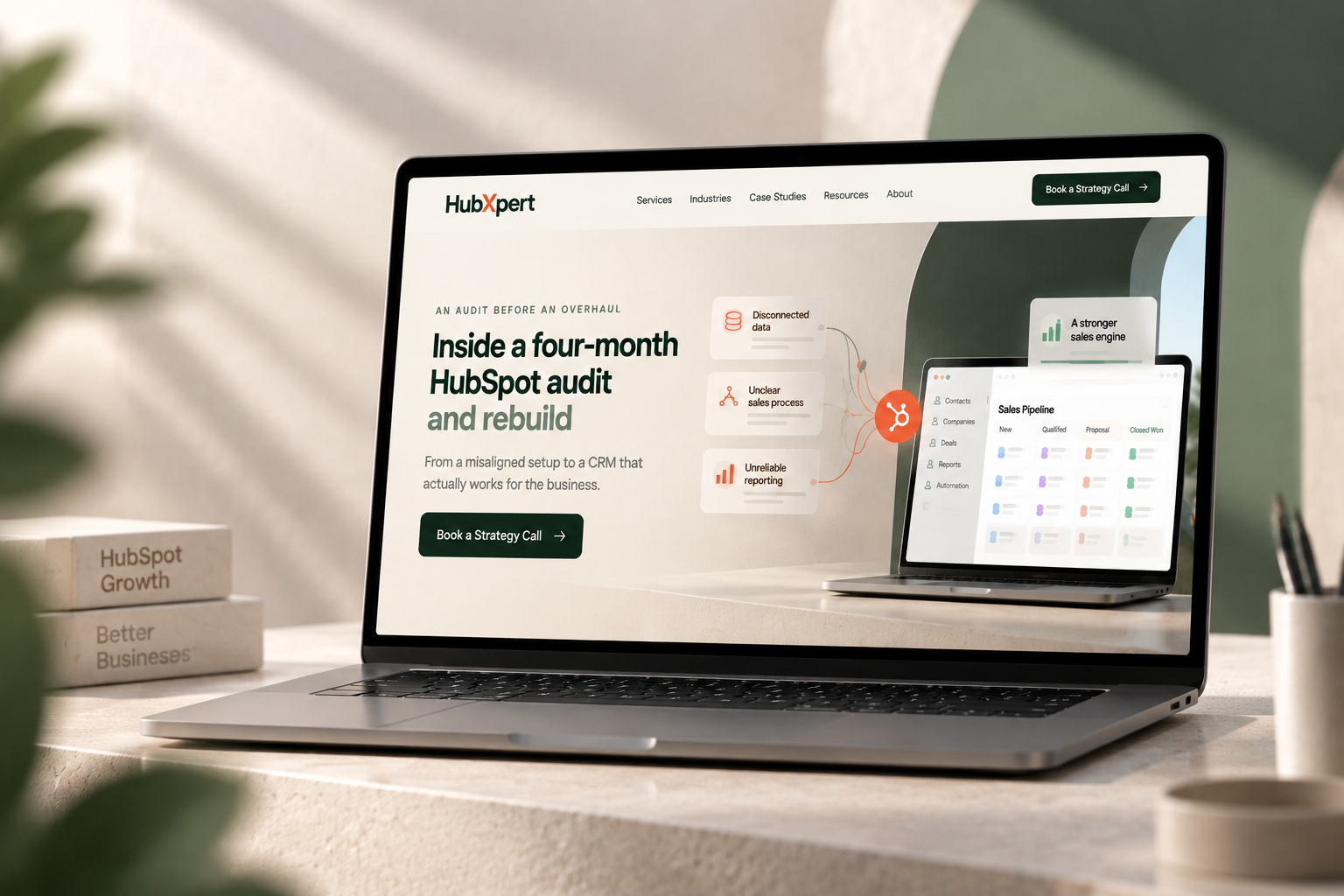
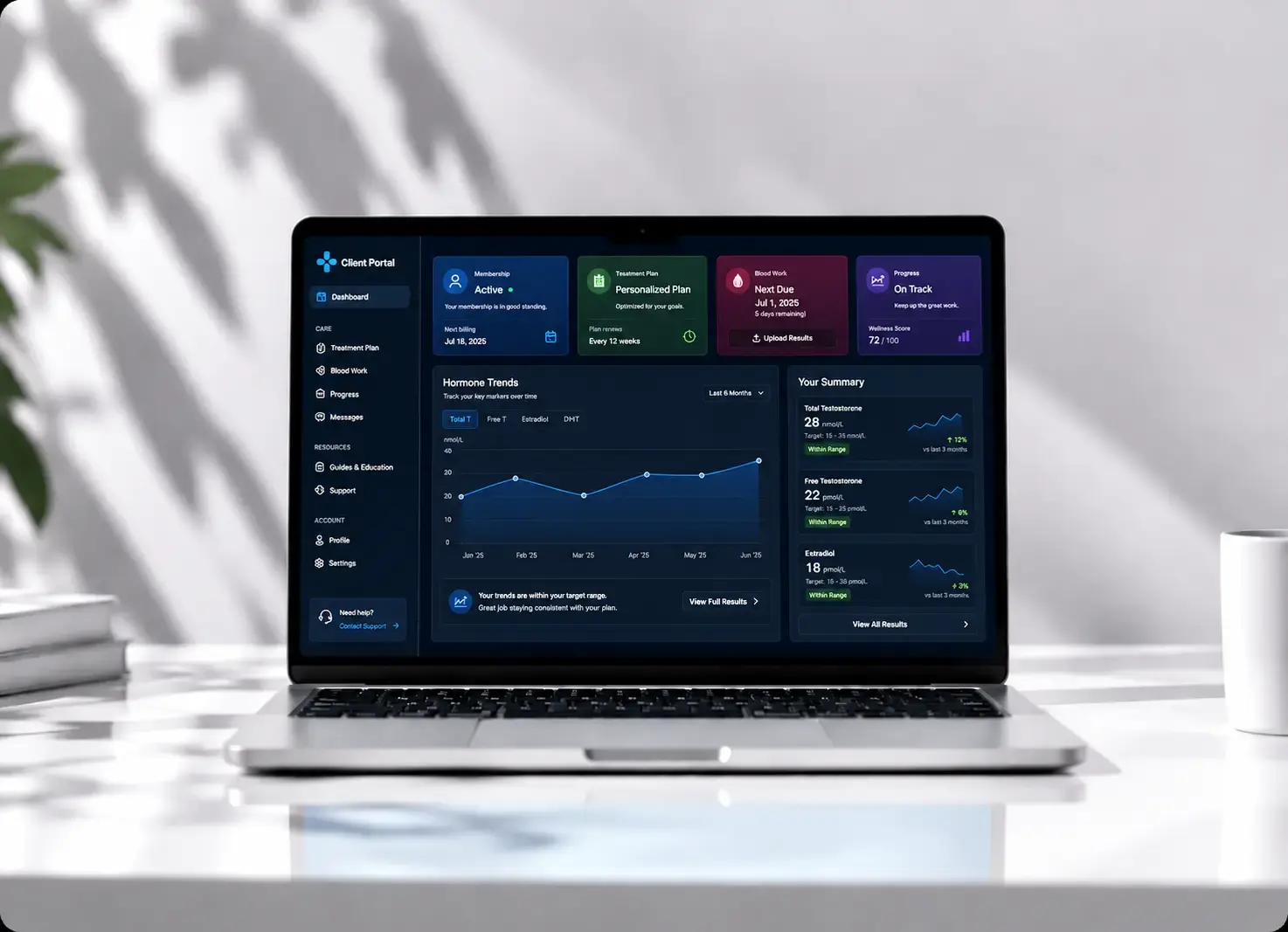
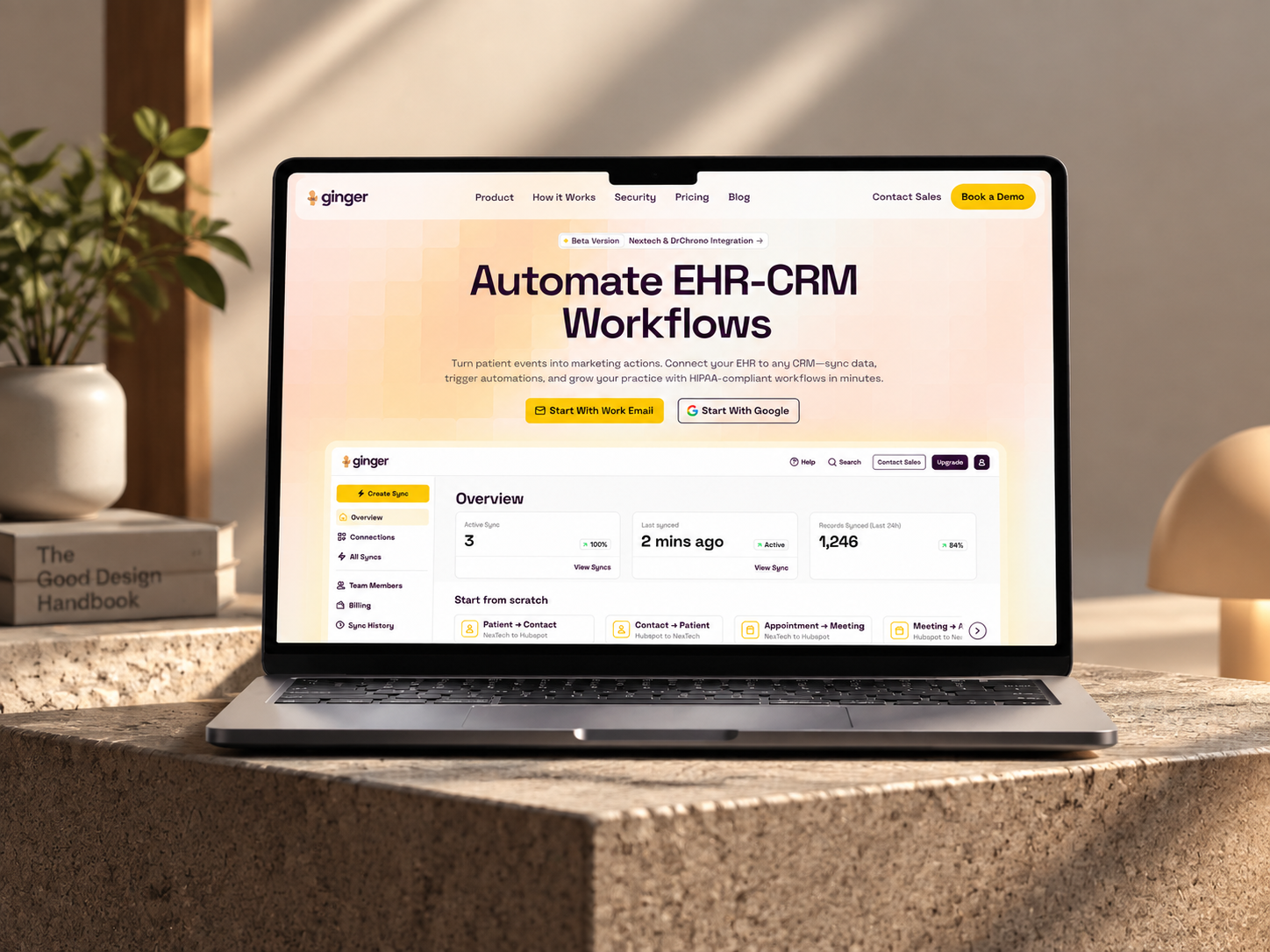
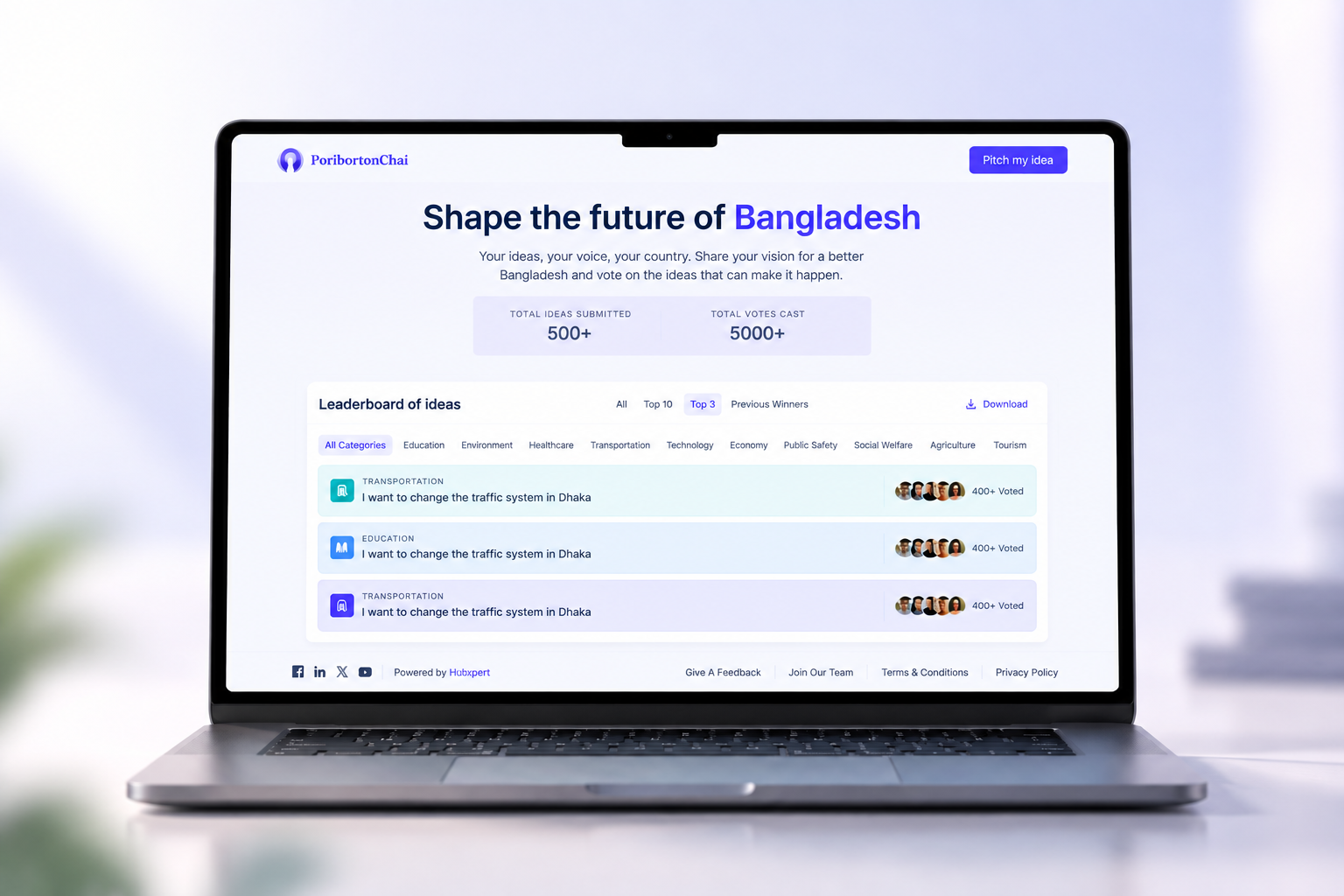
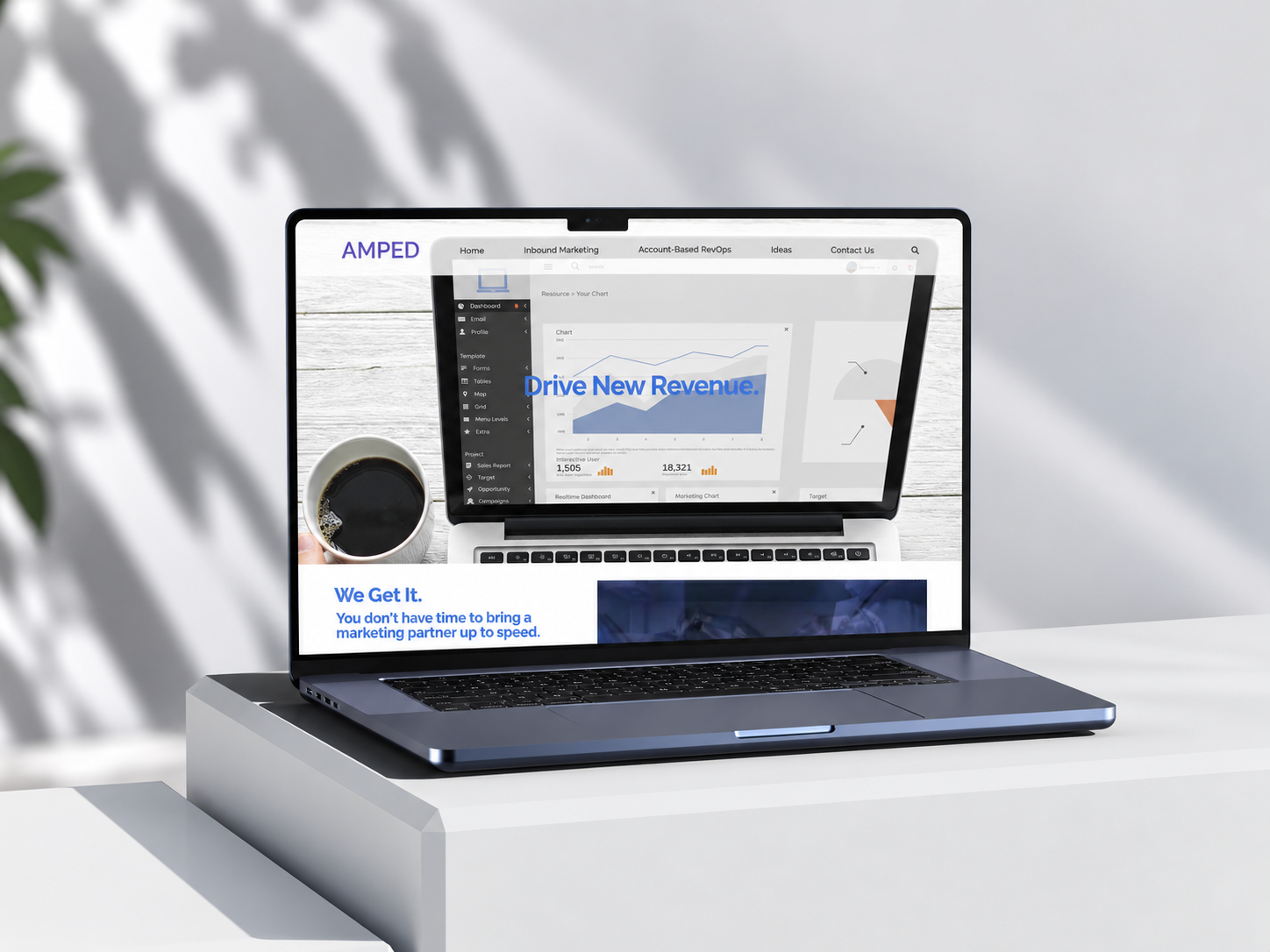
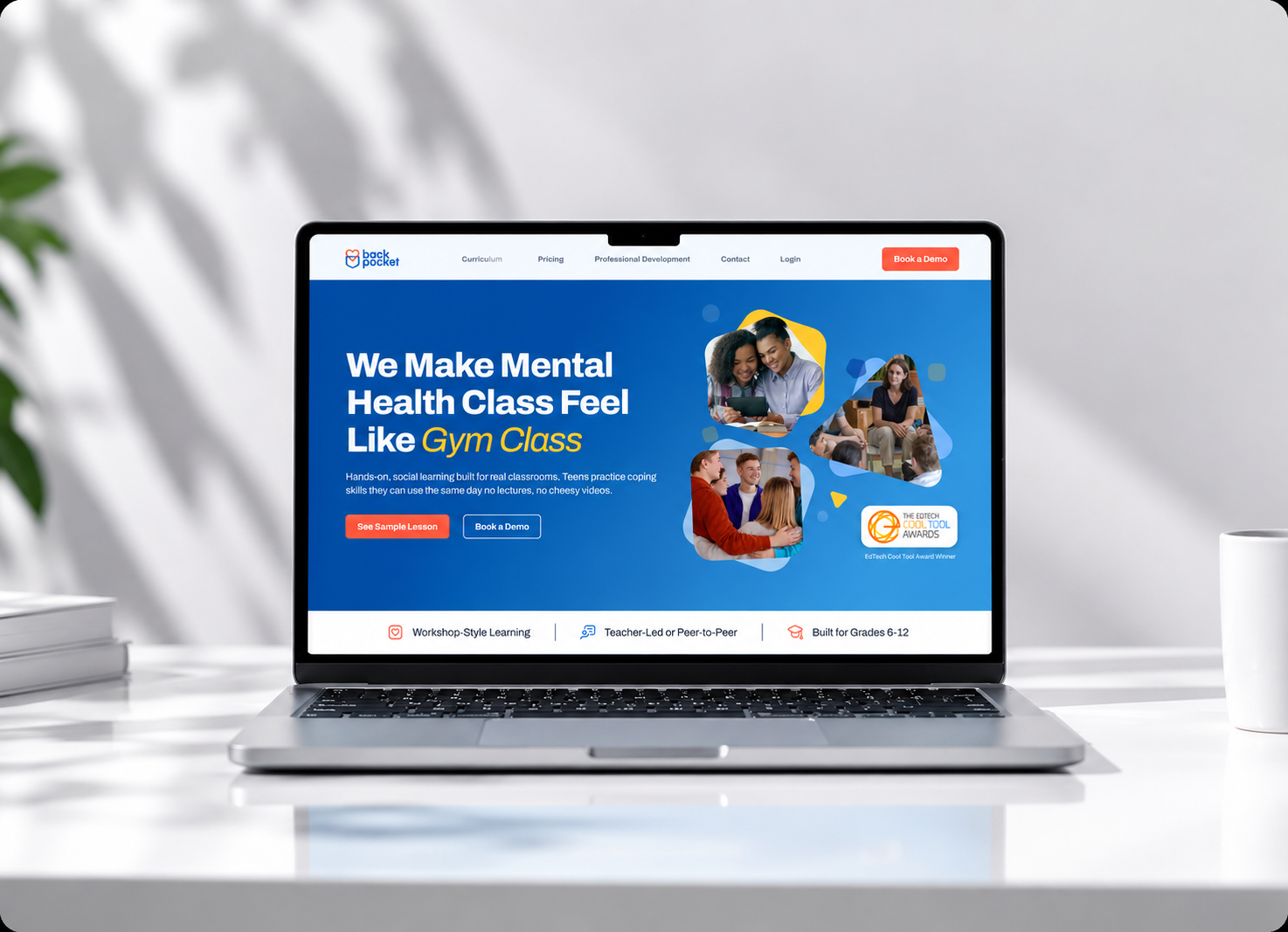
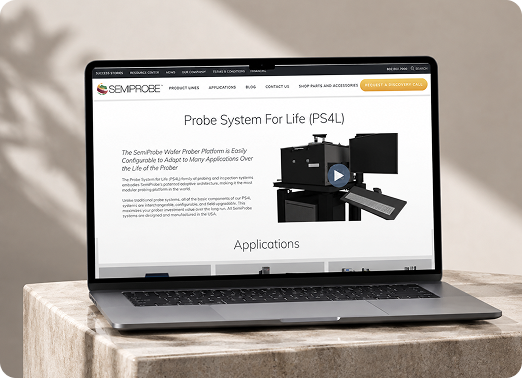
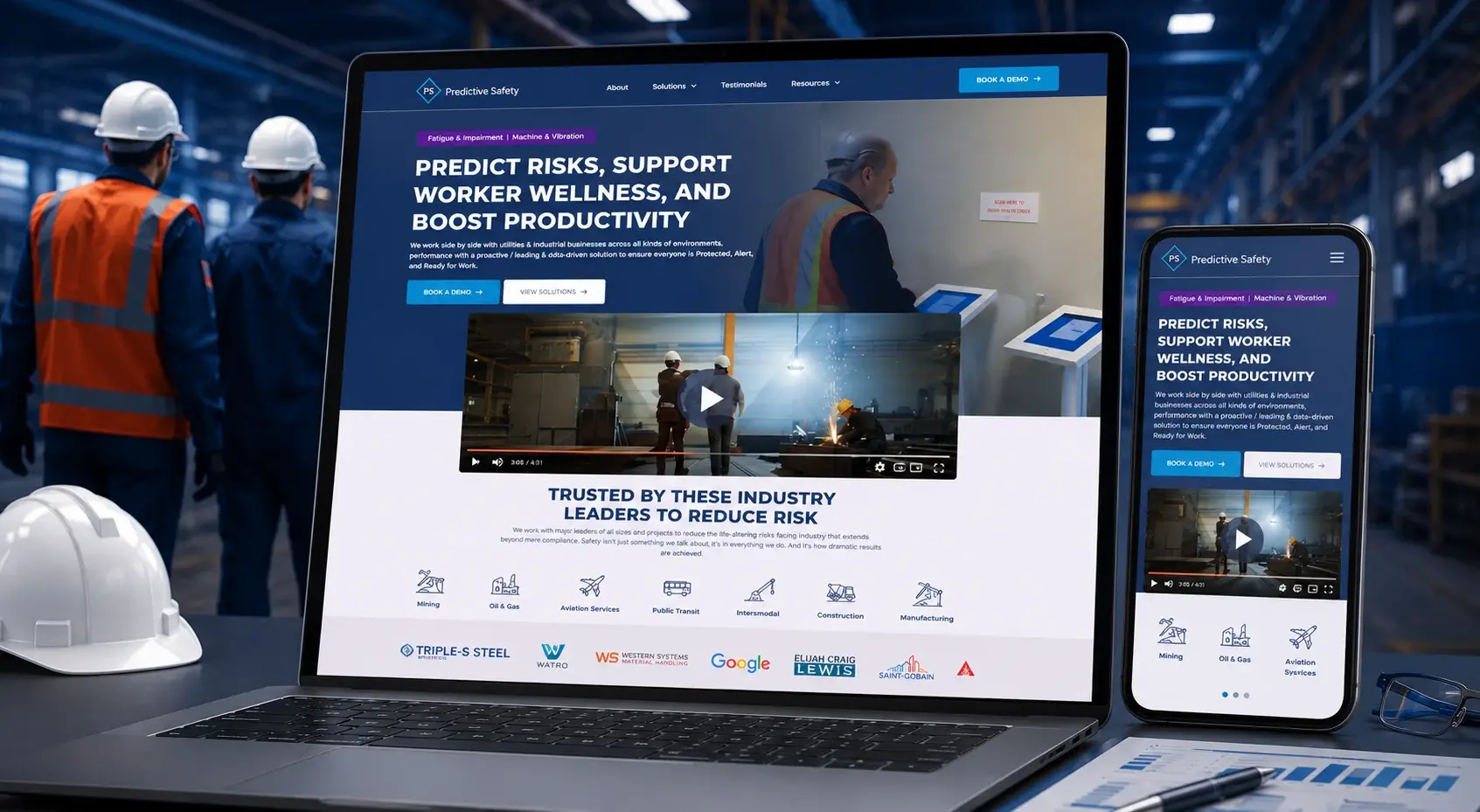
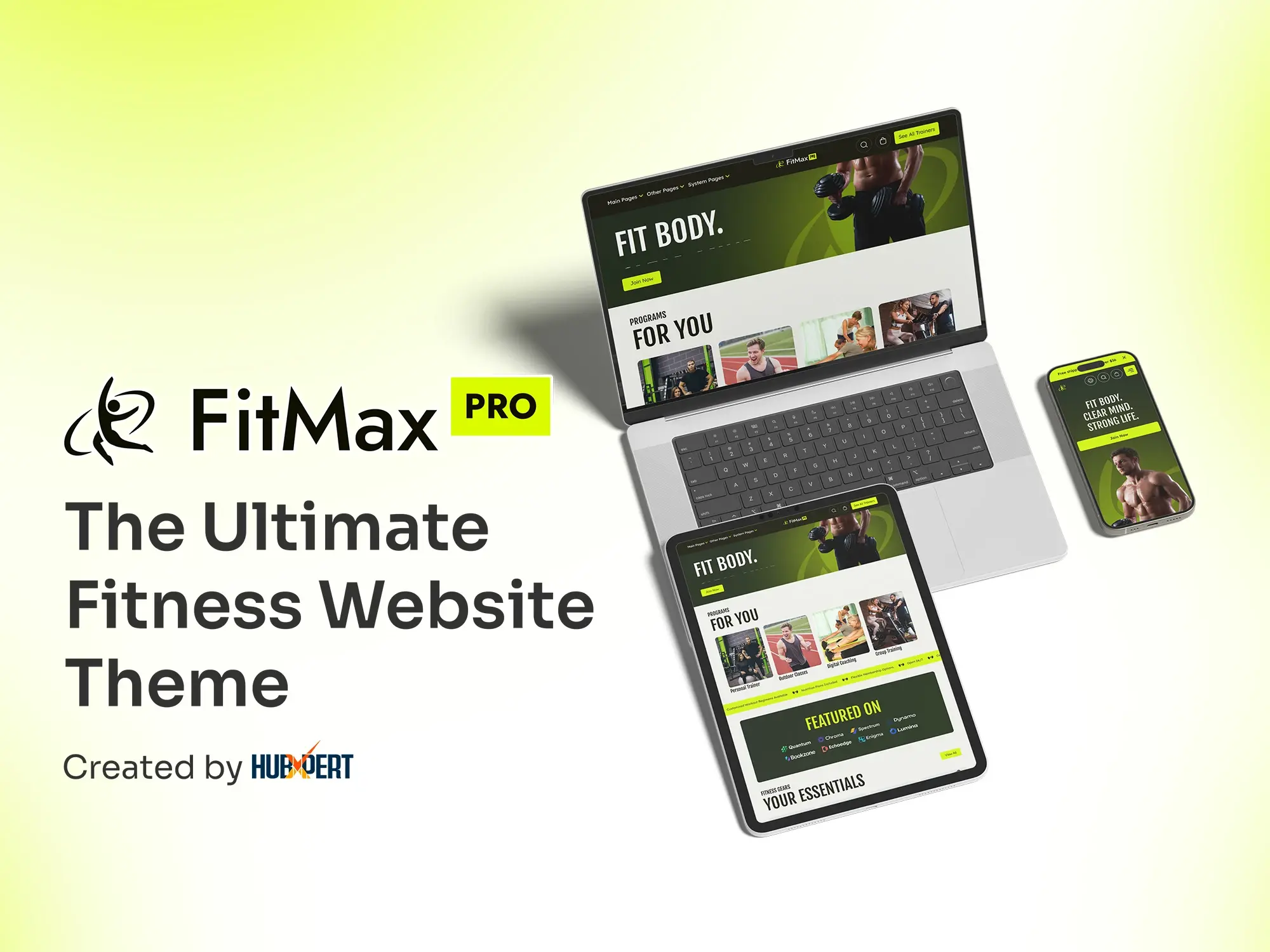
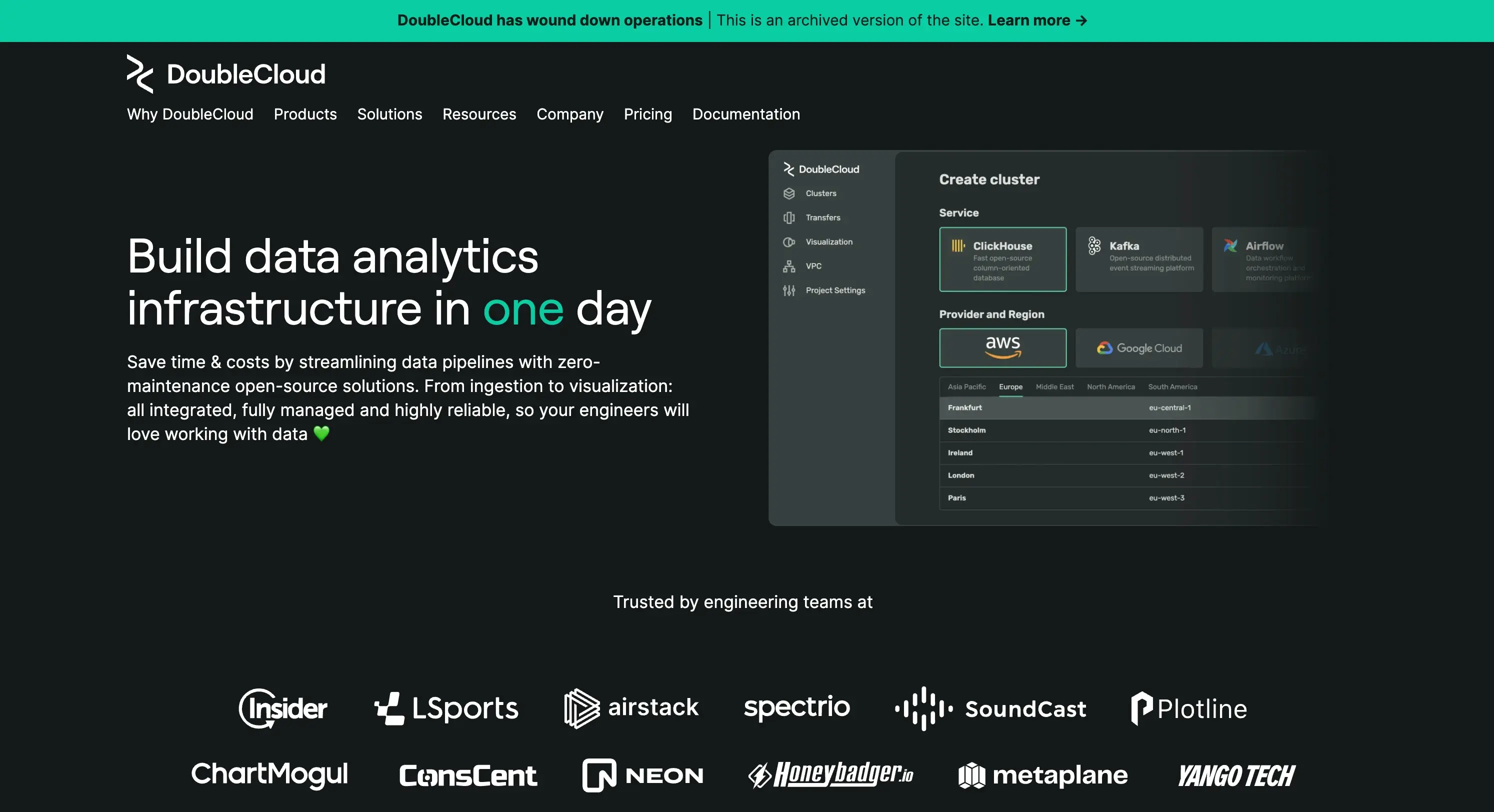
A curated selection of HubSpot implementations and digital marketing campaigns that moved the needle for our clients.
SAAS
SystemHub is a business process documentation platform that helps companies capture, organize, and optimize their core workflows.
SAAS
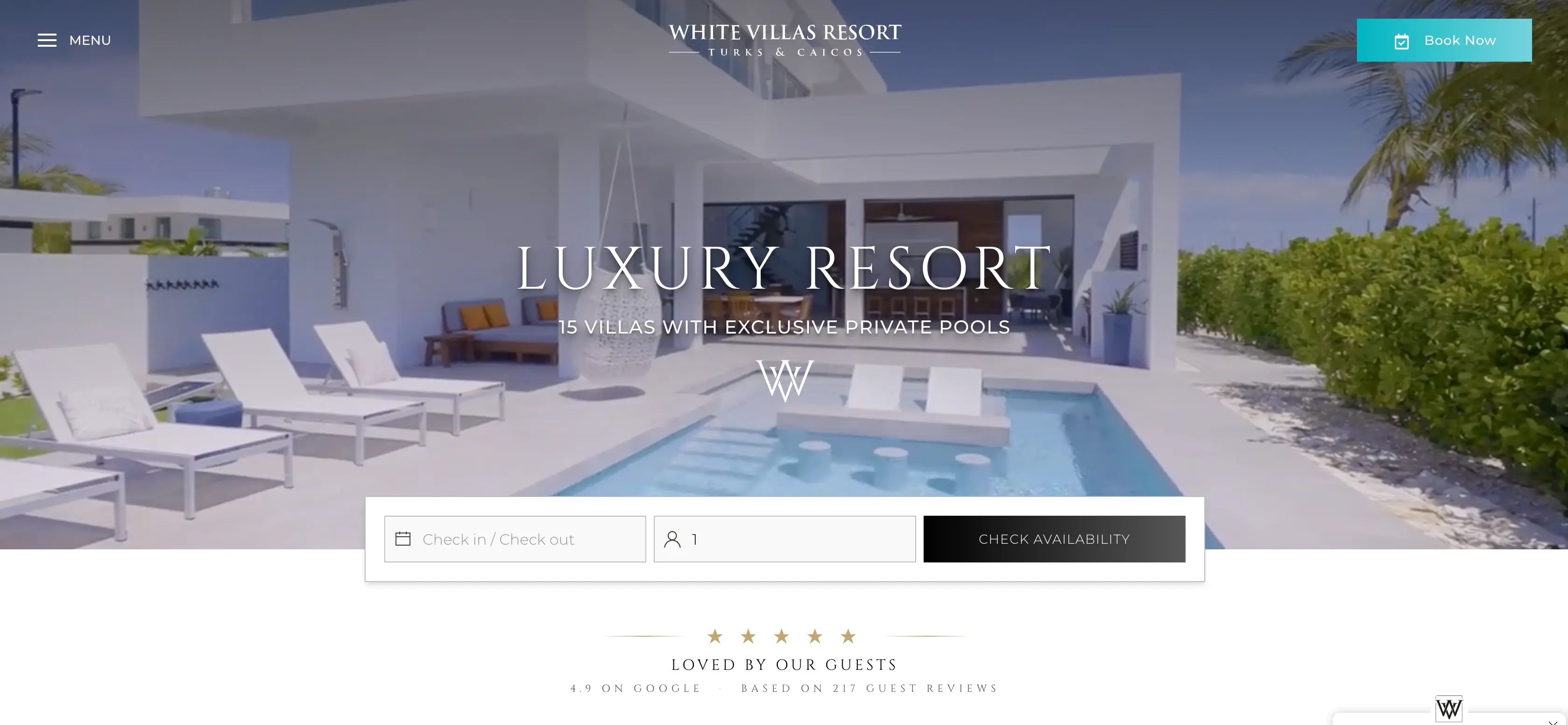
Gander is a SaaS platform that specializes in simplifying the process of curating and displaying high-quality videos
SAAS
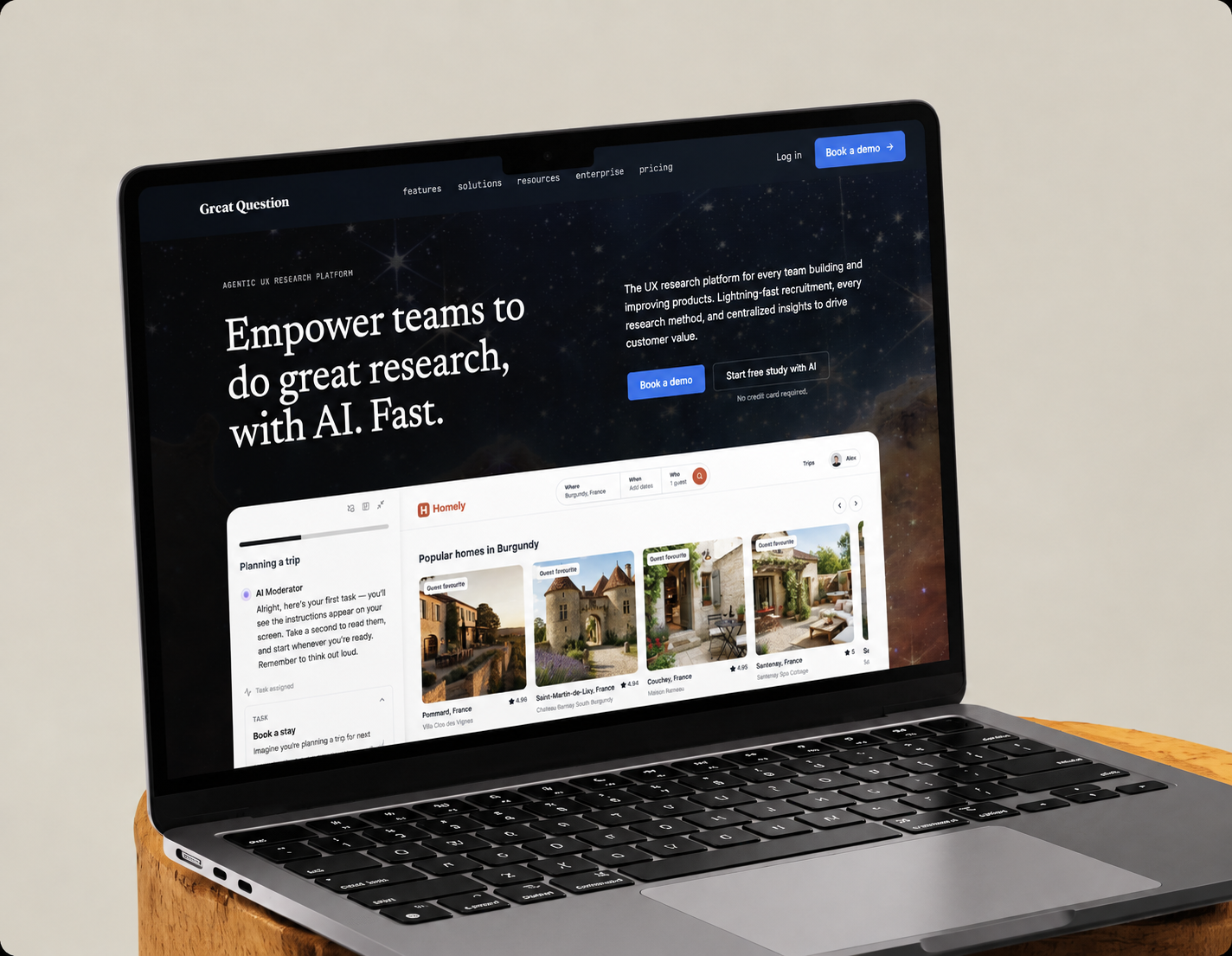
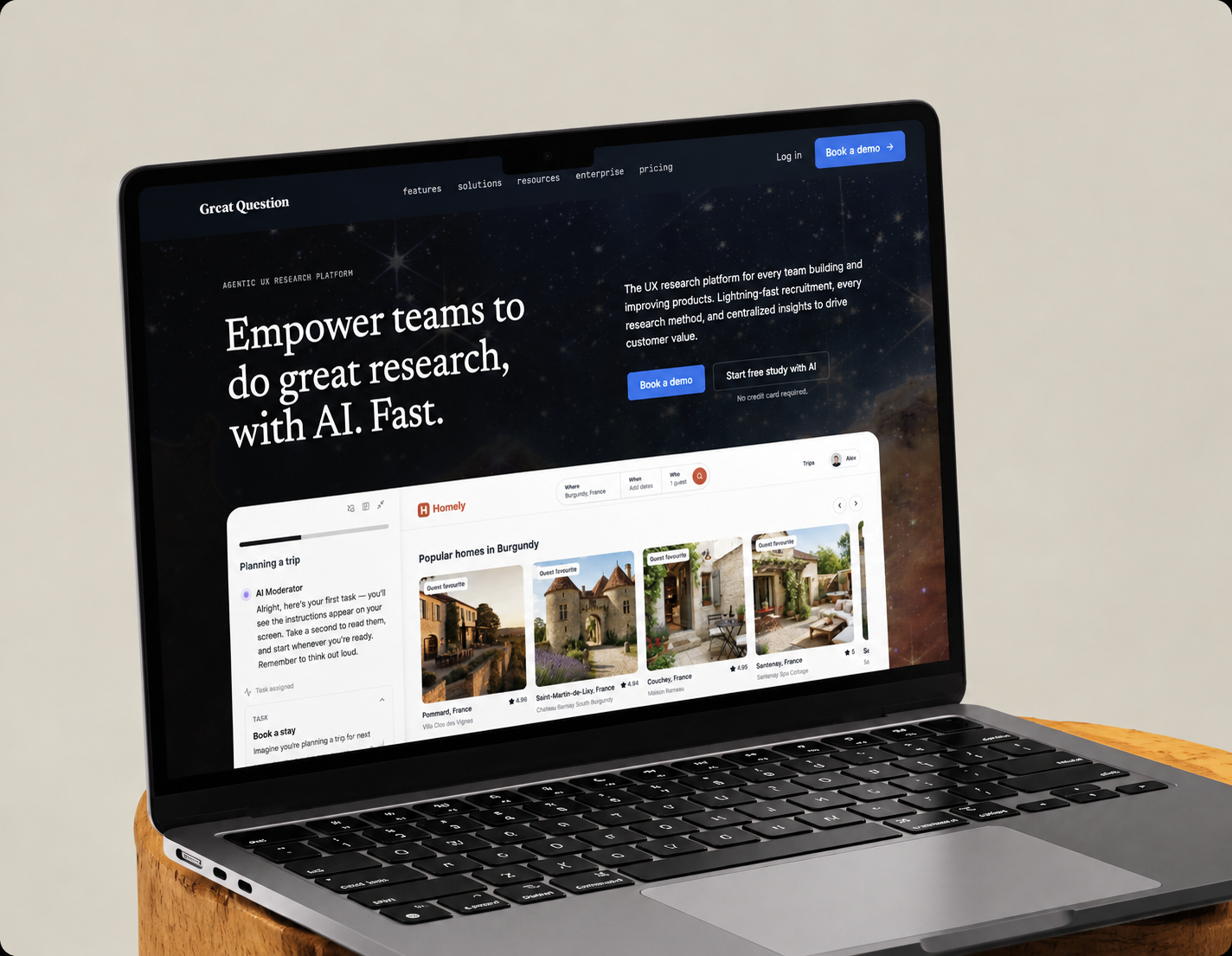
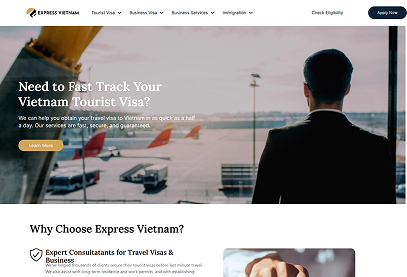
Great Question is an all-in-one UX research platform that helps companies collect user feedback, conduct surveys, and engage in meaningful conversations.
Headcount, current system, and the next enrollment date are captured before the first demo. Most deals start with an HR leader who has a problem and a date.
Each function gets its own contact and objection, and a deal with only HR involved is flagged. IT joins once the security questionnaire appears.
Stage warnings run against the go-live date, and legal or security stalls escalate to a named owner. Finance arrives late and asks for the number.
Rollout runs department by department, and low adoption raises a task before the renewal. Legal reviews the data terms in the final fortnight.
Days to go-live displayed on every deal, with a warning when a stage would miss it. A missing function at proposal raises a task.
A deal missing finance or IT at the proposal stage raises a task for the account owner. Five days in security review contacts the sponsor.
Five days in security review contacts the IT sponsor directly. The business case goes out with the proposal.
A CFO-facing one-pager goes out with the proposal, built from the buyer's own headcount. Adoption is checked at thirty and sixty days.
Department-level adoption is checked at thirty and sixty days after launch. A team below the line raises a training task.
A team below the usage line raises a task with training material attached. Missed windows are reviewed quarterly.
Deals that missed the window are reviewed quarterly for the reason. A stage that would breach the date raises a warning the week before.
Certified platform expertise, with a track record across HR tech and enterprise SaaS builds. The committee structure is mapped before any workflow is built.
Built around your buying functions, deadline logic, and rollout stages. No generic templates.
Multi-step workflows and conditional logic built for a fixed go-live date.
Clean imports from your existing CRM, with deal and committee history intact.
An in-house team connecting HubSpot to your product and HR platform.
Coverage, slippage, and adoption tracked from launch.
An HR tech vendor handles employee records, and often payroll or benefits detail, which puts it inside a customer's own compliance boundary. The work is separation: employee data stays in the platform, and the CRM carries the committee, the deadline, and the commitments. Employee records stay in the HR platform.
Not every team needs every hub, and most start with Sales before adding Marketing. Here is how each one lines up with a committee sale.
Content for four functions, each with a different question. Committee sequences run from the same record as the deal. Finance content is one page, and finance reads one page.
Built for the committee, as part of a SaaS CRM build for enterprise HR sales. Rollout questions sit on the account, not in a shared inbox. Legal terms are linked, not summarised in an email.
Where rollout support and employee questions sit on the account. Compliance pages get edited without a developer. Most teams start with Sales, then add Marketing as the category matures.
Powers the compliance and comparison pages each function reads. One record links the committee, the deadline, and the rollout.
Connects product usage and the HR platform, which is how adoption stays visible. Product usage is what makes adoption honest. A security page answering the standard questionnaire saves two weeks.
Yes. It runs the committee and the calendar: four functions tracked, deadlines counted down, and adoption measured after launch. Most teams see the difference in the first cycle. The CRM carries the objection, not the employee record.
Enrollment and fiscal year starts do not move, so a deal that closes a fortnight late can wait a year to go live, which changes the forecast. Coverage is tracked, so the improvement is measurable. Every workflow is tested against a real deal first. Most teams see the difference in the first cycle.
Each function has a contact and an objection, and a deal missing finance or IT at proposal raises a task automatically. The sequence is matched to the function and the stage. Deadline warnings run weekly during a live cycle.
A one-page business case is built from the buyer's own headcount and sent with the proposal, so the number travels rather than the pitch. Nothing is assumed native until the connector is confirmed. Adoption reviews follow the launch date.
Rollout is tracked department by department, and a team below the usage line raises a task with training material attached. Employee data never sits in the CRM.
Employee and payroll detail stay in the HR platform, security evidence is linked rather than copied, and access follows the role. That is how cost per covered committee becomes visible.
Every function that joined is recorded, so win rate can be compared by source and by how much of the committee engaged. We map the four functions before anything is built.
Most run four to six weeks, with the product integration the longest part. Committee history is imported where it exists.
Ready to Reach All Four Before the Deadline Does?
A deal has HR on board and nobody in finance, enrollment opens in seven weeks, and adoption last year never reached the warehouse team. We build around your calendar, your committee, and your rollout. No generic setup, and no function left unreached.