



































Watch the Signals
Headcount bands, sector, and regulation exposure are recorded on every client and prospect. Most clients arrive through a referrer. The first thirty days decide everything.
Your best clients do not buy on a schedule. They buy when they cross a headcount threshold, face a regulation change, or hit a problem they cannot handle internally. HubSpot catches those moments, keeps onboarding orderly once they say yes, and turns one-off projects into advisory retainers.

Teams that leveled up their growth with HubXpert
Crossing key employee counts brings new compliance obligations, and clients rarely notice until they are already exposed.
One-time handbook and compliance projects close and disappear, and recurring advisory work is where predictable revenue lives.
Document collection, policy reviews, and employee communication either run in a sequence or descend into chasing.
In a growing company the person feeling the problem is the founder or the operations lead, and they buy quickly when the risk is clear.
A change in employment law creates urgency across the whole book at once, and most firms respond one client at a time.
A retainer that began after a compliance scare gets credited to whichever newsletter ran that month. Onboarding quality decides whether the retainer is even offered.
HubSpot for HR Consulting Firms covers five areas where a trigger, not a campaign, creates the engagement.
The thresholds that change obligations.
A band change raises a conversation.
Changes that affect the whole book.
Deals that started with a signal.
Documents, policies, and contacts.
Reminders that do not rely on memory.
A missing document raises a task.
Days from signature to first deliverable.
Raised before the project closes.
What the project changed.
Options rather than one price.
Projects that became recurring.
Who the change affects.
What changed, and what to do.
A conversation, not a webinar.
Clients who acted.
Referral, event, or content.
Accountants and lawyers who send work.
Retainer rate by source. Segment by exposure.
A view the partners can act on.
A careful setup with role-based access, and employee records.
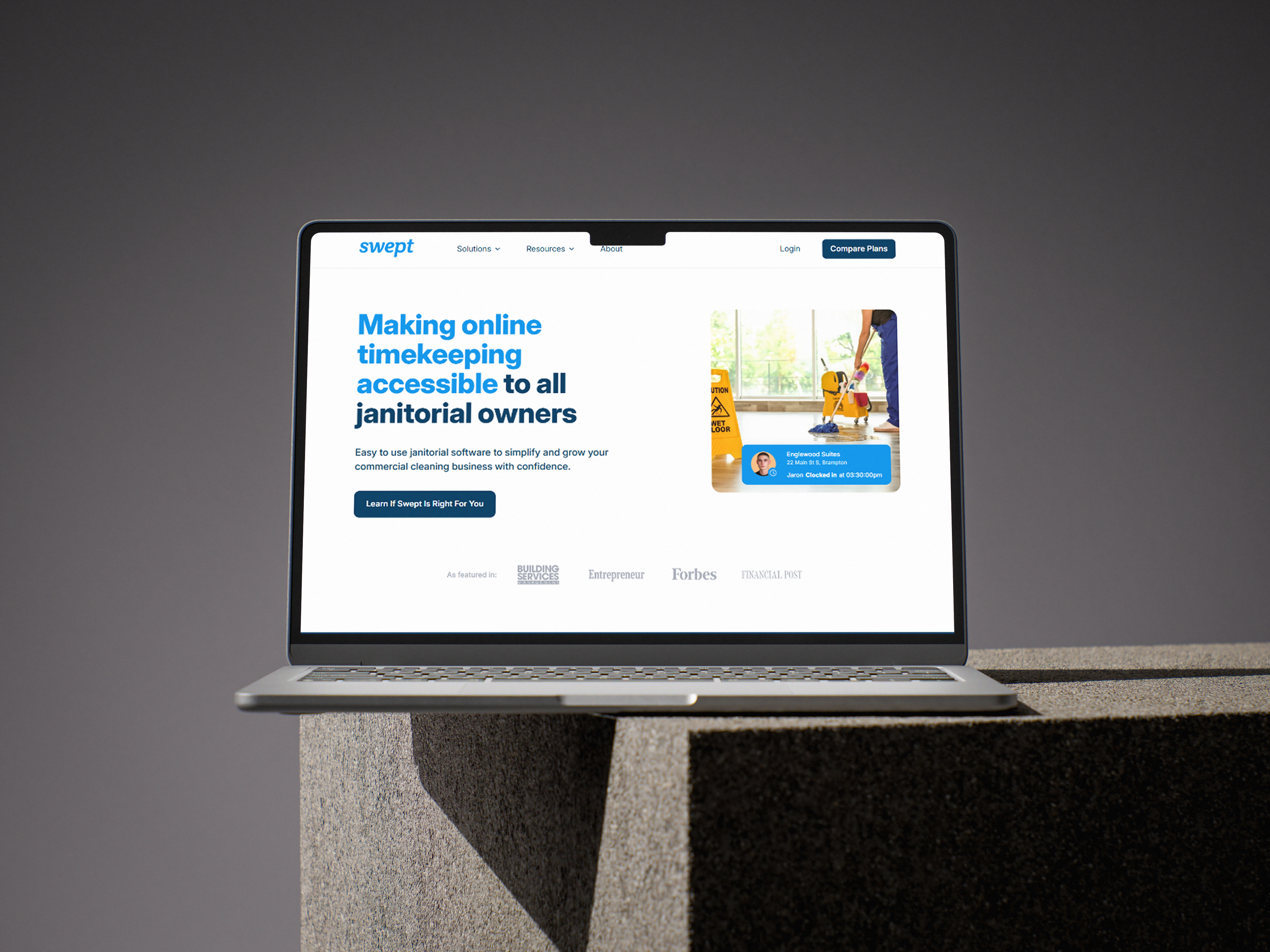
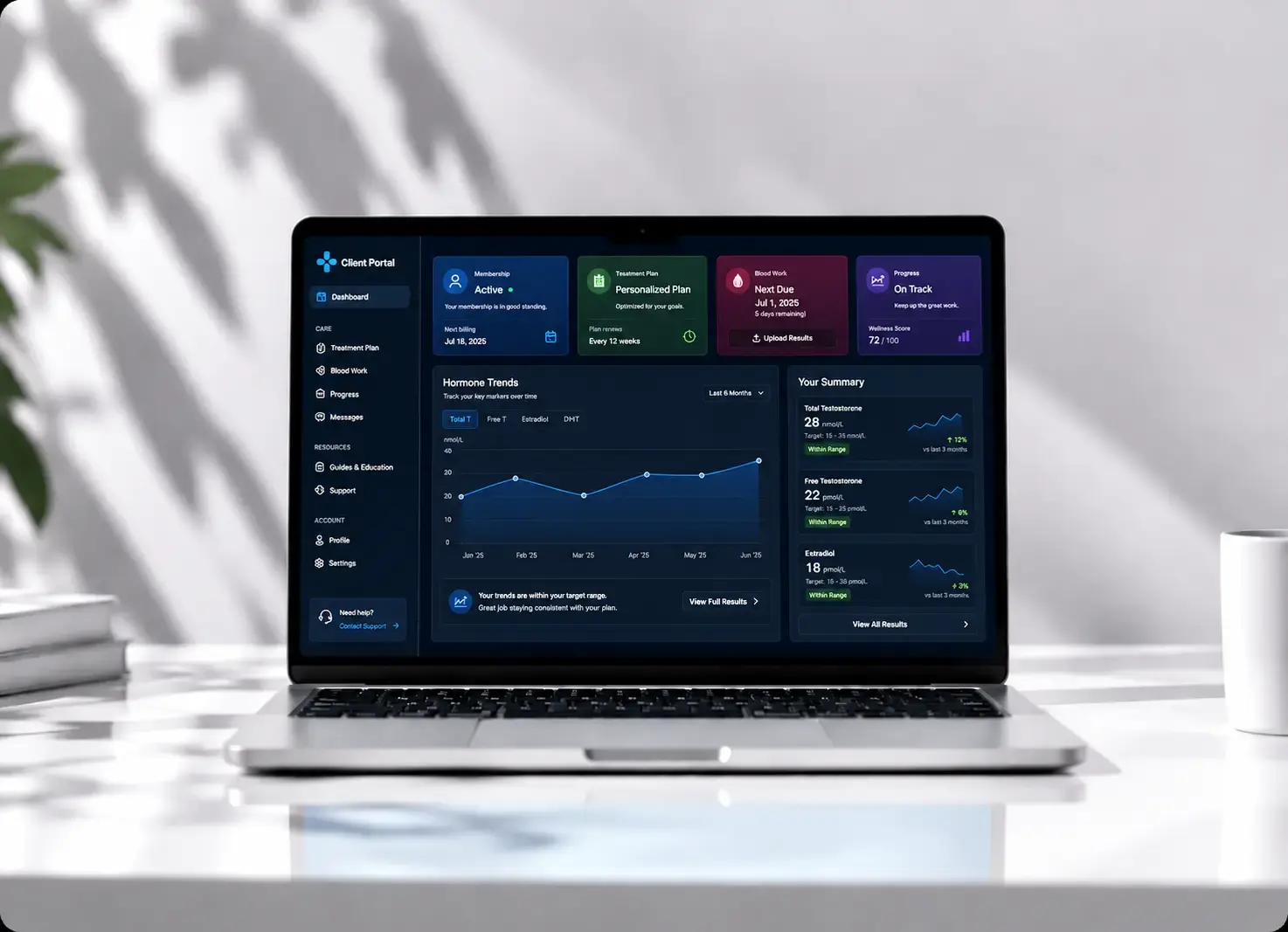
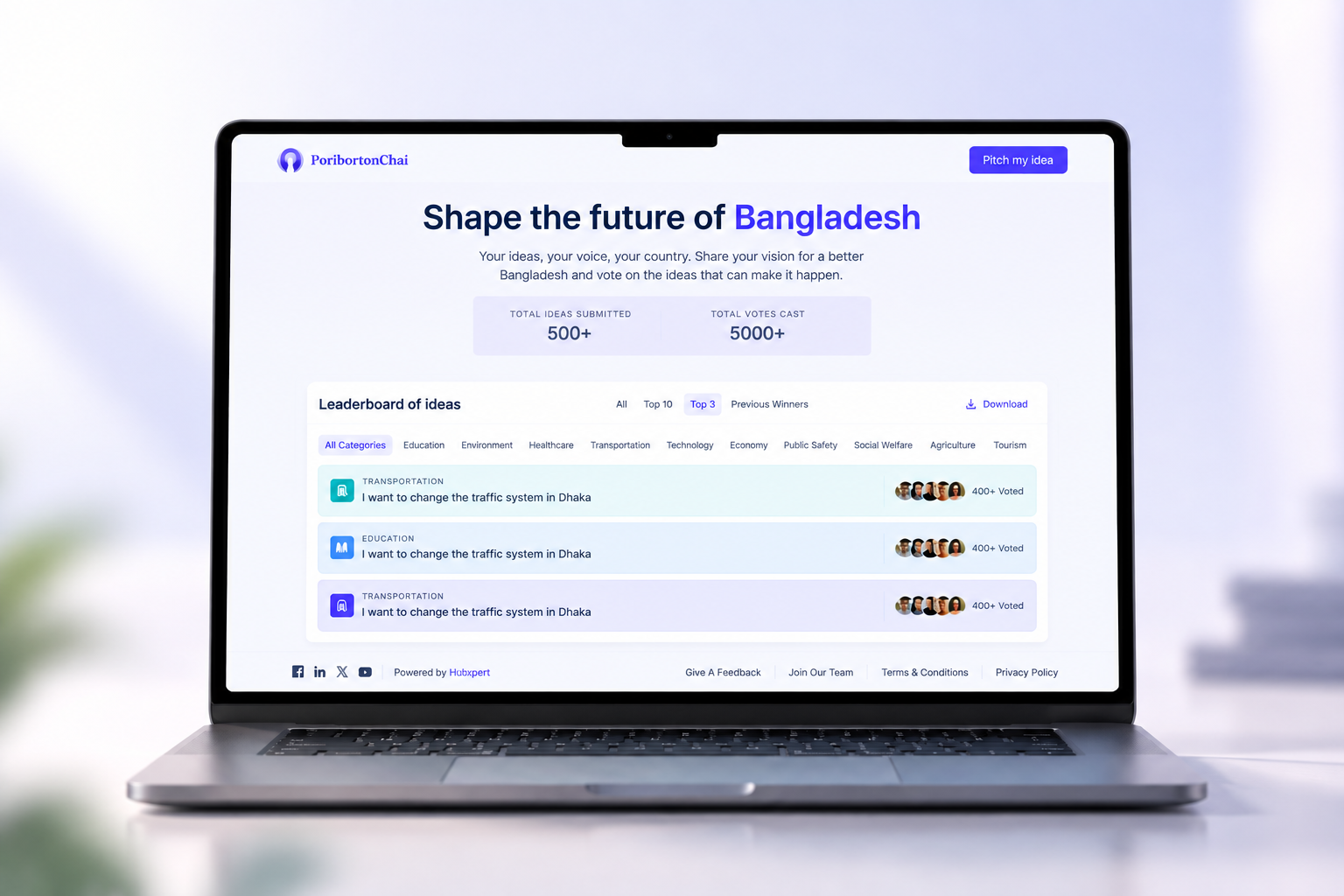
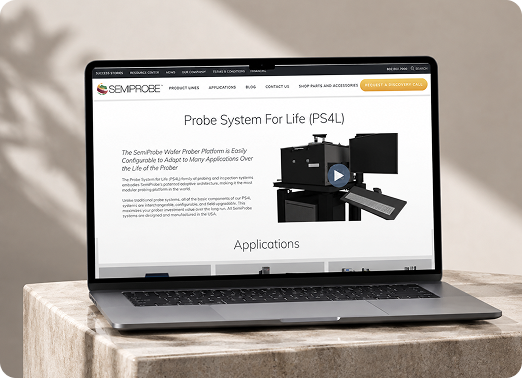
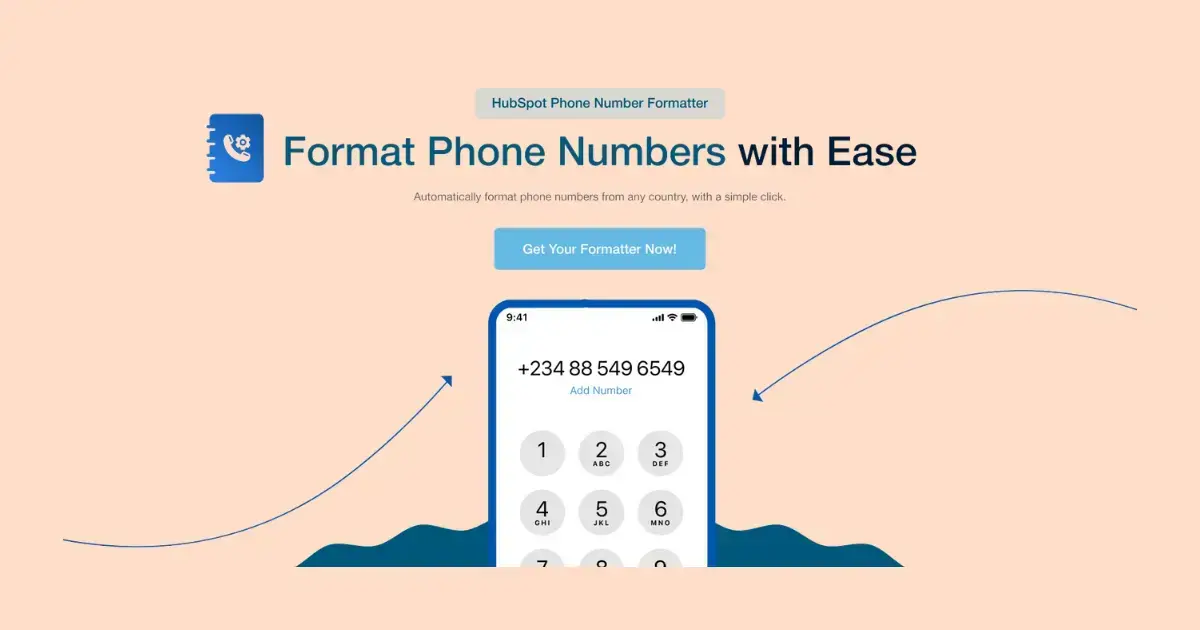
A curated selection of HubSpot implementations and digital marketing campaigns that moved the needle for our clients.
WEBOPS
Leva Medical lacked Nextech–HubSpot integration, limiting marketing insights. HubXpert enabled secure, real-time sync for smarter, compliant patient engagement.
WEBOPS
Home Service Academy required multiple high-converting landing pages for different marketing campaigns, including "Write & Publish Book," "Free Book," and "Live Training." Each page needed to align with the client’s branding.
Professional Service
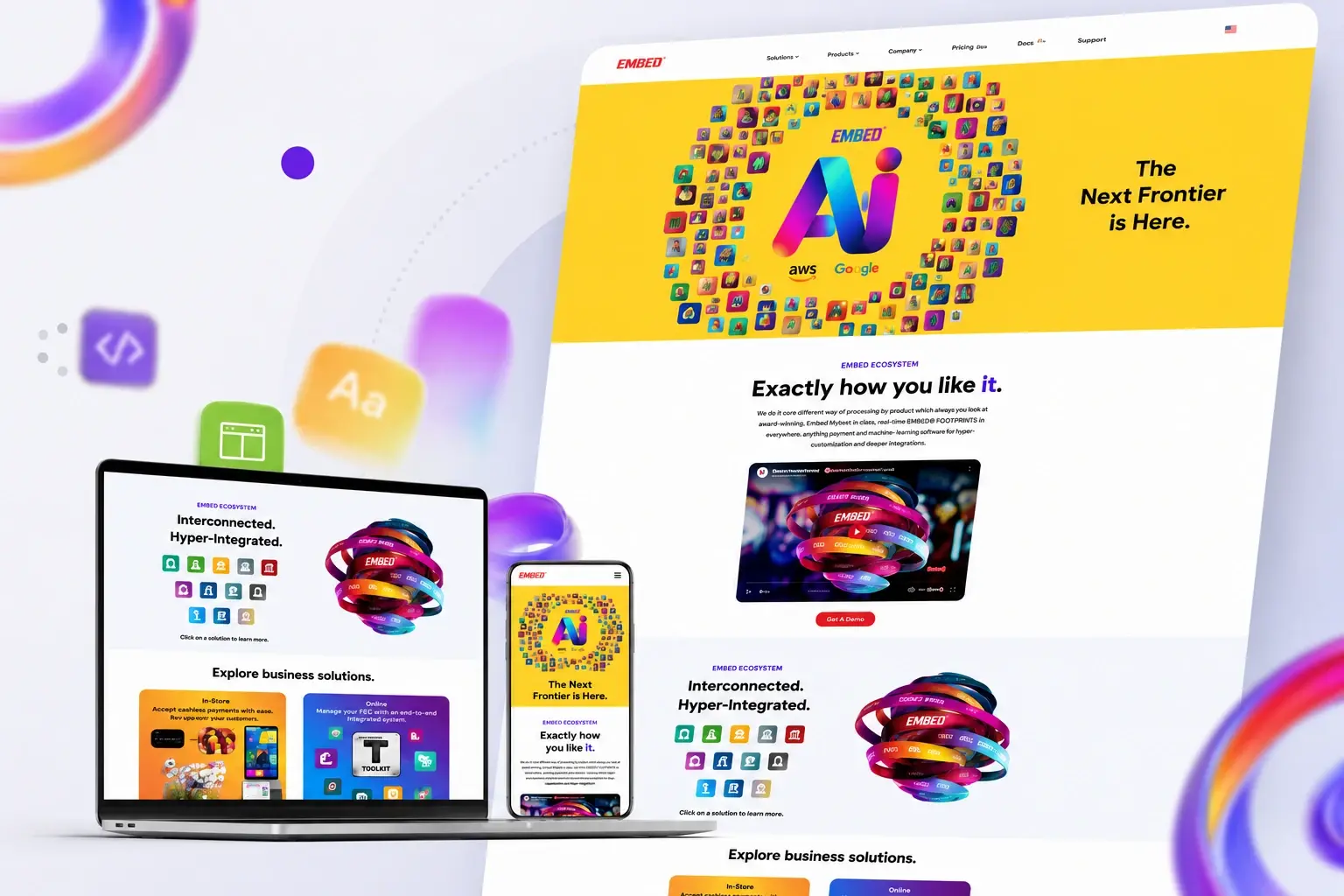
Redesign and rebuild the Embed card website in HubSpot CMS with modern UI/UX, SEO + AEO optimization, and seamless integration.
Headcount bands, sector, and regulation exposure are recorded on every client and prospect. Most clients arrive through a referrer. The first thirty days decide everything.
A threshold crossed or a regulation changed raises an outreach with the specific risk attached. Regulation changes reach the whole book on the same day.
Signature creates the document checklist, the policy review, and the first deliverable date. Projects end with a document and a thank-you unless somebody asks.
A value summary and tier options are presented before the project closes.
A client crossing a headcount band raises a task with the obligation change attached.
A change is sent to the affected segment in one note, with a booking link for the review. One note goes to the affected segment.
Documents and policy reviews are requested at signature, with reminders until each arrives. Onboarding reminders run until documents arrive.
A missing document after seven days raises a task for the engagement lead. Seven days of missing documents raises a task.
Four weeks before a project closes, the value summary and tiers are prepared. Retainer prompts fire four weeks before a project closes.
A review per retainer client, with the last quarter's work attached. Reviews run quarterly for retainer clients.
Accountants and lawyers who send work hear from the firm each quarter. Referrers hear from the firm each quarter.
Certified platform expertise, with a track record across agency workflows and advisory practices.
Built around your triggers, onboarding checklist, and retainer tiers. No generic templates.
Multi-step workflows and conditional logic built for regulation dates.
Clean imports from spreadsheets or an existing CRM, with client history intact.
An in-house team connecting HubSpot to your document and e-signature tools.
Retainer conversion, onboarding time, and trigger response tracked from launch.
An HR consultancy often handles employee records, grievances, and investigation material on behalf of a client. The work is separation: employee data stays in the client's own systems, and the CRM carries the engagement, the checklist status, and the conversation. Investigation material stays with the client.

Not every firm needs every hub, and most start with Sales before adding Marketing.
Your trigger engine: regulation notes, plain-English guides, and referral nurture aimed at accountants. Trigger sequences run from the same record as the client.
Built for projects and retainers, where the trigger and the proposal live together. Most firms start with Sales, then add Marketing as content compounds.
Where client questions and document requests sit on the engagement. Here is how each one lines up with an advisory practice selling to founders and operations leads who rarely know the requirement exists.
Powers the plain-English guides that earn trust before a call and answer the question founders actually ask. Guides get edited without a developer. Document tools stay the source, and the CRM points at them.
Connects document and e-signature tools, which is how onboarding time stays honest. Client questions sit on the engagement, not in a shared inbox. One record links the trigger, the project, and the retainer.
Yes. It runs the commercial relationship: trigger detection, proposals, onboarding, and retainers, while employee records and investigation material stay in the client's own systems.
Headcount band, sector, and regulation exposure sit on the record, so a client crossing a threshold raises a task with the obligation change attached. The conversation starts before the client discovers the requirement on their own.
Signature creates the document checklist and the policy review, reminders run until each item arrives, and a missing document after seven days raises a task for the engagement lead. Time from signature to first deliverable is reported rather than estimated.
Four weeks before a project closes, a value summary is prepared and advisory tiers are presented. That turns a completed piece of work into a conversation about what happens next, which is where recurring revenue actually starts.
Clients are segmented by exposure, so one clear note can reach everyone affected, with a booking link for the review. It replaces the process of calling twenty clients individually over three weeks.
In the client's own systems. The CRM carries the engagement, the checklist, and the conversation, and access follows the role so a consultant sees only what the work requires.
Accountants, lawyers, and other advisers who send work are recorded with the engagements they produced, and a quarterly update keeps the relationship alive between referrals.
Most run three to five weeks, with onboarding and the retainer prompt live in the first fortnight. The value is in catching the moment a client crosses a threshold or a regulation changes, and most firms currently find out about that moment too late to help.
Ready to Reach Clients Before the Regulation Does?
A client just passed fifty employees, a handbook update has been sitting unsigned for a month, and a project ended without a retainer conversation. We build around your triggers and your team. No generic setup, and no trigger left to pass unnoticed. The first quarter is measured against your own conversion data.