




















Qualify the Risk
The buyer, the security route, and the committee calendar are recorded before the demo is booked. Most accounts begin with a clinician who saw the product work.
A hospital does not buy software because a demo looked good. It buys after a security review, a business associate agreement, and a committee that meets quarterly. HubSpot carries the evidence, keeps the champion warm through the wait, and turns one department's pilot into a system rollout.

Teams that leveled up their growth with HubXpert
A completed questionnaire and a signed agreement decide whether the product is even considered, and they are usually assembled twice.
The nurse informaticist who loved the pilot moves to another trust, and the deal resets unless the value was documented.
A committee meets quarterly, and a deal that misses the window waits three months for no commercial reason.
A department pilot produces anecdote rather than evidence, and the rollout conversation never starts.
Patient data cannot sit in a sales tool, so the CRM has to be designed around exclusions rather than additions.
A deal that began at a clinical conference gets credited to whichever webinar ran last. A committee calendar is a commercial constraint nobody controls.
HubSpot for Healthcare SaaS covers five areas where a deal is won by evidence rather than by enthusiasm.
Answers by control.
Signed, dated, and stored.
One person accountable.
Days to a completed pack.
Role, influence, and history.
What the pilot proved.
Who else was involved.
Contacts per account. Segment by account type.
By trust or system.
What must be in place.
Before it happens.
Days from review to signature.
Agreed before it starts.
A document, not a memory.
A conversation at the right week.
Departments added per account.
A careful setup with role-based access, and patient records.
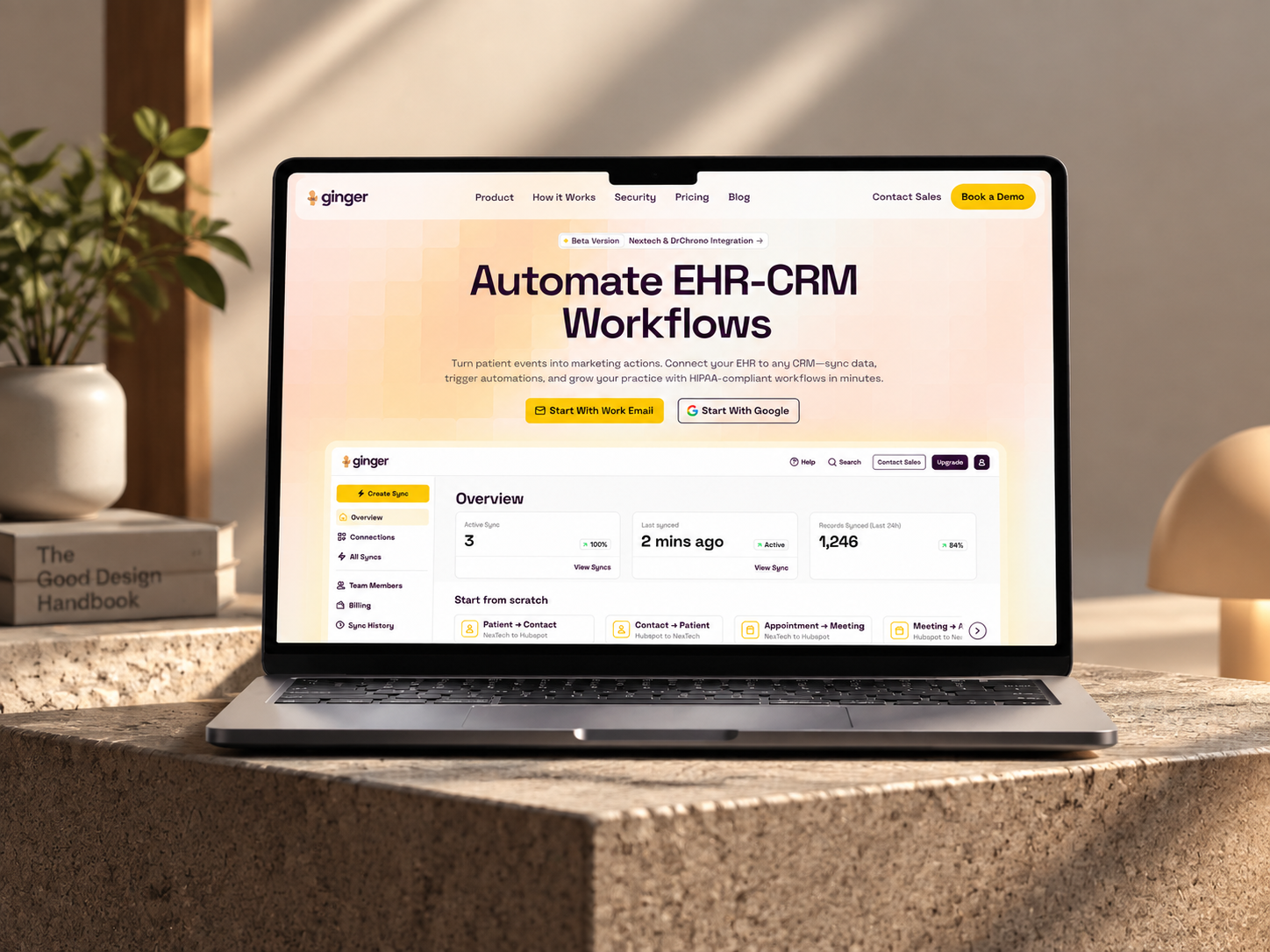
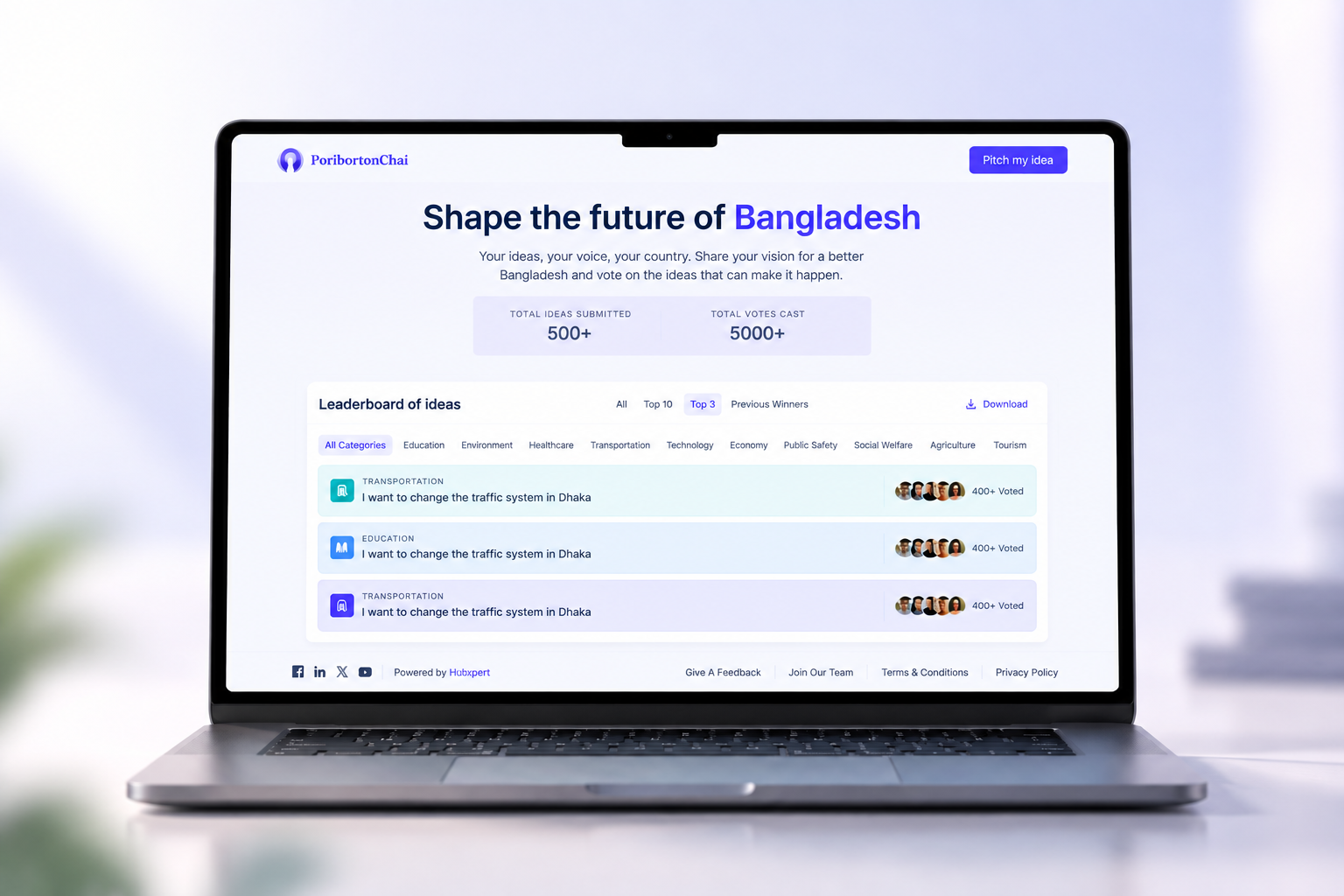
A curated selection of HubSpot implementations and digital marketing campaigns that moved the needle for our clients.
SAAS
SystemHub is a business process documentation platform that helps companies capture, organize, and optimize their core workflows.
SAAS
Gander is a SaaS platform that specializes in simplifying the process of curating and displaying high-quality videos
SAAS
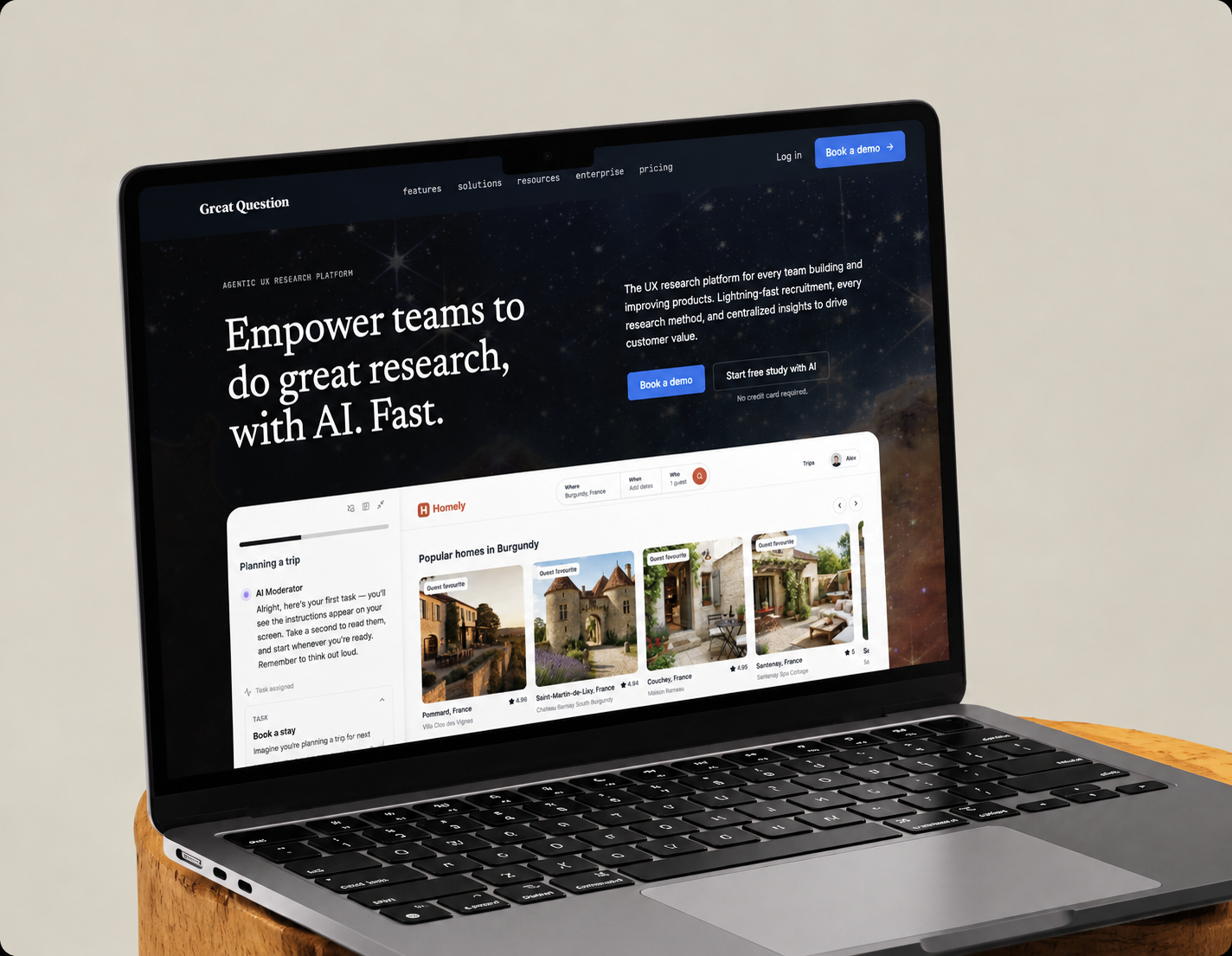
Great Question is an all-in-one UX research platform that helps companies collect user feedback, conduct surveys, and engage in meaningful conversations.
The buyer, the security route, and the committee calendar are recorded before the demo is booked. Most accounts begin with a clinician who saw the product work.
Questionnaire answers, BAA status, and references attach to the deal as they are completed. Security review is the gate every deal passes through.
Measures are agreed at the start, and the result is written down at the end.
The pilot result becomes the rollout case, presented to the committee on its own calendar. The committee meets on its own schedule, not yours. The pilot is where evidence is created or wasted.
A deal entering security review raises a task list, and a missing control answer raises a blocker.
The committee date is tracked, with a readiness check two weeks before it meets. A committee date triggers a readiness check at two weeks.
A contact leaving an account raises a task to map the successor and restate the value. A departed contact raises a successor mapping task.
Measures are agreed and recorded before the pilot starts, not after. Pilot measures lock before the pilot starts.
At pilot close, a rollout conversation is scheduled with the result document attached. Pilot close schedules a rollout conversation.
An agreement approaching renewal raises a task to the compliance lead. An agreement approaching renewal raises a compliance task.
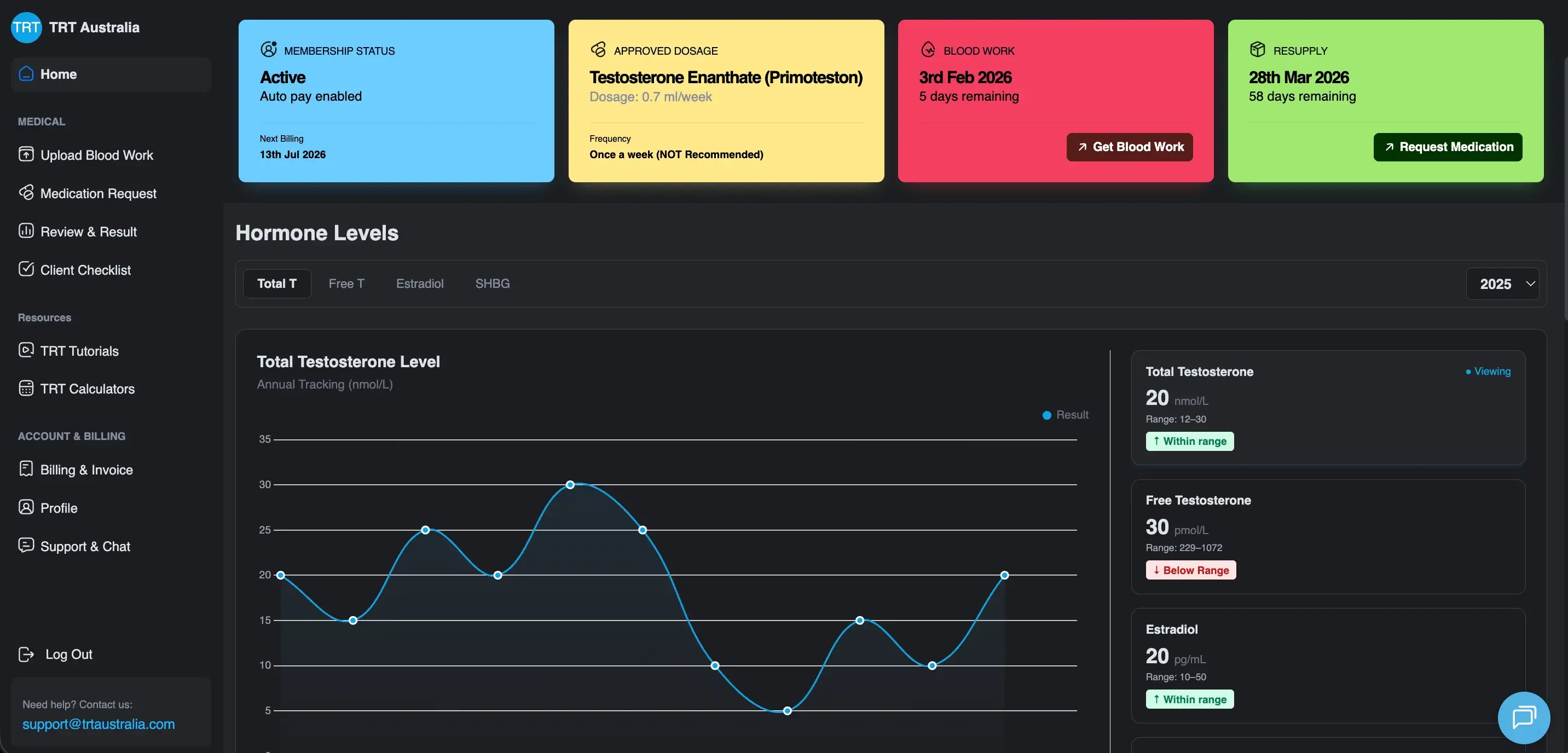
Departments using the product against departments available, by account. Departments in use are reviewed quarterly.
Certified platform expertise, with a track record across regulated B2B sales cycles.
Built around your security pack, committee calendar, and pilot process. No generic templates.
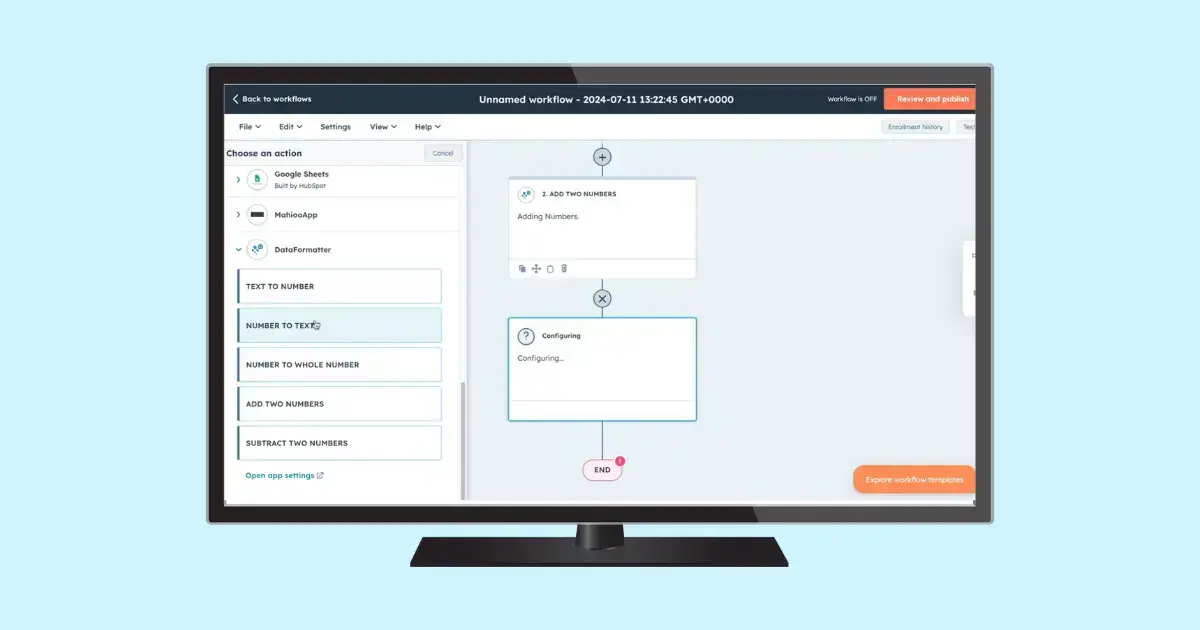
Multi-step workflows and conditional logic built for quarterly windows.
Clean imports from spreadsheets or an existing CRM, with account history intact.
An in-house team connecting HubSpot to your product and support tooling.
Review time, pilot conversion, and expansion tracked from launch.
Selling into healthcare means patient data is never in scope, so exclusion is the design principle. Clinical data stays in the product environment, and the CRM carries the evidence. Patient data is out of scope by design. Agreements are tracked with dates. Access follows the role, including partners.
Not every team needs every hub, and most start with Sales before adding Marketing.
The evidence pack, the committee calendar, and the pilot, all on one deal record. A deal that starts with evidence is a deal that moves faster. The security pack is the first thing a buyer's team asks to see.
Clinical content and conference follow-up, with the source recorded on every deal. Clinical content earns the meeting before the review. A deal that starts with evidence is a deal that moves faster.
Support conversations that turn into the rollout case. Most teams start with Sales, because that is where the evidence lives. Support conversations are the best rollout evidence there is.
Where clinical case studies and security documentation live side by side. Security documentation belongs where sales can find it. Clinical content is what gets a champion to take the meeting.
Connects product and support data without moving a single patient record. Product data is connected without moving patient records.
Yes, provided it is designed to hold no patient data. It runs the commercial process: security review evidence, the business associate agreement, committee dates, the pilot, and the rollout, while clinical data stays in your product environment. That boundary is decided at design time, not patched later.
Questionnaire answers are stored by control and version, the evidence owner is named, and a deal entering review raises a checklist with blockers highlighted. Most teams assemble the same pack repeatedly, and this stops that.

A departed contact raises a task to map the successor and restate the value, and the pilot evidence lives on the account rather than in somebody's memory. Deals survive turnover when the case is documented.
Committee dates are tracked by trust or health system, a readiness check runs two weeks before, and a missed window is flagged while there is still time to act. Most healthcare deals wait three months for a calendar, not for a decision.
Measures are agreed before the pilot starts, the result is written down at close, and a rollout conversation is scheduled with the document attached. Expansion is tracked by department, so the pattern is visible.
In your product environment. The CRM holds the account, the evidence, and the conversation, permissions follow the role, and the exclusions are configured before the first import rather than after an incident.
Conference, referral, and content are recorded on the deal, and contract value is compared by source, so marketing effort follows the channel that produces signed agreements rather than the loudest one.
Most run five to seven weeks, given the review requirements, and the evidence pack is usually live first.
Ready to Stop Rebuilding the Same Security Pack?
A trust is waiting on a questionnaire answer written last year, the committee meets in five weeks, and the pilot result exists only in a slide. We build around your review process and your team. No generic setup, and no review left to memory. The first committee cycle is measured against your own data.