







Attract the Right Guests
Search, Instagram, and features in publications bring travelers in, with the source recorded at first touch. Most guests arrive after seeing a photo of the view.
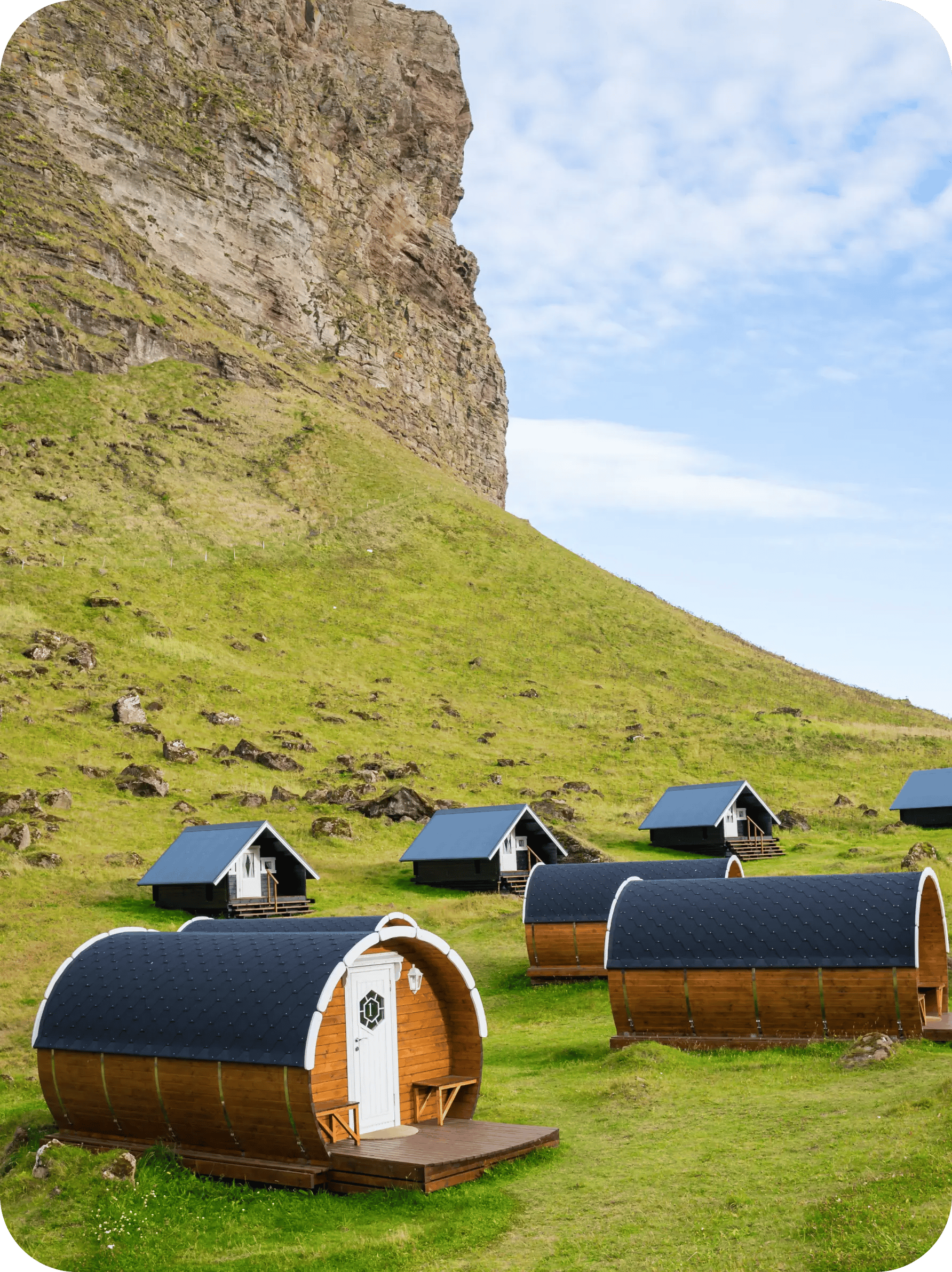
A glamping site sells a handful of units that sell out the week the season opens. A slow reply in that rush is a booking that cannot be recovered. HubSpot helps small, story-led properties answer enquiries fast, brief guests before they travel somewhere remote, and fill capacity without losing the personal feel.

Teams that leveled up their growth with HubXpert
Unlike a city hotel with rolling demand, a glamping site sees a surge the moment next season's dates go live.
Availability, calendars, and payments are handled well. The booking engine was never built for the content that persuades someone to stay off-grid, or for showing which story turned into a booking.
Guests are driving to a field with no reception, a coded gate, and no reception desk. Directions, access codes, and what to bring have to reach them before they leave, not when they are lost.
A short season means every empty unit is lost revenue that cannot be made up in November, and every overbooked one is a refund and a bad review.
People come back because of how the place felt. Without a record of their stay, the next invitation is generic and lands like a promotion.
A magazine feature, Instagram, and word of mouth all claim the same booking, and the property never learns which story actually sells.
HubSpot for Glamping.
Website, forms, campaigns.
Stay type, dates, interests.
Stay present while they compare units.
See which content produces reservations.
Announce the season to the right list first.
Offers aimed at the quiet nights.
Reconnect before they book elsewhere.
Know early whether a month is behind.
One message, timed before departure.
Kit, clothing, and food on one list.
Wifi, power, and wildlife, stated plainly.
A thank-you that invites the next season.
Unit, season, and what they came for.
Early access before public release.
While the stay is still recent.
Each booking traced to who recommended it.
Source stored on every enquiry.
Which story converts, not which gets likes.
Publications and platforms judged on bookings.
A summary the owner can act on.
A privacy-conscious setup with role-based access.
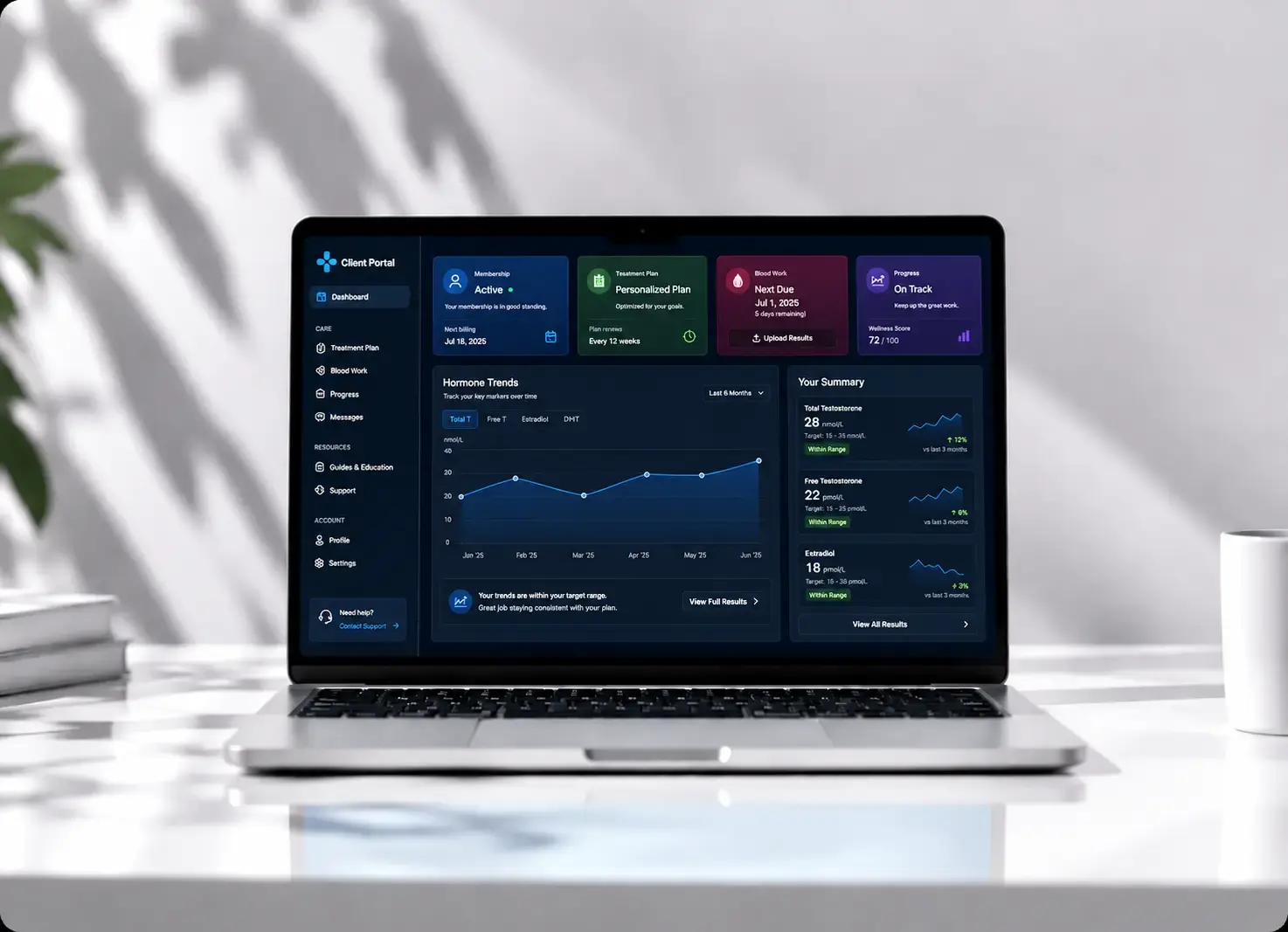
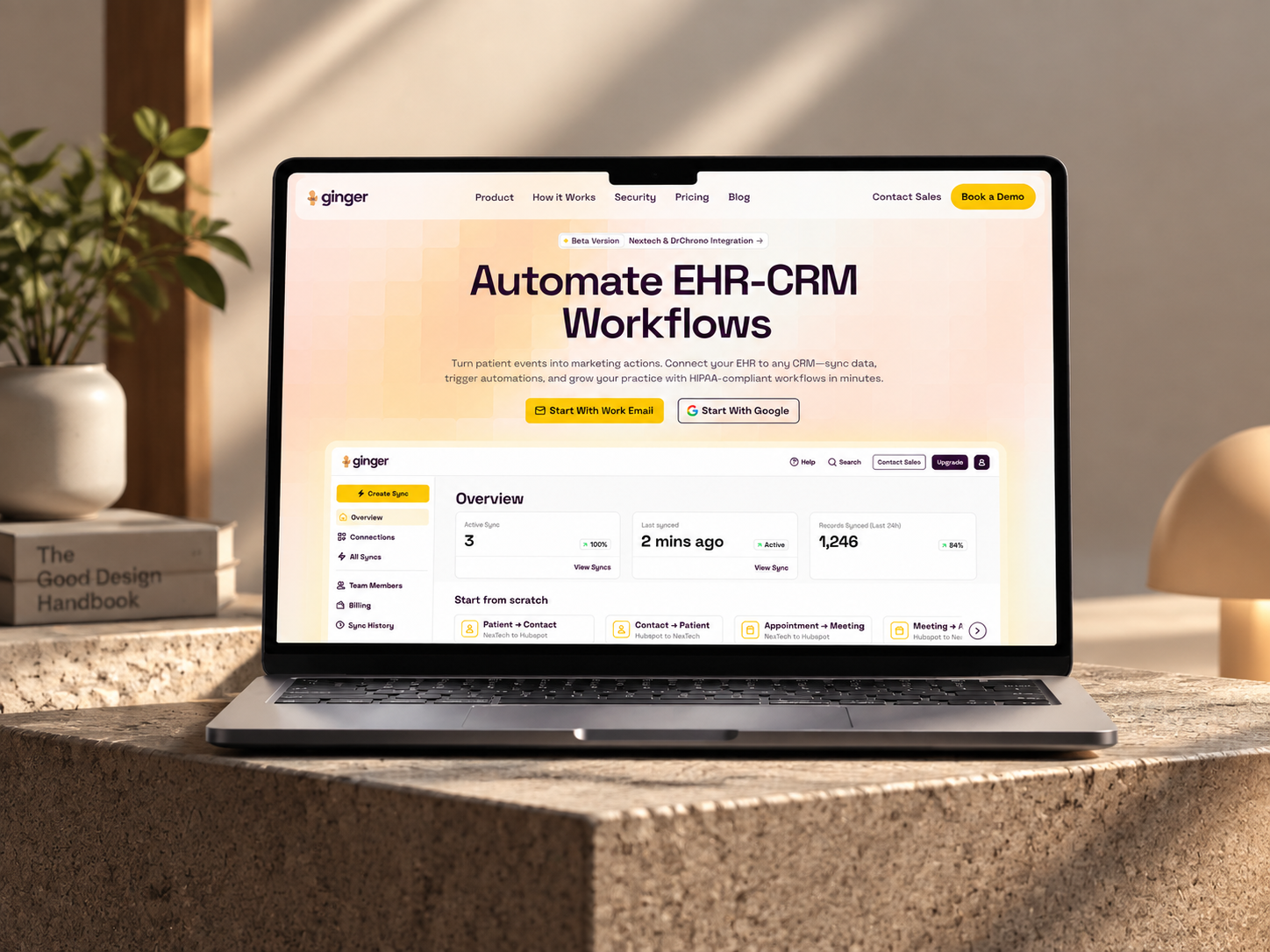
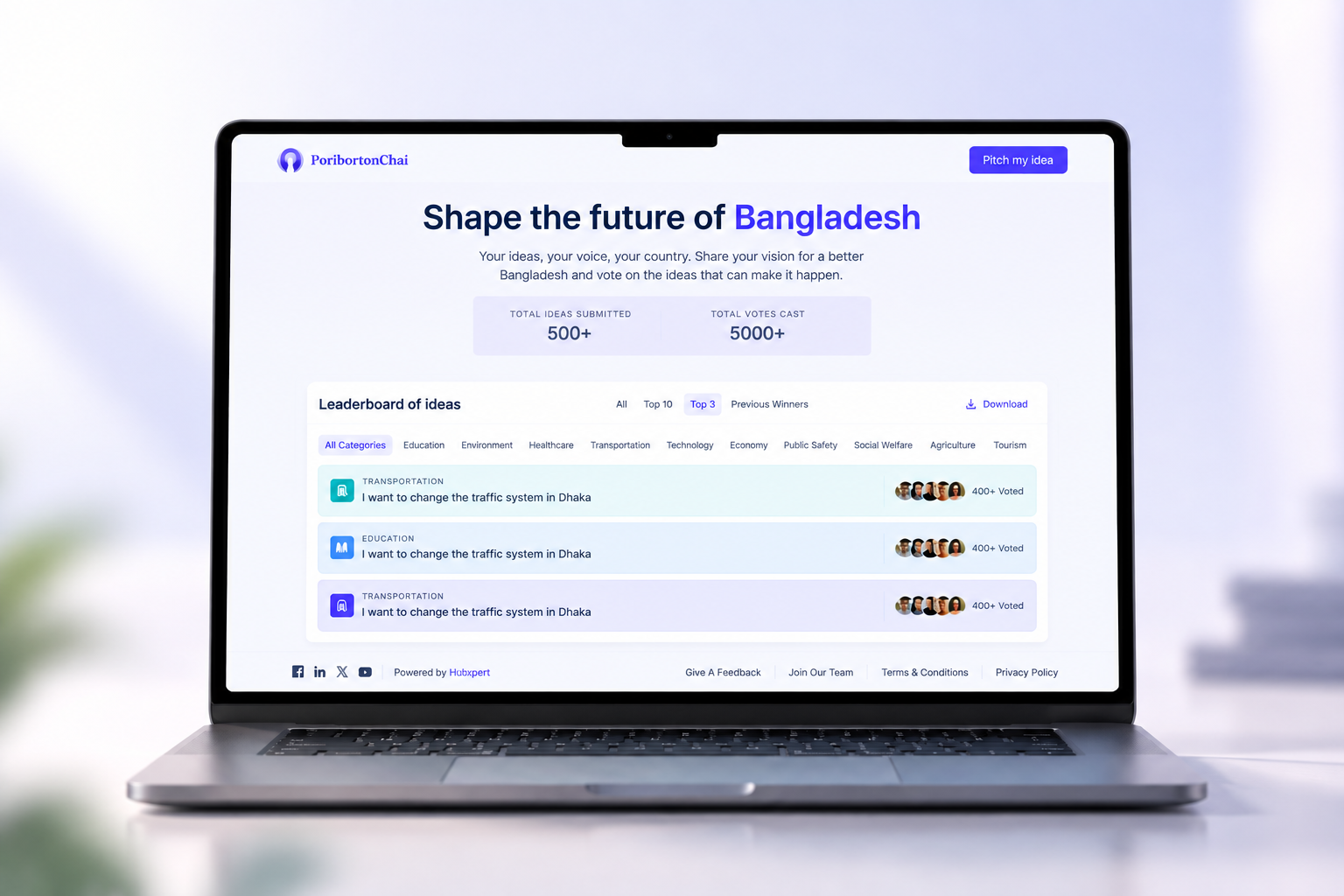
A curated selection of HubSpot implementations and digital marketing campaigns that moved the needle for our clients.
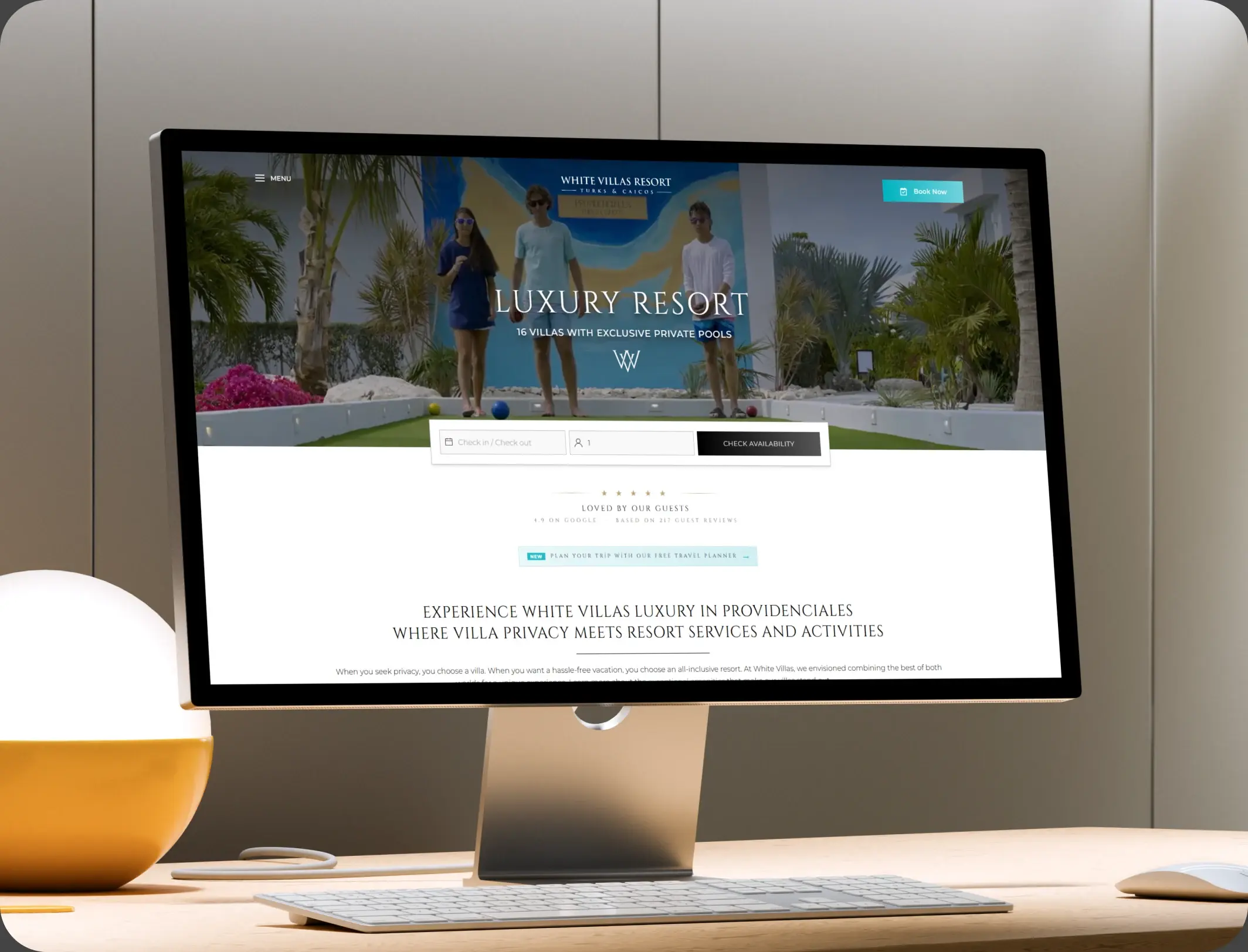
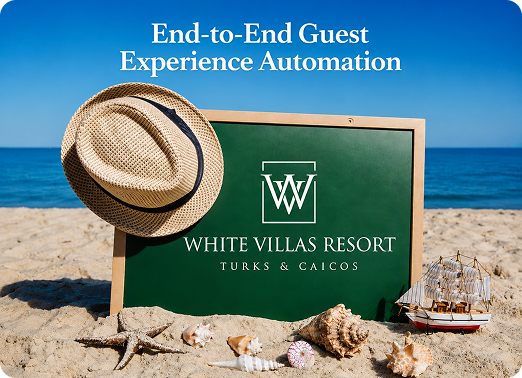
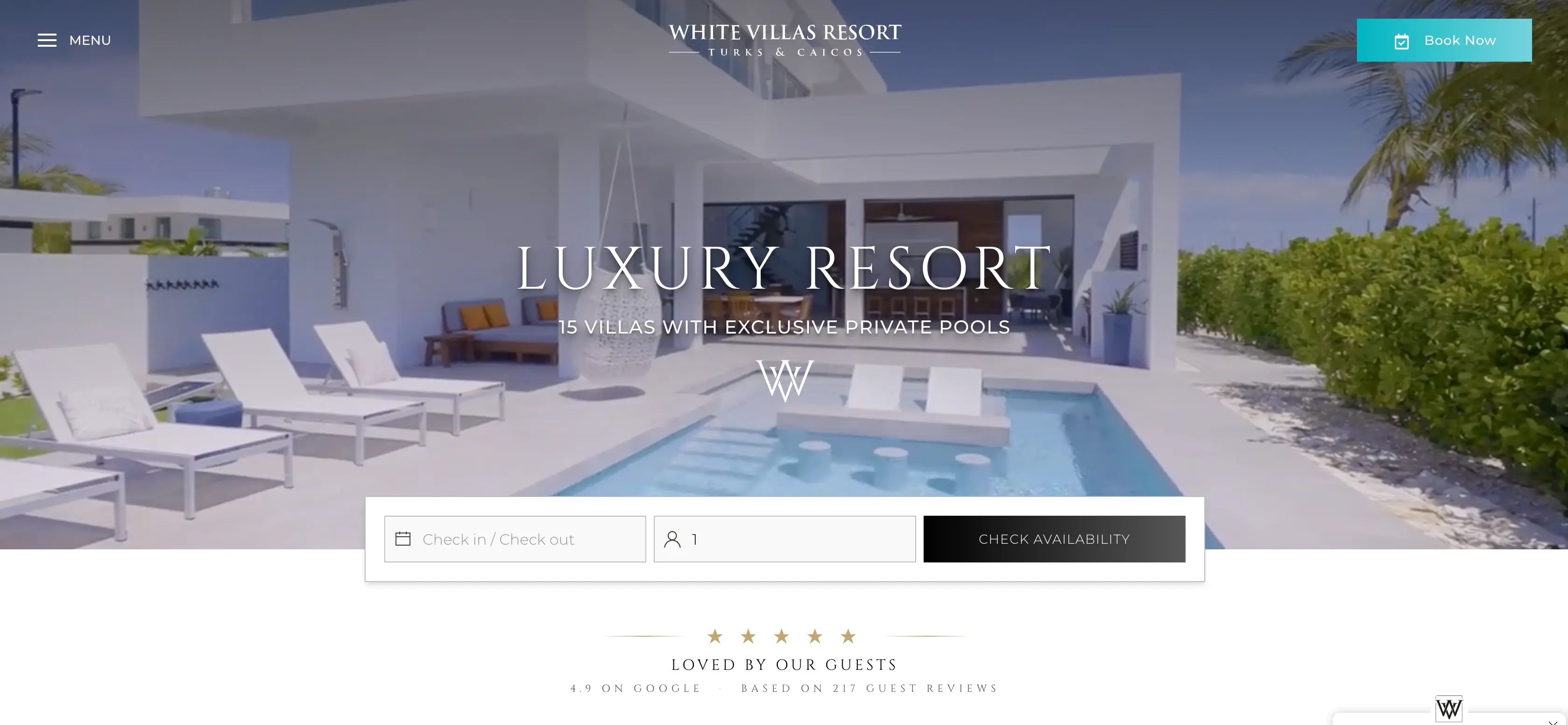
HOSPITALITY
HubSpot End-to-End Guest Experience Automation for a Resort Villa - White Villas.
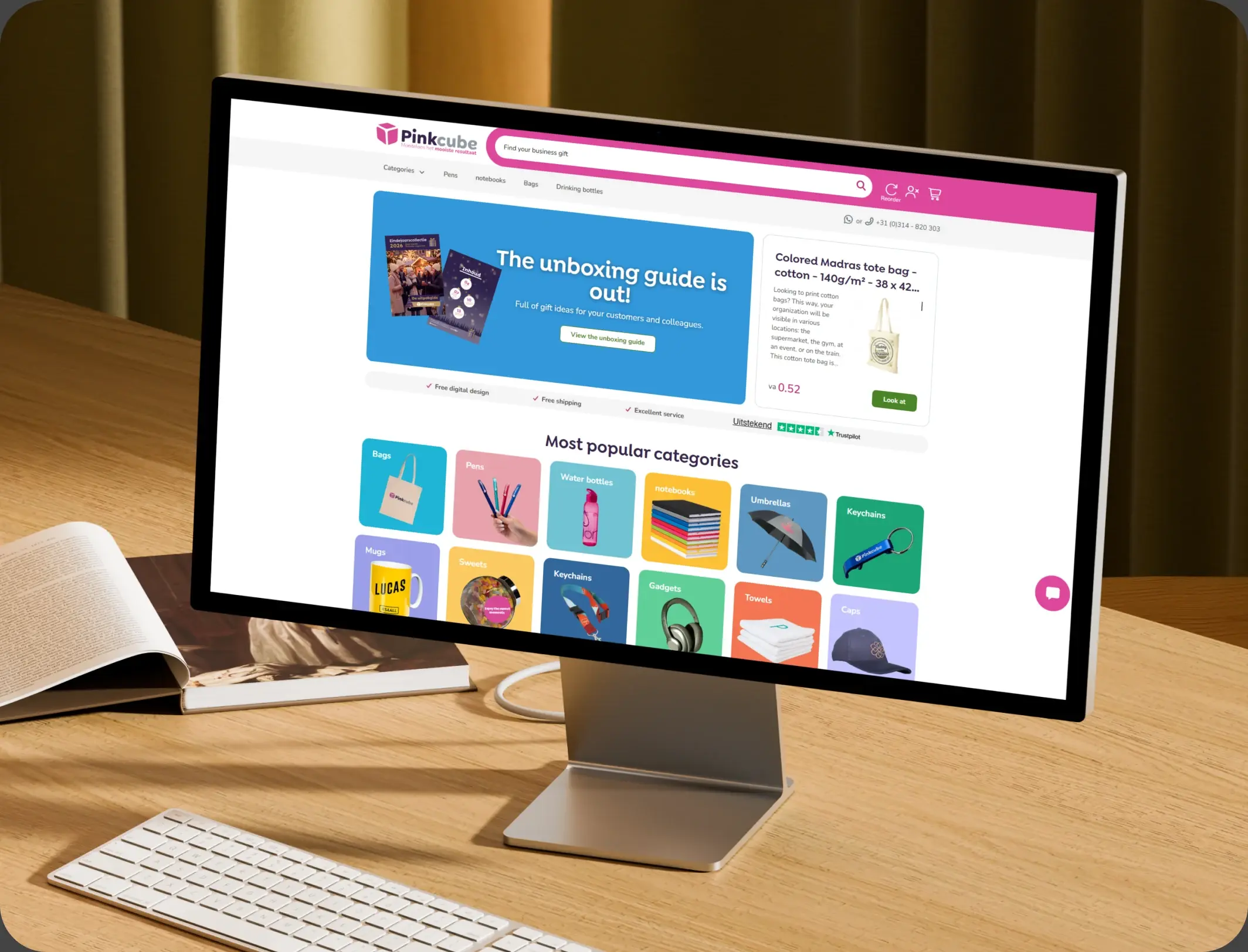
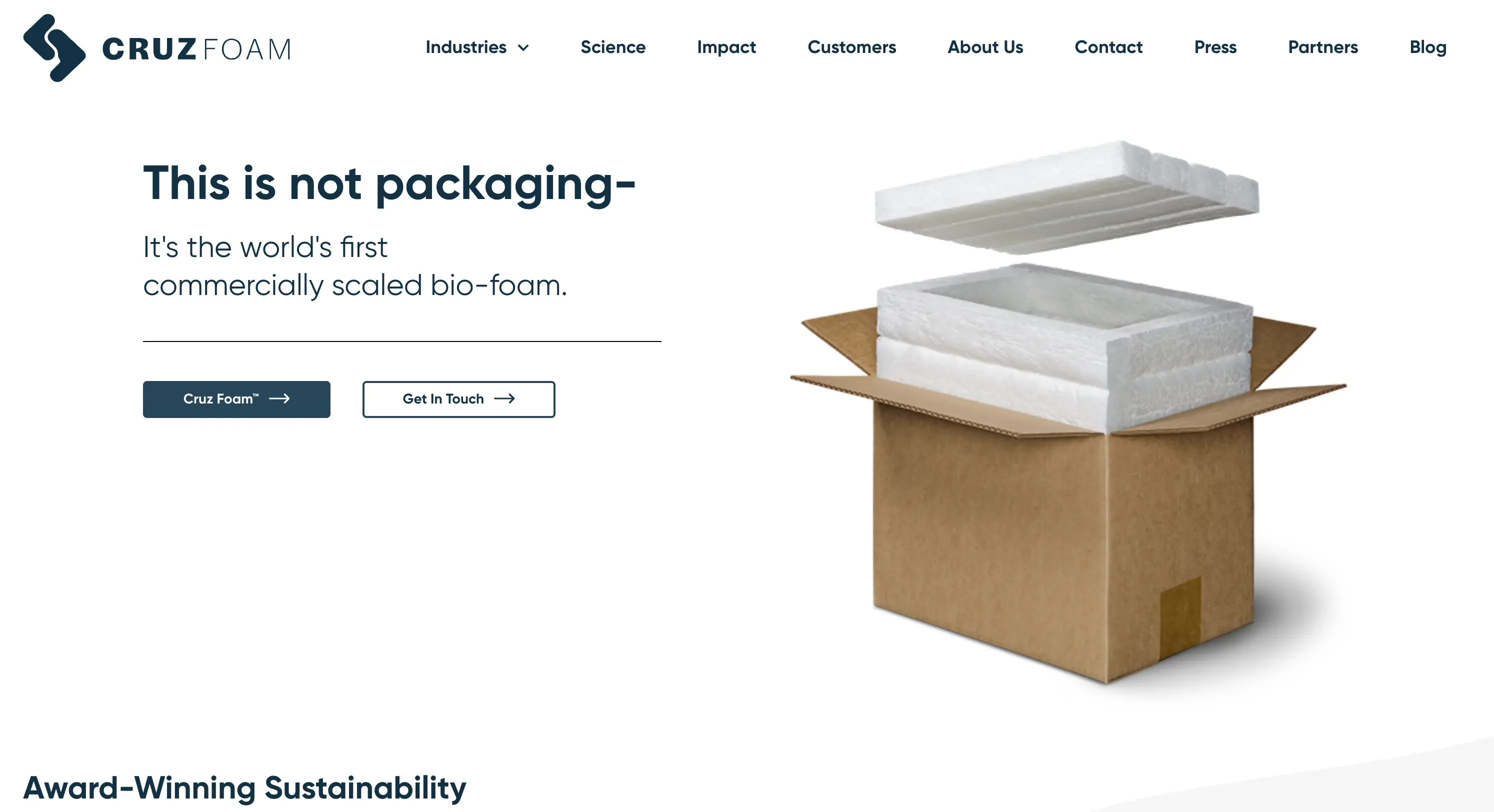
E-COMMERCE
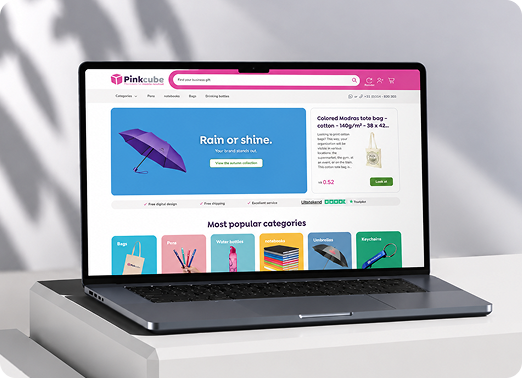
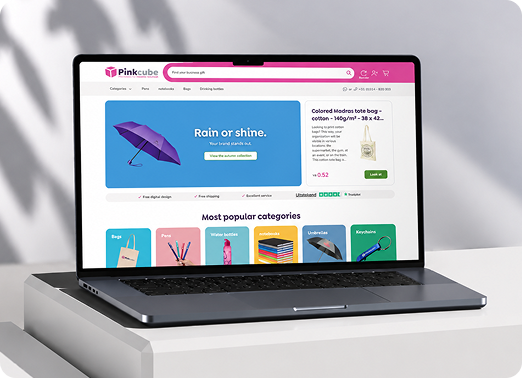
HubSpot Trengo to Service Hub Migration for an E-commerce Provider - Pinkcube.
TRAVEL & VISA
HubSpot Onboarding and Integration for a State-Owned Visa Company - Express Vietnam.
Search, Instagram, and features in publications bring travelers in, with the source recorded at first touch. Most guests arrive after seeing a photo of the view.
A fast reply, a clear unit description, and honesty about what the site is not keep the booking moving. The season launch is where the year is decided.
Directions, access codes, and packing detail go out before departure, when the guest still has signal. Pre-arrival detail prevents most arrival problems.
Past guests and warm leads hear about midweek availability before it reaches the public calendar.
Past guests and warm leads hear first, with dates and unit types, before the calendar is public. Anyone who books exits the sequence at once.
An instant acknowledgement, an owner task, and a follow-up at four hours while the season is open. The launch email names the dates and the unit types.
A reminder the same evening, a note at 48 hours, and a task if the guest is still undecided. The briefing includes the gate code and the last fuel stop.
Directions, gate codes, and what to bring at seven and two days before arrival. A soft week raises an offer, not a discount spree.
A short-notice offer to the local list when a week looks soft. Concerns reach the owner before a review appears.
A request after checkout, with concerns routed to the owner before they reach a public review.
Story-led content through the closed months, so the list is warm when dates open.
Certified platform expertise, with a track record across travel agency workflows and small hospitality operations.
Built around your season, unit types, and pre-arrival process. No generic templates.
Multi-step workflows and conditional logic built for a rush that lasts two weeks.
Clean imports from spreadsheets or a booking engine, with guest history intact.
An in-house team connecting HubSpot to your booking engine, payments, and review tools.
Continuous refinement as seasons, units, and offers change.
A glamping site holds guest identity, stay history, and payment detail, often managed from a laptop with intermittent signal. The work is separation: card data stays with the payment provider, bookings stay in the engine, and the CRM carries the enquiry, the preferences, and the communication record.
Not every site needs every hub, and most start with Marketing and Sales before adding Service. Here is how each one lines up with a short, story-led season.
Your acquisition engine: story content, season launches, and nurture through the closed months, when the list is all you have. Season campaigns run from the same enquiry record.
Built for the enquiry pipeline and the fill-the-gap conversation. Each enquiry carries an owner and a response window. Most sites start with Marketing and Sales, then add Service as bookings grow.
Where guest questions, arrival problems, and requests get tracked from a phone. The site team sees the arrival detail before the guest sets off.
Powers the website and the story itself with built-in SEO, so the property stays findable between seasons. Story and unit pages get edited without a developer.
Connects booking engine, payments, and review tools, most valuable as the site adds units. Guest data stays in one place rather than in a notebook.
Yes. It runs the demand side of a small property: enquiry capture, season launches, pre-arrival briefing, repeat guest invitations, and reporting, while the booking engine keeps availability. Most sites see the difference within the first season of live workflows. The CRM carries coordination, not payment credentials.
An instant acknowledgement holds the guest while the owner is on site, and a follow-up at four hours keeps the enquiry alive while dates are still open. Direct booking share is tracked, so the improvement is measurable. Every workflow is tested before it reaches a guest.
Directions, gate codes, and what to bring go out at seven and two days before arrival, which matters when the guest is driving somewhere without signal. The sequence is matched to the unit type and the season. Off-season nurture keeps the list ready for the next launch.
A short-notice offer to the local list does it, without discounting the weekends that already sell. Nothing is assumed native until the connector is confirmed. The setup is sized for a small site, not a hotel group.
Card detail stays with the payment provider and bookings stay in the engine. The CRM never stores a card number. Card data never enters the CRM.
Often through a native integration, otherwise an API or middleware. Booking and guest data cross over, and the sync direction is scoped first. That is how cost per booking becomes visible.
No. The setup is deliberately light, and the gain is in the reply that currently waits until the owner comes back into signal. We map which fields may hold payment detail before launch.
Most run three to six weeks, depending on integrations and how much guest history needs migrating. Bookings stay in the engine.
Ready to Fill Your Season With HubSpot?
Dates open in a fortnight and the list is the only thing that will fill them. We build around your season, your units, and the story you already tell well. No generic setup. The list you build in July is what fills the dates you open in September. No generic setup, and no date left unsold.