



















Research and Compare
A shopper saves three sofas, visits the showroom, and asks for fabric samples, with every signal on one record. Most shoppers save three items and buy one.

For home goods brands, nobody buys a sofa on impulse. Shoppers research for weeks, delivery can break the relationship, and a third of revenue may arrive through interior designers rather than ads. HubSpot keeps the research warm, tracks the order through freight, and treats trade partners as a channel.

Teams that leveled up their growth with HubXpert

Big-ticket items get researched, compared, and reconsidered, and most shoppers leave and come back more than once before buying. One damaged delivery undoes a month of good marketing.
Freight delivery, assembly, and damage in transit turn a good sale into a bad review, and logistics are part of the product. A designer who is not recorded is a channel that cannot be measured.
Interior designers and trade buyers refer and specify, and most brands have no system recording who brought which project. The second room is where the profit sits.
A damaged or wrong item costs the freight both ways, and the reason never reaches the product team.
A bedroom set leads to a living room two years later, and without a record the brand starts from zero.
A shopper who visits, measures, then buys online looks like a direct sale in every report.
HubSpot for Furniture Brands covers five areas where a considered purchase can be guided rather than lost.
Forms, saves, and showroom visits.
Browsing, measuring.
Guides and swatches.
Days from first visit to order.
Scheduled, dispatched, delivered. Showroom visit.
A message before they ask.
The issue logged with photos and reason.
By carrier and by product.
Projects and terms on one record.
Each specification tracked to order.
Early access before the public launch.
Separate from direct sales.
Rooms and pieces in one record.
Two years out, by category.
What fits what they own.
Second purchase rate.
Source stored on every enquiry.
One record for both.
Cost per order, not per click.
A summary the team can act on.
A privacy-conscious setup with role-based access, and order, payment.
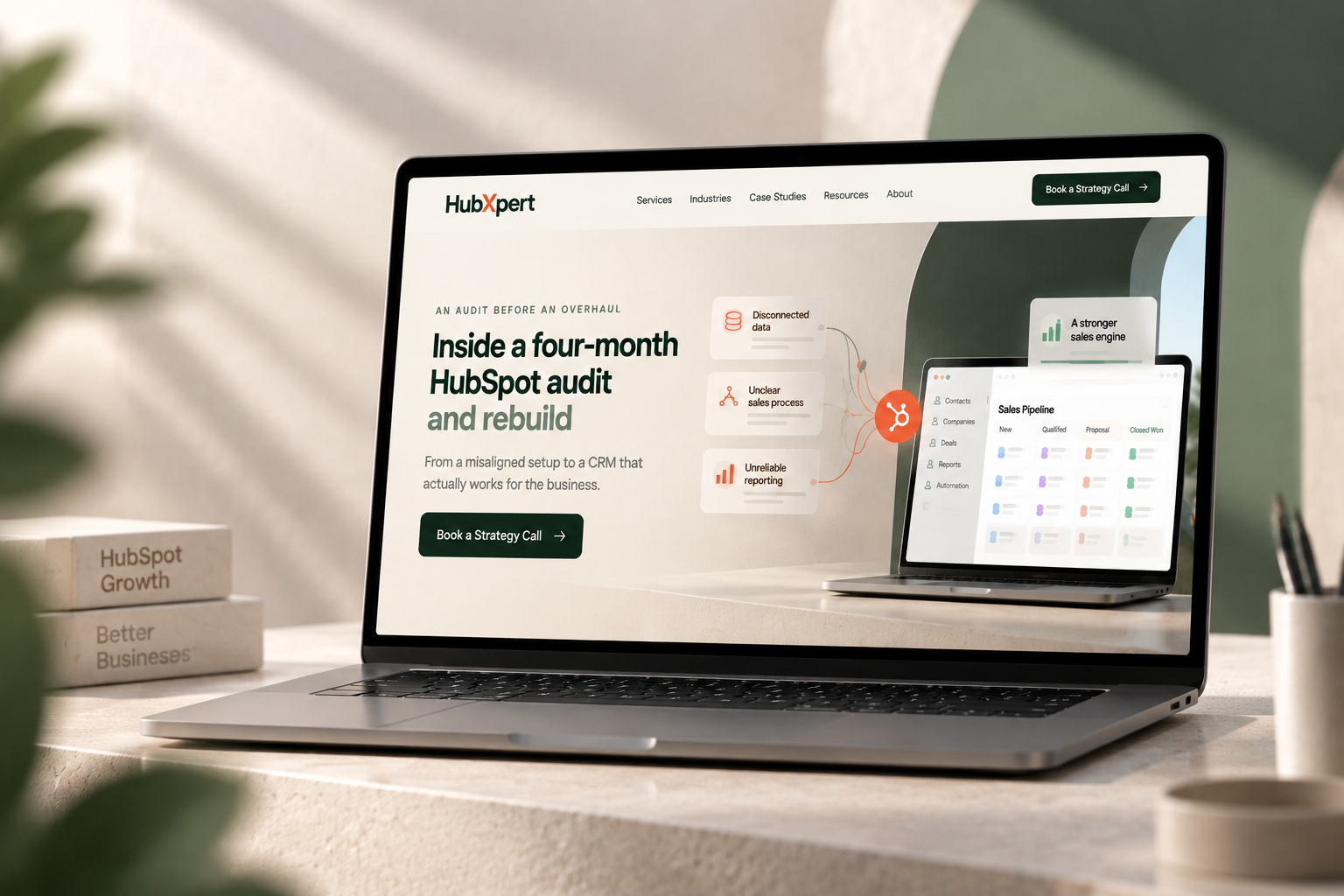
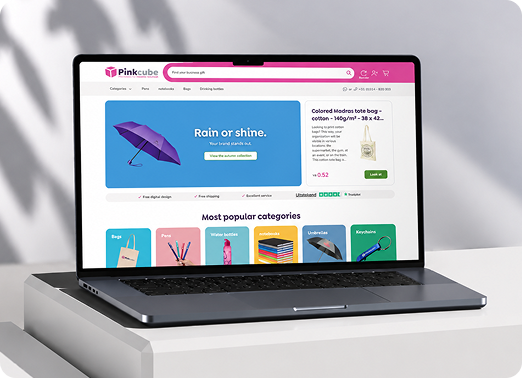
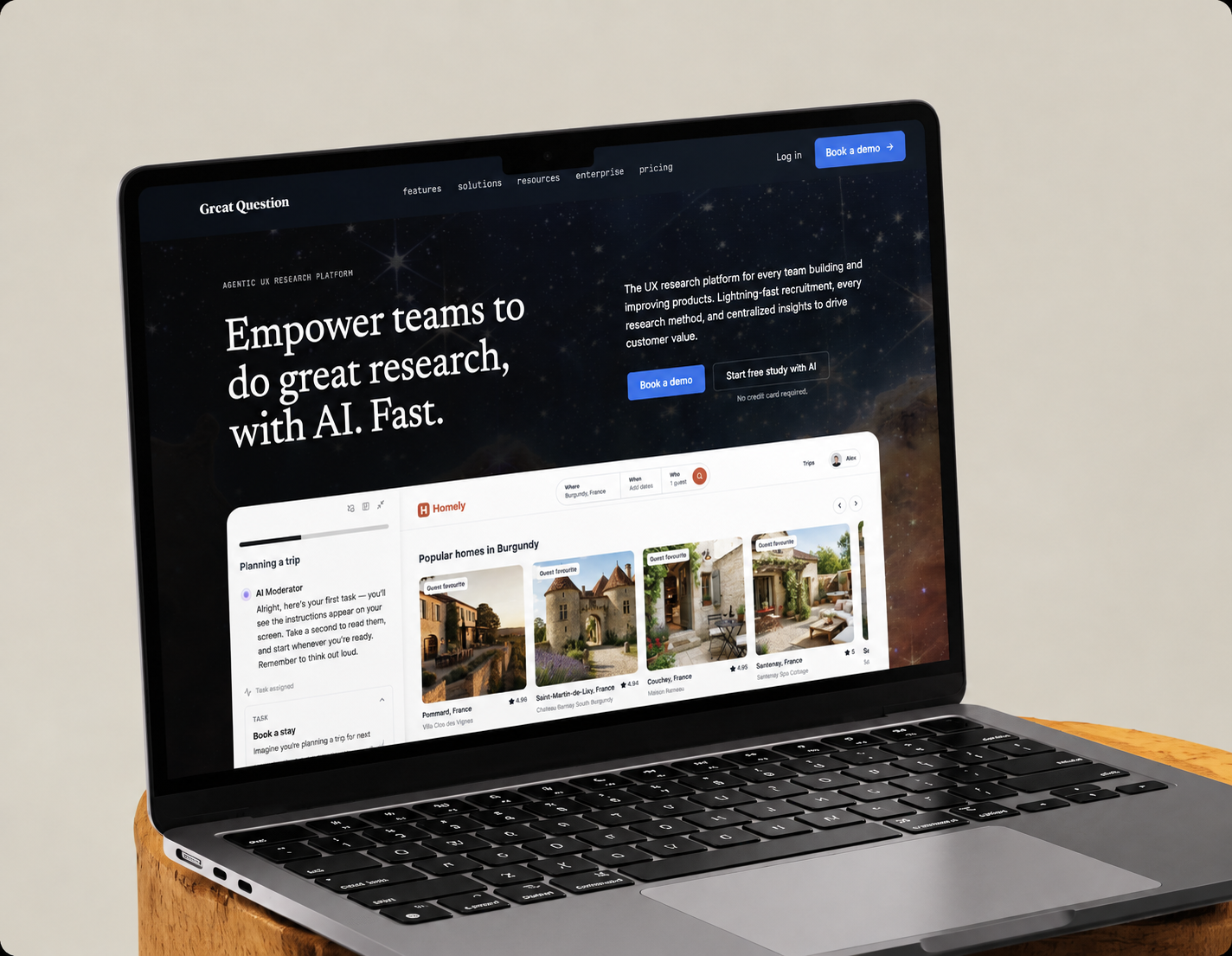
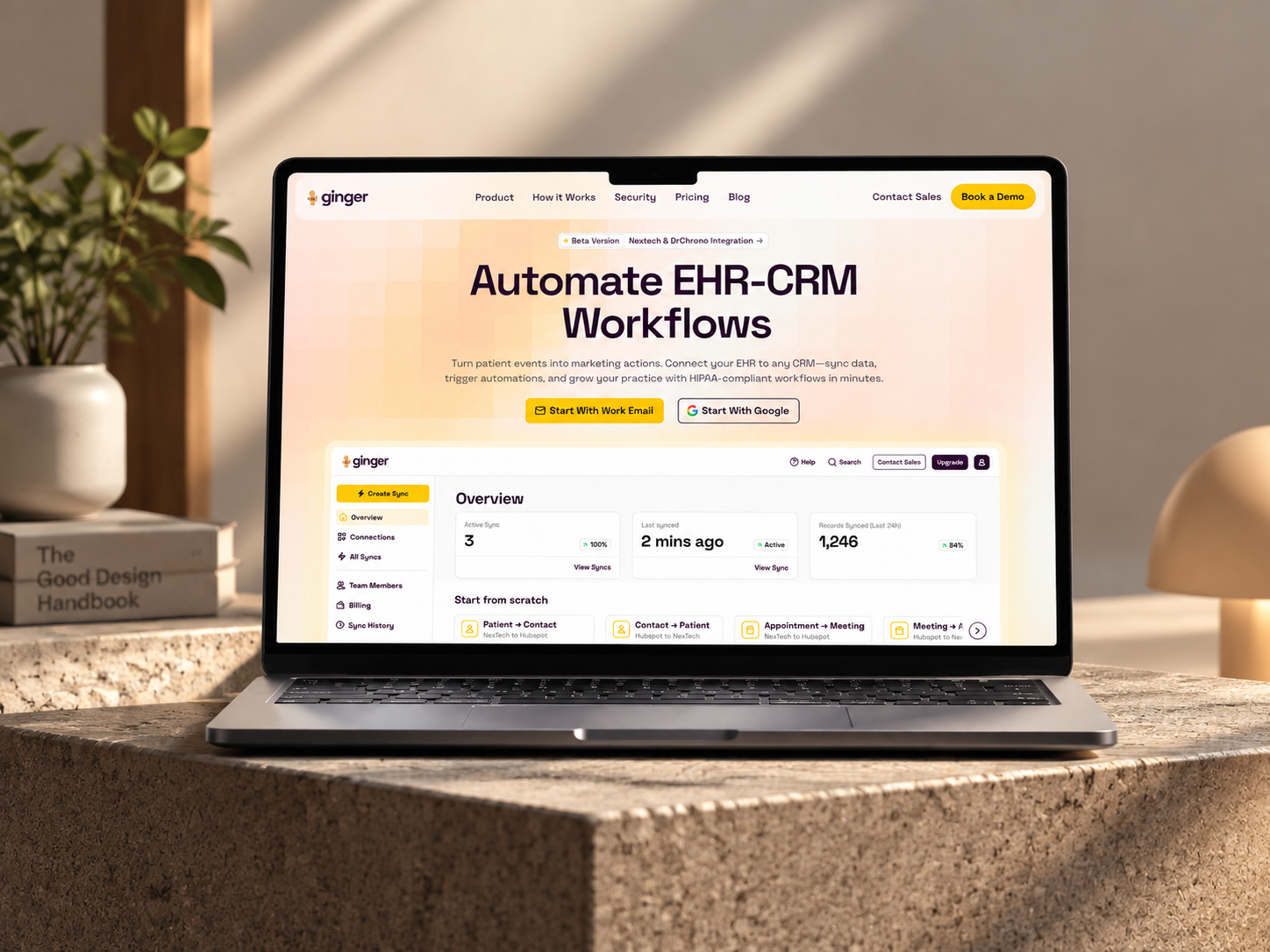
A curated selection of HubSpot implementations and digital marketing campaigns that moved the needle for our clients.

Ecommerce
HubSpot Enterprise Onboarding and Custom Integration for a European B2B E-Commerce Giant
Ecommerce
Onboarding Marketing Hub for 360° Marketing Automation and Sales Hub for 5+ team members
Ecommerce
E-commerce Automation, HubSpot Integration, and Sales Optimization
A shopper saves three sofas, visits the showroom, and asks for fabric samples, with every signal on one record. Most shoppers save three items and buy one.
The order starts a delivery sequence with milestone messages and a named contact. The showroom is where measurements get taken and doubts get voiced.
Dispatch and delivery updates go out automatically, and a damage report raises a resolution task the same day. Delivery is the moment the customer judges the brand.
The record holds what was bought and when, so the next purchase is prompted rather than hoped for.
A sequence over six weeks with guides, swatches, and room ideas, paused automatically when an order is placed. A placed order pauses the research sequence.
A viewed product without a purchase triggers a follow-up at day three and day ten. A dispatch notice goes out before the customer asks.
Scheduled, dispatched, out for delivery, and delivered.
A reported issue raises a resolution task within one business day, with the carrier noted. Designers hear from the brand every month.
A monthly note to designers with new ranges and lead times. The review request waits until any issue is resolved.
Two years after delivery, a message that offers the pieces that complete the room. Trade orders carry their own terms and lead times.
Asked after delivery is confirmed, and again after any issue is resolved.
Certified platform expertise, with a track record across ecommerce workflows and considered-purchase brands.
Built around your categories, delivery process, and trade terms. No generic templates.
Multi-step workflows and conditional logic built for long decision cycles.
Clean imports from your storefront and trade records, with order history intact.
An in-house team connecting HubSpot to your storefront, logistics, and finance systems.
Research length, delivery issues, and repeat rate tracked from launch.
A brand holds purchase history, addresses, delivery notes, and trade terms. The work is separation: payment and delivery detail stay in the systems that own them, and the CRM carries the customer, the delivery status, and the conversation. Payment and delivery records stay in the systems that own them.
Not every brand needs every hub, and most start with Marketing before adding Service. Here is how each one lines up with a considered purchase.
Your research nurture engine: guides, swatches, and long-cycle follow-up. Nurture sequences run from the same record as the order.
Built for trade partner pipelines and showroom appointments. Trade enquiries carry an owner and a response window. Most brands start with Marketing, then add Service as delivery volume grows.
Where delivery questions, damage reports, and returns get tracked. Service sees the delivery history before replying. Most brands start with Marketing, then add Service as delivery volume grows.
Powers room guides and product pages with built-in SEO, where most research actually begins. Room guides get edited without a developer.
Connects the storefront, logistics, and finance, which is how delivery status stays accurate. One record links the showroom, the order, and the next room.
Yes. It runs the relationship across a weeks-long decision and the delivery that follows, while the storefront and logistics systems handle the transaction. Most brands see the difference in the first quarter. The CRM carries the relationship, not the transaction. Most brands see the difference in the first quarter.
A six-week sequence carries guides and swatches, pauses when an order is placed, and records how long the research took. Delivery issues are tracked, so the improvement is measurable. Every workflow is tested before it reaches a shopper. Delivery issues are tracked, so the improvement is measurable.
Milestone messages go out at scheduled, dispatched, and delivered, and a reported issue raises a resolution task within one business day. The sequence is matched to the stage and the category. Trade outreach runs monthly.
Each designer is a record with projects, terms, and orders, so trade revenue is reported separately from direct sales. Nothing is assumed native until the connector is confirmed. Review requests wait until an issue is closed.
The record holds the rooms and pieces already bought, so the next purchase is prompted at the right interval. Delivery notes stay in the logistics system.
Payment and delivery detail stay in the systems that own them, and the CRM carries status and the conversation. That is how cost per order becomes visible.
Yes. A showroom enquiry and an online order attach to the same record, so the path is visible rather than assumed. We map which fields may hold customer data before launch.
Most run five to eight weeks, depending on integrations and how much order history needs migrating. Order history stays in the storefront.
Ready to Stop Losing Considered Purchases to Silence?
A shopper has saved the same sofa twice, a delivery is late with no update, and a designer has sent three projects nobody recorded. We build around your categories, your delivery, and your trade terms. No generic setup, and no delivery left unexplained.