





















Capture Demand
Inbound and founder outreach land in one pipeline, with segment and source recorded at first touch. Most first deals arrive through founder outreach.
For early stage startups, the founder is usually the one running sales calls, the ideal customer profile may change again next month, and every tool has to earn its keep. HubSpot gets go-to-market infrastructure running in weeks, keeps pipeline visible without an ops hire, and produces the numbers investors ask for.

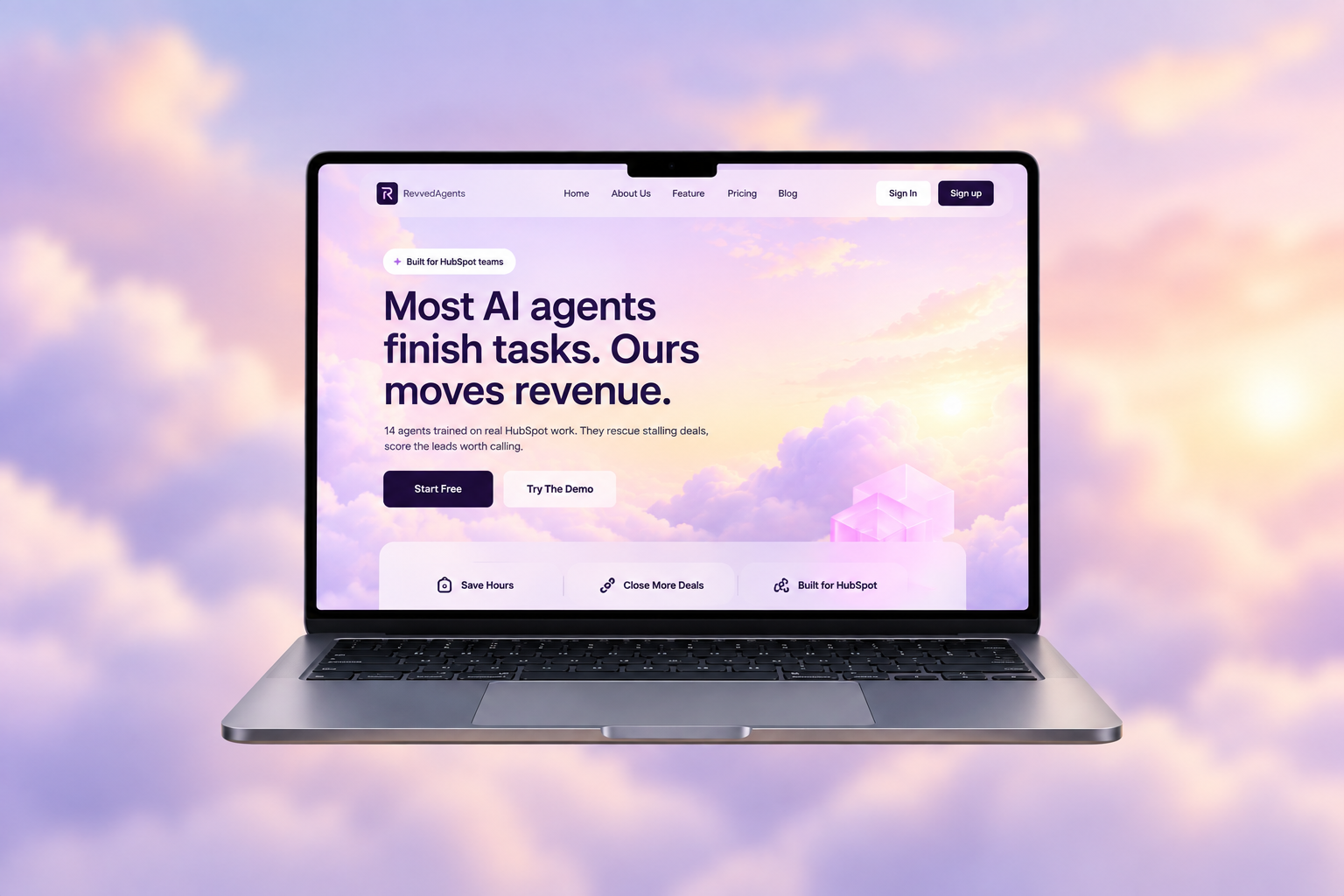
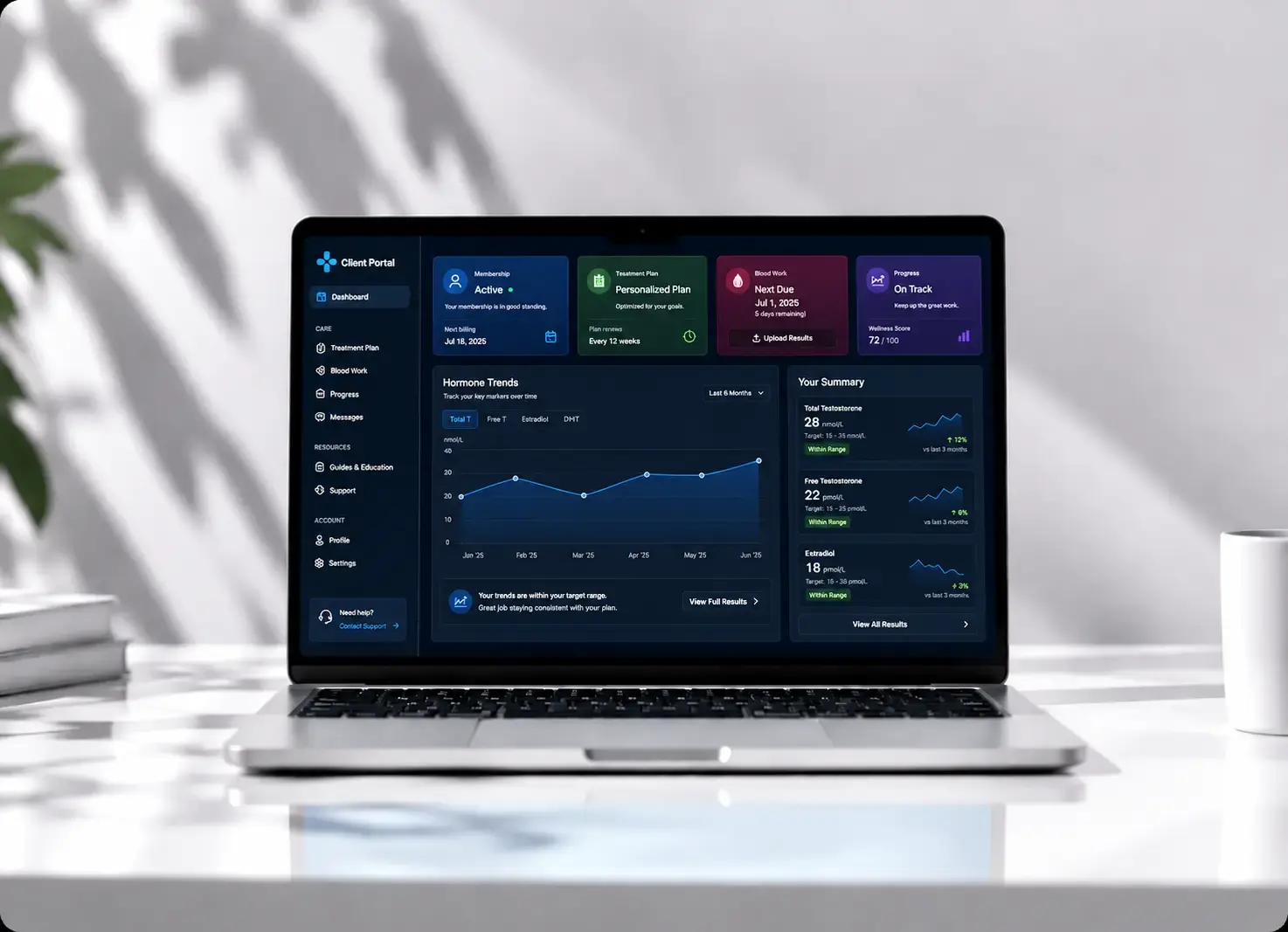
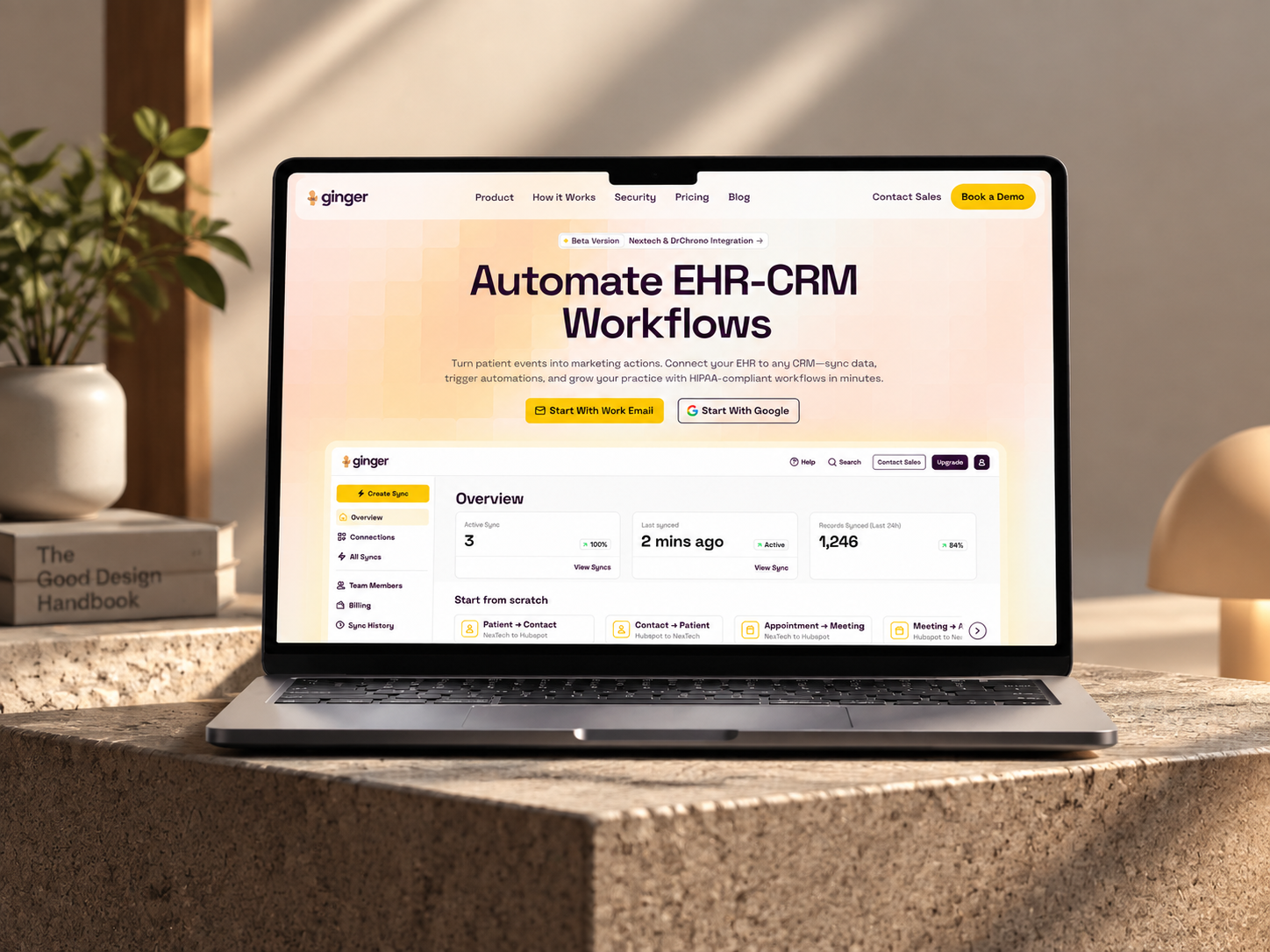
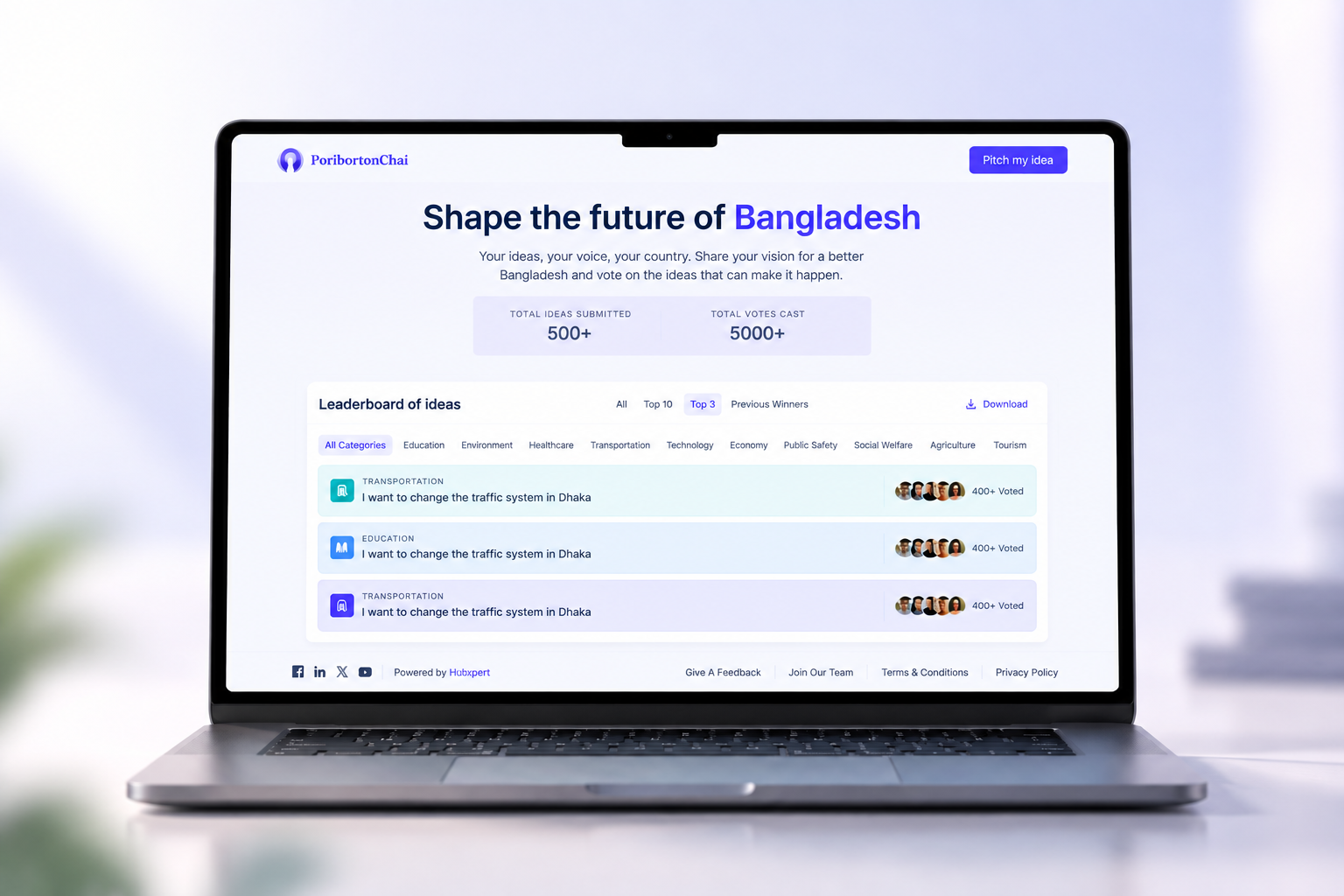
Teams that leveled up their growth with HubXpert
Early calls are the founder's job rather than a rep's, so whatever system you use has to work for someone selling part-time. A CRM that needs a full-time owner is a cost this stage cannot carry.
Messaging and target customer shift as you learn what sells, and a heavily customized setup becomes dead weight after the next pivot. Investors ask for the same three numbers, and they ask on short notice.
A start-up rarely has an administrator, so the CRM has to be maintainable by the people who use it.
Pipeline coverage, stage velocity, and cost per opportunity get requested every quarter, usually at short notice.
Every subscription competes with payroll, and overlapping tools are the easiest waste to fix.
The board wants to know which channel works, even when the sample is small and the spend is experimental.
HubSpot for Funded Startups covers five areas where speed and maintainability matter more than depth.
Stages that match how you actually sell.
Board numbers come from the system.
A checklist rather than a project.
Reps using it without being chased.
Email, calls, and meetings logged.
A task after every conversation.
Dictated rather than typed.
Deals with a next step booked.
Test a niche as a property.
Old deals stay searchable.
Archive stages rather than delete them.
Which hypothesis converted.
Open value against target.
Days between stages.
By channel and segment.
A board-ready summary.
A pragmatic setup with role-based access, and billing.
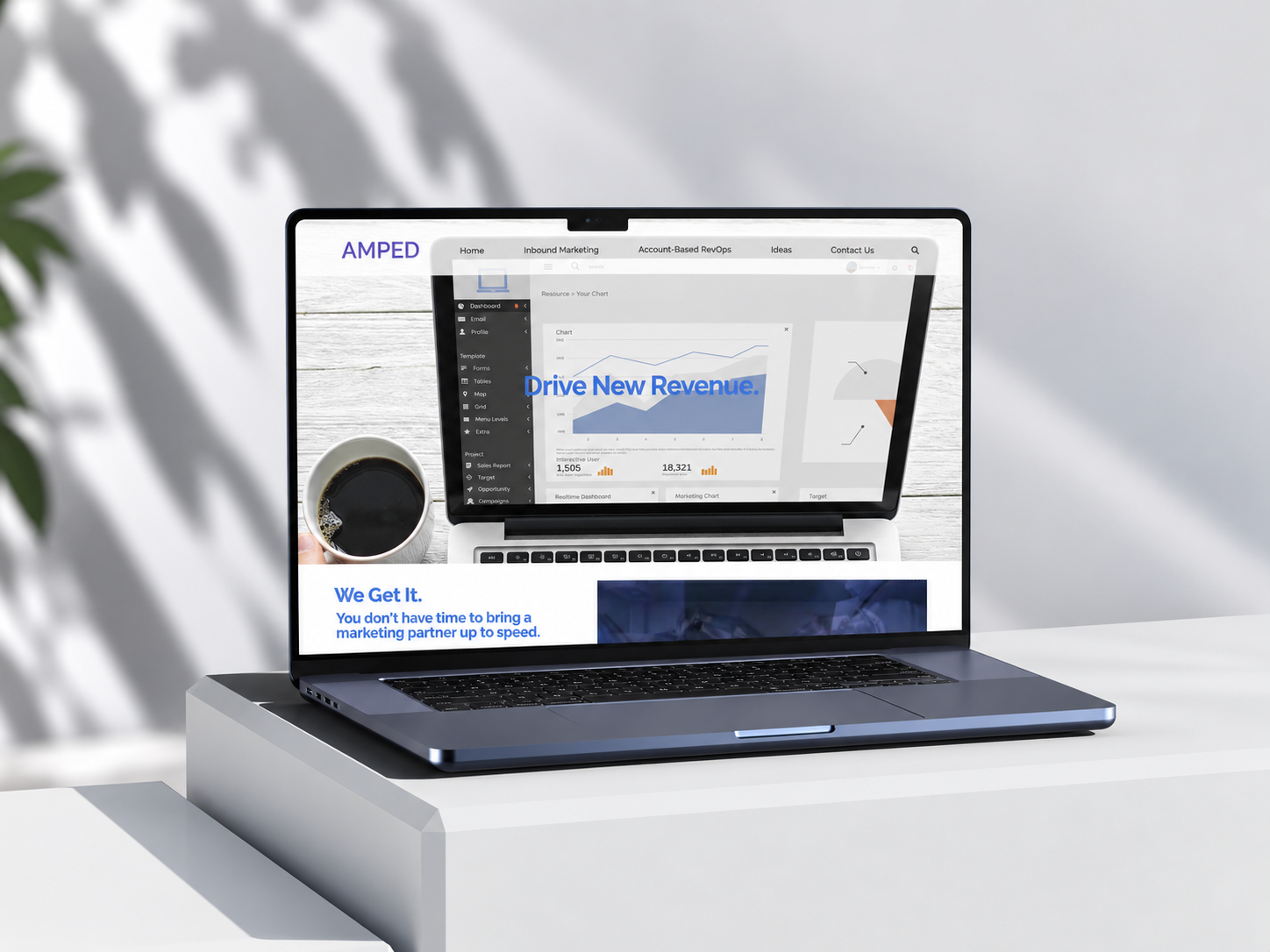
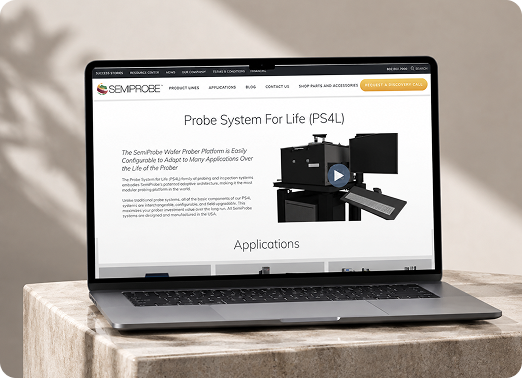
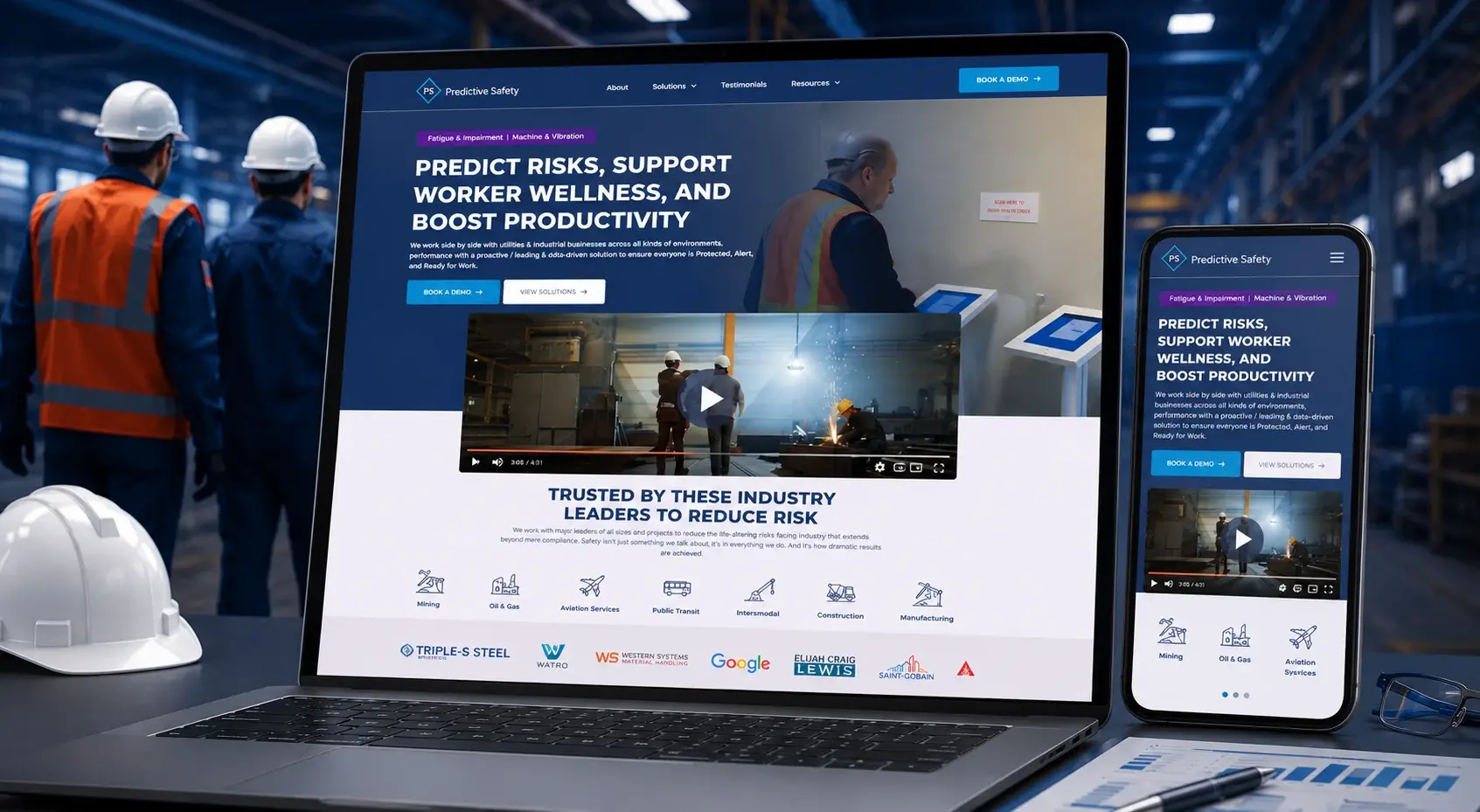
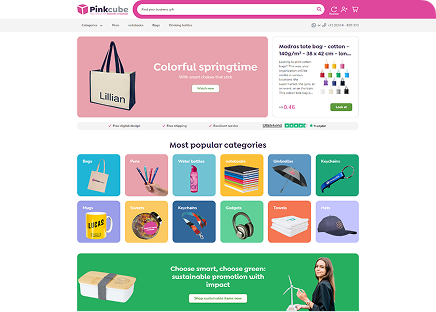
A curated selection of HubSpot implementations and digital marketing campaigns that moved the needle for our clients.
SAAS
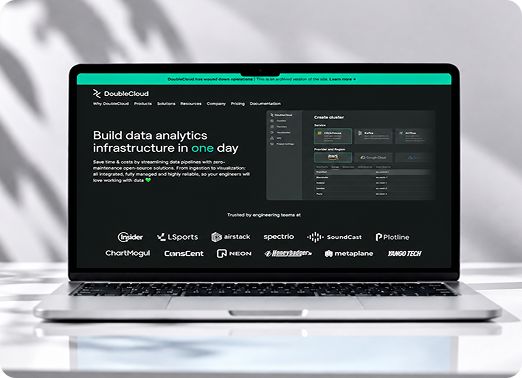
SystemHub is a business process documentation platform that helps companies capture, organize, and optimize their core workflows.
SAAS
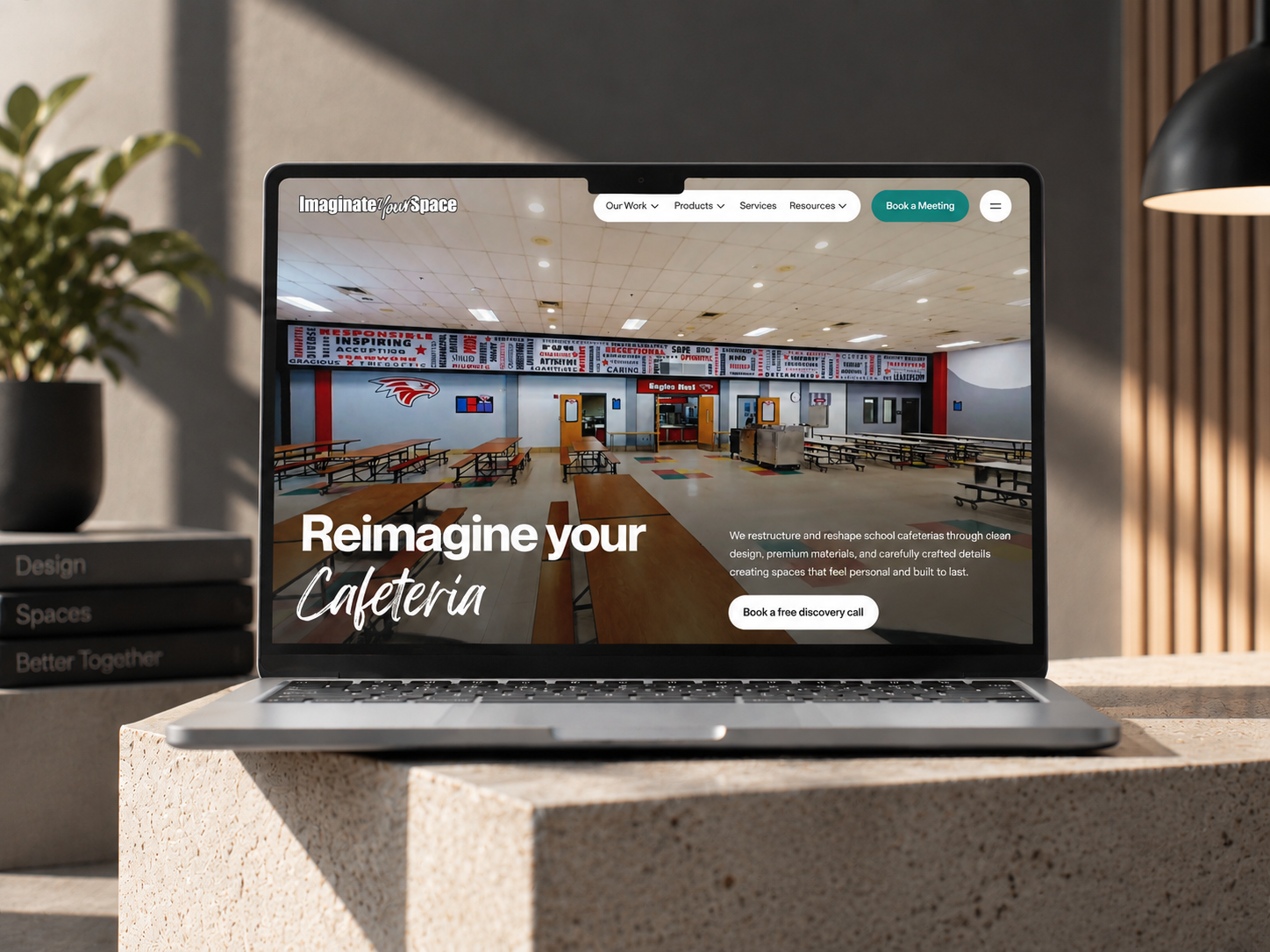
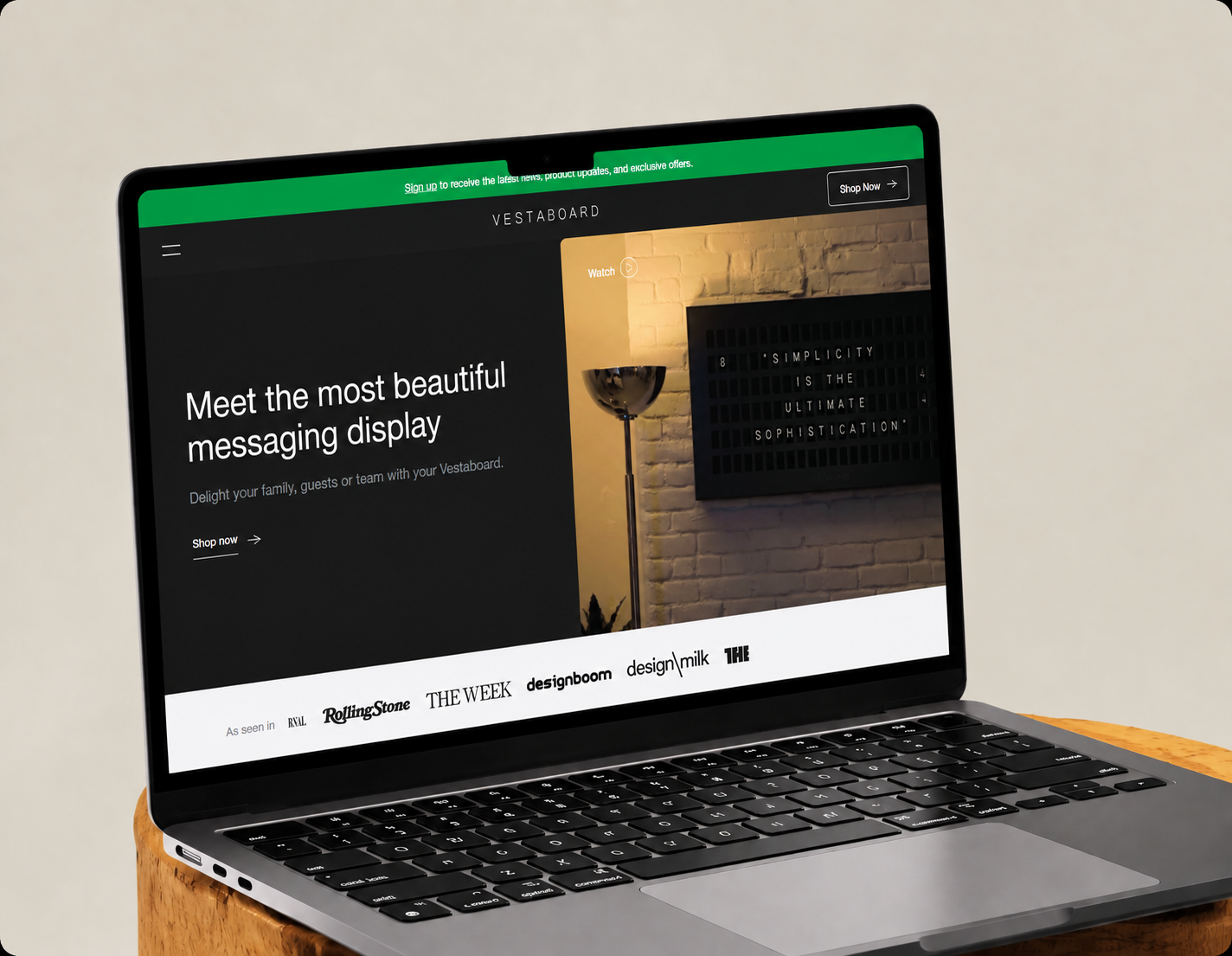
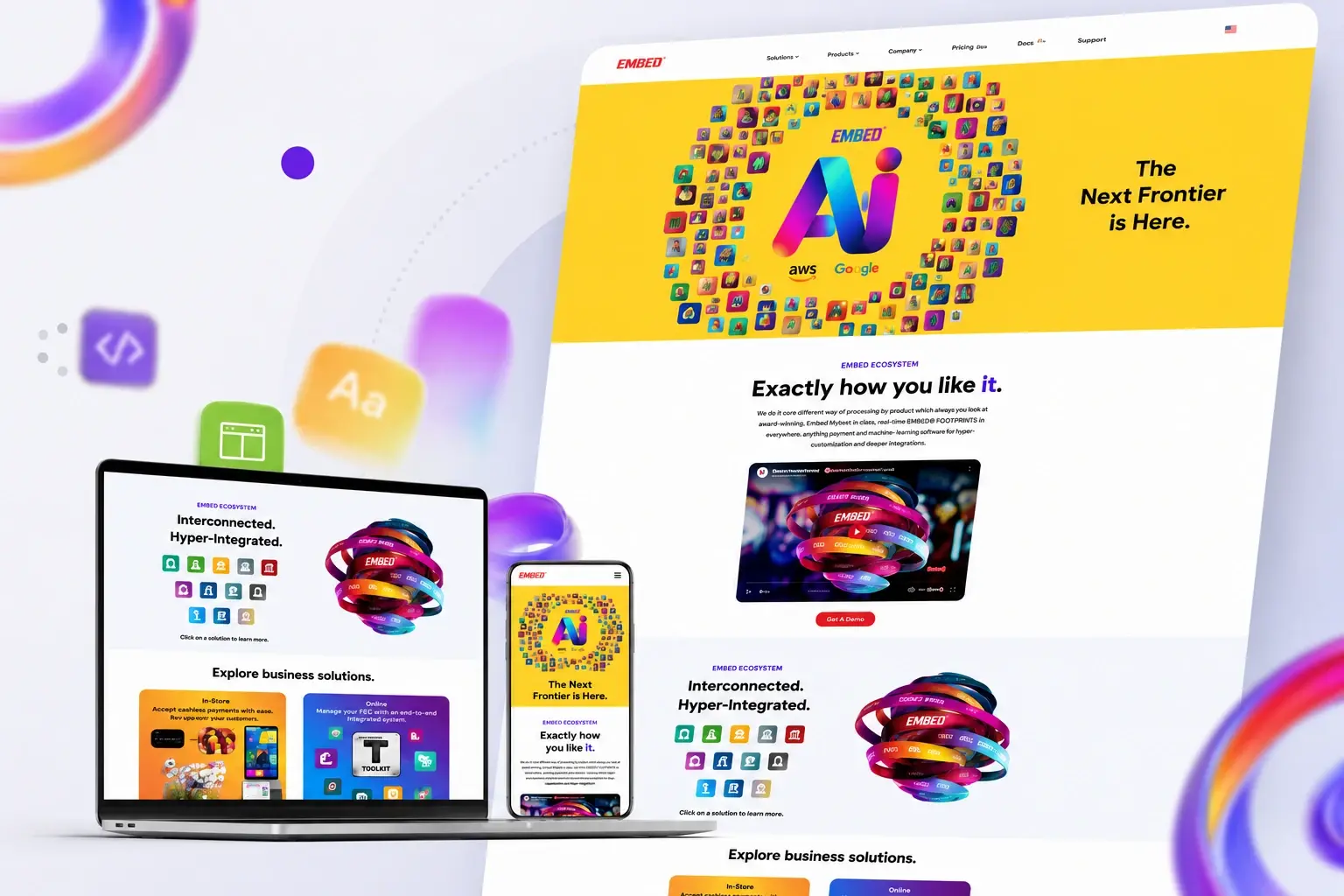
Gander is a SaaS platform that specializes in simplifying the process of curating and displaying high-quality videos
SAAS
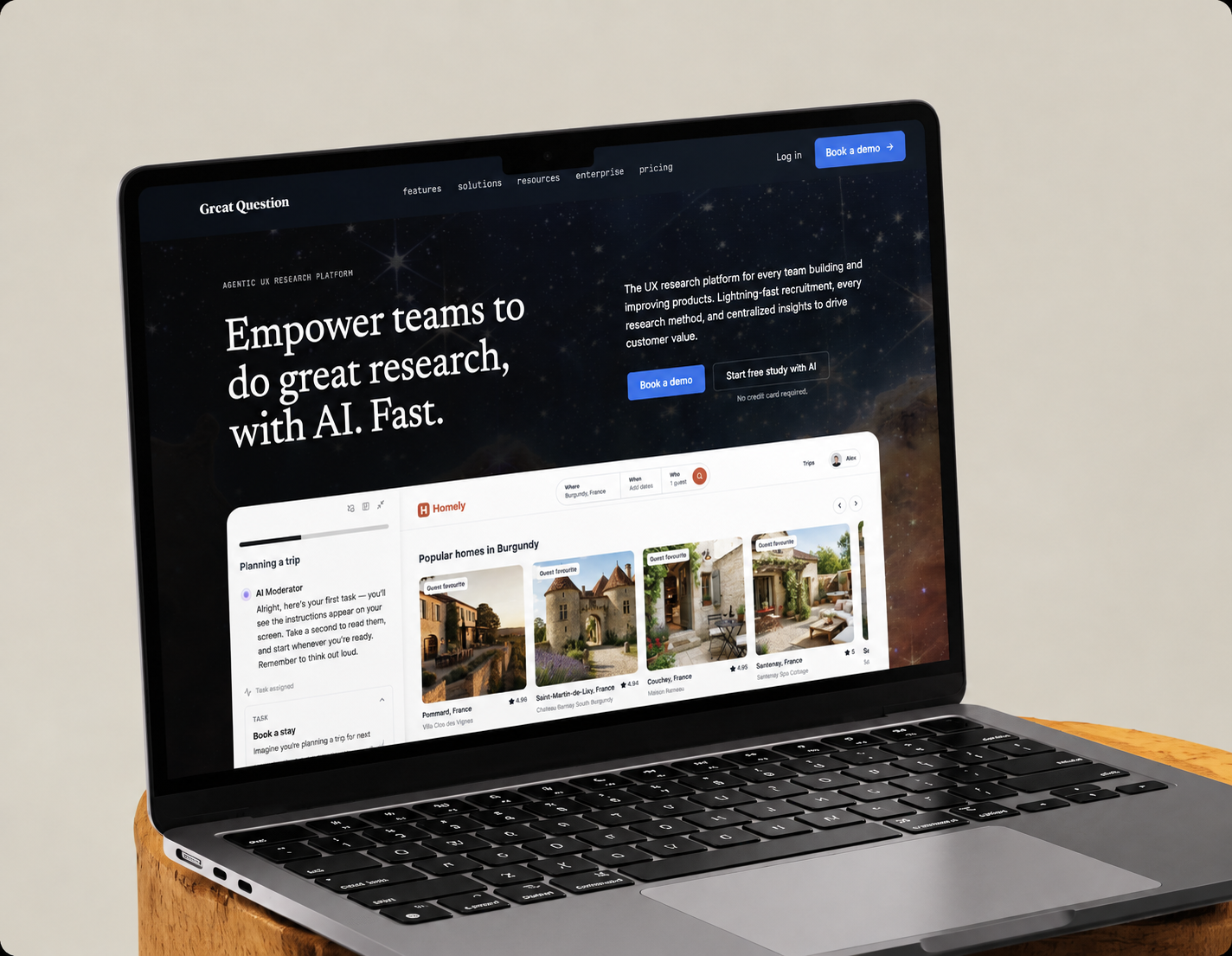
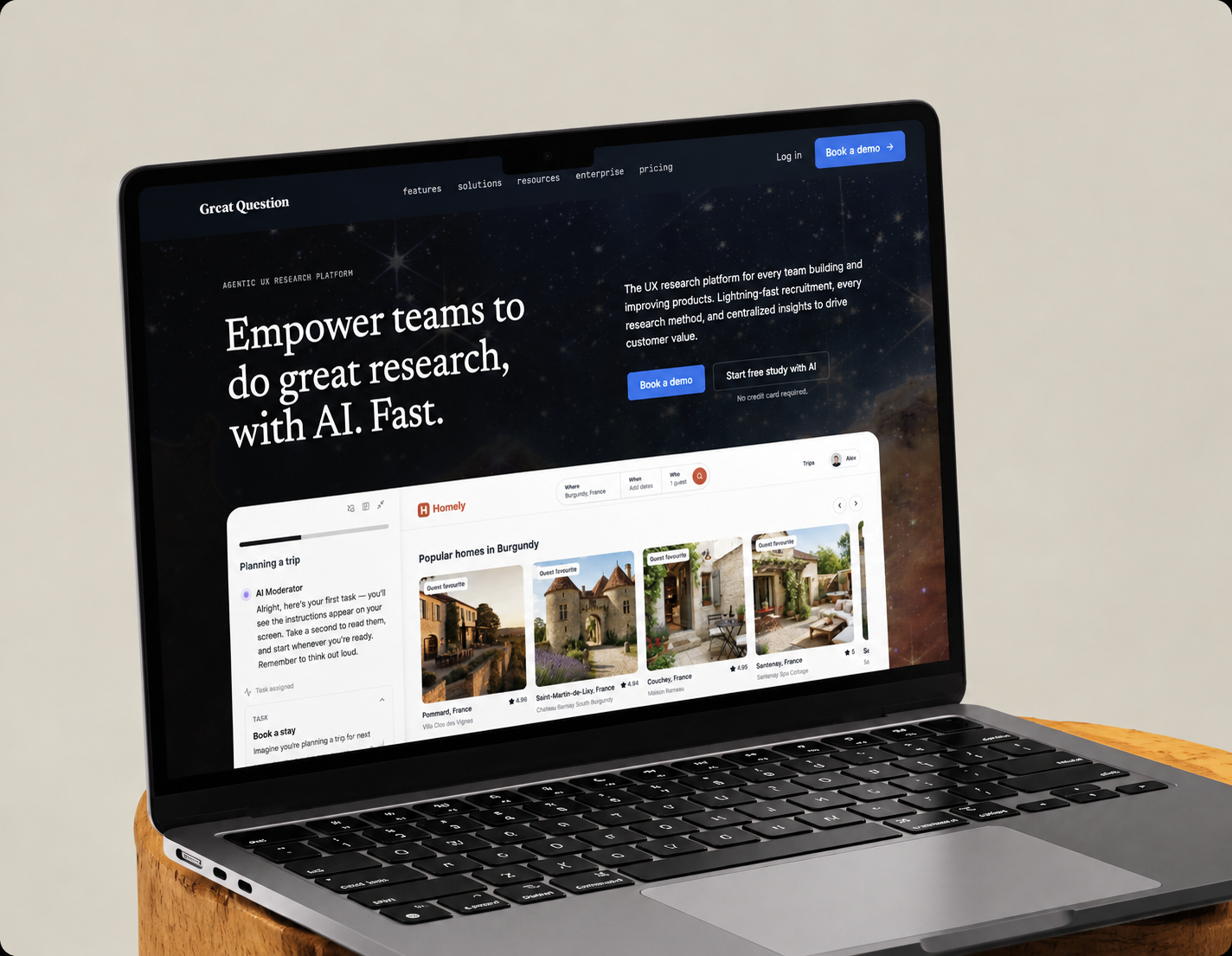
Great Question is an all-in-one UX research platform that helps companies collect user feedback, conduct surveys, and engage in meaningful conversations.
Inbound and founder outreach land in one pipeline, with segment and source recorded at first touch. Most first deals arrive through founder outreach.
Call notes, next steps, and stakeholders sit on the record, so nothing lives only in the founder's memory.
A change in hypothesis becomes a segment change, and old deals stay searchable for context. Notes only survive if logging them takes seconds.
Coverage, velocity, and cost per opportunity are assembled from the same data the team works in. The hypothesis changes roughly every quarter at this stage.
Every logged call raises a next-step task within a day, with the summary attached. An inbound request is owned within minutes.
A demo request assigns an owner in minutes and escalates after two hours. A stalled deal surfaces with its last note attached.
A new hypothesis becomes a segment, and deals are tagged so conversion can be compared. Every deal carries a segment and a source.
A deal sitting in one stage for fourteen days raises a task with the last note. Metrics assemble themselves before the board pack.
Ten days before the monthly board pack, the metrics are assembled from live pipeline. A quiet customer raises a check-in task.
A quarterly review lists which tools the CRM now covers. Tool overlap is reviewed quarterly.
A customer with no activity for thirty days raises a check-in task. A logged call raises a next step the same day.

Certified platform expertise, with a track record across early-stage B2B SaaS builds. Nothing is built that the current team cannot maintain.
Built around your current sales motion, with room to change. No generic templates.
Multi-step workflows and conditional logic where they earn their keep.
Clean imports from spreadsheets, with deal history intact and nothing invented.
An in-house team connecting HubSpot to your product and billing, when the time comes.
Coverage, velocity, and cost per opportunity tracked from launch.
An early-stage company holds prospect data, early customer usage, and often personal detail that arrived before any policy existed. The work is proportion: role-based access, consent recorded where it is collected, and billing and product detail left in the systems that own them. Consent is recorded where it was collected.

Not every start-up needs every hub, and most begin with Sales before adding Marketing. Here is how each one lines up with a small team.
Your demand engine, once there is demand to manage. Deal sequences run from the same record as the call.
Built for founder-led selling, as a HubSpot Sales Hub implementation sized for one seller. Support sees the deal history before replying.
Where early customers get support before a team exists. Comparison pages get edited without a developer.
Powers the site and comparison pages with built-in SEO, so inbound has something to land on. One record links the deal, the customer, and the next raise.
Connects the product and billing tools, once those integrations are worth building. Most start-ups begin with Sales, then add Marketing.
Yes. It runs the pipeline, the follow-up, and the reporting without needing a dedicated administrator, which is the constraint that matters at this stage. Most teams see the difference in the first month. The CRM carries the pipeline, not the invoice. Most teams see the difference in the first month.
No. The setup is designed to be maintained by the people selling, with sensible defaults and a short list of properties. Follow-up rate is tracked, so the improvement is measurable. Every workflow is tested before it reaches a prospect. Follow-up rate is tracked, so the improvement is measurable.
Segment is a property, so a new hypothesis is a new segment rather than a rebuild, and older deals stay searchable. The sequence is matched to the stage and the segment. Tool overlap is reviewed quarterly. The sequence is matched to the stage and the segment.
Pipeline coverage, stage velocity, and cost per opportunity come from the same data the team works in, assembled before the board pack. Nothing is assumed native until the connector is confirmed. Setup time is measured in weeks, not quarters. Nothing is assumed native until the connector is confirmed.
The build is deliberately shallow rather than fragile, so it extends as you add reps, segments, and products. Billing detail never sits in the CRM.
Most teams start with Sales and add Marketing once inbound volume justifies it. That is how cost per opportunity becomes visible.
Deals and accounts are imported with history intact, and nothing is invented to fill gaps. We map which fields matter before launch, and skip the rest.
Most run two to three weeks, which is the point at this stage. Deal history is imported rather than retyped.
Ready to Walk Into the Next Raise With Real Numbers?
A founder is tracking deals in a spreadsheet, the board pack is due next week, and nobody can say which channel produced the last five customers. We build around your motion, your stage, and your runway. No spreadsheet in the loop.