












Attract Enquiries
Search, paid social, and WhatsApp referrals bring passengers in, with the source recorded at first touch, and that is the only way monthly spend can be judged.
A fare quote has a shelf life of hours, and a client who waits until tomorrow usually books somewhere else. HubSpot helps air ticketing agencies answer faster, follow up before the fare moves, and keep repeat travelers coming back instead of treating every booking as a fresh start.

Teams that leveled up their growth with HubXpert
A client asks for four options at nine in the evening. By the time an agent replies, the fare has moved and the client has booked elsewhere.
GDS and mid-office tools price, issue, and reconcile. They do not nurture, segment, or report on where demand actually comes from.
A client who books six times a year is treated like a first-timer, because nobody linked the enquiry to their history.
A schedule change lands in a shared inbox and three agents reply to the same passenger with different answers.
Passport validity and visa rules cause denials at check-in, and the agency only hears about it afterwards.
Meta ads, WhatsApp referrals, and walk-ins all claim the same ticket. The next month's budget is set on instinct. At a thin margin, one wasted campaign is a week of desk time, and nobody notices until the month closes.
HubSpot for Flight Booking Agencies covers five areas where a ticketing desk can convert more enquiries.
A fast reply holds the client until agents call.
Templates and automation cut repetitive typing.
Each option sits on the passenger record.
Sequences match how fast fares move.
Past routes and dates surface instantly.
Alerts on routes the client already flies.
Timed to when they usually travel.
Outreach before a regular books elsewhere.
Corporate, group, and leisure split by rule.
Key details captured on the first form.
See where quotes are slow.
A task when a request sits too long.
One form, one owner, one timeline.
The passenger hears within minutes.
No more 'I will check and call you back'.
See which airlines cause the most rework.
Source stored on every enquiry.
Judged on tickets, not clicks.
Travel agents and corporates compared.
A short summary the owner can act on.
A privacy-conscious setup with role-based access, and card.
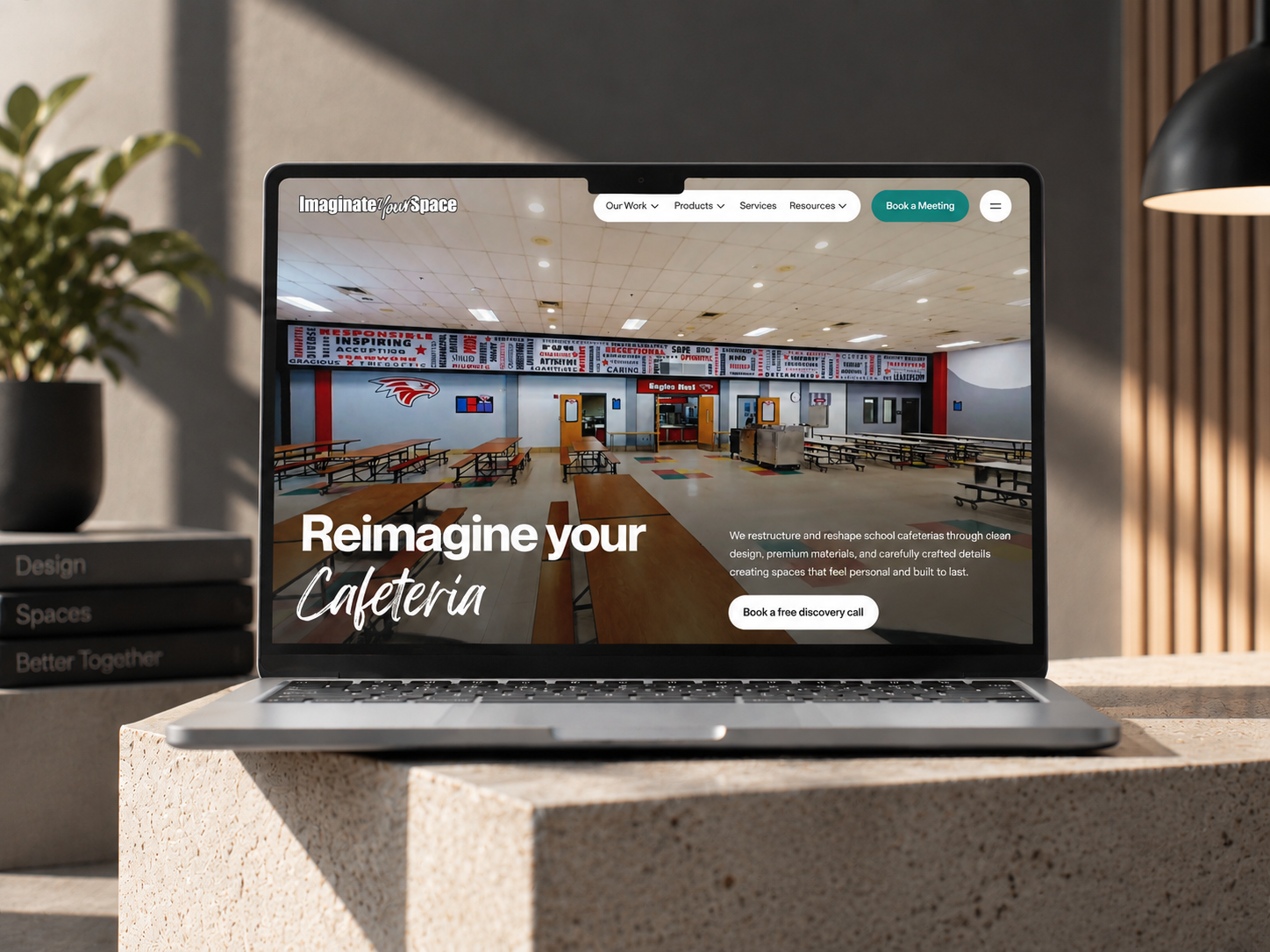
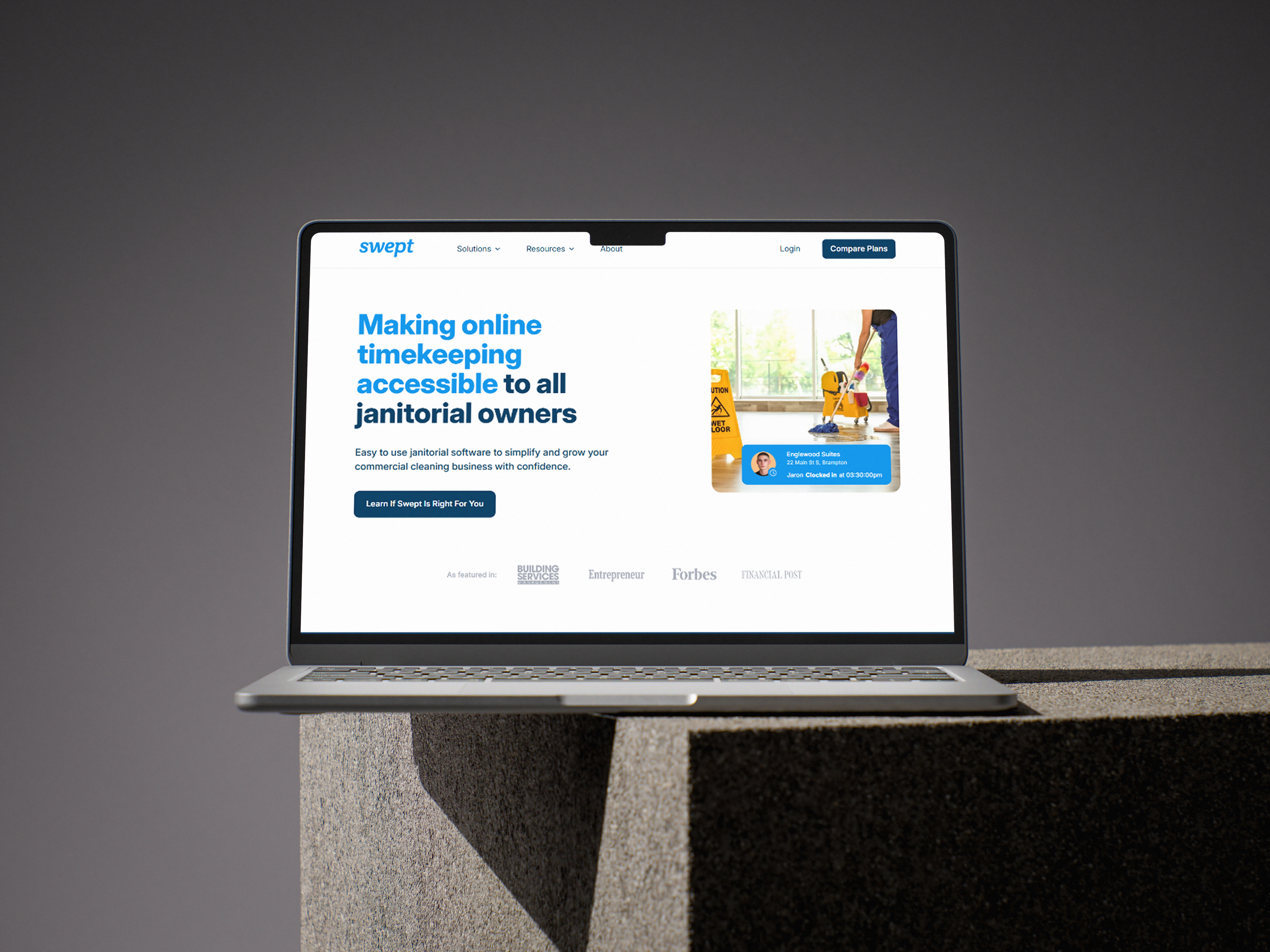
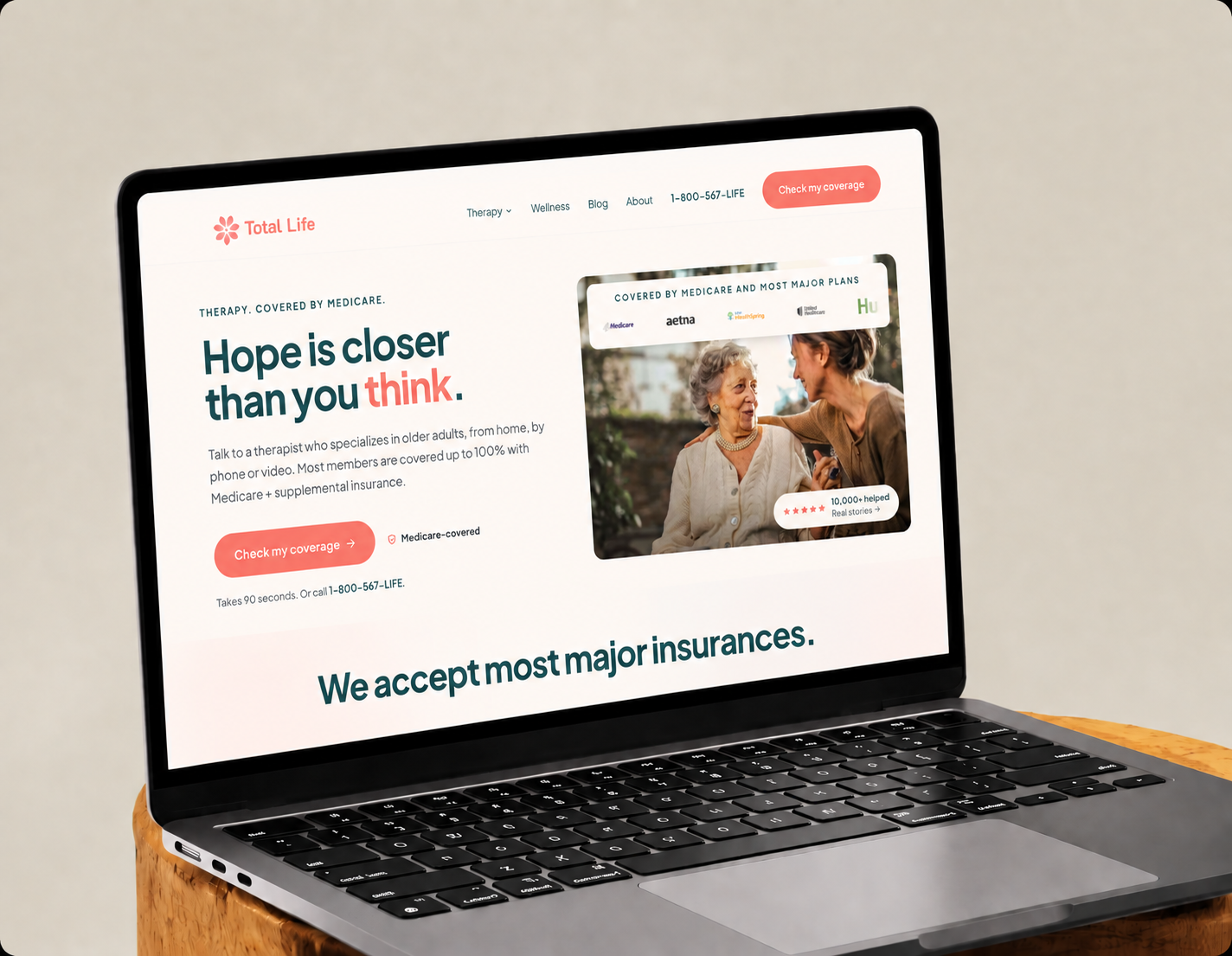
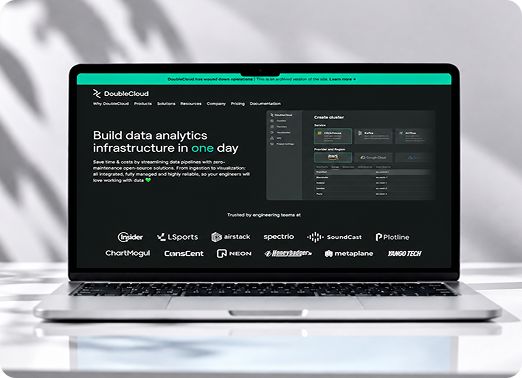
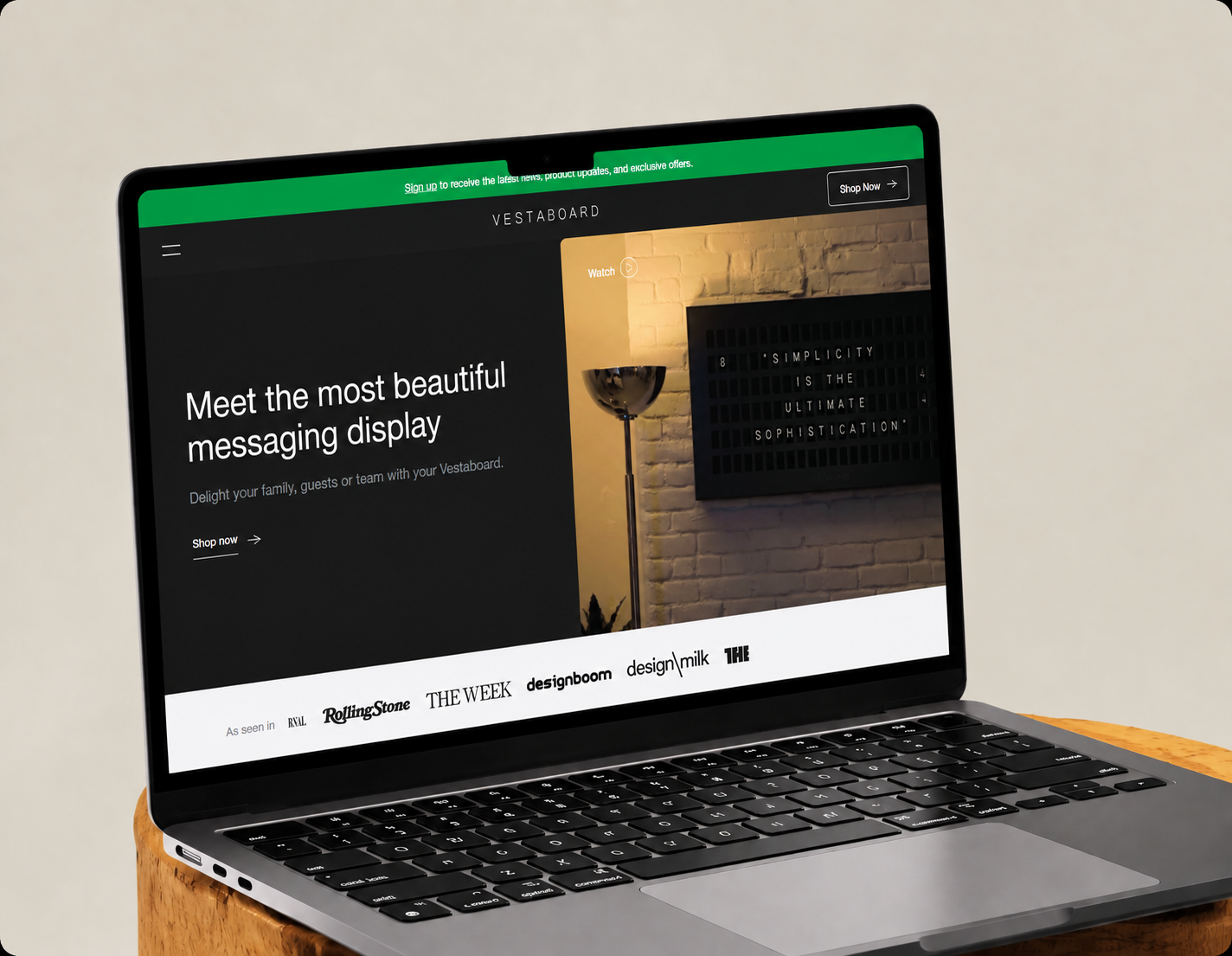
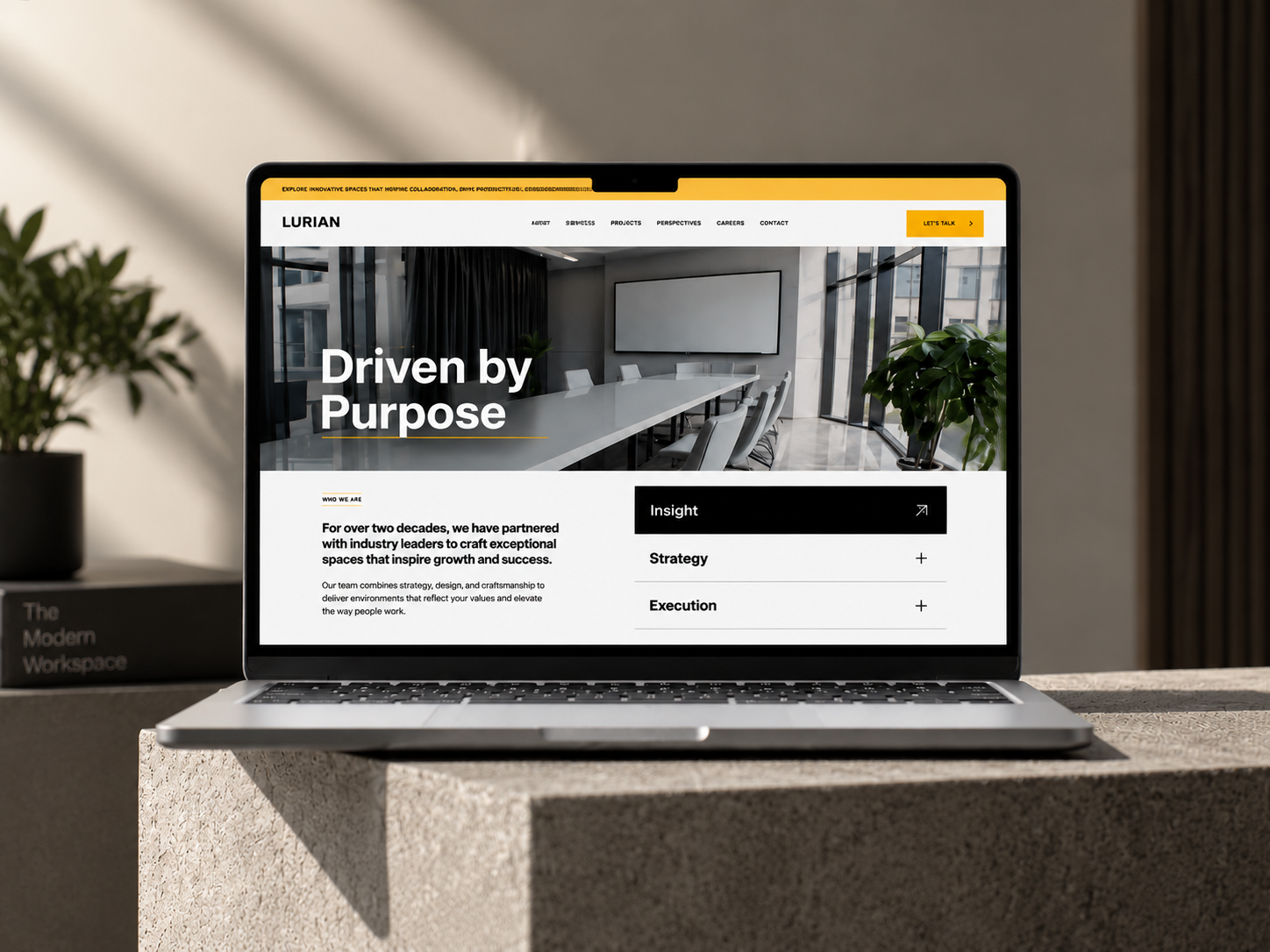
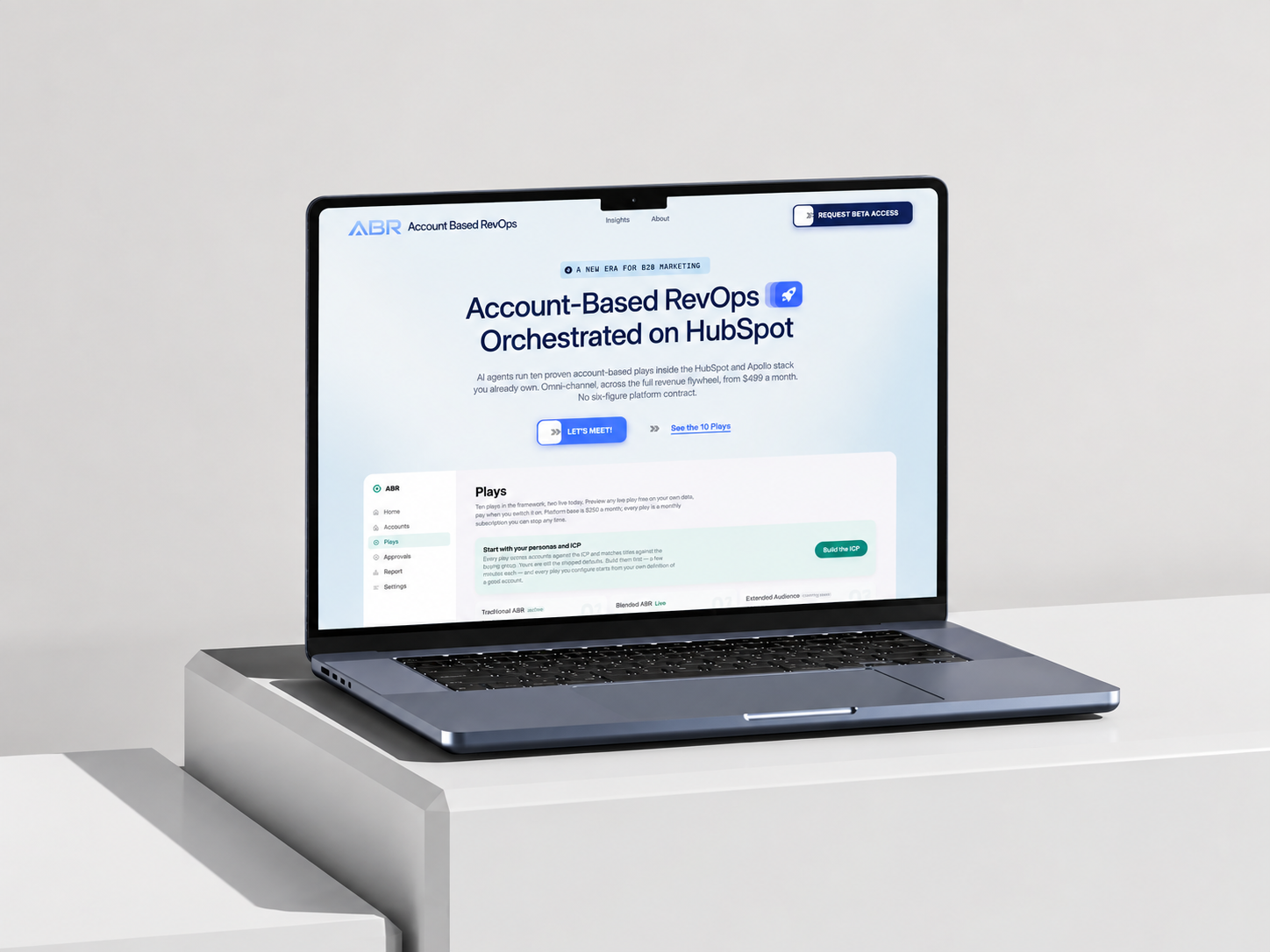
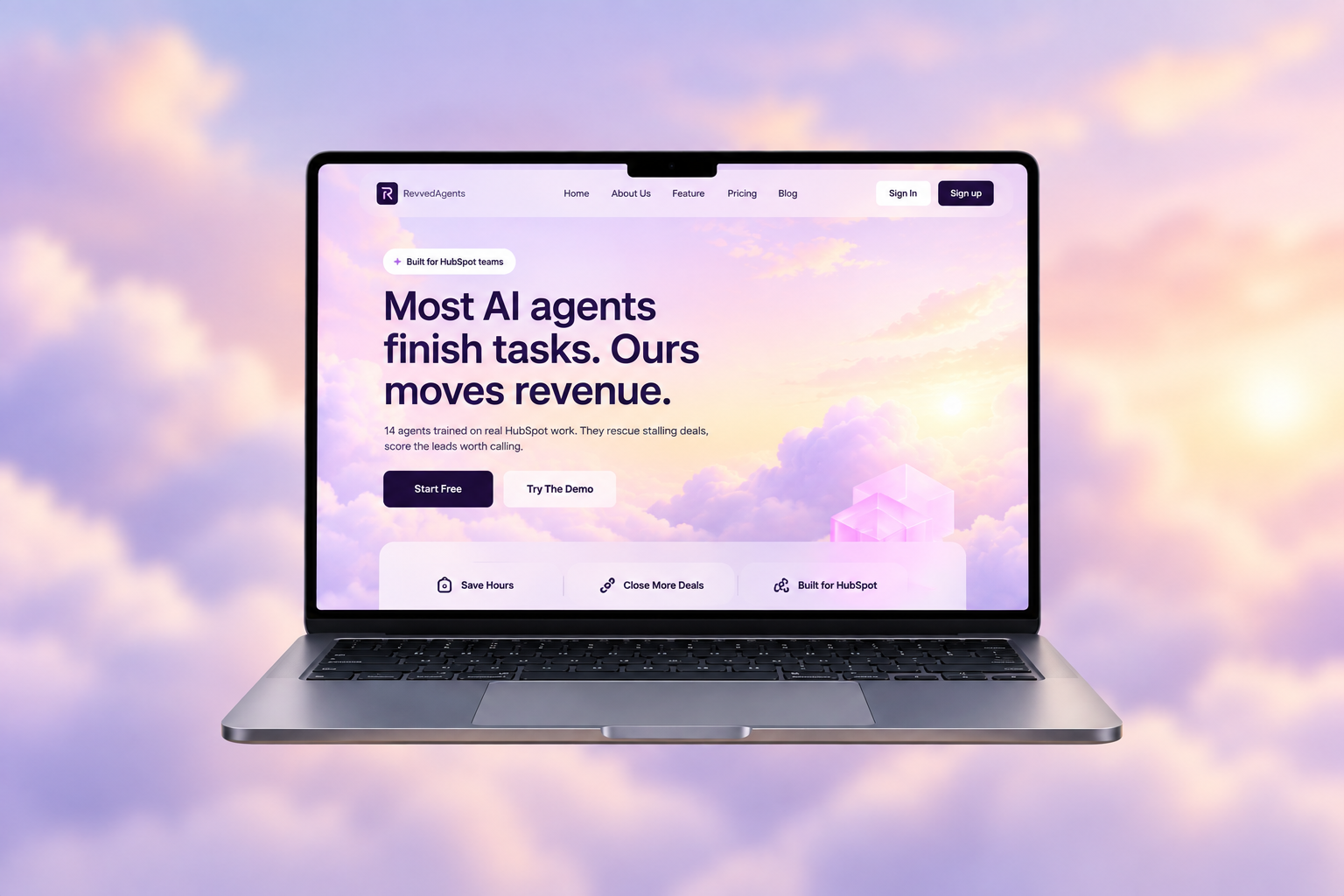
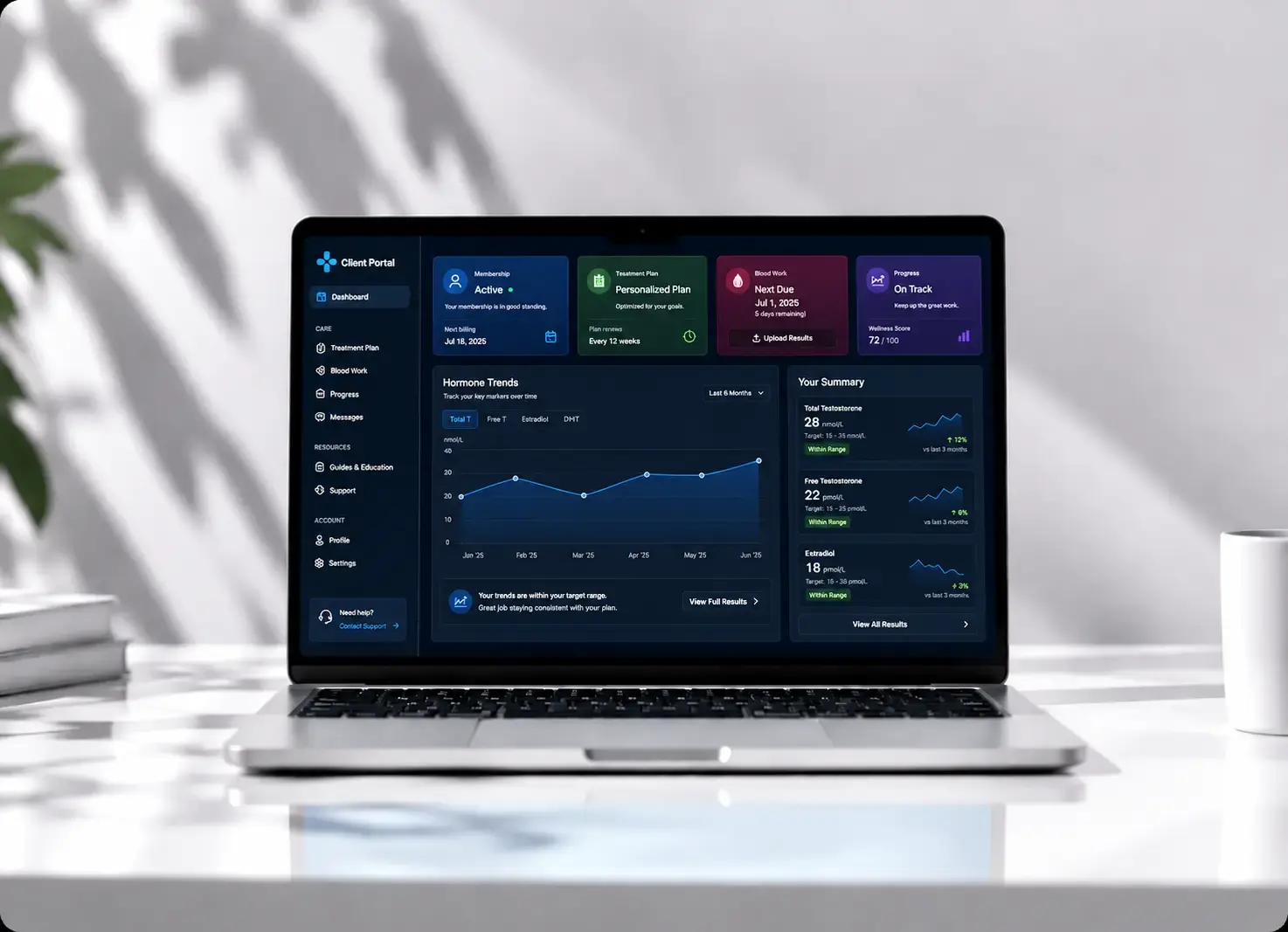
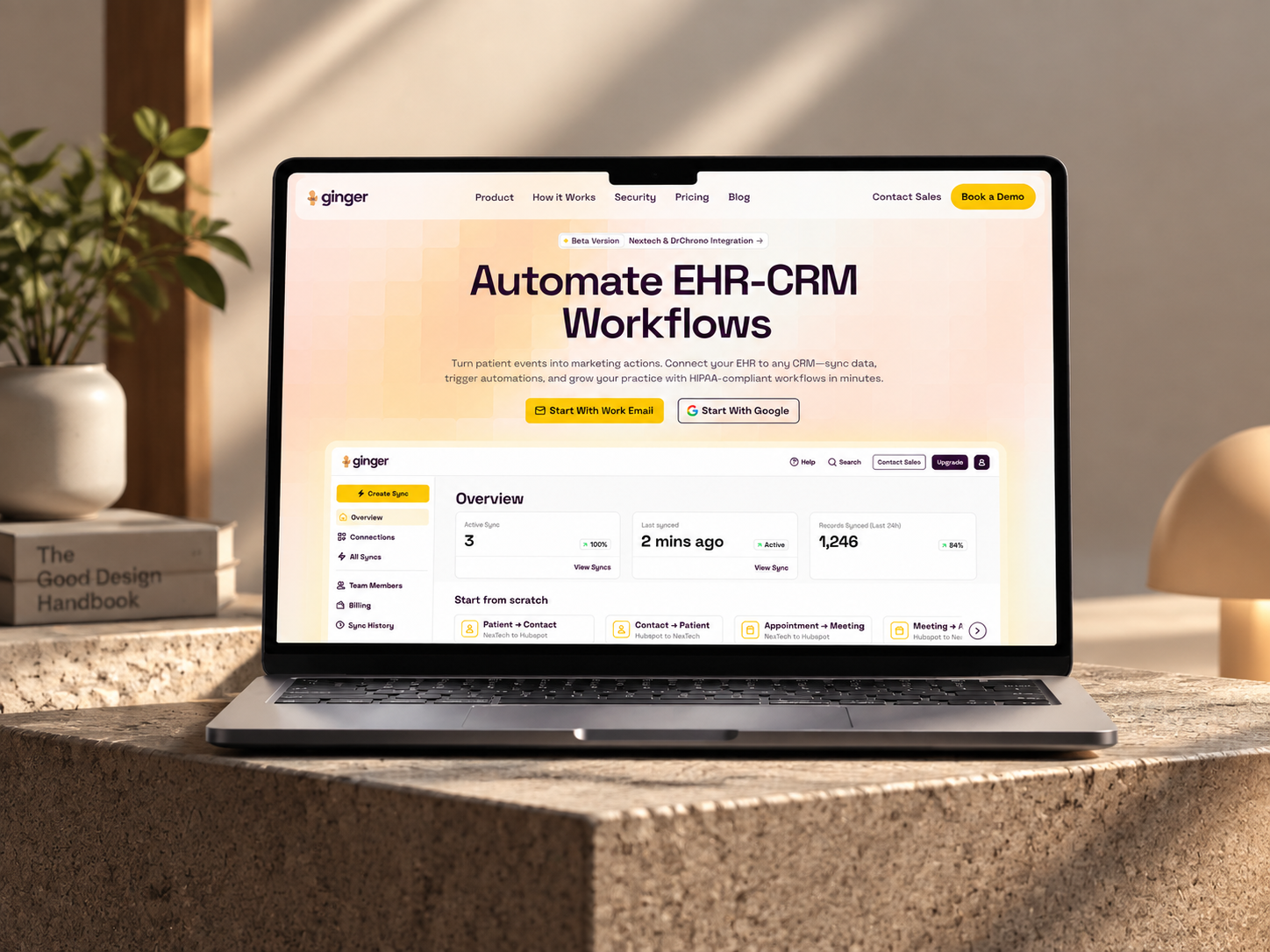
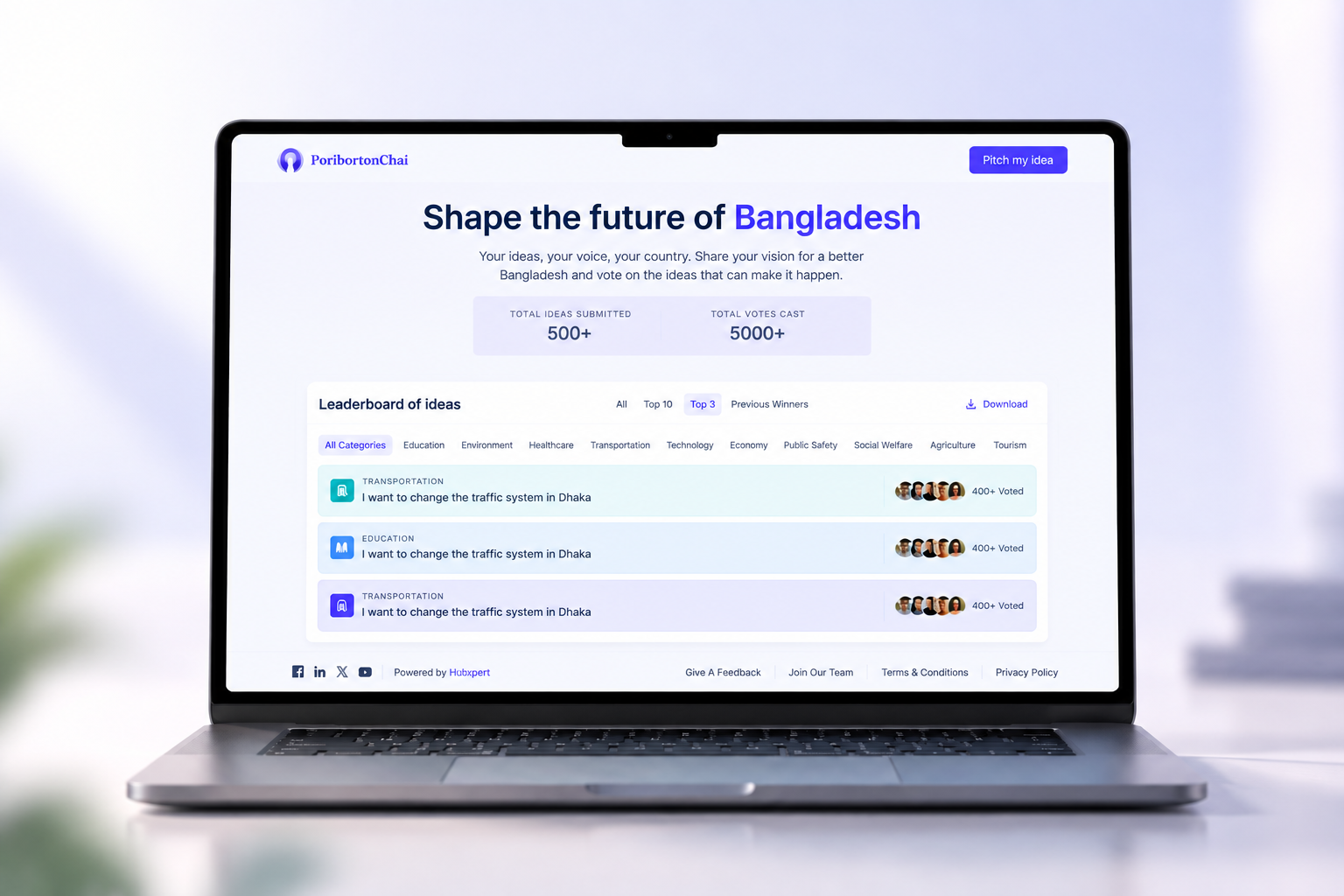
A curated selection of HubSpot implementations and digital marketing campaigns that moved the needle for our clients.
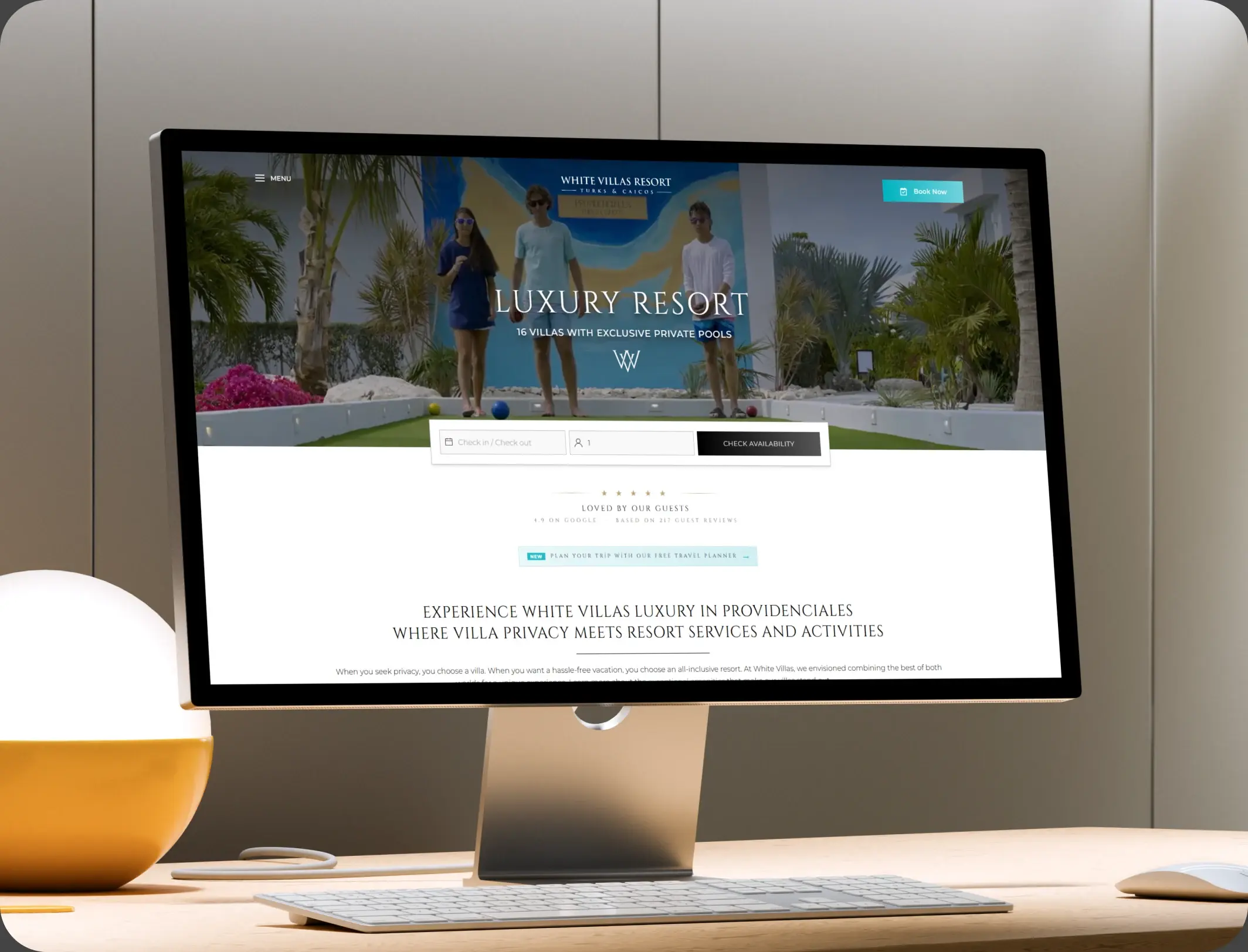
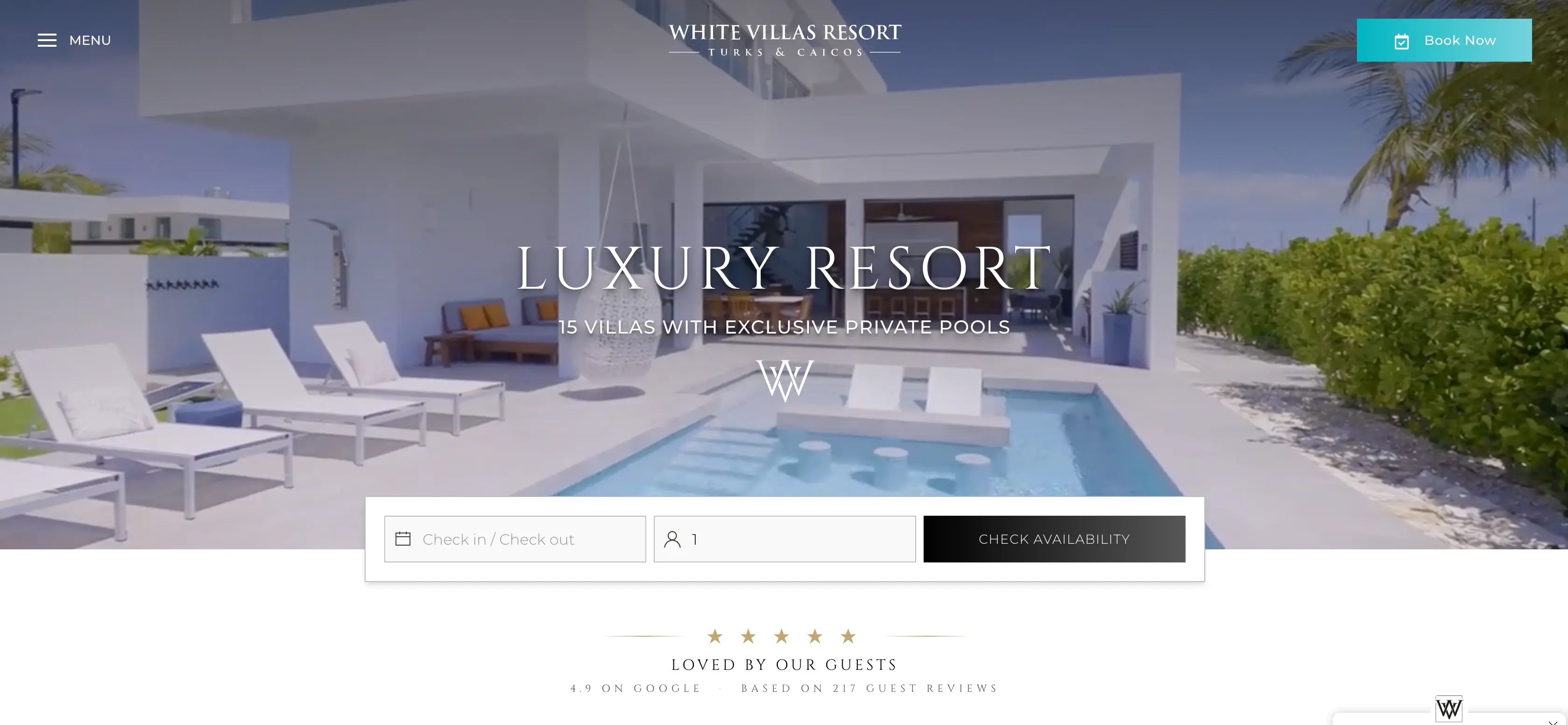
HOSPITALITY
HubSpot End-to-End Guest Experience Automation for a Resort Villa - White Villas.
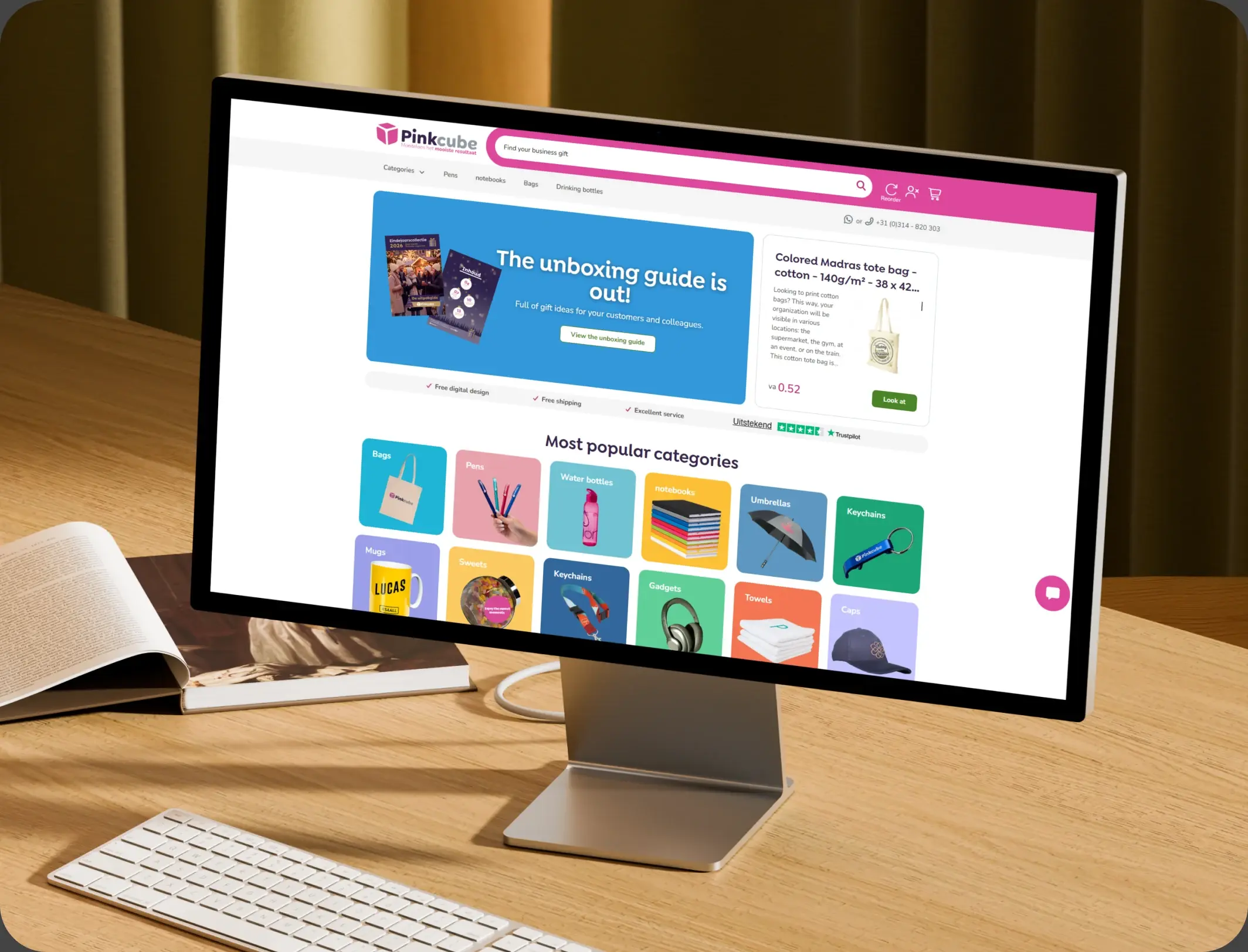
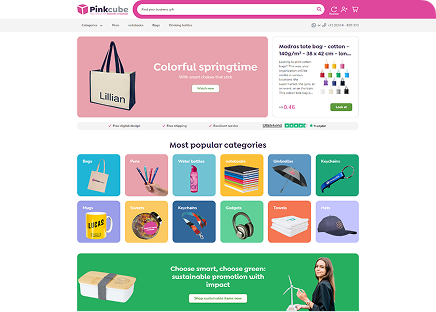
E-COMMERCE
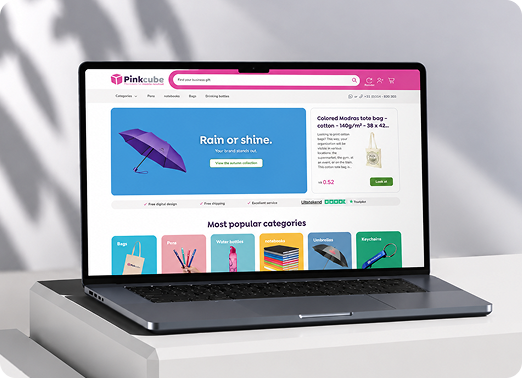
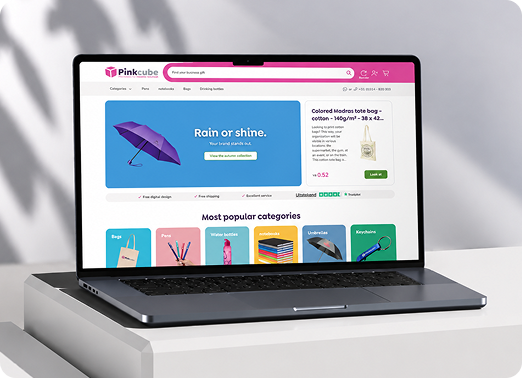
HubSpot Trengo to Service Hub Migration for an E-commerce Provider - Pinkcube.
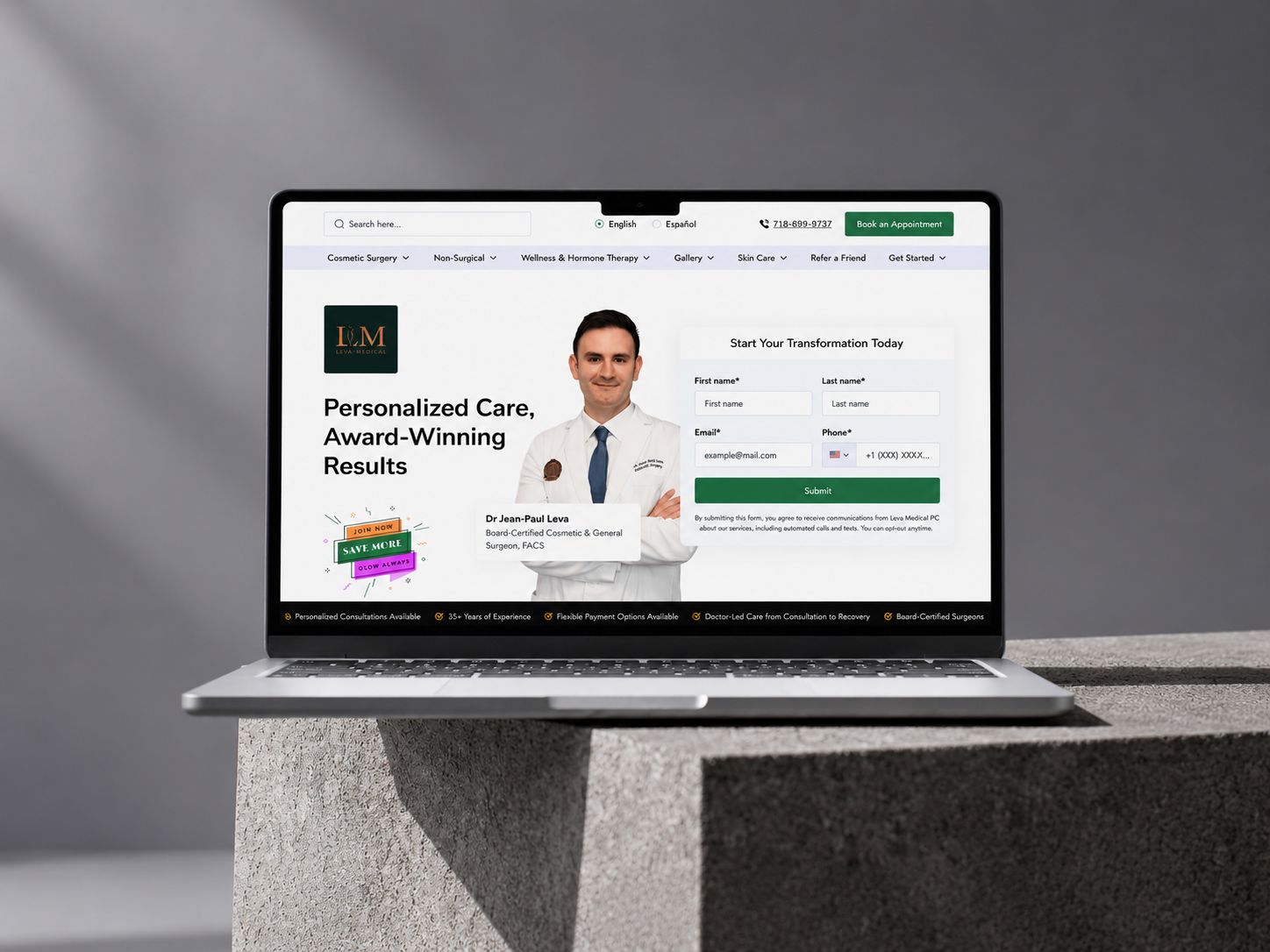
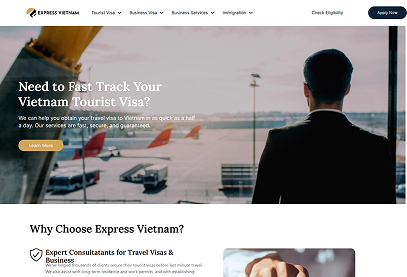
TRAVEL & VISA
HubSpot Onboarding and Integration for a State-Owned Visa Company - Express Vietnam.
Search, paid social, and WhatsApp referrals bring passengers in, with the source recorded at first touch, and that is the only way monthly spend can be judged.
Enquiry detail is captured once, routed to the right desk, and followed up before the fare moves. The quote is where the booking is won or lost.
Document reminders go out before departure, and change requests land with an owner instead of an inbox. Document problems surface at check-in, which is too late.
Fare alerts, seasonal offers, and dormant client outreach keep the next booking with the agency.
An instant reply with expected response time, a desk assignment, and a task for the agent on shift. Anyone who books exits the sequence at once.
A check-in at two hours, a second option at six, and an agent task if the quote is still unopened the next morning. The follow-up timer runs on hours, not days.
Alerts on routes a passenger already flies, capped so the list does not become noise. A schedule change reaches one owner, not three.
Passport validity and visa prompts at booking, at fourteen days, and at seventy-two hours before departure. Refund updates go out without an agent retyping.
Acknowledged within minutes, routed to the owning agent, and tracked until the passenger confirms.
Automatic updates as the refund moves, so the passenger does not chase and the agent does not repeat.
A prompt when a regular client has not booked within their usual window.
Certified platform expertise, with a track record across travel agency workflows and high-volume enquiry desks.
Built around your desks, fare urgency, and refund process. No generic templates.
Multi-step workflows and conditional logic built for speed to quote.
Clean imports from spreadsheets or a legacy CRM, with passenger history intact.
An in-house team connecting HubSpot to your GDS, mid-office, and payment systems.
Continuous refinement as routes, desks, and volumes change.
A ticketing desk handles passport numbers, card detail, and travel history. The work is separation: documents stay in a controlled store, card data stays inside the payment provider, and the CRM carries the enquiry, the quote, and the service record rather than the credentials.

Not every agency needs every hub, and most start with Sales and Marketing before adding Service.
Your acquisition engine: paid search, landing pages, and fare alert campaigns aimed at routes the agency already sells well. Campaigns and fare alerts run from the same passenger record.
Built for the quote pipeline and the follow-up that closes it, with a timer attached to every request. Each enquiry carries an owner and a response clock.
Where changes, refunds, and document queries get tracked against the passenger. Agents see the history before quoting. Here is how each one lines up with a ticketing desk that runs on speed.
Powers the website and route content with built-in SEO, so destination pages stay current. Route and destination pages get edited without a developer.
Connects GDS, mid-office, and payment systems, most valuable at volume. Booking data stays matched across branches. Booking data stays matched across branches instead of drifting.
Yes. It runs the commercial side of the desk: enquiry capture, quote follow-up, document reminders, change requests, and reporting, while the GDS issues the ticket. Most agencies see the difference within the first month of live workflows. The CRM carries coordination, not credentials.
It can. Enquiry detail is captured once, routed by rule, and followed up on a timer, so the slow step is usually pricing rather than admin. Response time is tracked, so the improvement is measurable. Every workflow is tested before it reaches a passenger.
Past routes and dates sit on one record, so a regular passenger is recognised, and a fare alert can go out on the routes they already fly. The sequence is matched to the route and desk.
Yes. Each request lands with an owning agent, the passenger gets an acknowledgement within minutes, and status is tracked until it closes. Nothing is assumed native until the connector is confirmed.
Those fields stay out of the CRM. Card detail stays with the payment provider and documents live in a controlled store. Card detail never enters the CRM.
Often through an API or middleware. Passenger and booking data cross over, and the sync direction is scoped before build. That is how cost per ticket becomes visible.
Yes. Desks, permissions, and consolidated reporting work across branches, with each keeping its own queue. We map which fields may hold document data before launch.
Most run four to eight weeks, depending on integrations and how much passenger history needs migrating. Documents stay in the controlled store.
Ready to Book More Passengers With Less Admin?
A client is waiting on a quote right now, and the fare will not hold. We build around your desks, your fare reality, and your team. No generic setup, and no quote left to go cold. A quote that arrives tomorrow is a booking made elsewhere.