
























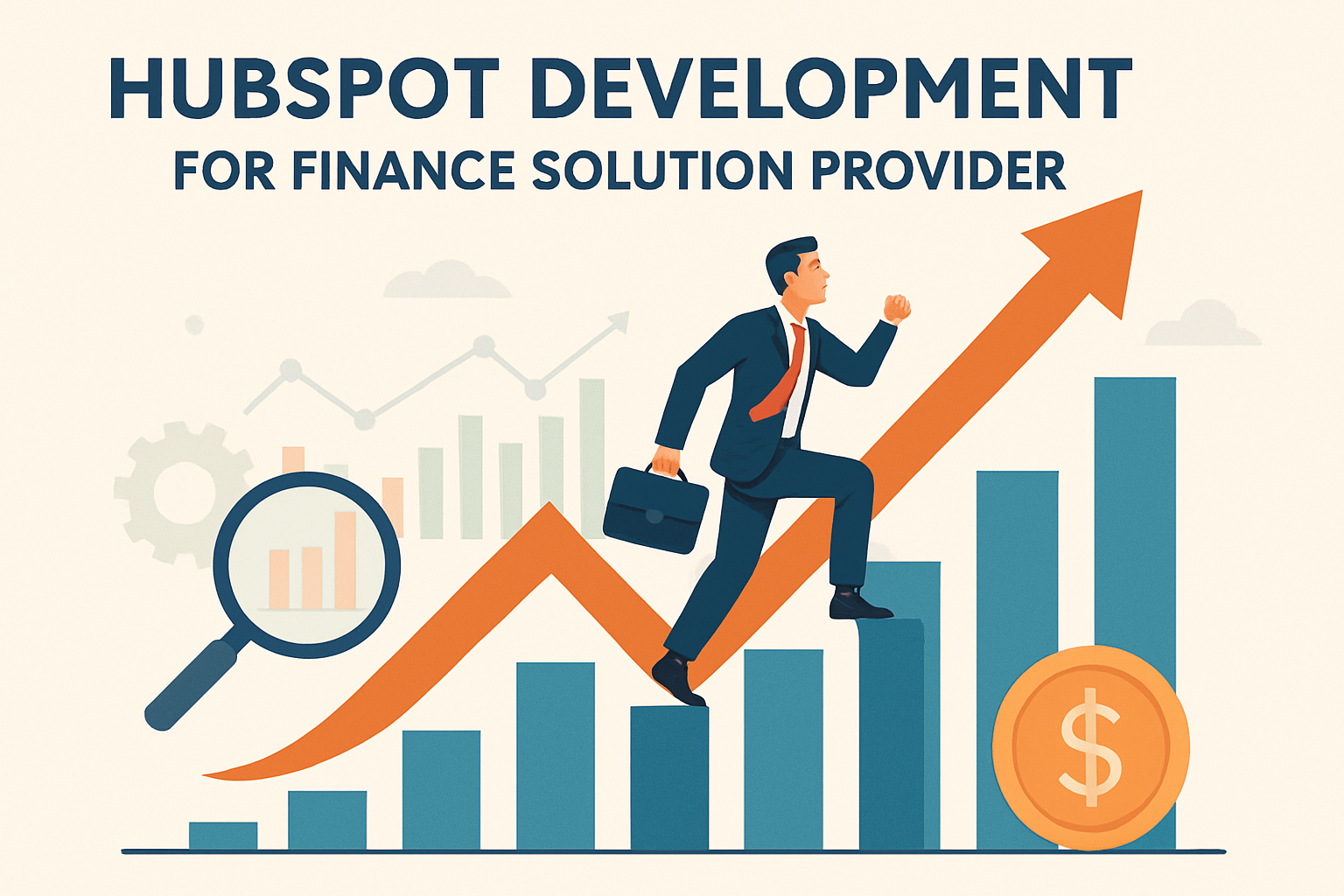



HubSpot for Fintech SaaS: From Compliance Check to Closed Deal

Your biggest competitor is not another fintech. It is the eighteen months a bank's vendor risk process takes before anyone signs. HubSpot tracks the deal through questionnaires and compliance review, keeps a risk-averse buyer confident, and closes before the process outlasts the year.

woman on a phone call reviewing data dashboards in a dim office

Teams that leveled up their growth with HubXpert

Company logo (3)
Company logo (2)-1
Company logo (1)-1
Company logo-1
Icon Group 1-1
Company logo (4)-1
Company logo (3)
Company logo (2)-1
Company logo (1)-1
Company logo-1
Icon Group 1-1
Company logo (4)-1
The Reason

Why Fintech SaaS Companies Need More Than a Generic CRM

A generic CRM assumes a buyer who can say yes quickly. Fintech buyers are compliance officers and risk managers moving through a formal review that outlasts most sales cycles. A twelve-month review is not a slow sale, it is a different sport.

Deal Velocity Is the Threat

Vendor risk, security questionnaires, and sometimes regulatory approval stretch a sale past a year, so speed through review beats feature parity. Risk managers buy stability, and stability is evidence.

The Buyer Manages Risk

Compliance officers evaluate vendor stability and control maturity first, and a generic pitch speaks to the wrong person entirely.

Every Review Restarts Without a Record

When the same questionnaire is answered three times for three departments, the deal loses weeks it cannot recover.

Evidence Lives in Folders

Certifications, audit reports, and insurance certificates sit in an unnamed drive, and the buyer waits while they are found.

Champions Change Mid-Review

A year is long enough for the original sponsor to move roles, and the replacement starts from nothing unless the record holds the history.

Attribution Ignores the Long Tail

A deal that closed after fourteen months gets credited to whichever campaign touched it last.

Benefits

Key Benefits of HubSpot for Fintech SaaS

HubSpot for Fintech SaaS covers five areas where the review, not the pitch, decides the quarter.

Track the Review as a Process

Give vendor risk its own stages, owners, and clocks. Evidence reused is a quarter returned to the pipeline.

  • Review stages

    Questionnaire, security, legal.

  • Owner per stage

    A name, not a shared inbox.

  • Ageing alerts

    A stage sitting too long escalates.

  • Report review time

    Days per stage, by buyer type.

Built for regulated data.

A careful setup with role-based access.

  • 59% Higher deal close rate
  • 20% More tickets closed
Case Studies

Our Featured Works

A curated selection of HubSpot implementations and digital marketing campaigns that moved the needle for our clients.

SAAS

SystemHUB Got Efficiency with HubSpot Migration & Advanced Automation

SystemHub is a business process documentation platform that helps companies capture, organize, and optimize their core workflows.

SystemHUB
SystemHUB – SystemHUB Got Efficiency with HubSpot Migration & Advanced Automation

SAAS

Gander Increased Customer Lifetime Value by 10% With HubSpot

Gander is a SaaS platform that specializes in simplifying the process of curating and displaying high-quality videos

Gander
Gander – Gander Increased Customer Lifetime Value by 10% With HubSpot

SAAS

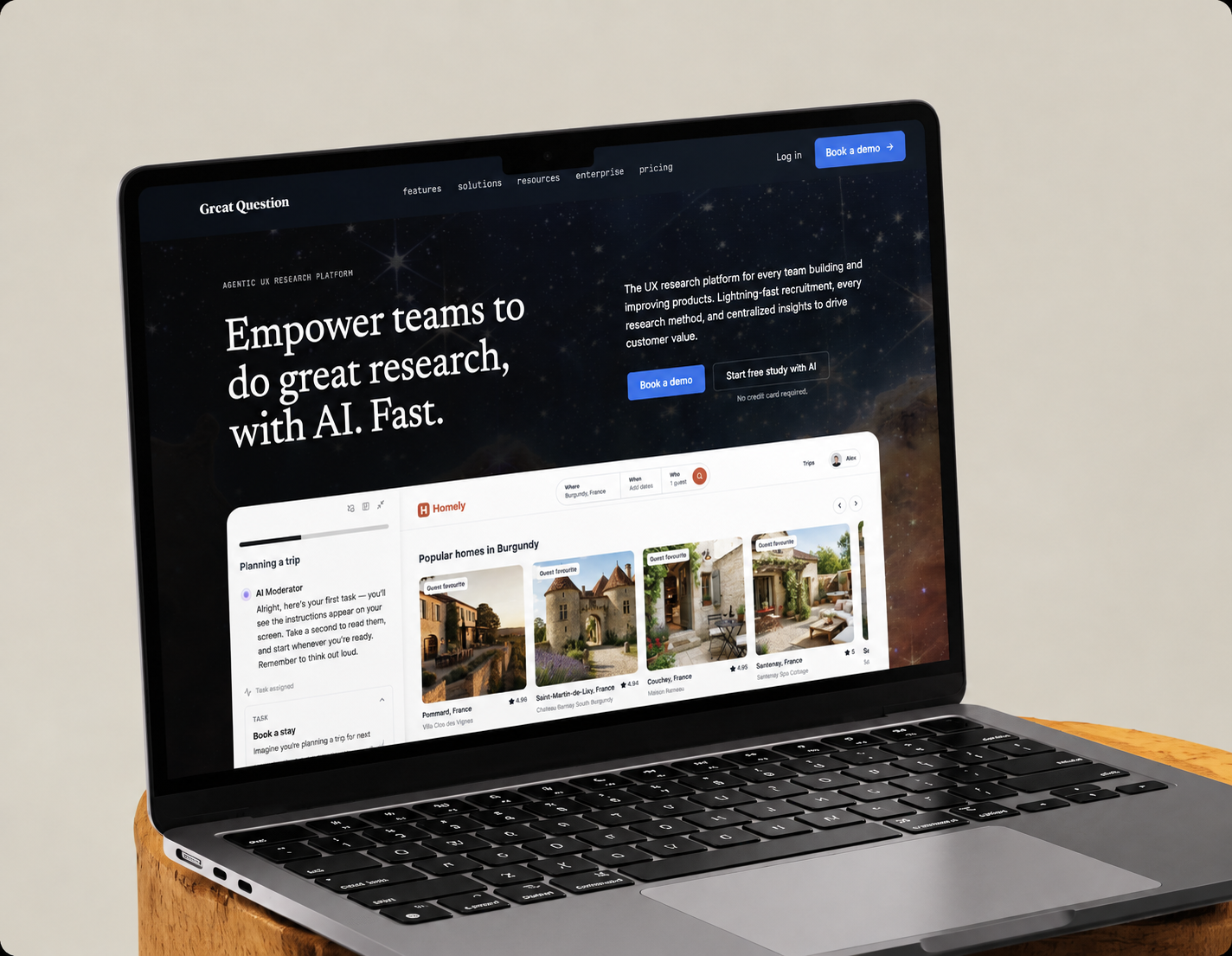
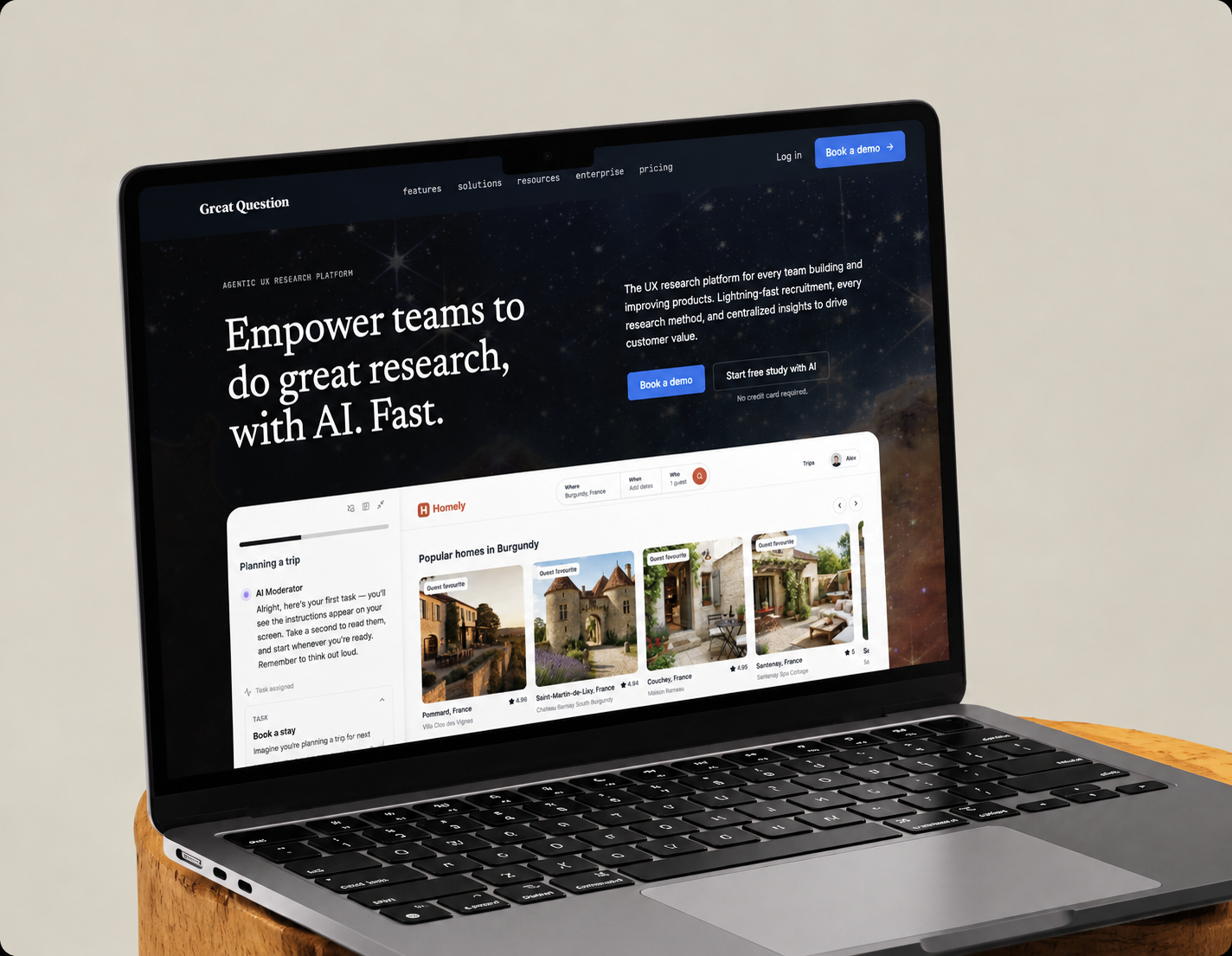
Great Question Increased Customer Renewal AOV to $4,000

Great Question is an all-in-one UX research platform that helps companies collect user feedback, conduct surveys, and engage in meaningful conversations.

Great Question
Great Question – Great Question Increased Customer Renewal AOV to $4,000
HubSpot Usage

How Fintech SaaS Companies Use HubSpot Through a Year-Long Review

Step 1

Qualify the Buyer

Institution type, review path, and likely timeline are recorded before the first technical call. Most deals begin with a business sponsor and end with a risk officer.

Step 2

Run the Evaluation

Pilot results and control documentation sit on the deal, matched to the stakeholder asking. The questionnaire arrives after the demo and before the contract.

Step 3

Clear the Review

Questionnaire, security, legal, and approval each have an owner, a date, and reusable evidence. Security review and legal review rarely run at the same time.

Step 4

Close and Expand

Signature starts onboarding, and the same review evidence shortens the next product conversation.

Workflow & Triggers

Example Fintech Workflows We Can Automate in HubSpot

These are the workflows we build most often when we set up HubSpot for Fintech SaaS, tuned to a process measured in quarters. Every stage carries an owner and a date.

man in a blazer reading a tablet before a wall of market charts
  1. Review Stage Clock

    A stage open for seven days raises an escalation with the stage owner named. Seven days in one stage raises an escalation.

  2. Evidence Pack Delivery

    A questionnaire request sends the standard pack and creates a task for the exceptions. Evidence requests are answered from an approved library.

  3. Sponsor Change Alert

    A contact leaving raises a task to brief the successor within three days. A sponsor departure triggers a briefing task.

  4. Legal Handoff

    Approval from security moves the deal to legal with the documents attached. Security approval hands off to legal with documents attached.

  5. Stalled Deal Review

    No activity for twenty-one days raises a review with the last objection attached. Twenty-one quiet days raises a review.

  6. Renewal Evidence

    Sixty days before renewal, the current control documentation is assembled. Renewal evidence is assembled sixty days out.

  7. Long-Cycle Attribution

    Every closed deal reports its first touch and each marketing touch along the way. A questionnaire answered from the library takes an hour, not a week.

Why HubXpert

Why Choose HubXpert for HubSpot Fintech Builds?

Fintech companies come to us because the review is longer than the sales cycle and the record has to survive it. It also sets the reporting the board will read each quarter.

HubSpot Platinum Partner

Certified platform expertise, with a track record across regulated SaaS builds. The review path is mapped before any workflow is built.

Custom Review Workflows

Built around your questionnaire, control evidence, and approval path. No generic templates.

Advanced Automation

Multi-step workflows and conditional logic built for multi-quarter deals.

Data Migration and Structuring

Clean imports from your existing CRM, with deal and review history intact.

Integration and API Development

An in-house team connecting HubSpot to your trust center and document systems.

Reporting and Optimization

Review time, win rate, and stage ageing tracked from launch.

Compliance

Regulated Setup Inside HubSpot for Fintech SaaS

A fintech vendor holds customer financial data and is itself reviewed on controls, so the CRM has to stay outside that boundary. The work is separation: customer data stays in the product, evidence lives where it is versioned, and the CRM carries the review status and the commitment record. Promises made in review are logged.


  • Customer Data Separation
  • Evidence Versioning
  • Role-Based Access
  • Audit Trail
Secure data lock
HubSpot Hubs

HubSpot Hubs Recommended for Fintech SaaS

Not every team needs every hub, and most start with Sales before adding Marketing. Here is how each one lines up with a formal review.

  • Marketing Hub

    Content for a buyer who researches with compliance in mind. Review sequences run from the same record as the deal. Legal liaison staff need one view, not three systems.

  • Sales Hub

    Built for the review, as a HubSpot Sales Hub implementation for regulated sales. Post-live questions sit on the account, not in a shared inbox. Most teams start with Sales, then add Marketing as the category matures.

  • Service Hub

    Where pilot support and post-live questions sit on the account. Control documentation gets edited without a developer. Most teams start with Sales, then add Marketing as the category matures.

  • Content Hub

    Powers control documentation and comparison pages, which is where the evaluation starts. One record links the review, the evidence, and the renewal.

  • Operations Hub

    Connects document systems and trust center content, which is how evidence stays current. Document systems stay the source, and the CRM points at them.

Our Process

Our Process for Implementing HubSpot for Fintech SaaS

Step 1.

Discovery and Review Analysis

We map your review path, evidence sources, and approval chain, and identify where deals currently age. It also sets the reporting the team will read each week.
Discovery and Review Analysis illustration
Step 2.

CRM Architecture and Pipeline Planning

Review stages, stakeholder roles, and evidence records mapped to how the institution actually buys. Stages mirror how an institution actually approves a vendor.
CRM Architecture and Pipeline Planning illustration
Step 3.

Automation and Integration Setup

Workflows built, document systems connected, and dashboards created. Every automation is tested before launch. Consent rules are configured before the first send.
Automation and Integration Setup illustration
Step 4.

Team Training and Adoption

Hands-on training for sales, solutions, and legal liaisons on the review track and the evidence library.
Team Training and Adoption illustration
Step 5.

Reporting and Optimization

Once live, we monitor stage ageing and win rate, and refine the model as the review requirements change.
Reporting and Optimization illustration
FAQ

Questions You Might Have

Does HubSpot work for fintech SaaS?

Yes. It runs the commercial and review side: stakeholders, questionnaires, evidence, approvals, and renewal, while your product keeps customer financial data. Most teams see the difference in the first two reviews. The CRM carries the status, not the financial data.

Can HubSpot shorten a vendor risk review?

Every stage has an owner and a clock, evidence is reused rather than rebuilt, and a stage open for seven days escalates automatically. Stage ageing is tracked, so the improvement is measurable. Every workflow is tested against a real review first. Most teams see the difference in the first two reviews.

How does HubSpot handle a champion leaving?

A contact leaving raises a task to brief the successor within three days, and the deal history gives them something to read. The sequence is matched to the stage and the stakeholder. Escalations run daily during an active review.

Can HubSpot store security questionnaires?

The standard answers live in an approved library, and the CRM records what was sent, when, and which exceptions were raised. Nothing is assumed native until the connector is confirmed. Renewal timing follows the contract term.

Can HubSpot attribute a fourteen-month cycle?

The first touch is stored before the review begins, every marketing touch is logged, and win rate is compared by source. Customer data never sits in the CRM.

How do you handle regulated customer data?

Customer financial data stays in the product and its own controls, and the CRM carries the review status and the commitments made. That is how cost per approved vendor becomes visible.

Does this replace our trust center?

No. The trust center hosts the documents, and the CRM tracks what the buyer received and what they still need. We map the review path before anything is built.

How long does an implementation take?

Most run five to eight weeks, with the document integration the longest part. Evidence is linked rather than duplicated.

Book Consultation

Ready to Close Before the Review Outlasts the Year?

A questionnaire has been open for three weeks, the security stage has no owner, and the sponsor moved roles in June. We build around your review path, your evidence, and your team. No generic setup, and no stage left without an owner.

Takes 30 minutes
Delivered by certified HubSpot experts
The first two reviews are measured against your own timings

Ratul-Rahman