










Watch the Classroom
Free signups are tracked by school and subject, and a cluster of three teachers raises a conversation. Most districts first appear as three or four free signups.
One teacher tries the free tool in October, three more copy her by January, and by spring you either survive a school board vote or wait a year to try again. HubSpot turns scattered classroom adoption into a deal, and gets procurement through before the board locks next year's budget.

Teams that leveled up their growth with HubXpert
A single classroom trying the free tool can spread across a school before procurement hears about it, and most systems never see that signal. A teacher who adopts in October is a procurement case by February.
School boards approve budgets on an annual cycle, so a missed window is not next quarter, it is next year. Accessibility review is a gate, not a formality.
Data protection, accessibility, and safeguarding checks run alongside the budget, and each one can stop the deal. A term break can cost six weeks of momentum.
The teacher who loves the product cannot sign, and needs material to persuade a principal and a board.
Implementation has to fit an academic calendar, and a term break can stall adoption for six weeks.
A district deal that started with one free signup gets credited to whichever campaign touched procurement.
HubSpot for EdTech covers five areas where classroom enthusiasm has to become a signed contract.
By school, subject.
Three teachers at one school matters.
The teacher who will speak for you.
Users against staff count.
The vote, and the submission cut-off.
A deal that will miss the window.
A one-pager for the principal.
Deals pushed to the next cycle.
Each check with an owner.
DPAs, accessibility reports.
Who to contact when a check stalls.
Days from submission to approval.
Outcomes from a comparable school.
One page in the school's language.
Their own usage, summarised.
What the champion opened.
A careful setup with role-based access, and student records.
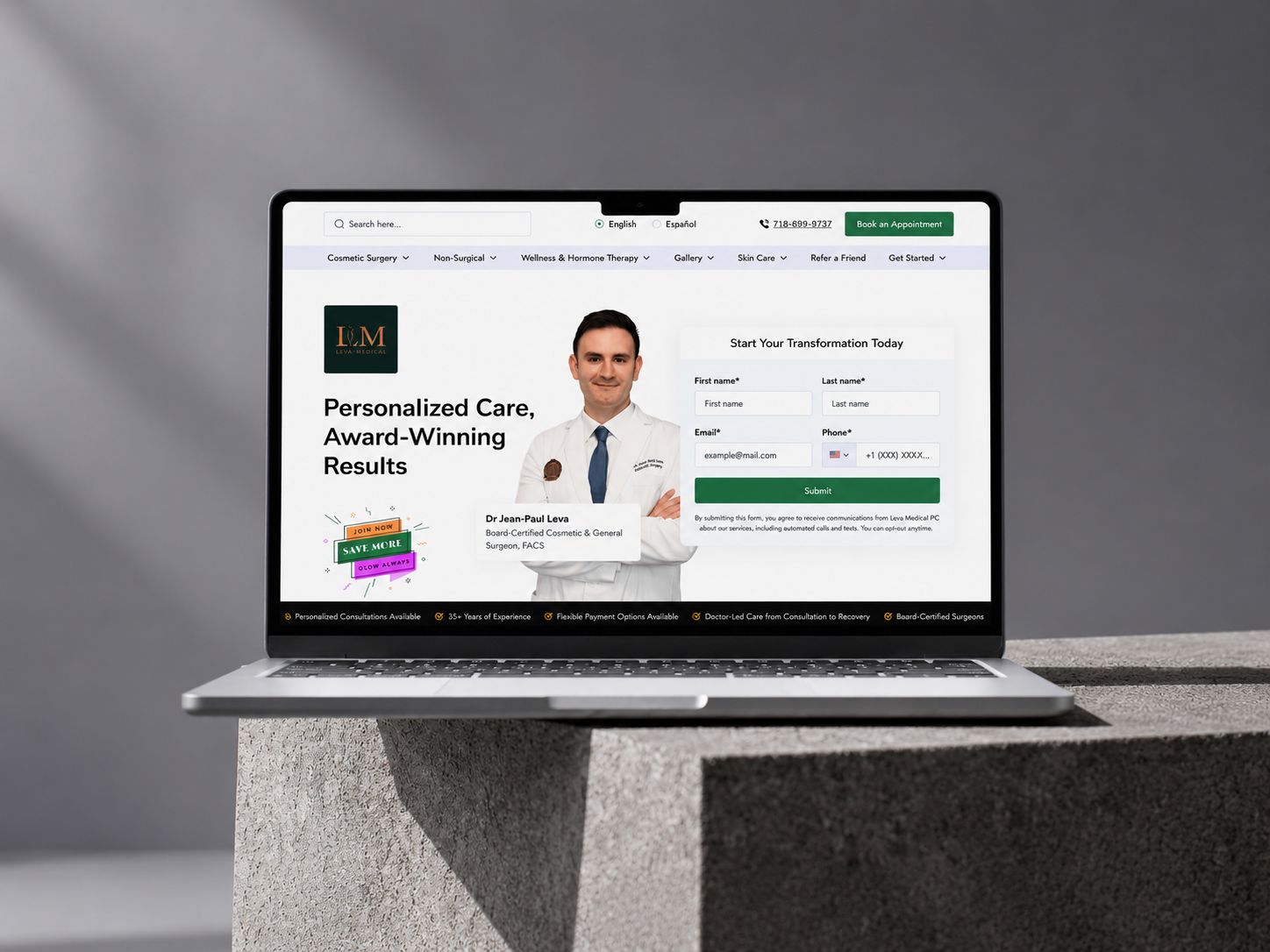
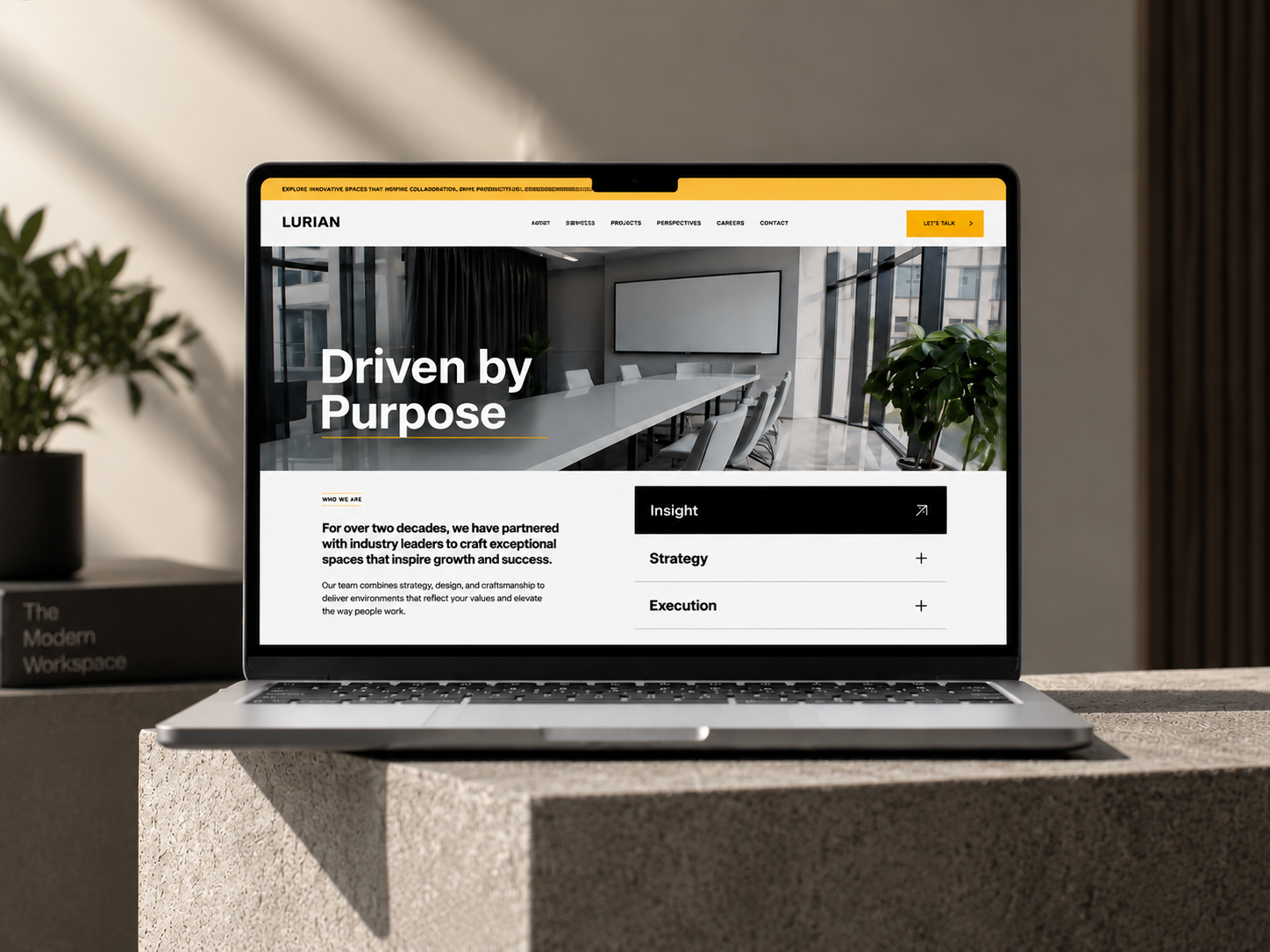
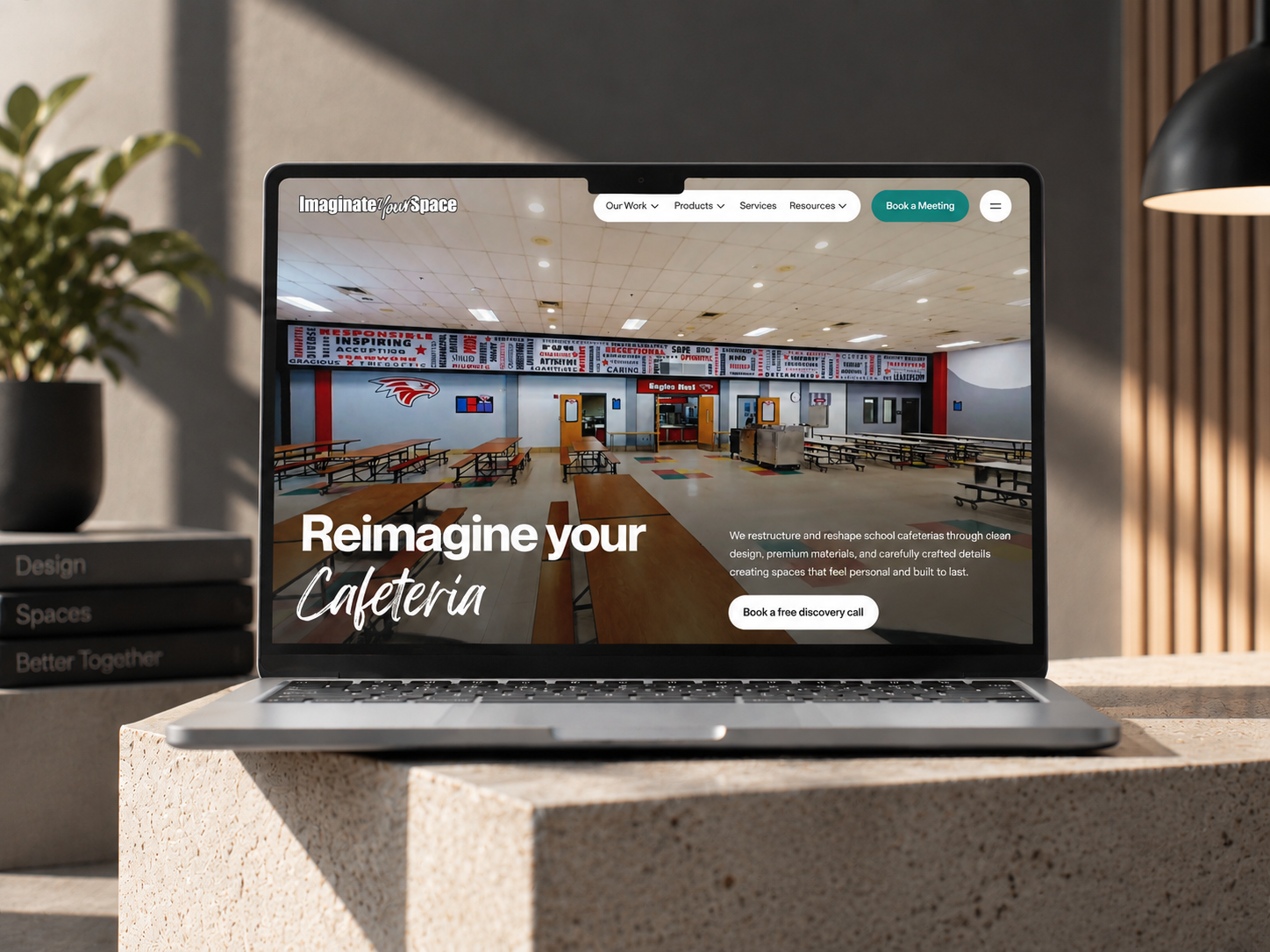
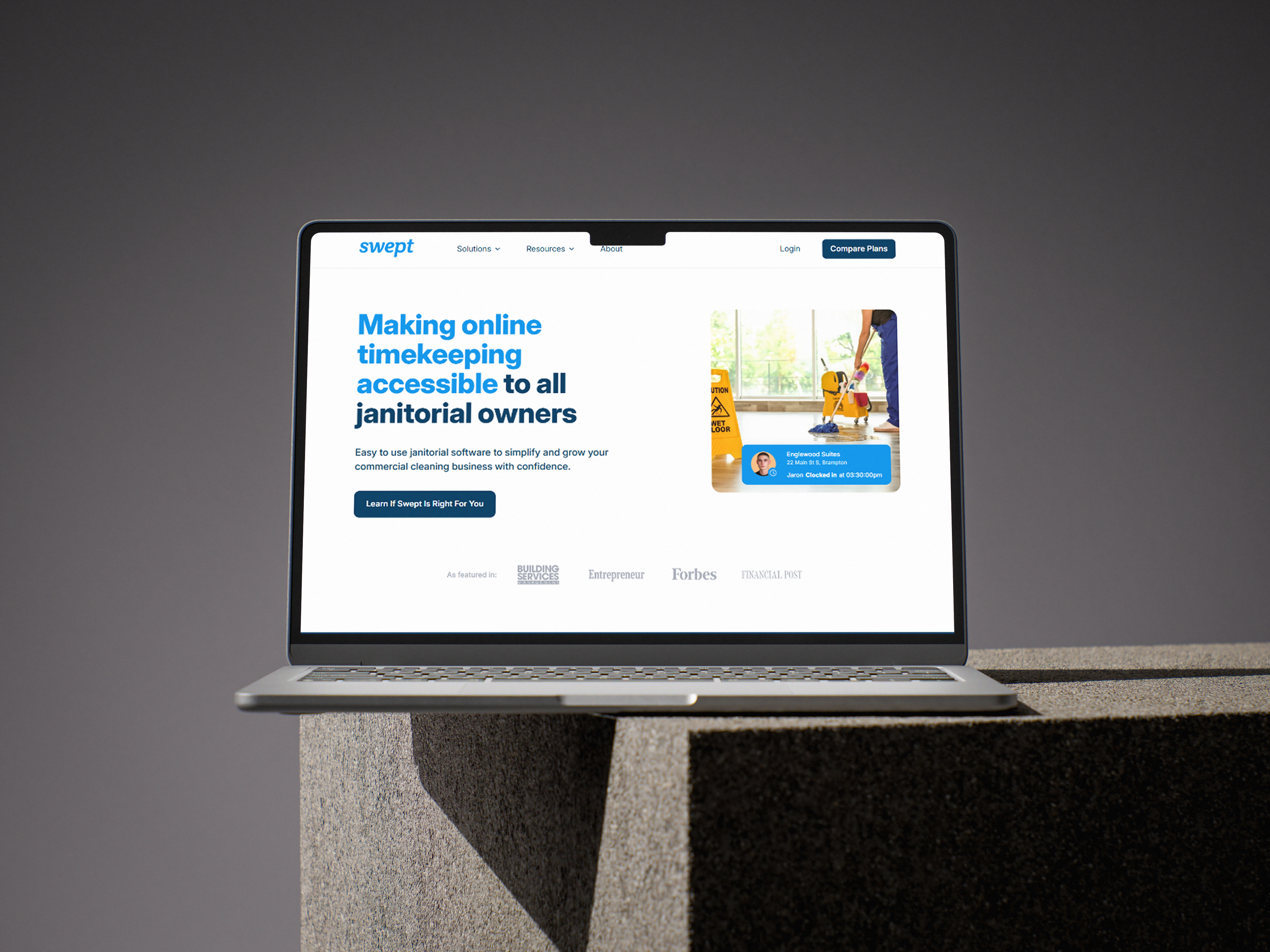
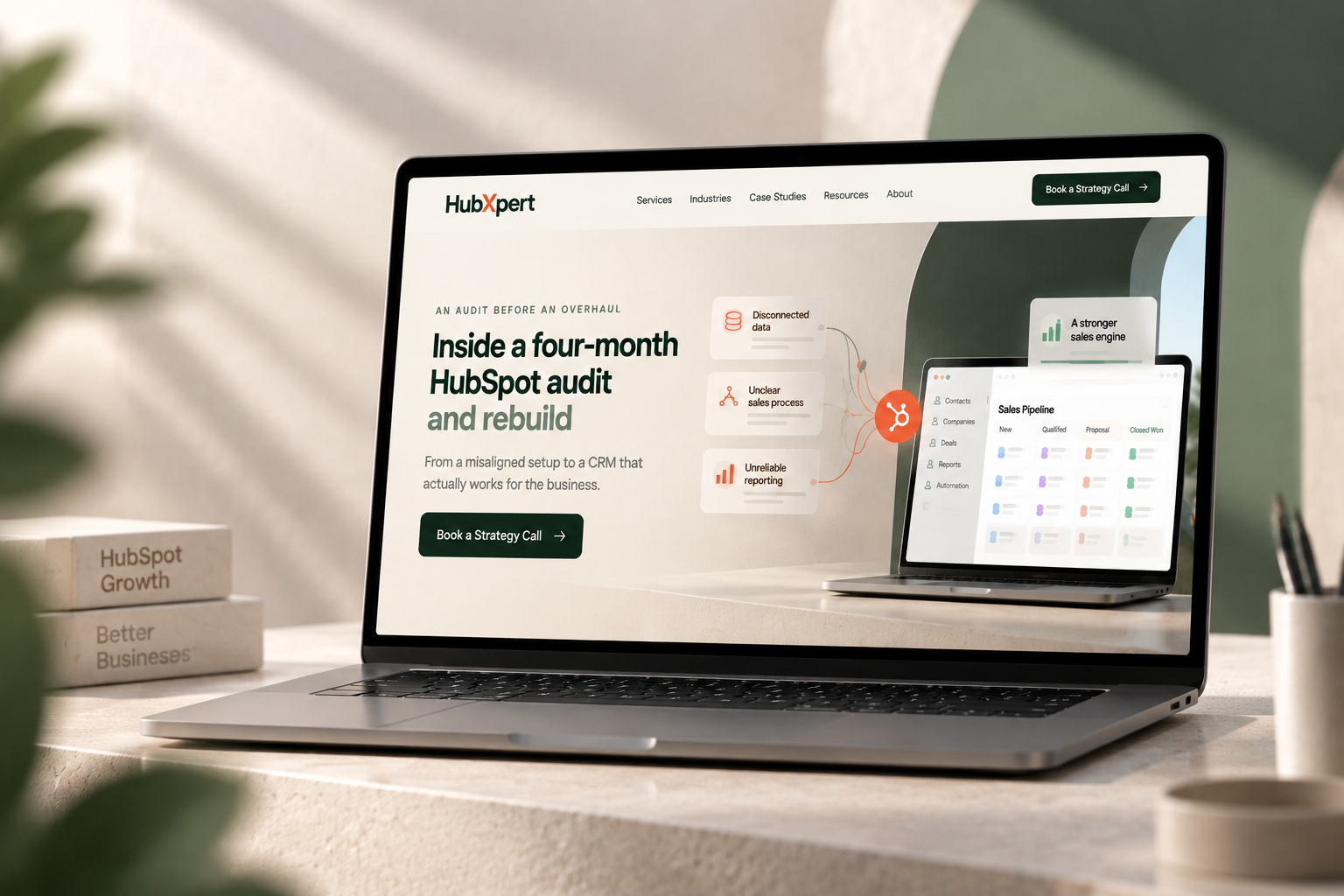
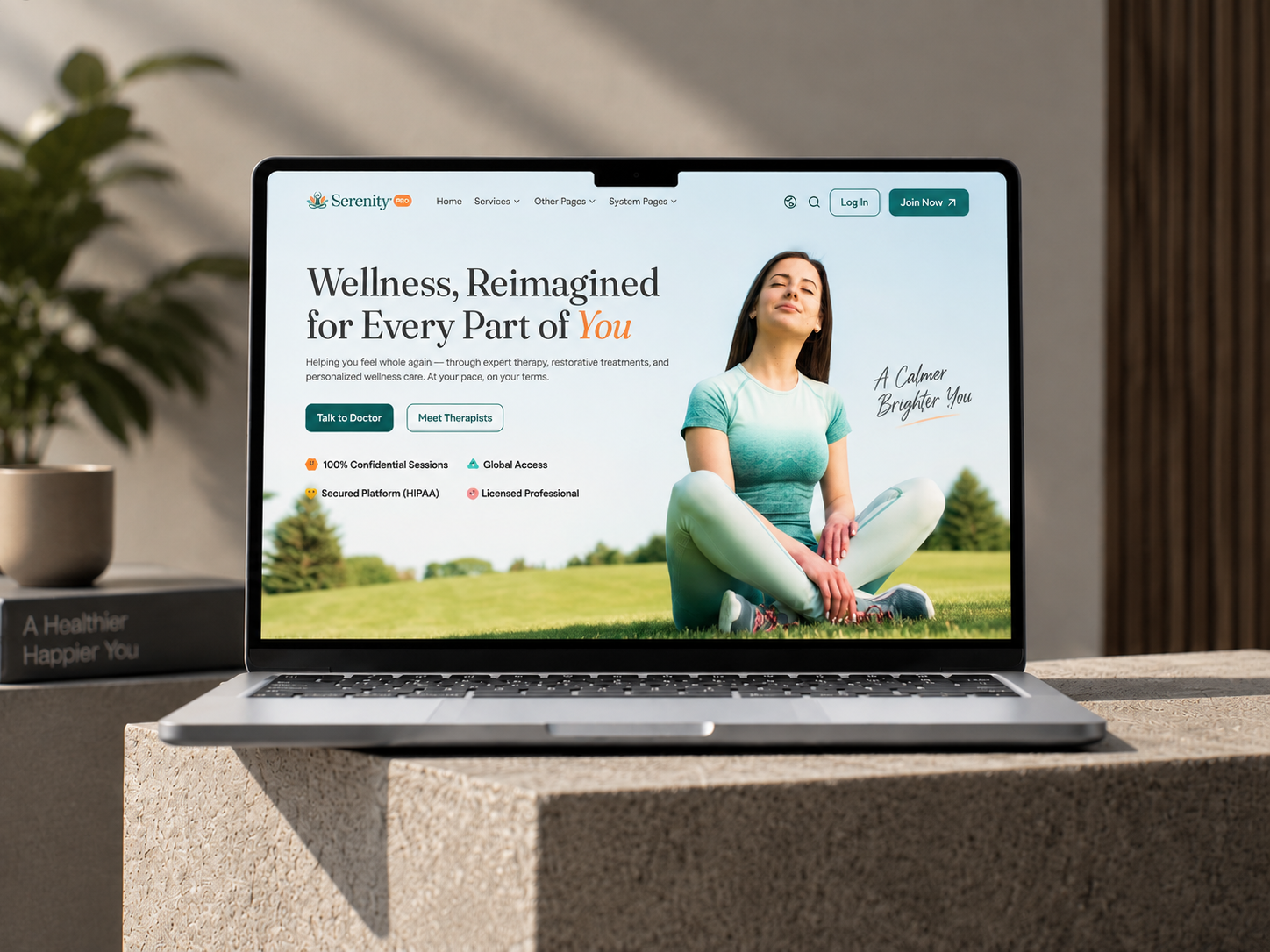
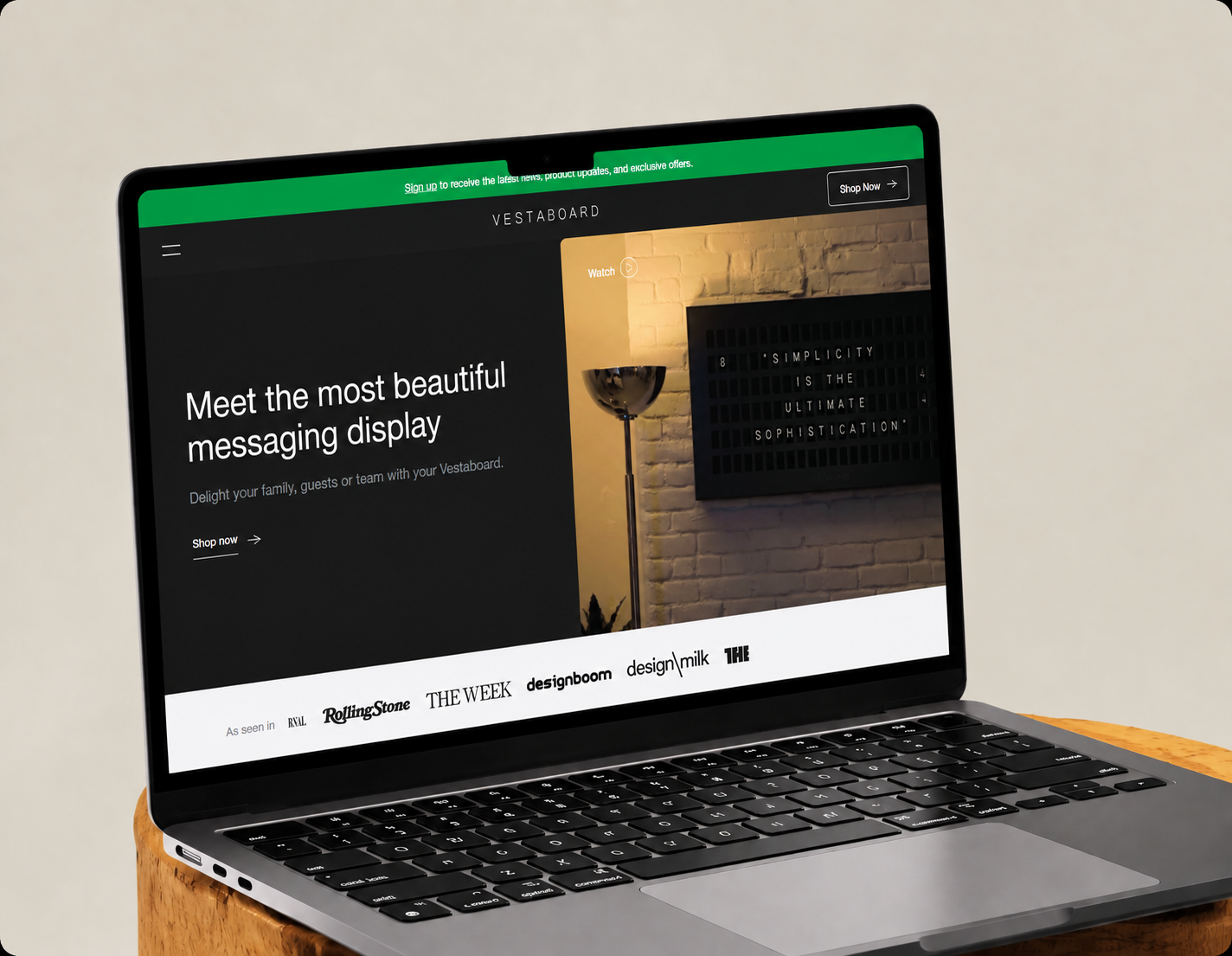
A curated selection of HubSpot implementations and digital marketing campaigns that moved the needle for our clients.
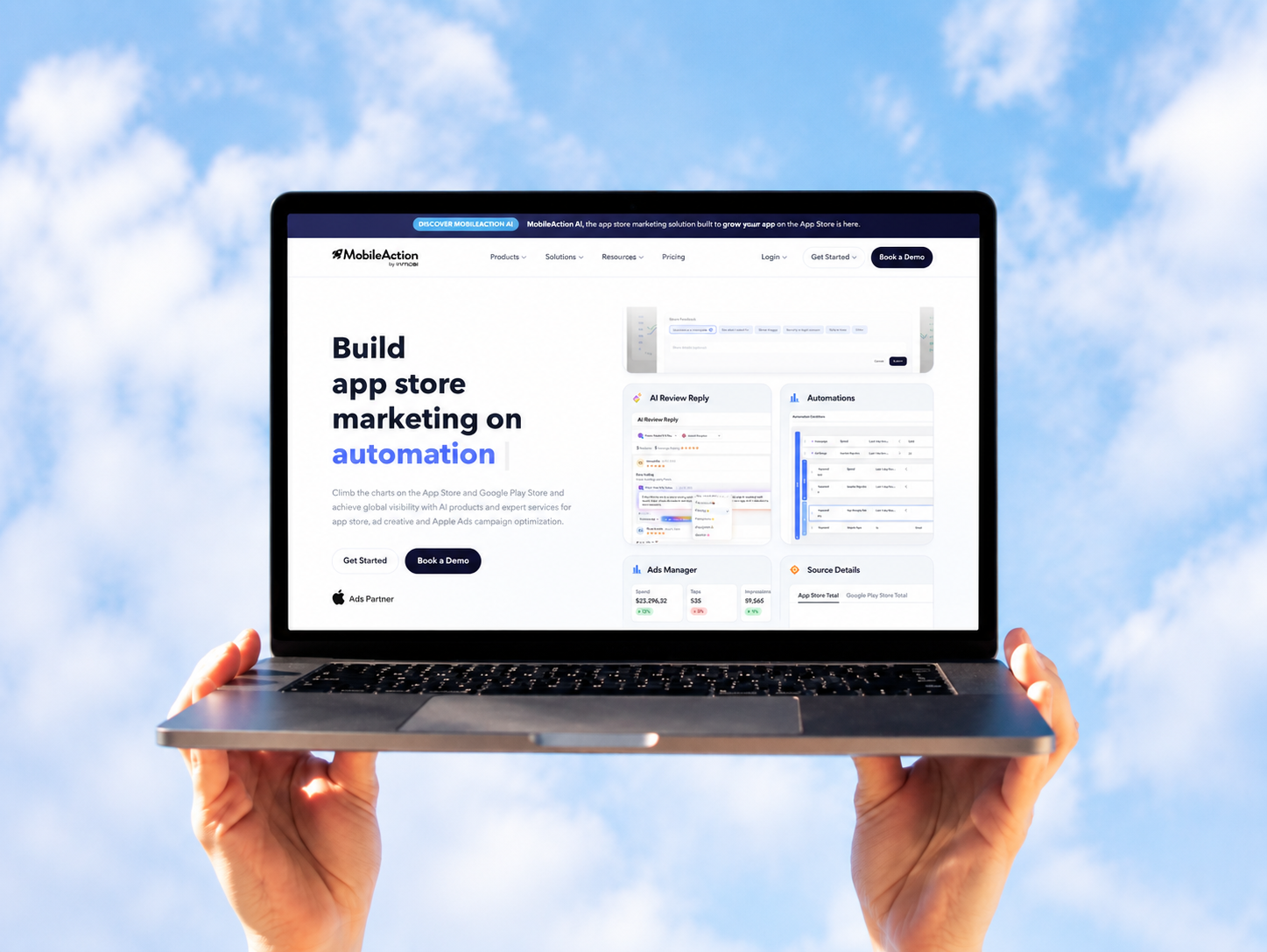
SAAS
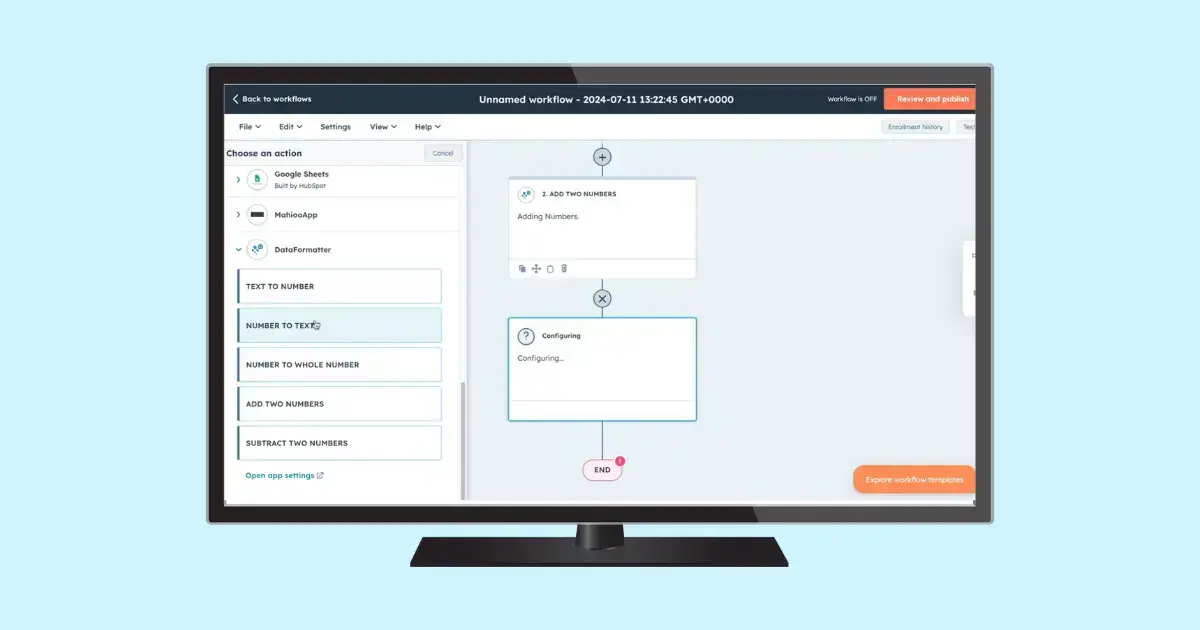
SystemHub is a business process documentation platform that helps companies capture, organize, and optimize their core workflows.
SAAS
Gander is a SaaS platform that specializes in simplifying the process of curating and displaying high-quality videos
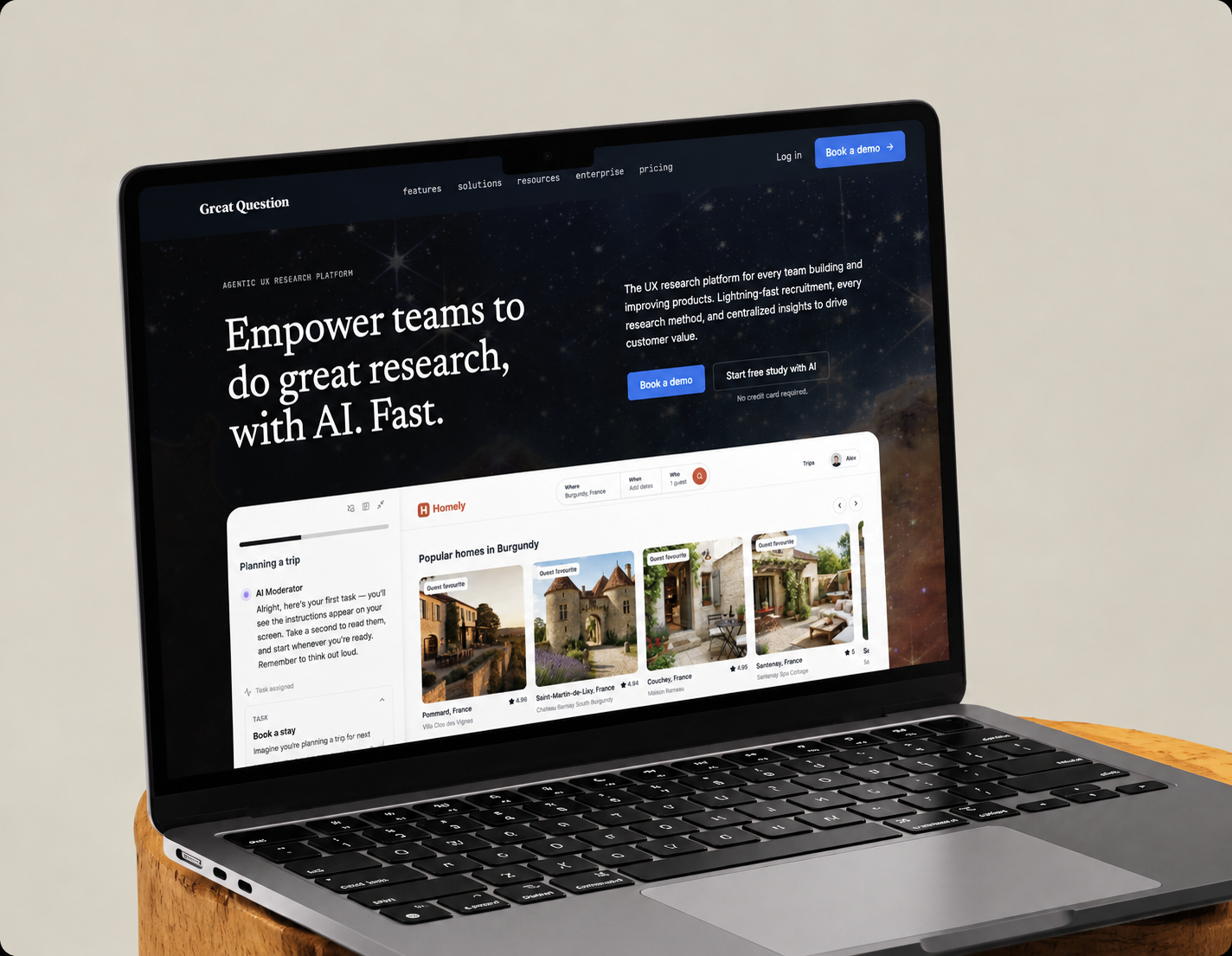
SAAS
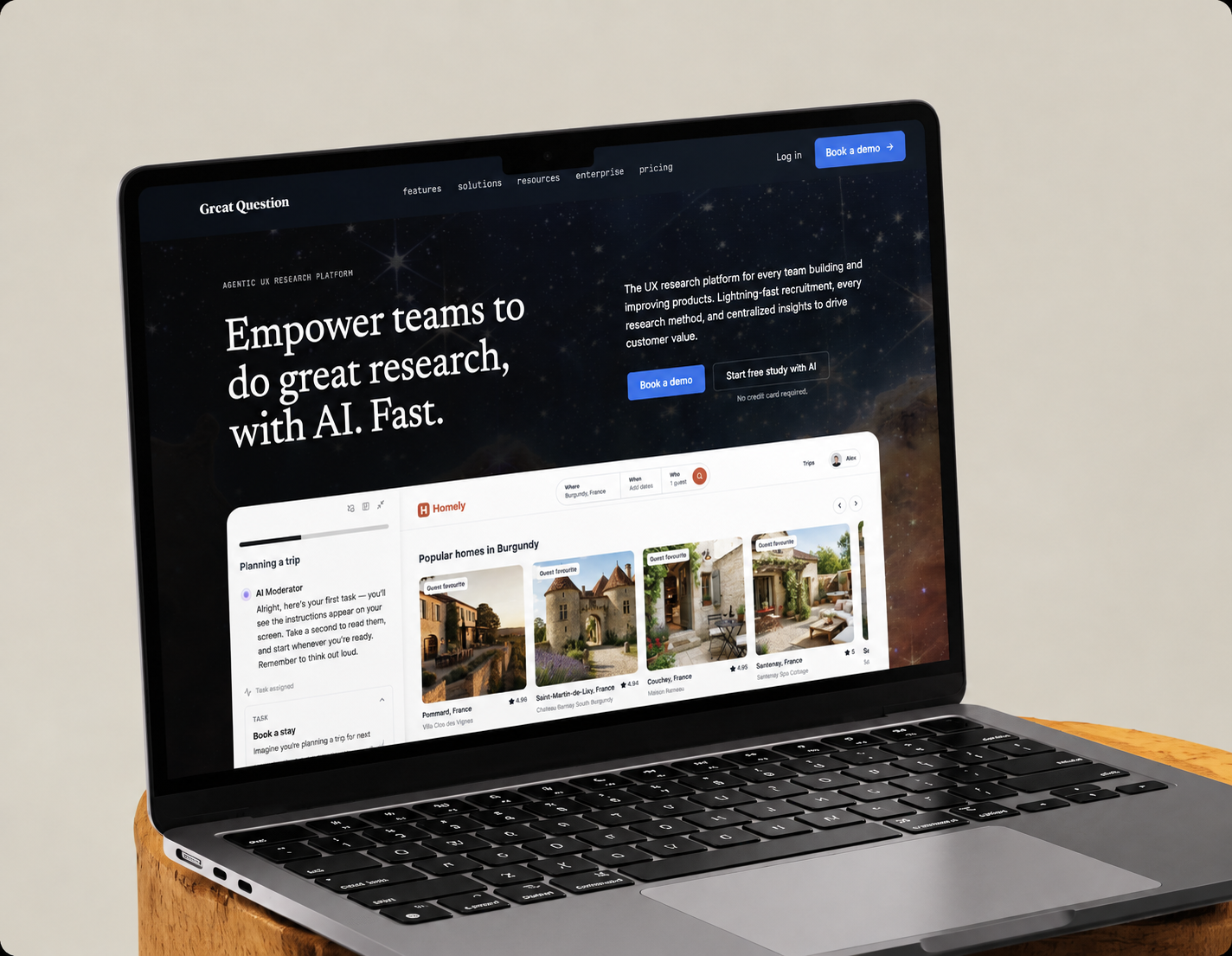
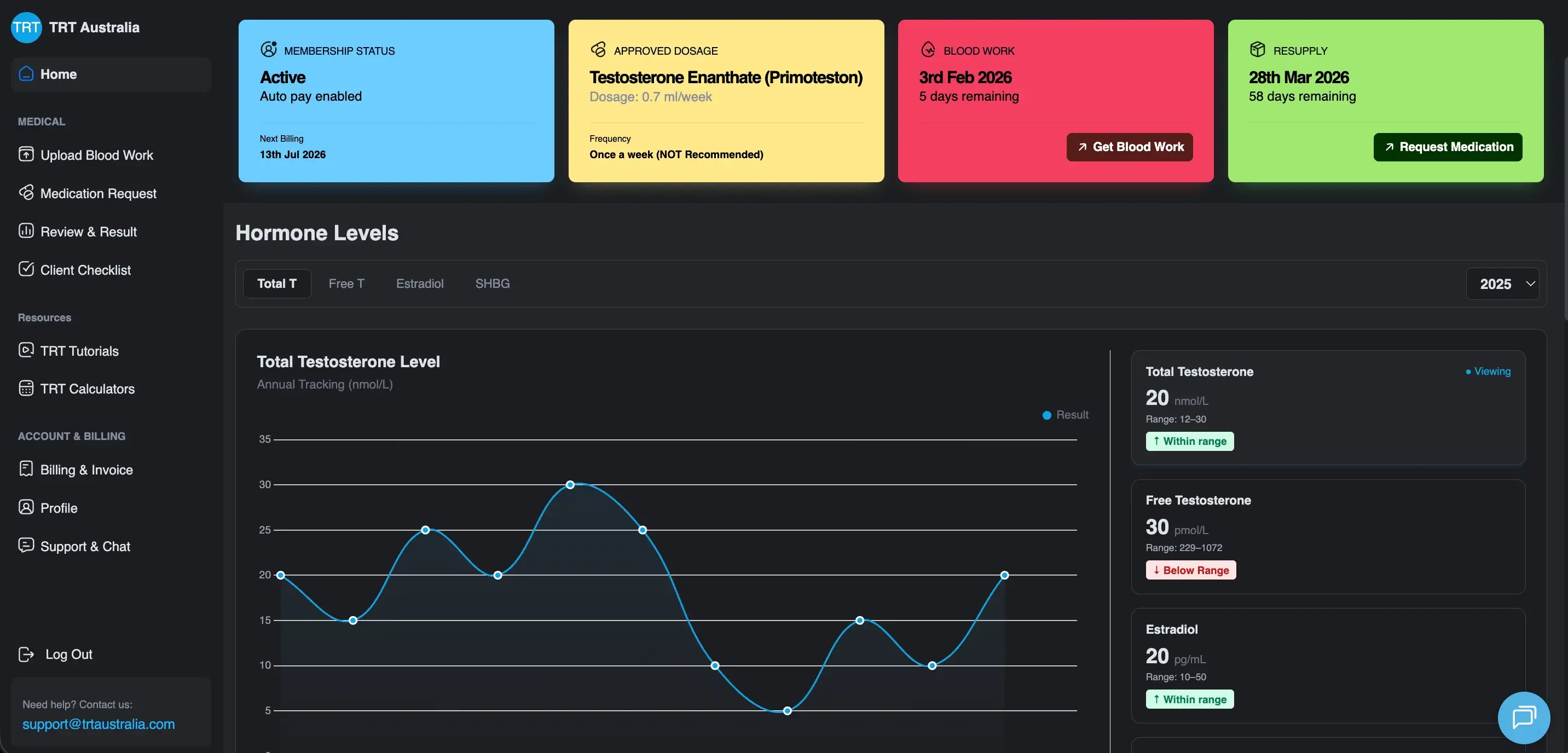
Great Question is an all-in-one UX research platform that helps companies collect user feedback, conduct surveys, and engage in meaningful conversations.
Free signups are tracked by school and subject, and a cluster of three teachers raises a conversation. Most districts first appear as three or four free signups.
The champion receives outcomes from a comparable school, and the pilot is scoped with a term in mind. The principal becomes involved once a subject lead raises it.
Data protection, accessibility, and safeguarding each have an owner, and a stall escalates before the board date. Procurement follows the pilot, not the pitch.
Implementation follows the academic calendar, and adoption is checked at half term and end of term.
Three free signups at one school raise a task for the regional owner. Every deal shows days to the submission cut-off. Rollout tasks are created at signature and dated to the term.
Days to the submission cut-off shown on every deal, with a warning two weeks before. A gate open for five days escalates.
Five days in data protection review escalates to the named contact. The champion pack goes out within the hour.
Outcomes from a comparable school go out when a champion is identified. Sequences pause over breaks and resume on return.
Sequences pause over holidays and resume the week staff return. Adoption is checked at half term.
Adoption checked at half term, with training offered where usage is low. Missed windows are reviewed after the vote.
Deals that missed the window are reviewed after the vote for the reason. A gate that has not moved in a week gets a call, not an email.
Certified platform expertise, with a track record across education SaaS builds. The free-to-paid path is mapped before any workflow is built.
Built around your free-to-paid motion, procurement stages, and term calendar. No generic templates.
Multi-step workflows and conditional logic built for an annual budget window.
Clean imports from your existing CRM, with school and pilot history intact.
An in-house team connecting HubSpot to your product and learning platform.
Pilot conversion, procurement time, and rollout adoption tracked from launch.
An EdTech vendor holds student records and learning data, which is the most sensitive data in the transaction. The work is separation: student data stays in the product, the CRM carries the school, the gates, and the evidence, and access follows the role. Student records stay inside the product. Accessibility reports are linked.

Not every team needs every hub, and most start with Sales before adding Marketing. Here is how each one lines up with a district sale.
Lifecycle messaging for teachers, then for administrators. Lifecycle sequences run from the same record as the school. Classroom resources are the cheapest acquisition channel in education.
Built for the pilot and the gates, as part of a SaaS CRM build for education sales. Rollout questions sit on the account, not in a shared inbox. Support answering from the school record shortens every rollout call.
Where rollout support and teacher questions sit on the account. Classroom resources need no developer. Compliance pages answer the questionnaire before it arrives.
Powers the classroom resources that start adoption, and the compliance pages procurement reads. One record links teacher, school, and district. Most teams start with Sales, then add Marketing as signups grow.
Connects product usage and the learning platform, which is how adoption stays visible. Product usage is what makes adoption honest.
Yes. It connects classroom adoption to the district sale: free users, champions, procurement gates, and the budget vote. Most teams see the difference in the first cycle. The CRM carries the gates, not the learning record.
Budgets are approved once a year, so a deal that misses the window waits twelve months, and the CRM has to make that visible early. Pilot conversion is tracked, so the improvement is measurable. Every workflow is tested against a real district first.
Free signups are tracked by school and subject, and three teachers at one site raise a task for the regional owner. The sequence is matched to the phase and the role. Window warnings run weekly during a live cycle.
Data protection, accessibility, and safeguarding each have a stage and an owner, and five days of no movement escalates. Nothing is assumed native until the connector is confirmed. Rollout reviews follow the term calendar.
Yes. Sequences pause over breaks and resume the week staff return, which protects deliverability and reputation. Student data never sits in the CRM. Gate evidence is versioned so the next district reuses it.
Student and learning data stay in the product, the CRM carries the school and the evidence, and access follows the role. That is how cost per district becomes visible. Pilot outcomes are logged for the champion pack.
A one-page internal case and outcomes from a comparable school go out when a champion is identified, and their engagement is visible. We map the gates before anything is built. A district with four schools is reported as one account.
Most run four to six weeks, ideally before the budget window opens. School history is imported where it exists.
Ready to Convert the Classrooms You Already Have?
Four teachers use the free tool, nobody has spoken to the principal, and the budget submission closes in five weeks. We build around your pilots, your gates, and the district calendar. No generic setup, and no classroom left unnoticed.