















Attract Qualified Buyers
SEO, content, webinars, paid campaigns, and landing pages reach healthcare organizations and capture high-intent prospects. Content earns the first conversation.
A digital health startup has to prove the product and build the revenue machine at the same time, without hiring an ops team to hold it together. HubSpot gives an early team marketing, sales, success, and reporting on one platform, so the systems that land your first ten customers still work at your first hundred.

Teams that leveled up their growth with HubXpert
Hospitals, clinics, employers, and health systems involve multiple stakeholders and approval stages.
Spreadsheets and disconnected tools work for the first few customers. As leads, pilots, implementations, and renewals accumulate, they create more admin and less visibility.
Every stage of growth tempts you to add a coordinator instead of automating the handoff. That headcount does not compound, and the process stays undocumented.
Each implementation is run from a different doc. Time to activation varies wildly, and the first renewal depends on which customer got the good onboarding.
Nobody tracks adoption after go-live, so the first sign of churn is the renewal email that goes unanswered.
Founders rebuild the same numbers from three exports every board cycle. Which channel produced the pipeline remains an argument rather than a number.
Five areas where a small team can build a growth engine that survives the next funding round.
Forms, landing pages, webinars.
Campaigns respond to what each buyer actually did.
Prospects showing real intent surface first.
See which channels become qualified opportunities.
Champions, decision-makers.
Emails, tasks and reminders after each call.
Stages stop deals stalling between steps.
Pipeline value and expected revenue in one view.
Assign by territory, segment, or product interest.
Leads move between marketing, sales.
Properties, stages, and tasks update themselves.
Sync the product, billing.
Deal closure starts the right tasks and sequences.
Implementation ownership is named, not implied.
Progress from kickoff to activation is visible.
Reminders and health signals fire before the date.
Campaigns connect directly to pipeline.
Conversion, deal velocity.
Acquisition through expansion on one record.
The KPIs a board asks for, without manual work.
A HIPAA-conscious setup and role-based access from day one.
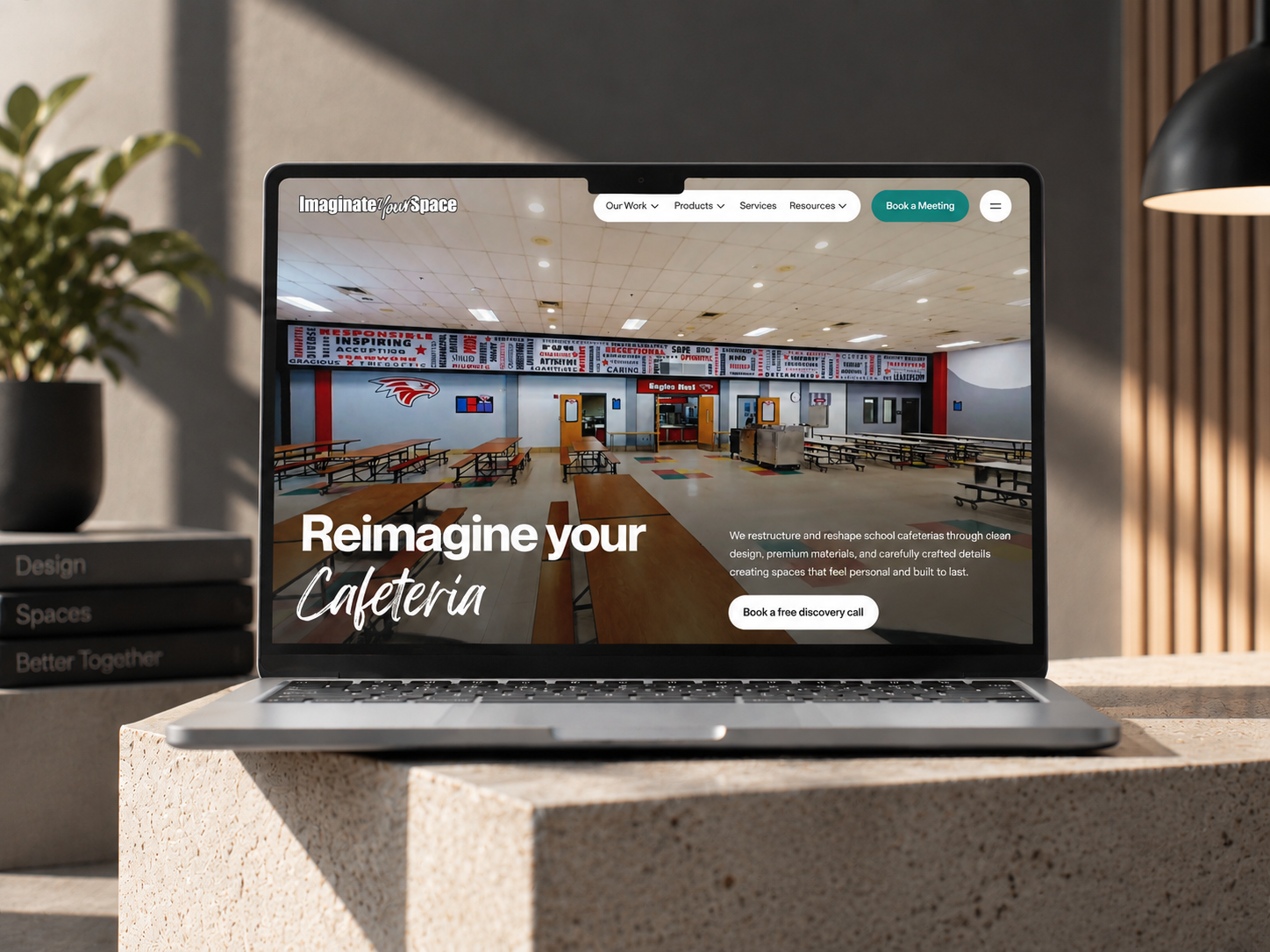
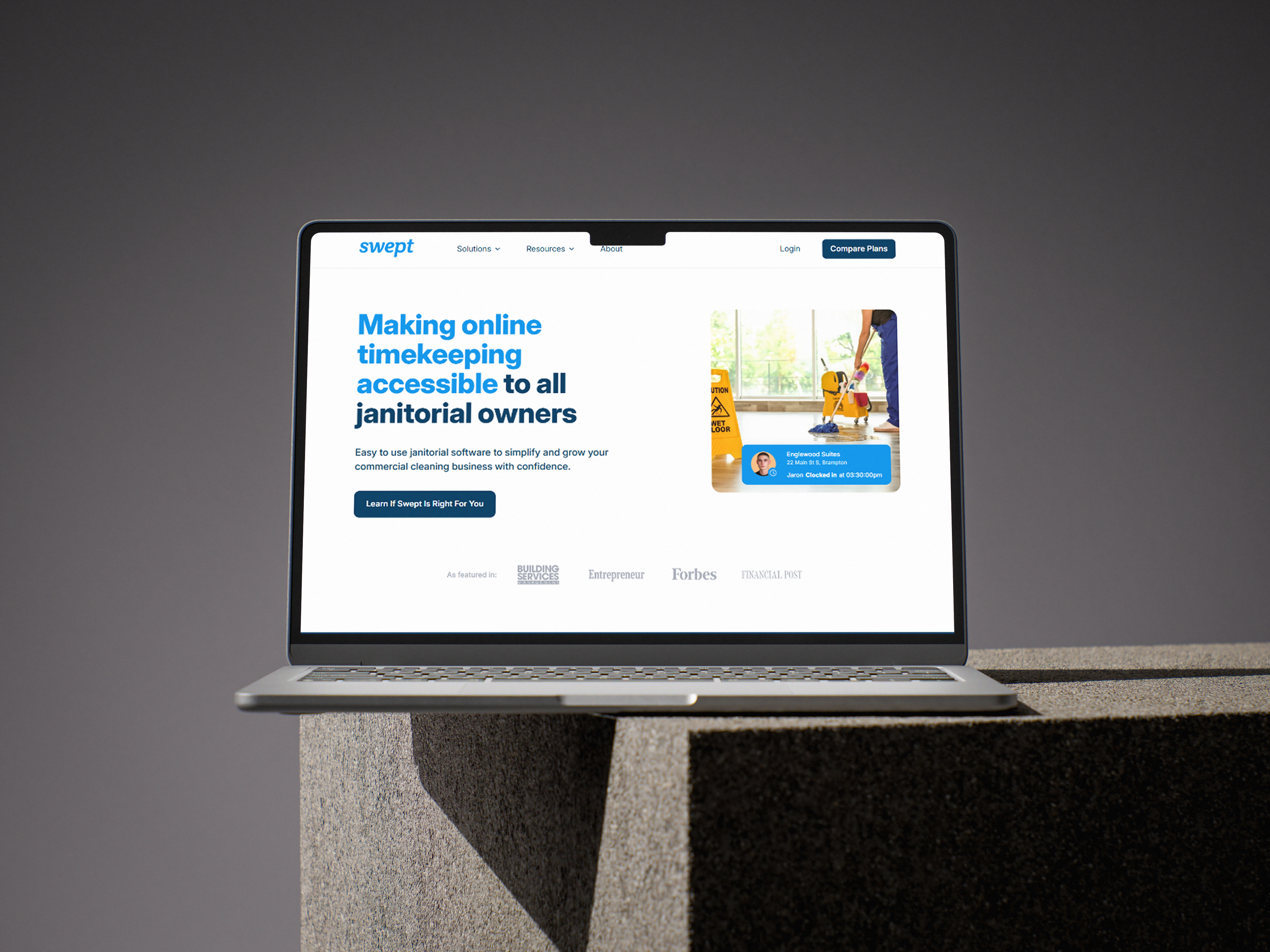
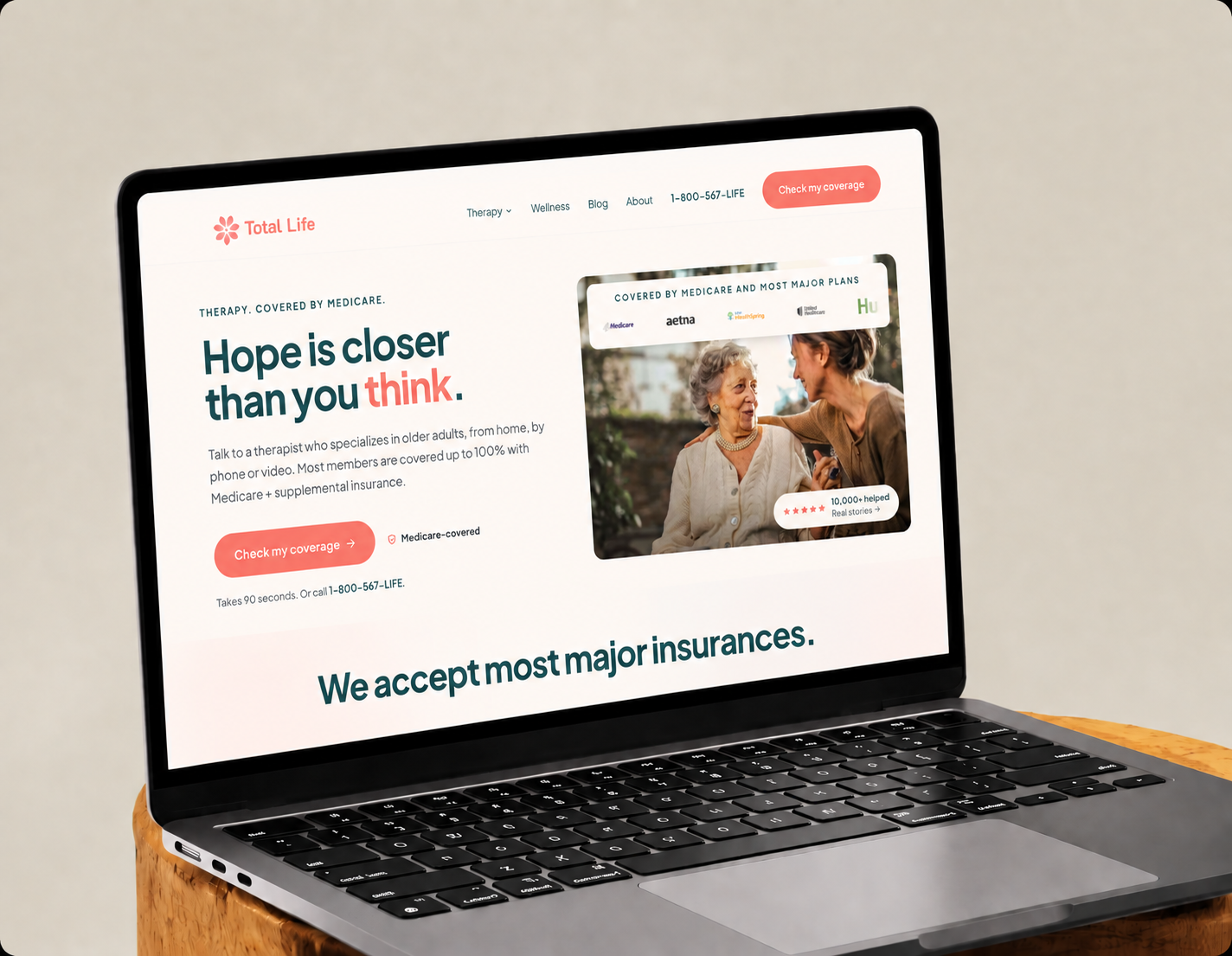
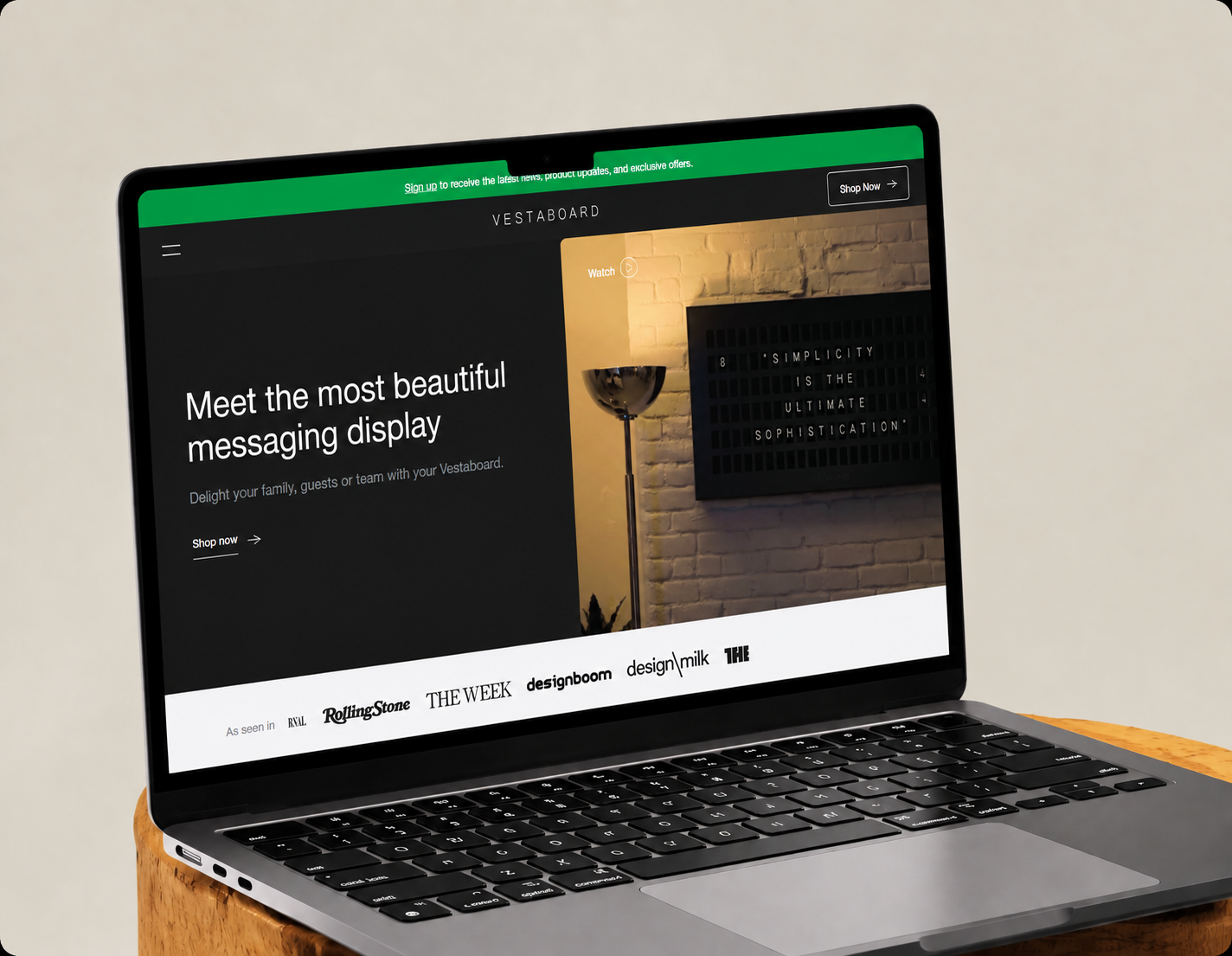
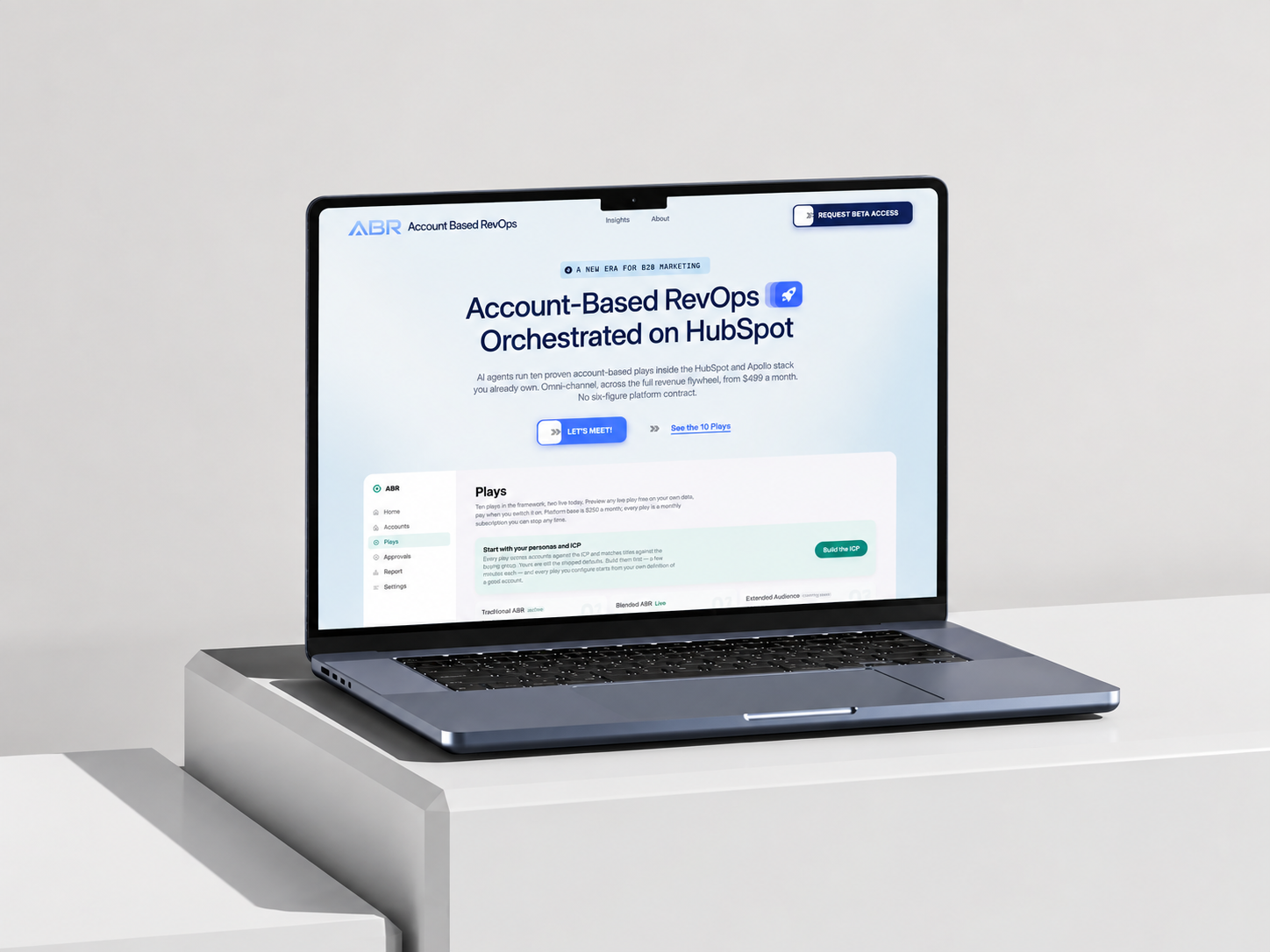
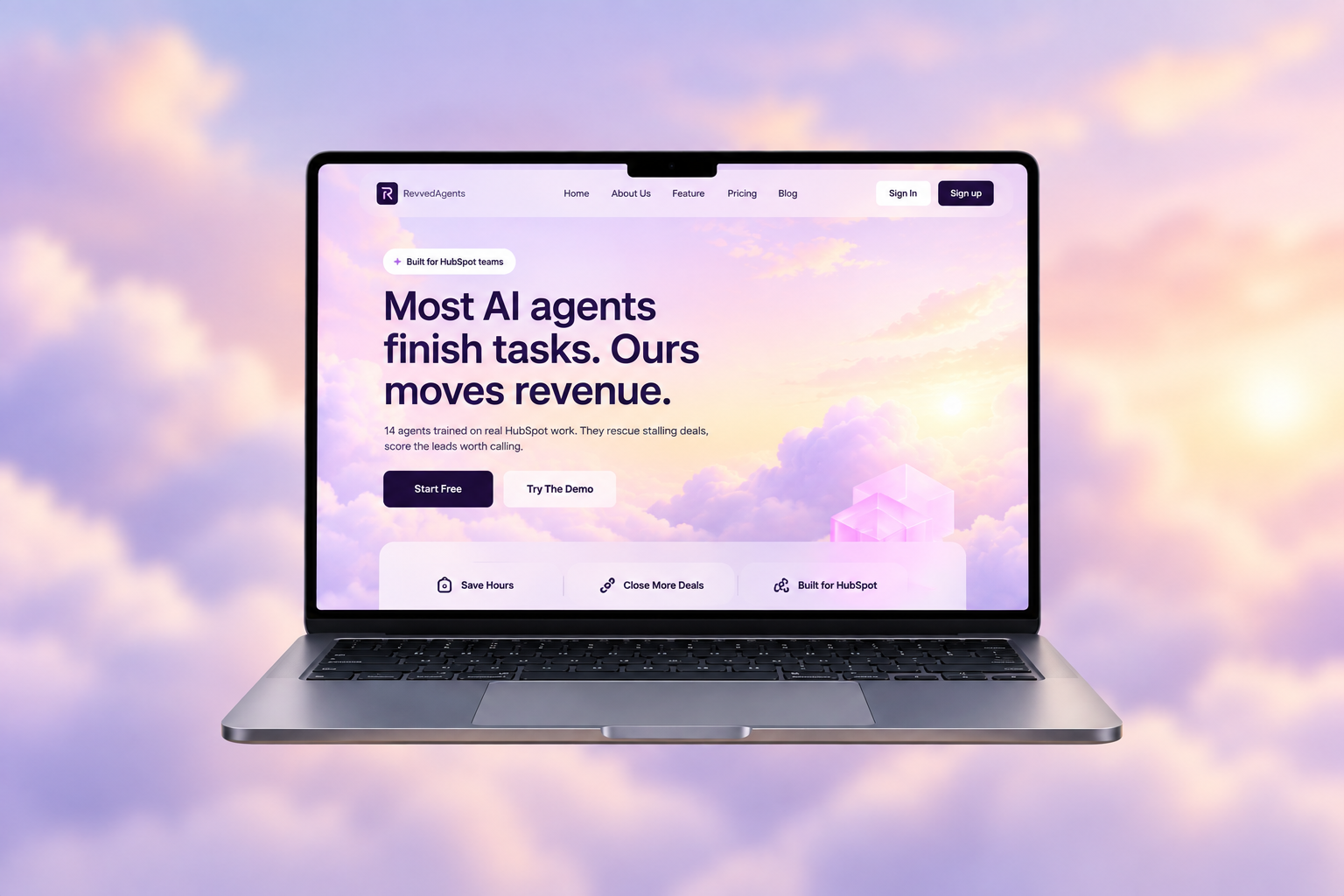
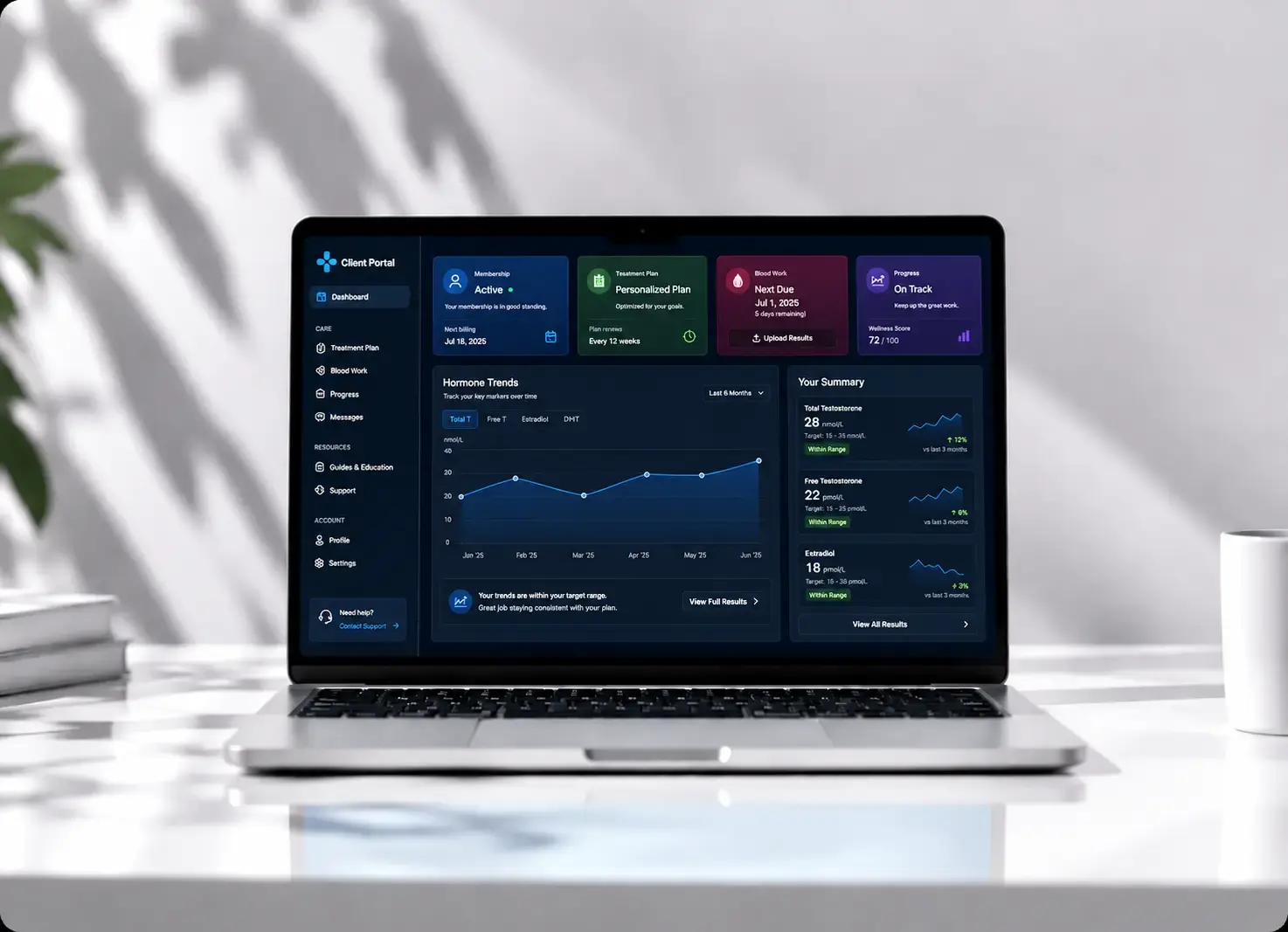
A curated selection of HubSpot implementations and digital marketing campaigns that moved the needle for our clients.
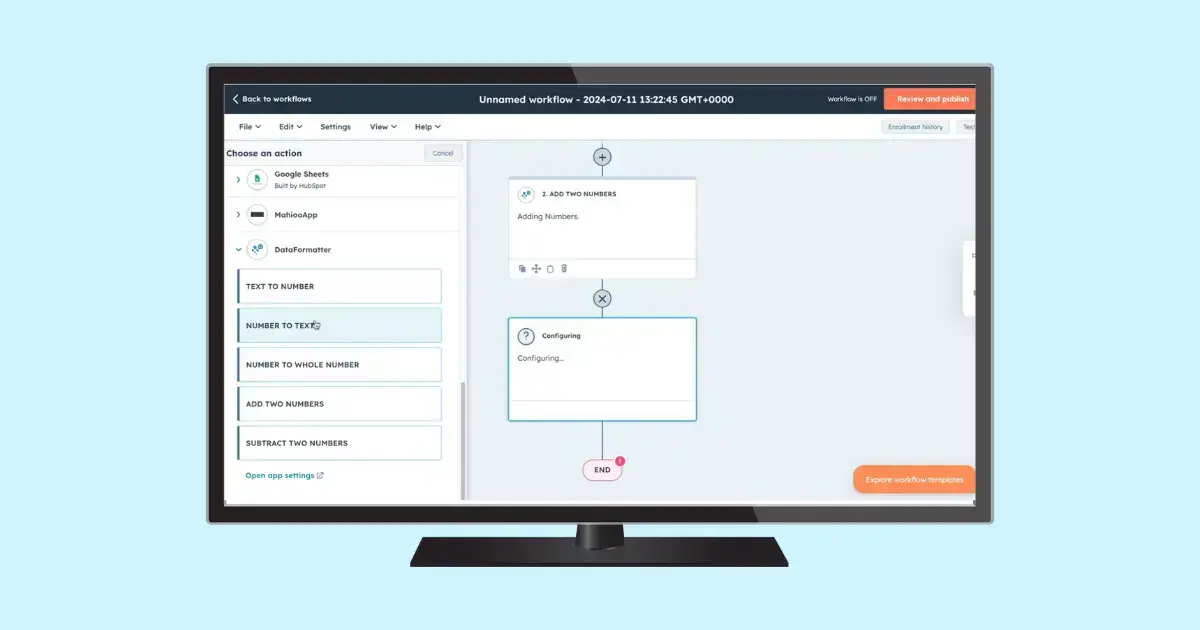
WEBOPS
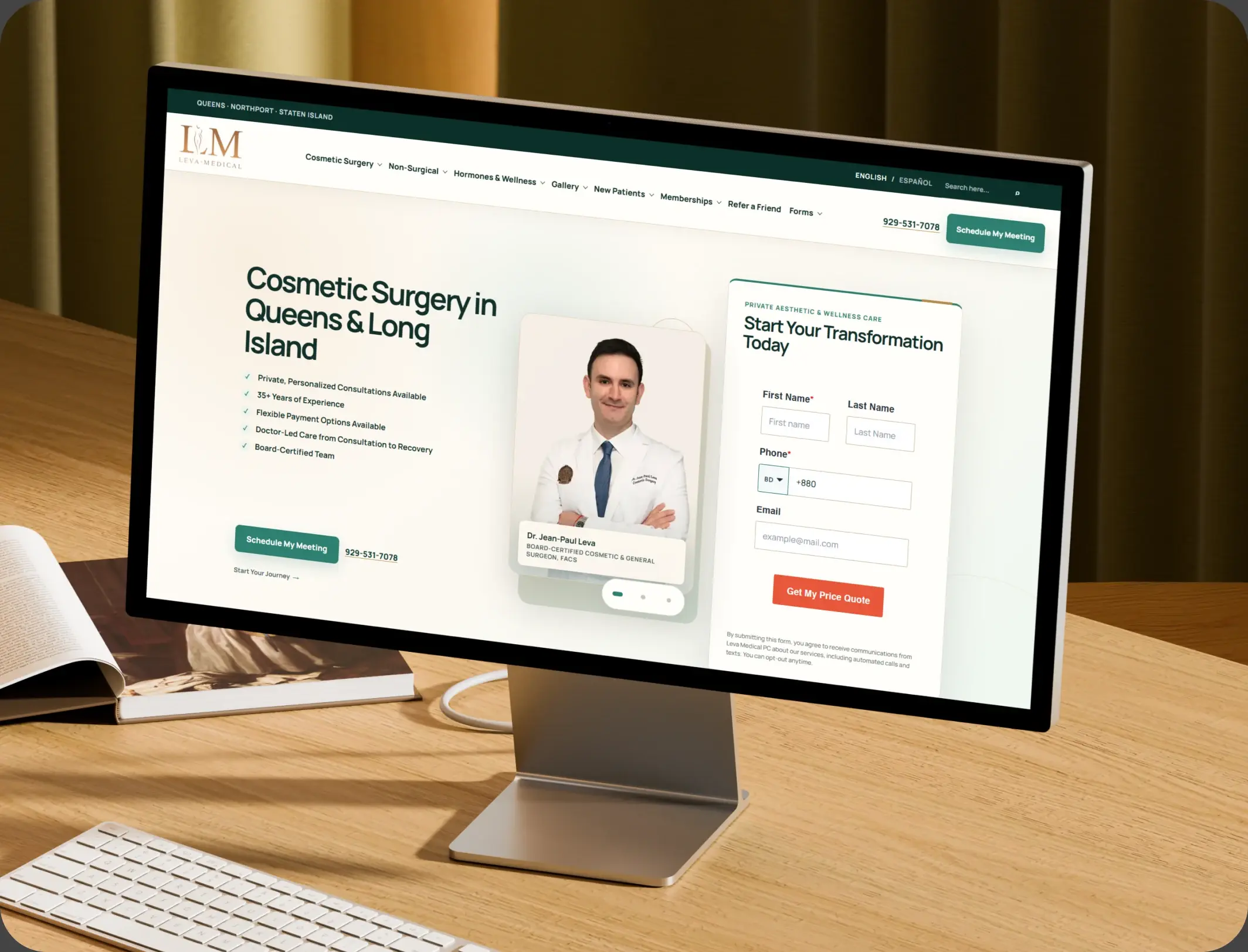
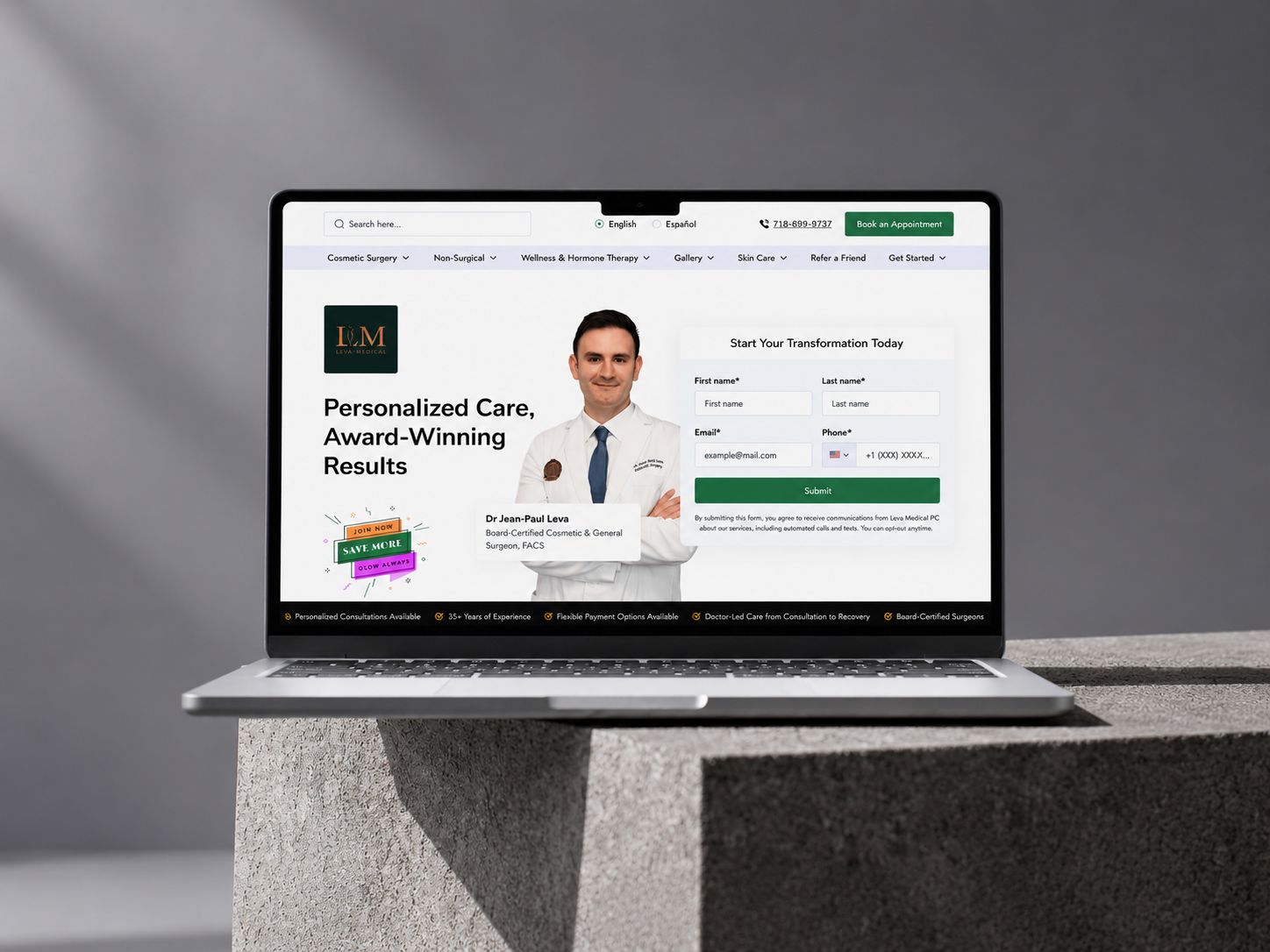
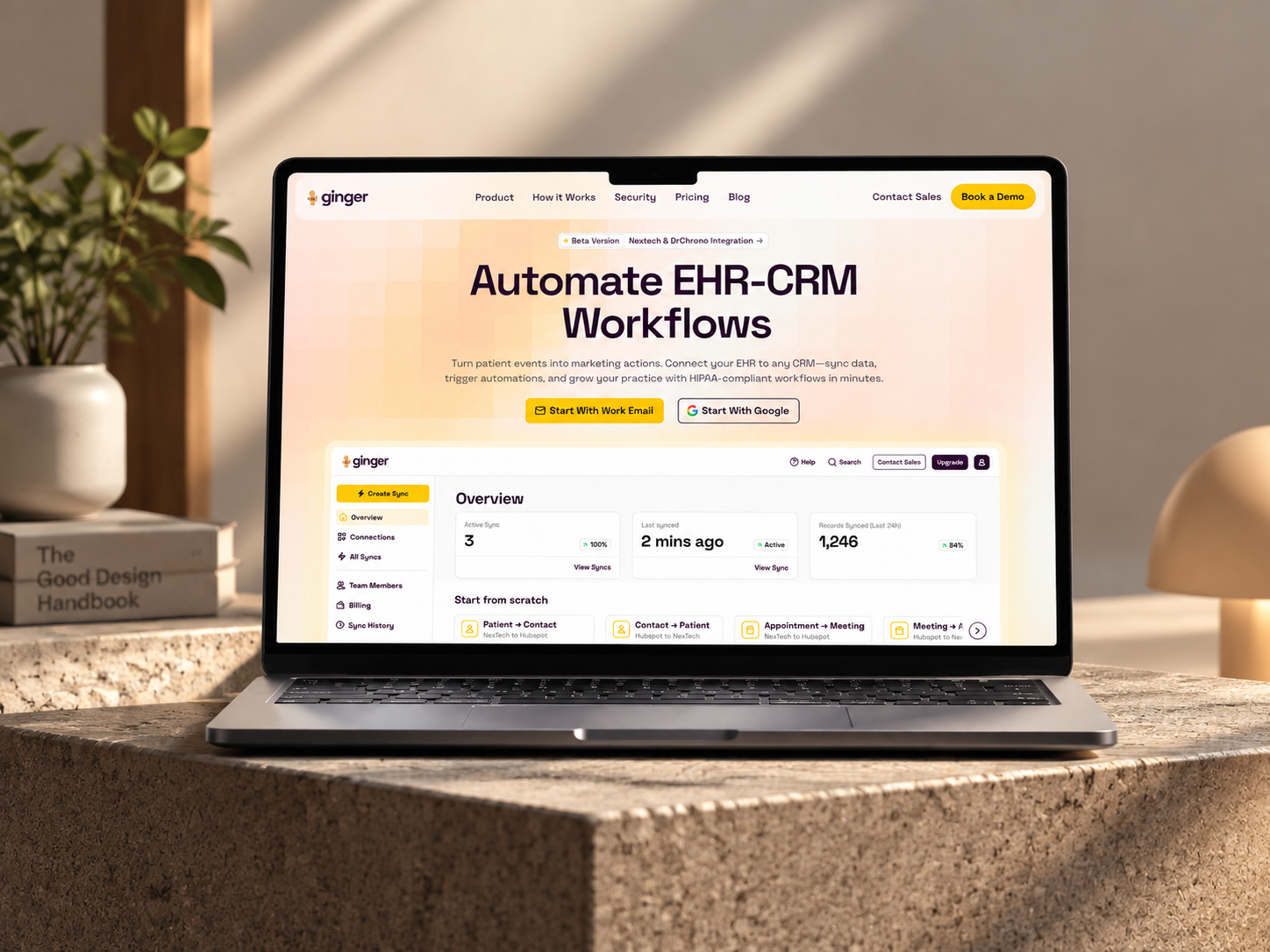
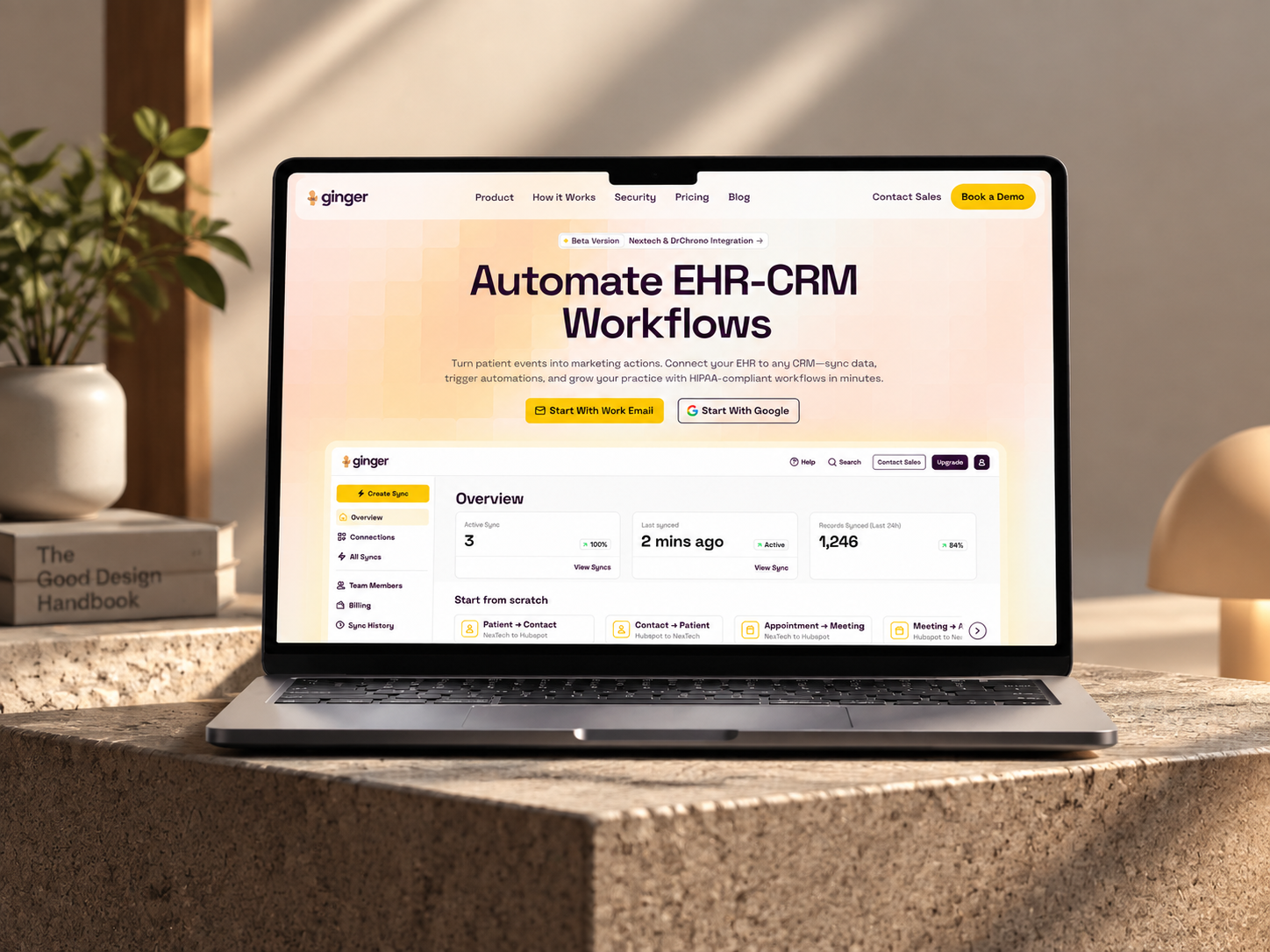
Leva Medical lacked Nextech–HubSpot integration, limiting marketing insights. HubXpert enabled secure, real-time sync for smarter, compliant patient engagement.
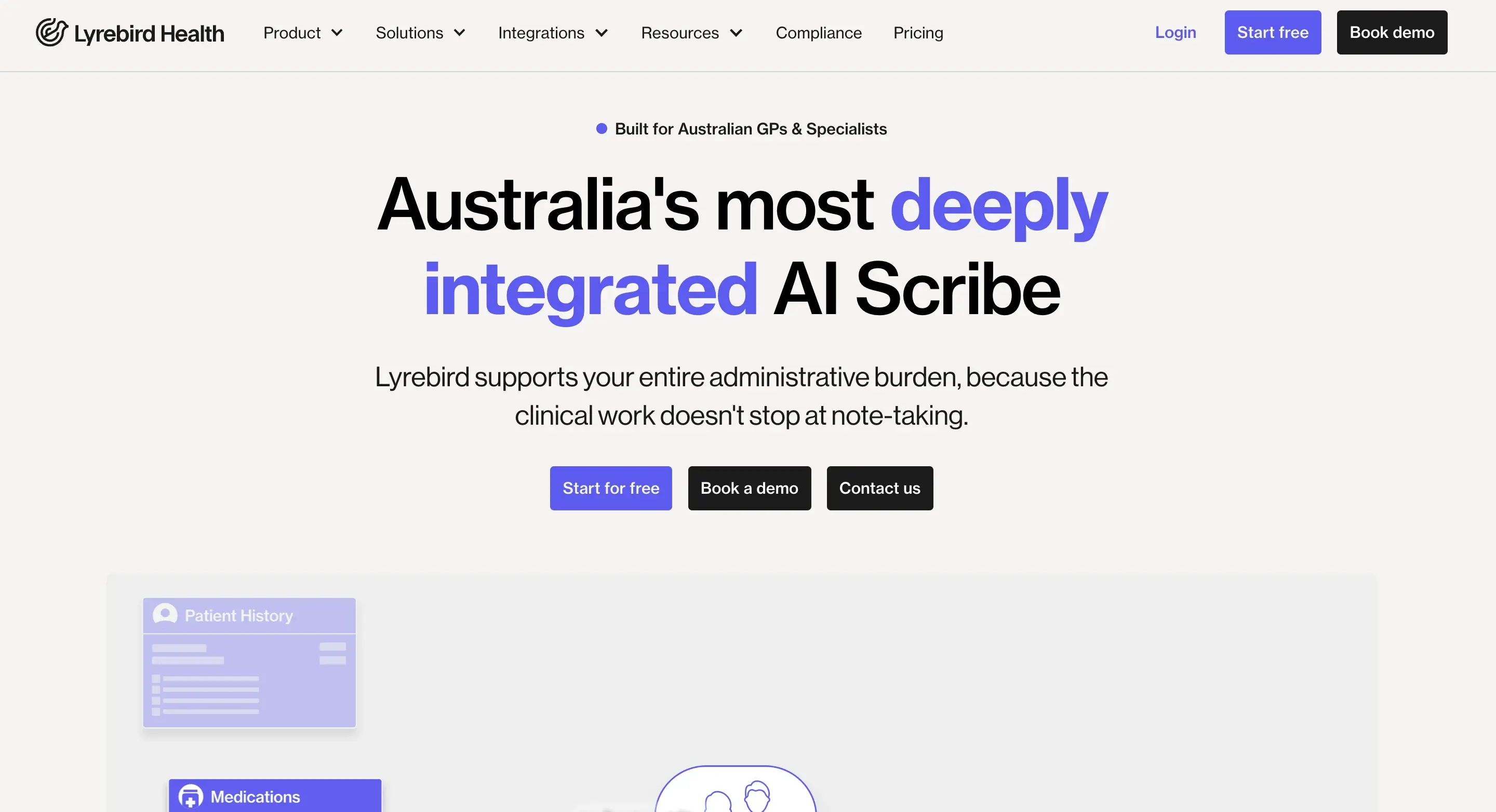
DevOPS
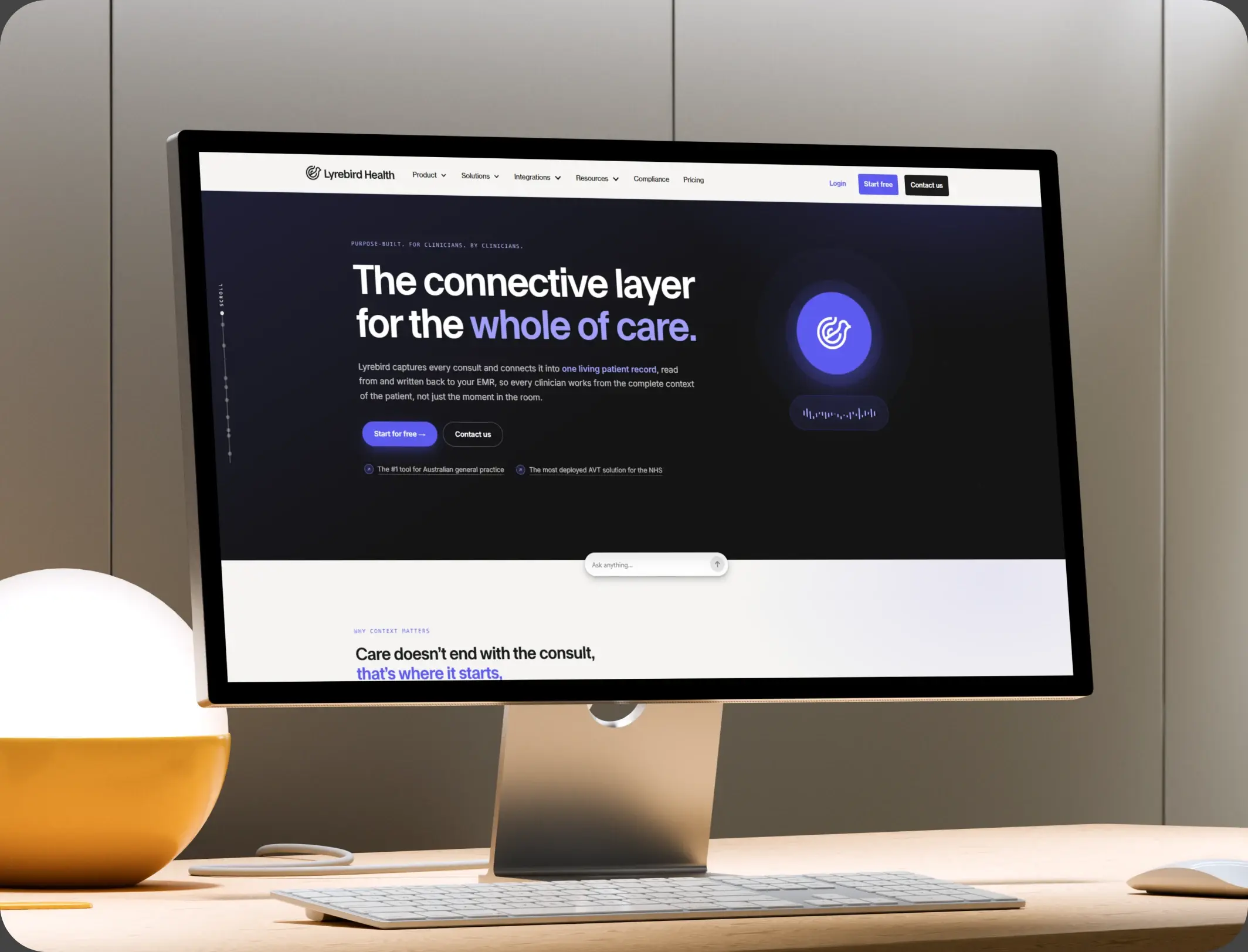
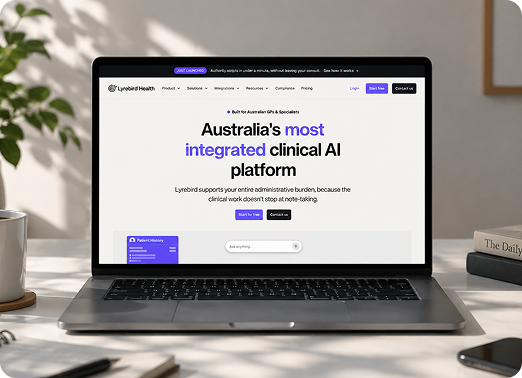
Lyrebird Health is a Healthcare SaaS company building AI-powered scribe and diagnostic solutions for clinics and hospitals.
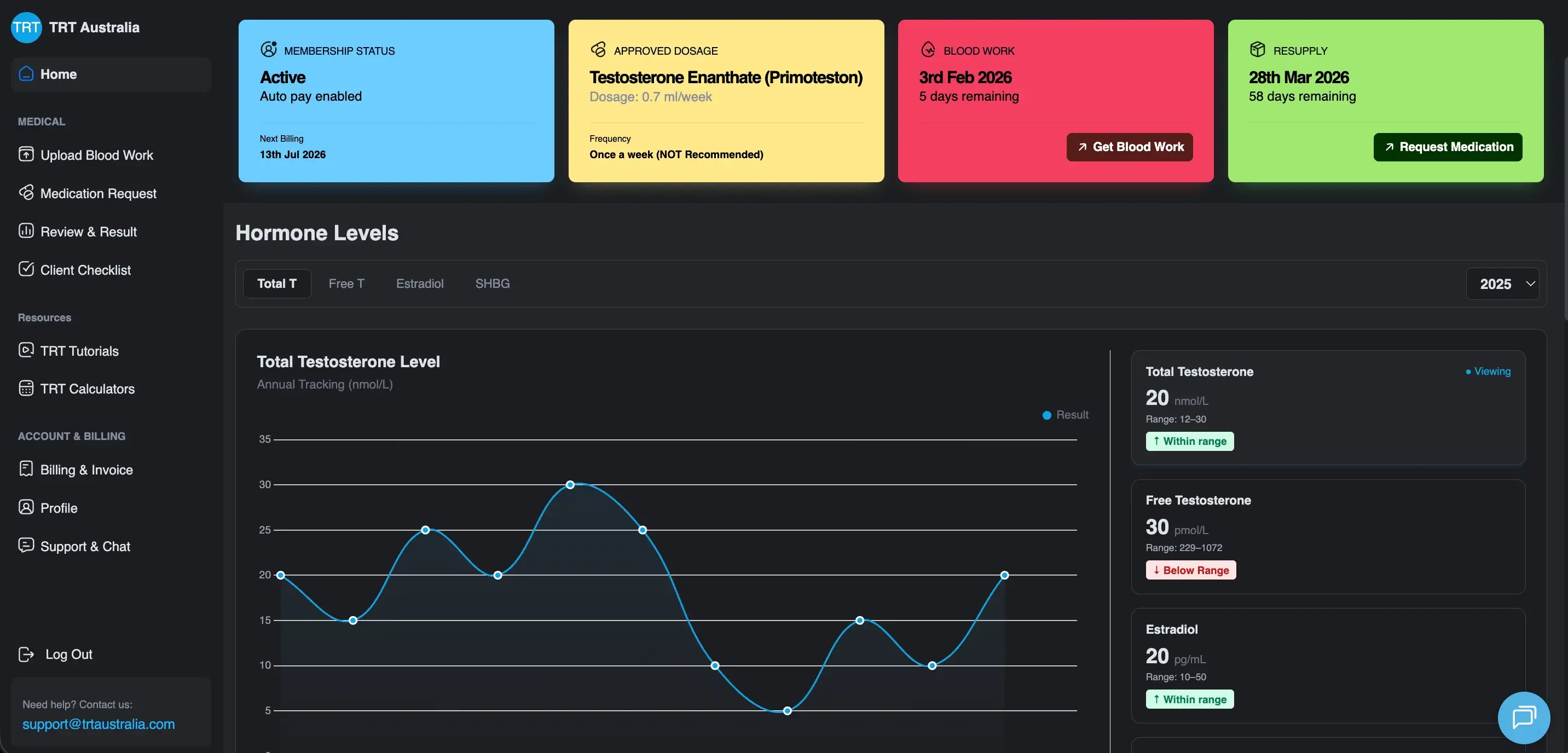
DevOPS
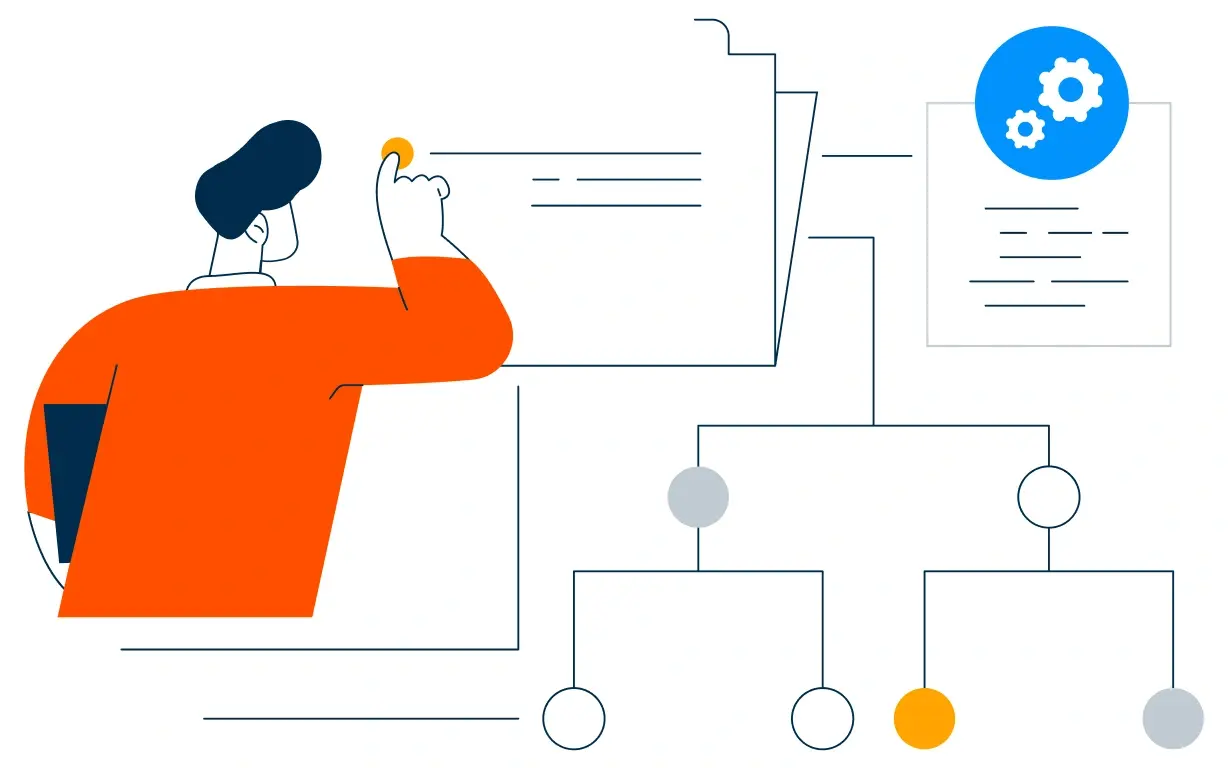
HubSpot portal empowers the Customer Service team to validate data, coordinate reports with doctors, and process pharmacy orders efficiently.
SEO, content, webinars, paid campaigns, and landing pages reach healthcare organizations and capture high-intent prospects. Content earns the first conversation.
Nurture sequences and clear pipelines move a prospect from first conversation to signed pilot or contract. The pilot is signed inside the pipeline, not over email.
A repeatable onboarding flow gets each new customer to first value, with milestones the whole team can see.
Adoption signals and renewal reminders keep the accounts you won, and expansion offers land when usage justifies them.
Segment rules assign each lead to an owner, with a response target and an alert when the first reply is running late. Anyone who books exits the sequence at once.
Every stakeholder hears back within a day, with the material discussed and the next step named in writing. The sales context travels with the handoff.
A signed deal moves the contact into the onboarding pipeline automatically, with the sales context attached. The kickoff task carries the contract details.
Signature creates the implementation tasks, the welcome sequence, and the kickoff call, each with an owner.
Milestones raise a task when they slip, so time to first value stays visible to the whole team.
Contract date and health signals create a task sixty days out, with the adoption summary attached.
Usage thresholds trigger an expansion conversation with the account owner, not a mass email.
Certified platform expertise, with a track record across healthcare workflows and early-stage software teams.
Built around your stage, buyer, and implementation model, with no enterprise scaffolding you will not use.
Multi-step workflows and conditional logic that replace the coordinator you were about to hire.
Clean imports from spreadsheets or a first CRM, with nothing duplicated and nothing lost.
An in-house team connecting HubSpot to your product, billing, and support tools.
Continuous refinement as the team grows and the sales motion matures.
HubSpot signs a Business Associate Agreement on Enterprise plans, and a super admin can enable Sensitive Data settings so the portal may hold PHI. Early teams should decide which fields the CRM never holds, and keep patient detail in the product or clinical system instead.
Not every startup needs every hub on day one, and most begin with Marketing and Sales. Here is the order early teams add them in.
Your demand engine first: landing pages, content, email, and campaign tracking on one bill. Campaigns and follow-up run from the same contact record.
Built for the pipeline and follow-up discipline a founder cannot personally run after twenty deals. Each deal carries an owner and a next step.
Where support requests and implementation questions get tracked instead of living in Slack. Support sees the conversation history before replying.
Powers the website and product content with built-in SEO, so the site does not need a rebuild later. Product pages get edited without a developer.
Connects the product, billing, and support tools, and keeps records clean as the customer count grows. Records stay matched across tools. Records stay matched across tools instead of drifting.
Holds the datasets behind activation and retention reporting, so analysis survives a data warehouse connection.
Yes, and stage matters more than size. A startup needs a pipeline, follow-up discipline, and one dashboard, not an enterprise build it cannot maintain. Most teams see the difference within the first month of live workflows. The CRM carries coordination, not patient records.
Pipeline stages, lead routing, and follow-up sequences. Those three produce revenue before anything about reporting or expansion is worth building. Cycle time is tracked, so the improvement is measurable.
Most early teams run on a spreadsheet and a shared inbox. One CRM replaces both, and the value shows up when the second hire cannot see what the first one promised a customer. The sequence is matched to the buyer role.
Yes. The same portal handles more pipelines, teams, and automation as you add them, so you are not migrating again after a funding round. Nothing is assumed native until the connector is confirmed.
HubSpot offers a Business Associate Agreement, and HIPAA data requires an Enterprise hub with Sensitive Data settings enabled by a super admin. Early teams should limit what the CRM holds. Automation never sends a claim nobody signed off on.
A focused first build runs three to six weeks. Reporting and expansion workflows come later, once there is real pipeline data to work with. That is how cost per closed deal becomes visible.
Yes, through an API or middleware. Adoption signals from the product are the most valuable connection, because they drive renewal and expansion. We map which fields may hold patient data before launch.
It depends on the hubs and contact tier you need. We scope that against your stage, so you are not paying for enterprise seats before the pipeline justifies them. Clinical detail stays in the system built for it.
Ready to Grow Your Digital Health Startup With HubSpot?
You have a product and a first few customers, and the next stage needs systems rather than more spreadsheets. We build around your stage, your buyers, and your goals, so the platform grows with the team. No enterprise scaffolding you will not use.