

















Reach Enterprise Buyers and Patients
Landing pages, smart forms, and compliant ad tracking capture payer, health system, and employer interest alongside direct patient inquiries.
Enterprise deals stall in committee while patients disengage weeks after sign-up. Marketing, sales, and support run on spreadsheets and disconnected tools that were never built for a two-sided, regulated health business. HubSpot connects both sides without adding compliance risk.

Teams that leveled up their growth with HubXpert
You sell to payers, health systems, and employers, then keep patients engaged for months afterwards.
Renewal conversations depend on showing that patients actually engaged and outcomes moved. Scattered tools make that story slow to pull together and hard to trust in the room.
Six stakeholders, one procurement cycle, and a champion who changes job title. Without a multi-threaded pipeline, the deal goes quiet and nobody knows which door closed.
A sign-up with no structured onboarding becomes an inactive account. The pilot ends, the renewal conversation starts badly, and the acquisition cost is already spent.
A pilot that never proves engagement cannot be expanded. The data needed to justify a contract exists somewhere, but nobody assembled it before the renewal meeting.
Engagement, adoption, and outcome data live in product analytics, the CRM, and a spreadsheet.
Five areas where one system runs an enterprise pipeline and a patient journey.
Acknowledge demo requests, sign-ups.
Automate demo confirmations and info requests.
Calls, emails, forms.
Role-based access keeps client data controlled.
Speed is the biggest lever when buyers compare.
A multi-touch email.
Pipeline visibility shows who is close to booking.
Every open lead gets a logged follow-up.
Contract options become pipeline fields.
Check-ins revive accounts quiet since kickoff.
Route remote monitoring, chronic care.
Sequences differ for C-suite, clinical users, IT.
Outreach triggers on adoption gaps.
Usage dips long before a churn notice.
Seat and module offers reach the right contact.
Retention steadies ARR as budgets tighten.
Attribution links conferences, content, search.
Deal status and outreach history for every payer.
Reporting flags falling demo volume.
Attribution replaces guesswork across conferences.
A HIPAA-conscious setup, PHI-aware data separation, and role-based access.
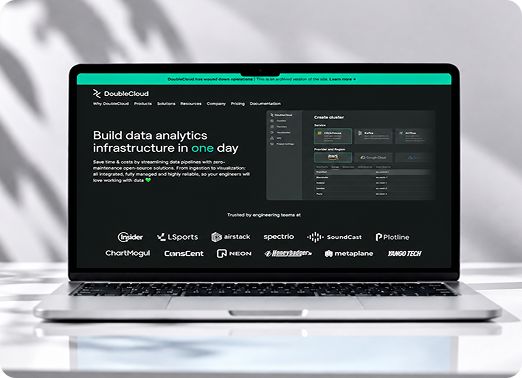
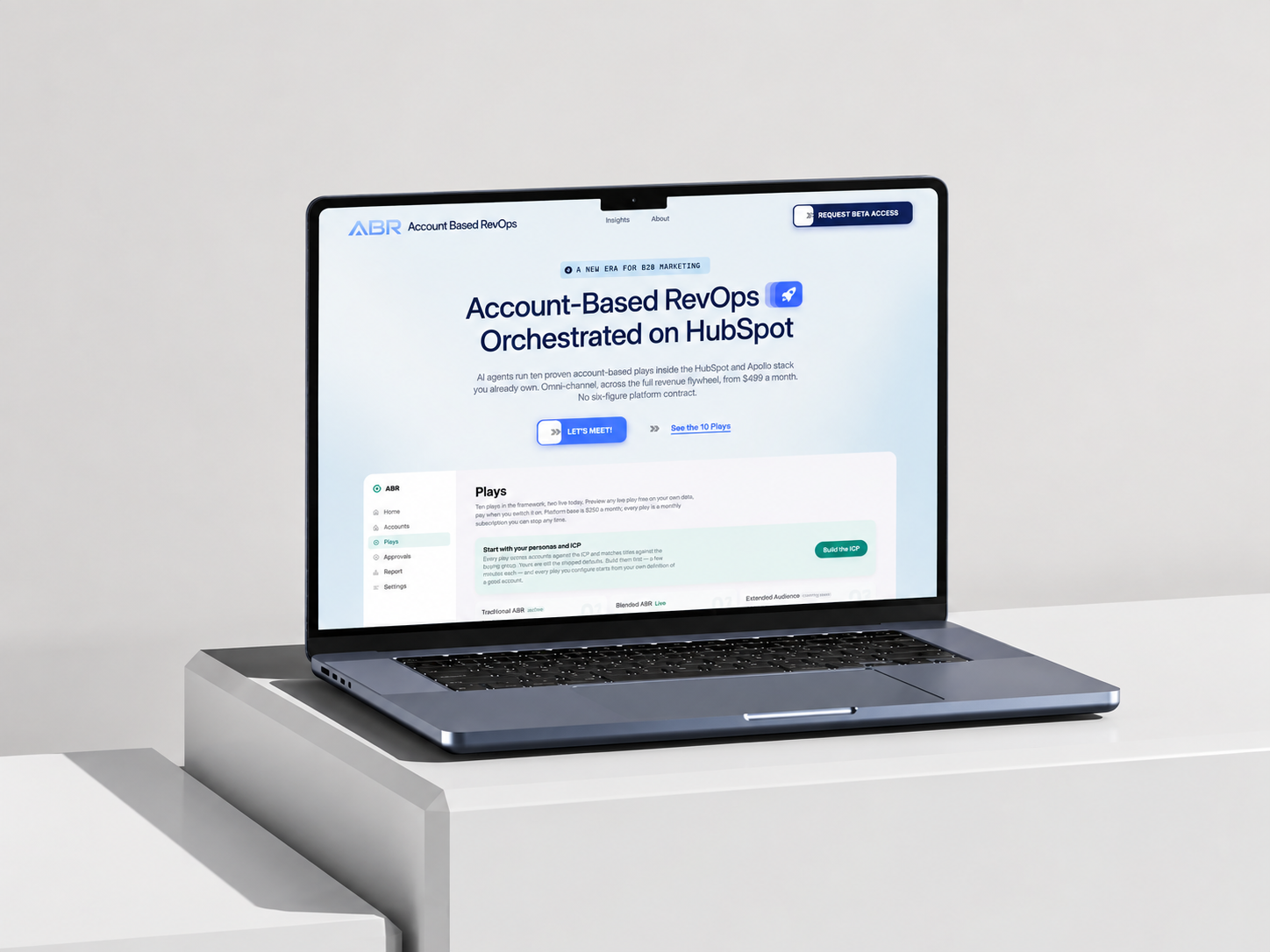
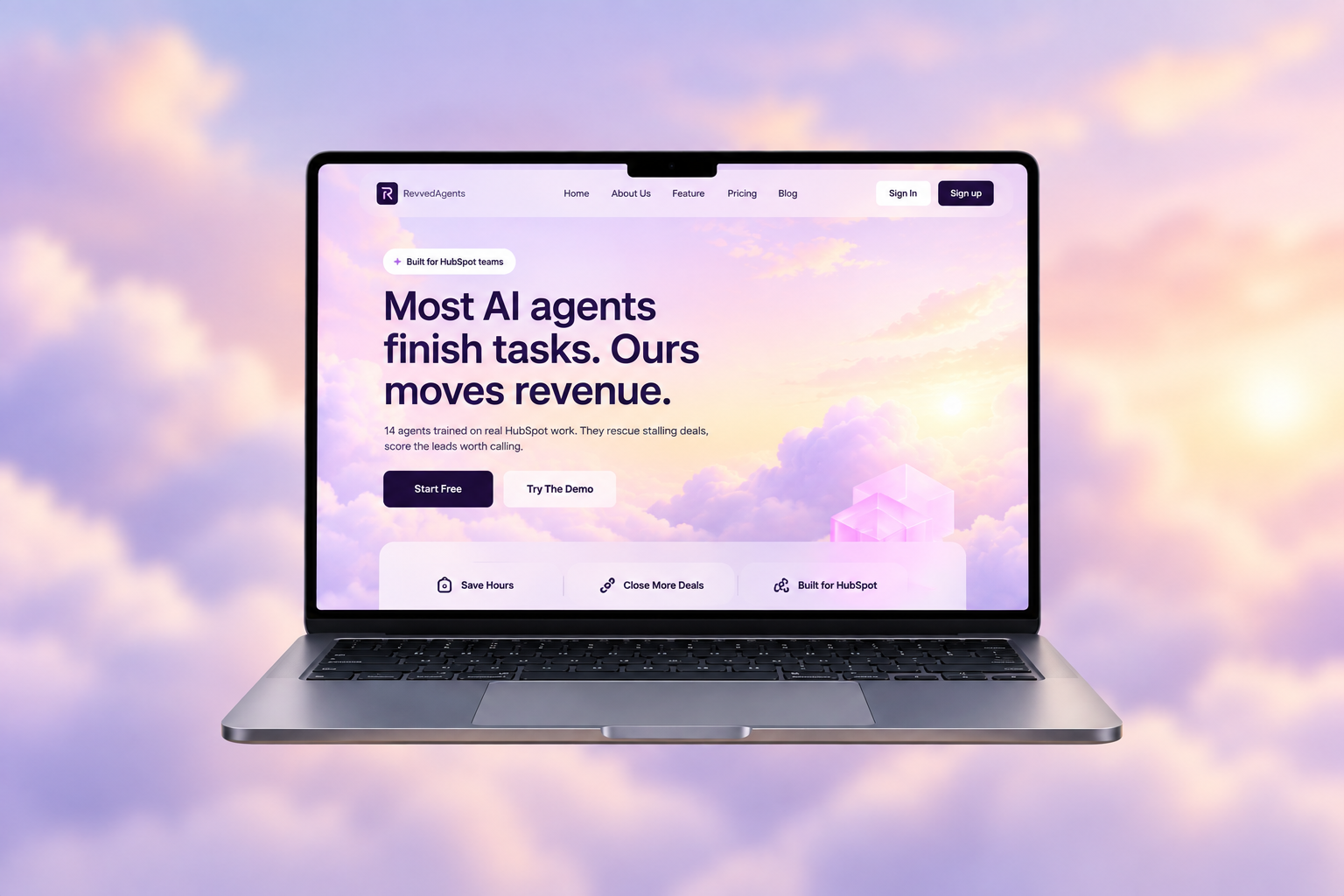
A curated selection of HubSpot implementations and digital marketing campaigns that moved the needle for our clients.
WEBOPS
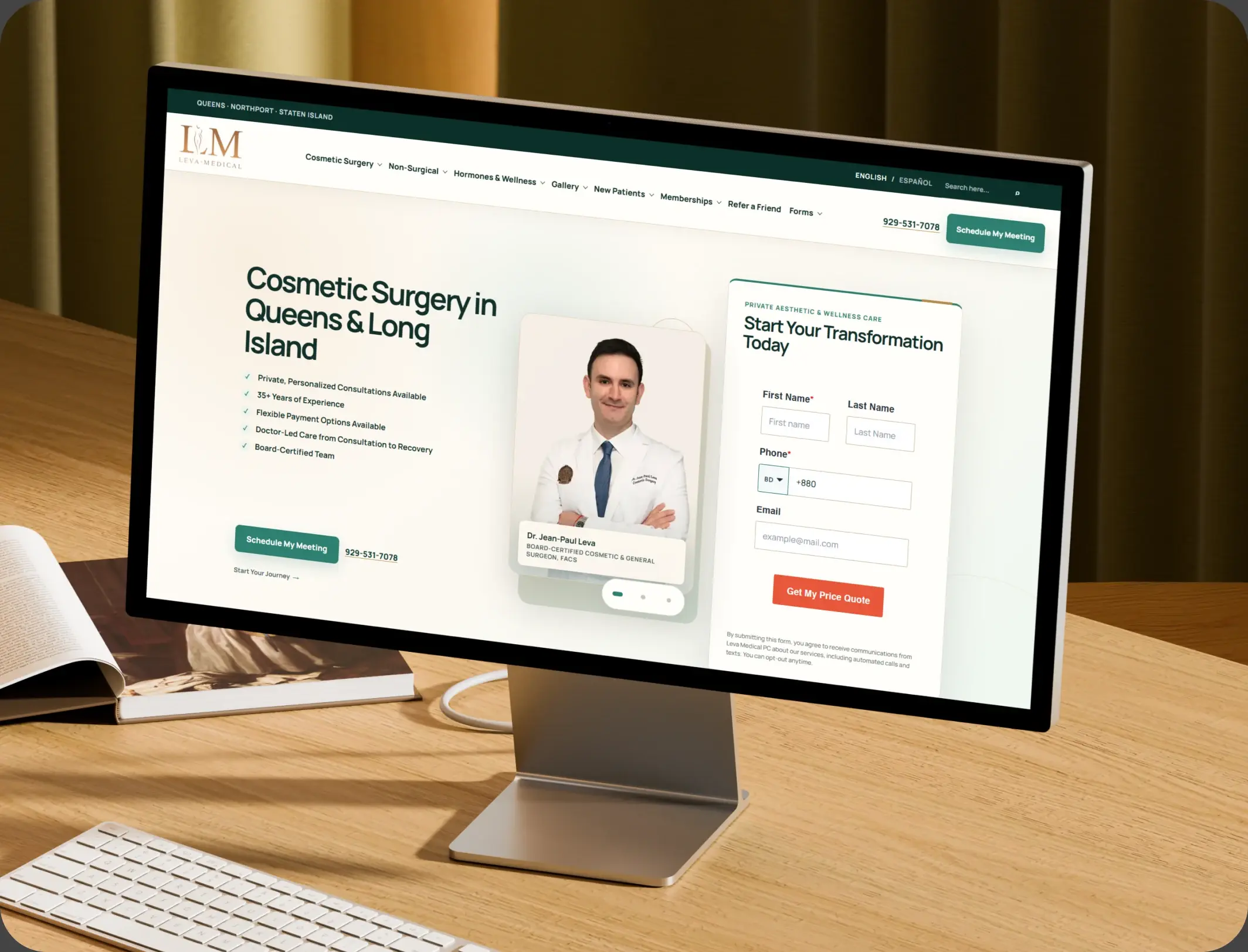
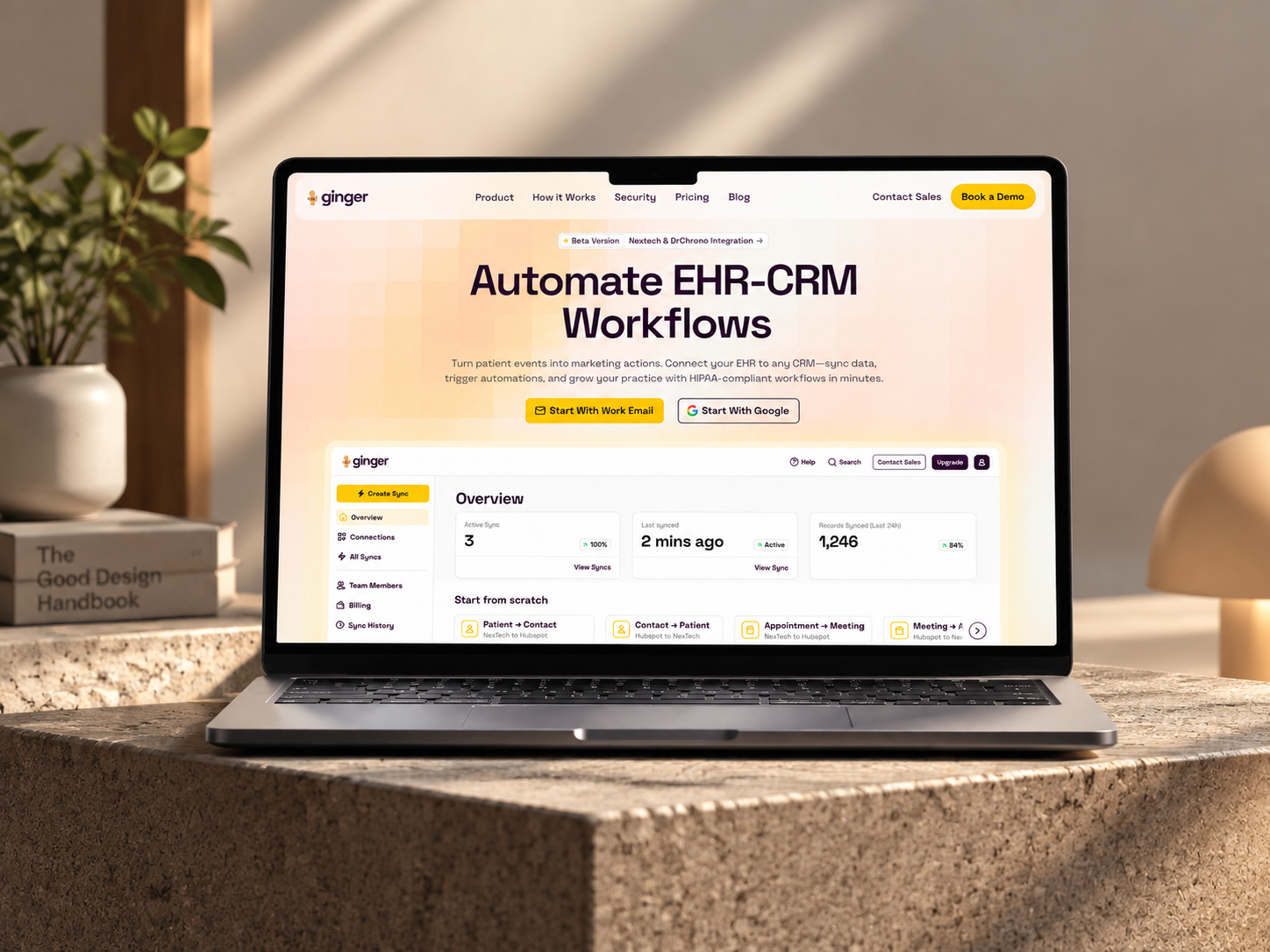
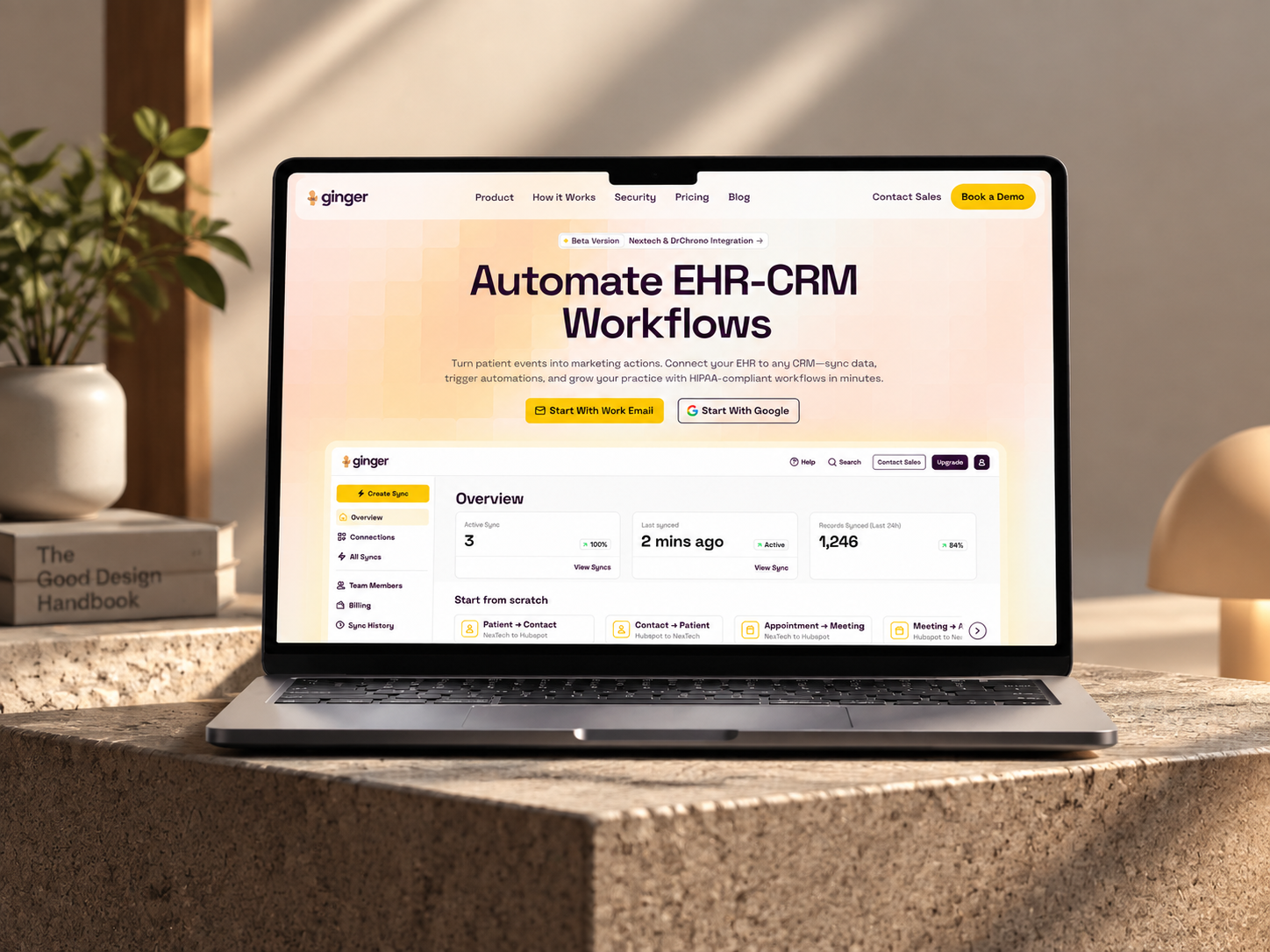
Leva Medical lacked Nextech–HubSpot integration, limiting marketing insights. HubXpert enabled secure, real-time sync for smarter, compliant patient engagement.
DevOPS
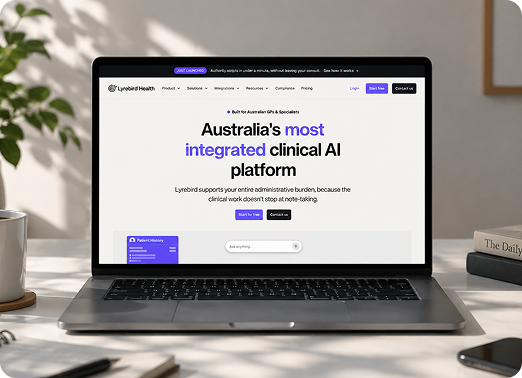
Lyrebird Health is a Healthcare SaaS company building AI-powered scribe and diagnostic solutions for clinics and hospitals.
DevOPS
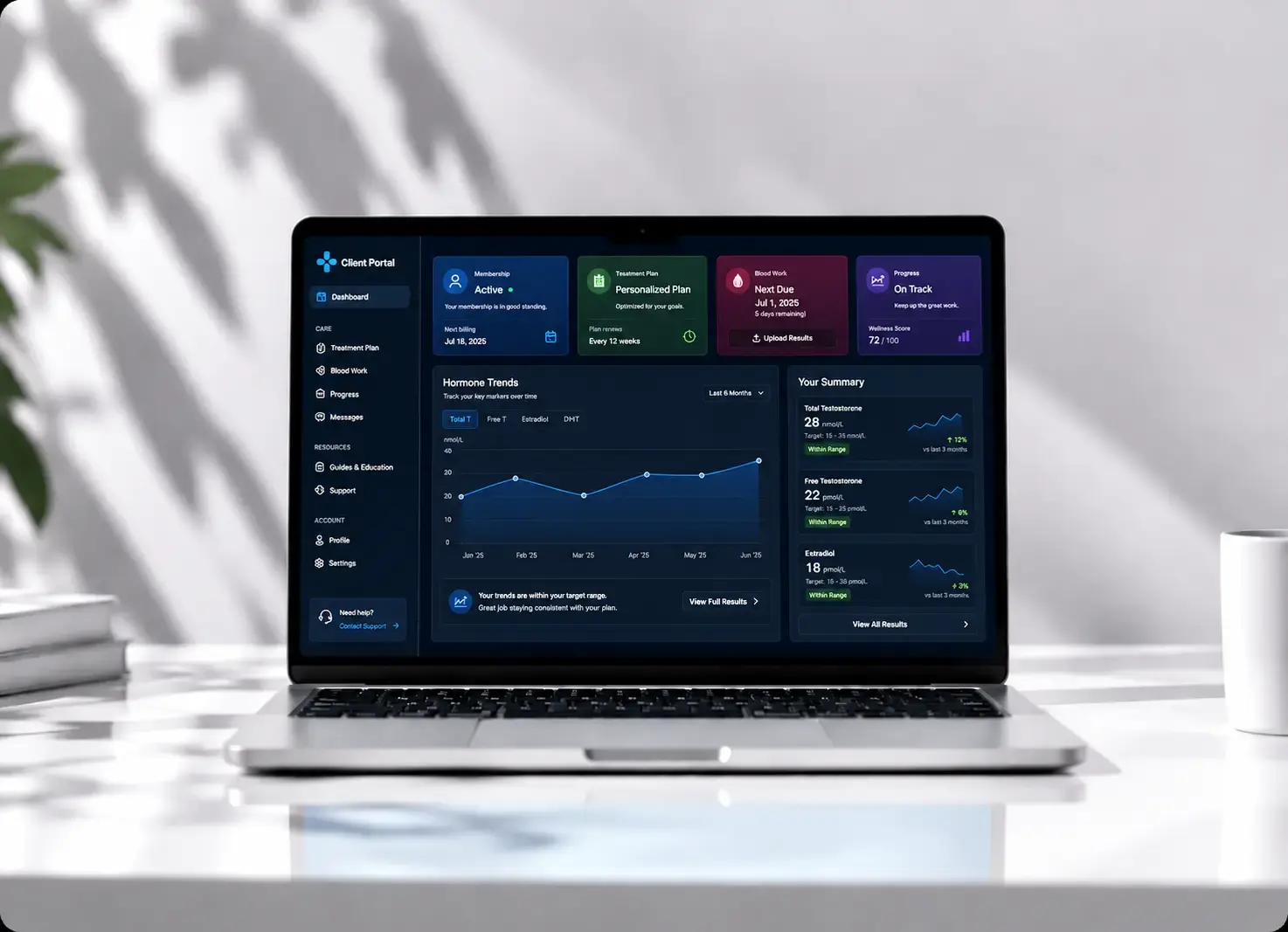
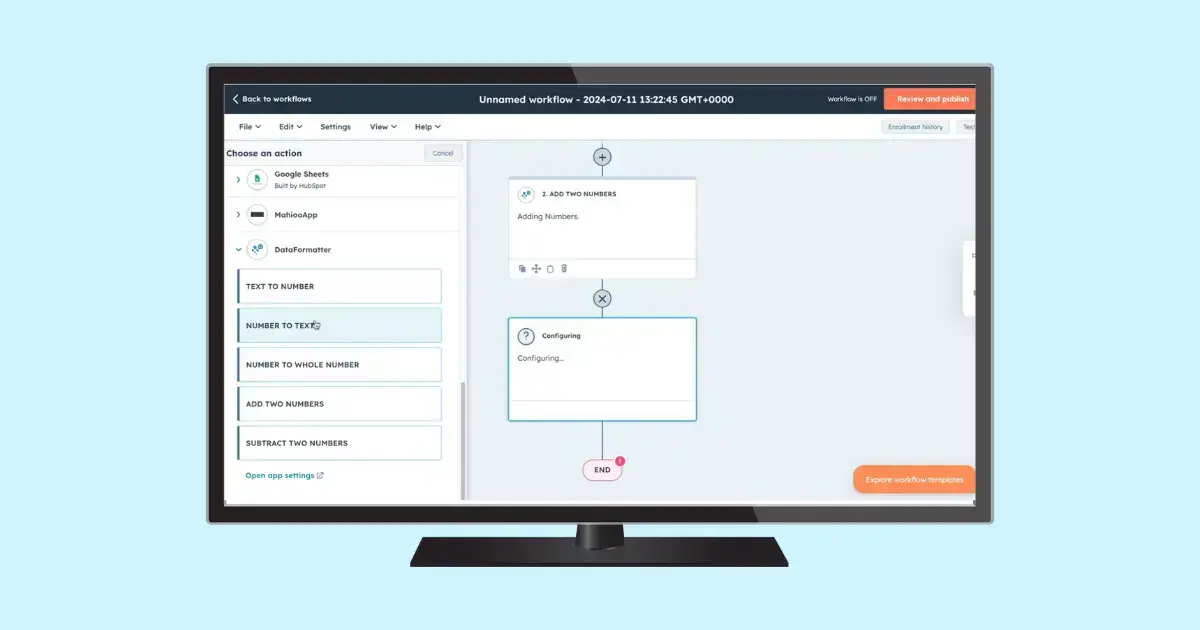
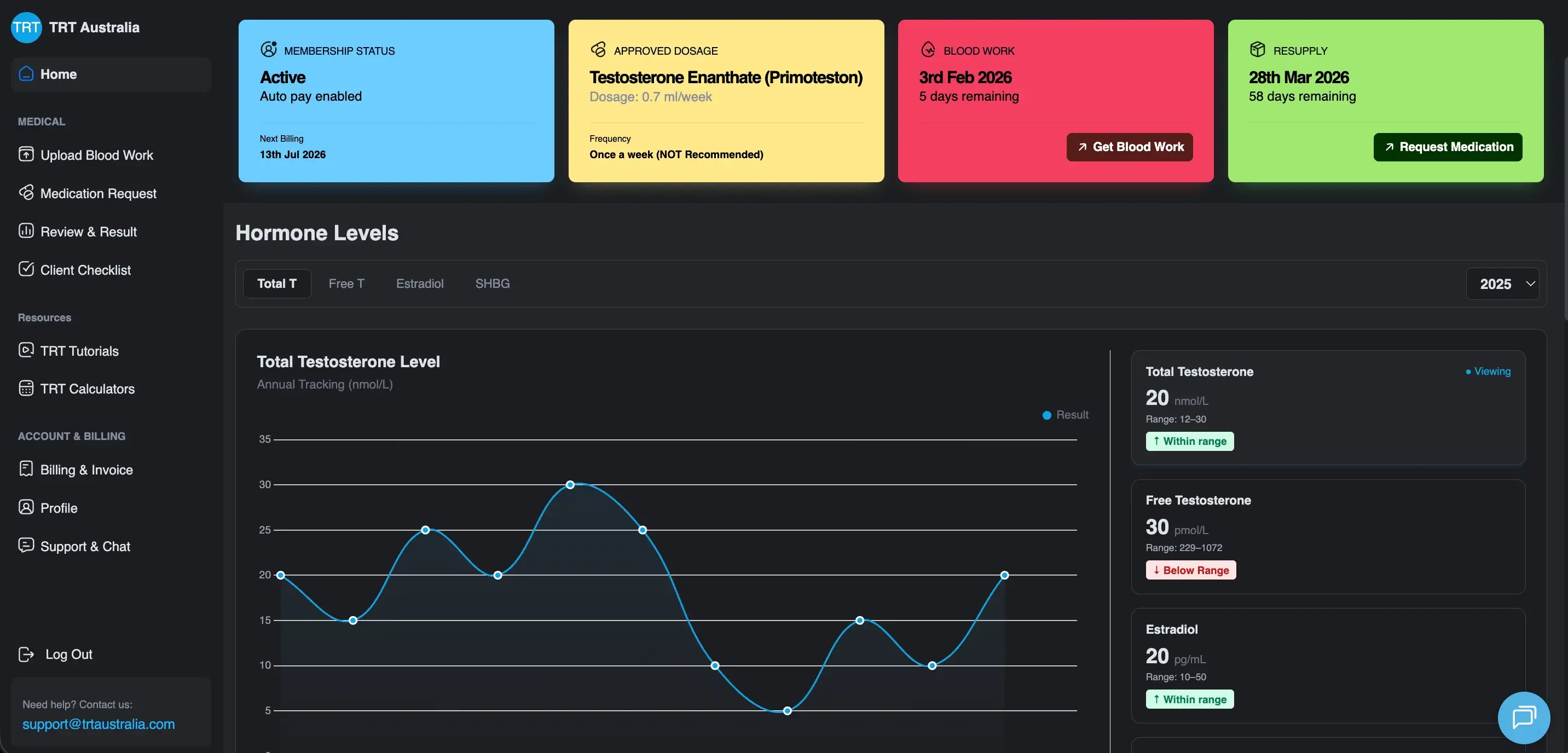
HubSpot portal empowers the Customer Service team to validate data, coordinate reports with doctors, and process pharmacy orders efficiently.
Landing pages, smart forms, and compliant ad tracking capture payer, health system, and employer interest alongside direct patient inquiries.
Multi-stakeholder pipelines track enterprise evaluations, while nurture sequences move individual patients from inquiry to enrollment.
Onboarding, reminders, and check-ins keep users active, and behavior-based workflows catch drop-off before the quarterly report does.
Engagement and outcome data rolls up automatically, so every renewal conversation starts with the evidence already assembled.
Instant confirmation, sales task assignment, follow-up at 24 hours if no meeting is booked, and second outreach on day three.
The signature triggers a kickoff task, a welcome sequence to the buyer's team, and a scheduled implementation call.
A welcome sequence starts immediately, a reminder follows at 48 hours if the first step is incomplete, and a care task opens after two reminders.
Inactivity for a set period triggers an email, then a text, then a human task, so an account never leaves quietly.
Completion triggers an automated outcomes summary, routed to the account owner ahead of the next renewal check-in.
Usage and engagement thresholds raise an alert to the account team sixty days before renewal, with the supporting data attached.
A form submission flagged as containing health information routes to a secure queue, never to a general nurture list.
Certified platform expertise, with a track record across healthcare workflows.
Built around your buyer committee, product usage signals, and success model. No generic templates.
Multi-step workflows and triggers built for adoption and renewal timing.
Clean imports from your current CRM, product analytics, or spreadsheets, structured from day one.
An in-house team connecting HubSpot to your product, EHR, analytics, and billing systems.
Continuous refinement as accounts expand and the product surface grows.
HubSpot signs a Business Associate Agreement on Enterprise plans, and a super admin can enable Sensitive Data settings so the portal may hold PHI. Clinical and marketing data stay separated, health-flagged submissions route away from nurture, and every connected system is encrypted.
Not every platform needs every hub, and most start with Marketing and Sales. Here is how each one lines up with a two-sided health business.
Your demand engine on both sides: enterprise content, events, and patient acquisition campaigns. Campaigns and adoption sequences run from the same account record.
Built for multi-stakeholder enterprise pipelines and long procurement cycles. Each deal carries an owner and a next step. Most platforms start with Marketing and Sales, then add Service as accounts grow.
Where user support, clinical questions, and account escalations get organized and tracked. Support sees the account history before replying.
Powers the website and clinical content library with built-in SEO, so condition pages stay current. Clinical content gets edited without a developer.
Connects product, EHR, and billing systems and keeps account records clean across the funnel. Records stay matched across systems. Records stay matched across systems instead of drifting.
Yes, when it is built for two audiences. It runs the enterprise pipeline and the patient relationship on one system, with health data separated from marketing from the start. Most platforms see the difference within the first quarter of live workflows.
Yes. Account pipelines and individual contact journeys sit in the same portal but stay separate, so a procurement thread never lands in a patient nurture sequence. Adoption is tracked, so the improvement is measurable at renewal.
It can. Multi-stakeholder pipelines, task ownership, and stage reporting keep a six-month evaluation visible, including which contact has gone quiet. The sequence is matched to the buying role.
Outcomes reporting rolls engagement and completion data into a summary that goes to the account owner before renewal, rather than being rebuilt by hand. Nothing is assumed native until the connector is confirmed.
Often through a native integration, otherwise an API or middleware. Fields and sync direction are scoped before anything is connected. Automation never sends a claim nobody signed off on.
HubSpot offers a Business Associate Agreement, and HIPAA data requires an Enterprise hub with Sensitive Data settings enabled by a super admin. Clinical detail stays in the system built for it. That is how cost per activated account becomes visible.
Most run six to twelve weeks, depending on integration complexity and how many systems the CRM has to talk to.
Yes. Attribution runs from first touch to contract, so conferences, content, search, and partnerships are judged on revenue rather than leads.
Ready to Grow Your Digital Health Platform With HubSpot?
Buyers are evaluating platforms right now, and patients are deciding whether to keep using yours. The question is whether one system can serve both without compliance risk. We build around your buyers, your users, and your goals. No generic setup, and no pilot left without an outcomes story.