









Attract Partner Enquiries
Trade shows, partner referrals, and search bring RFPs in, with the source market recorded at first touch. Most group enquiries arrive after a trade event or referral.
A missed handoff between sales and operations costs DMCs a booking and the margin on it. HubSpot helps destination management companies qualify RFPs faster, keep agents and travelers in sync, and track every itinerary from first enquiry to final invoice.

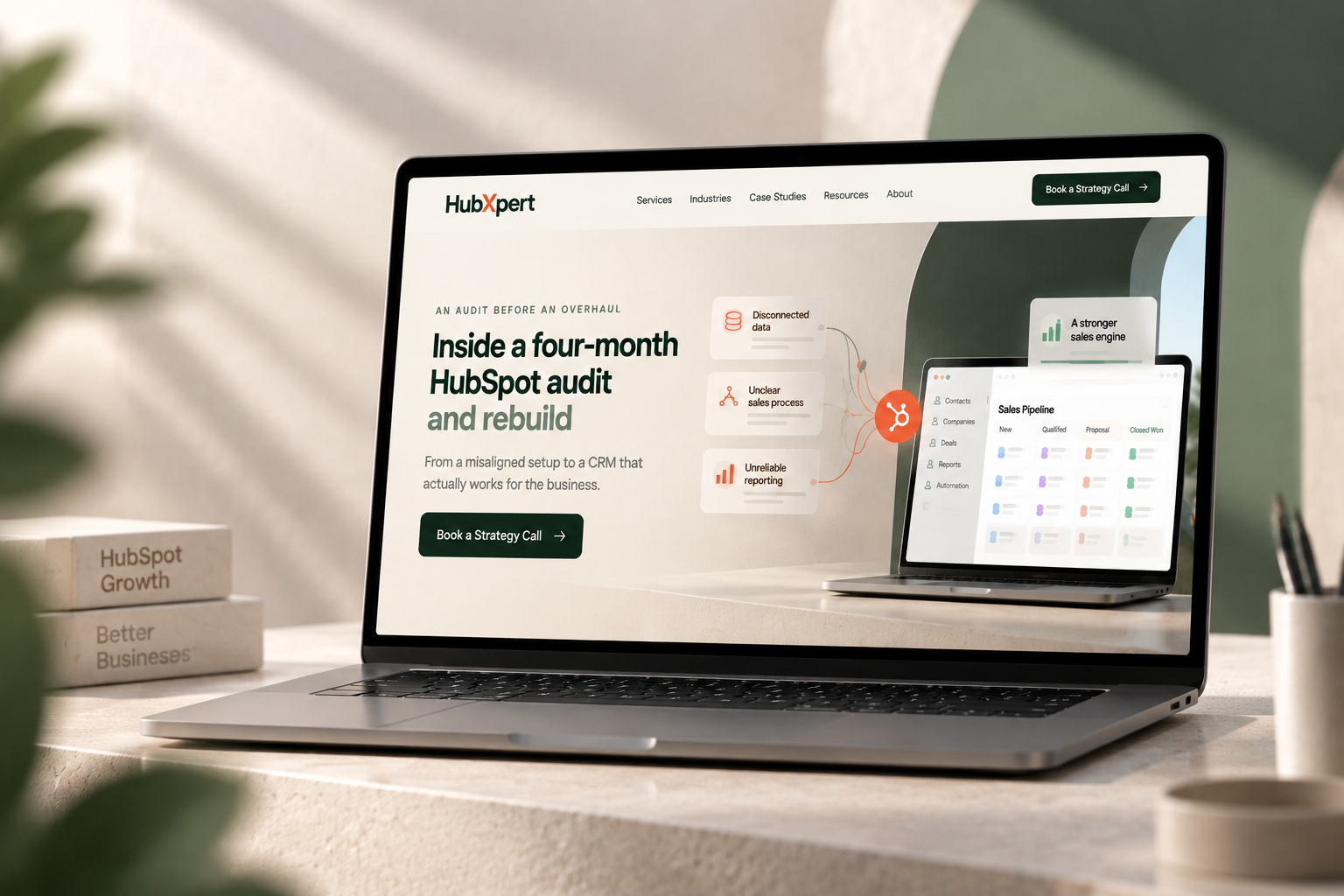
Teams that leveled up their growth with HubXpert Group travel rewards speed and coordination.
Quote requests arrive by email, WhatsApp, and the website, then get retyped by hand between the specialist who prices it and the team that builds it.
Reservation and tour software handles allotments, costing, and rooming lists well. It was never built for nurture, partner campaigns, or showing which channel brings profitable groups.
Tour operators, wholesalers, and corporate planners supply most of the volume, and without a shared history the relationship resets with every new account manager.
Destination, group size, dates, services, budget, and itinerary needs arrive together. Losing one detail means re-quoting, and re-quoting means a slower reply than the competitor.
Confirmations, itinerary changes, deadlines, and on-trip updates are sent by hand, which is where small errors become expensive ones.
Markets, events, and partner referrals all claim the same booking. Without attribution, next season's budget follows instinct.
HubSpot for Destination Management Companies covers five areas where a DMC can win more group business.
Websites, email, events.
By market, destination, type.
Stay in touch while itineraries are finalised.
See which markets produce the best opportunities.
Group size, dates, services.
Destination content matched to the request.
Follow-up after quotes and itinerary submissions.
See which opportunities are stalled and why.
Communications, bookings, and notes together.
By region, market, destination, and revenue.
Destination news and offers on a cadence.
Priority follows revenue potential, not volume.
Confirmations, changes.
Operations and guides get tasks.
Repeat updates run without an account manager.
See who opened, who needs a call.
Source stored on every RFP.
Win rate and margin by source market.
Judged on confirmed programs, not leads.
A summary leadership can act on.
A privacy-conscious setup with role-based access, and traveler documents.
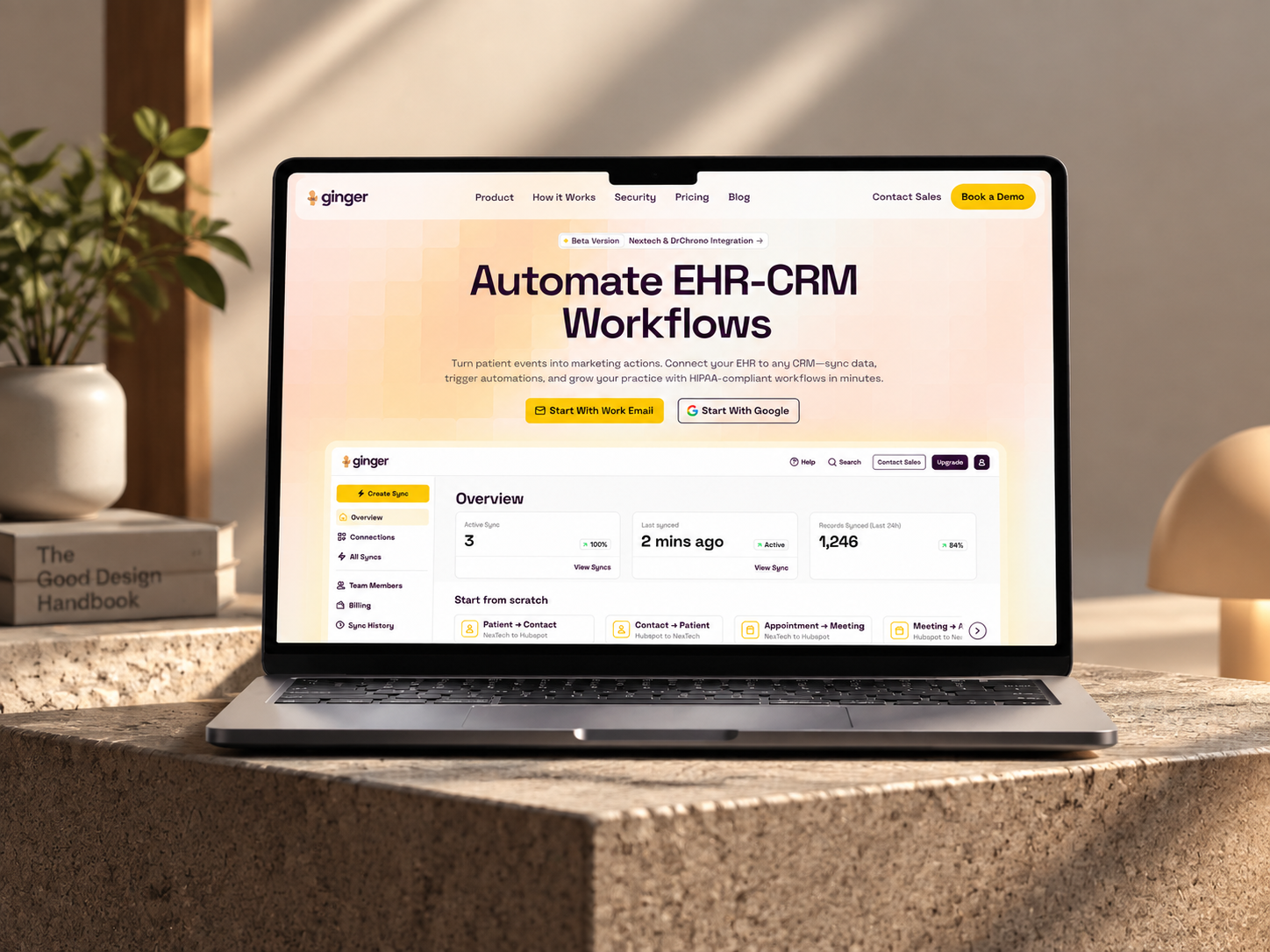
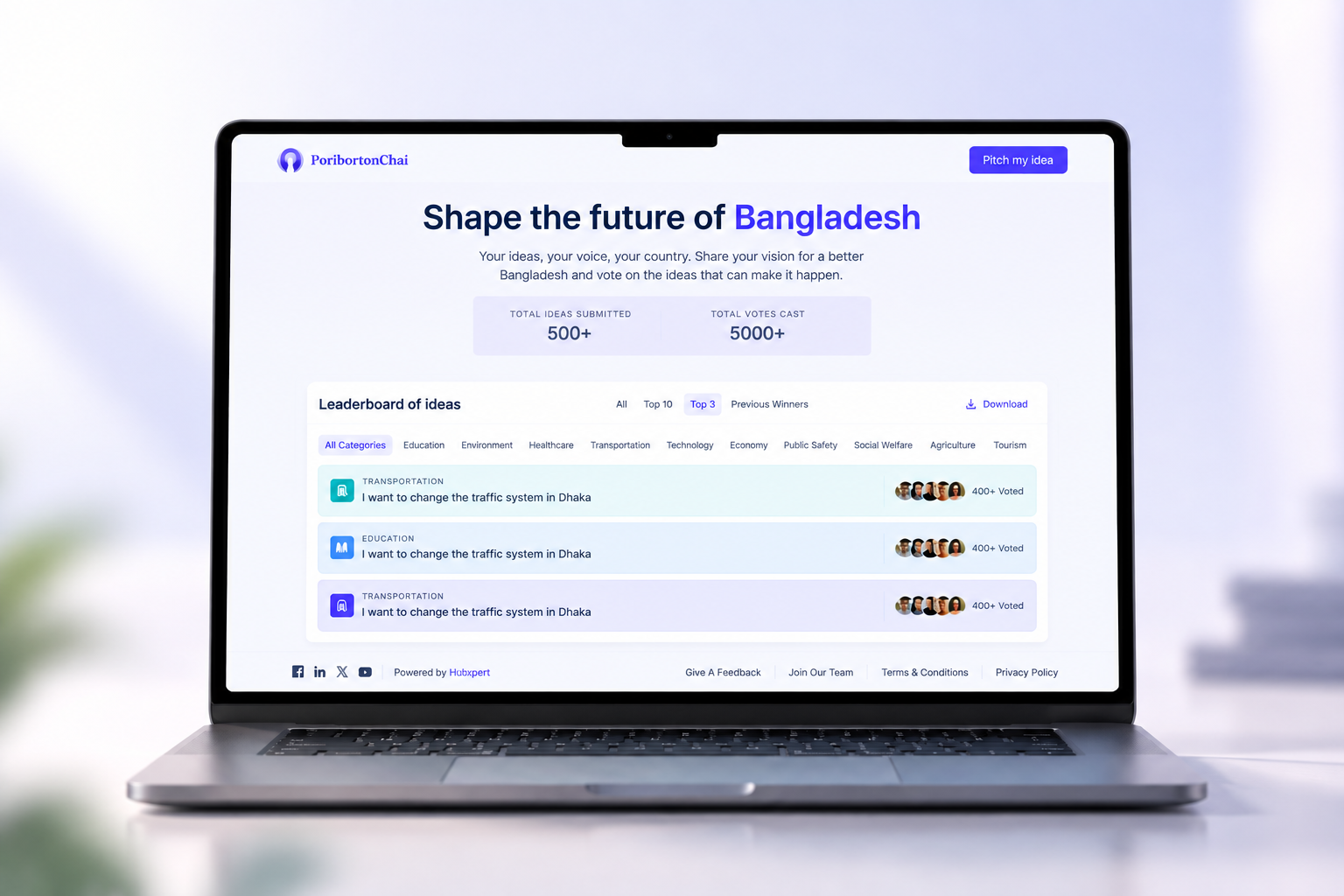
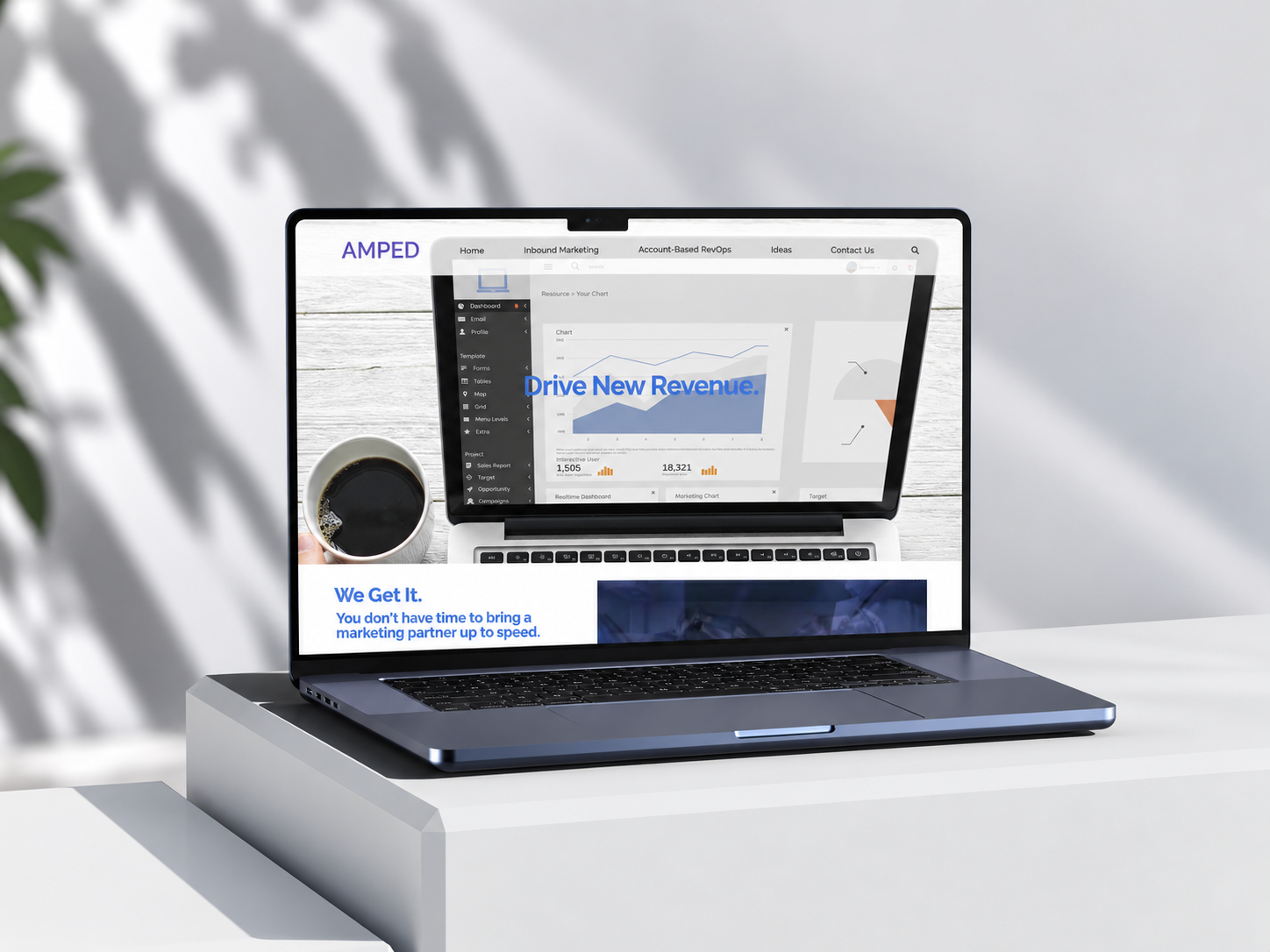
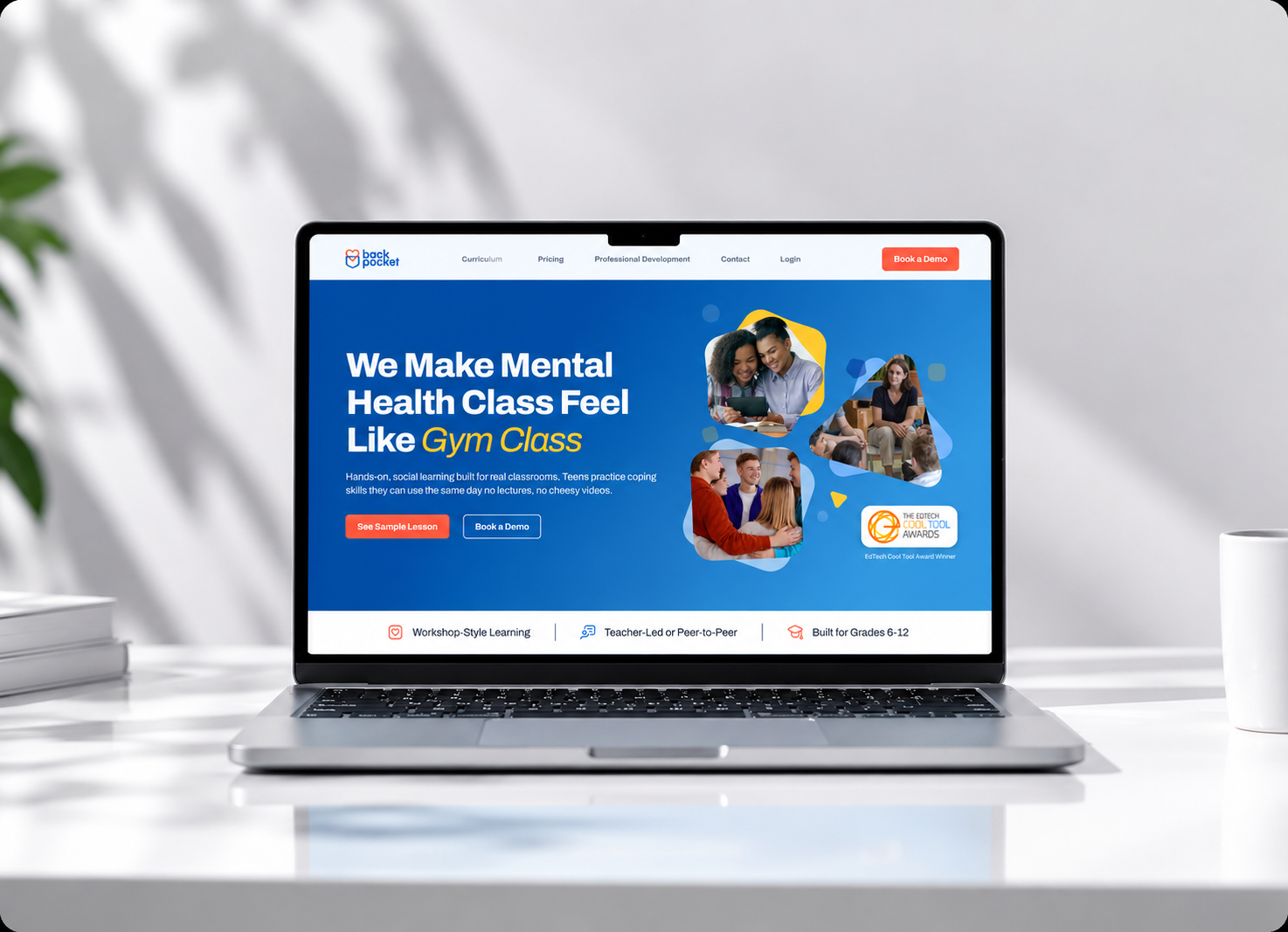
A curated selection of HubSpot implementations and digital marketing campaigns that moved the needle for our clients.
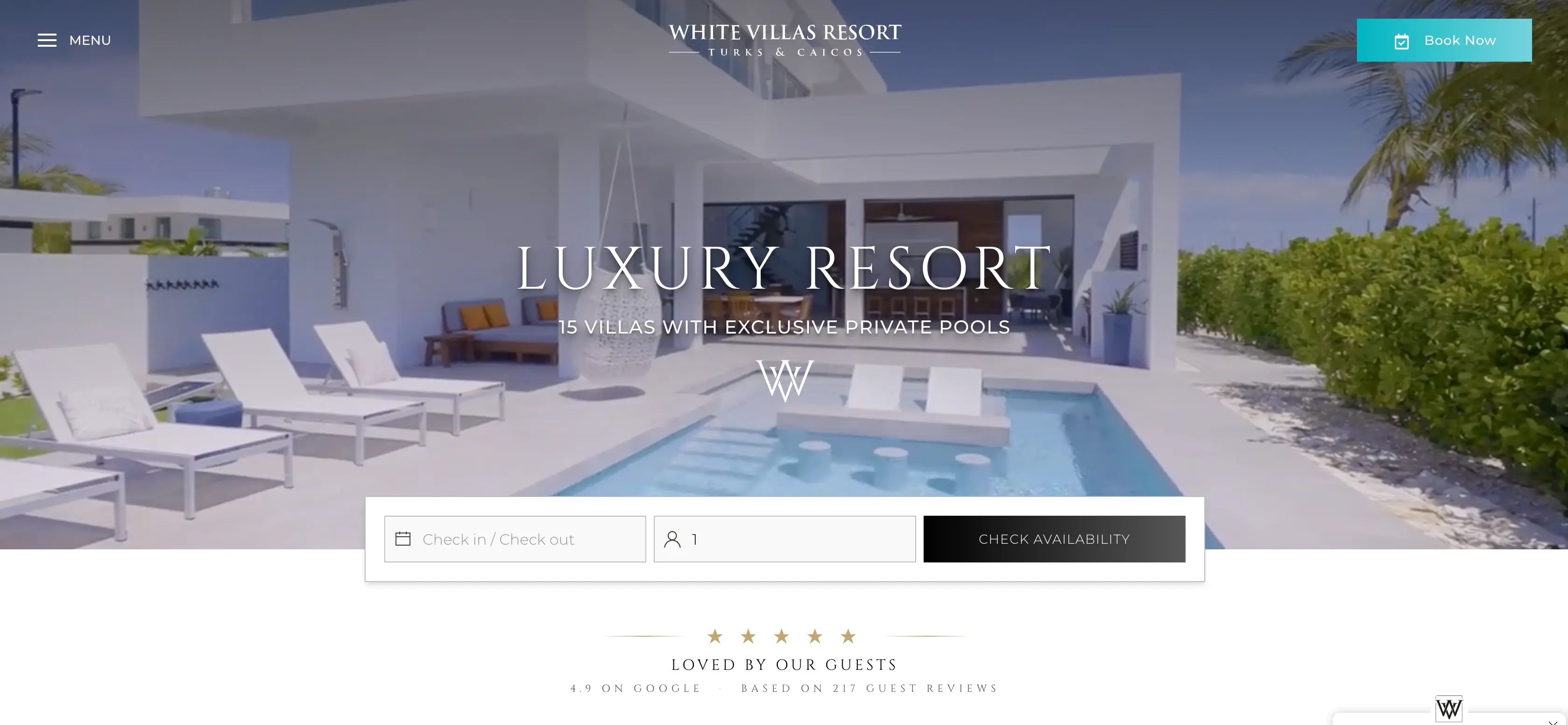
HOSPITALITY
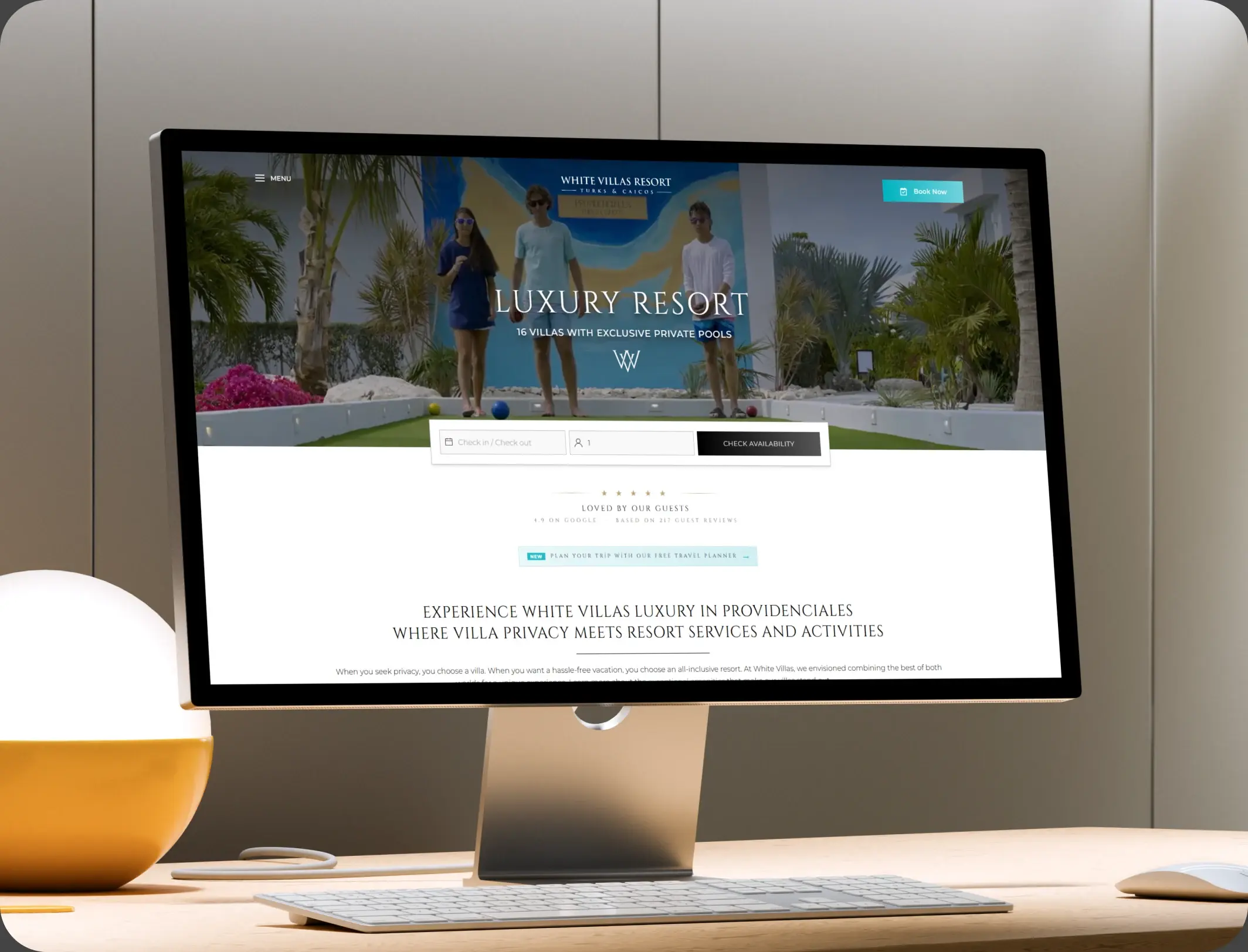
HubSpot End-to-End Guest Experience Automation for a Resort Villa - White Villas.
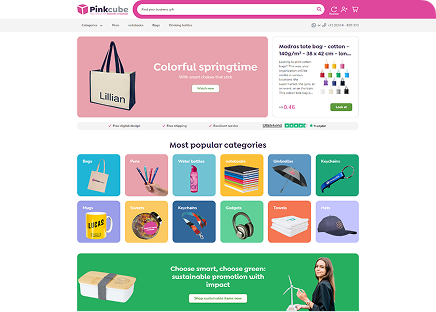
E-COMMERCE
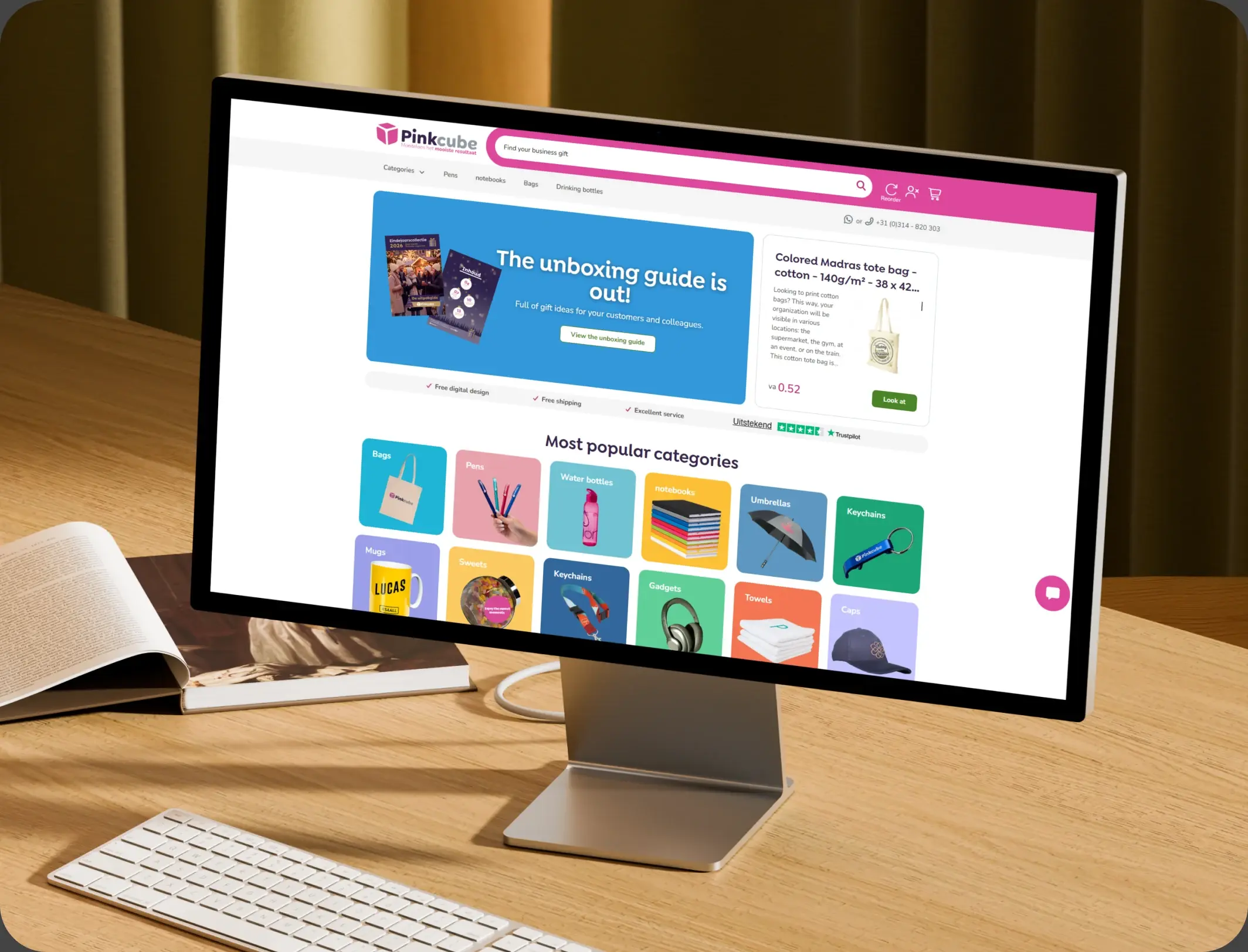
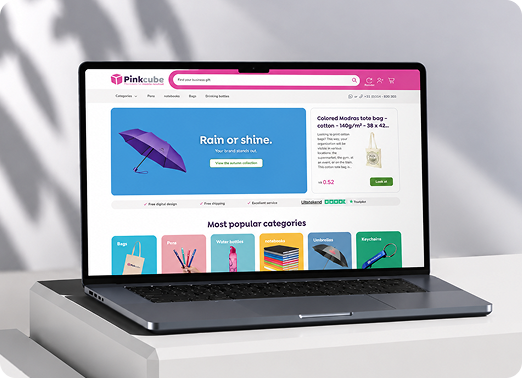
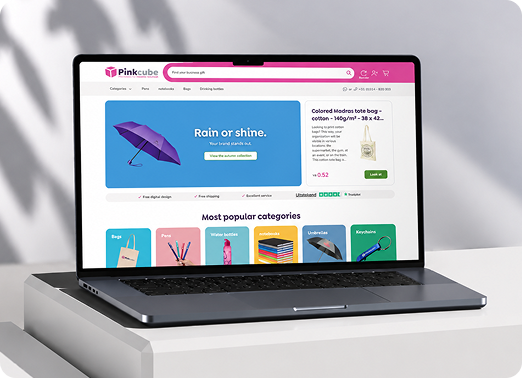
HubSpot Trengo to Service Hub Migration for an E-commerce Provider - Pinkcube.
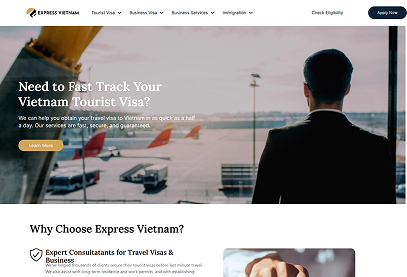
TRAVEL & VISA
HubSpot Onboarding and Integration for a State-Owned Visa Company - Express Vietnam.
Trade shows, partner referrals, and search bring RFPs in, with the source market recorded at first touch. Most group enquiries arrive after a trade event or referral.
Group size, dates, services, and budget are captured once, then routed to the specialist who prices it. Qualification decides whether the quote is worth building.
A won program creates the operations tasks automatically, so nothing is retyped between teams. Operations inherits whatever sales wrote down.
Pre-trip and post-trip communication runs on a cadence, and partner history keeps the next program warm.
Every request creates an opportunity with the source market, group size, and dates, then routes to the right specialist. A won deal creates the operations checklist.
A check-in at three days, a revised option at seven, and a specialist task if the partner has not replied by ten. The follow-up names the program and the market.
A won deal creates the operations tasks and the supplier checklist, with no retyping between teams. Rooming deadlines go out before they become urgent.
Confirmations, rooming deadlines, and final itineraries at set intervals before arrival. Feedback requests land while the program is still fresh.
A feedback request after the program, with a partner check-in once results are in.
Destination updates and new product sent to segmented partner lists on a monthly cadence.
A prompt when a partner has not sent an RFP for two seasons.
Certified platform expertise, with a track record across travel agency workflows and B2B group sales.
Built around your RFP stages, supplier process, and operations handoff. No generic templates.
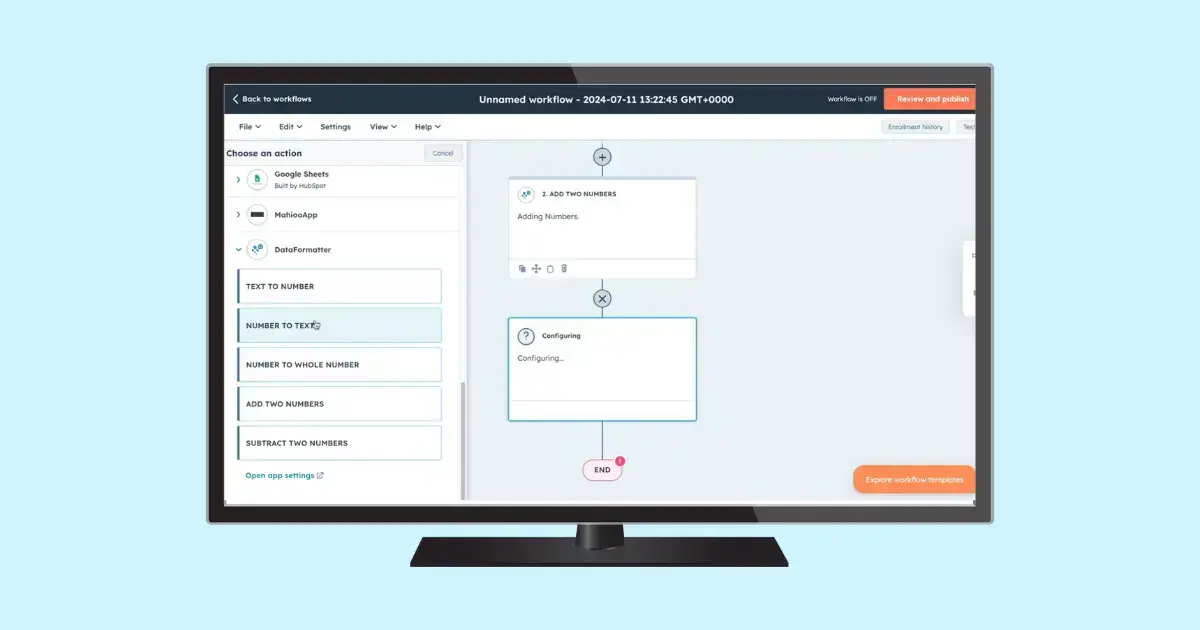
Multi-step workflows and conditional logic built for group timelines.
Clean imports from your current system or spreadsheets, with partner history intact.
An in-house team connecting HubSpot to your reservation, costing, and accounting systems.
Continuous refinement as the DMC adds destinations and source markets.
A DMC holds group data, traveler names, and supplier terms. The work is separation: rooming lists and documents stay in the operating system, payment detail stays with the provider, and the CRM carries the partner relationship and the RFP conversation. Access follows the role, and rates stay in costing.

Not every DMC needs every hub, and most start with Sales and Marketing before adding Service. Here is how each one lines up with a group travel business.
Your acquisition engine: partner campaigns, destination content, and nurture built for a nine-month group cycle. Partner campaigns run from the same account record.
Built for the RFP pipeline and the multi-stakeholder conversation behind a group, where six people agree before a signature. Each RFP carries an owner and a response window.
Where partner queries, changes, and on-trip issues get tracked against the program. Specialists see the partner history before quoting. Most DMCs start with Sales and Marketing, then add Service as volume grows.
Powers the website and destination content with built-in SEO, so product pages stay current. Destination and product pages get edited without a developer.
Connects reservation, costing, and accounting systems, most valuable at volume. Program data stays matched. Program data stays matched across offices instead of drifting.
Yes. It runs the commercial side of the business: RFP capture, qualification, proposal follow-up, the operations handoff, and partner reporting, while your reservation system keeps the itinerary. Most DMCs see the difference within the first season of live workflows. The CRM carries the relationship, not the manifest.
With HubSpot for Destination Management Companies, destination, group size, dates, services, budget, and itinerary needs sit on one opportunity, so a re-quote starts from a complete record rather than a search through email. Win rate is tracked, so the improvement is measurable. Every workflow is tested before it reaches a partner.
A won deal creates the operations tasks and supplier checklist automatically, which is where most DMCs lose days. The sequence is matched to the source market and group size.
Partners are accounts with history, segmentation, and engagement, so a change of account manager does not reset the relationship. Nothing is assumed native until the connector is confirmed.
Often through an API or middleware. Program and booking data cross over, and the sync direction is scoped first. Rooming lists never live in the CRM.
Yes. Source markets, currencies, and partner types are properties, so win rate and margin can be compared across markets. That is how cost per program becomes visible.
Rooming lists and documents stay in the operating system, access is role-based, and payment detail stays with the provider. We map which fields may hold traveler data before launch.
Most run six to ten weeks, depending on integrations and how much partner history needs migrating. Traveler detail stays in the operating system.
Ready to Win More Group Programs With HubSpot?
An RFP is sitting in an inbox right now with the dates already fixed. We build around your RFP stages, your supplier process, and your team. No generic setup, and no handoff left to memory. The RFP will not wait for a handoff, and the group will not wait for a quote. Every day of delay is margin.