























Watch for the Trigger
Audit findings, news events, and compliance dates are recorded against accounts, and a change raises a task. Most deals begin with an event the buyer did not choose.
You cannot demo stopping an attack the way other software demos a feature, and proving the product works means proving something never happened. HubSpot catches the moment fear opens a budget, builds trust through validation rather than a walkthrough, and makes the renewal case for a negative outcome.

Teams that leveled up their growth with HubXpert
A breach, an audit finding, or a compliance deadline turns a dead deal into an emergency approval overnight, and most systems cannot catch that moment. A breach elsewhere in the sector is a budget argument.
Showing how you would stop an attack often means revealing how the attack works, so trust has to come from validation. The security architect can say no and cannot say yes.
A security architect gates the deal and a risk committee funds it, and both need different evidence on different days.
Nobody can see the attacks that did not land, so the renewal case has to be assembled rather than assumed.
Third-party test results and customer references travel further than a features matrix in this category.
A deal that closed because a breach hit the news gets credited to the last nurture email.
HubSpot for Cybersecurity SaaS covers five areas where urgency and validation decide the quarter.
Audit, breach, or deadline.
A trigger raises a task in hours.
Who now has a budget reason.
Deals that started with an event.
Third-party tests and results.
Architect and committee get different packs.
Which asset moved the decision. Deals.
Validation against outcome.
Each gate with a name and a clock. The event.
Standard responses ready.
Five days idle raises a call. A gate.
Days per gate, by buyer type.
Assets protected, incidents blocked.
A summary the client can forward.
A conversation, not a reminder.
By segment and tenure.
A careful setup with role-based access, and telemetry, findings.
A curated selection of HubSpot implementations and digital marketing campaigns that moved the needle for our clients.
SAAS
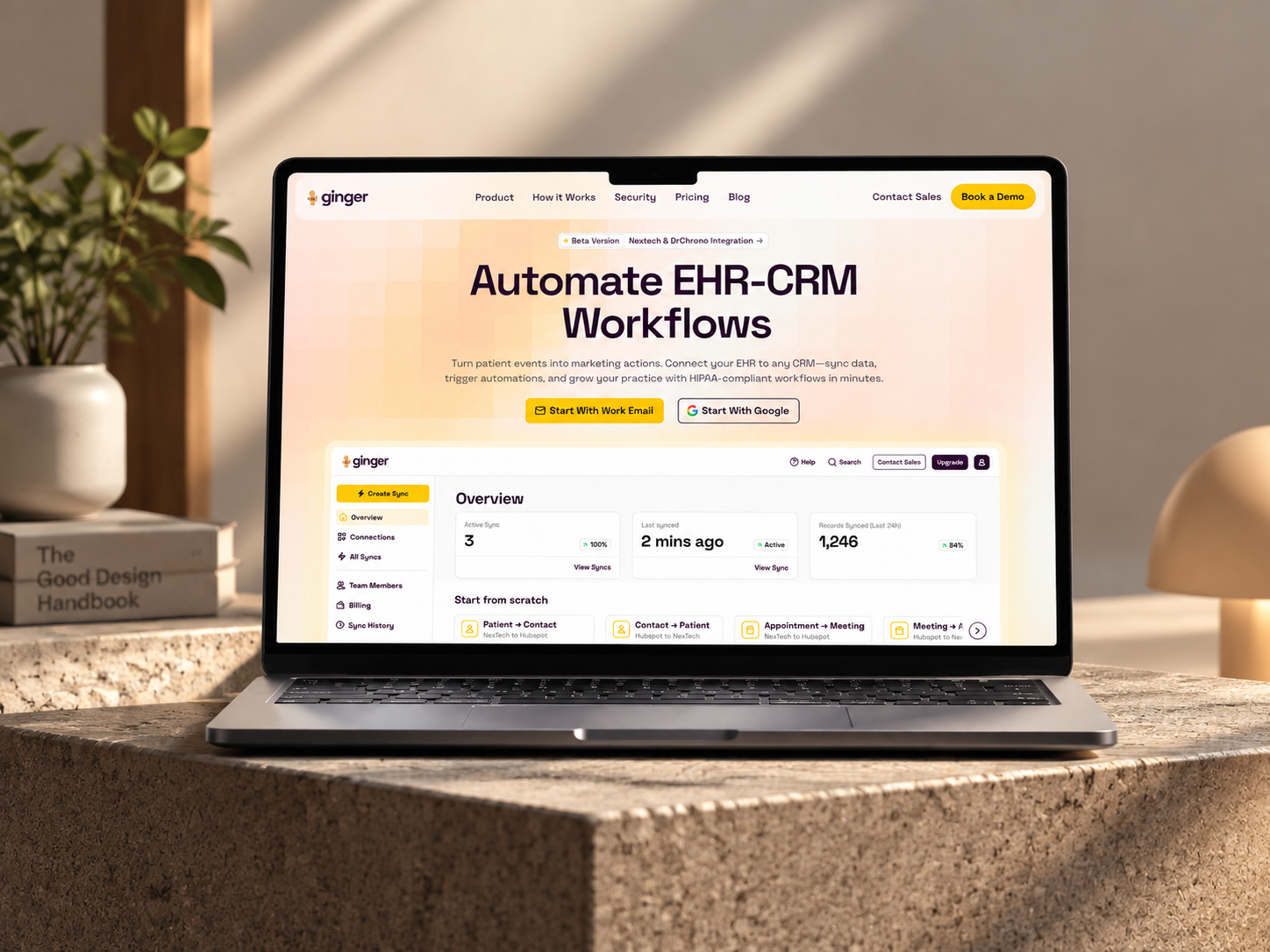
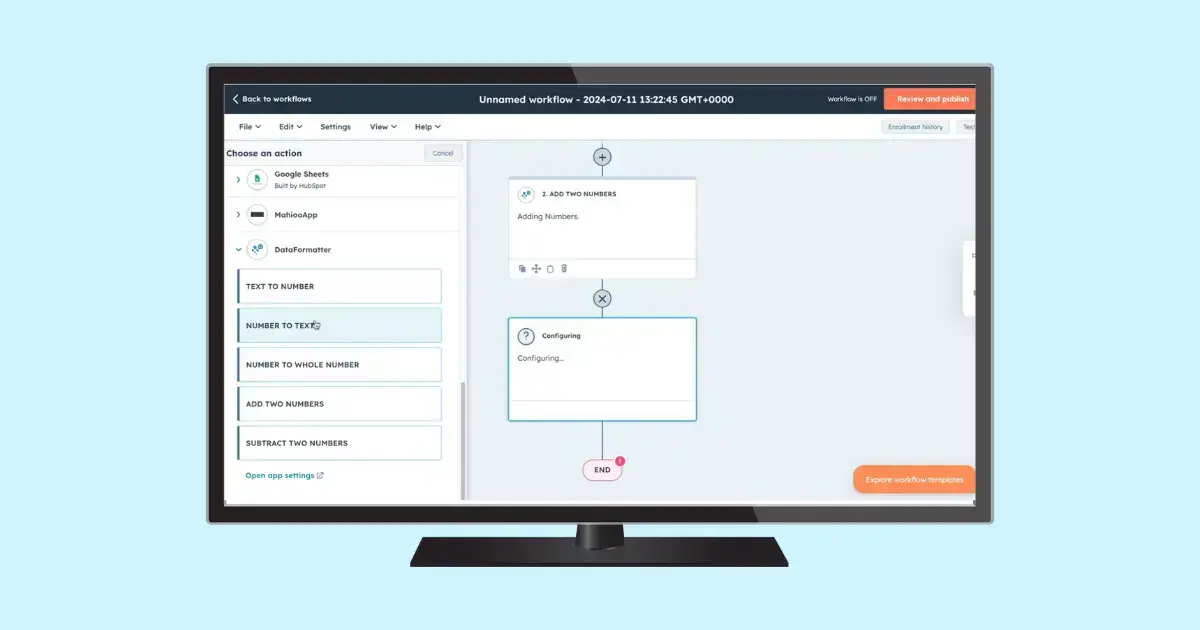
SystemHub is a business process documentation platform that helps companies capture, organize, and optimize their core workflows.
SAAS
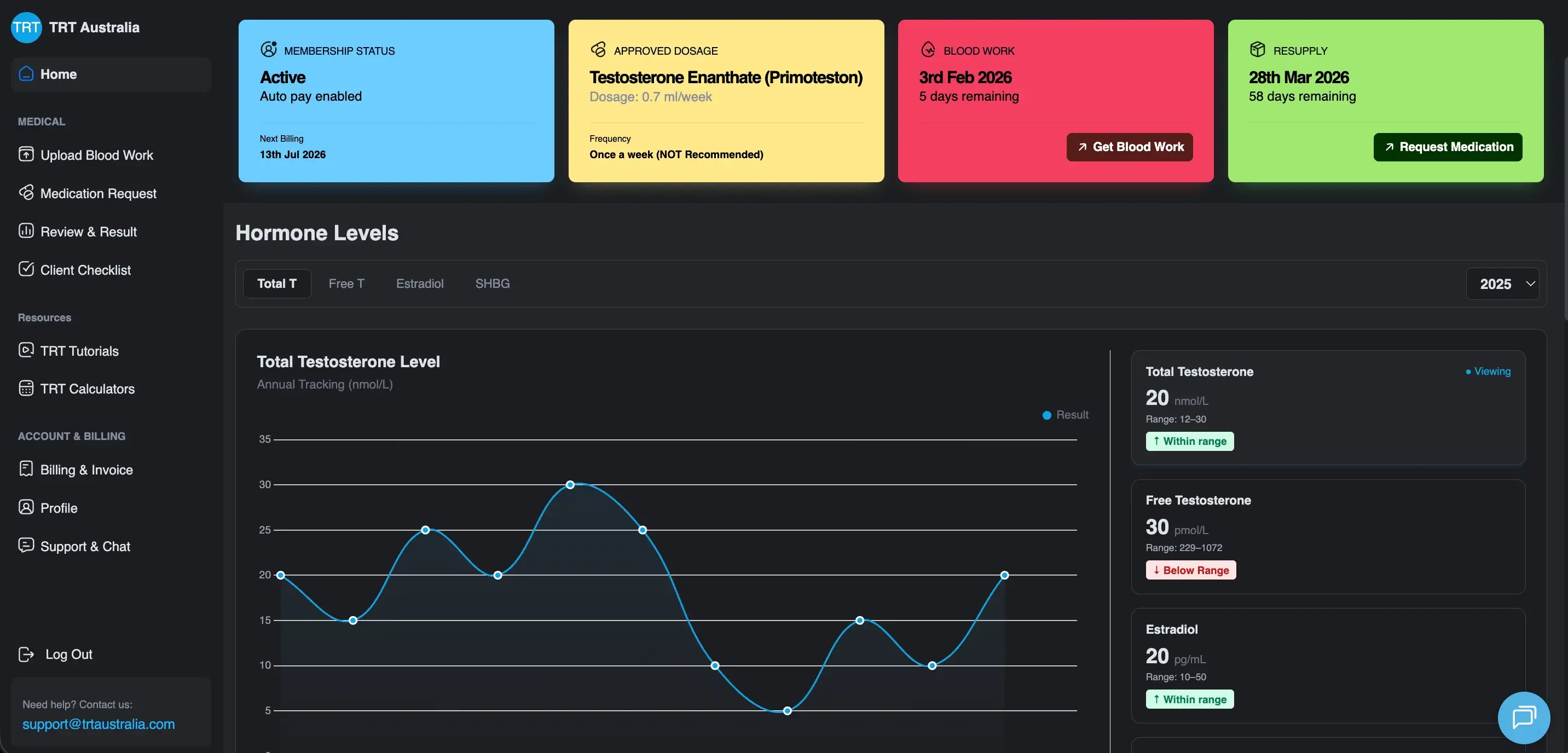
Gander is a SaaS platform that specializes in simplifying the process of curating and displaying high-quality videos
SAAS
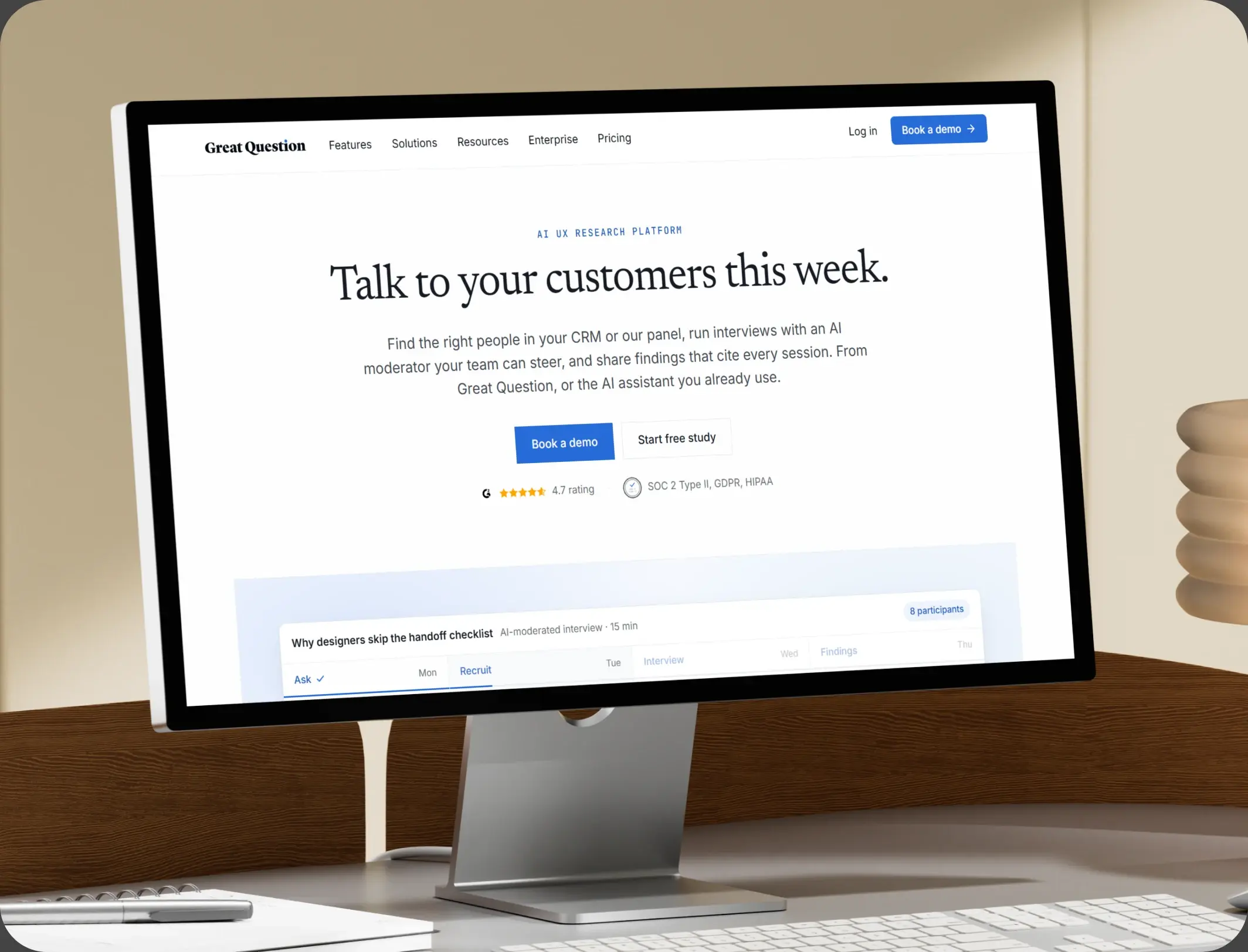
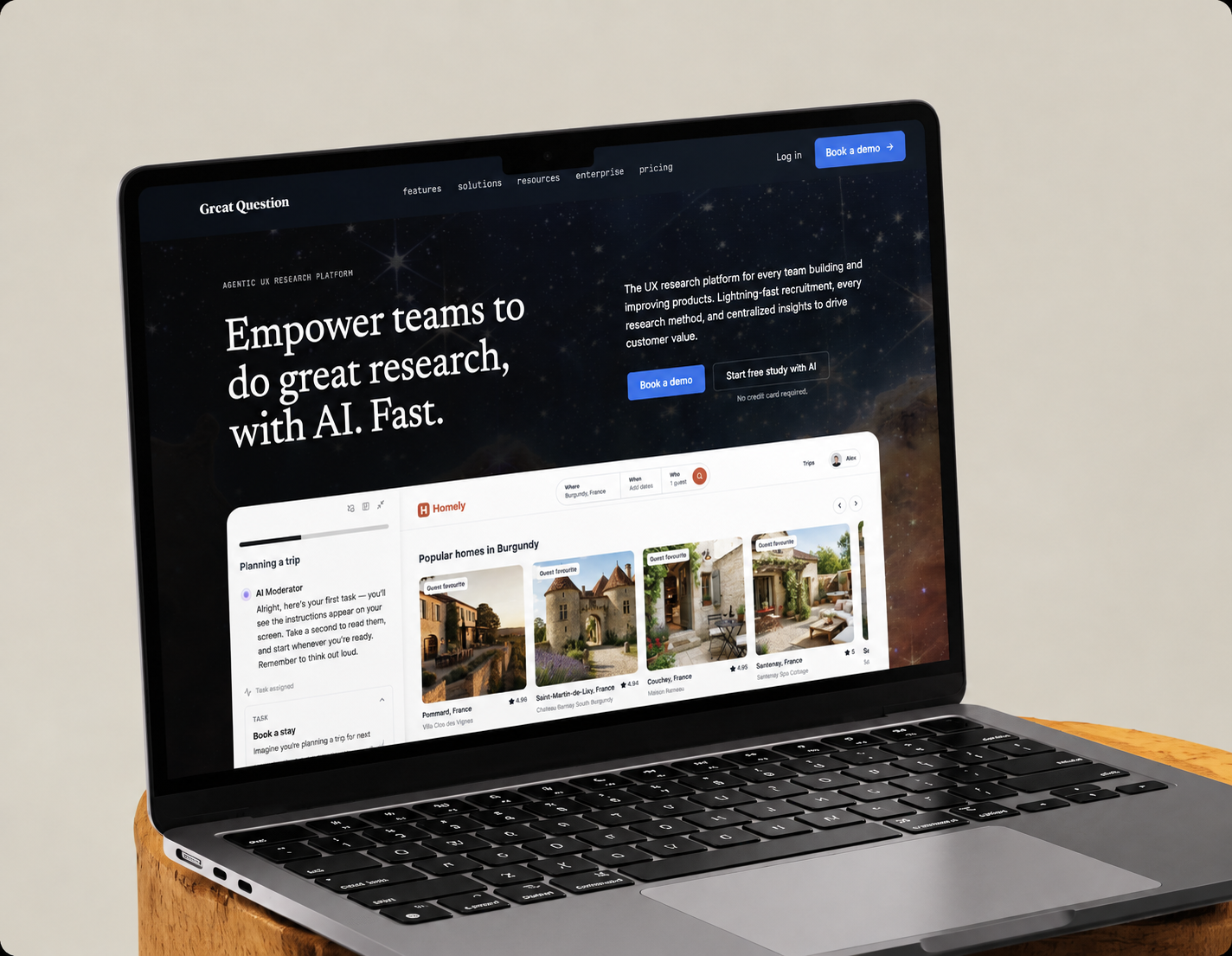
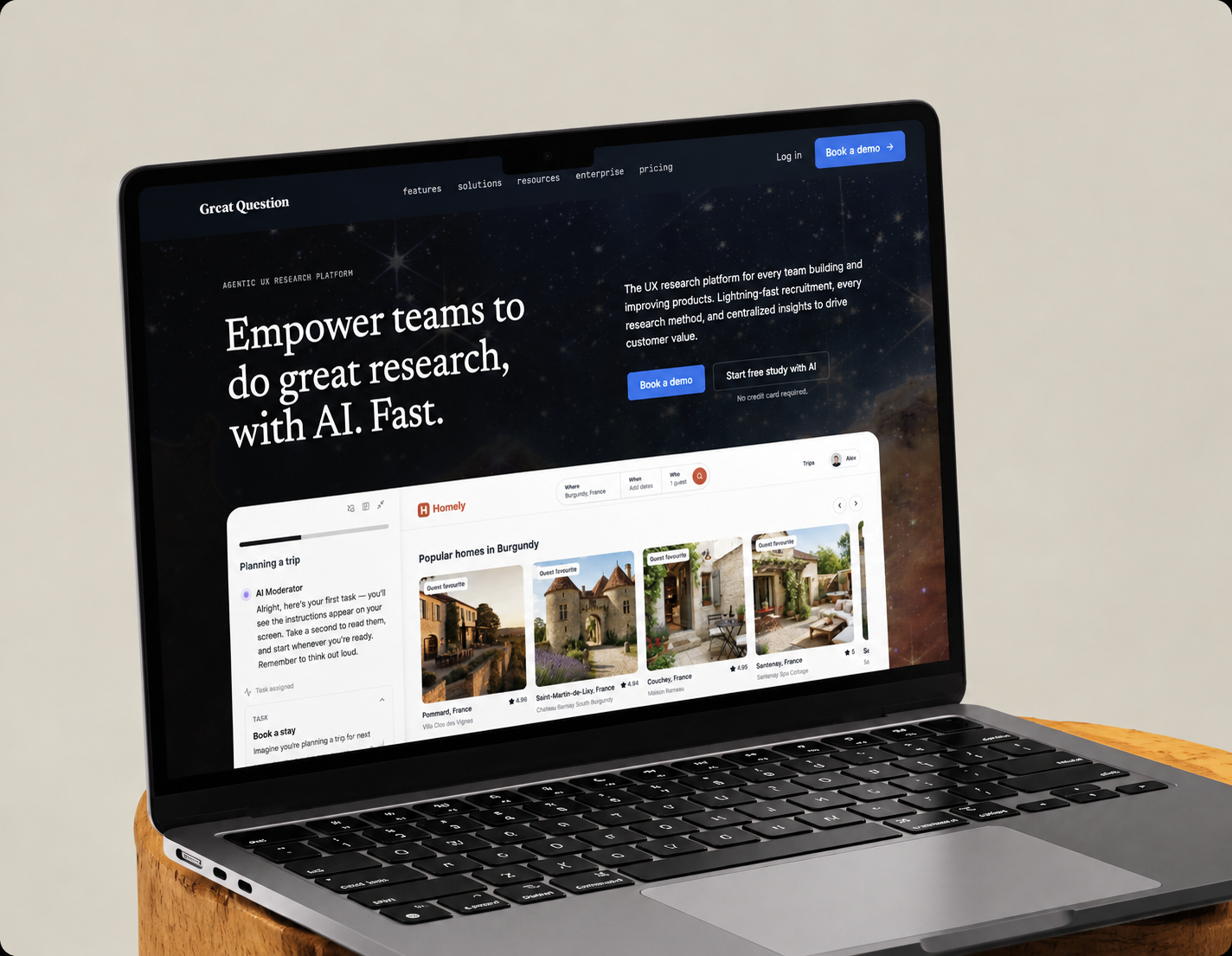
Great Question is an all-in-one UX research platform that helps companies collect user feedback, conduct surveys, and engage in meaningful conversations.
Audit findings, news events, and compliance dates are recorded against accounts, and a change raises a task. Most deals begin with an event the buyer did not choose.
The architect receives validation evidence, and the committee receives the risk summary. The architect evaluates quietly before anyone speaks to sales.
Questionnaire, pen-test review, and legal each have an owner, a date, and reusable answers. Questionnaires arrive after the technical call, not before.
Coverage and blocked incidents assemble into a quarterly summary the client can take to their board.
A recorded event raises an owner task within four hours, with the reason attached. Each gate has an owner and a date.
Architect and committee receive different documents automatically. Five days idle escalates to a named person.
Five days in one gate escalates to the named owner. Validation packs are matched to the role receiving them.
Assets protected and incidents blocked summarised for the client's own board. Coverage reporting runs quarterly.
Ninety days out, the year's coverage and validation results assemble automatically. Renewal evidence assembles ninety days out.
A new security lead raises a briefing task and a refreshed validation pack. An incident at a customer raises a check-in within two days.
An incident at a customer raises a check-in within two days, not a marketing email. Every gate names the person holding it.
Certified platform expertise, with a track record across security and technical SaaS builds. Review gates are mapped before a workflow is built.
Built around your review gates, validation assets, and renewal cycle. No generic templates.
Multi-step workflows and conditional logic built for trigger-led demand.
Clean imports from your existing CRM, with account and review history intact.
An in-house team connecting HubSpot to your platform telemetry and trust center.
Gate time, trigger conversion, and renewal tracked from launch.
A security vendor is judged on its own posture before anything else is discussed. The work is discipline: telemetry and customer environment detail stay in the platform, evidence is linked from a versioned source, and access follows the role. Telemetry stays in the platform. Evidence is linked from a versioned source.
Not every team needs every hub, and most start with Sales before adding Marketing. Here is how each one lines up with a fear-driven, evidence-led sale.
Content for a buyer who researches quietly and reads everything. Trigger sequences run from the same record as the deal. Comparison pages matter when the buyer is replacing an incumbent.
Built for the gates, as part of a SaaS CRM build for security sales. Incident follow-ups sit on the account, not in a shared inbox. Most teams start with Sales, then add Marketing as pipeline grows.
Where incident follow-ups and technical questions sit on the account. Validation and comparison pages get edited without a developer. A trust center answers the first ten questions before a call.
Powers the validation and comparison pages a reviewer actually reads. One record links the trigger, the gate, and the renewal.
Connects platform telemetry and the trust center, which is how coverage reporting stays honest. Platform data stays where it lives, and the CRM points at it.
Yes. It runs the trigger and the evidence: urgency events, reviewer packs, review gates, and renewal proof, while your platform keeps telemetry. Most teams see the difference in the first quarter. The CRM carries the review, not the telemetry.
Audit findings, breach news, and compliance dates are recorded on the account, and a change raises an owner task within hours. Gate time is tracked, so the improvement is measurable. Every workflow is tested against a real deal first. Most teams see the difference in the first quarter.
Validation assets replace the demo: third-party tests and references go to the architect, and the risk summary goes to the committee. The sequence is matched to the trigger and the role. Gate escalations run daily during a live review.
Each gate has an owner and a clock, standard answers are on file, and five days of no movement escalates to a named person. Nothing is assumed native until the connector is confirmed. Renewal timing follows the contract term.
Coverage and blocked incidents are logged through the year and summarised quarterly, so the client has a document rather than an assurance. Telemetry never sits in the CRM.
Telemetry and environment detail stay in the platform, evidence is linked from a versioned source, and access follows the role. That is how cost per opportunity becomes visible.
Yes. The first touch is stored before the trigger, and the trigger is recorded separately, so both can be compared. We map the gates before anything is built.
Most run four to six weeks, with the telemetry integration the longest part. Evidence links are checked before launch.
Ready to Move Before the Next Audit Finding Lands?
An account raised a budget after a breach in its sector, a questionnaire has been open for twelve days, and the renewal pack does not exist. We build around your triggers, your gates, and your evidence. No generic setup, and no gate left without an owner.