













Take the Brief
Dates, party, budget, and pace are recorded, with the preferences that shape every later decision. Most enquiries arrive from a past guest or a referral.
A bespoke itinerary takes a week to build and a month to decide, and in that month the traveller is talking to two other companies. HubSpot keeps the brief, the revisions, and the supplier quotes on one record, chases the decision without nagging, and stops the work disappearing into a WhatsApp thread.

Teams that leveled up their growth with HubXpert
The itinerary, the costings, and the supplier confirmations are rebuilt for each enquiry, even when the trip resembles one you sold last year.
A family or a group committee debates for a month, and the company that follows up is the one that gets the booking. The group decides together, slowly, and mostly without telling you.
Three versions of the same trip, each with a different hotel and a different budget, and nobody knows which one the client is looking at.
A rate held in March is not a rate in June, and a proposal built on stale numbers loses money when it is accepted.
The relationship lives with one person, and when they leave, the client goes with them.
A booking that began with a past guest gets credited to whichever campaign ran last. Three revisions of the same trip is normal, and so is losing track.
HubSpot for Custom Tour Companies covers five areas where a bespoke sale is won or lost in the follow-up.
Budget, dates, and party. Segment by party type.
Dietary, mobility, and pace.
Which itinerary is live.
Briefs that became bookings.
When the group meets.
A useful note, not a chase.
Ten days quiet raises a task.
Replies by stage.
Rate, supplier, and expiry.
Before the proposal goes out.
Cost against sell price.
By destination and type.
Trips by type and budget.
A starting point, not a rebuild.
Who delivers reliably.
Hours to first draft.
A careful setup with role-based access, and passport details, health notes.
A curated selection of HubSpot implementations and digital marketing campaigns that moved the needle for our clients.
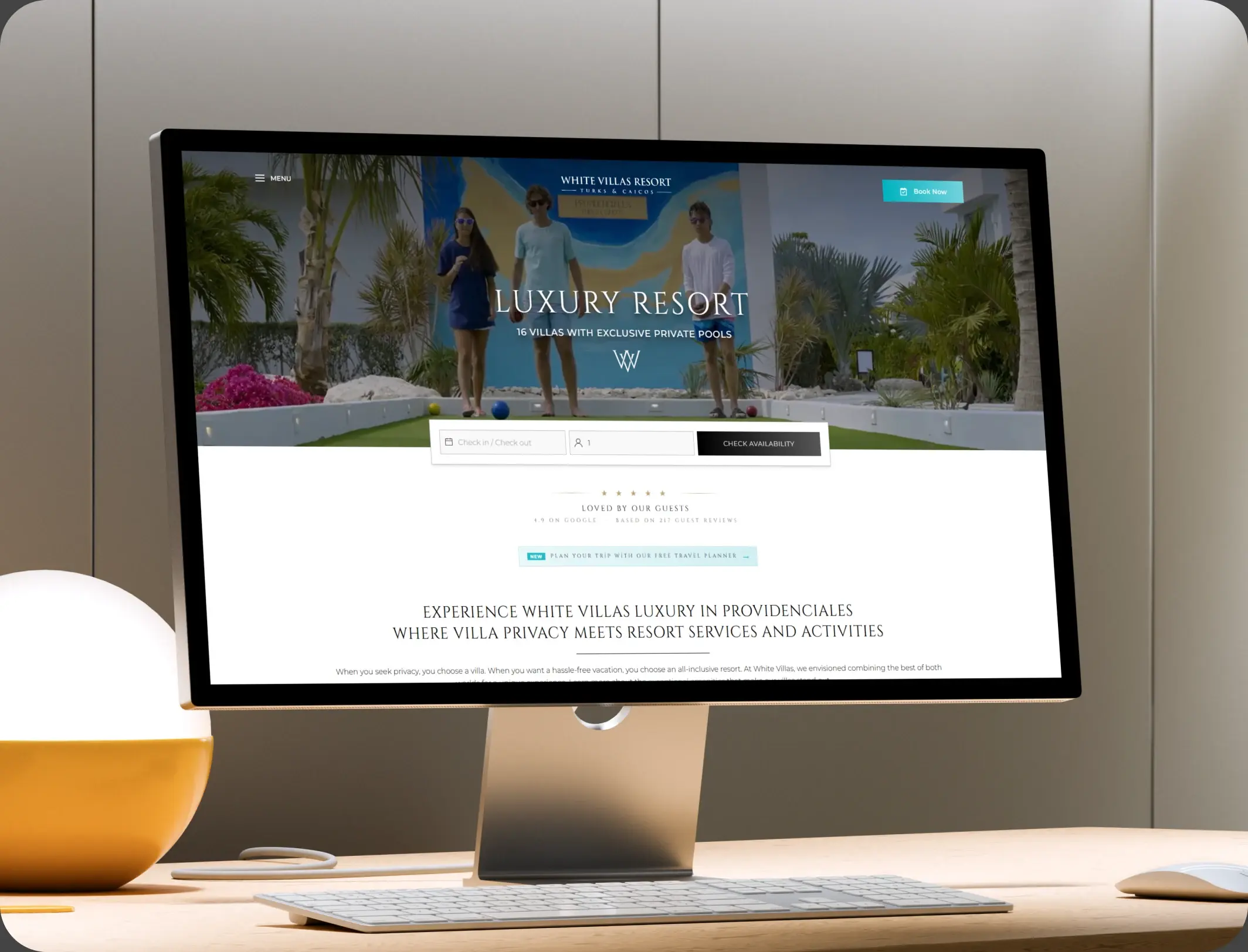
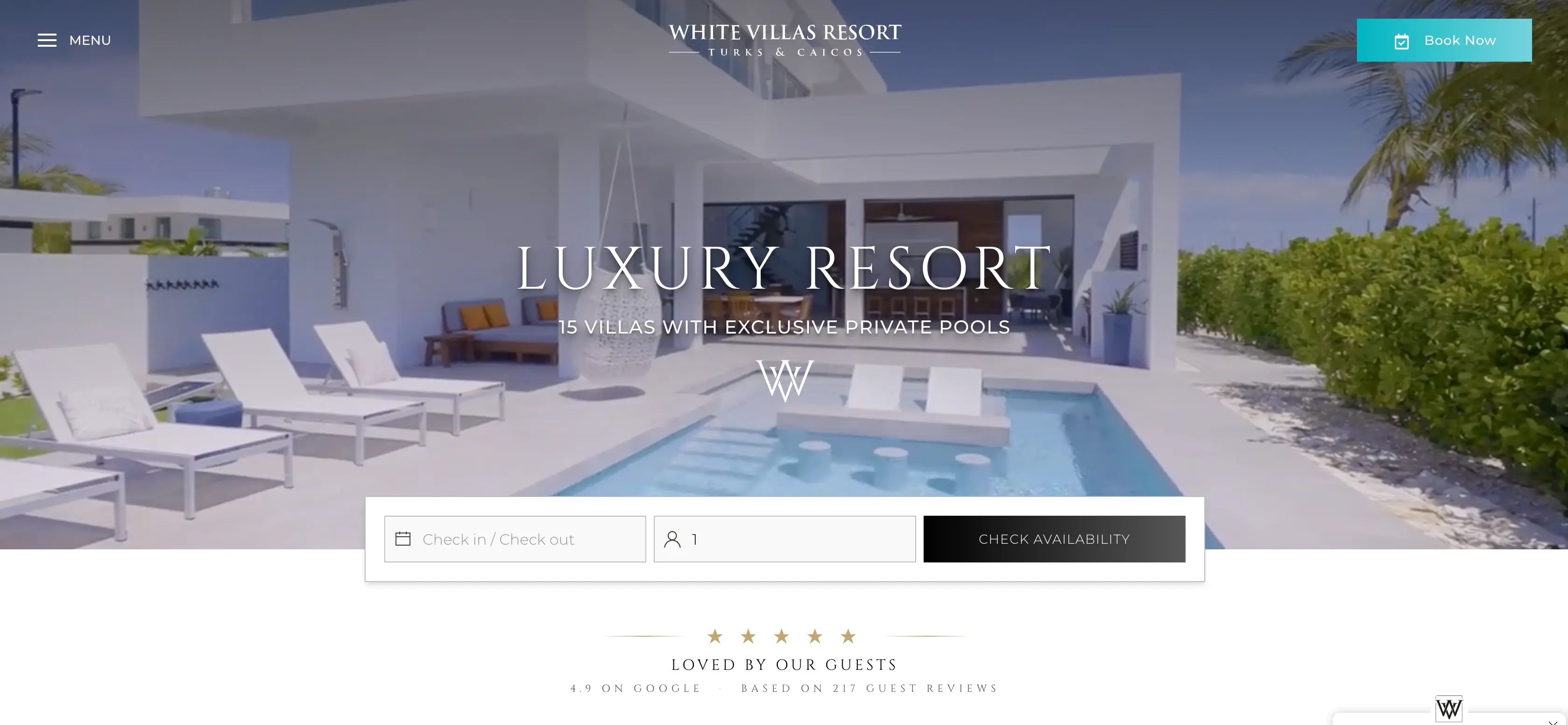
HOSPITALITY
HubSpot End-to-End Guest Experience Automation for a Resort Villa - White Villas.
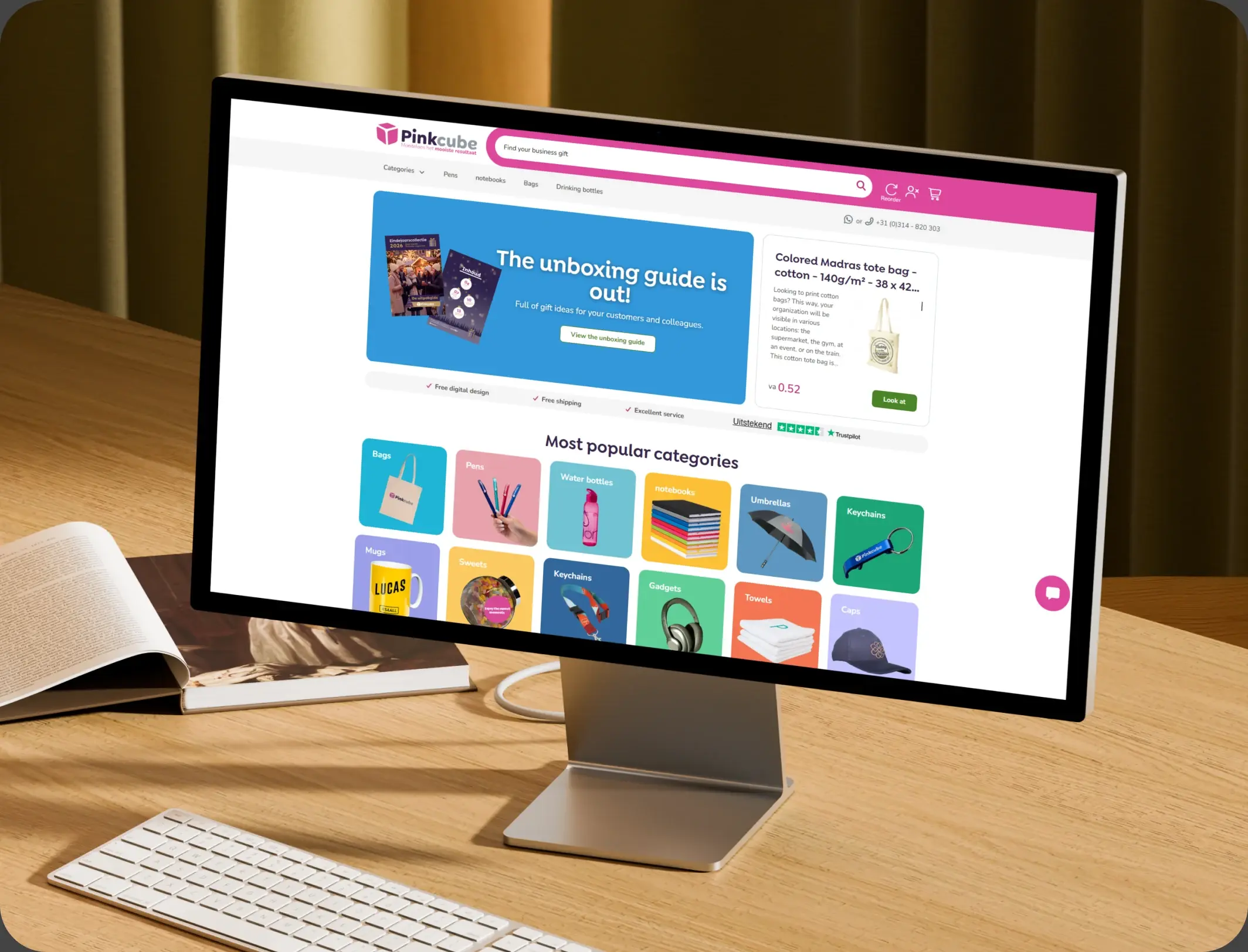
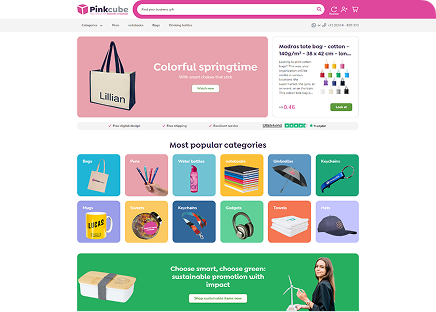
E-COMMERCE
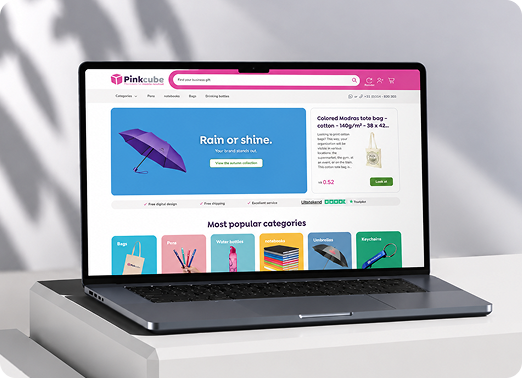
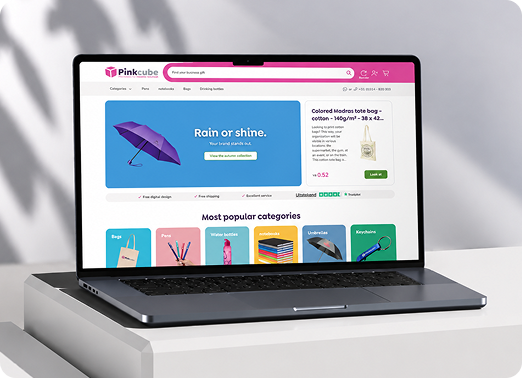
HubSpot Trengo to Service Hub Migration for an E-commerce Provider - Pinkcube.
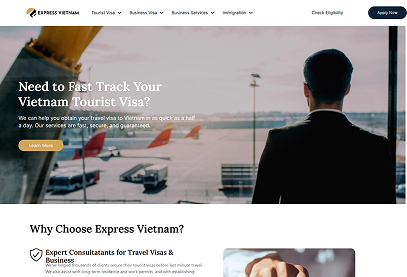
TRAVEL & VISA
HubSpot Onboarding and Integration for a State-Owned Visa Company - Express Vietnam.
Dates, party, budget, and pace are recorded, with the preferences that shape every later decision. Most enquiries arrive from a past guest or a referral.
An itinerary starts from the library, is adjusted, and is priced from quotes with expiry dates attached.
Revisions are versioned, the decision date is known, and a quiet fortnight raises a follow-up. The proposal is designed around a specific family or group.
The confirmed trip hands over with context, and a year later the next idea arrives before anybody asks. Revisions are where the relationship is either built or lost.
A proposal without a response in five days prompts a useful follow-up, not a reminder that it exists.
A supplier rate expiring before the decision date raises a task to reconfirm or reprice. A rate expiring before the decision raises a reprice task.
The group's decision date is tracked, with a note scheduled two days before. A decision date two days out raises a note.
Ten days without contact raises a task with the last itinerary attached. Ten quiet days raise a task with the itinerary attached.
Each version is numbered, so the client and the team reference the same trip. Each revision is numbered and stored.
Three weeks after return, a referral request and a short review ask go out. A post-trip prompt goes out after three weeks.
A year after travel, a matched itinerary idea arrives without a hard sell. An anniversary idea goes out after a year.
Certified platform expertise, with a track record across travel workflows and bespoke operators.
Built around your brief, revision, and quoting process. No generic templates.
Multi-step workflows and conditional logic built for long decision cycles.
Clean imports from spreadsheets or a booking system, with client history intact.
An in-house team connecting HubSpot to your booking and accounting tools.
Conversion, margin, and repeat rate tracked from launch.
A bespoke operator collects health notes, mobility requirements, children's ages, and passport detail, and holds it for a trip that may be months away. The work is separation: sensitive documents stay in the booking system, and the CRM carries the brief, the itinerary, and the conversation.

Not every operator needs every hub, and most start with Sales before adding Marketing.
Your inspiration engine, aimed at travellers who plan a year ahead and read everything. Most operators start with Sales, then add Marketing for inspiration. Inspiration content earns a year of planning time.
Built for proposals and decisions, where the brief, the quote, and the revision share a record. Proposal sequences run from the same record as the brief. One record links the brief, the quote, and the booking.
Where pre-trip questions, in-trip changes, and complaints sit on the booking. Pre-trip questions sit on the booking, not in an inbox.
Powers the itinerary stories that earn the enquiry months before the call. Here is how each one lines up with a business that sells a designed trip rather than a seat on a coach.
Connects booking and accounting, which is the only way margin stays visible. Itinerary stories get edited without a developer. The booking system stays the source, and the CRM points at it.
Yes. It runs the commercial side of a bespoke sale: the brief, the proposal versions, supplier quotes, the decision timeline, and the repeat booking, while your booking system keeps documents and payments. The value is that a month of deliberation becomes a managed process rather than a hopeful wait.
The decision date is recorded, follow-ups carry something useful rather than a reminder, and ten days of silence raises a task with the last itinerary attached. Most bespoke bookings go to whichever company is still present when the group finally decides.
Every supplier quote is logged with a rate and an expiry, and a rate expiring before the decision date raises a task to reconfirm or reprice. That is how a proposal stops losing money on the day it is accepted.
Itineraries start from a library of proven trips rather than a blank page, are adjusted for the brief, and are priced from current quotes. Time to first draft is reported, which usually falls by half in the first season.
The client record carries every trip, preference, and conversation, so a handover is a document rather than a forwarding address. The relationship stays with the company, which is the point.
Three weeks after return, a referral request and a short review ask go out, and a year later a matched itinerary idea arrives without a hard sell. Repeat rate is reported, because it is the cheapest growth in the business.
In the booking system. The CRM carries the brief, the itinerary, and the conversation, and access follows the trip team so sensitive detail stays with the people handling that departure.
Most run four to six weeks, timed so it is live before the planning season for the next year.
Ready to Stop Losing Quotes to Silence?
Six proposals are open, two clients have gone quiet, and the quote built in March was accepted in June at March prices. We build around your design process, your suppliers, and your team. No generic setup, and no proposal left to silence. The next season is measured against your own conversion.