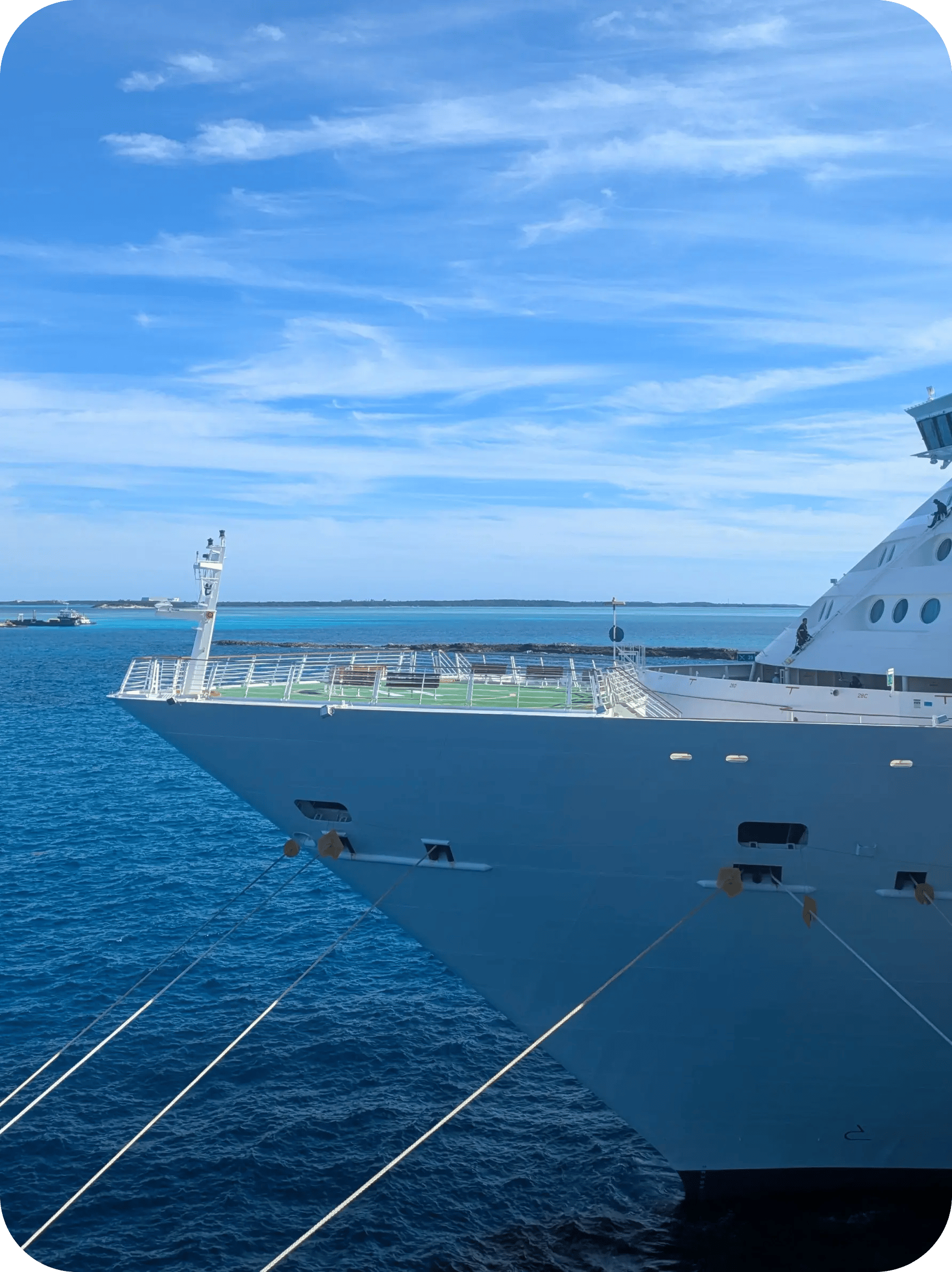












Attract Cruise Enquiries
Search, past-guest referrals, and host agency leads bring enquiries in, with the source recorded at first touch.
A cruise is booked months before it sails, and in that gap fares move, cabins sell out, and final payment dates arrive. Miss one and the client loses a lower fare or the booking itself. HubSpot keeps every sailing, deadline, and client conversation on one record, from first enquiry to the next cruise.
Teams that leveled up their growth with HubXpert
A cruise can be booked a year before it sails. In that window fares move, cabin categories sell out, and final payment dates arrive.
Host agency platforms manage bookings, commission, and paperwork well. They were never built for nurture, campaigns, or showing which channel produces clients who book.
Prices move after a booking, and a client who sees a lower fare elsewhere wonders why nobody told them. Price protection is a service, and it needs a watch.
Drinks packages, excursions, and insurance are decided before sailing, and most agencies raise them once, at booking, then never again.
Cruise clients tend to book again, often with the same line. Without history and a past-guest campaign, the next booking goes to whoever emails first.
Paid search, host agency leads, and referrals all claim the same booking. Without attribution, marketing spend follows habit.
HubSpot for Cruise Agencies covers five areas where an agency can protect commission and book the next sailing.
Itinerary pages, forms.
Cruise line, destination, cabin.
Stay present while they compare sailings.
See which campaigns.
A task before the deadline.
A check that runs on booked sailings.
Everything the client chose, on one record.
A booking with no contact for weeks surfaces.
Offered when the booking is still flexible.
Add-on deadlines tracked per sailing.
Families and couples get different options.
See what actually sells and when.
Line, itinerary, cabin, and dates.
New seasons offered to past clients first.
Outreach before a habit fades.
Each booking traced to who recommended it.
A privacy-conscious setup with role-based access, and passenger documents.
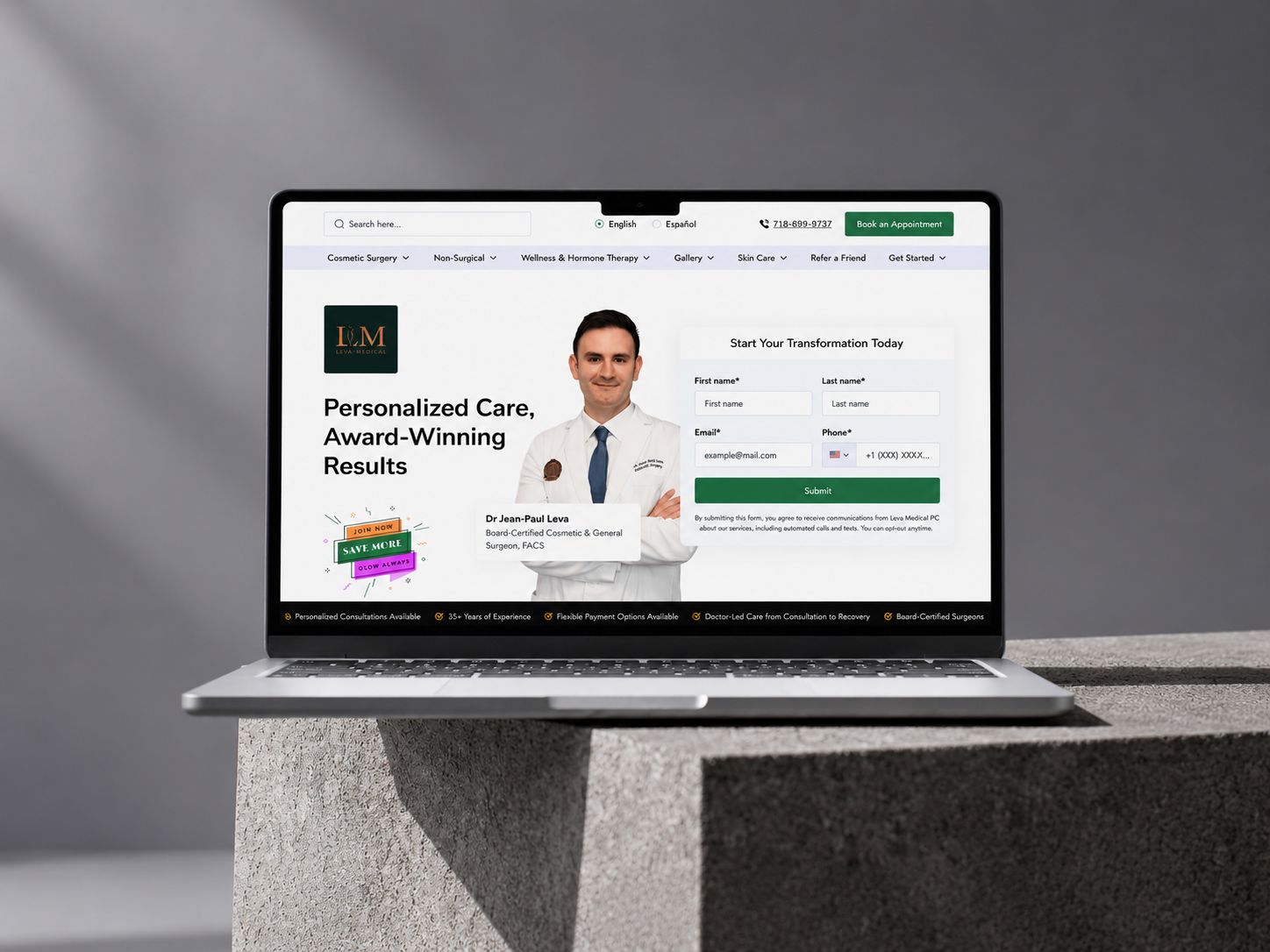
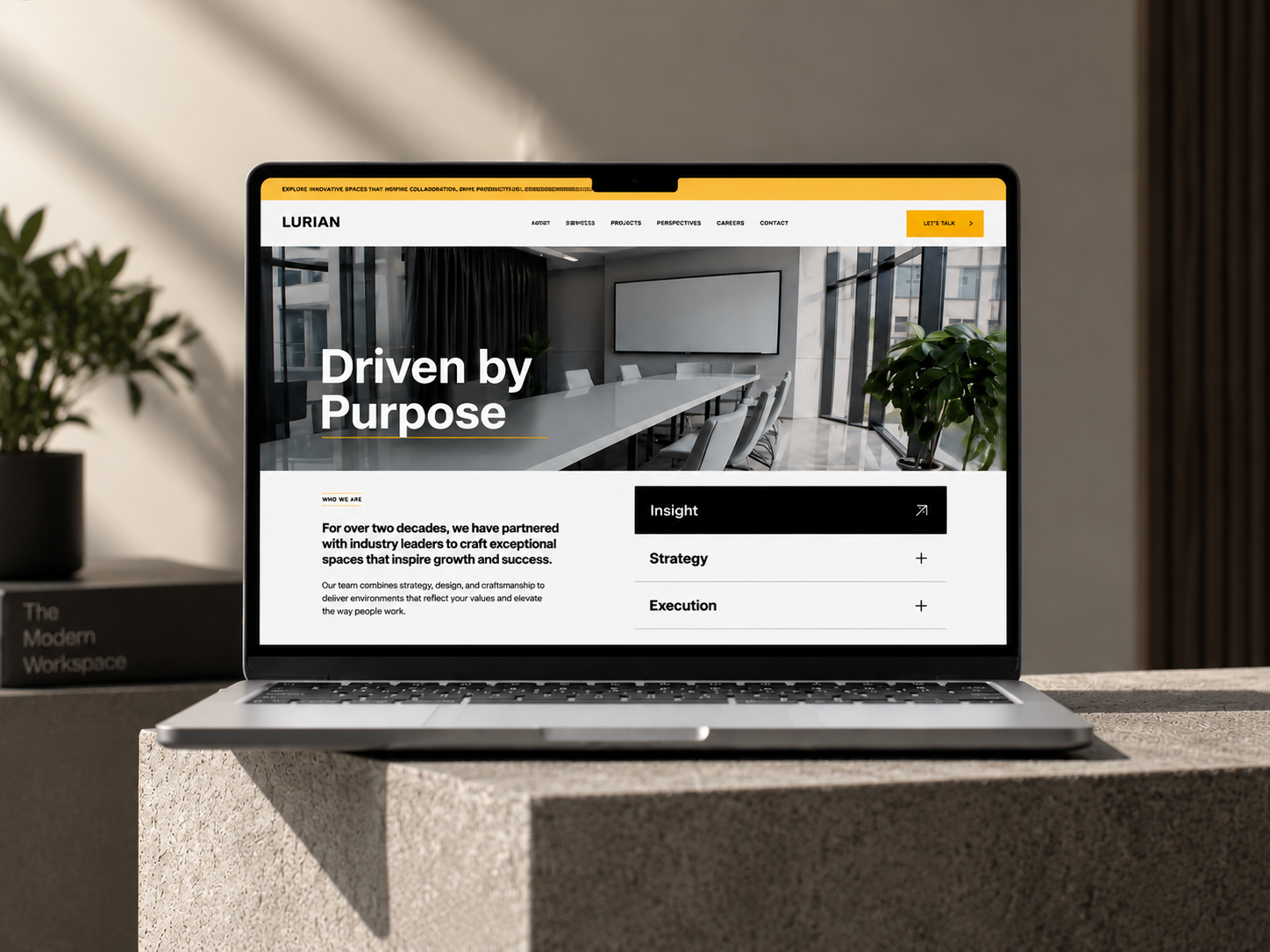
A curated selection of HubSpot implementations and digital marketing campaigns that moved the needle for our clients.
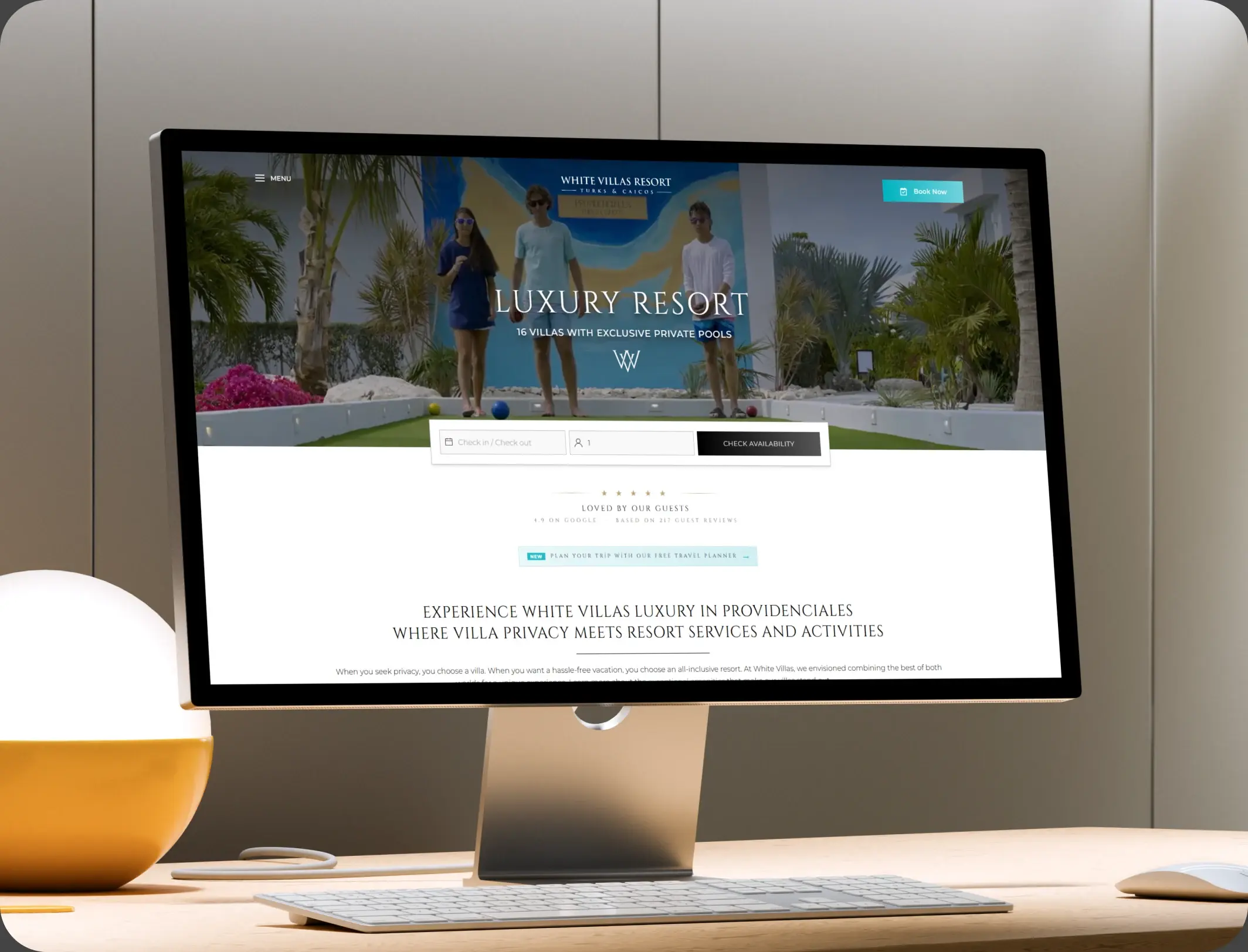
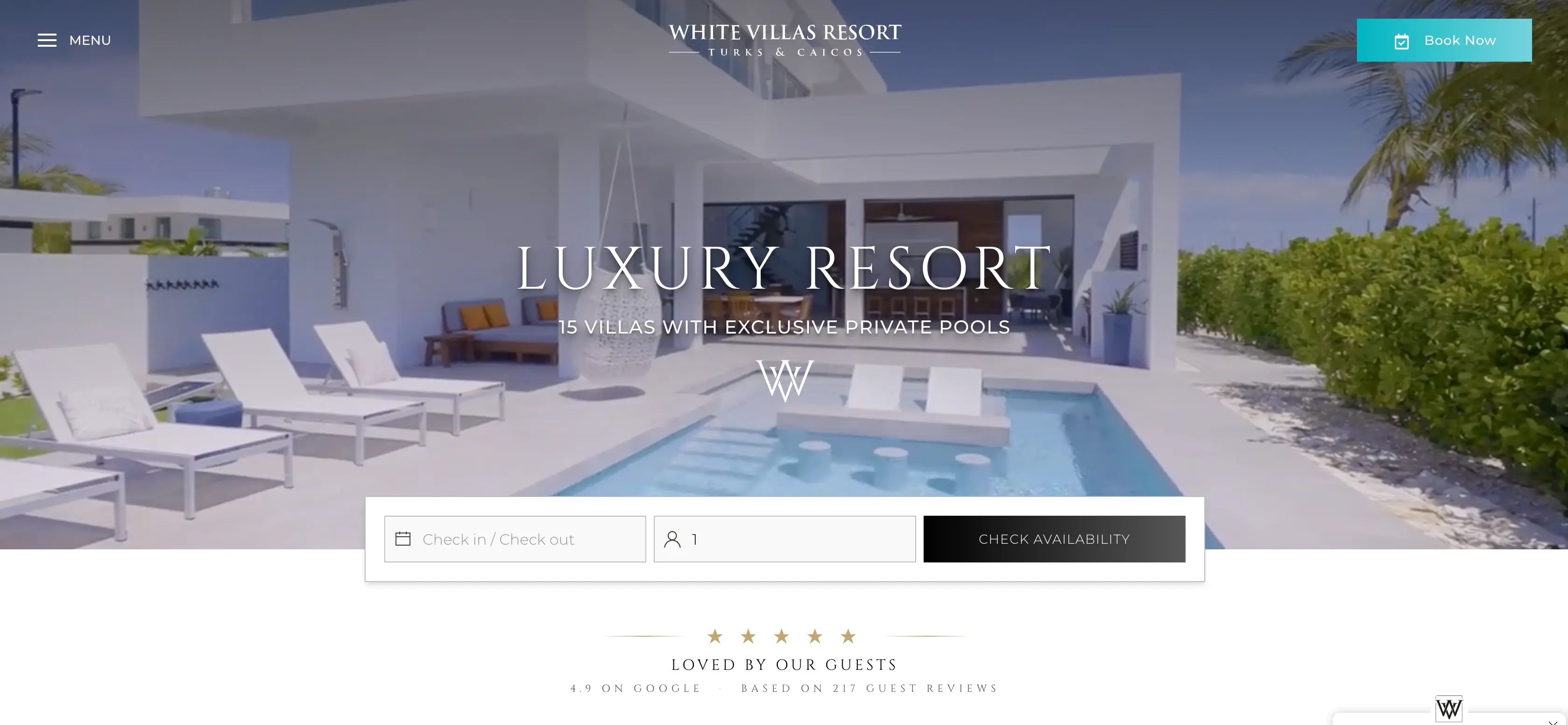
HOSPITALITY
HubSpot End-to-End Guest Experience Automation for a Resort Villa - White Villas.
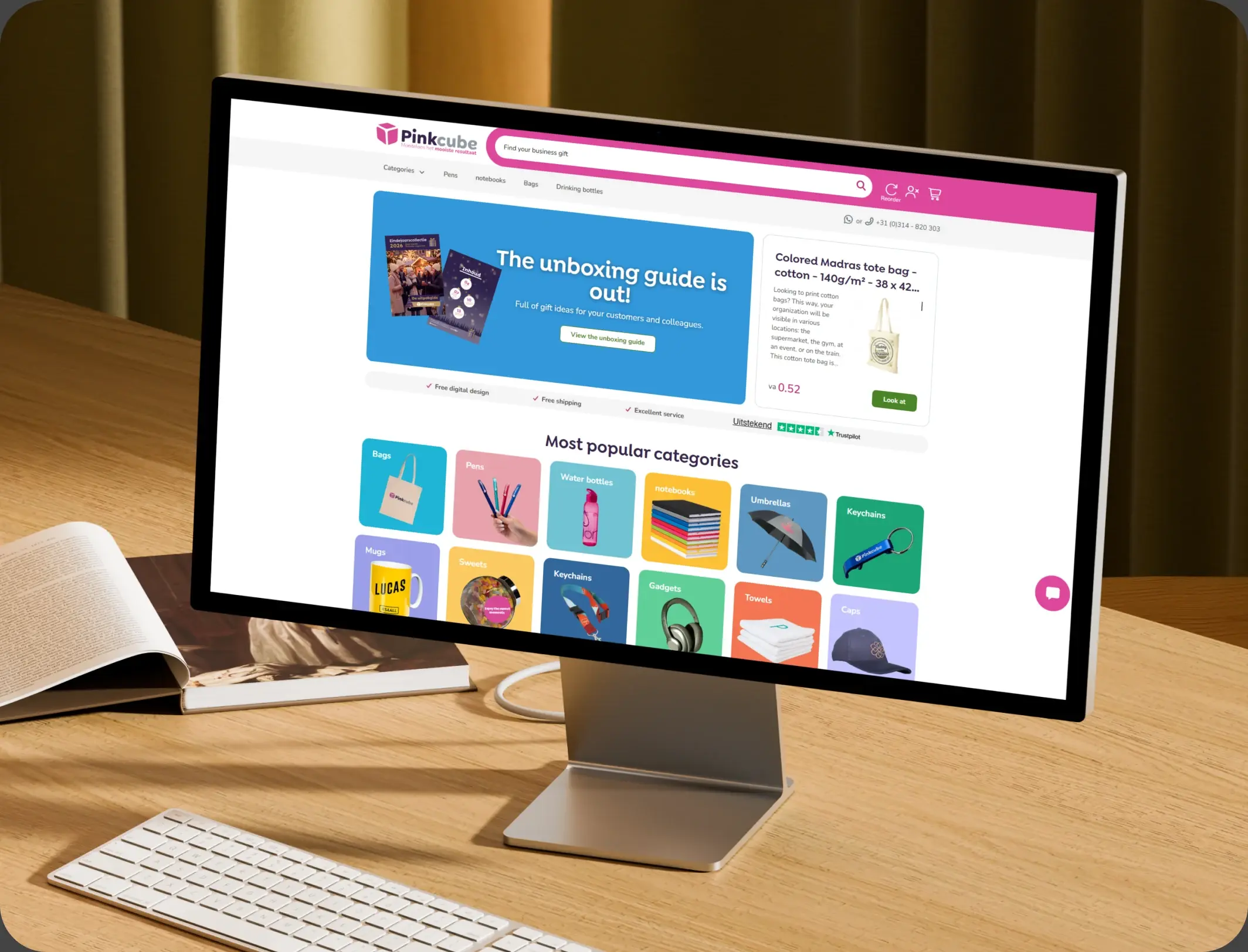
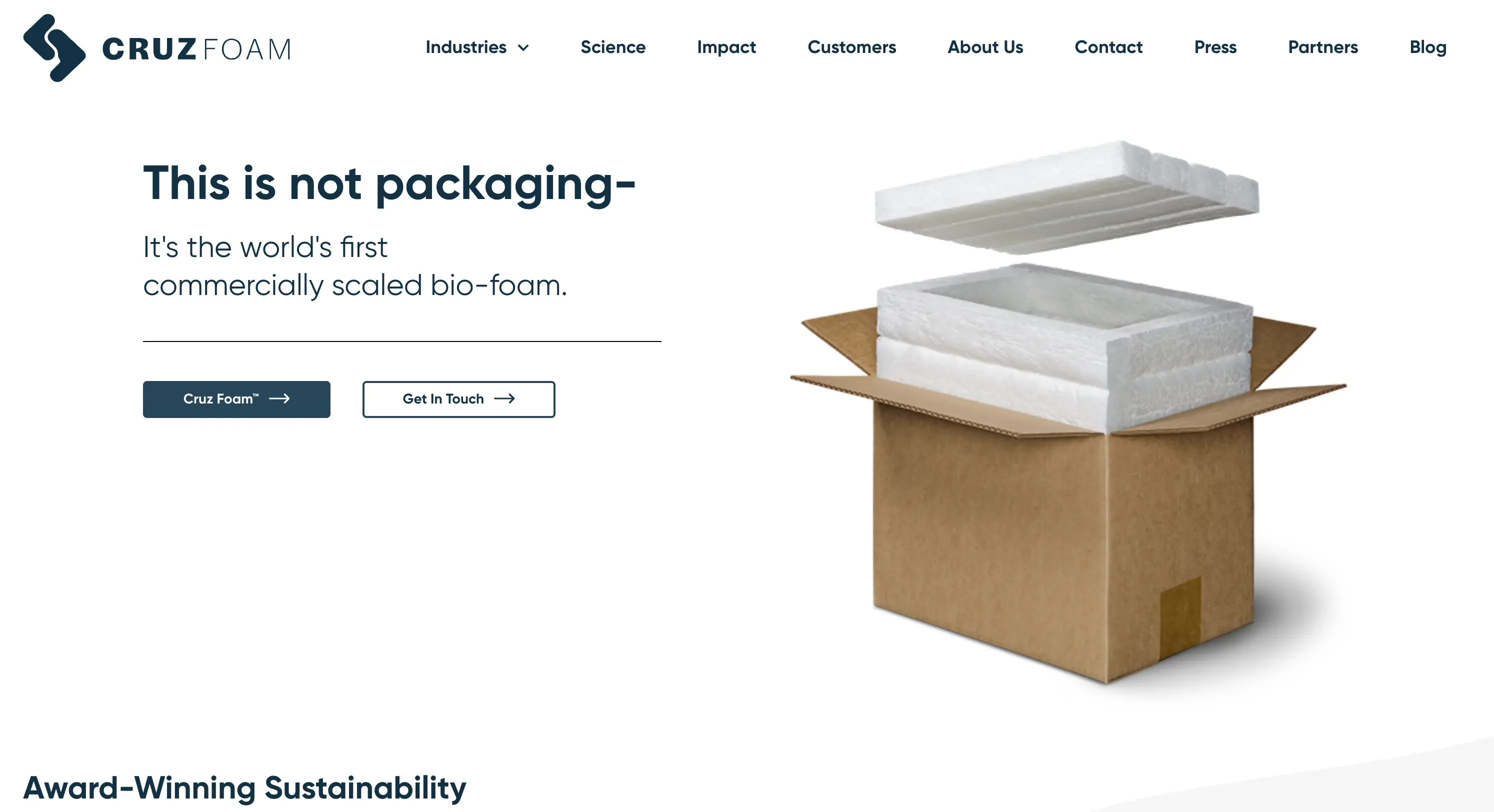
E-COMMERCE
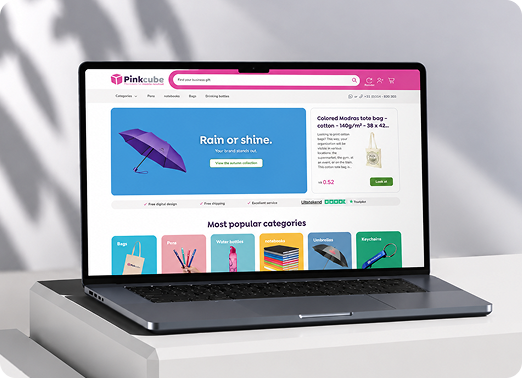
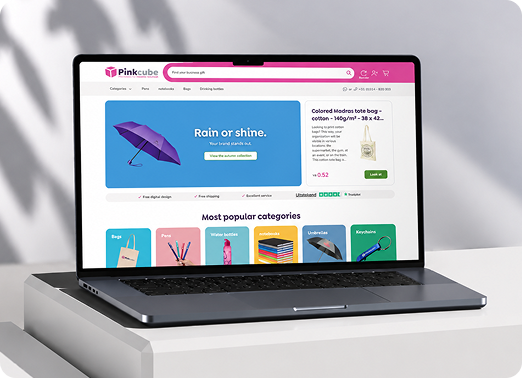
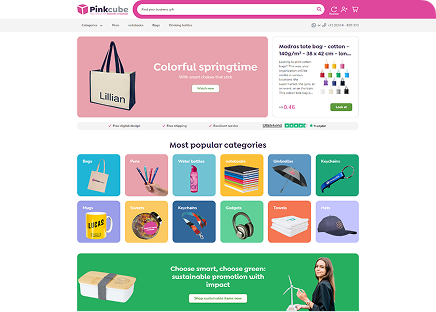
HubSpot Trengo to Service Hub Migration for an E-commerce Provider - Pinkcube.
TRAVEL & VISA
HubSpot Onboarding and Integration for a State-Owned Visa Company - Express Vietnam.
Search, past-guest referrals, and host agency leads bring enquiries in, with the source recorded at first touch.
Itinerary, cabin, and dining detail are captured once, with follow-up while the client compares options. The comparison stage is where the sailing is chosen.
Final payment dates, fare checks, and add-on deadlines run from the booking record until sail date. Payment deadlines matter more than the booking date.
Post-cruise follow-up and past-guest campaigns keep the client with the agency for the next sailing.
Notice at 45, 21, and 7 days before the deadline, with an agent task if the client has not paid at 14 days. Anyone who pays exits the reminder sequence.
A monthly check on booked sailings, with a task when a lower fare applies to the client's cabin category. The fare check names the cabin category and the saving.
Excursions, packages, and insurance offered at booking, at 60 days, and before the cut-off date. Add-on deadlines are tracked per sailing, not per client.
Documents, luggage tags, and boarding detail sent at 14 and 3 days before sailing. A booking with no contact for a month raises a task.
A thank-you after return, with a review request and a past-guest offer for the next season. Post-cruise follow-up lands while the trip is still fresh.
A prompt when a past client has not booked within two years.
A task when a booking has had no contact for 30 days inside the payment window.
Certified platform expertise, with a track record across travel agency workflows and long-cycle bookings.
Built around your booking window, payment dates, and add-on cut-offs. No generic templates.
Multi-step workflows and conditional logic built for deadlines that arrive months later.
Clean imports from spreadsheets or a host agency platform, with client history intact.
An in-house team connecting HubSpot to your booking platform, accounting, and supplier systems.
Continuous refinement as cruise lines and seasons change.
A cruise booking carries passport detail, date of birth, and payment information for every passenger in a cabin. The work is separation: documents stay in the booking platform, card data stays with the provider, and the CRM carries the enquiry, the booking status, and the communication record.
Not every agency needs every hub, and most start with Marketing and Sales before adding Service. Here is how each one lines up with a long booking window.
Your acquisition engine: itinerary campaigns, past-guest offers, and nurture that runs from deposit to sail date. Itinerary campaigns run from the same client record as the booking.
Built for the enquiry pipeline and the booking that follows months later, where deadlines decide the outcome. Each enquiry carries an owner and a response window.
Where payment questions, document requests, and changes get tracked. The support desk sees the booking history before replying. Most agencies start with Marketing and Sales, then add Service as volume grows.
Powers the website and itinerary content with built-in SEO, so sailings stay findable. Itinerary and ship pages get edited without a developer.
Connects booking platform, accounting, and supplier systems, most valuable at volume. Booking data stays matched. Booking data stays matched across agents instead of drifting.
Yes. It runs the commercial side of the agency: enquiry capture, booking follow-up, payment reminders, add-on campaigns, and repeat cruiser marketing, while the booking platform keeps the reservation. Most agencies see the difference within the first booking cycle. The CRM carries coordination, not credentials.
Notice goes out at 45, 21, and 7 days before the deadline, and an agent task appears at 14 days if the client has not paid, which is where most bookings are saved. Protected bookings are tracked, so the improvement is measurable. Every workflow is tested before it reaches a client.
A monthly check runs on booked sailings, with a task when a lower fare applies to the client's cabin category, so the agency can offer the saving before the client finds it. The sequence is matched to the cruise line and cabin category. Add-on offers are timed to the sailing, not the calendar.
Excursions, packages, and insurance are offered at booking, at 60 days, and before the cut-off, with attach rates reported by sailing. Nothing is assumed native until the connector is confirmed.
Documents stay in the booking platform, access is role-based, and card detail stays with the provider. Passenger documents never enter the CRM.
Often through an API or middleware. Booking, payment, and client data cross over, and the sync direction is scoped first. That is how cost per booking becomes visible.
Yes. Agents, teams, and permissions are configured separately, with consolidated reporting for the agency owner. We map which fields may hold passenger data before launch.
Most run four to eight weeks, depending on integrations and how much booking history needs migrating. Documents stay in the booking platform.
Ready to Protect Every Cruise Booking With HubSpot?
A final payment date is approaching on a booking nobody has touched in a month. We build around your booking window, your agents, and the cruise lines you sell most. No generic setup, and no deadline left in a spreadsheet.